Create Your Garden

Native Aquatic Plants for South Florida

Turn every soggy corner into a sparkling mini wetland. Native aquatic plants cool the water, fight algae, and invite dragonflies, frogs, and wading birds to your South Florida yard. From fragrant water lilies to bold alligator flag, these climate ready natives make ponds, canals, and rain gardens come alive.
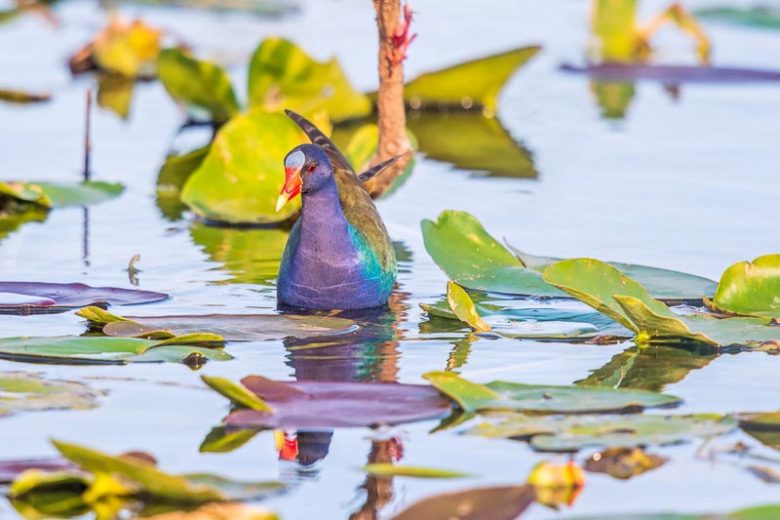
Native Plants, Native Perennials, Native Aquatic Plants, Florida Native Plant, Florida Native Perennials, Florida Native Aquatic Plants

Recommended Native Aquatic Plants for South Florida – Best Picks

Picture South Florida as a shallow, sunlit bowl filled with water – ponds, canals, lakes, retention basins, and wet ditches are everywhere. Warm temperatures year round, summer downpours, and a naturally high water table make this region a dream setting for native aquatic plants. If you live in USDA zones 10a, 10b, or 11a, you are in prime territory for turning wet spots and water features into vibrant, wildlife friendly mini wetlands.

Historically, Tropical Florida and the southern Florida Peninsula were a mosaic of marshes, wet prairies, cypress swamps, sloughs, ponds, mangrove fringes, and shallow coastal lagoons. Much of that watery wilderness has been drained, filled, or channelized. The good news – you can bring a little piece of real Florida back home by planting native aquatic plants for South Florida around your pond, canal bank, or rain garden.

Just like native trees and shrubs, native aquatic plants evolved here without human help. They are naturally tuned to South Florida heat, humidity, fluctuating water levels, and local wildlife. When you choose them over aggressive exotics, you get a water feature that looks beautiful, supports life, and is easier to manage in the long run.

South Florida Native Aquatic Plant Quick Start

  • Know your depth – measure how deep the water is in different parts of your pond or canal edge. Some natives like saturated soil at the edge, while others prefer 6 to 24 inches of standing water.
  • Check sun and shade – many native water lilies and pond plants want at least 4 to 6 hours of sun, while others tolerate light shade under trees or near buildings.
  • Match the movement – still or slow water suits lilies and pickerelweed, while plants on canal banks and swales must handle periodic flow and wave action.
  • Avoid invasives – skip water hyacinth, hydrilla, and other problem exotics. They spread fast, clog waterways, and are difficult to remove once established.
  • Start in groups – plant in clusters of 3 to 7 of the same species for a natural look and better wildlife value rather than scattering single plants here and there.

South Florida Aquatic Habitats At A Glance

To pick the best native aquatic plants for South Florida, think about where each species lives in the wild. Then, copy those conditions in your water garden or along your shoreline.

  • Backyard ponds and water gardens – lined or natural bottom ponds with relatively still water. Perfect for native water lilies (Nymphaea spp.), pickerelweed (Pontederia cordata), duck potato (Sagittaria lancifolia), and soft rush (Juncus effusus) planted in shelves or baskets.
  • Canals, lakes, and subdivision ponds – fluctuating water levels, occasional wind driven waves, and variable depths. Great for tough marginal species like alligator flag (Thalia geniculata), spikerushes (Eleocharis spp.), maidencane (Panicum hemitomon), and native marsh grasses.
  • Rain gardens and wet swales – areas that collect stormwater and may stay soggy for days but are not permanently flooded. Ideal for swamp lily (Crinum americanum), golden canna (Canna flaccida), duck potato (Sagittaria lancifolia), and wetland sedges (Carex and Rhynchospora).
  • Shallow marshy edges – gently sloping shorelines where your feet sink slightly in wet soil. This zone is the sweet spot for many emergent aquatic plants such as pickerelweed (Pontederia cordata), duck potato (Sagittaria lancifolia), and soft rush (uncus effusus) that like their roots wet and their foliage in the air.
  • Container water gardens and tubs – half barrels, ceramic bowls, or troughs on patios and balconies. These are surprisingly good places for small forms of native lilies (Nymphaea spp.), water hyssop (Bacopa monnieri), and dwarf rushes (Juncus spp.).

Spend a day watching how water, shade, and wind behave around your property. Mark where the soil stays soggy, where the bank is steep or shallow, and how much direct sun each spot receives. That map will guide your native aquatic plant choices.

Guide Information

Hardiness 10 - 11
Plant Type Aquatic Plants
Native Plants United States, Southeast, Florida

Recommended Native Aquatic Plants for South Florida

Nuphar lutea subsp. advena (Yellow Pond Lily)
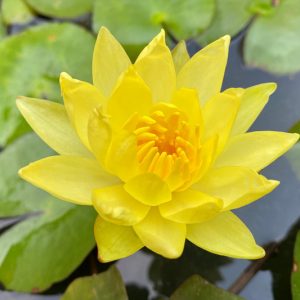
Nymphaea mexicana (Yellow Water Lily)
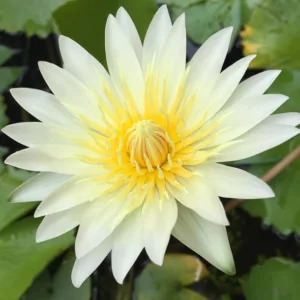
Nymphaea odorata (Fragrant Water Lily)
Pontederia cordata (Pickerel Weed)
Thalia geniculata ‘Ruminoides’ (Red Stemmed Alligator-Flag)
Bacopa monnieri (Water Hyssop)
Sagittaria lancifolia (Lanceleaf Arrowhead)
Canna flaccida (Golden Canna)
Crinum americanum (Swamp Lily)
Rhynchospora colorata (Star Rush)
Juncus effusus (Common Rush)

Why Choose Native Aquatic Plants in South Florida

Adding a few native water lilies or pickerelweed is nice. Planting a whole community of South Florida native aquatic plants is even better for your pond, canal edge, and neighborhood ecosystem.

  • Water smart – native aquatic plants are adapted to South Florida’s natural wet and dry cycles. Many can handle periods of flooding followed by lower water levels without constant tinkering from you.
  • Cleaner water – healthy stands of native emergent and floating plants help soak up excess nutrients, shade the water, and compete with algae. That means clearer water and less work.
  • Wildlife magnets – native pond plants provide nectar, seed, shelter, and spawning habitat for dragonflies, butterflies, frogs, fish, turtles, and wading birds.
  • Better behaved – carefully chosen native species are far less likely to become invasive than some popular exotics like water hyacinth or hydrilla, which can choke waterways and harm wildlife.
  • Low maintenance beauty – once they settle in, most native aquatic plants need only occasional thinning or trimming instead of constant replacement.

Tip – never remove plants from natural wetlands, parks, or preserves. Always buy from reputable nurseries that specialize in Florida native aquatic plants and, when possible, use stock grown from local or regional seed sources.

Best Native Aquatic Plants for South Florida Gardens

Use this list as a menu of dependable South Florida native pond plants. Always confirm exact depth and spacing needs for your particular site, especially along shared or regulated shorelines.

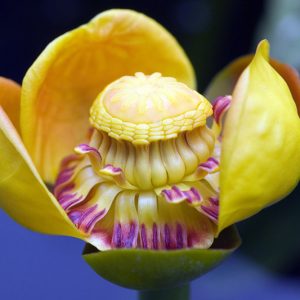
  • Nuphar lutea subsp. advena (Yellow Pond Lily) – a classic native pond plant with round, leathery floating leaves and cheerful yellow cup shaped flowers. Thrives in full sun to light shade in 1 to 3 feet of still or slow moving water. Great for naturalistic ponds and canal coves where you want shade for fish and a strong native look.
  • Nymphaea mexicana (Yellow Water Lily) – bold, tropical looking lily with starry yellow blooms that stand above mottled green pads. Prefers full sun in warm, shallow water. Ideal for larger garden ponds or sunny lake corners where it can spread and create shelter for fish and tadpoles.
  • Nymphaea odorata (Fragrant Water Lily) – one of the best known native water lilies for South Florida. Glossy floating leaves and fragrant white or pale pink flowers give a classic pond look. Plant rhizomes in containers or directly into pond shelves 6 to 24 inches below the surface in full sun for best bloom.
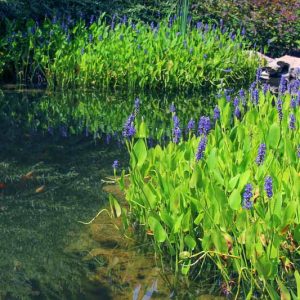
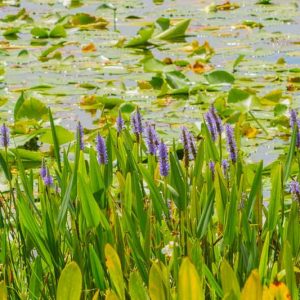
  • Pontederia cordata (Pickerelweed) – upright, heart leaved emergent with spikes of violet blue flowers that attract bees and butterflies. Excellent for pond margins, wet ditches, and edges of retention ponds. Works in full sun to part shade in shallow water or saturated soil.
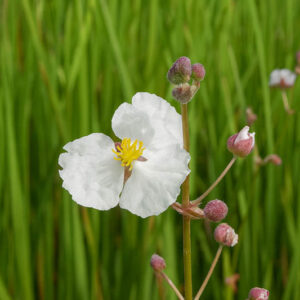
  • Sagittaria lancifolia (Duck Potato, Arrowhead) – handsome plant with arrow shaped leaves and white flowers held above the water on tall stalks. Very adaptable – grows in pond shelves, marsh edges, and rain gardens that stay wet for long periods. The starchy tubers are eaten by wildlife.
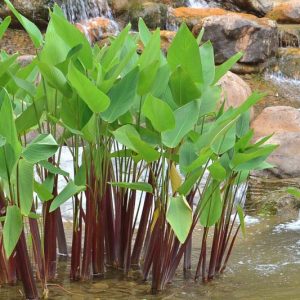
  • Thalia geniculata (Alligator Flag) – dramatic architectural plant with large paddle shaped leaves on tall stalks and airy purple flower clusters. Loves full sun to bright shade in shallow water or constantly wet soil. Perfect along canal banks, pond shoulders, and stormwater ponds where you want height and a lush tropical look.
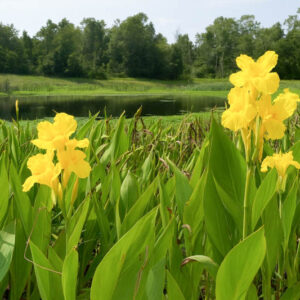
  • Canna flaccida (Golden Canna) – native canna with bright yellow flowers and bold leaves. Great for wet soils, pond edges, and rain gardens that stay saturated but are not deeply flooded. Attracts butterflies and provides vertical interest in mixed wetland plantings.
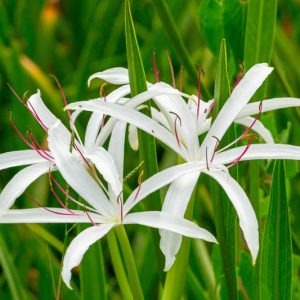
  • Crinum americanum (Swamp Lily, String Lily) – elegant strap leaved plant with large, fragrant white flowers on tall stalks. Grows in wet soils, shallow water, and along slow moving streams. A beautiful accent for naturalized pond edges and wet garden corners.
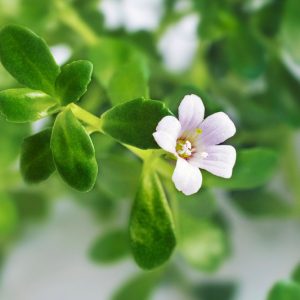
  • Bacopa monnieri (Water Hyssop) – creeping herb with small succulent leaves and pale flowers. Thrives along shallow margins, in pots, and in container water gardens. Useful as a low edging plant that softens rock borders and provides food and cover for small aquatic creatures.
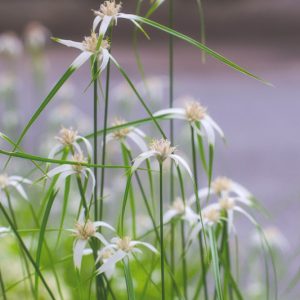
  • Rhynchospora colorata (Star Rush, White Topped Sedge) – clumping sedge with bright white tipped bracts that look like flowers. Performs well in wet soils, swales, and the upper margins of ponds. Excellent for adding fine texture and a meadow like feel to wetland plantings.
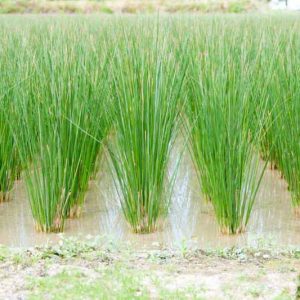
  • Juncus effusus and related rushes (Soft Rush) – vertical clumps of cylindrical green stems that give strong line and structure. Adapted to saturated soils and shallow standing water. Perfect for stabilizing banks, framing boulders, and providing cover for frogs and dragonflies.
  • Panicum hemitomon (Maidencane) – robust native grass used carefully along larger ponds, marshes, and stormwater facilities. Provides excellent erosion control and wildlife habitat where you have room for its spread and want a natural marsh edge.

Easy Design Recipes With Native Aquatic Plants

Wildlife Friendly Backyard Pond – In a sunny lined pond with shelves, plant Nymphaea odorata or Nymphaea mexicana in tubs in the deeper zone. Along the middle shelf, cluster Pontederia cordata (Pickerelweed) and Sagittaria lancifolia (Duck Potato). At the very edge, weave in Bacopa monnieri (Water Hyssop) and soft rush. Fish, dragonflies, and frogs will quickly move in.

Everglades Inspired Canal Edge – On a gently sloping canal or lake bank, create loose drifts of Thalia geniculata (Alligator Flag), Canna flaccida (Golden Canna), and Pontederia cordata. Behind them, tie into existing trees and shrubs like Dahoon holly or pond apple to echo natural wetland transitions.

Rain Garden for Soggy Corners – In a low spot that collects roof or driveway runoff, plant Sagittaria lancifolia, Canna flaccida, Crinum americanum, and star rush. These plants can handle seasonal flooding followed by drier spells, and they turn a problem area into a pollinator rich feature.

Container Water Garden on a Patio – Use a half barrel or glazed pot without a drain hole. Add a dwarf form of Nymphaea odorata or a small yellow water lily in a submerged pot. Around the edges, tuck in Bacopa monnieri and a short rush. Top with a few floating leaves and let birds and butterflies enjoy the miniature wetland.

Planting and Caring for Native Aquatic Plants in South Florida

Most South Florida native pond plants are tough once established, but thoughtful planting and early care make a big difference to how well they perform.

  • Check local rules – canals, lakes, and stormwater ponds may be regulated by HOAs or water management districts. Confirm what is allowed before planting directly into shared shorelines.
  • Prepare the planting area – remove invasive aquatics and struggling lawn along the waterline. A clean start makes it easier for native plants to take hold.
  • Plant at the right depth – water lilies usually want 6 to 24 inches of water over their crowns, while many emergent plants like pickerelweed and duck potato are happiest with their crowns at or just below the water surface in shallow shelves.
  • Use containers where helpful – in lined ponds or where you want more control, plant lilies and vigorous emergents in sturdy fabric or plastic baskets with heavy loam. This keeps roots contained and makes seasonal maintenance easier.
  • Anchor against waves – in canals or windy lakes, tuck plants into small pockets between rocks or use biodegradable pins or stakes until roots knit into the soil.
  • Go easy on fertilizer – a little slow release aquatic fertilizer in lily baskets can boost flowering, but avoid overdoing it. Excess nutrients feed algae and can degrade water quality.
  • Thin, do not scalp – once or twice a year, remove old stems and thin crowded clumps. Always leave substantial healthy growth so plants can recover quickly and keep competing with algae and weeds.
  • Skip most herbicides – chemical treatments and ponds full of fish, frogs, and beneficial insects rarely mix well. Hand pulling, cutting, and gradually replacing problem plants with natives is usually safer.

Regularly check for signs of invasive newcomers drifting in from upstream, such as water hyacinth or aggressive non native grasses. Removing them early keeps your native aquatic plant community healthy and balanced.

Blending Native Aquatic Plants Into Your Landscape Design

Think of your water feature as another garden bed – just wetter. The same design ideas that work on land also work in and around ponds and canals.

  • Layer the shoreline – use taller plants like alligator flag, golden canna, or swamp lily at the back, medium height species like pickerelweed and duck potato in the middle, and low creepers such as water hyssop at the water’s edge.
  • Frame views and hide distractions – plant taller clumps where you want to screen a fence or neighboring building, and keep lower plants in front of cherished views of sunsets, water, or trees.
  • Create wildlife corridors – connect your pond or canal planting with nearby native shrubs, trees, and meadowy beds. Continuous habitat lets frogs, pollinators, and birds move safely through your yard.
  • Mix bold and fine textures – pair the big leaves of alligator flag, swamp lily, and canna with the fine lines of rushes and sedges and the round pads of lilies for rich visual contrast.
  • Blend wet and dry zones – let your aquatic plantings transition naturally into shoreline shrubs like Dahoon holly, pond apple, or buttonwood and then into upland beds. This layered effect is both beautiful and highly functional.
  • Combine natives with a few non natives – you can keep favorite tropical ornamentals as accents. Just be sure the backbone of your water feature relies on Florida native aquatic plants that support local wildlife and stay under control.

Over time, a well planned mix of aquatic and shoreline natives transforms simple ponds and canals into dynamic, climate ready landscapes that look like they truly belong in South Florida.

Frequently Asked Questions

What are the best native aquatic plants for South Florida backyard ponds?

Excellent choices include Nuphar lutea subsp. advena (Yellow Pond Lily), Nymphaea mexicana (Yellow Water Lily), Nymphaea odorata (Fragrant Water Lily), Pontederia cordata (Pickerelweed), Sagittaria lancifolia (Duck Potato), Thalia geniculata (Alligator Flag), Bacopa monnieri (Water Hyssop), Canna flaccida (Golden Canna), and Crinum americanum (Swamp Lily). Together they provide floating cover, emergent flowers, and shoreline structure for wildlife in USDA zones 10 to 11.

Will native water lilies and pond plants take over my pond?

Most native lilies and emergent plants expand steadily but can be managed with periodic thinning. Plant them in containers or defined shelves and remove extra rhizomes or clumps once or twice a year. Avoid known aggressive species and never introduce invasive exotics such as water hyacinth or hydrilla.

How much sun do native aquatic plants in South Florida need?

Many flowering native aquatics, especially water lilies and pickerelweed, bloom best with at least 4 to 6 hours of direct sun. Others, such as swamp lily, alligator flag, and some sedges, tolerate or even prefer bright shade. Observe your site and match species to the light you truly have.

Do native aquatic plants attract mosquitoes?

Healthy ponds and wetlands rich in native plants usually support fish, frogs, dragonflies, and other predators that eat mosquito larvae. Problems arise more in bare, stagnant water without these natural checks and balances. A diverse native plant community generally helps reduce, not increase, mosquito issues.

Can I grow native Florida aquatic plants in containers or small patio water features?

Yes. Many native aquatics adapt very well to tubs, half barrels, and ceramic bowls. Dwarf forms of Nymphaea odorata, water hyssop, small rushes, and compact arrowheads are especially good for container water gardens as long as they receive adequate sun and regular top ups of clean water.

Do native aquatic plants need pumps, filters, or aeration to stay healthy?

Native pond plants do not require pumps or filters to survive, but moderate circulation and aeration can improve water clarity and overall pond health, especially in lined or heavily stocked fish ponds. In more natural settings with balanced planting and reasonable nutrient levels, dense native vegetation often provides much of the filtering function on its own.

References

Updated: December 2025 • Reviewed by Gardenia Editors

Recommended Guides

Native Vines for South Florida
Native Ferns for South Florida
Native Grasses for South Florida
Native Aquatic Plants for South Florida
Shade-Loving Native Shrubs for South Florida
Sun-Loving Trees for South Florida
Shade-Loving Native Trees for South Florida
Shade-Loving Native Perennials for South Florida
Sun-Loving Native Perennials for South Florida
Native Groundcovers for South Florida
Sun-Loving Native Shrubs for South Florida
Highly Drought Tolerant plants for your Florida Native Garden
Native Plants that Attract Hummingbirds in Florida
Invasive Plant Species in Florida
Highly Salt Tolerant plants for your Florida Native Garden
Great Pollinator Plants for Florida
Monarch Nectar Plants for Florida
Explore Great Plant Combination Ideas
Tropical South
Guides with
Tropical South Florida
While every effort has been made to describe these plants accurately, please keep in mind that height, bloom time, and color may differ in various climates. The description of these plants has been written based on numerous outside resources.

Guide Information

Hardiness 10 - 11
Plant Type Aquatic Plants
Native Plants United States, Southeast, Florida
Explore Great Plant Combination Ideas
Tropical South
Guides with
Tropical South Florida

Related Items

Please Login to Proceed

You Have Reached The Free Limit, Please Subscribe to Proceed

Subscribe to Gardenia

To create additional collections, you must be a paid member of Gardenia
  • Add as many plants as you wish
  • Create and save up to 25 garden collections
Become a Member

Plant Added Successfully

Your garden is taking shape. Unlock full planning.

You’ve reached the free limit. Upgrade for $25/year to add as many plants as you wish and save up to 25 garden collections. Unlock Annual Membership

Update Your Credit
Card Information

Cancel

Create a New Collection

Sign Up to Our Newsletter

    You have been subscribed successfully

    Join Gardenia.net

    Create a membership account to save your garden designs and to view them on any device.

    Becoming a contributing member of Gardenia is easy and can be done in just a few minutes. If you provide us with your name, email address and the payment of a modest $25 annual membership fee, you will become a full member, enabling you to design and save up to 25 of your garden design ideas.

    Join now and start creating your dream garden!

    Join Gardenia.net

    Create a membership account to save your garden designs and to view them on any device.

    Becoming a contributing member of Gardenia is easy and can be done in just a few minutes. If you provide us with your name, email address and the payment of a modest $25 annual membership fee, you will become a full member, enabling you to design and save up to 25 of your garden design ideas.

    Join now and start creating your dream garden!
    Find your Hardiness Zone

    Find your Heat Zone

    Find your Climate Zone