Create Your Garden

Native Groundcovers for North Florida

rade thirsty lawn for lush, low native groundcovers in North Florida. Sunshine mimosa, beach morning glory, railroad vine, sea purslane, violets, and ferns quickly knit into living mulch, cooling sand, feeding pollinators, and shrinking yard work. Perfect for coastal gardens, rain gardens, pine shade, and bright, blazing driveways across Florida.
Native Plants, Native Perennials, Native Vines, Florida Native Plant, Florida Native Perennials, Florida Native Vines

Native Groundcovers for North Florida – Living Mulch for Sand, Shade, and Salt

Want less mowing and more butterflies in your North Florida yard? Native groundcovers can turn bare sand, shady corners, and hot coastal edges into living green carpets. In Jacksonville, Tallahassee, Gainesville, and across the Panhandle, these plants knit together into low, tough mats that hold soil, smother weeds, and feed wildlife while thriving in USDA zones 8a, 8b, and warm pockets of 9a.

North Florida Native Groundcover Quick Start

  • Match the light – sun loving groundcovers such as sunshine mimosa and railroad vine need at least six hours of direct sun; ferns and violets spread in filtered shade and under pines and oaks.
  • Know your soil moisture – some species are beach and sandhill specialists, others love marsh edges, rain gardens, and swales that stay moist to wet.
  • Think in patches, not single plants – native groundcovers look most natural when planted in wide drifts or plugs spaced 12 to 18 inches apart so they can knit together.
  • Use them as living mulch – under shrubs, between stepping stones, at the base of longleaf pines, or to replace thin lawn that always struggles.
  • Water to establish, then mostly let them be – even drought tolerant natives appreciate regular deep watering the first season; after that many can coast on rainfall.

North Florida Groundcover Habitats At A Glance

Most of North Florida sits in USDA zones 8a to 9a, with sandy soils, hot summers, and mild but sometimes freezing winters. The right native groundcover will be one that fits the conditions in your yard.

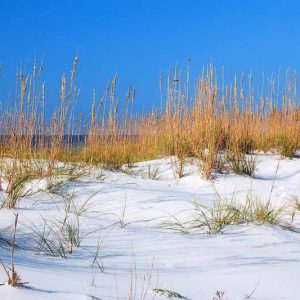
  • Dry sandhills and coastal dunes – deep, fast draining sand, blazing sun, wind, and drought. Look for beach morning glory, railroad vine, sunshine mimosa, sea purslane, and seashore dropseed.
  • Shady woodland edges and under pines – dappled light, leaf litter, and tree roots. Ferns, woodland phlox, violets, lyreleaf sage, and partridge berry shine here.
  • Wet ditches, pond margins, and rain gardens – saturated or seasonally flooded soil in full to part sun. Marsh pennywort, lemon bacopa, lizard tail, and blue-eyed grass are good fits.
  • Urban and suburban beds – mixed fill soils, irrigation, mulch, and reflected heat from driveways and walks. Many of these natives adapt well as lawn alternatives and planting bed groundcovers.

Walk your site at different times of day, note where sun, shade, and moisture fall, and then match native groundcovers to each micro habitat.

Whenever you update or expand your garden, choose regionally native plants and avoid known invasive species so your landscape works with, not against, North Florida’s ecosystems.

Best Native Groundcovers for North Florida Landscapes

Use this list as a menu of durable North Florida native groundcovers for replacing turf grass, stabilizing slopes, tying together shrub beds, and softening hard edges along drives and patios. Mix low creepers, fern carpets, and clumping perennials so that something is always lush and green, even in winter.

Guide Information

Hardiness 8 - 9
Native Plants United States, Southeast, Florida
Landscaping Ideas Ground Covers
Adiantum capillus-veneris (Southern Maidenhair Fern)
Bacopa caroliniana (Lemon Bacopa)
Conoclinium coelestinum (Blue Mistflower)
Dryopteris ludoviciana (Southern Wood Fern)
Hydrocotyle umbellata (Marsh Pennywort)
Ipomoea imperati (Beach Morning Glory)
Ipomoea pes-caprae (Railroad Vine)
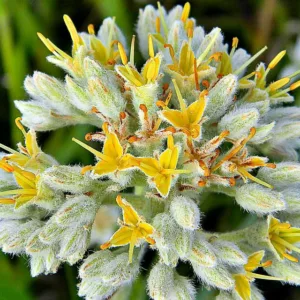
Lachnanthes caroliana (Carolina Redroot)
Mimosa strigillosa (Sunshine Mimosa)
Mitchella repens (Partridge Berry)
Phlox divaricata (Woodland Phlox)
Polystichum acrostichoides (Christmas Fern)
Pteridium aquilinum (Bracken Fern)
Ruellia caroliniensis (Carolina Wild Petunia)
Salvia lyrata (Lyreleaf Sage)
Saururus cernuus (Lizard Tail)
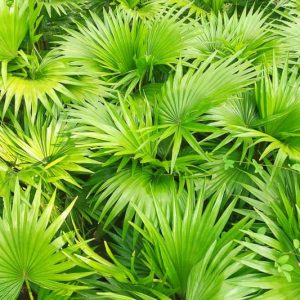
Serenoa repens (Saw Palmetto)
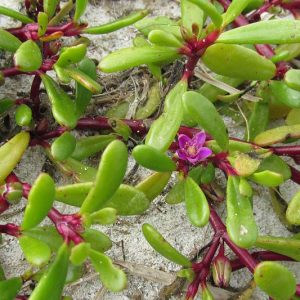
Sesuvium portulacastrum (Sea Purslane)
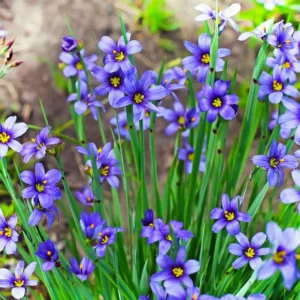
Sisyrinchium angustifolium (Blue-Eyed Grass)
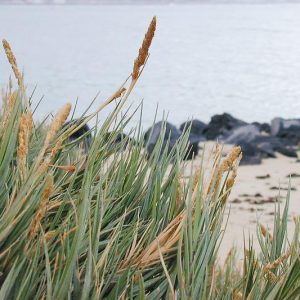
Sporobolus virginicus (Seashore Dropseed)
Stokesia laevis (Stokes Aster)
Viola affinis (Sand Violet)
Viola sororia (Common Blue Violet)
Woodwardia areolata (Netted Chain Fern)

Easy Pattern Recipes For Native Groundcovers

Dry Sandhill or Front Yard Lawn Alternative: Combine Mimosa strigillosa (Sunshine Mimosa), Salvia lyrata (Lyreleaf Sage), and clumps of Sporobolus virginicus (Seashore Dropseed). Sunshine mimosa forms a knee friendly carpet with pink puff flowers while the grass and sage add texture and spring bloom for pollinators.

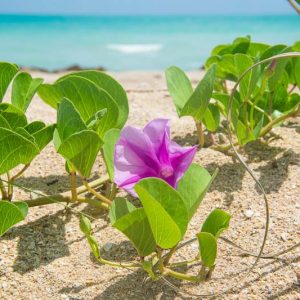
Coastal or Beach House Groundcover Mix: For wind blasted dunes and coastal yards, blend Ipomoea imperati (Beach Morning Glory), Ipomoea pes caprae (Railroad Vine), and Sesuvium portulacastrum (Sea Purslane). Together they anchor sand, tolerate salt spray, and create a low tapestry of flowers and succulent foliage.

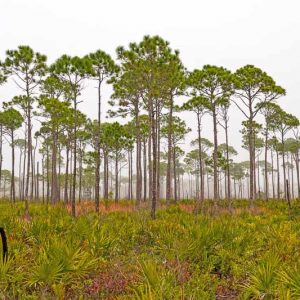
Shady Pine Straw and Live Oak Understory: Under longleaf pine, live oak, and magnolia, plant drifts of Mitchella repens (Partridge Berry), Viola sororia (Common Blue Violet), Adiantum capillus veneris (Southern Maidenhair Fern), and Polystichum acrostichoides (Christmas Fern). These natives weave through leaf litter, stay relatively low, and brighten shade with delicate flowers and fronds.

Moist Swale, Rain Garden, or Pond Edge Carpet: In always damp or seasonally wet low spots, try Hydrocotyle umbellata (Marsh Pennywort), Bacopa caroliniana (Lemon Bacopa), Saururus cernuus (Lizard Tail), and Sisyrinchium angustifolium (Blue-Eyed Grass). They knit together into a lush green mat that soaks up stormwater and feeds pollinators.

Why Choose Native Groundcovers In North Florida

Traditional turf grass lawns demand weekly mowing, fertilizer, and irrigation. Native groundcovers work with North Florida weather instead of against it. Once established, many of them shrug off drought, heavy rain, and temperature swings while supporting butterflies, bees, and birds.

  • Climate adapted – these species evolved with North Florida freezes, heat waves, and summer thunderstorms, so they are naturally tough in zones 8 and 9.
  • Living mulch and erosion control – dense stems, stolons, and fibrous roots lock in sand, reduce erosion on slopes, and shade soil to keep roots cooler and moister.
  • Wildlife habitat – flowers, berries, and seeds from groundcovers feed pollinators, songbirds, and small mammals, while foliage offers hiding spots for beneficial insects and lizards.
  • Lower maintenance than lawn – many native groundcovers need little or no mowing once they fill in. Occasional edging, weeding, and cutting back is usually enough.
  • Non invasive choices – native groundcovers are much less likely to invade natural areas than aggressive exotic runners used in older landscapes.

Tip: For new beds, remove lawn and weeds, loosen the top few inches of soil, and mulch lightly around your new plants. Space plugs or small pots in a staggered grid so that they can meet and overlap within a season or two.

Recommended Native Groundcovers For North Florida

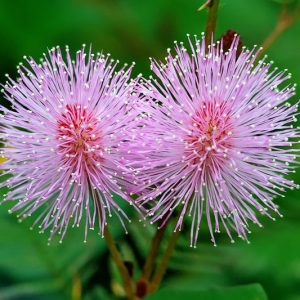
  • Mimosa strigillosa (Sunshine Mimosa) – low, ferny foliage and bright pink puffball flowers. Excellent lawn alternative for sunny, well-drained sand. Fixes nitrogen and feeds native bees.
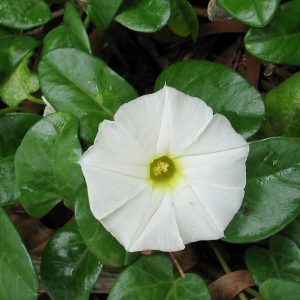
  • Ipomoea imperati (Beach Morning Glory) – trailing vine with white flowers and thick leaves that grip dunes and dry coastal sand. Great for beachfront homes and xeric sandhills.
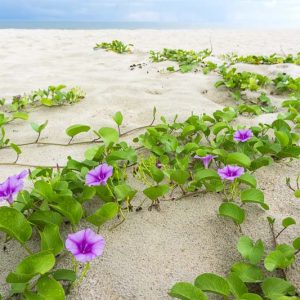
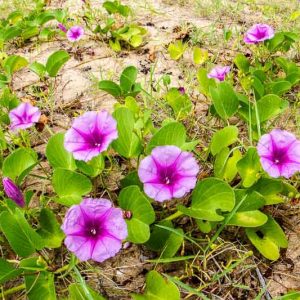
  • Ipomoea pes caprae (Railroad Vine) – fast running vine that quickly carpets dunes and disturbed sand with purple morning glory blossoms. Best where it can roam freely.
  • Sesuvium portulacastrum (Sea Purslane) – succulent coastal groundcover that hugs the sand, resists salt spray, and offers small pink blooms for coastal pollinators.
  • Sporobolus virginicus (Seashore Dropseed) – fine textured, salt tolerant grass forming low, tidy clumps and spreading mats. Ideal along drives, paths, and beachfront slopes.
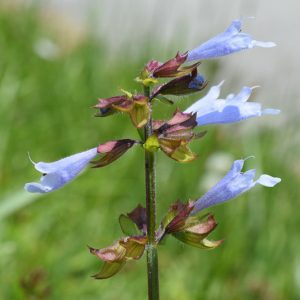
  • Salvia lyrata (Lyreleaf Sage) – rosettes of patterned leaves and spikes of blue flowers in spring. Good filler between stepping stones and under open shade where it can reseed lightly.
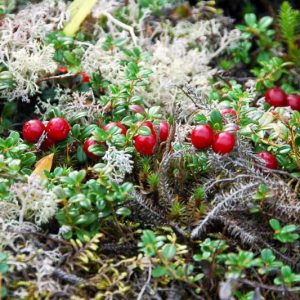
  • Mitchella repens (Partridge Berry) – tiny evergreen leaves, creeping stems, and red berries close to the ground. Loves moist, shady woodland edges and works well under shrubs.
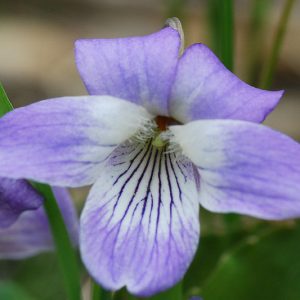
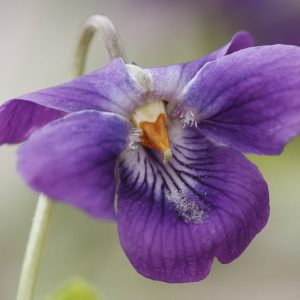
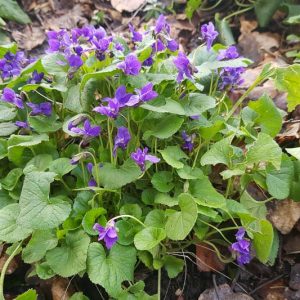
  • Viola sororia (Common Blue Violet) and Viola affinis (Sand Violet) – spring blooming violets that seed into light shade and open woodland soils, creating a soft green carpet dotted with blue and purple flowers.
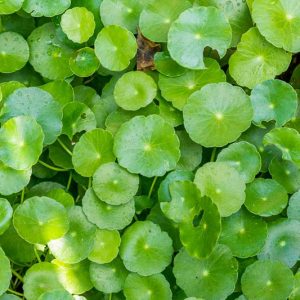
  • Hydrocotyle umbellata (Marsh Pennywort) – round leaves on creeping stems in moist to wet soil. A natural choice for rain gardens, ditches, and pond edges.
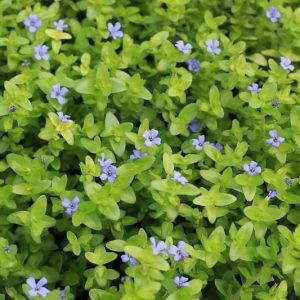
  • Bacopa caroliniana (Lemon Bacopa) – low, branching aquatic groundcover for shallow water and soggy soil. Crushed leaves have a lemon scent and tiny flowers attract small pollinators.
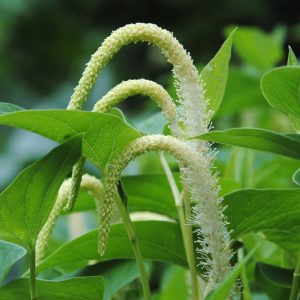
  • Saururus cernuus (Lizard Tail) – heart shaped leaves and curved white flower spikes in wet ditches and pond margins. Forms colonies in sunny to partly shaded wetlands.
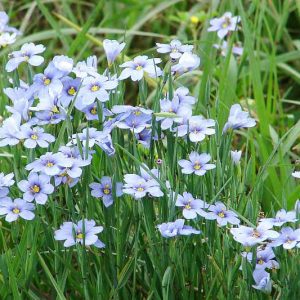
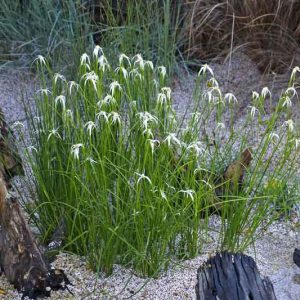
  • Sisyrinchium angustifolium (Blue-Eyed Grass) – grass like clumps scattered through low plantings, studded with starry blue flowers. Great near paths and in seasonal wet swales.
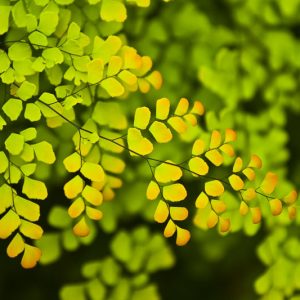
  • Adiantum capillus veneris (Southern Maidenhair Fern) – airy, delicate fern for moist, shaded walls, rocks, and beds. Spreads slowly to form soft ferny masses.
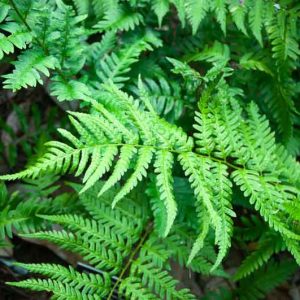
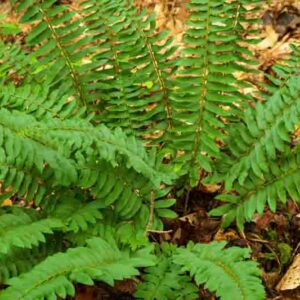
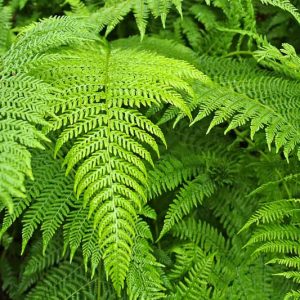
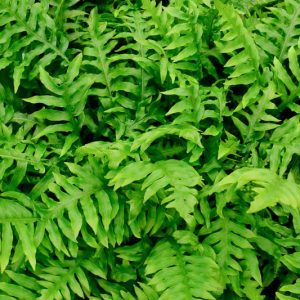
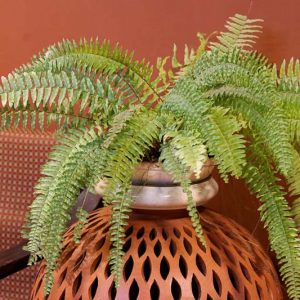
  • Polystichum acrostichoides (Christmas Fern) and Woodwardia areolata (Netted Chain Fern) – evergreen and semi evergreen ferns that carpet shady woodland soil and stabilize slopes.
  • Pteridium aquilinum (Bracken Fern) and Dryopteris ludoviciana (Southern Wood Fern) – taller ferns that form bold drifts in partial shade and provide cover for wildlife.
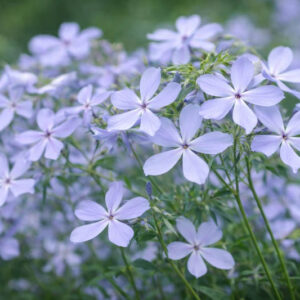
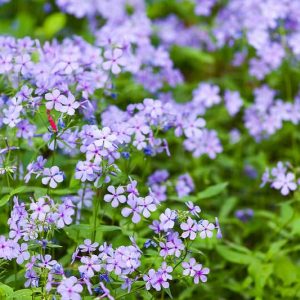
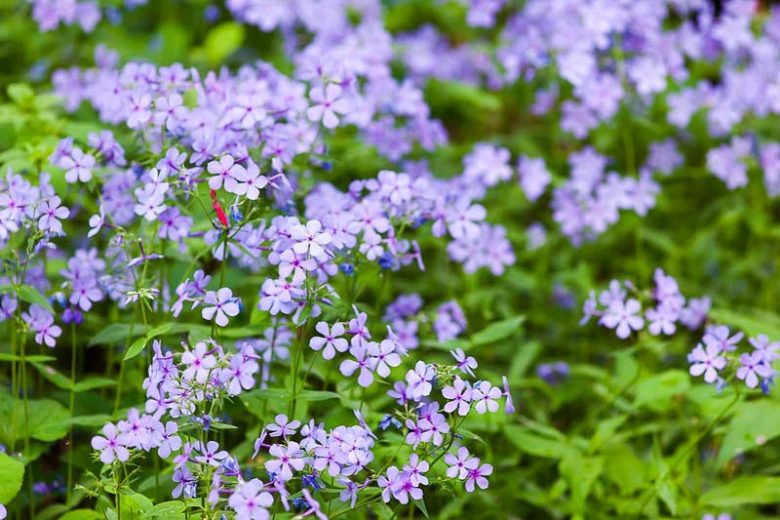
  • Phlox divaricata (Woodland Phlox) – fragrant, blue flowered phlox for bright shade. Low spreading stems create a loose mat that glows in spring.
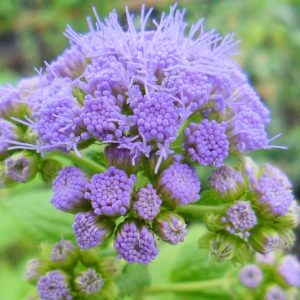
  • Conoclinium coelestinum (Blue Mistflower) – soft, fuzzy blue flowers late in the season. Though taller than a typical groundcover, its spreading habit makes it a good filler for moist, sunny spots.
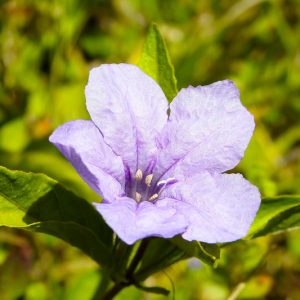
  • Ruellia caroliniensis (Carolina Wild Petunia) – low perennial with lavender bell flowers that hummingbirds and butterflies visit. Reseeds into dry, sunny beds and open shade.
  • Sesuvium, dropseed, and sunshine mimosa mix – together they create a rugged, mowable, pollinator friendly alternative to traditional turf in hot, sunny areas.
  • Serenoa repens (Saw Palmetto) – while not a true groundcover, dwarf or low forms used in mass plantings create a ground hugging palm layer that shades soil and shelters wildlife in larger native landscapes.
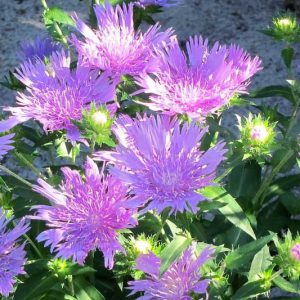
  • Stokesia laevis (Stokes Aster) – compact clumps topped with large blue daisy flowers. Plant in pockets among other low groundcovers for seasonal bursts of color.

Bringing Native Groundcovers Into Your Design

Start by deciding where you want less lawn and more life. Sketch out sun and shade, note low wet spots and dry high spots, then plug in native groundcovers that fit each area. Use sunshine mimosa and seashore dropseed for sunny front yards, partridge berry and violets under trees, and marsh pennywort or lemon bacopa in rain gardens.

Over a couple of seasons, these North Florida native groundcovers will knit together into a living mulch that cools the soil, suppresses weeds, and offers year round habitat for butterflies, bees, birds, and the tiny creatures that keep your landscape healthy.

Discover more beautiful Florida native plants

Plant Finder

Frequently Asked Questions

What are the best native groundcovers for North Florida home landscapes?

Reliable, widely used native groundcovers for North Florida include Mimosa strigillosa (sunshine mimosa), Ipomoea imperati (beach morning glory), Ipomoea pes-caprae (railroad vine), Sesuvium portulacastrum (sea purslane), Hydrocotyle umbellata (marsh pennywort), Mitchella repens (partridge berry), Viola sororia and V. affinis (blue and sand violets), Salvia lyrata (lyreleaf sage), and ferns such as Adiantum capillus-veneris, Polystichum acrostichoides, Dryopteris ludoviciana, and Woodwardia areolata. Together these species cover most site types from dry sandhills and coastal dunes to moist woodland edges and rain gardens in USDA zones 8–9.

Which native groundcovers handle full sun, heat, and drought in sandy soil?

For hot, fast-draining sand choose sunshine mimosa, beach morning glory, railroad vine, sea purslane, seashore dropseed (Sporobolus virginicus), and lyreleaf sage. These species evolved in North Florida sandhills and coastal dunes, so they tolerate reflected heat, intense sun, and periods of drought once established, especially when planted in masses and allowed to root deeply.

What native groundcovers are best for shade under live oaks and pines?

In bright to dappled shade, partridge berry, common blue violet, sand violet, woodland phlox (Phlox divaricata), and lyreleaf sage creep through leaf litter and pine straw to form low carpets. Ferns such as southern maidenhair, Christmas fern, netted chain fern, bracken fern, and southern wood fern build a layered, woodland look while stabilizing soil on slopes and around tree roots.

Which native groundcovers work in wet areas, rain gardens, and pond edges?

Marsh pennywort, lemon bacopa (Bacopa caroliniana), lizard’s tail (Saururus cernuus), blue-eyed grass (Sisyrinchium angustifolium), and some ferns thrive where soil stays moist to saturated. At pond margins and shallow water, marsh pennywort and lemon bacopa form floating or emergent mats that slow runoff, trap sediment, and provide nectar and cover for aquatic insects, frogs, and shorebirds.

Can native groundcovers replace a traditional lawn in North Florida?

Yes, in many sites they can. Sunshine mimosa, seashore dropseed, lyreleaf sage, and sea purslane are commonly used as lawn alternatives in sunny, low-traffic areas because they tolerate occasional mowing or string-trimming, require far less irrigation and fertilizer than St. Augustinegrass or bermudagrass, and support pollinators instead of acting as a biological “desert.”

How fast do native groundcovers spread and how far apart should I plant them?

Most creeping species spread noticeably in one growing season if watered during establishment. As a rule of thumb, plugs or small pots of sunshine mimosa, morning glory, railroad vine, pennywort, or partridge berry can be spaced 12–18 inches apart; clumping grasses and ferns can be spaced 18–24 inches apart. Planting in a staggered grid allows patches to meet and create a closed canopy within two to three years.

Do native groundcovers support pollinators and other wildlife?

Flowering groundcovers such as sunshine mimosa, lyreleaf sage, violets, sea purslane, woodland phlox, blue-eyed grass, and blue mistflower (Conoclinium coelestinum) provide nectar and pollen for native bees, butterflies, and beneficial wasps. Fruits and seeds from partridge berry, violets, grasses, and ferns feed small birds and mammals, while dense mats of vegetation shelter lizards, toads, ground-nesting bees, and predatory insects that help control pests.

How should I prepare my site before planting native groundcovers in North Florida?

Remove existing turf and invasive weeds, then loosen the top 3–6 inches of soil without deeply tilling, which can bring new weed seeds to the surface. Rake smooth, amend only if soil is extremely compacted or contaminated, and install native groundcovers at the beginning of the warm rainy season, watering deeply and mulching lightly between plants. This approach encourages quick rooting, reduces transplant shock, and helps the groundcovers outcompete weeds during their crucial first year.

References

Great Pollinator Plants for Florida
Highly Drought Tolerant plants for your Florida Native Garden
Highly Salt Tolerant plants for your Florida Native Garden
Monarch Nectar Plants for Florida
Native Ferns for North Florida
Native Grasses for North Florida
Native Vines for North Florida
Shade-Loving Native Perennials for North Florida
Sun-Loving Native Perennials for North Florida
Shade-Loving Native Trees for North Florida
Native Groundcovers for North Florida
Sun-Loving Native Trees for North Florida
Shade-Loving Native Shrubs for North Florida
Sun-Loving Native Shrubs for North Florida
Native Aquatic Plants for North Florida
Native Vines for Central Florida
Native Grasses for Central Florida
Invasive Plant Species in Florida
Sun-Loving Native Trees for Central Florida
Shade-Loving Native Shrubs for Central Florida
Native Aquatic Plants for Central Florida
Native Ferns for Central Florida
Shade-Loving Native Trees for Central Florida
Shade-Loving Native Perennials for Central Florida
Native Aquatic Plants for South Florida
Native Grasses for South Florida
Native Ferns for South Florida
Native Vines for South Florida
Explore Great Plant Combination Ideas
Coastal South
Guides with
Coastal South Florida
While every effort has been made to describe these plants accurately, please keep in mind that height, bloom time, and color may differ in various climates. The description of these plants has been written based on numerous outside resources.

Guide Information

Hardiness 8 - 9
Native Plants United States, Southeast, Florida
Landscaping Ideas Ground Covers
Explore Great Plant Combination Ideas
Coastal South
Guides with
Coastal South Florida

Related Items

Please Login to Proceed

You Have Reached The Free Limit, Please Subscribe to Proceed

Subscribe to Gardenia

To create additional collections, you must be a paid member of Gardenia
  • Add as many plants as you wish
  • Create and save up to 25 garden collections
Become a Member

Plant Added Successfully

Your garden is taking shape. Unlock full planning.

You’ve reached the free limit. Upgrade for $25/year to add as many plants as you wish and save up to 25 garden collections. Unlock Annual Membership

Update Your Credit
Card Information

Cancel

Create a New Collection

Sign Up to Our Newsletter

    You have been subscribed successfully

    Join Gardenia.net

    Create a membership account to save your garden designs and to view them on any device.

    Becoming a contributing member of Gardenia is easy and can be done in just a few minutes. If you provide us with your name, email address and the payment of a modest $25 annual membership fee, you will become a full member, enabling you to design and save up to 25 of your garden design ideas.

    Join now and start creating your dream garden!

    Join Gardenia.net

    Create a membership account to save your garden designs and to view them on any device.

    Becoming a contributing member of Gardenia is easy and can be done in just a few minutes. If you provide us with your name, email address and the payment of a modest $25 annual membership fee, you will become a full member, enabling you to design and save up to 25 of your garden design ideas.

    Join now and start creating your dream garden!
    Find your Hardiness Zone

    Find your Heat Zone

    Find your Climate Zone