Full-sun native shrubs turn South Florida yards into living wildlife hubs. Firebush, seagrape, wax myrtle, Simpson’s stopper, and saw palmetto thrive in blazing light, salty breezes, and sandy soils. Plant them once, water to establish, then enjoy nonstop color, berries, and birds with very little maintenance for years to come.


Want shrubs that laugh at South Florida heat, stay happy in full sun, and still feed birds and butterflies?
This guide highlights tough, sun-loving native shrubs that thrive in USDA zones 10a, 10b, and 11a – from Miami
to Naples and the Keys.
To keep things simple, think of South Florida as a warm, tropical belt in USDA zones 10a, 10b, and 11a, with long, hot summers, mild winters, and around 60 inches of rain a year.
Most shrubs on the below list overlap zones and site types, but checking your local conditions will help you pick the best matches.
Use this list as a menu of shrubs that handle bright, hot, South Florida conditions while supporting wildlife.
Mix evergreen “backbone” shrubs with flowering and berry producers for year-round interest.
| Hardiness |
10 - 11 |
|---|---|
| Plant Type | Shrubs |
| Exposure | Full Sun |
| Native Plants | United States, Southeast, Florida |
| Toxic to Humans | No known toxicity |
| Toxic to Cats | No known toxicity |
| Toxic to Dogs | No known toxicity |
| Toxic to Horses | No known toxicity |
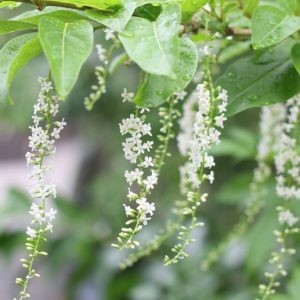
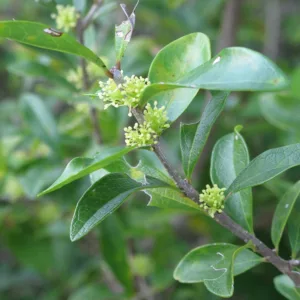
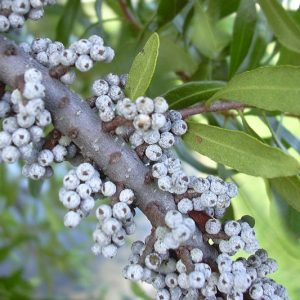
Coastal Full Sun Hedge: Combine Coccoloba uvifera (Seagrape), Serenoa repens (Saw Palmetto), and Morella cerifera (Wax Myrtle) for a salt tolerant, evergreen screen that holds up to wind, sand, and blazing South Florida sun.
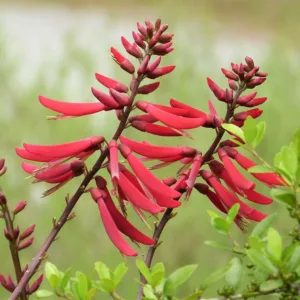
Pollinator Strip for Hot, Dry Front Yards: Mix Hamelia patens (Firebush), Lantana involucrata (Buttonsage), and Erythrina herbacea (Coralbean) to create a hummingbird and butterfly magnet that flowers for months with minimal watering once established.
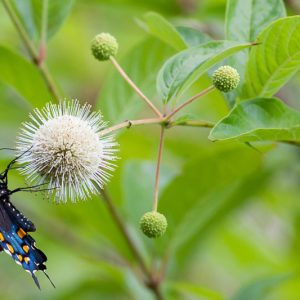
Wet Corner or Canal Edge Planting: Use Cephalanthus occidentalis (Button Bush), Vaccinium myrsinites (Evergreen Blueberry), and Lyonia lucida (Fetter Bush) to turn soggy spots into lush wildlife habitat.
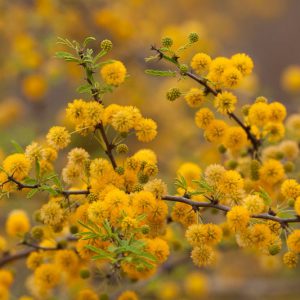
Pine Rockland Style Bed: Pair Zamia pumila (Coontie), Viburnum obovatum (Walter’s Viburnum), and Acacia farnesiana (Sweet Acacia) for a tough, drought adapted mix that still feels leafy and green in the dry season.
Invasive plants and habitat loss have erased much of South Florida’s original pine rockland, hammocks,
and wetlands. Native shrubs help rebuild tiny pieces of that lost habitat in home gardens.
Tip: Never dig plants from the wild; instead, buy nursery-grown natives from local seed sources.
Start with your site and sun, pick a handful of native shrubs from the list above for structure, then layer in
native trees, grasses, and wildflowers. The more your garden looks and behaves like South Florida, the less water,
fertilizer, and fuss it will need – and the more life it will support.
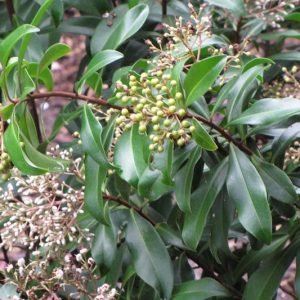
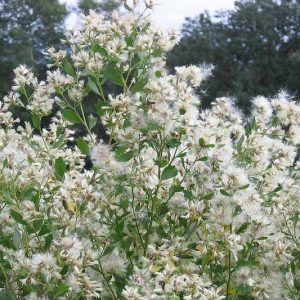
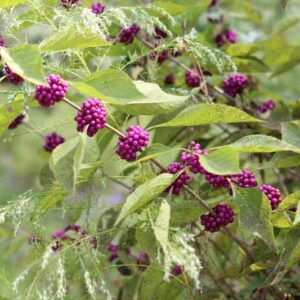
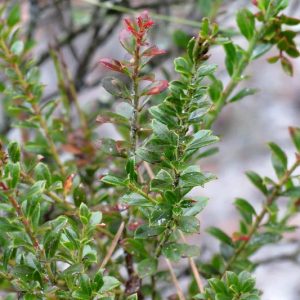
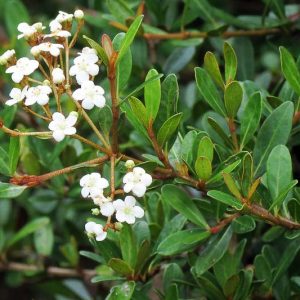
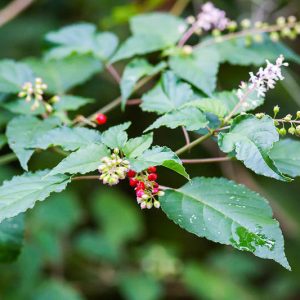
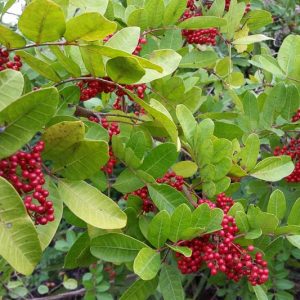
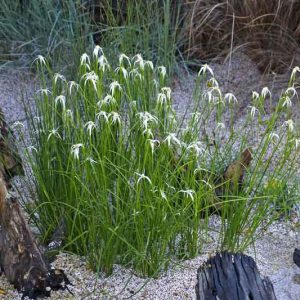
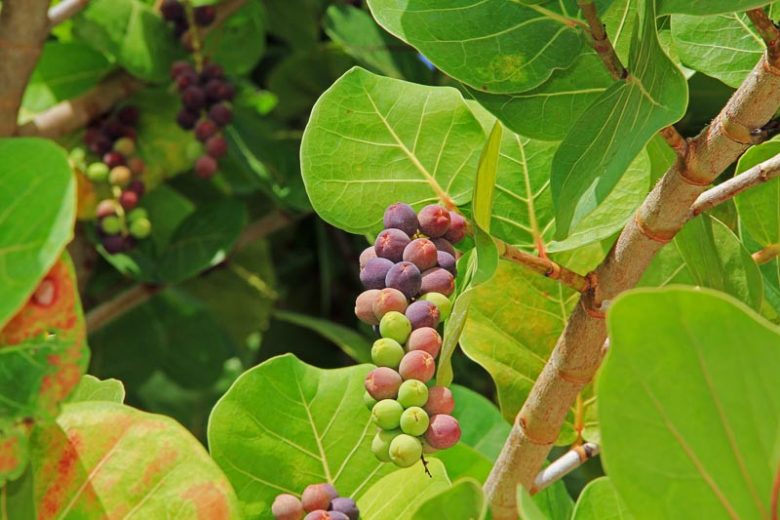
Native shrubs that consistently perform well in full sun in South Florida (USDA zones 10a–11a) include Hamelia patens (firebush), Coccoloba uvifera (seagrape), Myrcianthes fragrans (Simpson’s stopper), Morella cerifera (wax myrtle), Serenoa repens (saw palmetto), Callicarpa americana (American beautyberry), and Viburnum obovatum (Walter’s viburnum). These species are recommended by Florida native plant organizations and UF/IFAS because they tolerate heat, intense light, and seasonal drought while providing flowers, fruit, and evergreen structure.
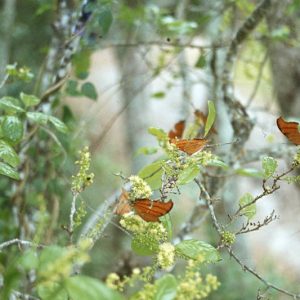
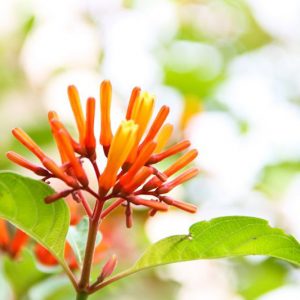
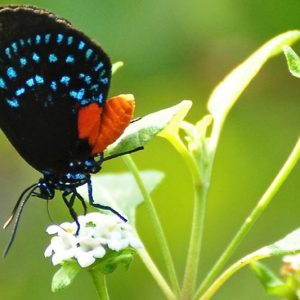
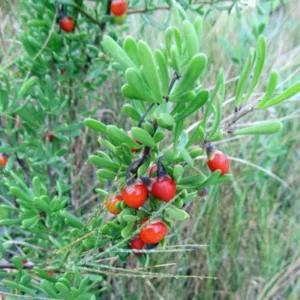
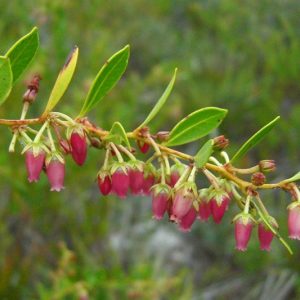
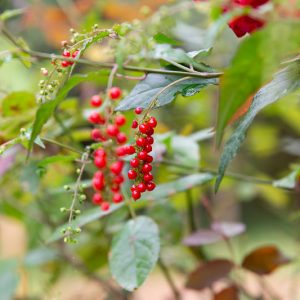
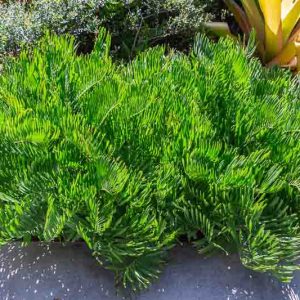
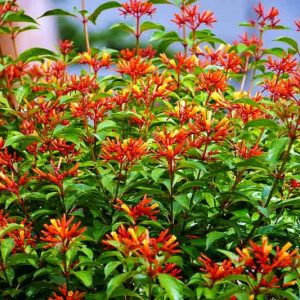
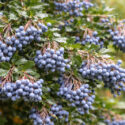
Firebush is widely regarded as one of the best native shrubs for wildlife in South Florida; its red-orange tubular flowers attract butterflies and hummingbirds, and its berries feed songbirds. Simpson’s stopper offers nectar-rich flowers for pollinators and colorful berries for birds over a long season. Seagrape, American beautyberry, wax myrtle, evergreen blueberry (Vaccinium myrsinites), and coontie (Zamia pumila, a host for the Atala butterfly) are also key wildlife shrubs, providing fruit, cover, and larval host foliage in coastal and inland habitats.
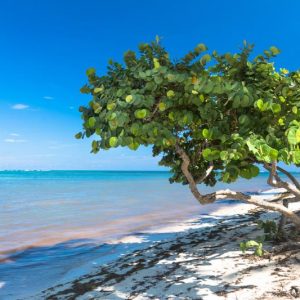
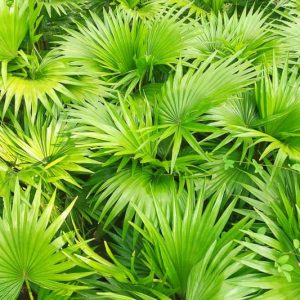
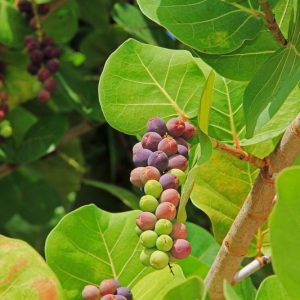
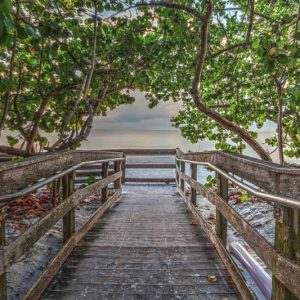
For beachfront or near-coastal gardens, seagrape is one of the most reliable native shrubs or small trees; it is highly tolerant of salt spray, sandy soil, and coastal wind, and can even withstand occasional storm-surge inundation. Other good salt-tolerant choices include saw palmetto, wax myrtle, necklace pod (Sophora tomentosa), and firebush, all of which are used in coastal plantings and are noted as at least moderately tolerant of salt and wind by Florida native plant references.
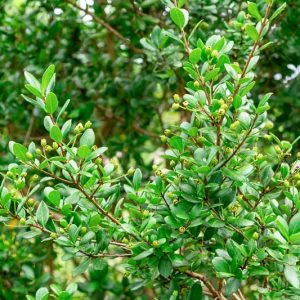
Several South Florida natives keep their foliage year-round and work well as structural shrubs: Simpson’s stopper, wax myrtle, seagrape, pigeon plum (Coccoloba diversifolia), Walter’s viburnum, and saw palmetto are all evergreen in zones 9–11 and commonly used as hedges or specimen plants. These shrubs can be pruned into formal shapes or left more natural for wildlife value.
For living screens and property lines, Florida landscapers often rely on dense evergreen natives such as Simpson’s stopper, Walter’s viburnum, wax myrtle, and Florida privet (Forestiera segregata). These species can be planted in rows and clipped lightly to form hedges that are more wildlife-friendly than common exotic hedge plants; they produce flowers and berries while still providing visual separation.
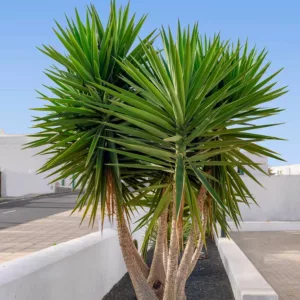
On well-drained or sandy sites, firebush, saw palmetto, Florida hopbush (Dodonaea viscosa), Spanish bayonet (Yucca aloifolia), Adam’s needle (Yucca filamentosa), and coontie are all adapted to long dry periods once established. Firebush in particular is recommended for its ability to thrive in full sun and heat with minimal irrigation after the first couple of years.
Yes. Buttonbush (Cephalanthus occidentalis) is a classic native shrub for wet areas and pond or canal edges; it naturally occurs in wetlands and can tolerate periodic flooding. Evergreen blueberry, fetterbush (Lyonia lucida), and some populations of wax myrtle also tolerate moist to wet, acidic or organic soils, making them good choices for rain gardens and low spots that stay damp in the wet season.
Most of what gardeners call “South Florida” falls within USDA hardiness zones 10a, 10b, and 11a, with average annual minimum temperatures roughly between 30°F and 45°F. These warm zones allow many tropical and subtropical shrubs to remain evergreen and to flower for much of the year, but they also mean that shrubs must tolerate heat, humidity, and intense sun.
Lindasj22, Shutterstock.
| Hardiness |
10 - 11 |
|---|---|
| Plant Type | Shrubs |
| Exposure | Full Sun |
| Native Plants | United States, Southeast, Florida |
| Toxic to Humans | No known toxicity |
| Toxic to Cats | No known toxicity |
| Toxic to Dogs | No known toxicity |
| Toxic to Horses | No known toxicity |
Create a membership account to save your garden designs and to view them on any device.
Becoming a contributing member of Gardenia is easy and can be done in just a few minutes. If you provide us with your name, email address and the payment of a modest $25 annual membership fee, you will become a full member, enabling you to design and save up to 25 of your garden design ideas.
Join now and start creating your dream garden!
Create a membership account to save your garden designs and to view them on any device.
Becoming a contributing member of Gardenia is easy and can be done in just a few minutes. If you provide us with your name, email address and the payment of a modest $25 annual membership fee, you will become a full member, enabling you to design and save up to 25 of your garden design ideas.
Join now and start creating your dream garden!