Create Your Garden

Sun-Loving Native Perennials for South Florida

Turn your South Florida yard into a year-round pollinator party with sun-loving native perennials. From beach sunflower and scarlet sage to swamp milkweed and blazing star, these flowers thrive in brutal heat, sandy soil, and sudden downpours while showering your garden with color, butterflies, bees, and hummingbirds all season long.
Native Plants, Native Perennials, Native Sun Perennials, Florida Native Plant, Florida Native Perennials, Florida Sun Perennials

Sun-Loving Native Perennials for South Florida – Quick Color for Hot, Bright Gardens

Want flowers that blaze through South Florida heat, bask in full sun, and keep pollinators buzzing?
This guide highlights tough, sun-loving native perennials that thrive in USDA zones 10a, 10b, and 11a – from Miami
to Naples and the Keys.

South Florida Native Perennial Quick Start

  • Full sun is serious – choose perennials rated for “full sun” in zones 10–11; many will also handle reflected heat from pavement and walls.
  • Match plant to moisture – some species love sandy, droughty soil, others want the edge of a pond or a soggy swale. Put “swamp” and “wetland” plants where water lingers.
  • Think clump size, not pot size – a tiny plug of goldenrod or swamp sunflower can turn into a bold 3–5 ft clump in a couple of seasons.
  • Plan for seasons – mix long-blooming workhorses like beach sunflower and scarlet sage with late-season stars like blazing star and goldenrod.
  • Water to establish – native perennials still need regular deep watering their first season; after that, most sun lovers get by on rainfall except in extreme drought.

South Florida Garden Zones at a Glance

To keep things simple, think of South Florida as a warm, tropical belt in USDA zones 10a, 10b, and 11a, with long, hot summers, mild winters, and around 60 inches of rain a year.

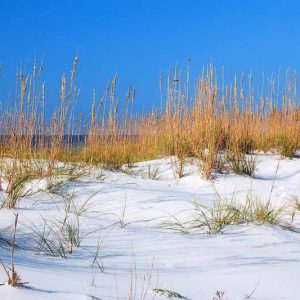
  • Coastal sites – sandy soils, salt spray, strong sun and wind.
  • Urban/suburban yards – fill soils, reflected heat, irrigation, and occasional flooding.
  • Rockland/pine sites – thin soil over limestone, very well drained, drought-prone.
  • Wet edges – spots that stay seasonally wet or sit near ponds, lakes, and canals.

Most perennials on the list below overlap zones and site types, but checking your local conditions will help you pick the best matches.

Best Sun-Loving Native Perennials for South Florida

Use this list as a menu of perennials that handle bright, hot South Florida conditions while feeding butterflies, bees, and other pollinators. Combine low groundcovers, medium clumps, and tall “back-of-the-border” flowers for color from spring through fall.

Guide Information

Hardiness 10 - 11
Plant Type Perennials
Exposure Full Sun
Native Plants United States, Florida
Asclepias incarnata (Swamp Milkweed)
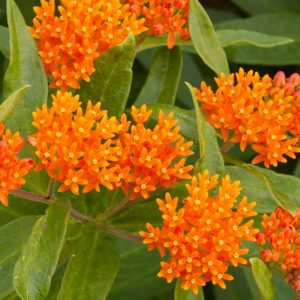
Asclepias tuberosa (Butterfly Milkweed)
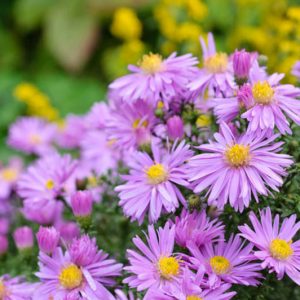
Aster dumosus (Bushy Asters)
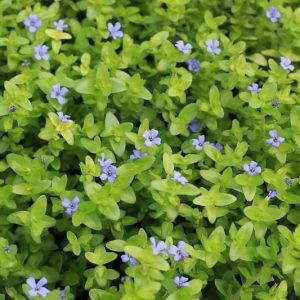
Bacopa caroliniana (Lemon Bacopa)
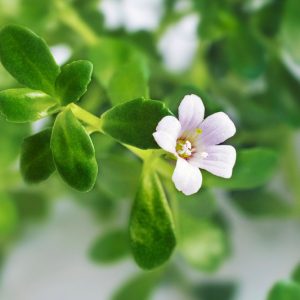
Bacopa monnieri (Water Hyssop)
Bidens laevis (Smooth Beggartick)
Eryngium yuccifolium (Rattlesnake Master)
Eutrochium fistulosum (Joe-Pye Weed)
Glandularia maritima (Beach Verbena)
Helianthus angustifolius (Swamp Sunflower)
Helianthus debilis (Beach Sunflower)
Hibiscus coccineus (Texas Star Hibiscus)
Hibiscus grandiflorus (Swamp Rose Mallow)
Liatris spicata (Blazing Star)
Mimosa strigillosa (Sunshine Mimosa)
Monarda punctata (Spotted Bee Balm)
Orontium aquaticum (Golden Club)
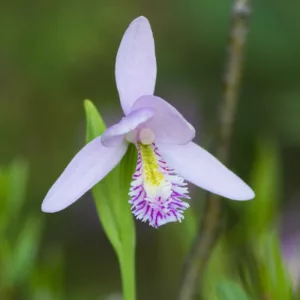
Pogonia ophioglossoides (Rose Pogonia)
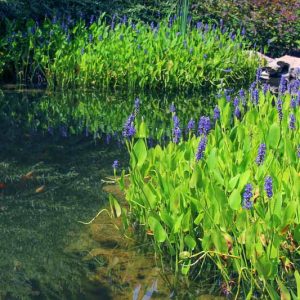
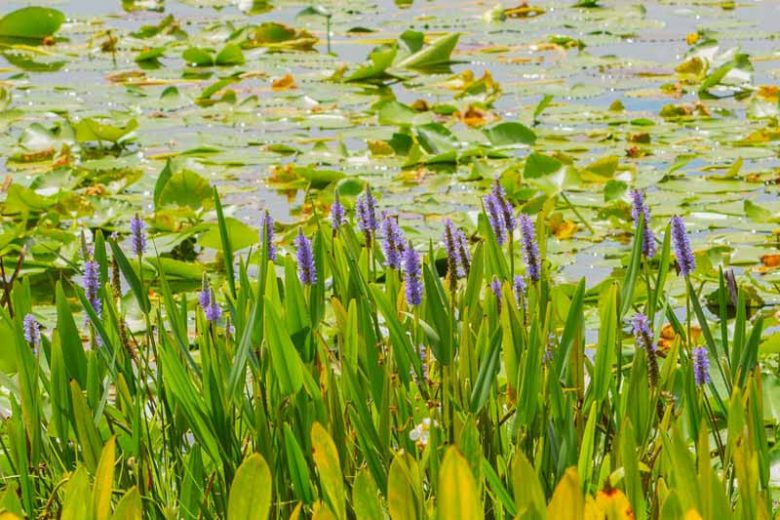
Pontederia cordata (Pickerel Weed)
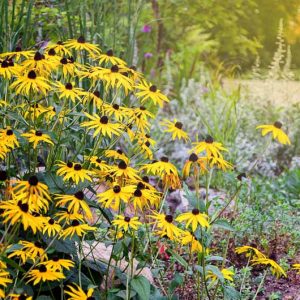
Rudbeckia hirta (Black-Eyed Susan)
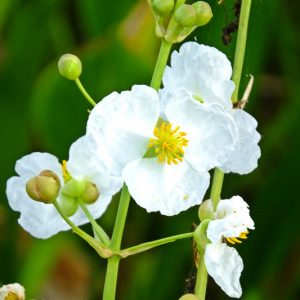
Sagittaria latifolia (American Arrowhead)
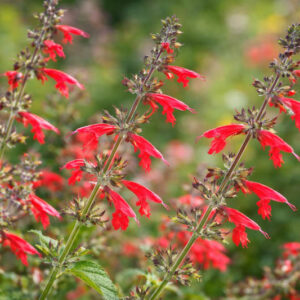
Salvia coccinea (Scarlet Sage)
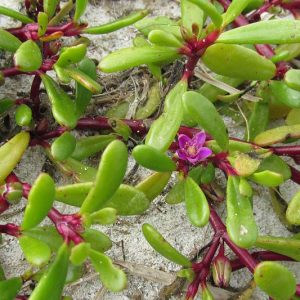
Sesuvium portulacastrum (Sea Purslane)
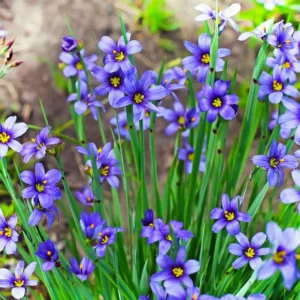
Sisyrinchium angustifolium (Blue-Eyed Grass)
Solidago odora (Sweet Goldenrod)
Solidago sempervirens (Seaside Goldenrod)
Stachytarpheta jamaicensis (Blue Porterweed)

Pattern Recipes for Easy Native Planting

Coastal Butterfly Carpet: Combine Helianthus debilis (Beach Sunflower), Glandularia maritima (Beach Verbena), and Sesuvium portulacastrum (Sea Purslane) for a sun-drenched, salt-tolerant groundcover mix that blooms for months and shrugs off dry spells.

Wet Ditch Pollinator Strip: Mix Asclepias incarnata (Swamp Milkweed), Helianthus angustifolius (Swamp Sunflower), and Bidens laevis (Smooth Beggartick) along pond edges or low spots to create a tall, glowing band of flowers that draws butterflies and native bees.

Front-Yard Hummingbird Border: Plant drifts of Salvia coccinea (Scarlet Sage), Monarda punctata (Spotted Bee Balm), and Stachytarpheta jamaicensis (Blue Porterweed) for nearly nonstop nectar and a constantly moving cloud of hummingbirds and pollinators.

Fall Fireworks Meadow: Combine Liatris spicata (Blazing Star), Solidago odora (Sweet Goldenrod), and Rudbeckia hirta (Black-Eyed Susan) in a sunny bed for late-season purple-and-gold color that also provides seeds for birds.

Why Choose Native Perennials in South Florida?

Invasive ornamentals and turf have replaced huge areas of South Florida’s wildflower-rich prairies, dunes, and wetlands.
Native perennials help restore nectar, pollen, and seasonal color to home landscapes, one planting bed at a time.

  • Better adapted – native perennials evolved with South Florida’s heat, heavy rains, sandy or mucky soils, and occasional drought.
  • Pollinator powerhouses – they offer nectar and pollen for butterflies, bees, and hummingbirds, and seeds for songbirds.
  • Non-invasive – they are far less likely to escape into nearby preserves or wetlands.

Tip: Buy nursery-grown natives from local or regional seed sources and avoid collecting wild plants.

Why Grow These South Florida Sun-Loving Perennials?

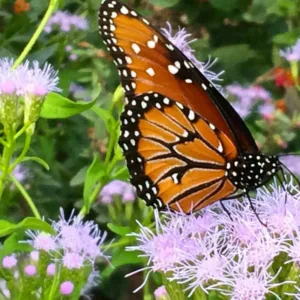
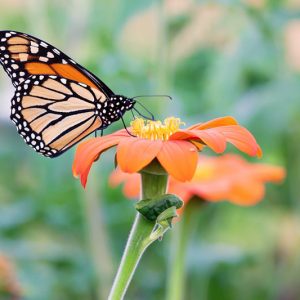
  • Asclepias incarnata (Swamp Milkweed) – Moisture-loving milkweed with pink blooms and essential host foliage for monarch and queen butterfly caterpillars.
  • Asclepias tuberosa (Butterfly Milkweed) – Brilliant orange flower clusters on a drought-tolerant plant that draws butterflies from across the neighborhood.
  • Aster dumosus (Bushy Asters) – Clouds of late-season daisy-like flowers that feed migrating butterflies and native bees.
  • Bacopa caroliniana (Lemon Bacopa) – Low, spreading plant for wet soils and pond edges, with tiny flowers and fragrant foliage.
  • Bacopa monnieri (Water Hyssop) – Creeping perennial for shallow water and soggy spots, ideal as a living mulch at the water’s edge.
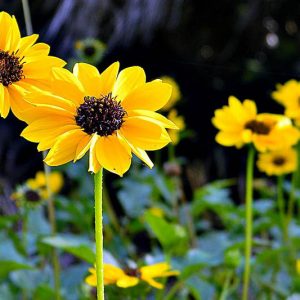
  • Bidens laevis (Smooth Beggartick) – Bright yellow daisy flowers that light up wetlands and attract a wide range of pollinators.
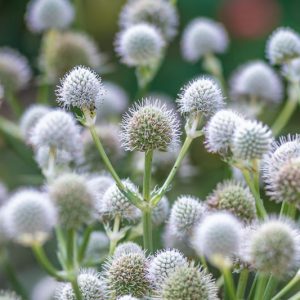
  • Eryngium yuccifolium (Rattlesnake Master) – Architectural, grass-like foliage and pale globe flowers beloved by native wasps and bees.
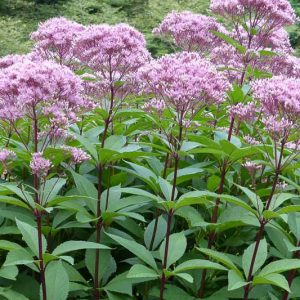
  • Eutrochium fistulosum (Joe-Pye Weed) – Tall, statuesque perennial with mauve flower heads that draw in butterflies by the dozens.
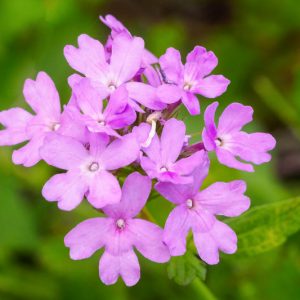
  • Glandularia maritima (Beach Verbena) – Low mounding coastal plant smothered in violet-purple blooms, perfect for dunes and sandy beds.
  • Helianthus angustifolius (Swamp Sunflower) – Towering stems topped with golden sunflowers in fall, spectacular in moist, sunny borders.
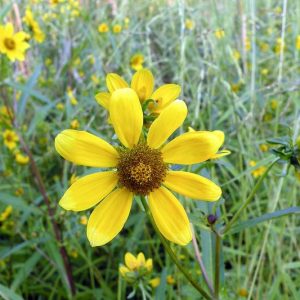
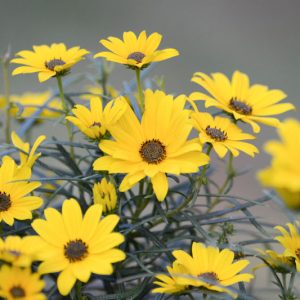
  • Helianthus debilis (Beach Sunflower) – Sprawling, salt-tolerant groundcover with cheerful yellow blooms almost year-round by the coast.
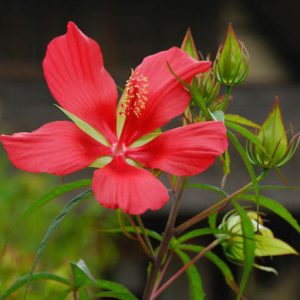
  • Hibiscus coccineus (Texas Star Hibiscus) – Dramatic scarlet star-shaped flowers rising above wet soils and rain gardens.
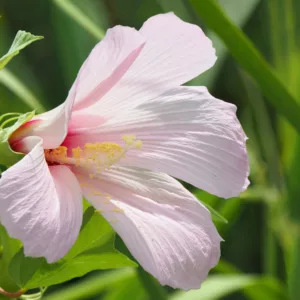
  • Hibiscus grandiflorus (Swamp Rose Mallow) – Huge, soft-pink hibiscus blooms that love full sun and mucky ground.
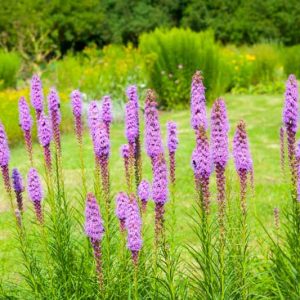
  • Liatris spicata (Blazing Star) – Vertical spikes of purple flowers that are magnets for butterflies and add structure to sunny beds.
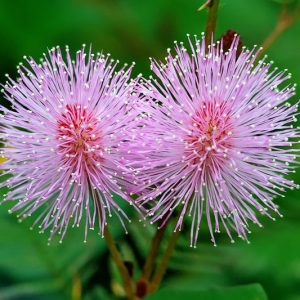
  • Mimosa strigillosa (Sunshine Mimosa) – Low, ferny groundcover with pink powder-puff blooms and traffic-tolerant foliage for sunny lawns and paths.
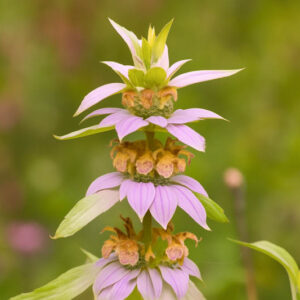
  • Monarda punctata (Spotted Bee Balm) – Showy whorls of pink and cream bracts that attract bees, butterflies, and predatory wasps.
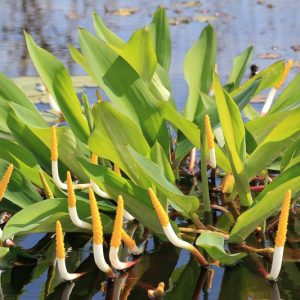
  • Orontium aquaticum (Golden Club) – Unusual bog plant with golden flower spadices and bold foliage for shallow water gardens.
  • Pogonia ophioglossioides (Rose Pogonia) – Delicate pink orchid for undisturbed, acidic bog situations in expert-managed sites.
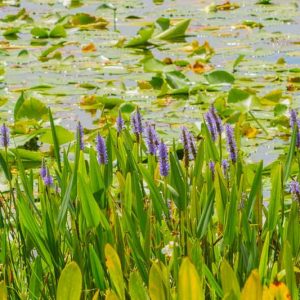
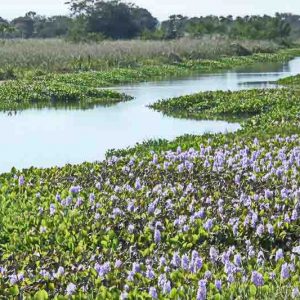
  • Pontederia cordata (Pickerel Weed) – Spikes of violet flowers rising from shallow water, loved by bees and dragonflies.
  • Rudbeckia hirta (Black-Eyed Susan) – Classic golden daisies with dark centers, easy to grow and excellent for pollinators and seed-eating birds.
  • Sagittaria latifolia (American Arrowhead) – Arrow-shaped foliage and white flowers that thrive in shallow water and wet ditches.
  • Salvia coccinea (Scarlet Sage) – Long-blooming red, pink, or white spikes that hummingbirds and butterflies visit daily.
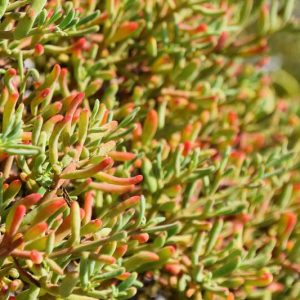
  • Sesuvium portulacastrum (Sea Purslane) – Fleshy, salt-loving groundcover that stabilizes dunes and tolerates extreme coastal conditions.
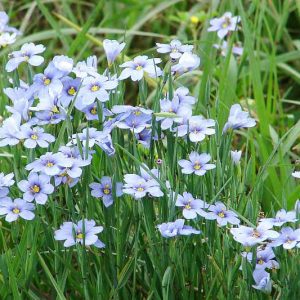
  • Sisyrinchium angustifolium (Blue-Eyed Grass) – Grass-like clumps dotted with small blue flowers in spring, ideal at the front of sunny beds.
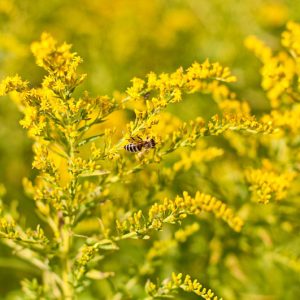
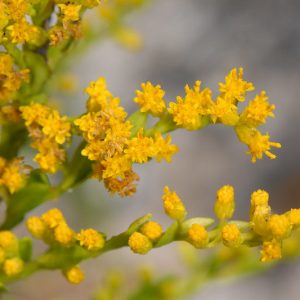
  • Solidago odora (Sweet Goldenrod) – Fragrant foliage and golden sprays of flowers that support late-season pollinators.
  • Solidago sempervirens (Seaside Goldenrod) – Robust coastal goldenrod with tall yellow plumes that tolerate wind, sand, and salt.
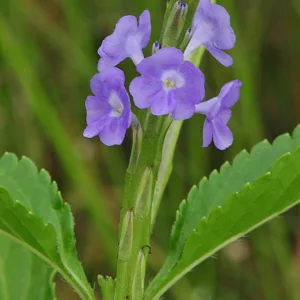
  • Stachytarpheta jamaicensis (Blue Porterweed) – Continuous supply of deep blue flowers on arching stems, a favorite of butterflies and hummingbirds.

Bringing It All Together

Start with your site and sun, then choose a mix of native perennials from the list above for groundcover, mid-height color,
and tall accents. Layer them with native shrubs, grasses, and small trees, and your South Florida garden will use less water
and fertilizer while buzzing with life.

Discover more beautiful Florida native plants

Plant Finder

Frequently Asked Questions

What are the best native perennials for full sun in South Florida?

Top-performing full-sun native perennials include beach sunflower (Helianthus debilis), scarlet sage (Salvia coccinea), blue porterweed (Stachytarpheta jamaicensis), sea purslane (Sesuvium portulacastrum), blazing star (Liatris spicata), butterfly milkweed species such as Asclepias tuberosa and Asclepias incarnata, and black-eyed Susan (Rudbeckia hirta). These species are recommended by UF/IFAS and the Florida Native Plant Society for their heat tolerance, long bloom seasons, and wildlife value.

Which South Florida native perennials attract the most butterflies and pollinators?

Milkweeds such as Asclepias incarnata and Asclepias tuberosa support monarch and queen butterflies, while blazing star, scarlet sage, beach sunflower, blue porterweed, and Joe-Pye weed (Eutrochium fistulosum) offer abundant nectar. These perennials are documented nectar sources for native bees, swallowtails, Gulf fritillaries, monarchs, and hummingbirds in South Florida.

Which native perennials handle sandy or coastal soils?

Beach sunflower, sea purslane, and beach verbena (Glandularia maritima) are highly adapted to coastal sites with salt spray and fast-draining sand. Necklace pod, scarlet sage, and black-eyed Susan also tolerate sandy soils and intense sun common to coastal yards in zones 10–11.

What native perennials bloom for the longest period in full sun?

Scarlet sage, beach sunflower, blue porterweed, and seaside goldenrod (Solidago sempervirens) are among the longest-blooming native perennials in South Florida. They flower for many months in warm climates, providing extended nectar resources for pollinators.

Are there native perennials that tolerate wet or seasonally flooded areas?

Swamp milkweed (Asclepias incarnata), pickerelweed (Pontederia cordata), golden club (Orontium aquaticum), and American arrowhead (Sagittaria latifolia) naturally occur in wetlands and tolerate standing water or saturated soil, making them excellent choices for rain gardens and pond margins.

Which native perennials are best for hot, dry spots?

Beach sunflower, sea purslane, Sesuvium portulacastrum, blue-eyed grass (Sisyrinchium angustifolium), and blazing star tolerate strong sun, heat, and drought once established. These species evolved in dry prairies, dunes, and rockland habitats and require minimal supplemental irrigation.


References

Great Pollinator Plants for Florida
Monarch Nectar Plants for Florida
Native Aquatic Plants for South Florida
Native Ferns for South Florida
Native Grasses for South Florida
Native Vines for South Florida
Shade-Loving Native Perennials for South Florida
Shade-Loving Native Shrubs for South Florida
Sun-Loving Trees for South Florida
Sun-Loving Native Shrubs for South Florida
Sun-Loving Native Perennials for South Florida
Shade-Loving Native Trees for North Florida
Native Vines for Central Florida
Sun-Loving Native Trees for North Florida
Shade-Loving Native Perennials for North Florida
Native Aquatic Plants for North Florida
Sun-Loving Native Perennials for North Florida
Shade-Loving Native Shrubs for North Florida
Native Grasses for North Florida
Native Ferns for North Florida
Native Vines for North Florida
Sun-Loving Native Shrubs for North Florida
Shade-Loving Native Perennials for Central Florida
Invasive Plant Species in Florida
Sun-Loving Native Shrubs for Central Florida
Native Aquatic Plants for Central Florida
Sun-Loving Native Perennials for Central Florida
Native Ferns for Central Florida
Native Grasses for Central Florida
Native Groundcovers for South Florida
Native Groundcovers for North Florida
Shade-Loving Native Shrubs for Central Florida
Sun-Loving Native Trees for Central Florida
Shade-Loving Native Trees for Central Florida
Explore Great Plant Combination Ideas
Tropical South
Guides with
Tropical South Florida
While every effort has been made to describe these plants accurately, please keep in mind that height, bloom time, and color may differ in various climates. The description of these plants has been written based on numerous outside resources.

Guide Information

Hardiness 10 - 11
Plant Type Perennials
Exposure Full Sun
Native Plants United States, Florida
Explore Great Plant Combination Ideas
Tropical South
Guides with
Tropical South Florida

Related Items

Please Login to Proceed

You Have Reached The Free Limit, Please Subscribe to Proceed

Subscribe to Gardenia

To create additional collections, you must be a paid member of Gardenia
  • Add as many plants as you wish
  • Create and save up to 25 garden collections
Become a Member

Plant Added Successfully

Your garden is taking shape. Unlock full planning.

You’ve reached the free limit. Upgrade for $25/year to add as many plants as you wish and save up to 25 garden collections. Unlock Annual Membership

Update Your Credit
Card Information

Cancel

Create a New Collection

Sign Up to Our Newsletter

    You have been subscribed successfully

    Join Gardenia.net

    Create a membership account to save your garden designs and to view them on any device.

    Becoming a contributing member of Gardenia is easy and can be done in just a few minutes. If you provide us with your name, email address and the payment of a modest $25 annual membership fee, you will become a full member, enabling you to design and save up to 25 of your garden design ideas.

    Join now and start creating your dream garden!

    Join Gardenia.net

    Create a membership account to save your garden designs and to view them on any device.

    Becoming a contributing member of Gardenia is easy and can be done in just a few minutes. If you provide us with your name, email address and the payment of a modest $25 annual membership fee, you will become a full member, enabling you to design and save up to 25 of your garden design ideas.

    Join now and start creating your dream garden!
    Find your Hardiness Zone

    Find your Heat Zone

    Find your Climate Zone