Create Your Garden

Native Groundcovers for South Florida

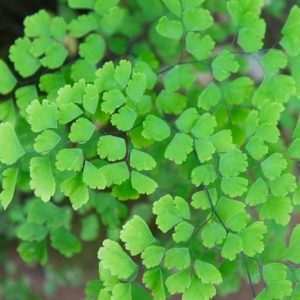
Trade in patchy lawn and bare sand for living Florida carpets. Native groundcovers like sea purslane, beach morning glory, maidenhair fern, and coontie knit soil together, shrug off heat, salt, and storms, and spill over beds with color and texture while sheltering birds, butterflies, and lizards in even tiny spaces.
Native Plants, Native Perennials, Native Vines, Florida Native Plant, Florida Native Perennials, Florida Native Vines

Native Groundcovers for South Florida – Living Carpets for Hot, Sandy Sites

Tired of thirsty lawn and bare sand under your trees and shrubs? Native groundcovers give South Florida gardens a tough, low-growing green carpet that shrugs off heat, salt, and summer downpours while feeding birds and pollinators. This guide highlights durable, native groundcover plants that thrive in USDA zones 10a, 10b, and 11a from Miami and Fort Lauderdale to Naples and the Keys.

South Florida Native Groundcover Quick Start

  • Start with sun and shade – beach morning glory and sea purslane love full coastal sun, while maidenhair and Boston ferns prefer bright shade and moist soil.
  • Match plant to moisture – some groundcovers creep over dry dune sand, others want hammock leaf litter, and a few tolerate brief flooding near ponds and swales.
  • Think spread, not pot size – vines like railroad vine and bay bean can travel several feet in a single season and quickly knit together open ground.
  • Use layers – combine very low spreaders, clumping grasses, and dwarf shrubs for a more natural, weed suppressing groundcover system.
  • Water to establish – even the toughest native groundcovers need consistent water until roots spread; after that most can rely on rainfall except in extreme drought.

South Florida Garden Zones at a Glance

For groundcovers, South Florida behaves like a warm, coastal belt in USDA zones 10a, 10b, and 11a with long, hot summers, frost free or almost frost free winters, and roughly 60 inches of rain a year.

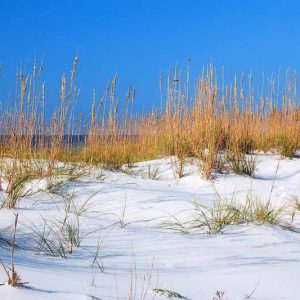
  • Coastal dunes and beaches – loose, salty sand, blazing sun, and abrasive wind.
  • Urban and suburban yards – compacted fill, irrigation, foot traffic, and reflected heat from pavement.
  • Hammocks and shaded beds – rich leaf litter, dappled light, and higher humidity.
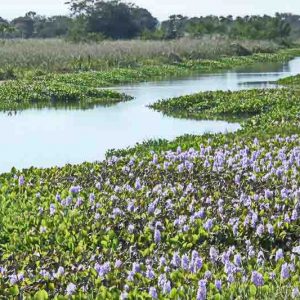
  • Wet margins – periodically soggy areas near lakes, canals, and low swales.

Most of the groundcovers below overlap several of these site types, but checking your light, soil, and foot traffic will help you choose the best native for each spot.

Best Native Groundcovers for South Florida

Use this list as a menu of Florida native groundcovers that stabilize soil, cover bare patches, and replace high maintenance turf. Mix tough coastal vines, shade loving ferns, and low shrubs used as groundcovers to create a resilient, wildlife friendly carpet.

Guide Information

Hardiness 10 - 11
Native Plants United States, Southeast, Florida
Landscaping Ideas Ground Covers
Adiantum capillus-veneris (Southern Maidenhair Fern)
Bacopa caroliniana (Lemon Bacopa)
Canavalia rosea (Bay Bean)
Chrysobalanus icaco (Coco Plum)
Glandularia maritima (Beach Verbena)
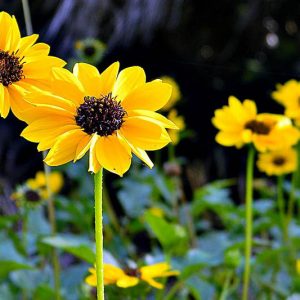
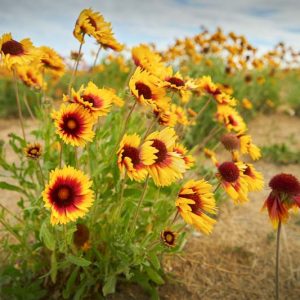
Helianthus debilis (Beach Sunflower)
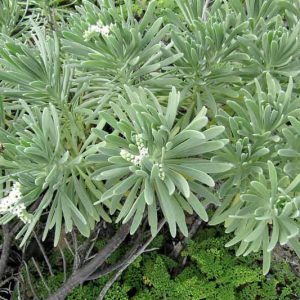
Heliotropium gnaphalodes (Sea Lavender)
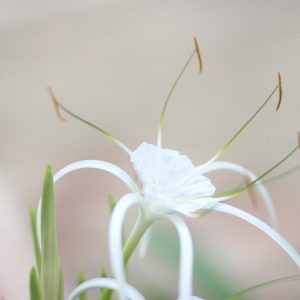
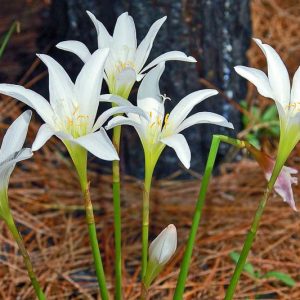
Hymenocallis latifolia (Perfumed Spider Lily)
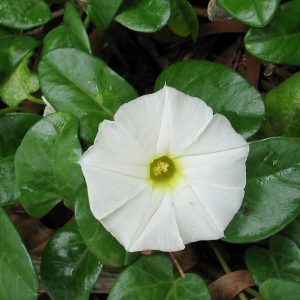
Ipomoea imperati (Beach Morning Glory)
Ipomoea pes-caprae (Railroad Vine)
Jacquemontia pentanthos (Skyblue Clustervine)
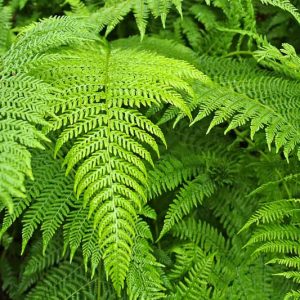
Nephrolepis biserrata (Giant Sword Fern)
Nephrolepis exaltata (Boston Fern)
Parthenocissus quinquefolia (Virginia Creeper)
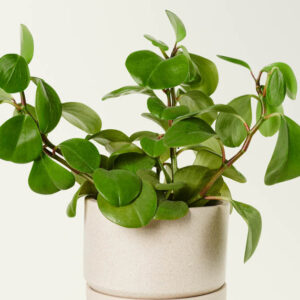
Peperomia obtusifolia (Baby Rubber Plant)
Pteridium aquilinum (Bracken Fern)
Rivina humilis (Bloodberry)
Ruellia caroliniensis (Carolina Wild Petunia)
Serenoa repens (Saw Palmetto)
Sesuvium portulacastrum (Sea Purslane)
Sisyrinchium angustifolium (Blue-Eyed Grass)
Spartina patens (Saltmeadow Cordgrass)
Sporobolus virginicus (Seashore Dropseed)
Zamia pumila (Coontie)

Pattern Recipes for Easy Native Planting

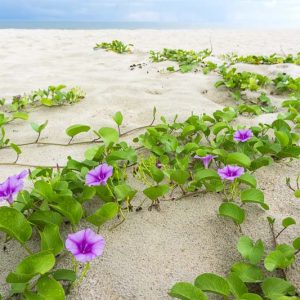
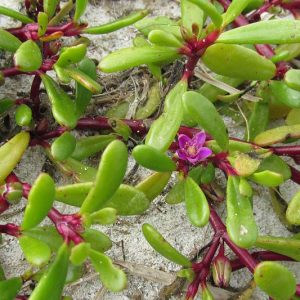
Coastal Sand Binder Mix: Combine Ipomoea pes-caprae (Railroad Vine), Ipomoea imperati (Beach Morning Glory), and Sesuvium portulacastrum (Sea Purslane) for a fast spreading, salt tolerant mat that locks in dune sand and blooms in bright coastal sun.

Shade Hammock Groundcover: Under oaks or native hammocks, blend Adiantum capillus-veneris (Southern Maidenhair Fern), Nephrolepis exaltata (Boston Fern), and Peperomia obtusifolia (Baby Rubber Plant) for a soft, layered green floor that thrives in humid shade.

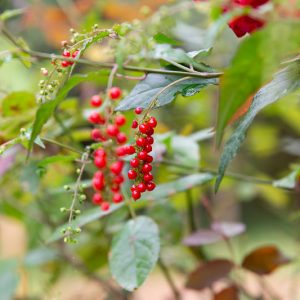
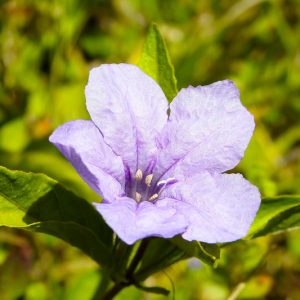
Wildlife Edge Planting: Along fences or woodland edges, mix Rivina humilis (Bloodberry), Parthenocissus quinquefolia (Virginia Creeper), and Ruellia caroliniensis (Carolina Wild Petunia) to create a low tangle of flowers, berries, and foliage for birds and pollinators.

Coastal Meadow Matrix: In sunny seaside yards, combine Helianthus debilis (Beach Sunflower), Glandularia maritima (Beach Verbena), and Spartina patens (Saltmeadow Cordgrass) for a flowing, knee high meadow that tolerates wind, salt, and drought.

Why Choose Native Groundcovers in South Florida?

Sprawling lawn, invasive vines, and gravel beds have replaced a lot of South Florida’s natural dune, hammock, and pineland ground layers. Native groundcovers restore living mulch, cool the soil, and provide food and shelter for wildlife.

  • Better adapted – native groundcovers evolved with South Florida heat, seasonal flooding, salty breezes, and sandy or rocky soils.
  • Low maintenance – once established, they typically need less mowing, fertilizer, and irrigation than turf or exotic groundcovers.
  • Ecological value – flowers, berries, and dense foliage support pollinators, songbirds, lizards, and other beneficial wildlife.
  • Erosion control – deep or fibrous root systems knit together dunes, slopes, and swales that might otherwise wash away.

Tip: For the best results, remove aggressive invasive groundcovers first, then plant nursery grown Florida natives and mulch between plugs until they fill in.

Why Grow These South Florida Native Groundcovers?

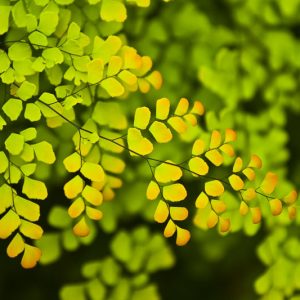
  • Adiantum capillus-veneris (Southern Maidenhair Fern) – Fine textured fern for moist, shaded rock faces and walls, perfect for softening shady corners and water features.
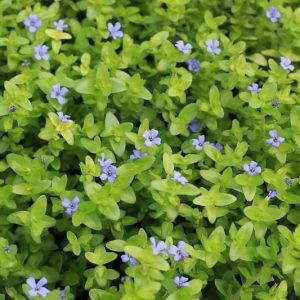
  • Bacopa caroliniana (Lemon Bacopa) – Low, spreading plant with tiny blue flowers and citrus scented foliage, ideal along the edges of ponds, rain gardens, and wet ditches.
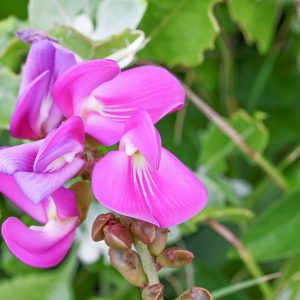
  • Canavalia rosea (Bay Bean) – Vigorous dune vine with thick leaves and rosy purple flowers that helps stabilize coastal sand and tolerate intense salt spray.
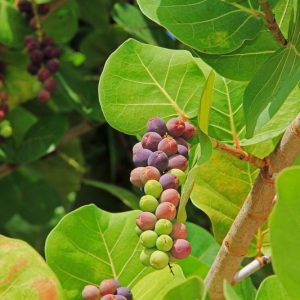
  • Chrysobalanus icaco (Coco Plum) – Dense, low shrub often used as a groundcover hedge near the coast, with edible plums that attract wildlife.
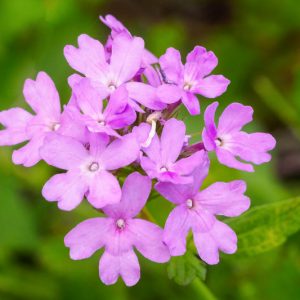
  • Glandularia maritima (Beach Verbena) – Mounding coastal groundcover covered in violet purple flowers, excellent for sunny, sandy beds and dunes.
  • Helianthus debilis (Beach Sunflower) – Sprawling groundcover with cheerful yellow daisies almost year round in full coastal sun.
  • Heliotropium gnaphalodes (Sea Lavender) – Compact, salt tolerant shrub with silvery foliage and white flower clusters, great for seaside slopes and rock gardens.
  • Hymenocallis latifolia (Perfumed Spider Lily) – Strap leaved plant with fragrant white spider flowers, useful in clumps among other coastal groundcovers.
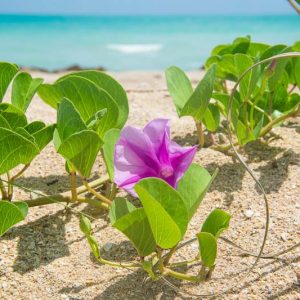
  • Ipomoea imperati (Beach Morning Glory) – Low, thick leaved vine that creeps across dunes with white morning glory flowers and strong sand holding roots.
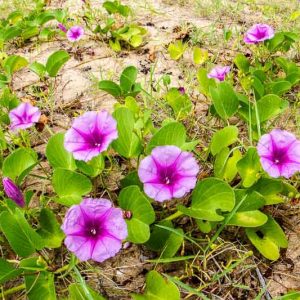
  • Ipomoea pes-caprae (Railroad Vine) – Fast moving dune vine with purple funnel flowers that knits together open sand and resists salt and wind.
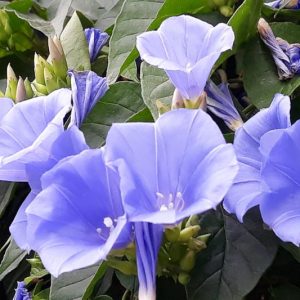
  • Jacquemontia pentanthos (Skyblue Clustervine) – Delicate looking but tough vine with clouds of sky blue flowers, useful scrambling over rocks, fences, or low shrubs.
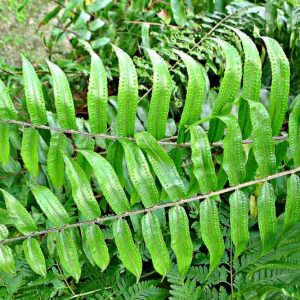
  • Nephrolepis biserrata (Giant Sword Fern) – Bold, arching fern for moist, partially shaded ground where you want lush, tropical texture.
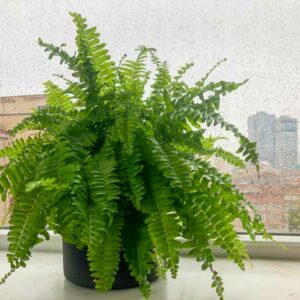
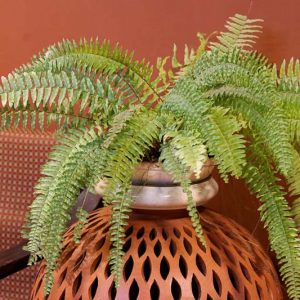
  • Nephrolepis exaltata (Boston Fern) – Classic fern for shaded beds, tree bases, and hanging baskets, forming dense mats that outcompete weeds in humid shade.
  • Parthenocissus quinquefolia (Virginia Creeper) – Versatile vine that can cloak fences, climb trees, or sprawl as a groundcover, with red fall color in cooler pockets.
  • Peperomia obtusifolia (Baby Rubber Plant) – Low, glossy leaved plant for bright shade, ideal as a living mulch beneath shrubs and in containers.
  • Pteridium aquilinum (Bracken Fern) – Tall, coarse fern useful in naturalistic plantings and woodland edge restorations where it can spread as a ground layer.
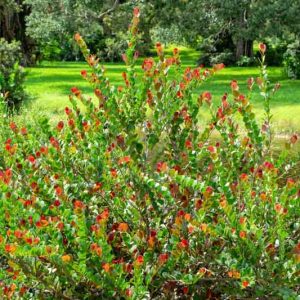
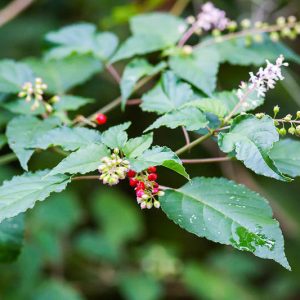
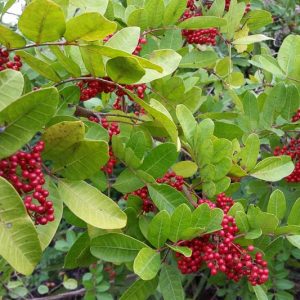
  • Rivina humilis (Bloodberry) – Small, shade tolerant plant with dangling clusters of bright red berries that birds love, good under trees and along paths.
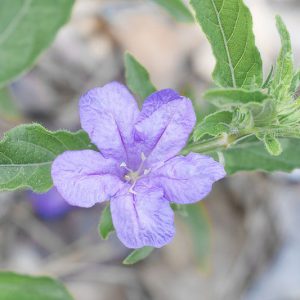
  • Ruellia caroliniensis (Carolina Wild Petunia) – Low, sun tolerant perennial with lavender purple flowers that appear over many months and attract butterflies.
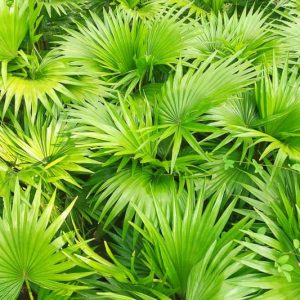
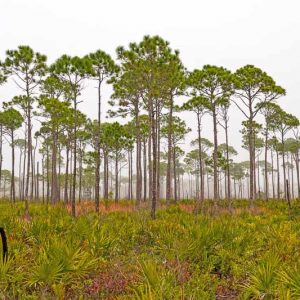
  • Serenoa repens (Saw Palmetto) – Slow spreading palm shrub that forms low colonies, excellent as a structural groundcover in dry pine and coastal landscapes.
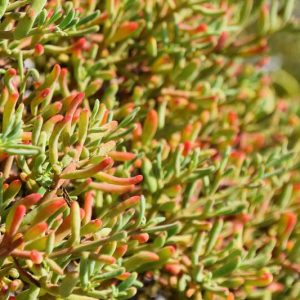
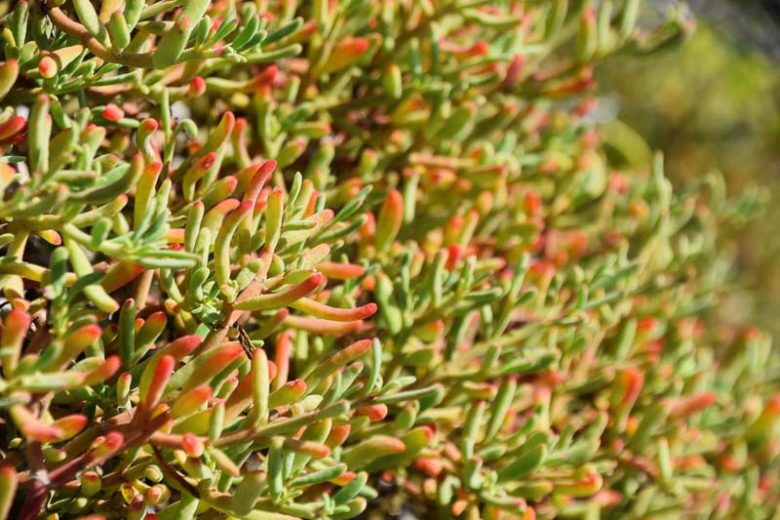
  • Sesuvium portulacastrum (Sea Purslane) – Fleshy, salt loving creeper that hugs the ground and stabilizes dunes, seawall edges, and sandy medians.
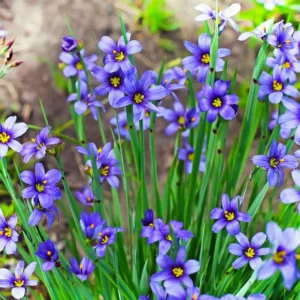
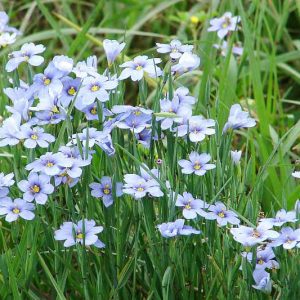
  • Sisyrinchium angustifolium (Blue Eyed Grass) – Clumping, grass like plant with small blue flowers, perfect for weaving through sunny meadows and low borders.
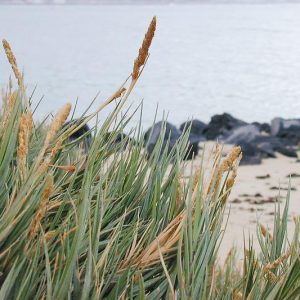
  • Spartina patens (Saltmeadow Cordgrass) – Fine textured grass forming low hummocks in sunny, salty sites, important for shorebird habitat and erosion control.
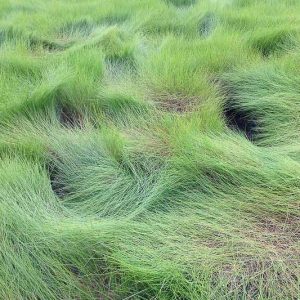
  • Sporobolus virginicus (Seashore Dropseed) – Tough coastal grass that creates dense mats on dunes and shorelines, excellent for stabilizing sandy slopes.
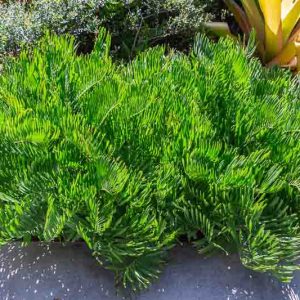
  • Zamia pumila (Coontie) – Low, palm like cycad that slowly forms colonies, ideal for dry, dappled shade as a long lived, evergreen ground layer and host plant for the Atala butterfly.

Bringing It All Together

Start by mapping your sunny, shady, wet, and dry areas, then plug in native groundcovers from this list to replace thirsty lawn and bare soil. When you weave these low growers beneath native shrubs, palms, and trees, your South Florida landscape will need less maintenance while looking greener and feeling more alive every season.

Discover more beautiful Florida native plants

Plant Finder

Frequently Asked Questions

What are the best native groundcovers for full sun in South Florida?

Top-performing full-sun native groundcovers include Sesuvium portulacastrum (sea purslane), Helianthus debilis (beach sunflower), Glandularia maritima (beach verbena), Ipomoea imperati (beach morning glory), Ipomoea pes-caprae (railroad vine), and Spartina patens (saltmeadow cordgrass). These species tolerate strong sun, sandy soil, and coastal conditions common in South Florida.

Which native groundcovers tolerate coastal wind, sand, and salt spray?

Highly salt-tolerant native groundcovers include railroad vine, beach morning glory, sea purslane, beach verbena, seashore dropseed (Sporobolus virginicus), and saltmeadow cordgrass. These plants naturally occur in dune and coastal strand habitats and are recommended for stabilizing sandy, windswept sites.

What native groundcovers grow well in shade under oaks and palms?

For bright to full shade, good native options include southern maidenhair fern (Adiantum capillus-veneris), Boston fern (Nephrolepis exaltata), baby rubber plant (Peperomia obtusifolia), giant sword fern (Nephrolepis biserrata), and bloodberry (Rivina humilis). These species prefer humid, organic soils typical of hammock and understory environments.

Which native groundcovers spread quickly to cover bare soil?

Fast spreaders include railroad vine, beach morning glory, sea purslane, and bay bean (Canavalia rosea). These species root at nodes, form dense mats, and rapidly stabilize disturbed or sandy areas, making them effective for erosion control and lawn-replacement zones.

Are there native groundcovers that tolerate seasonally wet or soggy areas?

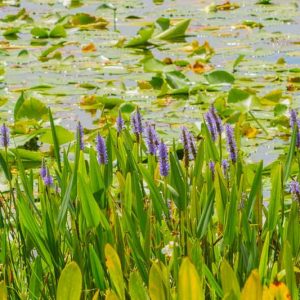
Yes. Lemon bacopa (Bacopa caroliniana), water hyssop (Bacopa monnieri), pickerelweed (Pontederia cordata), golden club (Orontium aquaticum), and American arrowhead (Sagittaria latifolia) are native to marshes, ditches, and pond margins. They tolerate saturated soil or shallow water.

Which native groundcovers are best for hot, dry, drought-prone areas?

Sea purslane, seashore dropseed, saltmeadow cordgrass, beach sunflower, and sunshine mimosa (Mimosa strigillosa) perform well in drought once established. These groundcovers evolved in dry dunes, coastal uplands, or pine rocklands and require minimal irrigation.

Can native groundcovers replace turfgrass in South Florida?

Several natives can substitute for lawn in sunny areas, including beach sunflower, sunshine mimosa, and sea purslane. In shade, Boston fern and baby rubber plant can provide dense coverage. Unlike turf, these plants require less mowing, fertilizer, and irrigation when matched to proper site conditions.

Are any native groundcovers aggressive or difficult to control?

Some fast spreaders, such as railroad vine, bay bean, and Virginia creeper (Parthenocissus quinquefolia), expand rapidly and can overtake nearby small plants. These species are best used where they have space to roam or where quick soil stabilization is needed.

How do native groundcovers help with erosion control?

Dune vines like railroad vine and beach morning glory root at nodes and hold loose sand, while species such as Spartina patens and Sporobolus virginicus form fibrous mats that stabilize slopes and shorelines. Their root systems reduce runoff and help protect coastal or disturbed soils.

Do native groundcovers support wildlife?

Yes. Many provide nectar, berries, or shelter. Beach sunflower, beach verbena, and wild petunias support butterflies and native bees. Coontie (Zamia pumila) hosts the Atala butterfly. Dense groundcovers also shelter lizards, small birds, and pollinators seeking protection from heat and predators.

References

Great Pollinator Plants for Florida
Monarch Nectar Plants for Florida
Native Aquatic Plants for South Florida
Native Ferns for South Florida
Native Grasses for South Florida
Shade-Loving Native Perennials for South Florida
Shade-Loving Native Shrubs for South Florida
Shade-Loving Native Trees for South Florida
Sun-Loving Trees for South Florida
Native Groundcovers for South Florida
Native Vines for South Florida
Sun-Loving Native Perennials for South Florida
Sun-Loving Native Shrubs for South Florida
Shade-Loving Native Trees for North Florida
Native Vines for Central Florida
Sun-Loving Native Trees for North Florida
Native Aquatic Plants for North Florida
Shade-Loving Native Perennials for North Florida
Sun-Loving Native Perennials for North Florida
Sun-Loving Native Shrubs for North Florida
Shade-Loving Native Shrubs for North Florida
Native Grasses for North Florida
Native Ferns for North Florida
Native Vines for North Florida
Shade-Loving Native Perennials for Central Florida
Invasive Plant Species in Florida
Sun-Loving Native Shrubs for Central Florida
Sun-Loving Native Perennials for Central Florida
Native Aquatic Plants for Central Florida
Native Grasses for Central Florida
Native Ferns for Central Florida
Native Groundcovers for North Florida
Shade-Loving Native Shrubs for Central Florida
Sun-Loving Native Trees for Central Florida
Shade-Loving Native Trees for Central Florida
Explore Great Plant Combination Ideas
Tropical South
Guides with
Tropical South Florida
While every effort has been made to describe these plants accurately, please keep in mind that height, bloom time, and color may differ in various climates. The description of these plants has been written based on numerous outside resources.

Guide Information

Hardiness 10 - 11
Native Plants United States, Southeast, Florida
Landscaping Ideas Ground Covers
Explore Great Plant Combination Ideas
Tropical South
Guides with
Tropical South Florida

Related Items

Please Login to Proceed

You Have Reached The Free Limit, Please Subscribe to Proceed

Subscribe to Gardenia

To create additional collections, you must be a paid member of Gardenia
  • Add as many plants as you wish
  • Create and save up to 25 garden collections
Become a Member

Plant Added Successfully

Your garden is taking shape. Unlock full planning.

You’ve reached the free limit. Upgrade for $25/year to add as many plants as you wish and save up to 25 garden collections. Unlock Annual Membership

Update Your Credit
Card Information

Cancel

Create a New Collection

Sign Up to Our Newsletter

    You have been subscribed successfully

    Join Gardenia.net

    Create a membership account to save your garden designs and to view them on any device.

    Becoming a contributing member of Gardenia is easy and can be done in just a few minutes. If you provide us with your name, email address and the payment of a modest $25 annual membership fee, you will become a full member, enabling you to design and save up to 25 of your garden design ideas.

    Join now and start creating your dream garden!

    Join Gardenia.net

    Create a membership account to save your garden designs and to view them on any device.

    Becoming a contributing member of Gardenia is easy and can be done in just a few minutes. If you provide us with your name, email address and the payment of a modest $25 annual membership fee, you will become a full member, enabling you to design and save up to 25 of your garden design ideas.

    Join now and start creating your dream garden!
    Find your Hardiness Zone

    Find your Heat Zone

    Find your Climate Zone