Create Your Garden

Native Grasses for Central Florida

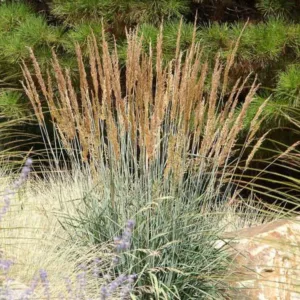
Native grasses bring color, motion, and wildlife to Central Florida yards while shrugging off heat, sandy soil, and summer downpours. Swap thirsty lawn for Pink Muhly, Switchgrass, Bushy Bluestem, or Sea Oats, and you get a low-maintenance, truly Floridian landscape that looks natural, modern, and alive year-round, resilient, rooted, enduring.
Native Plants, Native Perennials, Native Grasses, Florida Native Plant, Florida Native Perennials, Florida Native Grasses

Native Grasses for Central Florida – Color, Texture, Movement

Want a landscape that feels like the real Florida but still looks polished and easy to care for? In Central Florida, native grasses are some of the hardest working plants you can grow. From Orlando, Tampa, and Ocala down through the Kissimmee chain of lakes, these Central Florida native ornamental grasses bring color, fine texture, and graceful motion to gardens in USDA zones 9a and 9b.

Central Florida sits within the Florida Peninsula ecoregion, where sunny skies, sandy soils, and frequent summer rain showers create a huge variety of habitats. Upland scrub ridges, flatwoods, wet prairies, cypress domes, and coastal marshes all support their own mix of native warm season grasses, sedges, and rushes. When you choose grasses that match your yard conditions, you get beauty with very little effort.

At the same time, wild Florida is under pressure from development and invasive plants. Many popular ornamental grasses sold in garden centers are non native and can escape into natural areas. By planting Central Florida native grasses instead, you support wildlife, protect wetlands, and keep a genuine sense of Florida in your backyard.

Central Florida Native Grass Quick Start

  • Match sun and soil – most native grasses love full sun, but some thrive in wet ditches, marsh edges, or coastal sand. A few tolerate light shade.
  • Think in groups, not singles – plant grasses in drifts or clumps of 3 to 7 so their movement and seed heads really show.
  • Use grasses as living mulch – dense clumps help shade the soil, reduce weeds, and protect roots from intense Central Florida heat.
  • Plan for seasonal change – many native grasses flower and bronze in fall, then provide structure and wildlife seed through winter.
  • Water to establish, then relax – even drought tolerant native grasses need regular watering their first year. Once rooted, most rely on rainfall except in severe drought.

Central Florida Native Grass Habitats At A Glance

To choose the right native ornamental grass for Central Florida, think about where it grows in the wild. Try to match those conditions in your own yard for the lowest maintenance and best performance.

Spend a day watching sun and shade patterns, noting where water stands after a storm and where soil dries quickly. Matching the right Central Florida native grass to each micro habitat is the secret to success.

Guide Information

Hardiness 9
Plant Type Ornamental Grasses
Native Plants United States, Southeast, Florida

Recommended Native Grasses for Central Florida

Andropogon glomeratus (Bushy Bluestem)
Andropogon virginicus (Broom Sedge)
Equisetum hyemale (Horsetail)
Eragrostis spectabilis (Purple Love Grass)
Juncus effusus (Common Rush)
Muhlenbergia capillaris (Pink Muhly Grass)
Panicum virgatum (Switchgrass)
Rhynchospora colorata (Star Rush)
Scirpus cyperinus (Wool Grass)
Sorghastrum nutans (Indian Grass)
Spartina alterniflora (Smooth Cordgrass)
Spartina patens (Saltmeadow Cordgrass)
Sporobolus virginicus (Seashore Dropseed)
Tripsacum dactyloides (Eastern Gamma Grass)
Uniola paniculata (Sea Oats)

Why Choose Native Grasses in Central Florida

Grasses are the quiet backbone of many Florida ecosystems. When you use native grasses for Central Florida gardens, you get good looks plus important ecological benefits.

  • Perfectly adapted – native grasses evolved in the same sandy, sometimes shell rich soils, steamy summers, and occasional cold snaps that your yard experiences. They tolerate summer deluges followed by dry spells far better than many exotic ornamental grasses.
  • Low maintenance structure – once established, most Central Florida native grasses need very little fertilizing or pruning. A once a year trim and light mulching is often enough, especially for tough species like Switchgrass and Indian Grass.
  • Excellent for tough sunny spots – parkway strips, hot driveways, and slopes that defeat turf grass are prime real estate for drought tolerant native grasses. Their deep roots help stabilize soil and reduce erosion.
  • Wildlife friendly planting – seed heads feed birds, dense clumps shelter lizards and pollinators, and many native butterflies and moths use grasses as larval host plants. A simple drift of Muhlenbergia capillaris or Panicum virgatum can support surprising biodiversity.
  • Non invasive alternatives – some non native ornamental grasses, like Chinese silver grass and certain fountain grass cultivars, can escape into natural areas. Carefully selected Florida native grasses provide the same texture and movement without the risk.

Tip – whenever possible, look for grasses grown from local or regional Florida seed sources. These plants are often better tuned to your exact climate and help conserve local genetics.

Best Native Grasses for Central Florida Gardens

Use this list as a menu of reliable native grasses for Central Florida landscapes. Check each species for mature height, moisture needs, and salt or drought tolerance, then mix and match to fit your site.

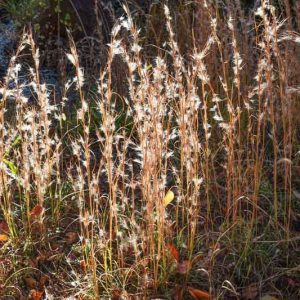
  • Andropogon glomeratus (Bushy Bluestem) – a showy, clump forming grass that reaches 3 to 5 feet tall. In late summer and fall, fluffy silver seed heads catch the light and glow at sunset. Bushy Bluestem loves moist soils along pond edges, ditches, and rain gardens, but it also tolerates short dry spells once established. Use it where you want soft movement and seasonal color.
  • Andropogon virginicus (Broomsedge) – a tough, upright grass that thrives in poor, dry, sandy soils where other plants struggle. Foliage turns warm copper orange in fall and often persists through winter, providing structure and bird habitat. Great for naturalistic meadows, utility easements, and low care slopes in full sun.
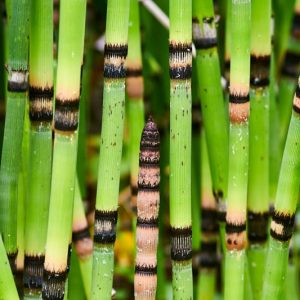
  • Equisetum hyemale (Horsetail) – technically not a grass but a primitive, reed like plant that behaves like one in design. Vertical green stems with black bands create strong architectural lines along pools, rain gardens, and modern water features. Requires constantly moist to wet soil and can spread, so consider using it in containers or defined beds.
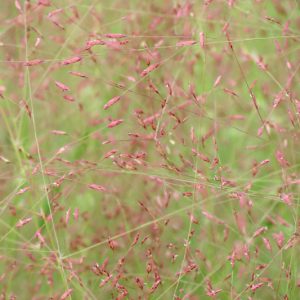
  • Eragrostis spectabilis (Purple Love Grass) – a compact, airy grass that forms low mounds topped with clouds of purple pink seed in late summer. The effect is a shimmering haze, especially when planted in masses. Purple Love Grass thrives in hot, dry, sandy soils and is excellent for borders, curb strips, and mass planting with wildflowers.
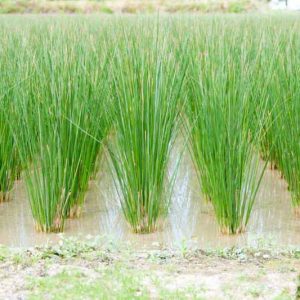
  • Juncus effusus (Common Rush) – another grass like plant, this rush forms dense, vertical clumps of round green stems. It excels in wet areas, including rain gardens, pond shelves, and low spots that stay damp. Common Rush is useful for stabilizing banks and filtering runoff while adding strong texture.
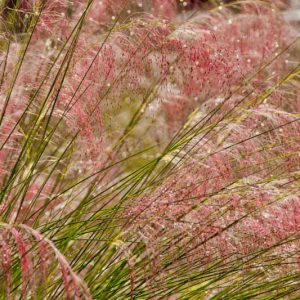
  • Muhlenbergia capillaris (Pink Muhly Grass) – one of the most beloved native ornamental grasses for Florida. In fall, it explodes into airy plumes of cotton candy pink that glow in backlight. Pink Muhly prefers full sun and well drained soil and is surprisingly drought tolerant once established. Use it in swaths along driveways, mixed into shrub borders, or in large containers.
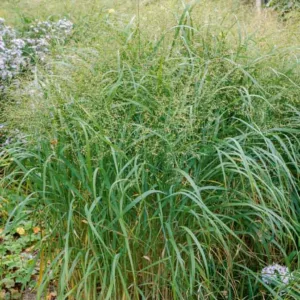
  • Panicum virgatum (Switchgrass) – a versatile, upright warm season grass that comes in many Florida friendly forms. Wild type Switchgrass forms tall clumps with airy seed panicles that feed songbirds. Selected cultivars bring blue green, red, or wine colored foliage. Tolerates everything from seasonally wet soil to moderate drought, making it a workhorse for rain gardens, bioswales, and large planting beds.
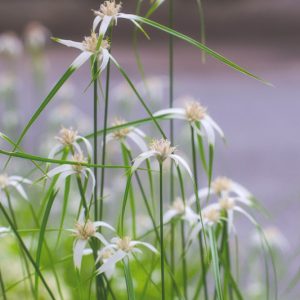
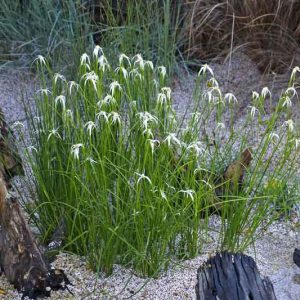
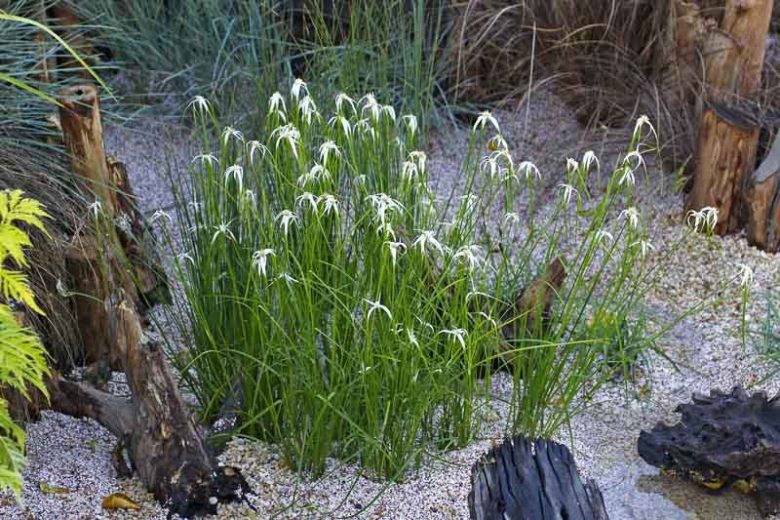
  • Rhynchospora colorata (Star Rush) – technically a sedge, but too beautiful to ignore. Bright white star like bracts at the top of stems make this moisture loving plant look like a grass sprinkled with flowers. It prefers sun to light shade and consistently moist soil, perfect for the upper shelves of ponds, rain gardens, and low meadow plantings.
  • Scirpus cyperinus (Wool Grass) – a bold, tall native sedge with arching stems and large, tan woolly seed clusters. Excellent for naturalized pond edges, marshy spots, and wildlife plantings where you want height and drama. Wool Grass thrives in mucky soil and shallow standing water and provides cover for birds and amphibians.
  • Sorghastrum nutans (Indian Grass) – a classic prairie grass that also feels right at home in Central Florida sandhills and dry meadows. Blue green foliage is topped with golden bronze flower plumes in late summer and fall. Indian Grass loves full sun and fast draining soil and is fantastic for naturalistic plantings, meadows, and pollinator gardens.
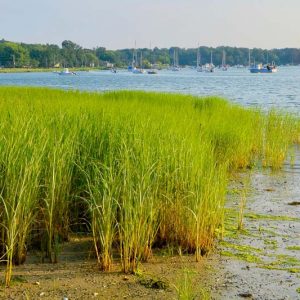
  • Spartina alterniflora (Smooth Cordgrass) – the backbone of many coastal marshes. Smooth Cordgrass thrives in salty or brackish water along tidal creeks, estuaries, and low marshes. It is ideal for shoreline stabilization, living shorelines, and restoration projects where regular saltwater flooding occurs.
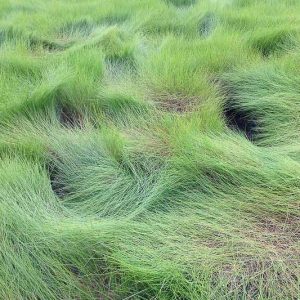
  • Spartina patens (Saltmeadow Cordgrass) – a fine textured, wiry grass that forms tufts or low mats in high marsh and dune swales. Highly salt tolerant and great for binding sandy soil, it is useful in coastal gardens, dune restoration, and seaside meadows where occasional flooding or salt spray is common.
  • Sporobolus virginicus (Seashore Dropseed) – a low, spreading grass native to dunes and coastal flats. It tolerates salt spray, sandy soil, and periodic drought, making it a smart choice for seaside landscapes, dune crossovers, and hot, exposed sites near the beach.
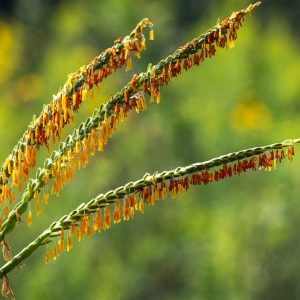
  • Tripsacum dactyloides (Eastern Gamma Grass) – a bold, clump forming grass with wide blades that resemble a small corn plant. Distinctive, bead like seed clusters rise above the foliage and attract wildlife. Eastern Gamma Grass likes moist to average soils in full sun and makes a strong vertical accent in large beds, rain gardens, and naturalized borders.
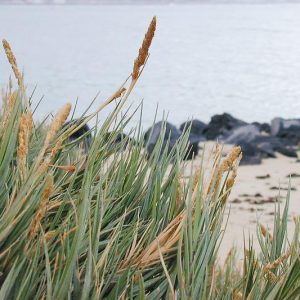
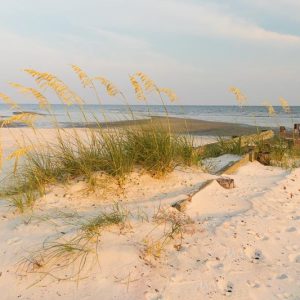
  • Uniola paniculata (Sea Oats) – the iconic grass of Florida dunes. Tall stems topped with dangling, oat like seed heads sway gracefully in sea breezes and help trap sand, building and stabilizing dunes. Sea Oats are protected in many areas, so always purchase nursery grown plants. Use them in coastal landscapes, dune restoration, and seaside gardens with sandy, well drained soils.

Easy Design Recipes With Native Grasses

Sun Baked Front Yard Meadow – Replace struggling turf in a hot, dry front yard with clumps of Muhlenbergia capillaris (Pink Muhly Grass), Eragrostis spectabilis (Purple Love Grass), and Sorghastrum nutans (Indian Grass). Sprinkle in native wildflowers like Coreopsis, Black eyed Susan, and Blanket Flower. Mow a simple curving path once or twice a year to keep it tidy.

Central Florida Rain Garden Swale – In a low area that collects stormwater, plant drifts of Andropogon glomeratus (Bushy Bluestem), Panicum virgatum (Switchgrass), Scirpus cyperinus (Wool Grass), and Rhynchospora colorata (Star Rush). Mix in moisture loving perennials and a few shrubs. The deep rooted grasses will slow runoff, filter water, and provide habitat for dragonflies and frogs.

Coastal Dune Stabilizer – Along a sandy, windy property near the coast, mass Uniola paniculata (Sea Oats), Spartina patens (Saltmeadow Cordgrass), and Sporobolus virginicus (Seashore Dropseed). Tuck in low native wildflowers and groundcovers between clumps. This combination mimics natural dune vegetation and helps hold sand in place.

Modern Pond Edge Planting – Around the edge of a backyard pond or retention basin, combine vertical clumps of Equisetum hyemale (Horsetail) and Juncus effusus (Common Rush) with soft mounds of Andropogon glomeratus (Bushy Bluestem). The contrast of upright lines and fluffy plumes looks clean and contemporary while providing excellent wildlife habitat.

Planting and Caring for Native Grasses in Central Florida

Most Central Florida native grasses are forgiving once they settle in, but a bit of prep makes them even easier.

  • Prep the planting area – remove invasive plants and weak turf, then loosen the top 4 to 6 inches of soil. In very poor sand, work in a thin layer of compost, pine fines, or leaf mold, but do not over enrich. Many native grasses prefer lean soil.
  • Check drainage and moisture – dig a test hole and fill it with water. If it drains within a couple of hours, choose upland or meadow grasses. If water lingers or the area floods regularly, select wetland and marsh species like Wool Grass, Common Rush, or Bushy Bluestem.
  • Plant at the right depth – set root balls so the crown is at or slightly above the surrounding soil. Planting too deep can cause rot, especially in heavy or wet soils.
  • Mulch lightly – spread a 1 to 2 inch layer of shredded leaves, pine straw, or pine bark around new grasses, keeping mulch a couple of inches away from the crown. Too much mulch can keep crowns soggy in summer humidity.
  • Water deeply for the first growing season – give new native grasses a thorough soak once or twice a week during dry spells their first year. After that, most drought tolerant species can rely mainly on rainfall, while wetland grasses may still appreciate supplemental water during prolonged drought.
  • Skip heavy fertilizer – native grasses are adapted to nutrient lean soils. Over fertilizing can make them floppy and more prone to pests. A light topdressing of compost or leaf mold once a year is usually plenty.
  • Cut back at the right time – in late winter or very early spring, before new growth emerges, cut clumps back to 6 to 10 inches tall or gently rake out dead foliage. Leaving seed heads up through winter provides food and shelter for wildlife and adds interest when everything else is bare.

Blending Native Grasses Into Your Landscape Design

Think of grasses as the threads that weave together shrubs, trees, and flowers in your Central Florida garden. They add texture, movement, and year round structure.

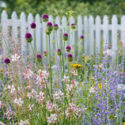
  • Create layered meadows – combine taller grasses like Switchgrass, Indian Grass, and Eastern Gamma Grass in the back with mid height Pink Muhly and Bushy Bluestem in the middle and low Purple Love Grass at the front. Sprinkle native wildflowers throughout for seasonal color.
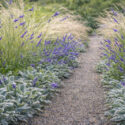
  • Frame paths and patios – line sunny walkways and sitting areas with clumps of Pink Muhly Grass, Purple Love Grass, or neat drifts of Sea Oats in coastal sites. Their seed heads catch the light and soften hard edges.
  • Highlight water features – around ponds and rain gardens, mix vertical elements like Horsetail and Common Rush with arching Wool Grass and Star Rush. The reflections of their stems and plumes in the water add depth and interest.
  • Mix with shrubs and perennials – tuck Switchgrass or Eastern Gamma Grass between native shrubs like Wax Myrtle, Yaupon Holly, and Beautyberry. In front, blend Purple Love Grass, Pink Muhly, and short sedges with flowering perennials and pollinator plants.
  • Leave some wild corners – allow a back fence line or side yard strip to become a small native grass meadow. Even a few square meters of native vegetation can support birds, butterflies, and beneficial insects.

Over time, your property can shift from thirsty turf and imported ornamentals to a resilient, living landscape filled with movement, birdsong, and the rustle of native grasses in the breeze.

Discover More Florida Native Plants

Florida Native Plant Guides – Design, Soil and Wildlife

Frequently Asked Questions

What are the best native grasses for home landscapes in Central Florida?

Some of the most reliable native grasses and grass like plants for Central Florida (USDA zones 9a and 9b) include:
Andropogon glomeratus (Bushy Bluestem)
Andropogon virginicus (Broomsedge)
Eragrostis spectabilis (Purple Love Grass)
Muhlenbergia capillaris (Pink Muhly Grass)
Panicum virgatum (Switchgrass)
Sorghastrum nutans (Indian Grass)
Tripsacum dactyloides (Eastern Gamma Grass)
Scirpus cyperinus (Wool Grass)
Rhynchospora colorata (Star Rush)
Juncus effusus (Common Rush)
Spartina alterniflora (Smooth Cordgrass)
Spartina patens (Saltmeadow Cordgrass)
Sporobolus virginicus (Seashore Dropseed)
Uniola paniculata (Sea Oats)
Together these species cover hot, dry uplands, average garden soils, rain gardens and wetland edges, and coastal dunes. Using a mix of them lets you build a cohesive but ecologically rich landscape.

Which native grasses tolerate heat and drought in Central Florida sand?

For dry, fast draining sites in full sun, choose species that evolved in sandhills and dry prairies. Good heat and drought tolerant options include:
Eragrostis spectabilis (Purple Love Grass) – small, airy, and great along drives and walks
Muhlenbergia capillaris (Pink Muhly Grass) – famous pink fall plumes, surprisingly tough once established
Sorghastrum nutans (Indian Grass) – taller prairie type with golden seed heads
Panicum virgatum (Switchgrass) – especially upland or “prairie” forms
Tripsacum dactyloides (Eastern Gamma Grass) – bold foliage for large beds and meadows
Once these grasses are well rooted, most only need deep watering during extended drought. They are excellent alternatives to irrigated turf where you want a more natural, low maintenance look.

What native grasses work well in rain gardens, swales, and pond edges?

For rain gardens and low areas that collect water after storms, look for species that naturally occur in wet prairies, ditches, and marsh margins. Reliable choices include:
Andropogon glomeratus (Bushy Bluestem)
Panicum virgatum (Switchgrass) – wet tolerant forms
Scirpus cyperinus (Wool Grass)
Rhynchospora colorata (Star Rush)
Juncus effusus (Common Rush)
Equisetum hyemale (Horsetail – grass like, not a true grass)
These plants handle periodic flooding but also survive normal dry downs between storms. Their dense, fibrous root systems help slow runoff, trap sediment, and filter pollutants, making them excellent for stormwater features and naturalized pond edges.

Which native grasses are best for coastal Central Florida and salty conditions?

On or near the coast, choose salt tolerant grasses that handle wind, blowing sand, and salt spray. Key species include:
Uniola paniculata (Sea Oats) – classic dune grass that traps sand and builds dunes
Spartina patens (Saltmeadow Cordgrass) – fine textured grass of high marsh and dune swales
Sporobolus virginicus (Seashore Dropseed) – low spreading grass for exposed sandy sites
Spartina alterniflora (Smooth Cordgrass) – dominant low marsh grass for areas that flood regularly with brackish or salt water
These grasses are widely used in dune restoration, living shorelines, and naturalistic seaside gardens. They are the best choices anywhere salt spray, tidal flooding, or salty soil might stress typical landscape plants.

Can native grasses replace part or all of my lawn in Central Florida?

Yes. Many homeowners are replacing high maintenance turf with mixes of native grasses and wildflowers. A common approach is to create a meadow like planting using:
Clumps of Muhlenbergia capillaris (Pink Muhly Grass)
Masses of Eragrostis spectabilis (Purple Love Grass)
Tall accents of Panicum virgatum (Switchgrass) and Sorghastrum nutans (Indian Grass)
You can mow a clean edge along paths and beds a few times a year and cut the whole meadow back once in late winter. Compared with a conventional lawn, a native grass meadow typically uses less water, fertilizer, and pesticides and supports far more birds, butterflies, and beneficial insects.

How and when should I cut back native grasses?

Most warm season native grasses can be left standing through fall and winter. Their seed heads feed birds and their foliage provides structure and cover for wildlife.
General guidelines:
Timing – cut back in late winter or very early spring, just before new growth begins
Height – reduce clumps to about 6 to 10 inches tall
Method – use sharp hand pruners, hedge shears, or a string trimmer, then rake out loose thatch
Wetland grasses and rushes such as Scirpus cyperinus (Wool Grass) and Juncus effusus (Common Rush) may only need selective thinning of dead stems rather than a full haircut. Avoid cutting too late in spring, when new growth can be damaged.

References

Updated: November 2025 • Reviewed by Gardenia Editors

Recommended Guides

Shade-Loving Native Shrubs for Central Florida
Sun-Loving Native Trees for Central Florida
Shade-Loving Native Trees for Central Florida
Native Groundcovers for Central Florida
Shade-Loving Native Perennials for Central Florida
Native Aquatic Plants for Central Florida
Native Ferns for Central Florida
Native Grasses for Central Florida
Native Vines for Central Florida
Sun-Loving Native Shrubs for Central Florida
Sun-Loving Native Perennials for Central Florida
Highly Drought Tolerant plants for your Florida Native Garden
Native Plants that Attract Hummingbirds in Florida
Invasive Plant Species in Florida
Highly Salt Tolerant plants for your Florida Native Garden
Great Pollinator Plants for Florida
Monarch Nectar Plants for Florida
Explore Great Plant Combination Ideas
Coastal South
Guides with
Coastal South Florida
While every effort has been made to describe these plants accurately, please keep in mind that height, bloom time, and color may differ in various climates. The description of these plants has been written based on numerous outside resources.

Guide Information

Hardiness 9
Plant Type Ornamental Grasses
Native Plants United States, Southeast, Florida
Explore Great Plant Combination Ideas
Coastal South
Guides with
Coastal South Florida

Related Items

Please Login to Proceed

You Have Reached The Free Limit, Please Subscribe to Proceed

Subscribe to Gardenia

To create additional collections, you must be a paid member of Gardenia
  • Add as many plants as you wish
  • Create and save up to 25 garden collections
Become a Member

Plant Added Successfully

Your garden is taking shape. Unlock full planning.

You’ve reached the free limit. Upgrade for $25/year to add as many plants as you wish and save up to 25 garden collections. Unlock Annual Membership

Update Your Credit
Card Information

Cancel

Create a New Collection

Sign Up to Our Newsletter

    You have been subscribed successfully

    Join Gardenia.net

    Create a membership account to save your garden designs and to view them on any device.

    Becoming a contributing member of Gardenia is easy and can be done in just a few minutes. If you provide us with your name, email address and the payment of a modest $25 annual membership fee, you will become a full member, enabling you to design and save up to 25 of your garden design ideas.

    Join now and start creating your dream garden!

    Join Gardenia.net

    Create a membership account to save your garden designs and to view them on any device.

    Becoming a contributing member of Gardenia is easy and can be done in just a few minutes. If you provide us with your name, email address and the payment of a modest $25 annual membership fee, you will become a full member, enabling you to design and save up to 25 of your garden design ideas.

    Join now and start creating your dream garden!
    Find your Hardiness Zone

    Find your Heat Zone

    Find your Climate Zone