Create Your Garden

Sun-Loving Native Shrubs for Central Florida

Central Florida sun doesn’t have to scorch your landscape; the right native shrubs turn sand and heat into a low-maintenance wildlife haven. Mix evergreen screens, blazing blooms, and berry-laden thickets for color, privacy, and hummingbirds all year long—and let Central Florida plants do the work.
Native Plants, Native Perennials, Native Sun Perennials, Florida Native Plant, Florida Native Perennials, Florida Sun Perennials

Sun-Loving Native Shrubs for Central Florida – Tough Color for Hot, Sandy Yards

Want shrubs that love Central Florida sun instead of wilting in it? Native shrubs give Orlando, Tampa Bay, and Space Coast gardens year-round structure, flowers, and berries while shrugging off heat, humidity, and sandy soil. This guide highlights durable, sun-loving native shrubs that thrive in USDA zones 9a and 9b.

Central Florida Native Shrub Quick Start

  • Full sun really means full sun – pick shrubs rated for full sun in zones 9a–9b; many also handle reflected heat from driveways and walls.
  • Know your soil – coastal sand, upland scrub, flatwoods, and wet swales behave very differently. Match shrubs to dry, average, or moist sites.
  • Think mature size, not nursery size – a 3 gallon wax myrtle or Walter’s viburnum can become a 10 foot screen in a few years.
  • Plan for flowers, fruit, and structure – combine evergreen backbone shrubs with spring bloomers, fall berry producers, and a few spiny wildlife thickets.
  • Water to establish – even drought tolerant native shrubs need regular deep watering for the first one to two growing seasons.

Central Florida Garden Zones at a Glance

Most of Central Florida falls in USDA zones 9a and 9b, with long, hot summers, mild winters that occasionally dip below freezing, and distinct wet and dry seasons.

  • Inland sandhills and scrub – very well drained, nutrient poor sand, blazing sun, and fast drying winds.
  • Urban and suburban yards – fill soils, irrigation, reflected heat, and occasional flooding after summer storms.
  • Flatwoods and woodland edges – seasonally wet, mucky or sandy soils with pines and oaks overhead.
  • Coastal sites – salty breezes, sandy soil, and high wind exposure along rivers and estuaries.

Most of the shrubs below overlap several of these site types, but checking your light, drainage, and exposure will help you pick the best native shrub for each planting area.

Best Sun-Loving Native Shrubs for Central Florida

Use this list as a menu of Central Florida native shrubs that handle full sun while feeding birds, butterflies, and pollinators. Mix evergreen screens, flowering anchors, and berry producers for landscapes that look good in every season with minimal input.

Guide Information

Hardiness 9
Plant Type Shrubs
Exposure Full Sun
Native Plants United States, Southeast, Florida
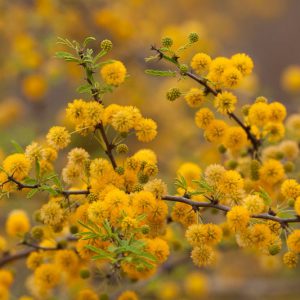
Acacia farnesiana (Sweet Acacia)
Aralia spinosa (Devil’s Walking Stick)
Ardisia escallonioides (Island Marlberry)
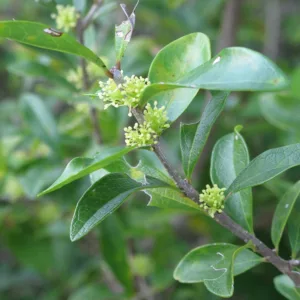
Baccharis halimifolia (Eastern Baccharis)
Borrichia frutescens (Sea Ox-Eye)
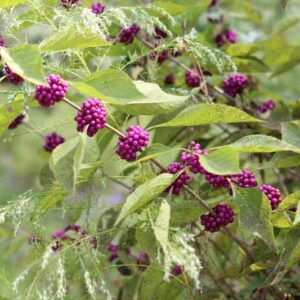
Callicarpa americana (American Beautyberry)
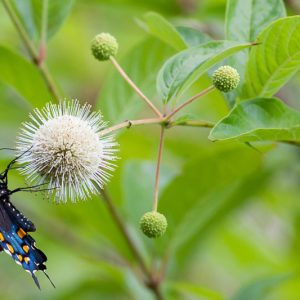
Cephalanthus occidentalis (Buttonbush)
Coccoloba diversifolia (Pigeon Plum)
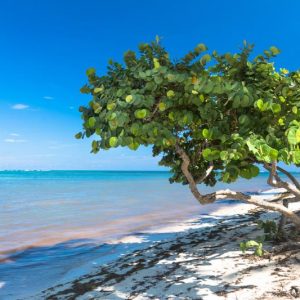
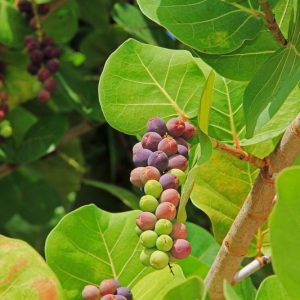
Coccoloba uvifera (Seagrape)
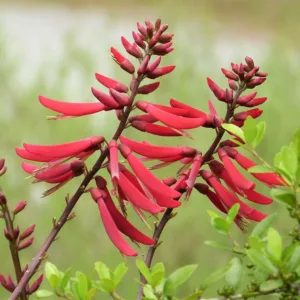
Erythrina herbacea (Coralbean)
Forestiera segregata (Florida Privet)
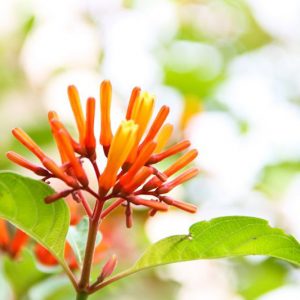
Hamelia patens (Firebush)
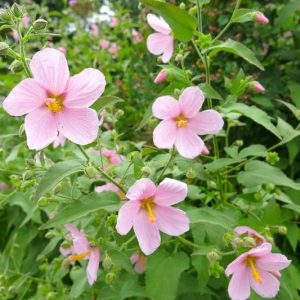
Kosteletzkya virginica (Seashore Mallow)
Lantana involucrata (Buttonsage)
Lycium carolinianum (Christmas Berry)
Lyonia lucida (Fetter Bush)
Morella cerifera (Wax Myrtle)
Myrcianthes fragrans (Simpson’s Stopper)
Rhus copallinum (Winged Sumac)
Rosa palustris (Swamp Rose)
Senna ligustrina (Privet Senna)
Serenoa repens (Saw Palmetto)
Sophora tomentosa (Necklace Pod)
Vaccinium darrowii (Darrow’s Blueberry)
Vaccinium myrsinites (Evergreen Blueberry)
Vaccinium stamineum (Deerberry)
Viburnum obovatum (Walter’s Viburnum)
Yucca aloifolia (Spanish Bayonet)
Yucca filamentosa (Adam’s Needle)
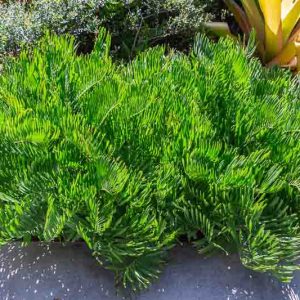
Zamia pumila (Coontie)

Pattern Recipes for Easy Native Planting

Central Florida Wildlife Hedge: Combine Viburnum obovatum (Walter’s Viburnum), Forestiera segregata (Florida Privet), and Morella cerifera (Wax Myrtle) for a dense, bird friendly screen that provides cover, nesting sites, and berries along fences and property lines.

Dry Sandhill Pollinator Strip: Mix Hamelia patens (Firebush), Erythrina herbacea (Coralbean), and Lantana involucrata (Buttonsage) in a full sun bed for months of nectar rich flowers that draw hummingbirds, butterflies, and native bees.

Moist Meadow Edge Planting: Along ponds or low swales, use Cephalanthus occidentalis (Button Bush), Kosteletzkya virginica (Seashore Mallow), and Rosa palustris (Swamp Rose) to create a soft, flowering transition from lawn to water while supporting pollinators and songbirds.

Coastal Sandy Border: In windy, sandy spots, combine Baccharis halimifolia (Eastern Baccharis), Borrichia frutescens (Sea Oxeye), and Lycium carolinianum (Christmas Berry) for a salt tolerant, wildlife friendly border with fall flowers and berries.

Why Choose Native Shrubs in Central Florida?

Many common landscape shrubs in Central Florida are non native and offer little wildlife value or require constant pruning and irrigation. Native shrubs are adapted to Central Florida heat, sandy soils, and seasonal rainfall, so they work with the climate instead of fighting it.

  • Climate adapted – native shrubs evolved under Central Florida temperature swings, sandy or mucky soils, and wet dry cycles, so they usually need fewer inputs once established.
  • Wildlife friendly – flowers, berries, and dense evergreen structure support songbirds, pollinators, and beneficial insects year round.
  • Lower maintenance – many natives grow into natural forms that need only occasional thinning, not constant shearing.
  • Non invasive – native shrubs are far less likely to escape into conservation lands compared with common exotic hedge plants.

Tip: For best results, remove invasive shrubs first, then replace them with nursery grown Florida natives that match your light and moisture conditions.

Why Grow These Central Florida Sun Loving Shrubs?

  • Acacia farnesiana (Sweet Acacia) – Thorny, drought tolerant shrub with fragrant golden puffball flowers and excellent cover for small birds.
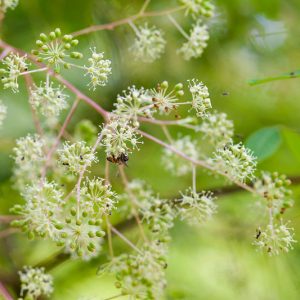
  • Aralia spinosa (Devil’s Walking Stick) – Dramatic, spiny multi stem shrub with huge compound leaves and late summer flower clusters that feed pollinators and birds.
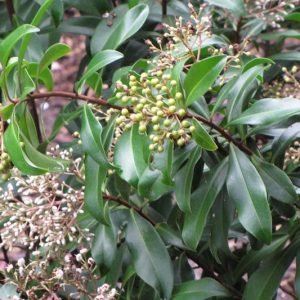
  • Ardisia escallonioides (Island Marlberry) – Shiny evergreen foliage, white flowers, and dark berries that attract songbirds; useful as a small understory shrub in sun to light shade.
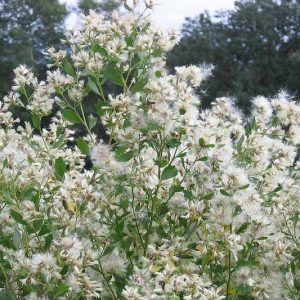
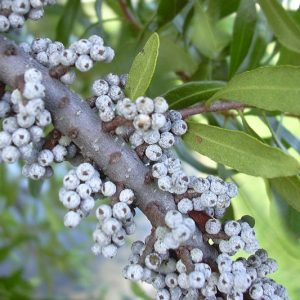
  • Baccharis halimifolia (Eastern Baccharis) – Tough coastal shrub with fluffy white seed heads in fall; good for windbreaks and pollinator support along shorelines and open fields.
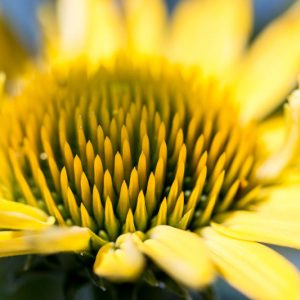
  • Borrichia frutescens (Sea Oxeye) – Low, salt tolerant shrub with gray green foliage and yellow daisy flowers; ideal for hot coastal beds and sandy medians.
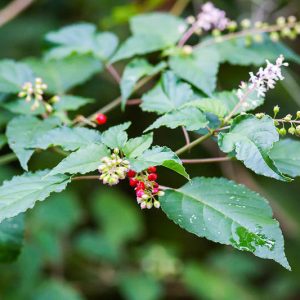
  • Callicarpa americana (American Beautyberry) – Open shrub with arching stems and vivid purple berry clusters that draw birds and add fall color.
  • Cephalanthus occidentalis (Button Bush) – Moisture loving shrub with spherical white flower heads adored by butterflies; perfect for pond edges and rain gardens.
  • Coccoloba diversifolia (Pigeon Plum) – Evergreen coastal shrub or small tree with dense foliage and fruit for birds; good for wind tolerant hedges in well drained sites.
  • Erythrina herbacea (Coralbean) – Spiny, drought tolerant shrub with bright red flower spikes for hummingbirds and showy seed pods for winter interest.
  • Forestiera segregata (Florida Privet) – Native alternative to exotic hedges; dense, easily clipped shrub that provides cover and berries for wildlife.
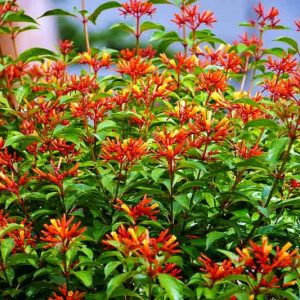
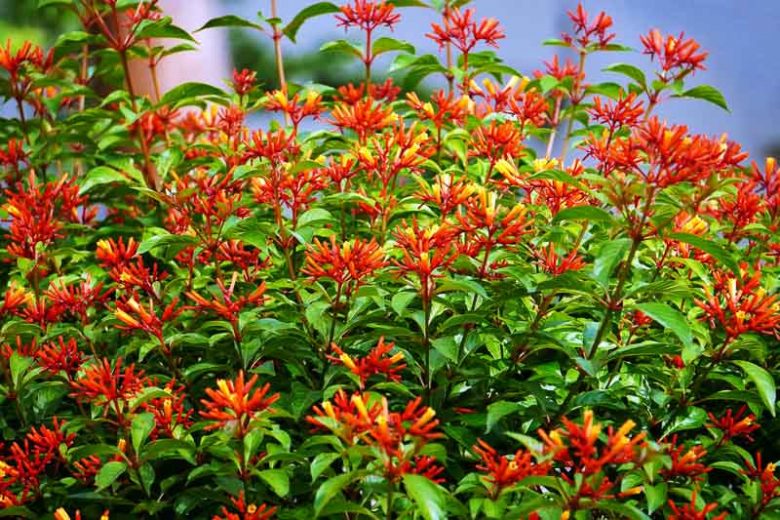
  • Hamelia patens (Firebush) – Long blooming orange red tubular flowers that attract butterflies and hummingbirds for much of the year in frost free or protected spots.
  • Kosteletzkya virginica (Seashore Mallow) – Upright, sun loving shrub with hibiscus like pink flowers, best in moist to wet soils near ponds, ditches, and low swales.
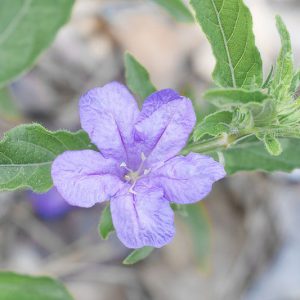
  • Lantana involucrata (Buttonsage) – Compact shrub covered in nectar rich white to lavender flower clusters; a native lantana for butterflies and bees in sunny beds.
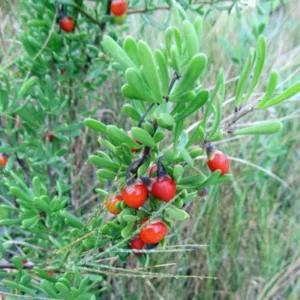
  • Lycium carolinianum (Christmas Berry) – Salt tolerant shrub with small purple flowers and bright red berries in the cooler months that birds relish.
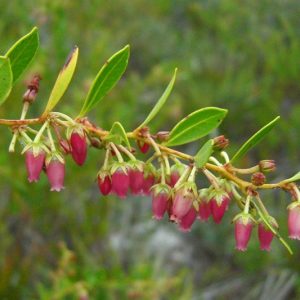
  • Lyonia lucida (Fetter Bush) – Evergreen shrub for acidic, moist to wet soils with glossy leaves and bell shaped flowers; useful along woodland edges and low spots.
  • Morella cerifera (Wax Myrtle) – Fast growing evergreen screen with aromatic foliage and wax coated berries eaten by birds; excellent for hedges and windbreaks.
  • Myrcianthes fragrans (Simpson’s Stopper) – Refined native shrub or small tree with fragrant white flowers, attractive bark, and orange red berries; ideal for foundations and small hedges.
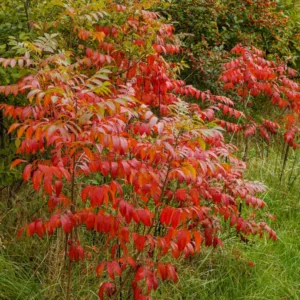
  • Rhus copallinum (Winged Sumac) – Airy shrub or small tree with winged stems, red fall color, and seed clusters that support birds and pollinators.
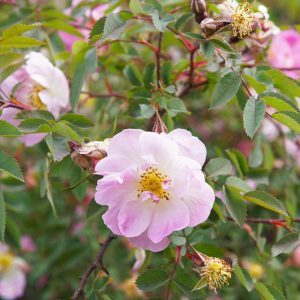
  • Rosa palustris (Swamp Rose) – Moisture loving native rose with fragrant pink flowers and hips for wildlife; best along pond edges and wet ditches.
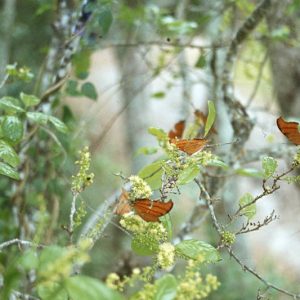
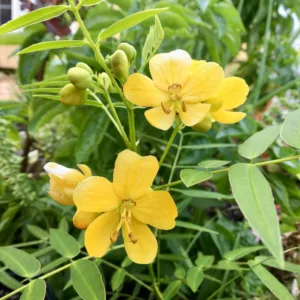
  • Senna ligustrina (Privet Senna) – Sun loving shrub with bright yellow blooms that support pollinators and serve as host plant for butterfly larvae.
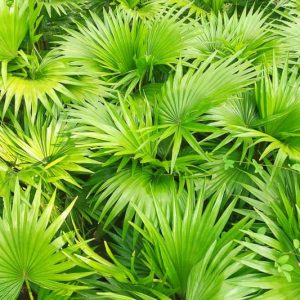
  • Serenoa repens (Saw Palmetto) – Slow growing palm shrub forming low colonies; extremely drought tolerant and valuable for wildlife food and cover in sandy sites.
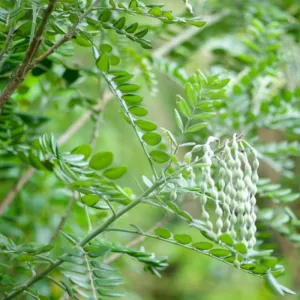
  • Sophora tomentosa (Necklace Pod) – Coastal shrub with silvery foliage, yellow flowers, and bead like seed pods; tolerates salt spray and sandy soils.
  • Vaccinium myrsinites (Evergreen Blueberry) – Low, tidy shrub with small leaves, bell shaped flowers, and berries for wildlife; suitable for acidic, well drained soils.
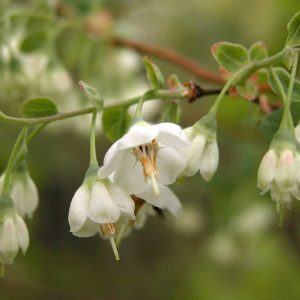
  • Vaccinium stamineum (Deerberry) – Open, multi stem shrub with dangling white flowers and berries eaten by birds and mammals; prefers acidic, sandy or loamy soils.
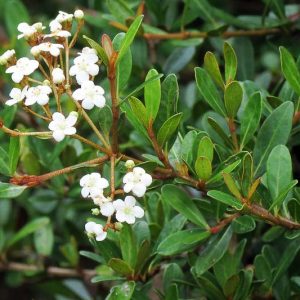
  • Viburnum obovatum (Walter’s Viburnum) – Versatile native for hedges or specimens, with white spring flowers and bird friendly berries; takes pruning well and tolerates a range of soils.
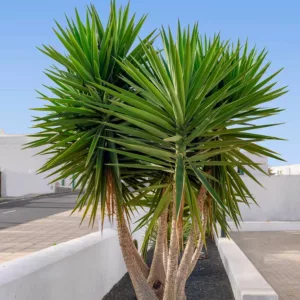
  • Yucca aloifolia (Spanish Bayonet) – Bold architectural shrub with stiff, sword like leaves and tall spikes of white flowers; excellent for dry, sunny focal points in well drained soil.
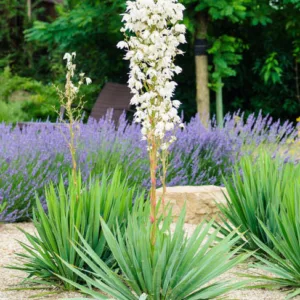
  • Yucca filamentosa (Adam’s Needle) – Clumping yucca for sandy, dry spots with narrow leaves and tall flower stalks; very drought tolerant once established.
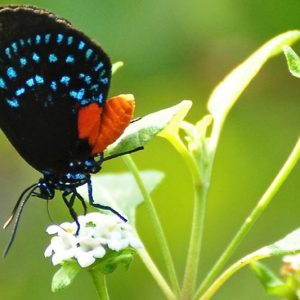
  • Zamia pumila (Coontie) – Low, palm like cycad that slowly forms colonies; thrives in sun to part shade and serves as the host plant for the rare Atala butterfly.

Bringing It All Together

Start by mapping where you have full sun, part shade, dry sand, or seasonally wet soil. Then plug native shrubs from this list into each zone for structure, flowers, and wildlife value. When you replace thirsty exotics with Central Florida native shrubs, your landscape will need less water and fertilizer while looking more alive every season.

Discover more beautiful Florida native plants

Plant Finder

Frequently Asked Questions

What are the best sun-loving native shrubs for Central Florida?

Top-performing native shrubs for Central Florida’s full sun include firebush (Hamelia patens), beautyberry (Callicarpa americana), wax myrtle (Morella cerifera), yaupon holly (Ilex vomitoria), necklace pod (Sophora tomentosa), Florida privet (Forestiera segregata), and buttonbush (Cephalanthus occidentalis). These species tolerate heat, sandy soils, and periodic drought.

Which native shrubs attract the most pollinators and wildlife?

Firebush, beautyberry, yaupon holly, coralbean (Erythrina herbacea), and Simpson’s stopper (Myrcianthes fragrans) are major wildlife plants. They provide nectar for hummingbirds and butterflies, berries for birds, and cover for small animals. These species are consistently highlighted by UF/IFAS and the Florida Native Plant Society.

Which native shrubs tolerate hot, dry, sandy soils?

Species adapted to xeric Florida scrub and sandhill conditions—such as necklace pod, winged sumac (Rhus copallinum), yucca species (Yucca aloifolia and Yucca filamentosa), and saw palmetto (Serenoa repens)—handle intense sun, drought, and fast-draining sands with minimal care.

Are there native shrubs that can handle wet or seasonally flooded areas in full sun?

Buttonbush, eastern baccharis (Baccharis halimifolia), fetterbush (Lyonia lucida), and coastalplain willow-like species (e.g., Salix caroliniana)) tolerate saturated soils, ditches, or pond edges. These shrubs naturally occur in wetlands and can thrive in full sun with periodic standing water.

Which native shrubs offer the most color or showiest flowers?

Firebush, seashore mallow (Kosteletzkya virginica), coralbean, Christmas berry (Lycium carolinianum), and buttonbush provide vibrant blooms in red, pink, or cream. These species are recommended as reliable native ornamentals that perform well in Central Florida’s heat.

What native shrubs are good for hedges, screens, or foundation plantings?

Florida privet, wax myrtle, yaupon holly, saw palmetto, and cocoplum (in warmer portions of Central Florida) create evergreen structure and dense screening. They tolerate pruning and are commonly used in Florida-friendly landscaping.

Which native shrubs help control erosion or stabilize sandy slopes?

Saw palmetto, necklace pod, yucca, and winged sumac have deep or fibrous roots suited to loose sand. They are frequently used in restoration plantings to stabilize dunes, sandy berms, or disturbed sites.

Are any native shrubs aggressive or challenging to manage?

Some species, such as winged sumac and wax myrtle, can spread by suckering and may need occasional pruning to maintain boundaries. They are not invasive but should be sited where spreading is acceptable.

Do native shrubs reduce maintenance compared to non-natives?

Yes. Once established, most native shrubs require less irrigation, fertilizer, and pest control than exotic shrubs. Species selected for the correct sun and soil conditions typically thrive with minimal care.

Do native shrubs support Florida’s native birds and pollinators?

Absolutely. Many native shrubs produce berries, nectar, and cover that support songbirds, hummingbirds, butterflies, bees, and beneficial insects. Beautyberry, firebush, wax myrtle, and holly species are among the best providers of wildlife habitat.

References

Great Pollinator Plants for Florida
Monarch Nectar Plants for Florida
Native Aquatic Plants for Central Florida
Native Ferns for Central Florida
Native Grasses for Central Florida
Native Vines for Central Florida
Shade-Loving Native Perennials for Central Florida
Shade-Loving Native Shrubs for Central Florida
Sun-Loving Native Perennials for Central Florida
Native Groundcovers for Central Florida
Sun-Loving Native Shrubs for Central Florida
Sun-Loving Native Trees for Central Florida
Shade-Loving Native Trees for Central Florida
Shade-Loving Native Trees for North Florida
Sun-Loving Native Trees for North Florida
Native Aquatic Plants for North Florida
Shade-Loving Native Perennials for North Florida
Sun-Loving Native Perennials for North Florida
Sun-Loving Native Shrubs for North Florida
Shade-Loving Native Shrubs for North Florida
Native Grasses for North Florida
Native Ferns for North Florida
Native Vines for North Florida
Invasive Plant Species in Florida
Native Vines for South Florida
Native Groundcovers for South Florida
Native Groundcovers for North Florida
Sun-Loving Trees for South Florida
Native Ferns for South Florida
Sun-Loving Native Shrubs for South Florida
Sun-Loving Native Perennials for South Florida
Shade-Loving Native Perennials for South Florida
Native Aquatic Plants for South Florida
Native Grasses for South Florida
Shade-Loving Native Shrubs for South Florida
Explore Great Plant Combination Ideas
Coastal South
Guides with
Coastal South Florida
While every effort has been made to describe these plants accurately, please keep in mind that height, bloom time, and color may differ in various climates. The description of these plants has been written based on numerous outside resources.

Guide Information

Hardiness 9
Plant Type Shrubs
Exposure Full Sun
Native Plants United States, Southeast, Florida
Explore Great Plant Combination Ideas
Coastal South
Guides with
Coastal South Florida

Related Items

Please Login to Proceed

You Have Reached The Free Limit, Please Subscribe to Proceed

Subscribe to Gardenia

To create additional collections, you must be a paid member of Gardenia
  • Add as many plants as you wish
  • Create and save up to 25 garden collections
Become a Member

Plant Added Successfully

Your garden is taking shape. Unlock full planning.

You’ve reached the free limit. Upgrade for $25/year to add as many plants as you wish and save up to 25 garden collections. Unlock Annual Membership

Update Your Credit
Card Information

Cancel

Create a New Collection

Sign Up to Our Newsletter

    You have been subscribed successfully

    Join Gardenia.net

    Create a membership account to save your garden designs and to view them on any device.

    Becoming a contributing member of Gardenia is easy and can be done in just a few minutes. If you provide us with your name, email address and the payment of a modest $25 annual membership fee, you will become a full member, enabling you to design and save up to 25 of your garden design ideas.

    Join now and start creating your dream garden!

    Join Gardenia.net

    Create a membership account to save your garden designs and to view them on any device.

    Becoming a contributing member of Gardenia is easy and can be done in just a few minutes. If you provide us with your name, email address and the payment of a modest $25 annual membership fee, you will become a full member, enabling you to design and save up to 25 of your garden design ideas.

    Join now and start creating your dream garden!
    Find your Hardiness Zone

    Find your Heat Zone

    Find your Climate Zone