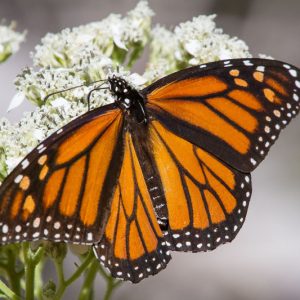
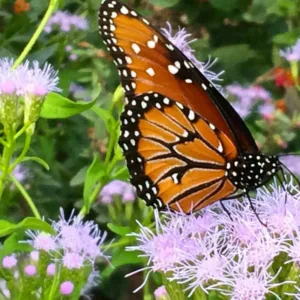
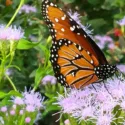
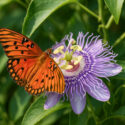
Monarch butterflies are in trouble. To help, plant milkweed and nectar plants that are native to your area and help reverse the fortune of these beautiful insects!
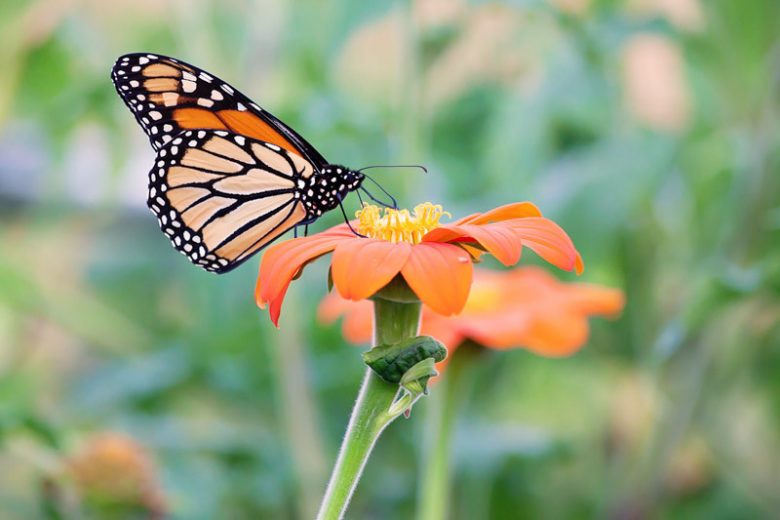


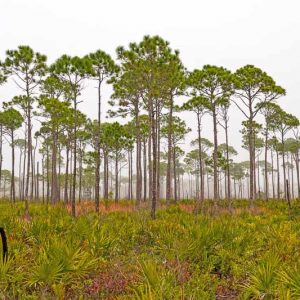
Florida is a butterfly lover’s dream, and monarchs are part of the show. From pine flatwoods and coastal strands to hammocks and backyards, you can give monarchs what they need all year by pairing native milkweeds for caterpillars with nectar flowers that bloom across seasons. South Florida even hosts some year round residents, so a steady buffet really matters.
Whenever you update or expand your garden, choose regionally native plants and avoid known invasive species so your landscape works with, not against, Florida’s ecosystems.
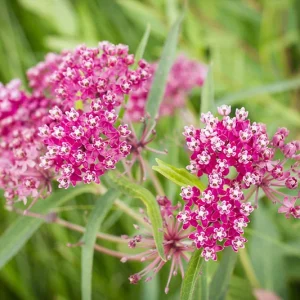
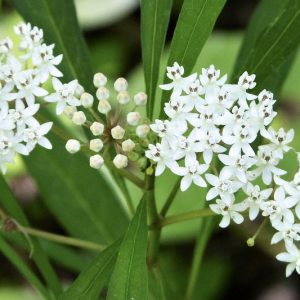
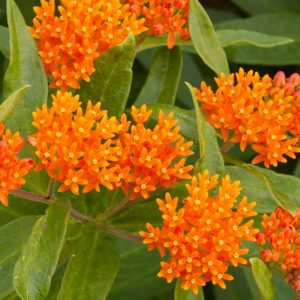
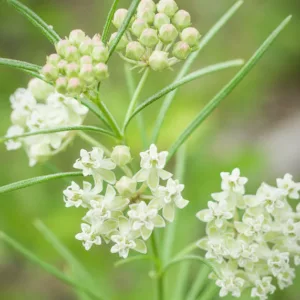
Milkweed is the nursery for monarch caterpillars, so tuck region friendly species into sunny beds and borders. In Florida gardens, three excellent choices are:
Monarchs are present year round in Florida, especially in the south, so continuity is the goal. Use this bloom-by-bloom menu to keep fuel flowing.
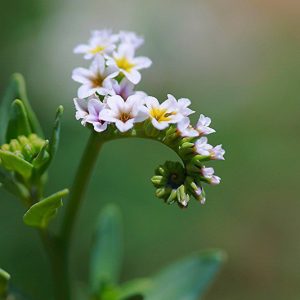
Spring kick off – Wake up the garden with nectar that opens early and carries into summer:
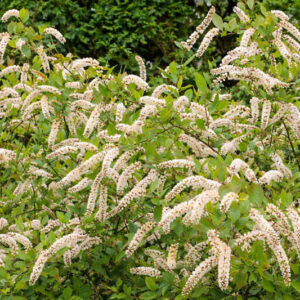
Summer fuel – Mix textures and heights for a midseason banquet:
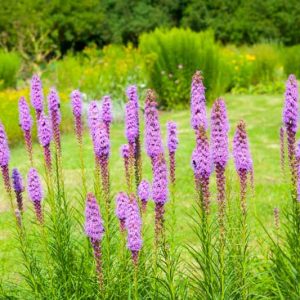
Fall top ups – Monarchs gear up for migration, and Florida’s fall bloomers shine:
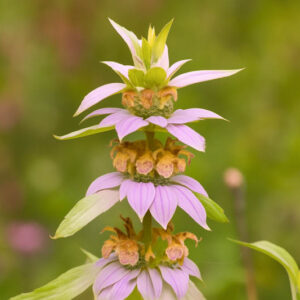
Year round helpers – For urban patios and pocket gardens, keep a few reliable bloomers in rotation:
| Genus | Asclepias |
|---|---|
| Native Plants | Florida, Southeast, United States |
| Attracts | Birds, Butterflies, Hummingbirds |
| Toxic to Humans | No known toxicity |
| Toxic to Cats | No known toxicity |
| Toxic to Dogs | No known toxicity |
| Toxic to Horses | No known toxicity |
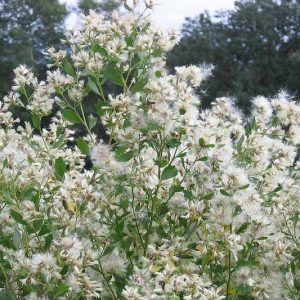
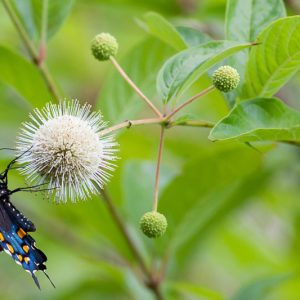
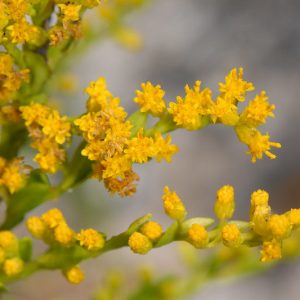
Coastal yards – Choose wind and salt tolerant nectar plants and shrubs. Start with seaside goldenrod, eastern baccharis, bushy seaside tansy, and buttonbush where freshwater mixes with brackish edges. These choices feed monarchs during fall flights and stand up to spray and sand.
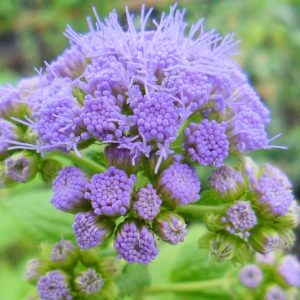
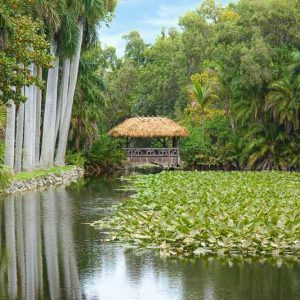
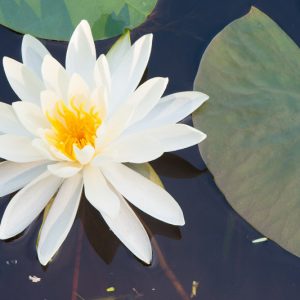
Wet or seasonally soggy spots – Lean into moisture lovers like aquatic milkweed, swamp milkweed, blue mistflower, climbing aster, and buttonbush. Cluster them where downspouts or swales keep soils damp.
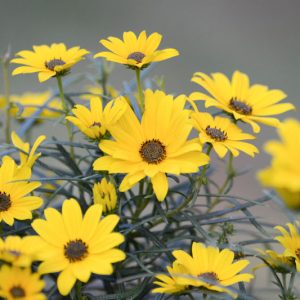
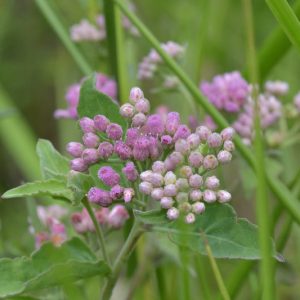
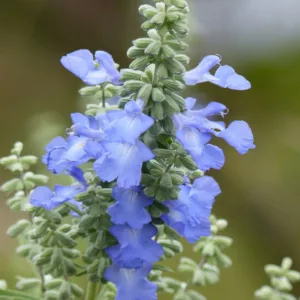
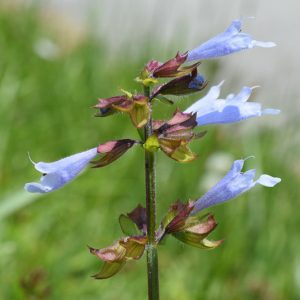
Dry, sandy beds and full sun – Florida sandhills and many suburban lots reward drought smart picks like butterfly milkweed, spotted beebalm, azure blue sage, and narrow-leaved sunflower. These plants deliver color and nectar without heavy irrigation.
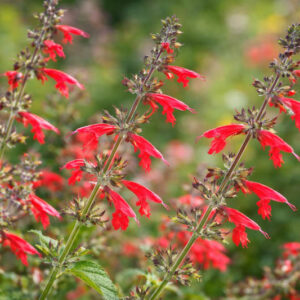
Urban patios and small spaces – Mix pots of scarlet sage, blue mistflower, and spiked blazing star, then tuck a butterfly milkweed into the sunniest container you have. Add a shallow water dish with pebbles for pollinator sipping, and you have a balcony sized oasis.
Pick one milkweed that fits your soil and a half dozen nectar partners that bloom from spring to winter.
Keep it tidy and wild – Edge beds with a neat border and repeat plant groupings so your wildflowers read as intentional. Add small signs that say Monarch Habitat or Pesticide Free to educate neighbors and reduce well meaning “help.”
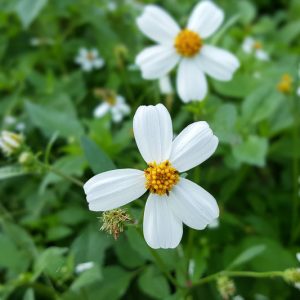
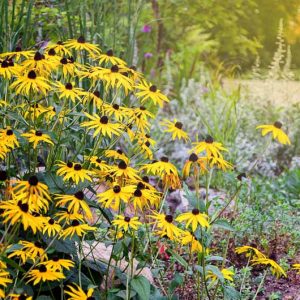
Manage Spanish needles – It is a fantastic nectar plant, but it seeds freely. Snip spent flowers on city lots or use it in containers where you can control self sowing.
Right plant, right water – Florida landscapes swing between cloudbursts and dry spells. Place moisture lovers in rain catching basins and reserve sandy highs for drought tolerant sages, goldenrods, and milkweeds that prefer lean conditions.
Native plants are adapted to Florida’s soils and climate, support more insect diversity than non natives, and usually need less fuss once established. Monarchs will nectar on many flowers, but native species help whole food webs.
Equally important, avoid systemic insecticides. Neonicotinoids and other systemics move into leaves and nectar, which puts caterpillars and adult butterflies at risk. Before you buy, ask suppliers if plants were treated. If the answer is not clear, shop elsewhere.
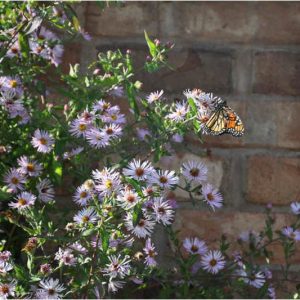
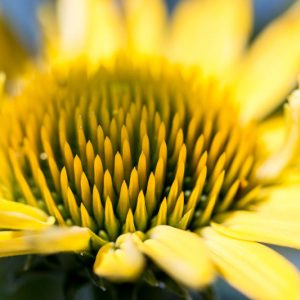
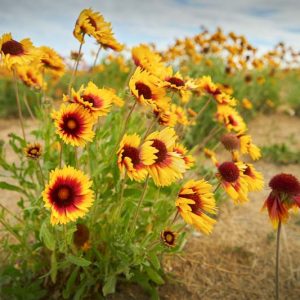
Flowering plants that offer reliable nectar when monarchs are flying. In Florida that means long-bloomers like tropical sage, blanketflower, seaside goldenrod, native asters, blazing star (Liatris), and sunflowers, plus many coastal and shrub species.
Yes. Nectar fuels adults, but caterpillars require native milkweed. Pair nectar plants with region-appropriate Florida milkweeds for full lifecycle support.
Aquatic (Asclepias perennis), swamp (A. incarnata), butterfly weed (A. tuberosa), whorled (A. verticillata, mainly north), pinewoods/sandhill (A. humistrata), fewflower (A. lanceolata), and several rarer species. Match to your region and moisture.
Best practice is to avoid it. If you already have it, cut to the ground in winter (Oct–Feb) to reduce OE parasite buildup and encourage migration, or replace with natives.
Scarlet sage (Salvia coccinea), blanketflower (Gaillardia pulchella), dune or beach sunflower (Helianthus debilis), seaside goldenrod (Solidago sempervirens), native asters (Symphyotrichum spp.), and blue porterweed (Stachytarpheta jamaicensis).
Yes. Use large, fast-draining pots. Great picks include scarlet sage, blanketflower, porterweed, mistflower (Conoclinium), and dwarf sunflowers. Group pots for a “nectar station.”
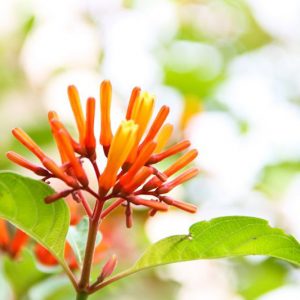
Stagger species: winter–spring (porterweed, firebush in south), late spring–summer (blanketflower, sages, sunflowers), late summer–fall (goldenrods, Liatris, asters). Deadhead or lightly shear to encourage rebloom.
Primary source: Xerces Society. Monarch Nectar Plants – Florida (2025).
Updated: November 2025 • Reviewed by Gardenia Editors
Emily Carlin, Flickr
| Genus | Asclepias |
|---|---|
| Native Plants | Florida, Southeast, United States |
| Attracts | Birds, Butterflies, Hummingbirds |
| Toxic to Humans | No known toxicity |
| Toxic to Cats | No known toxicity |
| Toxic to Dogs | No known toxicity |
| Toxic to Horses | No known toxicity |
Create a membership account to save your garden designs and to view them on any device.
Becoming a contributing member of Gardenia is easy and can be done in just a few minutes. If you provide us with your name, email address and the payment of a modest $25 annual membership fee, you will become a full member, enabling you to design and save up to 25 of your garden design ideas.
Join now and start creating your dream garden!
Create a membership account to save your garden designs and to view them on any device.
Becoming a contributing member of Gardenia is easy and can be done in just a few minutes. If you provide us with your name, email address and the payment of a modest $25 annual membership fee, you will become a full member, enabling you to design and save up to 25 of your garden design ideas.
Join now and start creating your dream garden!