Create Your Garden

Native Plants that Attract Hummingbirds in Florida

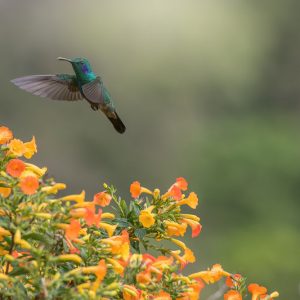
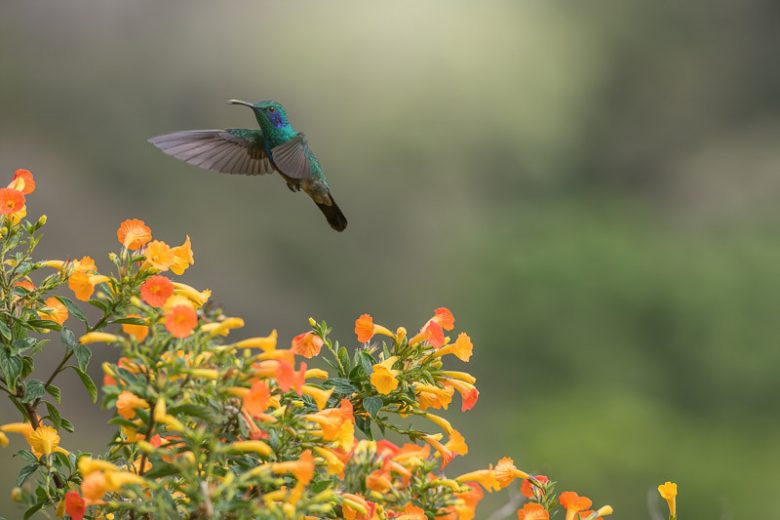
Turn your Florida yard into a hummingbird haven with native blooms like firebush, coral honeysuckle, scarlet sage, cardinal flower, and blue porterweed. These nectar rich, low maintenance plants thrive in the Sunshine State’s heat, invite nonstop hummingbird action, and support butterflies, bees, and songbirds for a vibrant landscape at home.
Hummingbird Plants, Attract Hummingbirds, Native Plants, Native Perennials, Native Vines, Virginia Native Plant, Virginia Native Perennials, Virginia Native Vines

Native Plants that Attract Hummingbirds in Florida – Best Picks For A Living Nectar Garden

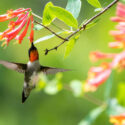
If you garden anywhere in Florida – from the Panhandle and North Florida down through Central Florida and into the tropical Keys – you share your space with some of the most fascinating birds on the continent: hummingbirds. Ruby throated hummingbirds migrate through much of the state, and in South Florida you may also see black chinned, rufous, and a few tropical visitors. A yard filled with Florida native plants that attract hummingbirds becomes an important refueling stop on their incredible journeys.

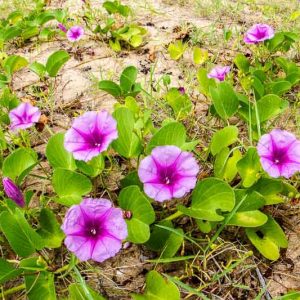
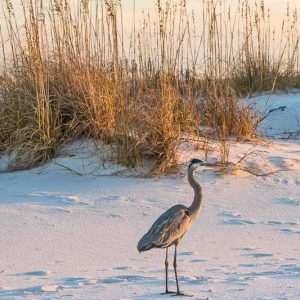
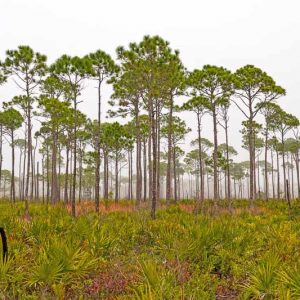
Florida is divided into four main ecological regions – the East Gulf Coastal Plain, the South Atlantic Coastal Plain, the Florida Peninsula, and Tropical Florida. Each one offers its own mix of pine flatwoods, sandhills, hammocks, marshes, swamps, and coastal dunes. In those wild places grow a long list of native flowers, shrubs, vines, and small trees that hummingbirds already know and depend on. When you bring these species into your landscape, your yard instantly feels more alive and more like the real Florida.

Unfortunately, many natural habitats are shrinking under pressure from development, altered fire patterns, and invasive plants. Exotic ornamentals often look pretty but provide poor nectar and little habitat, and some escape into nearby woods and wetlands. Planting Florida native hummingbird plants is one of the easiest ways home gardeners can support biodiversity while still enjoying a colorful, low maintenance landscape.

Florida Native Hummingbird Garden Quick Start

  • Plant in layers – mix vines, shrubs, perennials, and small trees so hummingbirds can feed, perch, and shelter in the same area.
  • Prioritize tubular blooms – red, orange, and hot pink tubular flowers with plenty of nectar are hummingbird magnets.
  • Offer flowers across the seasons – combine early spring, summer, fall, and, in South Florida, winter blooming natives so nectar is always available.
  • Cluster plants in drifts – large swaths of the same species are easier for hummingbirds to spot than scattered singles.
  • Skip pesticides – hummingbirds eat tiny insects as protein; insecticides reduce this food source and can harm the birds directly.
  • Add water and perches – a mister, fountain, or shallow bubbler plus nearby branches or shrubs makes your garden irresistible.

Florida Hummingbird Habitats At A Glance

To choose the best native plants for hummingbirds in Florida, think about where they grow in the wild. Match those conditions in your yard for strong, low stress plants.

Spend a day watching how sun and shade move across your property. Areas that blaze in summer may be gentle in winter, and narrow side yards or courtyard walls can be surprisingly good hummingbird corridors.

Guide Information

Native Plants United States, Southeast, Florida
Attracts Hummingbirds

Native Plants that Attract Hummingbirds in Florida

Amorpha fruticosa (Indigo Bush)
Asclepias tuberosa (Butterfly Milkweed)
Bignonia capreolata (Crossvine)
Erythrina herbacea (Coralbean)
Gelsemium sempervirens (Carolina Jessamine)
Gordonia lasianthus (Loblolly Bay)
Halesia diptera Magniflora Group (Two-Wing Silverbell)
Hamelia patens (Firebush)
Hibiscus coccineus (Texas Star Hibiscus)
Hibiscus grandiflorus (Swamp Rose Mallow)
Ipomopsis rubra (Standing Cypress)
Lantana involucrata (Buttonsage)
Liriodendron tulipifera (Tulip Tree)
Lobelia cardinalis (Cardinal Flower)
Lonicera sempervirens (Coral Honeysuckle)
Monarda punctata (Spotted Bee Balm)
Rhododendron austrinum (Florida Flame Azalea)
Salvia azurea (Blue Sage)
Salvia coccinea (Scarlet Sage)
Stachytarpheta jamaicensis (Blue Porterweed)
Yucca aloifolia (Spanish Bayonet)

Why Choose Native Plants For Hummingbirds In Florida

Hummingbirds are energetic, but they are also efficient. They quickly learn where the best nectar sources are and return again and again. Florida native hummingbird flowers give them what they need with less fuss for you.

  • Perfectly adapted – native shrubs and perennials evolved in the same sandy, often acidic soils, summer downpours, and occasional cold snaps that your garden experiences. They usually need less irrigation and fertilizer once established.
  • High quality nectar – many native species produce abundant, appropriately concentrated nectar that fits hummingbirds specialized tongues and feeding style better than some double flowered or heavily bred exotics.
  • Natural timing – bloom times of natives often line up with migration pulses and breeding seasons. Early spring flowers help northbound birds; late summer and fall blooms fuel the trip south.
  • Wildlife friendly – in addition to nectar, many native hummingbird plants host caterpillars and other insects that become food for songbirds and their young. You are not just feeding hummers, you are supporting a larger food web.
  • Non invasive choices – unlike some imported vines and shrubs that can take over natural areas, the native species listed here play nicely with existing plant communities.

Best Native Plants That Attract Hummingbirds In Florida Gardens

Use this list as a menu of reliable Florida native plants for hummingbird gardens. Mix species for your region, site, and soil. Always check mature size and moisture needs before planting.

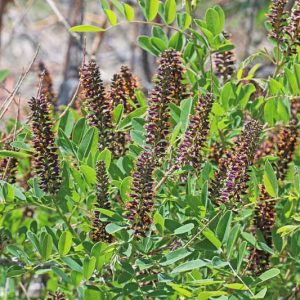
  • Amorpha fruticosa (Indigo Bush) – a multi stemmed shrub with airy, compound leaves and dramatic spikes of deep purple flowers tipped with gold. The nectar rich blooms draw both hummingbirds and native bees in late spring and early summer. Indigo Bush tolerates moist to wet soils along ponds, ditches, and rain gardens.
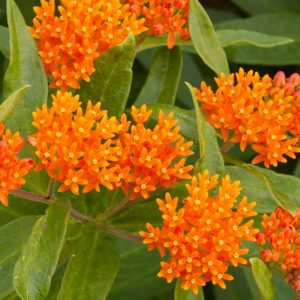
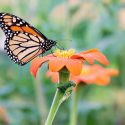
  • Asclepias tuberosa (Butterfly Milkweed) – famous for monarch caterpillars, this sun loving wildflower is also excellent for hummingbirds. Its flat topped clusters of bright orange flowers offer easy perches and nectar. Plant in full sun with very well drained, even dry sand or gravel, especially in North and Central Florida.
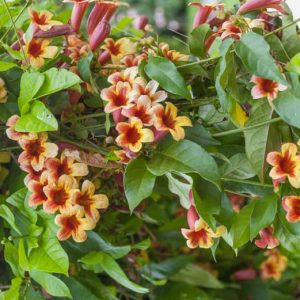
  • Bignonia capreolata (Cross Vine) – one of the best native vines for hummingbirds in Florida. Cross Vine clings to fences, arbors, and tree trunks with tendrils, producing flares of orange to reddish, trumpet shaped flowers in spring and sporadically afterward. Provide strong support and full sun to part shade.
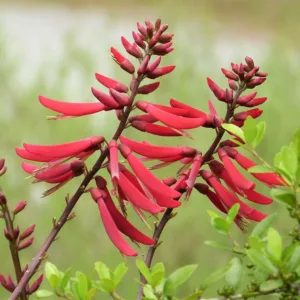
  • Erythrina herbacea (Coralbean) – a striking, open shrub or woody perennial with bold spines and dramatic spikes of scarlet tubular flowers. Hummingbirds flock to Coralbean in spring, and later the ornamental red seed pods add interest. Plant in full sun to light shade in well drained soils; protect from severe cold in far North Florida.
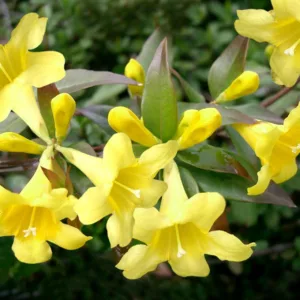
  • Gelsemium sempervirens (Carolina Jessamine) – an evergreen to semi evergreen twining vine with glossy leaves and fragrant, golden yellow trumpets in late winter and early spring. Flowers appear right when returning hummingbirds need them most. Train along fences, pergolas, or porch posts.
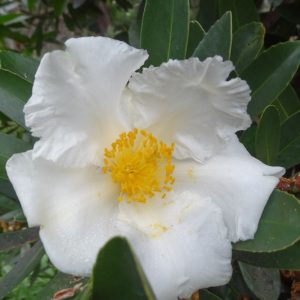
  • Gordonia lasianthus (Loblolly Bay) – an elegant native evergreen tree for moist, acidic soils. Large white camellia like flowers with golden centers bloom through warm months and offer nectar and pollen to insects that hummingbirds sometimes snack on. Use as a specimen in larger yards or naturalistic plantings.
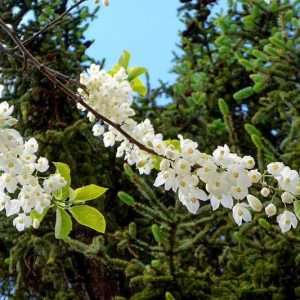
  • Halesia diptera Magniflora Group (Two Wing Silverbell) – a small to medium tree that puts on a magical spring display of white, bell shaped flowers hanging beneath its branches. While not a classic tubular hummingbird flower, it supports early season insects and adds layered interest to wildlife friendly gardens in North Florida and the Panhandle.
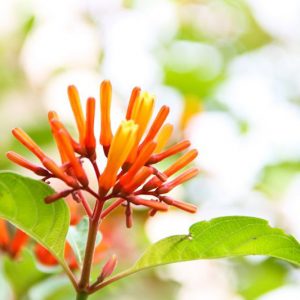
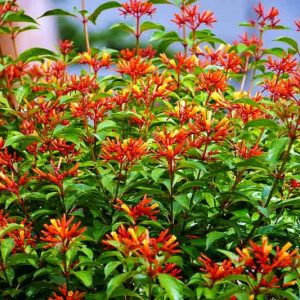
  • Hamelia patens (Firebush) – a superstar native hummingbird shrub for South and Central Florida. Clusters of tubular, orange red flowers appear nearly year round in warm climates and from late spring to frost elsewhere. Firebush thrives in full sun, tolerates heat and drought once established, and also attracts butterflies and birds that relish its berries.
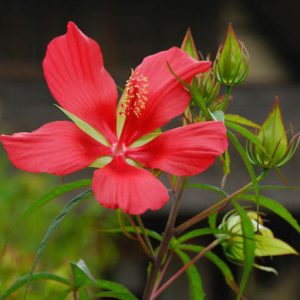
  • Hibiscus coccineus (Texas Star Hibiscus) – tall, upright stems topped by large, starry, deep red flowers that hummingbirds spot from far away. This wetland perennial loves the edges of ponds, swales, and rain gardens in full sun. Give it room to reach its full height for maximum impact.
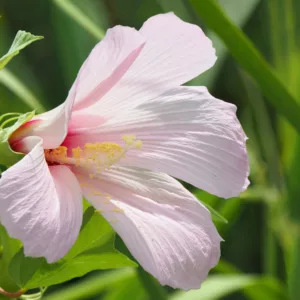
  • Hibiscus grandiflorus (Swamp Rose Mallow) – a statuesque, moisture loving hibiscus with huge, pale pink to lavender blooms that can be 6 inches or more across. Hummingbirds sip nectar while butterflies and bees crowd the flowers. Perfect for marshy areas, lake edges, or low spots that stay damp.
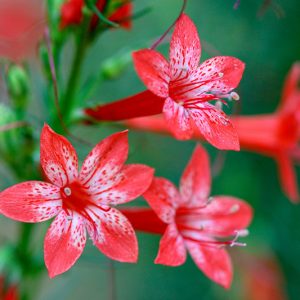
  • Ipomopsis rubra (Standing Cypress) – a dramatic, tall wildflower with ferny foliage and a spire packed with bright red, narrow trumpets in summer. Standing Cypress is a magnet for migrating hummingbirds. It prefers full sun and very well drained, sandy soil and often behaves as a biennial or short lived perennial, reseeding in open ground.
  • Lantana involucrata (Buttonsage) – a compact, salt tolerant shrub with clusters of pale lavender or white flowers followed by purple black berries. This true Florida native lantana is far better for wildlife than invasive lookalikes. Use it in coastal or inland sites with full sun and dry to average soils.
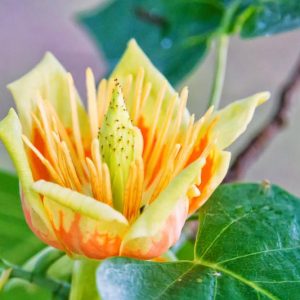
  • Liriodendron tulipifera (Tulip Tree) – a tall, stately shade tree suited to larger North Florida and Panhandle properties with decent moisture. Spring flowers are greenish yellow with an orange band, resembling tulips. While not the primary hummingbird plant, it supports many insects and offers excellent perches and nesting habitat around more nectar rich shrubs and perennials.
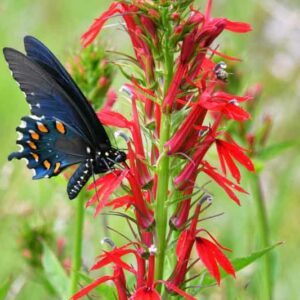
  • Lobelia cardinalis (Cardinal Flower) – a classic native red flower for hummingbirds. Spires of glowing scarlet, tubular blooms rise from moist soil along streams, ponds, and rain gardens. Provide afternoon shade in hotter parts of the state and keep roots consistently moist.
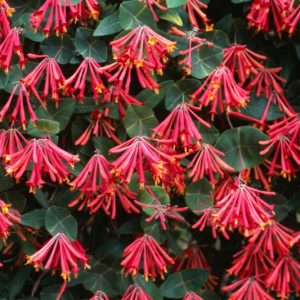
  • Lonicera sempervirens (Coral Honeysuckle) – another top tier hummingbird vine, with clusters of slender red or coral tubes that flare open at the tips. Unlike invasive Japanese honeysuckle, this native twiner is well behaved and a superb nectar source. Grow in full sun to light shade on arbors, mailboxes, or fences.
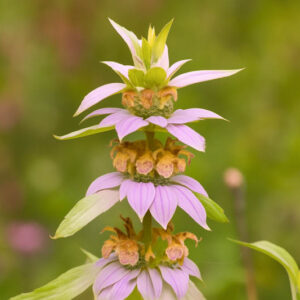
  • Monarda punctata (Spotted Bee Balm) – a quirky and beautiful wildflower with stacked whorls of pinkish bracts and spotted, pale yellow tubular flowers. Loved by hummingbirds, butterflies, and native bees, it thrives in dry, sandy soils in full sun. Great for naturalistic, pollinator friendly meadows.
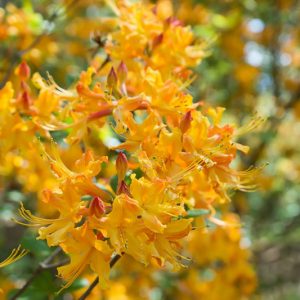
  • Rhododendron austrinum (Florida Flame Azalea) – a deciduous shrub that lights up woodland edges with clusters of fragrant, orange yellow, trumpet shaped flowers in spring. Hummingbirds work the blooms while plants are still leafing out. Plant in part shade with acidic, moist but well drained soil and a thick mulch of pine straw or leaves.
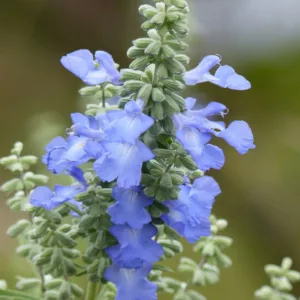
  • Salvia azurea (Blue Sage) – tall stems topped with sky blue, tubular flowers that sway above grasses and shorter perennials. This sun loving sage prefers well drained soil and offers late season nectar for migrating hummingbirds, especially in North and Central Florida.
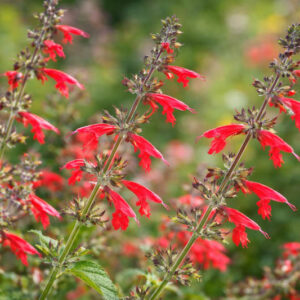
  • Salvia coccinea (Scarlet Sage) – one of the easiest and most dependable hummingbird flowers for Florida gardens. Scarlet Sage reseeds politely, providing waves of red, coral, or white tubular blooms from spring through fall. Use in sunny beds, cottage style borders, and mixed pollinator plantings.
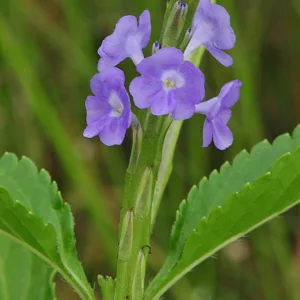
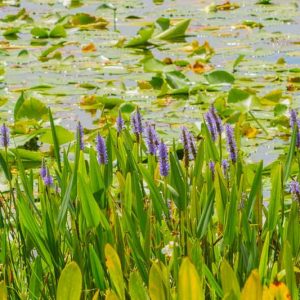
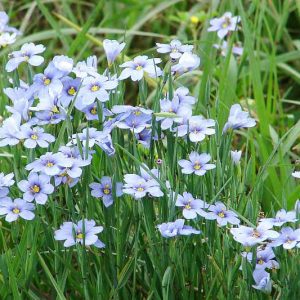
  • Stachytarpheta jamaicensis (Blue Porterweed) – a low, shrubby perennial with arching stems and a succession of vivid blue, nectar rich flowers along slender spikes. A favorite in coastal and South Florida hummingbird gardens, it performs well in full sun and average to dry soils.
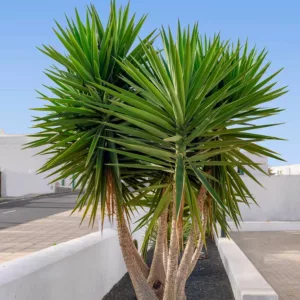
  • Yucca aloifolia (Spanish Bayonet) – a bold, architectural native with sharp tipped, swordlike leaves and tall spikes of creamy white, bell shaped flowers. While hummingbirds visit mainly for insects attracted to the blooms, Yucca adds structure and is extremely tolerant of salt, drought, and sandy soils.

Easy Design Recipes With Florida Native Hummingbird Plants

Sunny Hummingbird Border – Along a driveway or back fence in full sun, combine drifts of Salvia coccinea, Monarda punctata, and Ipomopsis rubra. Add a few clumps of Erythrina herbacea and a backdrop of Hamelia patens or Bignonia capreolata on a trellis. This mix offers nectar from spring through fall and a constantly changing display of red and orange blooms.

Rain Garden Nectar Swale – In a low area that collects stormwater, plant swaths of Lobelia cardinalis, Hibiscus coccineus, and Hibiscus grandiflorus. Tuck Amorpha fruticosa near the back for structure and nitrogen fixing benefits. The flowers will lure hummingbirds while the deep roots help slow and filter runoff.

Coastal Courtyard Oasis – In a small beachside yard, combine Lantana involucrata, Stachytarpheta jamaicensis, and Yucca aloifolia for color and texture, then thread Lonicera sempervirens or Bignonia capreolata along a fence. Add a shallow water feature and a few flat stones for basking butterflies and lizards.

Woodland Edge Migration Stopover – At the transition between lawn and woodland, layer Rhododendron austrinum, Halesia diptera Magniflora Group, and Gordonia lasianthus as a tall backdrop. In front, weave clumps of Salvia coccinea, Salvia azurea, and Monarda punctata. Fallen leaves can serve as mulch, creating a low care, high value habitat corridor.

Planting And Caring For Native Hummingbird Plants In Florida

Most Florida native plants that attract hummingbirds are forgiving once they have settled in, but a good start makes all the difference.

  • Know your soil and drainage – sandy, fast draining soil suits many upland species, while others prefer organic, moisture holding soils. Dig a test hole, fill with water, and see how quickly it drains.
  • Match water needs – group drought tolerant plants like Salvia coccinea, Monarda punctata, and Yucca aloifolia together, and keep moisture lovers like Lobelia cardinalis and Hibiscus grandiflorus in wetter spots.
  • Loosen and amend if needed – in compacted or extremely poor sand, work in leaf mold, compost, or pine fines to improve structure. Native plants still prefer relatively lean soils, so avoid heavy fertilization.
  • Plant at the correct depth – set the root ball so the top sits level with or slightly above the surrounding soil. Burying crowns too deeply can lead to rot, especially in wet sites.
  • Mulch like a forest floor – spread a 2 to 3 inch layer of pine straw, shredded leaves, or other organic mulch, keeping it a few inches away from stems. This moderates soil temperature, retains moisture, and feeds beneficial soil life.
  • Water deeply to establish – give new plants a long soak once or twice a week during dry spells for the first growing season. Afterward, many upland species can coast on rainfall except in severe drought.
  • Skip broad spectrum insecticides – they reduce the tiny insects that hummingbirds eat and can contaminate nectar. If problems arise, identify the pest and use targeted, least toxic methods.

Pruning needs are modest. Many perennials can be cut back after flowering to tidy them and encourage fresh growth. Shrubs and vines usually only need light shaping in late winter or right after their main bloom season.

Blending Native Hummingbird Plants Into Your Landscape

A hummingbird garden does not have to look wild or messy. With a bit of planning, native species can fit into almost any landscape style, from cottage garden to modern coastal.

  • Use natives as anchors – shrubs like Hamelia patens, Erythrina herbacea, and Rhododendron austrinum can become focal points or screening hedges that also feed wildlife.
  • Edge beds with flowers – plant drifts of Salvia coccinea, Stachytarpheta jamaicensis, or Monarda punctata along walks and patios for close up hummingbird viewing.
  • Soften structures with vines – cover mailboxes, pergolas, and chain link fences with Lonicera sempervirens, Gelsemium sempervirens, or Bignonia capreolata. The vertical nectar sources act as beacons for passing birds.
  • Combine natives and compatible exotics – if you already grow non invasive ornamentals, tuck native nectar plants between them. Over time you can gently shift the balance toward more natives.
  • Create safe viewing areas – position seating where you can watch feeders and flowers, but also give hummingbirds escape routes with shrubs and trees nearby.

As your plantings mature, you will notice more than just hummingbirds. Expect butterflies, native bees, dragonflies, and songbirds to show up as well. Your yard becomes part of a larger migratory highway and a tiny but important refuge for wildlife.

Discover More Florida Native Plants

Florida Native Plant Guides – Design, Soil, And Wildlife

Frequently Asked Questions

What are the best native plants to attract hummingbirds in Florida home landscapes?

Some of the most dependable Florida natives for hummingbirds include Bignonia capreolata (Cross Vine), Lonicera sempervirens (Coral Honeysuckle), Hamelia patens (Firebush), Erythrina herbacea (Coralbean), Lobelia cardinalis (Cardinal Flower), Salvia coccinea (Scarlet Sage), Monarda punctata (Spotted Bee Balm), Ipomopsis rubra (Standing Cypress), Rhododendron austrinum (Florida Flame Azalea), Stachytarpheta jamaicensis (Blue Porterweed), Lantana involucrata (Buttonsage), Hibiscus coccineus (Texas Star Hibiscus), and Hibiscus grandiflorus (Swamp Rose Mallow). Together they provide nectar from late winter through fall in gardens across most of the state.

Do I still need hummingbird feeders if I plant natives?

Feeders are optional when you grow a wide range of native nectar plants. Many gardeners enjoy having one or two feeders for close viewing, but a diverse mix of tubular flowers is healthier in the long run and provides insects as well as nectar. If you use feeders, keep them scrupulously clean and refresh the sugar water frequently, especially in hot weather.

Which native hummingbird plants tolerate dry, sandy soils and full sun?

For hot, dry sites with very well drained sand, excellent choices include Monarda punctata (Spotted Bee Balm), Ipomopsis rubra (Standing Cypress), Salvia coccinea (Scarlet Sage), Stachytarpheta jamaicensis (Blue Porterweed), Lantana involucrata (Buttonsage), Erythrina herbacea (Coralbean), and Yucca aloifolia (Spanish Bayonet). Once established, these species handle drought and intense sun better than many non native ornamentals.

What native plants work in wet areas, swales, or pond edges for hummingbirds?

In consistently moist to wet soils, choose Lobelia cardinalis (Cardinal Flower), Hibiscus coccineus (Texas Star Hibiscus), Hibiscus grandiflorus (Swamp Rose Mallow), Amorpha fruticosa (Indigo Bush), and Gordonia lasianthus (Loblolly Bay). These species naturally occur along streams, in marshes, or in wet flatwoods and are ideal for rain gardens and low spots that collect stormwater.

Are there native hummingbird plants for small patios or container gardens in Florida?

Yes. Compact or easily pruned species for pots and tight spaces include Hamelia patens (Firebush), Salvia coccinea (Scarlet Sage), Stachytarpheta jamaicensis (Blue Porterweed), Lantana involucrata (Buttonsage), and small vines like Lonicera sempervirens (Coral Honeysuckle) or Gelsemium sempervirens (Carolina Jessamine) on a trellis. Use a quality potting mix, water regularly, and protect containers from hard freezes in North Florida.

How quickly will hummingbirds find my new native plantings?

Hummingbirds are curious and constantly scouting for food. In many neighborhoods they will discover new nectar plants within days or weeks, especially during migration. Plant a generous mix of tubular flowers, avoid pesticides, and keep adding layers over time. Each season should bring more visits and more bird activity.

References

Updated: November 2025 • Reviewed by Gardenia Editors

Recommended Guides

Sun-Loving Native Shrubs for North Florida
Shade-Loving Native Shrubs for Central Florida
Sun-Loving Native Trees for Central Florida
Shade-Loving Native Trees for Central Florida
Native Vines for South Florida
Native Ferns for South Florida
Native Grasses for South Florida
Native Aquatic Plants for South Florida
Shade-Loving Native Shrubs for South Florida
Native Groundcovers for Central Florida
Highly Drought Tolerant plants for your Florida Native Garden
Native Plants that Attract Hummingbirds in Florida
Sun-Loving Trees for South Florida
Shade-Loving Native Trees for South Florida
Shade-Loving Native Perennials for South Florida
Shade-Loving Native Perennials for Central Florida
Native Aquatic Plants for Central Florida
Native Grasses for Central Florida
Native Ferns for Central Florida
Native Vines for Central Florida
Invasive Plant Species in Florida
Native Aquatic Plants for North Florida
Native Ferns for North Florida
Native Vines for North Florida
Native Grasses for North Florida
Sun-Loving Native Trees for North Florida
Shade-Loving Native Trees for North Florida
Shade-Loving Native Shrubs for North Florida
Sun-Loving Native Perennials for South Florida
Sun-Loving Native Shrubs for Central Florida
Native Groundcovers for North Florida
Native Groundcovers for South Florida
Highly Salt Tolerant plants for your Florida Native Garden
Sun-Loving Native Shrubs for South Florida
Sun-Loving Native Perennials for North Florida
Sun-Loving Native Perennials for Central Florida
Great Pollinator Plants for Florida
Monarch Nectar Plants for Florida
Shade-Loving Native Perennials for North Florida
Explore Great Plant Combination Ideas
Coastal South Tropical South
While every effort has been made to describe these plants accurately, please keep in mind that height, bloom time, and color may differ in various climates. The description of these plants has been written based on numerous outside resources.

Guide Information

Native Plants United States, Southeast, Florida
Attracts Hummingbirds
Explore Great Plant Combination Ideas
Coastal South Tropical South

Related Items

Please Login to Proceed

You Have Reached The Free Limit, Please Subscribe to Proceed

Subscribe to Gardenia

To create additional collections, you must be a paid member of Gardenia
  • Add as many plants as you wish
  • Create and save up to 25 garden collections
Become a Member

Plant Added Successfully

Your garden is taking shape. Unlock full planning.

You’ve reached the free limit. Upgrade for $25/year to add as many plants as you wish and save up to 25 garden collections. Unlock Annual Membership

Update Your Credit
Card Information

Cancel

Create a New Collection

Sign Up to Our Newsletter

    You have been subscribed successfully

    Join Gardenia.net

    Create a membership account to save your garden designs and to view them on any device.

    Becoming a contributing member of Gardenia is easy and can be done in just a few minutes. If you provide us with your name, email address and the payment of a modest $25 annual membership fee, you will become a full member, enabling you to design and save up to 25 of your garden design ideas.

    Join now and start creating your dream garden!

    Join Gardenia.net

    Create a membership account to save your garden designs and to view them on any device.

    Becoming a contributing member of Gardenia is easy and can be done in just a few minutes. If you provide us with your name, email address and the payment of a modest $25 annual membership fee, you will become a full member, enabling you to design and save up to 25 of your garden design ideas.

    Join now and start creating your dream garden!
    Find your Hardiness Zone

    Find your Heat Zone

    Find your Climate Zone