Create Your Garden

Shade-Loving Native Trees for North Florida

Turn those dim root-filled corners of your North Florida yard into woodland retreats. Discover shade-loving native trees that flourish under pines and live oaks, offer flowers, berries, and birdsong, and shrug off heat, humidity, and drought. Design a layered, wildlife-friendly landscape that makes shade the best part of the garden.
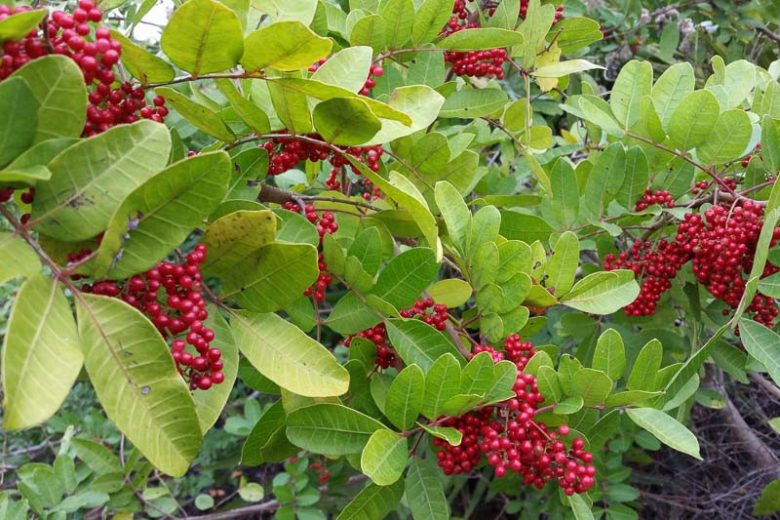
Native Plants, Native Trees, Native Shade Trees, Florida Native Plant, Florida Native Trees, Florida Shade Trees

Shade-Loving Native Trees for North Florida – Best Backyard Picks

Have a yard that stays pleasantly cool under tall pines and spreading live oaks, but are not sure what else to plant there? Besides struggling turf and a few azaleas, many North Florida gardeners overlook the power of shade-loving native trees. From Jacksonville and Tallahassee to Gainesville and coastal Panhandle towns, the right understory trees can turn dim corners into woodland rooms filled with flowers, berries, and birdsong.

Whenever you update or expand your garden, choose regionally native plants and avoid known invasive species so your landscape works with, not against, North Florida’s ecosystems.

This guide highlights shade-loving native trees that thrive in North Florida gardens and are especially useful under existing canopies or in high, dappled shade.

North Florida Native Shade Tree Quick Start

  • Match the light level – High, filtered shade under pines and open live oaks suits many flowering understory trees. Deep shade close to trunks calls for species that tolerate lower light and root competition.
  • Note your moisture – Bottomland and streamside trees love seasonally wet soils, while sandhill and upland species thrive in dry to moderately moist, well drained sites.
  • Consider mature size – Some native shade trees stay in the 15 to 25 foot range, perfect for courtyards and small yards. Others like live oaks and red maples can become giants and are better suited to larger properties or used as existing canopy trees.
  • Plant in informal groups – Three to seven trees, staggered at different distances from the viewer, create a natural woodland feel and provide varied habitat for birds and pollinators.
  • Water deeply the first year – Even drought tolerant natives need consistent deep soaking in their first growing season. After roots reach cooler soil, most can coast on rainfall except in severe drought.

North Florida Shade Habitats At A Glance

Most North Florida neighborhoods already have a leafy framework of trees – live oak, southern magnolia, longleaf and slash pine, bald cypress, sweetgum, and red maple. The goal is to tuck in shade-loving native trees that add seasonal interest, wildlife value, and vertical layers beneath or beside the existing canopy.

  • Bright woodland edge – Morning sun or filtered light for at least 3 to 4 hours with shade in the afternoon. Ideal for flowering understory trees like Cornus florida (Flowering Dogwood), Halesia carolina (Carolina Silverbell), Amelanchier arborea (Downy Serviceberry), and Aesculus pavia (Red Buckeye).
  • Moist stream banks, swales, and low spots – Soils that stay moist or are periodically saturated. Perfect for Cornus foemina (Swamp Dogwood), Carpinus caroliniana (American Hornbeam), and Ilex cassine (Dahoon Holly).
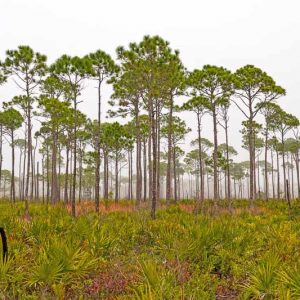
  • Upland pine and oak shade – Dappled light under longleaf pine, sand live oak, or live oak, with sandy, fast draining soil. Look to Magnolia tripetala (Umbrella Magnolia), Quercus laurifolia (Laurel Oak), Quercus virginiana (Live Oak), and Viburnum rufidulum (Southern Blackhaw) trained as small trees.
  • Deep shade near trunks and evergreen screens – Limited direct sun, dense roots, and dry upper soil. Choose rugged species such as Ilex opaca (American Holly), Tilia americana (American Basswood in coolest sites), and tough live oaks, then underplant with native groundcovers and ferns.
  • Urban and suburban side yards – Fences, neighboring houses, and big trees create moving shade patterns. Compact trees like Red Buckeye, Downy Serviceberry, and Southern Blackhaw fit beautifully into these tighter spaces.

Take a day to watch how sunlight shifts across your property. Areas that look gloomy at noon may receive gentle morning or evening sun that many shade tolerant trees appreciate.

Best Native Shade Trees for North Florida Landscapes

Below are dependable shade-loving native trees that thrive in North Florida yards. Some are classic canopy species that cast the shade, while others are smaller understory trees perfect for planting into existing shade.

Guide Information

Hardiness 8 - 9
Plant Type Trees
Exposure Partial Sun, Shade
Native Plants United States, Southeast, Florida
Aesculus pavia (Red Buckeye)
Amelanchier arborea (Downy Serviceberry)
Carpinus caroliniana (American Hornbeam)
Cornus alternifolia (Pagoda Dogwood)
Cornus florida (Flowering Dogwood)
Cornus foemina (Swamp Dogwood)
Fagus grandifolia (American Beech)
Halesia carolina (Carolina Silverbell)
Halesia diptera Magniflora Group (Two-Wing Silverbell)
Ilex cassine (Dahoon)
Ilex opaca (American Holly)
Magnolia tripetala (Umbrella Magnolia)
Ostrya virginiana (American Hop Hornbeam)
Ptelea trifoliata (Hop Tree)
Quercus laurifolia (Laurel Oak)
Quercus virginiana (Live Oak)
Tilia americana (American Basswood)
Viburnum rufidulum (Southern Blackhaw)

Easy Design Recipes For Native Shade Trees

Hummingbird Woodland Entry: Near a front walk with bright shade, plant a trio of Aesculus pavia (Red Buckeye) under a high canopy of live oaks. Add drifts of native coral honeysuckle and shade tolerant perennials beneath. In early spring the red buckeye will glow with blooms just as hummingbirds migrate through.

Moist Shade Creekside Grove: Along a swale, pond edge, or seasonal stream, combine Carpinus caroliniana (American Hornbeam), Cornus foemina (Swamp Dogwood), and Ilex cassine (Dahoon Holly). Their roots stabilize soil, their flowers and fruit feed wildlife, and their varied bark and foliage texture create a serene backdrop.

Layered Upland Pine Garden: Under tall longleaf pine or slash pine, use Magnolia tripetala (Umbrella Magnolia) and Viburnum rufidulum (Southern Blackhaw) to build a midstory layer. Add groupings of shade tolerant shrubs and native grasses to mimic a natural sandhill woodland.

Four Season Bird Garden: In a medium sized backyard, plant Cornus florida (Flowering Dogwood), Amelanchier arborea (Downy Serviceberry), and Ilex opaca (American Holly). Flowering dogwood and serviceberry offer spring blossoms and summer fruit, while holly provides evergreen cover and winter berries for birds.

Why Choose Native Shade Trees In North Florida

Common landscape trees like Chinese tallow, camphor tree, and some exotic magnolias can be invasive or demand constant pruning and watering. Native shade trees may be slower to start, but they work with North Florida’s climate instead of against it. Once established, they handle summer storms, occasional freezes, and local pests with resilience that exotics rarely match.

  • Climate adapted – These trees evolved in North Florida’s mix of sandy or loamy soils, summer thunderstorms, humidity, and periodic droughts, so they recover quickly after tough seasons.
  • Wildlife friendly – Oaks, serviceberries, dogwoods, hollies, and viburnums are among the most valuable trees for songbirds, butterflies, and pollinators. Their flowers, fruits, and foliage support complex food webs.
  • Layered structure – Understory trees create a middle canopy between large shade trees and low groundcovers, making your yard look more like a natural woodland and less like a flat lawn with scattered specimen trees.
  • Lower maintenance – With proper placement, most native trees need only occasional structural pruning, seasonal mulching, and deep watering during exceptional drought.
  • Non invasive choices – Choosing natives reduces the risk of future problems in nearby conservation lands and preserves.

Planting tip: For new beds, clear weedy growth, loosen the top 4 to 6 inches of soil, and spread a 2 to 3 inch layer of organic mulch after planting. Keep mulch a few inches away from the trunk to prevent rot. Water slowly and deeply, allowing the root zone to dry slightly between waterings.

Recommended Native Shade-Loving Trees For North Florida

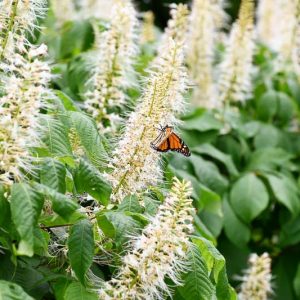
  • Aesculus pavia (Red Buckeye) – A small, multi trunked tree with bold palmate leaves and brilliant tubular red flowers in early spring that hummingbirds cannot resist. Best in moist, well drained soil with part shade. Reaches 10 to 15 feet tall, making it ideal near patios and windows where you can watch the wildlife show.
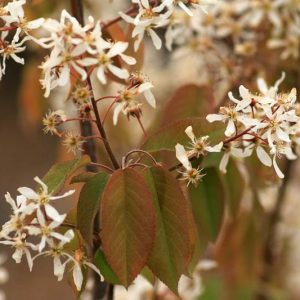
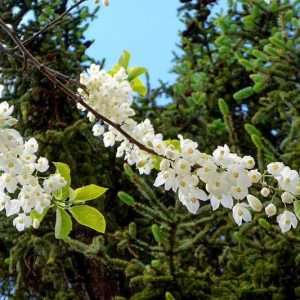
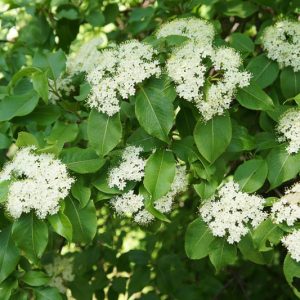
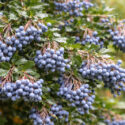
  • Amelanchier arborea (Downy Serviceberry) – One of the first native trees to bloom in late winter to early spring, covering itself in clouds of white flowers. Birds relish the small blue fruits, and fall foliage glows yellow to orange. Performs well in bright shade to part sun with average moisture.
  • Carpinus caroliniana (American Hornbeam) – Also known as musclewood for its smooth, sinewy gray bark, this graceful understory tree prefers moist, rich soil and high shade. It grows slowly to 20 to 30 feet, with finely textured foliage that turns yellow, orange, or red in fall.
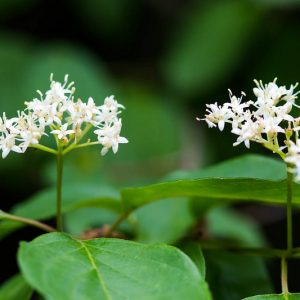
  • Cornus alternifolia (Pagoda Dogwood) – A layered, horizontal branching dogwood that earns its name from its pagoda like structure. White spring flowers, blue black fruits, and burgundy fall color make it a four season standout in part shade and evenly moist soil.
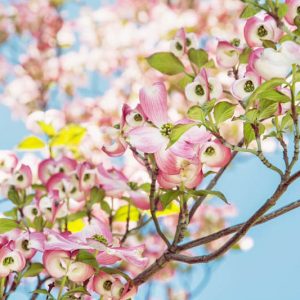
  • Cornus florida (Flowering Dogwood) – A beloved native for good reason. In high shade or morning sun with afternoon shade, it offers showy spring bracts, red fall foliage, and bright berries for birds. Protect it from blazing afternoon sun and keep soil cool and moist, especially in sandy sites. In humid areas, give it good air circulation and avoid overhead irrigation on leaves to reduce disease pressure.
  • Cornus foemina (Swamp Dogwood) – Naturally found in wetlands and along streams, this small tree or large shrub thrives in moist to wet soils in part shade. White flower clusters in spring are followed by blue fruits that feed songbirds and waterfowl.
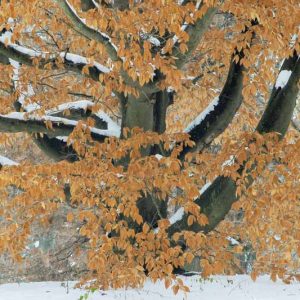
  • Fagus grandifolia (American Beech) – A majestic shade tree for large properties. Smooth gray bark, golden fall leaves that often persist through winter, and triangular nuts favored by wildlife make this a keystone species in mature forests. Prefers rich, moist, well drained soil and high shade when young.
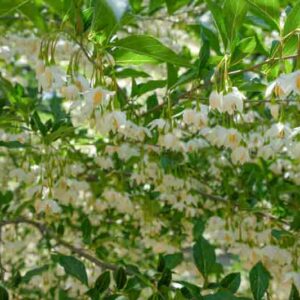
  • Halesia carolina (Carolina Silverbell) – Elegant, bell shaped white flowers dangle from branches in spring, glowing in dappled light. Grow this 20 to 30 foot understory tree in moist, acidic, well drained soil.
  • Halesia diptera Magniflora Group (Two Wing Silverbell) – Similar to Carolina silverbell but with larger blossoms. Ideal for bright woodland edges and partially shaded courtyards where you can look up into the hanging flowers.
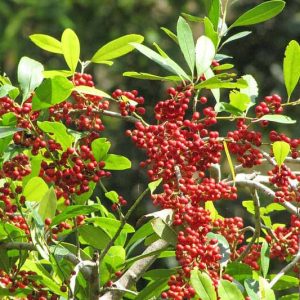
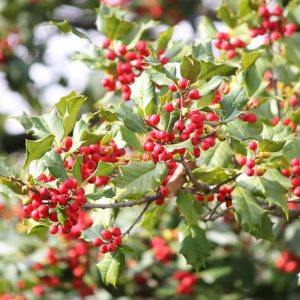
  • Ilex cassine (Dahoon Holly) – A slender, evergreen holly that thrives in moist sites, including pond margins and rain gardens. Small white flowers attract pollinators, while bright red berries on female trees feed birds through winter. Handles light shade to sun.
  • Ilex opaca (American Holly) – A classic broadleaf evergreen tree for shady North Florida gardens. Dense, glossy foliage provides year round screening and shelter for birds. Plant a female tree near a male pollinator for abundant red berries.
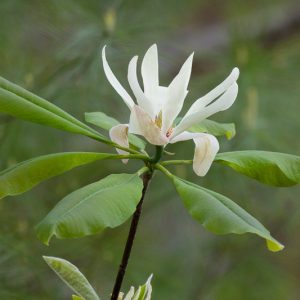
  • Magnolia tripetala (Umbrella Magnolia) – Large, tropical looking leaves cluster at the ends of branches like umbrellas, giving this small tree an exotic presence in shady corners. Fragrant, creamy white flowers appear in late spring. Loves moist, rich, woodland soils.
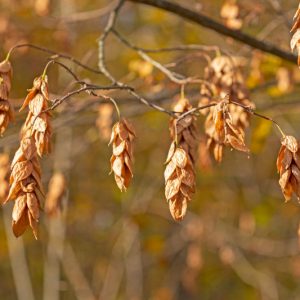
  • Ostrya virginiana (American Hop Hornbeam) – A subtle but tough understory tree with attractive, hop like seed clusters and shreddy bark. Tolerates dry shade under oaks once established and provides food and cover for wildlife.
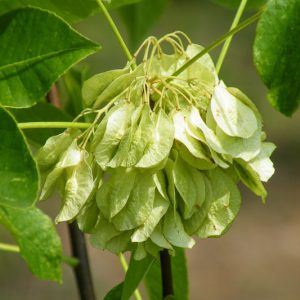
  • Ptelea trifoliata (Hop Tree, Wafer Ash) – A small tree or large shrub with trifoliate leaves and clusters of papery seed disks that resemble wafers. Larval host to giant swallowtail butterflies and tolerant of part shade and variable soils.
  • Quercus laurifolia (Laurel Oak) – A fast growing oak that provides generous shade and glossy foliage. Best in moist, fertile soils but fairly adaptable. Works well as a canopy tree over smaller understory selections. Fast growing but relatively short lived compared to live oak; best where you need quicker shade and can plan for eventual replacement.
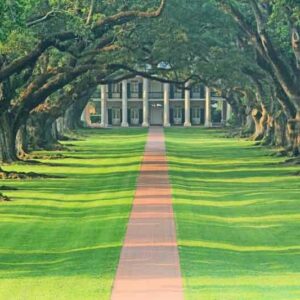
  • Quercus virginiana (Live Oak) – Iconic in North Florida landscapes, live oaks create high, bright shade perfect for understory plantings. Their spreading branches support epiphytes and host hundreds of butterfly and moth species, feeding countless songbird chicks.
  • Tilia americana (American Basswood) – In cooler parts of North Florida, basswood can be a superb shade tree. It offers heart shaped leaves, fragrant clusters of pale yellow flowers adored by bees, and good fall color. Plant where soils stay slightly moist and summer heat is moderated by shade.
  • Viburnum rufidulum (Southern Blackhaw) – Often grown as a shrub, Southern Blackhaw can be limbed up into a lovely small tree. White spring flowers, edible blue fruits, and brilliant red to purple fall color make it a multi season gem for part shade and average soil.

Bringing Shade-Loving Native Trees Into Your Design

Start by sketching your house, driveway, walks, and existing big trees. Mark areas of full shade, part shade, and pockets of sun. Note low, moist spots and higher, drier ridges. Then plug in native trees that match each micro habitat.

For example, you might plant a curving grove of Carolina silverbell and flowering dogwood along a bright woodland edge, tuck Red Buckeye and Serviceberry near a patio for close up spring blooms, and add American Holly and Southern Blackhaw along a side fence for privacy and berries. Underplant with native shrubs, groundcovers, and ferns so that every layer of the soil is shaded and protected.

Over a few seasons, your North Florida yard will shift from thin turf and harsh sun patches to a layered woodland landscape rich in birds, butterflies, and cool, comfortable shade.

Discover More Florida Native Plants

Florida Native Plant Guides: Design, Soil & Wildlife

Frequently Asked Questions

What are the best shade loving native trees for North Florida home landscapes?

Dependable shade loving or shade tolerant native trees for North Florida include Aesculus pavia (Red Buckeye), Amelanchier arborea (Downy Serviceberry), Carpinus caroliniana (American Hornbeam), Cornus alternifolia (Pagoda Dogwood), Cornus florida (Flowering Dogwood), Cornus foemina (Swamp Dogwood), Halesia carolina (Carolina Silverbell), Halesia diptera Magniflora Group (Two Wing Silverbell), Ostrya virginiana (American Hop Hornbeam), Ptelea trifoliata (Hop Tree), Viburnum rufidulum (Southern Blackhaw), Ilex cassine (Dahoon), and Ilex opaca (American Holly). Together they cover bright woodland edges, moist stream sides, and drier upland shade in USDA zones 8 to 9.

Which native trees handle dry shade under live oaks and pines?

Under high, shifting shade with well drained soil that can dry between rains, choose tough understory trees such as Ostrya virginiana (American Hop Hornbeam), Ptelea trifoliata (Hop Tree), Viburnum rufidulum (Southern Blackhaw), and Amelanchier arborea (Downy Serviceberry). Once established, these species tolerate root competition from canopy trees and are good companions beneath existing live oaks and pines.

What native trees thrive in moist or wet shade, rain gardens, and pond edges?

For consistently moist to wet soils in partial shade, look to Carpinus caroliniana (American Hornbeam), Cornus foemina (Swamp Dogwood), Ilex cassine (Dahoon), and Tilia americana (American Basswood). These species naturally occur along streams, seepage slopes, and woodland wetlands and are well suited to rain gardens, low swales, and pond margins.

Which shade loving native trees provide the best spring flowers and fall color?

For showy spring bloom in light shade, try Aesculus pavia (Red Buckeye), Cornus florida (Flowering Dogwood), Amelanchier arborea (Downy Serviceberry), Halesia carolina (Carolina Silverbell), and Magnolia tripetala (Umbrella Magnolia). For standout fall color, Fagus grandifolia (American Beech), Amelanchier arborea, Viburnum rufidulum (Southern Blackhaw), and several dogwoods offer rich gold, orange, and red foliage.

Do native shade trees support pollinators and other wildlife?

Yes. Many native trees are host plants for caterpillars that songbirds rely on to feed their young. Red buckeye, dogwoods, serviceberry, silverbells, and basswood provide nectar and pollen for bees, butterflies, and hummingbirds. Hollies, serviceberry, dogwood, and Southern blackhaw produce berries that feed birds, while oaks and beeches supply acorns and nuts for a wide range of wildlife.

How should I prepare my site before planting shade loving native trees in North Florida?

Start by removing invasive plants, weedy shrubs, and struggling turf. Loosen the top 6 inches of soil in a wide area around each planting hole and work in leaf mold or compost if your soil is extremely sandy or compacted. Check drainage by filling a test hole with water – most woodland trees prefer moist but not constantly flooded soil. Plant trees at or slightly above the existing soil line, mulch 2 to 3 inches deep, and water deeply once or twice a week during the first growing season.

Can I mix native shade trees with my existing non native landscape plants?

Absolutely. Many gardeners gradually transition to more native plantings by tucking shade loving native trees among existing camellias, azaleas, and other ornamentals. For example, you might add flowering dogwood and serviceberry near azaleas, or plant dahoon holly and Southern blackhaw behind camellias to increase wildlife value and seasonal interest. Over time you can replace high maintenance or invasive species with additional natives.

References

Updated: December 2025 • Reviewed by Gardenia Editors

Recommended Guides

Shade-Loving Native Shrubs for North Florida
Native Groundcovers for North Florida
Sun-Loving Native Perennials for North Florida
Shade-Loving Native Trees for North Florida
Sun-Loving Native Trees for North Florida
Sun-Loving Native Shrubs for North Florida
Shade-Loving Native Perennials for North Florida
Native Aquatic Plants for North Florida
Native Grasses for North Florida
Native Ferns for North Florida
Native Vines for North Florida
Highly Salt Tolerant plants for your Florida Native Garden
Great Pollinator Plants for Florida
Invasive Plant Species in Florida
Monarch Nectar Plants for Florida
Explore Great Plant Combination Ideas
Coastal South
Guides with
Coastal South Florida
While every effort has been made to describe these plants accurately, please keep in mind that height, bloom time, and color may differ in various climates. The description of these plants has been written based on numerous outside resources.

Guide Information

Hardiness 8 - 9
Plant Type Trees
Exposure Partial Sun, Shade
Native Plants United States, Southeast, Florida
Explore Great Plant Combination Ideas
Coastal South
Guides with
Coastal South Florida

Related Items

Please Login to Proceed

You Have Reached The Free Limit, Please Subscribe to Proceed

Subscribe to Gardenia

To create additional collections, you must be a paid member of Gardenia
  • Add as many plants as you wish
  • Create and save up to 25 garden collections
Become a Member

Plant Added Successfully

Your garden is taking shape. Unlock full planning.

You’ve reached the free limit. Upgrade for $25/year to add as many plants as you wish and save up to 25 garden collections. Unlock Annual Membership

Update Your Credit
Card Information

Cancel

Create a New Collection

Sign Up to Our Newsletter

    You have been subscribed successfully

    Join Gardenia.net

    Create a membership account to save your garden designs and to view them on any device.

    Becoming a contributing member of Gardenia is easy and can be done in just a few minutes. If you provide us with your name, email address and the payment of a modest $25 annual membership fee, you will become a full member, enabling you to design and save up to 25 of your garden design ideas.

    Join now and start creating your dream garden!

    Join Gardenia.net

    Create a membership account to save your garden designs and to view them on any device.

    Becoming a contributing member of Gardenia is easy and can be done in just a few minutes. If you provide us with your name, email address and the payment of a modest $25 annual membership fee, you will become a full member, enabling you to design and save up to 25 of your garden design ideas.

    Join now and start creating your dream garden!
    Find your Hardiness Zone

    Find your Heat Zone

    Find your Climate Zone