Native grasses for South Florida bring effortless beauty, movement, and resilience to coastal and inland gardens. From the pink clouds of muhly grass to the dune-anchoring strength of sea oats, these heat-loving, low-care plants thrive where others struggle. They enrich wildlife habitat, handle wind and salt, and create truly Florida-authentic landscapes.
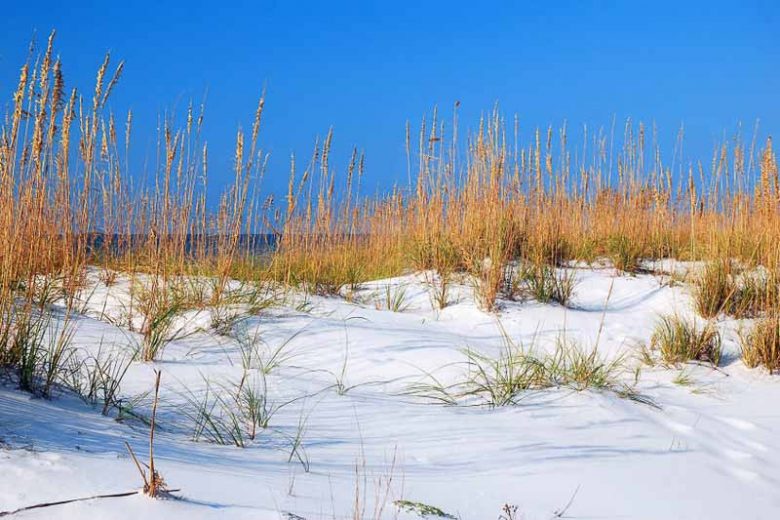


Picture a warm coastal breeze moving through your yard, setting feathery plumes and arching blades in motion. That is the magic of native grasses for South Florida. These plants add color, texture, and graceful movement while standing up to heat, humidity, sandy or rocky soils, and seasonal downpours in USDA zones 10a, 10b, and 11a.
Historically, South Florida was a mosaic of pine rocklands, wet prairies, sawgrass marshes, coastal dunes, cypress swamps, mangroves, and beach ridges. Many of these habitats were dominated or enriched by native grasses and sedges. Today, much of that wild landscape has been converted to cities, suburbs, and agriculture, but the grasses that shaped it still make outstanding garden plants.
Unfortunately, habitat loss and invasive plant species threaten many native plant communities. Introduced lawn grasses and ornamental species easily escape gardens, invade natural areas, and crowd out native grasses that wildlife depends on. By choosing South Florida native grasses instead of aggressive exotic turf or ornamental grasses, you can bring a little bit of the real Florida back home.
To pick the best native grasses for South Florida gardens, start by thinking about where each species grows in the wild. Mimic those conditions at home and you will enjoy lush, resilient plants with minimal effort.
| Hardiness |
10 - 11 |
|---|---|
| Plant Type | Ornamental Grasses |
| Native Plants | United States, Southeast, Florida |
| Toxic to Humans | No known toxicity |
| Toxic to Cats | No known toxicity |
| Toxic to Dogs | No known toxicity |
| Toxic to Horses | No known toxicity |
A plant is considered native when it evolved in a region and arrived on its own, not through human introduction. Native grasses come with an impressive list of perks for South Florida gardeners.
Tip – never dig grasses, sedges, or rushes from natural areas. Always buy from reputable nurseries, ideally ones that grow plants from local or regional seed sources.
Use this list as a starting menu of dependable native grasses for South Florida landscapes. Always double check mature height, spread, and moisture and salt needs before planting, then mix and match to fit your yard.
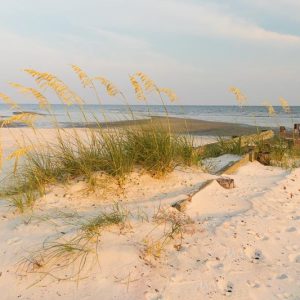
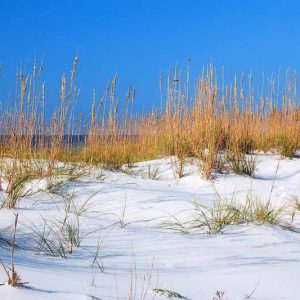
Coastal Dune Buffer With Sea Oats – On a sunny, windswept beachfront property, mass Uniola paniculata (Sea Oats) and Sporobolus virginicus (Seashore Dropseed) in broad drifts. Let them anchor sand and create a soft, natural buffer between the surf and your upland garden. Tuck in low, salt tolerant wildflowers at the edges for seasonal color.
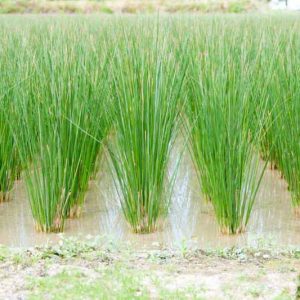
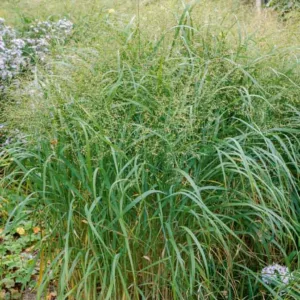
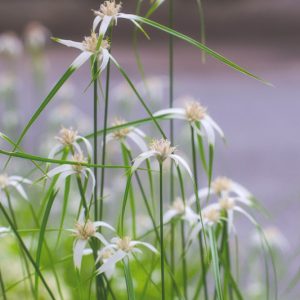
Everglades Inspired Wet Meadow – In a low area that stays damp or floods in summer, combine clumps of Panicum virgatum (Switchgrass), Scirpus cyperinus (Wool Grass), Juncus effusus (Common Rush), and Rhynchospora colorata (Star Rush). Their varying heights and textures mimic natural wet prairies while soaking up stormwater and providing habitat.
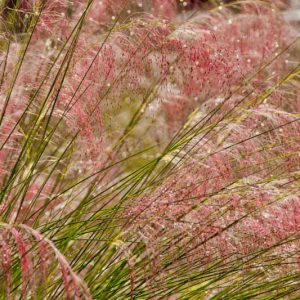
Pink Muhly Front Yard Glow – Along a sunny driveway, mailbox, or front sidewalk, plant repeating groups of Muhlenbergia capillaris (Pink Muhly Grass) backed by low native shrubs or small palms. In fall, the pink flower clouds glow in the low light and turn an ordinary entrance into a showstopper with very little maintenance.
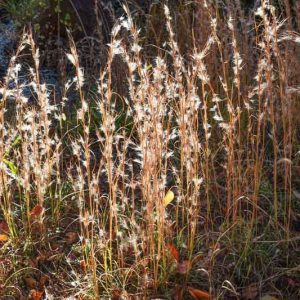
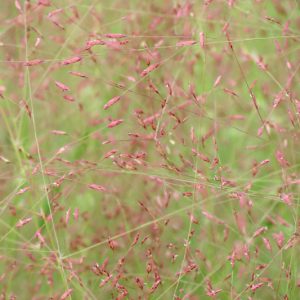
Dry, Low Maintenance Rockland Border – In a hot, rocky strip or along a sunny fence, mix Andropogon virginicus (Broom Sedge), Eragrostis spectabilis (Purple Love Grass), and Tripsacum dactyloides (Eastern Gamma Grass). Add a few bold native perennials for flowers and you have a drought tolerant, wildlife friendly border that waves beautifully in the breeze.
Most South Florida native grasses are tough once they settle in, but a little attention in the first year sets them up for decades of easy care.
Think of native grasses for South Florida as the rhythm and movement in your garden’s composition. Shrubs and trees provide backbone, while grasses weave everything together.
With each clump of native grass you plant, your yard becomes more resilient, more wildlife friendly, and more connected to South Florida’s natural heritage.
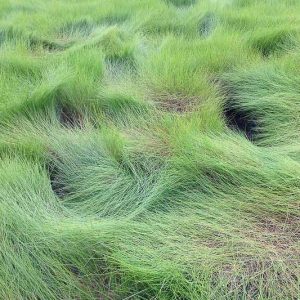
Some of the most dependable native grasses for South Florida include Pink Muhly Grass (Muhlenbergia capillaris), Purple Love Grass (Eragrostis spectabilis), Broom Sedge (Andropogon virginicus), Switchgrass (Panicum virgatum), Eastern Gamma Grass (Tripsacum dactyloides), Sea Oats (Uniola paniculata), Seashore Dropseed (Sporobolus virginicus), Saltmeadow Cordgrass (Spartina patens), and Smooth Cordgrass (Spartina alterniflora). These species tolerate South Florida heat, humidity, sandy or rocky soils, and seasonal rainfall patterns.
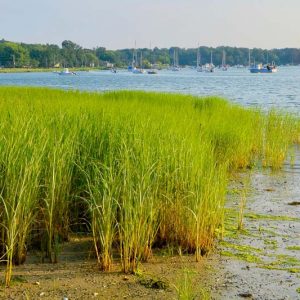
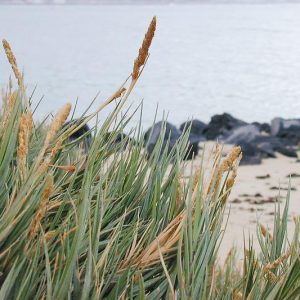
True coastal species such as Sea Oats (Uniola paniculata), Seashore Dropseed (Sporobolus virginicus), Saltmeadow Cordgrass (Spartina patens), and Smooth Cordgrass (Spartina alterniflora) have strong salt, wind, and sand tolerance. They naturally grow in dunes and salt marshes and are well suited for beachfront yards and storm-prone coastal sites.
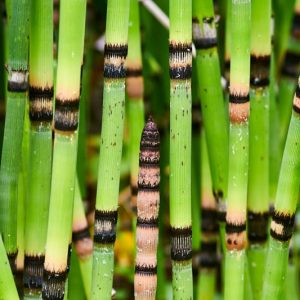
For low spots, rain gardens, or canal edges, choose moisture-loving species such as Common Rush (Juncus effusus), Wool Grass (Scirpus cyperinus), Star Rush (Rhynchospora colorata), Switchgrass (Panicum virgatum), and Horsetail (Equisetum hyemale). These plants thrive in saturated soils, help absorb stormwater, and provide important wildlife habitat.
Dry, well-drained sites suit drought-tolerant grasses such as Broom Sedge (Andropogon virginicus), Purple Love Grass (Eragrostis spectabilis), Pink Muhly Grass (Muhlenbergia capillaris), and Eastern Gamma Grass (Tripsacum dactyloides). These species handle intense sun, heat, and long dry periods common in pine rocklands.
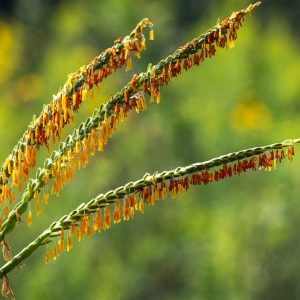
Native grasses generally form clumps rather than a dense turf, so they are not direct substitutes for a conventional lawn. Instead, they are best used in grouped plantings, meadow-style designs, or mixed borders. Some homeowners replace lawn areas with mass plantings of Pink Muhly, Purple Love Grass, or Seashore Dropseed for a more natural, low-maintenance landscape.
Most native grasses require regular watering only during their establishment period, usually the first three to six months. After that, they typically rely on natural rainfall unless drought is severe. They thrive with minimal fertilizer and often perform well with just an annual layer of mulch or compost.
South Florida native grasses are not considered invasive when planted in appropriate conditions. Some, such as Horsetail (Equisetum hyemale), spread more vigorously and should be planted in contained areas. Most species grow in tidy clumps and remain well behaved in landscapes.
Native grasses supply food and shelter for many species, including ground-nesting birds, butterflies, beneficial insects, and small mammals. Their seeds feed birds, their dense clumps offer refuge, and their foliage supports pollinator life cycles. Wetland grasses also provide habitat for amphibians and aquatic wildlife.
Maintenance is minimal. Most species need only an annual cutback in late winter to remove old growth. Occasional weeding and light mulching help keep plantings tidy. Native grasses rarely need pesticides or supplemental fertilizer and are generally resilient once established.
Sea Oats (Uniola paniculata), Smooth Cordgrass (Spartina alterniflora), Saltmeadow Cordgrass (Spartina patens), and Seashore Dropseed (Sporobolus virginicus) have deep, fibrous roots that stabilize dunes, canal banks, and shorelines. In freshwater areas, Wool Grass (Scirpus cyperinus) and Switchgrass (Panicum virgatum) are strong erosion-control options.
Updated: December 2025 • Reviewed by Gardenia Editors
123rf
| Hardiness |
10 - 11 |
|---|---|
| Plant Type | Ornamental Grasses |
| Native Plants | United States, Southeast, Florida |
| Toxic to Humans | No known toxicity |
| Toxic to Cats | No known toxicity |
| Toxic to Dogs | No known toxicity |
| Toxic to Horses | No known toxicity |
Create a membership account to save your garden designs and to view them on any device.
Becoming a contributing member of Gardenia is easy and can be done in just a few minutes. If you provide us with your name, email address and the payment of a modest $25 annual membership fee, you will become a full member, enabling you to design and save up to 25 of your garden design ideas.
Join now and start creating your dream garden!
Create a membership account to save your garden designs and to view them on any device.
Becoming a contributing member of Gardenia is easy and can be done in just a few minutes. If you provide us with your name, email address and the payment of a modest $25 annual membership fee, you will become a full member, enabling you to design and save up to 25 of your garden design ideas.
Join now and start creating your dream garden!