Create Your Garden

Native Groundcovers for Central Florida

Turn your Central Florida yard into a living, low-care carpet with native groundcovers. From sun-baked sand to shady oaks and soggy swales, this guide matches real Florida habitats with tough, beautiful plants that feed pollinators, fight weeds, and slash lawn chores—no chemicals, little watering, all genuine Florida character at home.
Native Plants, Native Perennials, Native Vines, Florida Native Plant, Florida Native Perennials, Florida Native Vines

Native Groundcovers for Central Florida – Color, Coverage, Low Care

Dreaming of a yard that looks lush, stays low, and asks for very little maintenance? In Central Florida, native groundcovers are your secret weapon. From Orlando, Tampa, and Lakeland to the Space Coast and inland lakes, these low growing plants knit together bare soil, add color and texture, and create thriving habitat in USDA zones 9a and 9b.

Central Florida sits in the heart of the Florida Peninsula ecoregion – a landscape of sandy ridges, pine flatwoods, cypress domes, wet prairies, marshes, and coastal dunes. Soils range from very dry and sandy to muck and marl around lakes and wetlands. Add hot summers, mild winters, and an average of about 65 inches of rain, and you have a huge range of microclimates to match with the right Florida native groundcover plants.

Unfortunately, many of our natural communities are under pressure from development and invasive species. Aggressive exotic vines and groundcovers can smother native vegetation, reduce wildlife habitat, and creep into nearby wildlands. Choosing native groundcovers for Central Florida landscapes is a simple way to push back – beautifying your yard while supporting birds, pollinators, and other wildlife that depend on native plants.

Central Florida Native Groundcover Quick Start

  • Start with your site – note sun or shade, soil moisture, and whether you are near the coast, a lake, or a dry sandy ridge.
  • Think in masses – native groundcovers work best in wide swaths that read as a carpet, not as lonely single plants.
  • Match moisture needs – some species love wet ditches and rain gardens, while others thrive in hot, dry sand that bakes all afternoon.
  • Layer for wildlife – combine low groundcovers with native shrubs, grasses, and wildflowers to provide nectar, berries, and shelter.
  • Water to establish – give new plantings regular deep water their first growing season. Once roots are down, many Central Florida natives can coast on rainfall except in serious drought.

Central Florida Groundcover Habitats At A Glance

To choose the best native groundcovers for Central Florida yards, think about where each plant grows in the wild and mimic those conditions at home.

Spend a sunny day watching how light moves across your yard. Areas that seem shady at noon may still get soft morning or late afternoon sun – perfect for many Florida native groundcovers.

Guide Information

Hardiness 9
Native Plants United States, Southeast, Florida
Landscaping Ideas Ground Covers

Recommended Native Groundcovers for Central Florida

Bacopa caroliniana (Lemon Bacopa)
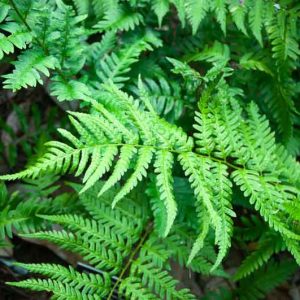
Dryopteris ludoviciana (Southern Wood Fern)
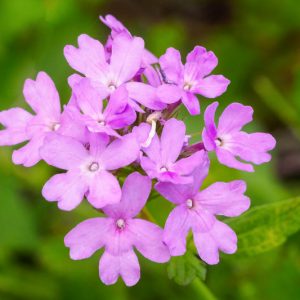
Glandularia maritima (Beach Verbena)
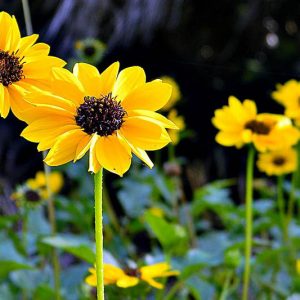
Helianthus debilis (Beach Sunflower)
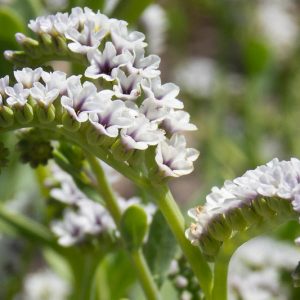
Heliotropium curassavicum (Salt Heliotrope)
Hydrocotyle umbellata (Marsh Pennywort)
Hymenocallis latifolia (Perfumed Spider Lily)
Ipomoea imperati (Beach Morning Glory)
Ipomoea pes-caprae (Railroad Vine)
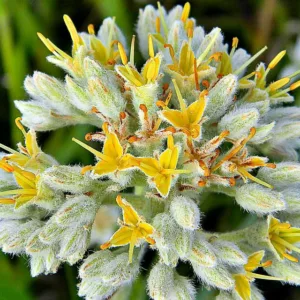
Lachnanthes caroliana (Carolina Redroot)
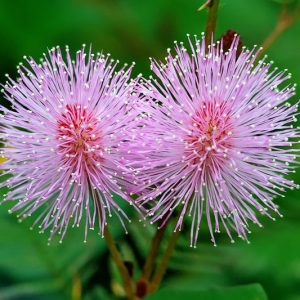
Mimosa strigillosa (Sunshine Mimosa)
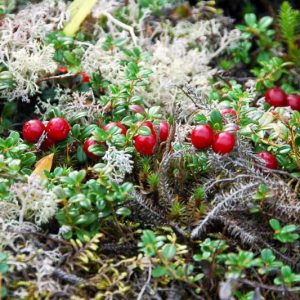
Mitchella repens (Partridge Berry)
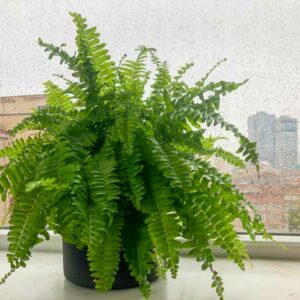
Nephrolepis exaltata (Boston Fern)
Peperomia obtusifolia (Baby Rubber Plant)
Pteridium aquilinum (Bracken Fern)
Ruellia caroliniensis (Carolina Wild Petunia)
Salvia lyrata (Lyreleaf Sage)
Saururus cernuus (Lizard Tail)
Serenoa repens (Saw Palmetto)
Sesuvium portulacastrum (Sea Purslane)
Sisyrinchium angustifolium (Blue-Eyed Grass)
Viola sororia (Common Blue Violet)
Woodwardia areolata (Netted Chain Fern)
Zamia pumila (Coontie)

Why Choose Native Groundcovers in Central Florida

Groundcovers do far more than simply hide bare soil. When you choose native Central Florida groundcover plants, you get beauty, resilience, and ecological benefits in one package.

  • Perfectly adapted – native groundcovers evolved in the same sandy, often acidic soils and steamy summers that your yard experiences. They handle pounding thunderstorms, brief dry spells, and occasional cold snaps better than many imported plants.
  • Living mulch – tight groundcover mats shade the soil surface, reduce evaporation, suppress weeds, and protect tree roots. They are an excellent replacement for high maintenance turf in tough spots.
  • Pollinator and wildlife friendly – species like Beach Sunflower, Lyreleaf Sage, Sunshine Mimosa, and Carolina Wild Petunia shower bees, butterflies, and beneficial insects with nectar and pollen. Berries and seeds from Partridge Berry, Coontie, and violets feed birds and other wildlife.
  • Non invasive choices – unlike some popular exotic vines and groundcovers, carefully selected Florida natives are far less likely to escape and invade wetlands, hammocks, and conservation areas.
  • Low maintenance landscaping – once established, most native groundcovers need little more than occasional edging, light trimming, and a topdressing of leaf mulch. No weekly mowing, heavy fertilizing, or constant replanting required.

Tip – whenever possible, buy plants grown from local or regional seed sources. Locally adapted plants are often more resilient, and you help conserve the unique genetics of Central Florida native plant populations.

Best Native Groundcovers for Central Florida Gardens

Use this list as a menu of dependable Florida native groundcovers. Mix and match by sun, moisture, and desired look, then plant in broad drifts for the biggest impact.

  • Bacopa caroliniana (Lemon Bacopa) – a charming creeping plant with small succulent leaves that release a lemony scent when crushed. It loves wet to seasonally flooded soil along pond margins, rain gardens, and low swales. Tiny pale blue flowers attract pollinators, and the spreading stems root easily at the nodes, forming a dense mat.
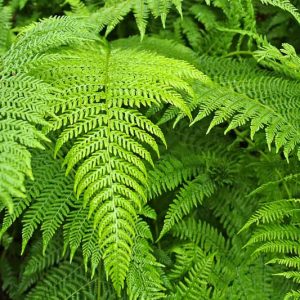
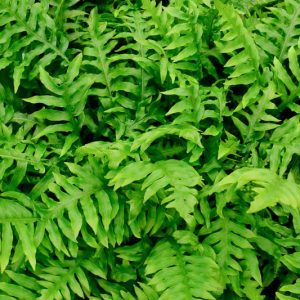
  • Dryopteris ludoviciana (Southern Wood Fern) – a semi evergreen fern with tall, upright fronds that create an elegant, textured ground layer in part shade. It tolerates moist to average garden soil and looks fantastic massed under live oaks, magnolias, and sabal palms. Let fronds overlap to form a soft green carpet.
  • Glandularia maritima (Beach Verbena) – one of the best native coastal groundcovers for Central Florida. This low, spreading perennial carries clusters of bright purple to lavender flowers for much of the year, especially in full sun and sandy soil. It handles salt spray, heat, and drought with ease and is a magnet for butterflies.
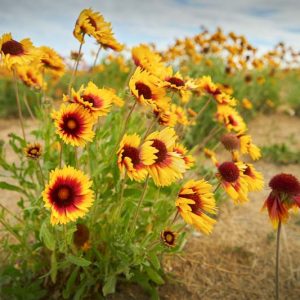
  • Helianthus debilis (Beach Sunflower) – fast growing, cheerful, and much loved by pollinators. Beach Sunflower sprawls into low mounds or mats dotted with golden daisy like blooms almost year round in frost free parts of Central Florida. Plant in full sun, sandy soil, and give it room – it is perfect for slopes, mailbox beds, and sunny road edges.
  • Heliotropium curassavicum (Salt Heliotrope) – a tough coastal native with fleshy leaves and curling clusters of white to pale lavender flowers. It thrives in salty, periodically wet soils along marsh edges, roadside swales, and coastal low spots. Use it in seaside rain gardens or anywhere that may occasionally flood with brackish water.
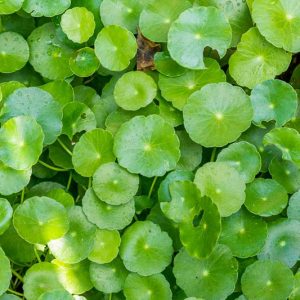
  • Hydrocotyle umbellata (Marsh Pennywort) – round, umbrella like leaves and small white flowers make this a distinctive choice for wet groundcovers. It spreads through creeping stems in saturated soil, shallow water, or very moist containers. Use carefully in designed water gardens, where it can be controlled but still provide lush coverage and habitat.
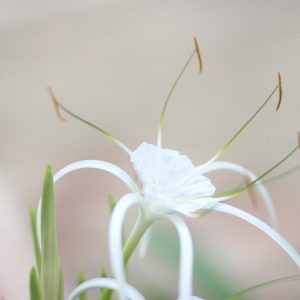
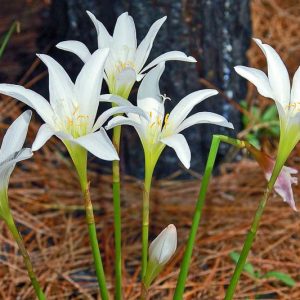
  • Hymenocallis latifolia (Perfumed Spider Lily) – while not a tight mat forming groundcover, this clumping bulb creates repeating clumps with strap like leaves and stunning white, fragrant flowers. Plant in moist to average soil in sun to part shade as a bold accent woven through lower growing groundcovers like violets or ferns.
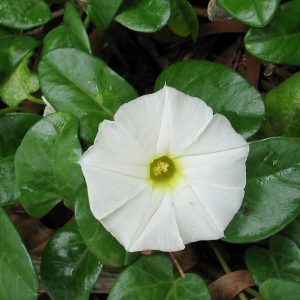
  • Ipomoea imperati (Beach Morning Glory) – a classic dune stabilizer with thick, trailing stems and white funnel shaped flowers. It thrives in pure sand, anchors loose soils, and tolerates salt, wind, and intense sun. Allow it to drape over sea walls, dunes, or the edges of hot, sunny banks.
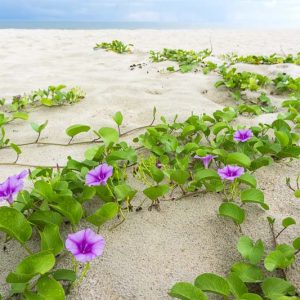
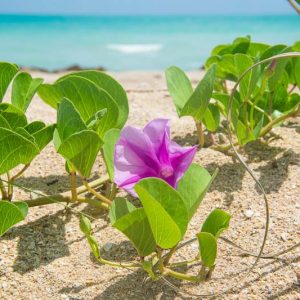
  • Ipomoea pes-caprae (Railroad Vine) – another powerhouse for coastal stabilization. Railroad Vine forms long, running stems with split, hoof shaped leaves and large rose purple flowers. It can cover large areas quickly – ideal for beachfront properties, large sunny berms, and restoration projects.
  • Lachnanthes caroliana (Carolina Redroot) – a moisture loving perennial found in wet flatwoods and boggy soils. Narrow leaves and unusual reddish flower clusters give it a wild, natural look. Combine with chain ferns, Lizard Tail, and other wetland groundcovers in low rain gardens and along pond margins.
  • Mimosa strigillosa (Sunshine Mimosa) – a favorite low maintenance lawn alternative for Central Florida. This ferny, low trailing plant bears pink, powder puff flowers that attract bees and butterflies. It thrives in full sun, tolerates light foot traffic, and fixes nitrogen, improving poor sandy soil over time.
  • Mitchella repens (Partridge Berry) – a tiny, evergreen vine for deep to dappled shade. Small rounded leaves create a neat groundcover under shrubs and trees, and white tubular flowers turn into red berries that birds enjoy. It prefers acidic, organic rich soil that never completely dries out.
  • Nephrolepis exaltata (Boston Fern) – in Central Florida this native fern can create impressive, arching colonies in moist, shaded areas. Use it as a groundcover under tree canopies, along shady foundations, or in large hanging baskets where its fronds can spill and overlap.
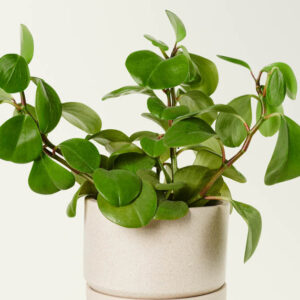
  • Peperomia obtusifolia (Baby Rubber Plant) – a glossy leaved, low growing native perfect for bright shade to filtered sun. It forms tidy clumps that slowly spread, making an excellent ground layer in protected courtyard beds, under shrubs, or around the base of palms.
  • Pteridium aquilinum (Bracken Fern) – a vigorous, sun tolerant fern that can form large colonies on open, sandy sites. In a home landscape, it is best used in naturalistic plantings or contained areas where its rhizomes have room to roam without overwhelming smaller neighbors.
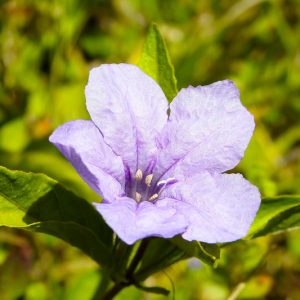
  • Ruellia caroliniensis (Carolina Wild Petunia) – a low perennial with lavender funnel shaped flowers that resemble tropical petunias but are fully native and far better behaved. It enjoys sun to part shade and average to dry soil. Butterflies love the blossoms, and plants often rebloom after light pruning.
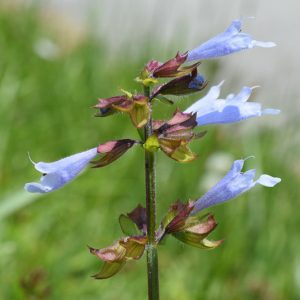
  • Salvia lyrata (Lyreleaf Sage) – one of the easiest pollinator friendly groundcovers. Basal rosettes of lyre shaped leaves send up spikes of soft blue purple flowers in spring, followed by attractive foliage that turns reddish in cool weather. It thrives in full sun to part shade and average garden soil.
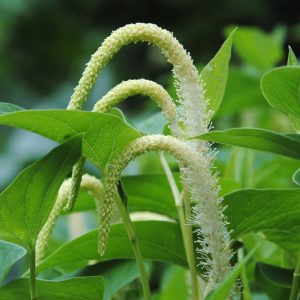
  • Saururus cernuus (Lizard Tail) – a striking wetland species with heart shaped leaves and drooping white flower spikes that resemble a lizard tail. It forms colonies in shallow water or saturated soil, making it ideal for naturalized pond edges, retention basins, and wet ditches.
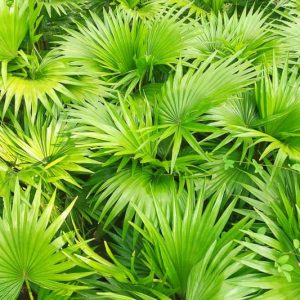
  • Serenoa repens (Saw Palmetto) – while technically a small palm, low growing forms and juvenile plants can function as a bold, evergreen ground layer in large landscapes. Use clumps under longleaf pines or mixed with wiregrass and wildflowers in sunny, dry sandhill style plantings.
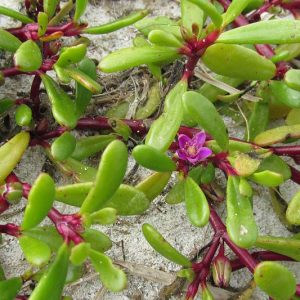
  • Sesuvium portulacastrum (Sea Purslane) – a succulent coastal spreader with fleshy leaves and starry pink flowers. It is outstanding for stabilizing dunes, seawall edges, and salty roadside medians. Sea Purslane tolerates periodic inundation with salt water and blazing sun.
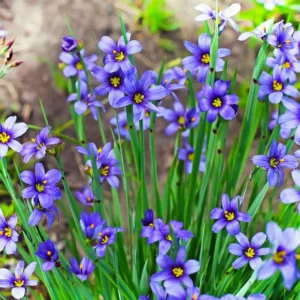
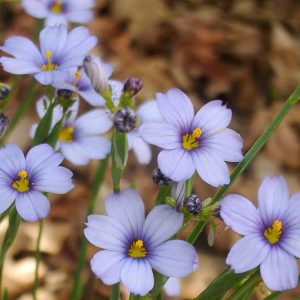
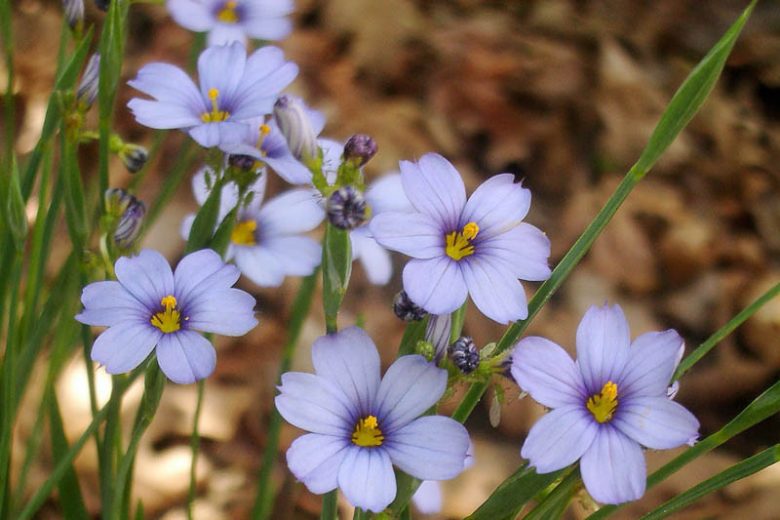
  • Sisyrinchium angustifolium (Blue-Eyed Grass) – not a true grass but a small iris relative forming clumps of narrow leaves topped with violet blue, yellow centered flowers. It prefers sun to light shade and moist to average soil, making it perfect for mixing with other low perennials in meadow like borders.
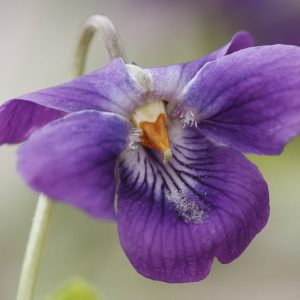
  • Viola sororia (Common Blue Violet) – a sweet woodland groundcover with heart shaped leaves and violet to white spring flowers. Violets host the larvae of several fritillary butterflies and spread gently in moist, shady to partly sunny beds, especially where chemicals are not used.
  • Woodwardia areolata (Netted Chain Fern) – graceful fronds with intricate veining give this fern a refined look in moist shade. It spreads slowly into colonies in acidic, consistently damp soil – ideal for the edges of shaded rain gardens and low woodland pockets.
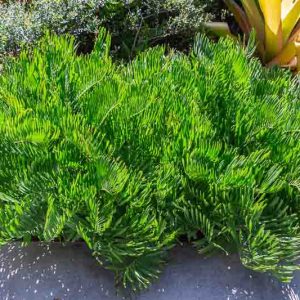
  • Zamia pumila (Coontie) – Florida’s only native cycad and an outstanding evergreen ground layer for part shade to sun. Coontie forms clumps of feathery fronds and is the larval host plant for the Atala butterfly. Use it in masses under palms and pines or as a structural accent among lower herbaceous groundcovers.

Easy Design Recipes With Native Groundcovers

Pollinator Friendly Front Walk – Along a sunny sidewalk or driveway, mass Helianthus debilis (Beach Sunflower) and Salvia lyrata (Lyreleaf Sage) in wide drifts. Tuck in clumps of Ruellia caroliniensis (Carolina Wild Petunia) for extra bloom. The result is a buzzing ribbon of flowers that stays low, softens hard edges, and needs little more than seasonal trimming.

Coastal Sand Dune Stabilizer – On hot, windy, salty sites, combine Ipomoea pes-caprae (Railroad Vine), Ipomoea imperati (Beach Morning Glory), Glandularia maritima (Beach Verbena), and Sesuvium portulacastrum (Sea Purslane). These species interlock to hold sand in place, feed pollinators, and give you a natural, beachy look that fits right into the coastal landscape.

Shady Hammock Carpet – Under mature oaks or sabal palms, layer Mitchella repens (Partridge Berry) near trunks, then sweep outward with drifts of Nephrolepis exaltata (Boston Fern) and Dryopteris ludoviciana (Southern Wood Fern). Add scattered clumps of Zamia pumila (Coontie) for evergreen structure. Leave leaf litter among the plants to mimic natural forest mulch.

Rain Garden Ribbon – In a low spot that regularly collects stormwater, plant bands of Bacopa caroliniana (Lemon Bacopa) and Hydrocotyle umbellata (Marsh Pennywort) in the wettest center. On slightly higher edges, transition to Saururus cernuus (Lizard Tail), Lachnanthes caroliana (Carolina Redroot), and Woodwardia areolata (Netted Chain Fern). The layered effect slows runoff, filters water, and provides habitat for frogs and dragonflies.

Planting and Caring for Native Groundcovers in Central Florida

Most Central Florida native groundcovers are forgiving once established, but good preparation makes a big difference.

  • Remove weeds and invasive plants – clear out existing turf and problem exotics before planting. Smothering with cardboard and mulch for a few weeks can reduce future weed pressure.
  • Loosen and amend where needed – in very compacted or construction disturbed soils, loosen the top 4 to 6 inches. Work in compost, pine fines, or leaf mold in dry sands, and organic matter in mucky soils to improve structure.
  • Group plants by water needs – keep drought tolerant species together and moisture lovers together so irrigation is simple and efficient.
  • Space for quick coverage – many groundcovers fill in faster when planted 12 to 18 inches apart. For slower species like Coontie or Partridge Berry, tuck in extra seedlings or companion plants to cover soil while they mature.
  • Mulch lightly – use a thin layer of shredded leaves, pine straw, or fine bark between new plants, keeping mulch a couple of inches away from stems. As plants knit together, they will replace mulch as living cover.
  • Water deeply the first year – give new groundcovers a thorough soak once or twice a week during dry spells their first growing season. After root systems develop, cut back to rainfall plus only occasional supplemental water for drought sensitive species.
  • Skip heavy fertilizer – native groundcovers usually thrive with modest fertility. Over fertilizing can make them lanky or encourage weeds. A yearly topdressing of compost or leaf mold is usually enough.

Once your plants knit together, maintenance drops to occasional weeding, light trimming after bloom, and seasonal cleanup of damaged foliage.

Blending Native Groundcovers Into Your Landscape Design

Think of groundcovers as the living fabric that connects trees, shrubs, and flowering perennials across your yard. They pull everything together visually while protecting the soil and feeding wildlife.

  • Replace struggling turf – in narrow side yards, under mature trees, or in constantly soggy spots where grass fails, swap in native groundcovers tailored to the conditions.
  • Soften hard edges – let Beach Sunflower, Lyreleaf Sage, or Carolina Wild Petunia spill over the edges of paths, driveways, and retaining walls for a relaxed, natural feel.
  • Create layered native beds – combine Coontie, saw palmetto, and native shrubs with carpets of violets, Sunshine Mimosa, or ferns at their feet. This vertical layering mimics natural communities and maximizes habitat.
  • Highlight focal points – use low, fine textured groundcovers around specimen trees, sculptures, or boulders so star plants stand out against a simple green backdrop.
  • Connect to nearby natural areas – if your property borders conservation land, wetlands, or undeveloped woods, echo those plant communities in your ground layer. This extends habitat and visually ties your garden to the larger landscape.

Over time, a yard once dominated by patchy turf and bare mulch can transform into a vibrant, layered, wildlife friendly landscape that looks uniquely and unmistakably Central Florida.

Discover More Florida Native Plants

Florida Native Plant Guides – Design, Soil and Wildlife

Frequently Asked Questions

What is a native groundcover in Central Florida?

A native groundcover is a low-growing plant species that occurs naturally in Florida without human introduction and spreads to cover the soil surface. In Central Florida (USDA zones 9a–9b), native groundcovers are typically perennials that tolerate heat, humidity, sandy or organic soils, and seasonal wet–dry cycles. Examples include Mimosa strigillosa (Sunshine Mimosa), Helianthus debilis (Beach Sunflower), Glandularia maritima (Beach Verbena), Ruellia caroliniensis (Carolina Wild Petunia), Salvia lyrata (Lyreleaf Sage), Mitchella repens (Partridge Berry), Nephrolepis exaltata (Boston Fern), and Zamia pumila (Coontie). These species evolved with local wildlife and require less irrigation, fertilizer, and chemical input than most non-native groundcovers.

Why should I use native groundcovers instead of turfgrass or exotic groundcovers?

Native groundcovers are better adapted to Central Florida’s climate than traditional turfgrasses or imported plants. They tolerate heat, intense sun, heavy summer rain, and short dry periods with minimal care once established. Because they evolved in local soils, they typically need little or no synthetic fertilizer and fewer pesticides. Many native groundcovers provide nectar, pollen, seeds, or berries for pollinators, birds, and beneficial insects, turning a low-maintenance planting into functional habitat. In contrast, exotic groundcovers such as Asian jasmine or some non-native iceplants may require more inputs and can escape into natural areas where they become invasive.

Which native groundcovers are best for full sun and dry, sandy soil?

For hot, sunny, well-drained sites typical of Central Florida’s upland sands and coastal ridges, reliable native groundcovers include:
Helianthus debilis (Beach Sunflower) – sprawling, flowering mat that blooms much of the year.
Mimosa strigillosa (Sunshine Mimosa) – low, ferny foliage with pink pom-pom flowers; good lawn alternative.
Salvia lyrata (Lyreleaf Sage) – basal rosettes with blue-purple spring flowers; tolerates some foot traffic.
Ruellia caroliniensis (Carolina Wild Petunia) – low mounds with lavender flowers.
Glandularia maritima (Beach Verbena) – coastal species that also thrives in inland sandy beds.
These plants generally prefer at least 6 hours of direct sun and fast-draining soil. Once established, they need only occasional supplemental water during extended droughts.

What native groundcovers work near the beach with salt spray and sandy soil?

In coastal Central Florida, choose species that tolerate wind, sand movement, and salt. Good options include:
Ipomoea imperati (Beach Morning Glory) – white-flowered vine for foredunes and upper beaches.
Ipomoea pes-caprae (Railroad Vine) – fast-spreading vine with purple flowers; excellent dune stabilizer.
Sesuvium portulacastrum (Sea Purslane) – succulent mat-former that tolerates periodic saltwater flooding.
Glandularia maritima (Beach Verbena) – low cushion with purple flowers attractive to butterflies.
Helianthus debilis (Beach Sunflower) – for backdunes and sandy coastal yards.
These species are adapted to salt spray and should not be replaced with non-native groundcovers that may fail or become invasive.

Which native groundcovers thrive in shade under oaks, pines, or around buildings?

For dappled or deep shade with tree roots and leaf litter, dependable natives include:
Mitchella repens (Partridge Berry) – tiny evergreen vine with white flowers and red berries.
Viola sororia (Common Blue Violet) – low rosettes with violet flowers in spring and early summer.
Nephrolepis exaltata (Boston Fern) – forms soft, arching colonies in moist shade.
Dryopteris ludoviciana (Southern Wood Fern) – semi-evergreen fern for part shade.
Woodwardia areolata (Netted Chain Fern) – for moist shaded pockets and rain gardens.
Zamia pumila (Coontie) – evergreen cycad that functions as a structural ground layer in bright shade.
These groundcovers are ideal under live oaks, southern magnolias, pines, and along the north side of houses where turfgrass struggles.

What native groundcovers can I use in wet areas, swales, or rain gardens?

Central Florida has many native groundcovers adapted to fluctuating water levels and periodic flooding. Good choices for rain gardens and pond edges include:
Bacopa caroliniana (Lemon Bacopa) – creeping aquatic-edge plant with tiny blue flowers.
Hydrocotyle umbellata (Marsh Pennywort) – round-leaved runner for saturated soils and shallow water.
Saururus cernuus (Lizard Tail) – colony-forming perennial with heart-shaped leaves and drooping white flower spikes.
Lachnanthes caroliana (Carolina Redroot) – moisture-loving species for wet flats and shallow water edges.
Heliotropium curassavicum (Salt Heliotrope) – for coastal or slightly brackish wetlands.
Woodwardia areolata (Netted Chain Fern) – for shaded, consistently moist low spots.
These plants help slow and filter runoff, stabilize soil, and create habitat for amphibians, dragonflies, and wetland wildlife.

Can native groundcovers replace my lawn in Central Florida?

Native groundcovers can replace lawn in many, but not all, situations. They are best suited where you do not need a traditional, uniformly mowed surface for sports or heavy traffic. For low-traffic areas, Sunshine Mimosa, Lyreleaf Sage, Carolina Wild Petunia, and low clumps of Coontie can form attractive, naturalistic “living carpets.” These plantings usually require less irrigation and fertilizer than St. Augustine or zoysia lawns. However, they may not tolerate frequent foot traffic, play equipment, or weekly mowing. Many gardeners use a hybrid approach: native groundcovers in side yards, slopes, tree islands, and difficult spaces, with a smaller area of conventional turf reserved for active use.

How long does it take native groundcovers to fill in and provide full coverage?

Establishment speed depends on species, spacing, and site conditions. Fast spreaders such as Beach Sunflower, Sunshine Mimosa, Beach Verbena, and Railroad Vine can knit together within one growing season when planted on 12–18 inch centers and given regular water at first. Clumping species such as Coontie, Partridge Berry, and some ferns spread more slowly and may take two to three years to form a continuous ground layer. In general, planting smaller plants more closely and controlling weeds during the first year greatly accelerates coverage.

Will native groundcovers become invasive or difficult to control?

Central Florida native groundcovers are far less likely to become environmentally invasive than many exotic species because they are part of the region’s natural flora and already integrated into local ecosystems. Some, such as Helianthus debilis, Sunshine Mimosa, and Railroad Vine, can spread vigorously in the right conditions. In home landscapes, their growth is usually easy to manage by edging beds, thinning patches, or cutting runners that stray into paths or neighbor yards. When designing, allow vigorous species enough space to expand, and pair slow-growing plants with compatible, non-aggressive companions.

References

Updated: November 2025 • Reviewed by Gardenia Editors

Recommended Guides

Shade-Loving Native Shrubs for Central Florida
Sun-Loving Native Trees for Central Florida
Shade-Loving Native Trees for Central Florida
Native Groundcovers for Central Florida
Shade-Loving Native Perennials for Central Florida
Native Aquatic Plants for Central Florida
Native Grasses for Central Florida
Native Ferns for Central Florida
Native Vines for Central Florida
Sun-Loving Native Shrubs for Central Florida
Sun-Loving Native Perennials for Central Florida
Highly Drought Tolerant plants for your Florida Native Garden
Native Plants that Attract Hummingbirds in Florida
Invasive Plant Species in Florida
Highly Salt Tolerant plants for your Florida Native Garden
Great Pollinator Plants for Florida
Monarch Nectar Plants for Florida
Explore Great Plant Combination Ideas
Coastal South
Guides with
Coastal South Florida
While every effort has been made to describe these plants accurately, please keep in mind that height, bloom time, and color may differ in various climates. The description of these plants has been written based on numerous outside resources.

Guide Information

Hardiness 9
Native Plants United States, Southeast, Florida
Landscaping Ideas Ground Covers
Explore Great Plant Combination Ideas
Coastal South
Guides with
Coastal South Florida

Related Items

Please Login to Proceed

You Have Reached The Free Limit, Please Subscribe to Proceed

Subscribe to Gardenia

To create additional collections, you must be a paid member of Gardenia
  • Add as many plants as you wish
  • Create and save up to 25 garden collections
Become a Member

Plant Added Successfully

Your garden is taking shape. Unlock full planning.

You’ve reached the free limit. Upgrade for $25/year to add as many plants as you wish and save up to 25 garden collections. Unlock Annual Membership

Update Your Credit
Card Information

Cancel

Create a New Collection

Sign Up to Our Newsletter

    You have been subscribed successfully

    Join Gardenia.net

    Create a membership account to save your garden designs and to view them on any device.

    Becoming a contributing member of Gardenia is easy and can be done in just a few minutes. If you provide us with your name, email address and the payment of a modest $25 annual membership fee, you will become a full member, enabling you to design and save up to 25 of your garden design ideas.

    Join now and start creating your dream garden!

    Join Gardenia.net

    Create a membership account to save your garden designs and to view them on any device.

    Becoming a contributing member of Gardenia is easy and can be done in just a few minutes. If you provide us with your name, email address and the payment of a modest $25 annual membership fee, you will become a full member, enabling you to design and save up to 25 of your garden design ideas.

    Join now and start creating your dream garden!
    Find your Hardiness Zone

    Find your Heat Zone

    Find your Climate Zone