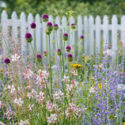
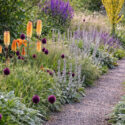
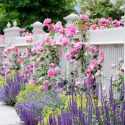
Shady courtyards, palm lined side yards, and breezy patios are everywhere in South Florida - but grass and many tropicals hate those low light spots. The fix: Shade loving South Florida native perennials that thrive in bright shade, feed butterflies and bees, and turn problem areas into lush retreats.


Shady courtyards, side yards under palms, and patios out of the midday sun are common in South Florida – and they can be hard places to grow turf or sun loving tropicals. The solution Shade loving South Florida native perennials that are already adapted to warm, humid summers and bright, filtered light.
Most of the region lies in USDA zones 10a, 10b, and 11a, with everything from limestone based rockland soils to sandy coastal sites and wet organic muck. By choosing shade loving native plants that evolved in these conditions, you get long lasting color, wildlife value, and much lower maintenance than many exotic shade plants.
Plant responsibly: Never dig plants from the wild. Collecting from natural areas harms fragile habitats. Instead, buy from reputable nurseries that grow natives from local or regional seed sources, which are better for your garden and for Florida wildlife.
To choose the best shade loving native perennials for South Florida gardens, think about where each plant grows in the wild and copy those conditions as closely as you can.
Spend a sunny day watching how light moves across your yard. A bed that looks shady at noon might get several hours of gentle morning sun, which opens up many more options for blooming native perennials.
| Hardiness |
10 - 11 |
|---|---|
| Plant Type | Perennials |
| Exposure | Partial Sun, Shade |
| Native Plants | United States, Southeast, Florida |
| Toxic to Humans | No known toxicity |
| Toxic to Cats | No known toxicity |
| Toxic to Dogs | No known toxicity |
| Toxic to Horses | No known toxicity |
Native perennials instantly make a shady garden feel cooler, more alive, and more connected to the surrounding landscape. When you choose native shade plants for South Florida, you get beauty plus resilience.
Tip – whenever possible, buy plants grown from local or regional seed sources. These “local ecotypes” are usually better matched to your exact microclimate and help preserve regional genetic diversity.
Use this list as a menu of reliable South Florida shade loving native perennials. Check mature size, moisture needs, and light preferences, then mix and match to fit your specific site.
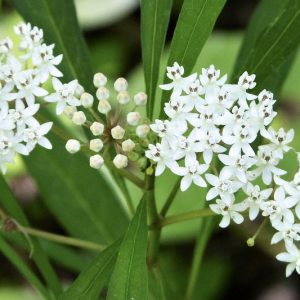
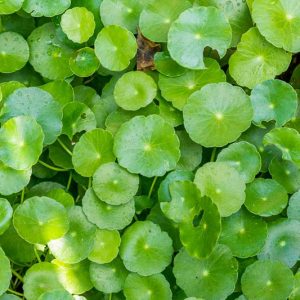
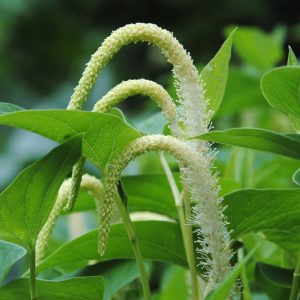
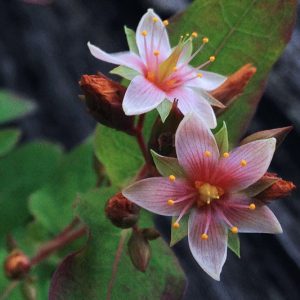
Pollinator Friendly Rain Garden – In a low area that collects roof or driveway runoff, plant clumps of Asclepias perennis Aquatic Milkweed, Saururus cernuus Lizard Tail, and Triadenum virginicum Virginia Marsh St. Johnswort. Add Hydrocotyle umbellata Marsh Pennywort as a groundcover to knit everything together. The result is a lush, wildlife rich oasis that manages stormwater while feeding butterflies and bees.
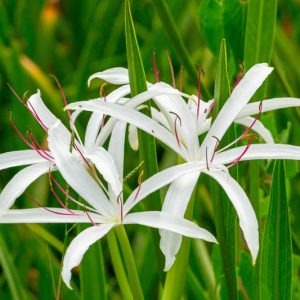
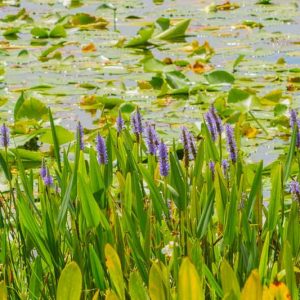
Shady Pond Edge Retreat – Along the shaded side of a pond or canal, mass Swamp Lily for height and drama, then weave in drifts of Aquatic Milkweed and Lizard Tail closer to the water. Tuck Marsh Pennywort and Common Blue Violet at the front edge for a soft, natural shoreline that provides cover for frogs and dragonflies.
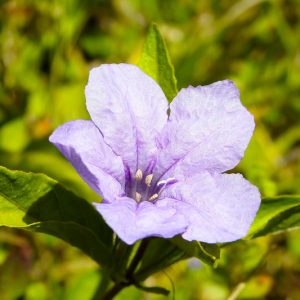
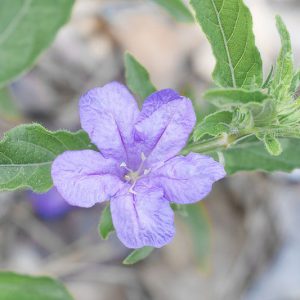
Woodland Style Side Yard – Under light shade from oaks or palms on the north side of your home, combine Carolina Wild Petunia, Common Blue Violet, and Atamasco Lily with a backdrop of native shrubs. Let violets and Marsh Pennywort fill in between stepping stones, and allow leaf litter to remain as natural mulch.
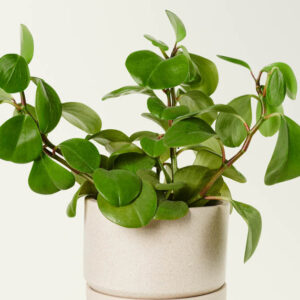
Bright Shade Courtyard Containers – In a screened porch or entry courtyard, plant Swamp Lily or Aquatic Milkweed in large pots and surround them with smaller containers of Baby Rubber Plant, Marsh Pennywort, and violets. Keep soil evenly moist and enjoy an easy, movable shade garden that stays attractive for most of the year.
Most South Florida native shade perennials are forgiving once they settle in, but a little preparation at planting time sets them up for long term success.
Think of these perennials as the living carpet and colorful accents that tie together trees, shrubs, and hardscape in your South Florida yard. A well designed shade garden can be as vibrant and dynamic as any sunny border.
Over time, your once bare or weedy shade areas can evolve into vibrant, wildlife rich spaces filled with flowers, butterflies, and the subtle motion of foliage in the breeze. By choosing shade loving native perennials for South Florida, you are not just decorating your yard – you are restoring a piece of the original landscape.
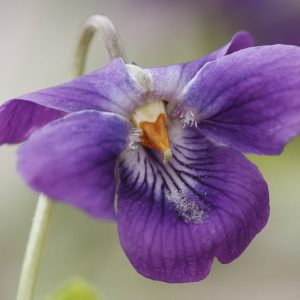
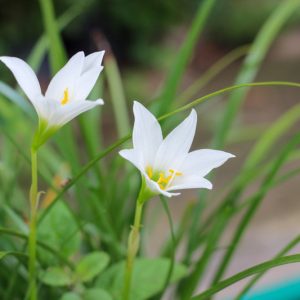
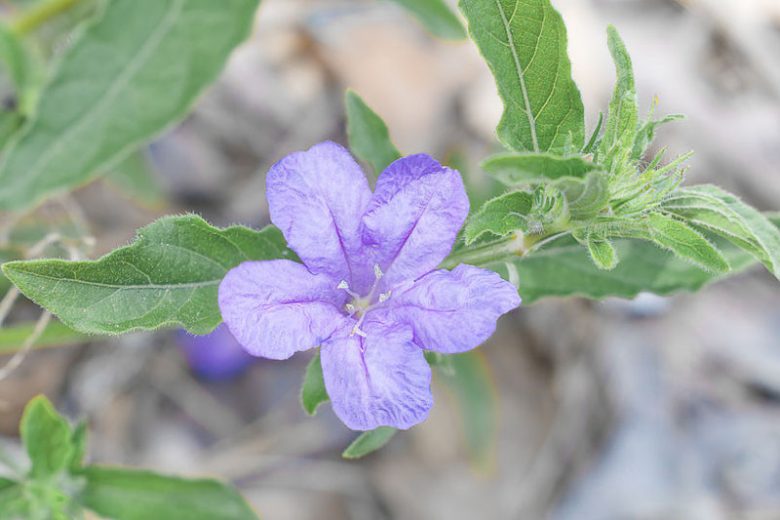
Some of the most useful native shade perennials for South Florida include Asclepias perennis Aquatic Milkweed, Crinum americanum Swamp Lily, Hydrocotyle umbellata Marsh Pennywort, Peperomia obtusifolia Baby Rubber Plant, Ruellia caroliniensis Carolina Wild Petunia, Saururus cernuus Lizard Tail, Triadenum virginicum Virginia Marsh St. Johnswort, Viola sororia Common Blue Violet, and Zephyranthes atamasca Atamasco Lily. Together they cover moist pond edges, rain gardens, hammock understories, courtyards, and bright shade borders in USDA zones 10 to 11.
For consistently moist to wet soil in partial shade, choose Crinum americanum Swamp Lily, Asclepias perennis Aquatic Milkweed, Saururus cernuus Lizard Tail, Triadenum virginicum Virginia Marsh St. Johnswort, Hydrocotyle umbellata Marsh Pennywort, and Viola sororia Common Blue Violet. These species naturally occur in marshes, ditches, and pond margins and are well suited to rain gardens, bioswales, and low spots that collect stormwater.
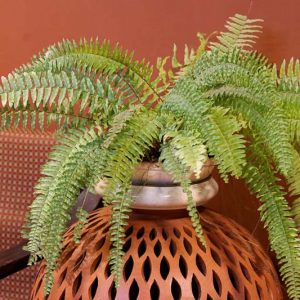
In high, shifting shade where soil is well drained but may dry between rains, Peperomia obtusifolia Baby Rubber Plant and Ruellia caroliniensis Carolina Wild Petunia perform very well, especially with a layer of leaf mulch. Atamasco Lily can also adapt to bright, slightly dry shade once it is established, though it will flower most after good rains.
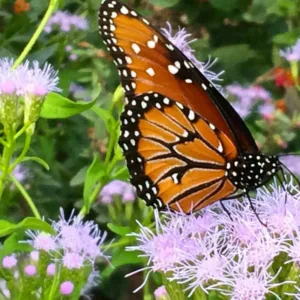
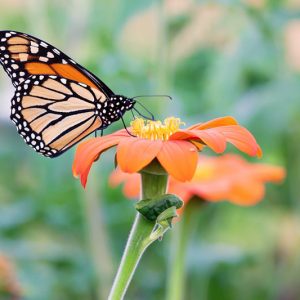
Asclepias perennis Aquatic Milkweed is a host plant for monarch and queen butterfly caterpillars and a rich nectar source for many pollinators. Ruellia caroliniensis provides nectar for butterflies and hummingbirds. Viola sororia supports fritillary butterfly larvae, while Marsh Pennywort, Virginia Marsh St. Johnswort, and Lizard Tail all contribute nectar, cover, and seed for a variety of insects and small wildlife.
Most shade loving native perennials are happiest in soils that mimic natural leaf litter – loose, organic rich, and slightly acidic to neutral. They rarely need synthetic fertilizer. Before planting, loosen the soil and mix in compost, leaf mold, or pine fines if your soil is very sandy or compacted. An annual topdressing of shredded leaves or compost is usually enough to keep them thriving.
Absolutely. Many gardeners gradually transition to more native plantings by tucking native perennials among existing shade plants and tropicals. Baby Rubber Plant, Carolina Wild Petunia, and Common Blue Violet blend beautifully with gingers, caladiums, and hydrangeas while boosting wildlife value. Over time you can replace high maintenance or invasive exotics with additional natives.
Updated: December 2025 • Reviewed by Gardenia Editors
123rf
| Hardiness |
10 - 11 |
|---|---|
| Plant Type | Perennials |
| Exposure | Partial Sun, Shade |
| Native Plants | United States, Southeast, Florida |
| Toxic to Humans | No known toxicity |
| Toxic to Cats | No known toxicity |
| Toxic to Dogs | No known toxicity |
| Toxic to Horses | No known toxicity |
Create a membership account to save your garden designs and to view them on any device.
Becoming a contributing member of Gardenia is easy and can be done in just a few minutes. If you provide us with your name, email address and the payment of a modest $25 annual membership fee, you will become a full member, enabling you to design and save up to 25 of your garden design ideas.
Join now and start creating your dream garden!
Create a membership account to save your garden designs and to view them on any device.
Becoming a contributing member of Gardenia is easy and can be done in just a few minutes. If you provide us with your name, email address and the payment of a modest $25 annual membership fee, you will become a full member, enabling you to design and save up to 25 of your garden design ideas.
Join now and start creating your dream garden!