Turn your shady North Florida yard into a lush woodland retreat. Discover native shrubs that love dappled light, perfume the air, feed birds and butterflies, and thrive in sandy soils with minimal fuss. Layer these shade lovers for four season color, texture, and wildlife in zones 8–9.
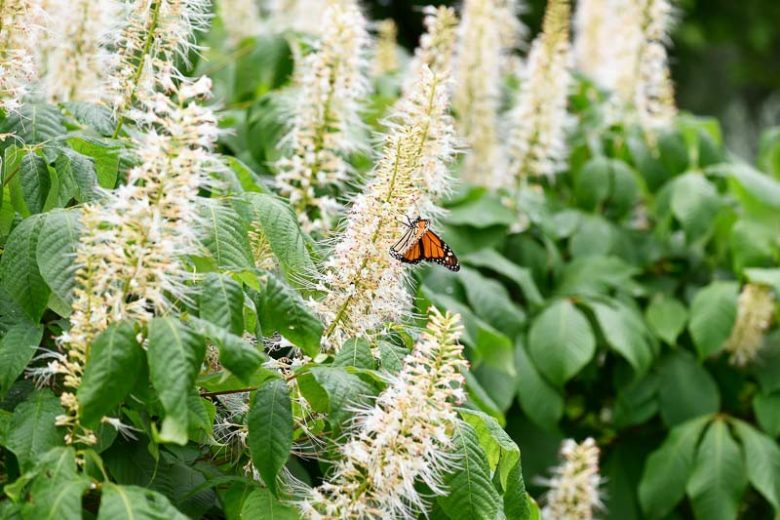


Have a yard full of oak roots, pine straw, and high shade from big trees? In North Florida, those “problem” shady spots can become the most beautiful parts of your landscape when you fill them with native shrubs. From Jacksonville, Tallahassee, and Gainesville to coastal hammocks along the Panhandle, shade loving native shrubs bring flowers, fragrance, berries, and fall color to the understory of USDA zones 8a, 8b, and mild pockets of 9a.
These woodland and edge shrubs evolved in the same sandy, sometimes acidic soils and humid summers that your garden experiences. Many are naturally found along streams, seepage slopes, and forest edges where light is filtered and soil stays evenly moist. Others grow under upland longleaf pine and live oak, thriving on dappled light and the blanket of leaf litter you already have. Plant them once, water well during their first year, and they can reward you for decades.
Whenever you update or expand your garden, choose regionally native plants and avoid known invasive species so your landscape works with, not against, North Florida’s ecosystems.
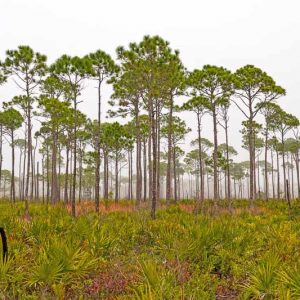
Most of North Florida is blessed with trees – live oak, southern magnolia, longleaf and slash pine, sweetgum, and red maple create shady microclimates all over residential lots. The key to success is choosing shade loving native shrubs that match the kind of shade and soil in each part of your yard.
Spend a sunny day watching how light moves across your yard. Areas that look gloomy at noon might get soft morning or late afternoon sun that shade tolerant shrubs will appreciate.
Shade loving native shrubs bring structure, privacy, and four season interest to North Florida gardens where turf grass and sun loving perennials struggle. Use them to create layered hedges along property lines, soften the north side of your home, underplant tall pines and oaks, or frame shady patios and porches. Mix evergreen and deciduous species so that something is always attractive, even in winter.
| Hardiness |
8 - 9 |
|---|---|
| Plant Type | Shrubs |
| Exposure | Partial Sun, Shade |
| Native Plants | United States, Southeast, Florida |
| Toxic to Humans | No known toxicity |
| Toxic to Cats | No known toxicity |
| Toxic to Dogs | No known toxicity |
| Toxic to Horses | No known toxicity |
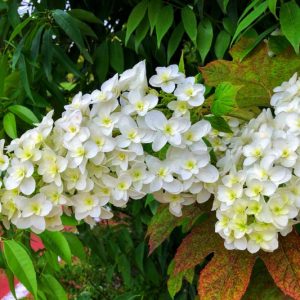
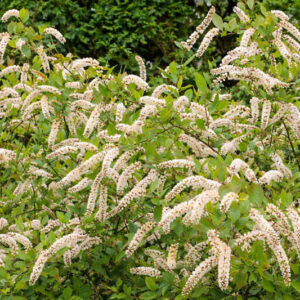
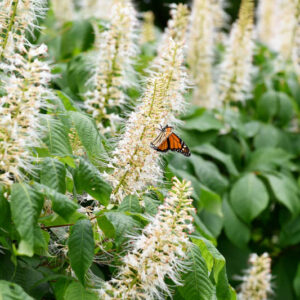
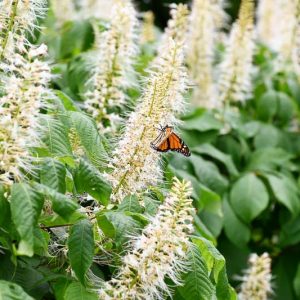
Soft Woodland Entry Border: Combine groups of Hydrangea quercifolia (Oakleaf Hydrangea) and Itea virginica (Virginia Sweetspire) in bright shade near your front walk. Underplant them with native ferns and spring ephemerals. Oakleaf hydrangea provides bold leaves and big summer blooms, while sweetspire adds fragrant white flowers and rich red fall color.
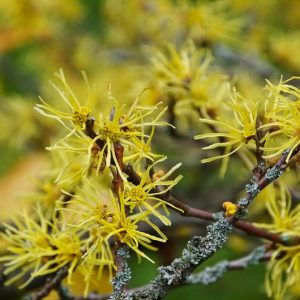
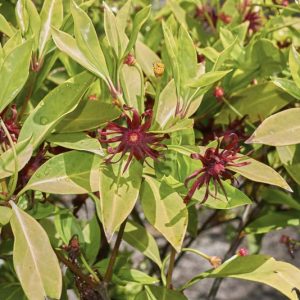
Moist Shade Wildlife Thicket: Along a swale, pond edge, or low spot, plant a loose hedge of Lindera benzoin (Spice Bush), Rhododendron viscosum (Swamp Azalea), and Hamamelis virginiana (Virginian Witch Hazel). Spicebush hosts spicebush swallowtail caterpillars; swamp azalea perfumes the air in late spring; witch hazel offers quirky fall or winter flowers on bare stems.
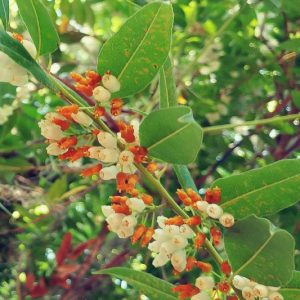
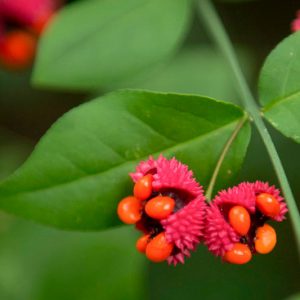
Evergreen Screen for High Shade: Under tall pines or live oaks where you still get dappled light, use Agarista populifolia (Florida Hobblebush) and Illicium floridanum (Florida Anise) as a handsome evergreen backdrop. Add clumps of Euonymus americanus (American Strawberry Bush) in front for bright red seed capsules that birds love.
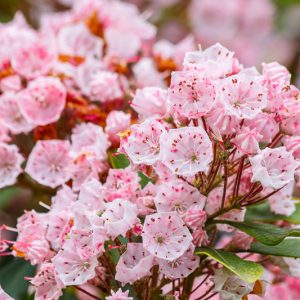
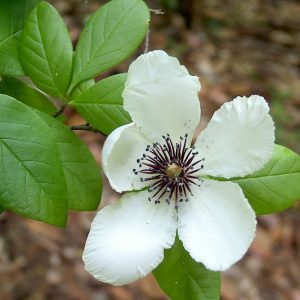
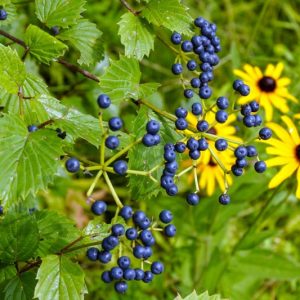
Elegant Woodland Feature Planting: Make a focal point in a shaded bed with Stewartia malacodendron (Silky Camellia) and Kalmia latifolia (Mountain Laurel). Both offer showy flowers and attractive bark. Surround them with sweeps of arrowwood viburnum for berries and fall color.
Traditional foundation shrubs like non native azaleas, nandinas, and ligustrum can be short lived, invasive, or hungry for water and fertilizer. Shade loving native shrubs work with North Florida’s climate instead of against it. Once they settle in, many of them tolerate drought, heavy rain, and occasional winter freezes while feeding your local birds, butterflies, and pollinators.
Tip: For new beds, remove weedy vegetation, loosen the top few inches of soil, and spread a 2 to 3 inch layer of organic mulch after planting. Keep mulch a few inches away from the main stem of each shrub to prevent rot. Water slowly and deeply, allowing the root zone to dry slightly between waterings.
Use this list as a menu of reliable shade loving native shrubs for North Florida landscapes. Each one has its own personality – some are fragrant, some are evergreen, and many provide outstanding fall color or wildlife value. Check mature size and moisture needs, then mix and match to fit your site.
Start by deciding where you want more privacy, more color, and less struggling lawn. Sketch your trees, house, and hardscape, then mark sunny, part shade, and full shade areas. Note low wet spots, flat side yards, and drier high ground under pines. From there, plug in native shade shrubs that match each micro habitat.
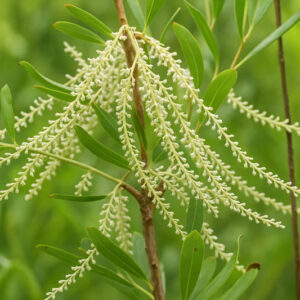
For example, you might plant a curving border of oakleaf hydrangea and arrowwood viburnum along a bright woodland edge, tuck Florida anise and hobblebush under taller pines, and group spicebush and swamp azalea near a rain garden or seasonal seep. Fill gaps with native ferns, groundcovers, and spring perennials so that the soil is shaded and living roots occupy every layer.
Over a few seasons, your North Florida yard will shift from patchy turf and bare mulch to a layered woodland garden full of birdsong, butterflies, and the subtle scent of flowers drifting through cool shade.
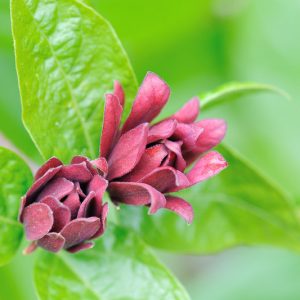
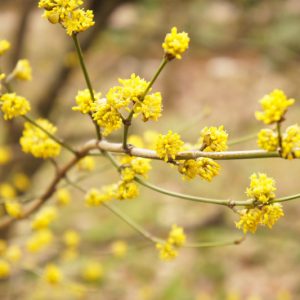
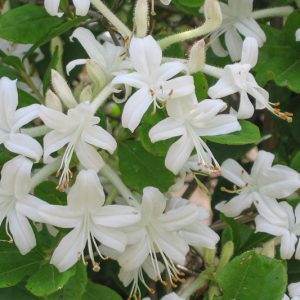
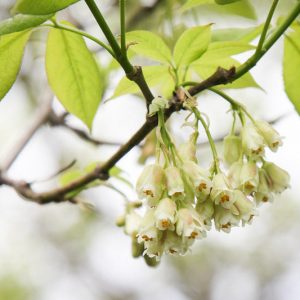
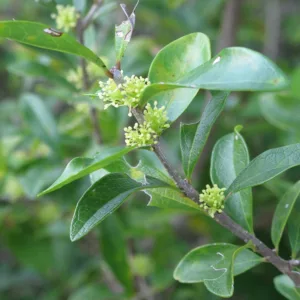
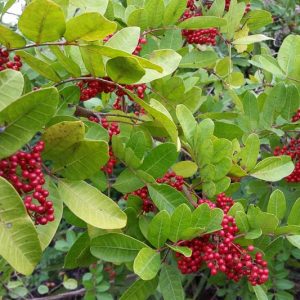
Dependable, widely used native shade shrubs for North Florida include Agarista populifolia (Florida Hobblebush), Calycanthus floridus (Carolina Allspice), Euonymus americanus (American Strawberry Bush), Hydrangea quercifolia (Oakleaf Hydrangea), Illicium floridanum (Florida Anise), Itea virginica (Virginia Sweetspire), Lindera benzoin (Spice Bush), Rhododendron viscosum (Swamp Azalea), Viburnum dentatum (Arrowwood Viburnum), Hamamelis virginiana (Virginian Witch Hazel), Staphylea trifolia (American Bladdernut), Kalmia latifolia (Mountain Laurel), and Stewartia malacodendron (Silky Camellia). Together they cover moist woodland edges, upland shade under pines and oaks, and wetter swales and stream banks in USDA zones 8 to 9.
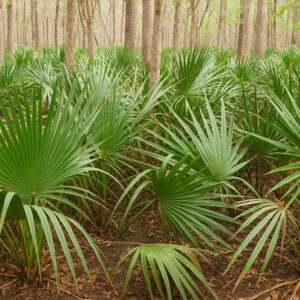
Under high, shifting shade where soil is well drained but can dry between rains, Agarista populifolia (Florida Hobblebush), Illicium floridanum (Florida Anise), Calycanthus floridus (Carolina Allspice), and Euonymus americanus (American Strawberry Bush) perform well once established. They tolerate root competition from trees and can be combined with native groundcovers and ferns to create layered woodland plantings.
For consistently moist to wet soils in partial shade, choose Rhododendron viscosum (Swamp Azalea), Itea virginica (Virginia Sweetspire), Lindera benzoin (Spice Bush), and Hamamelis virginiana (Virginian Witch Hazel). These species naturally occur along stream banks, seepage slopes, and woodland wetlands and are well suited to rain gardens and low spots that hold water after storms.
Hydrangea quercifolia (Oakleaf Hydrangea), Itea virginica (Virginia Sweetspire), Viburnum dentatum (Arrowwood Viburnum), and Lindera benzoin (Spice Bush) are standouts for red, burgundy, and orange fall foliage in bright shade. Many of these also produce berries or seed that feed birds, extending interest well into late fall.
Yes. Flowering shrubs such as swamp azalea, Virginia sweetspire, oakleaf hydrangea, Carolina allspice, silky camellia, and witch hazel provide nectar and pollen for native bees, butterflies, and other pollinators. Spicebush and arrowwood viburnum produce berries eaten by songbirds, and dense branching from hobblebush, Florida anise, and viburnums offers shelter for nesting birds and small mammals.
Remove invasive plants and struggling turf, then loosen the top 4 to 6 inches of soil, working in leaf mold or compost if soil is extremely sandy or compacted. Check drainage by filling a test hole with water; most woodland shrubs prefer moist but not constantly flooded soil. Plant shrubs at or slightly above the existing soil line, mulch 2 to 3 inches deep, and water deeply each week during the first growing season to encourage strong root systems.
Yes, many gardeners gradually transition to more native plantings by tucking native shrubs into existing beds. Oakleaf hydrangea, Virginia sweetspire, spicebush, and arrowwood viburnum blend beautifully with traditional azaleas and camellias, while providing extra wildlife value. Over time you can thin out high maintenance or invasive exotics and replace them with additional natives.
Updated: November 2025 • Reviewed by Gardenia Editors
Lana B, Shutterstock
| Hardiness |
8 - 9 |
|---|---|
| Plant Type | Shrubs |
| Exposure | Partial Sun, Shade |
| Native Plants | United States, Southeast, Florida |
| Toxic to Humans | No known toxicity |
| Toxic to Cats | No known toxicity |
| Toxic to Dogs | No known toxicity |
| Toxic to Horses | No known toxicity |
Create a membership account to save your garden designs and to view them on any device.
Becoming a contributing member of Gardenia is easy and can be done in just a few minutes. If you provide us with your name, email address and the payment of a modest $25 annual membership fee, you will become a full member, enabling you to design and save up to 25 of your garden design ideas.
Join now and start creating your dream garden!
Create a membership account to save your garden designs and to view them on any device.
Becoming a contributing member of Gardenia is easy and can be done in just a few minutes. If you provide us with your name, email address and the payment of a modest $25 annual membership fee, you will become a full member, enabling you to design and save up to 25 of your garden design ideas.
Join now and start creating your dream garden!