American Black Elderberry, American Elderberry, Common Elderberry, Black Elder, Mexican Elderberry, Common Elder, Elderberry, Tapiro, Sauco, Sambucus nigra subsp. canadensis
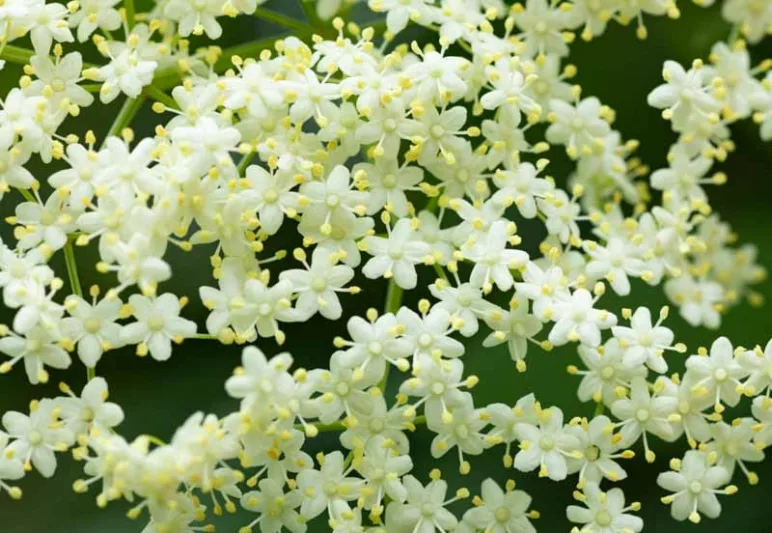
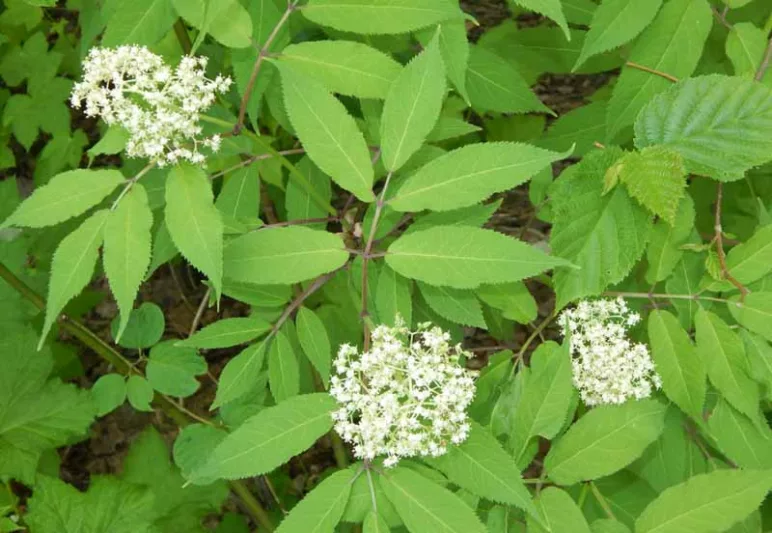
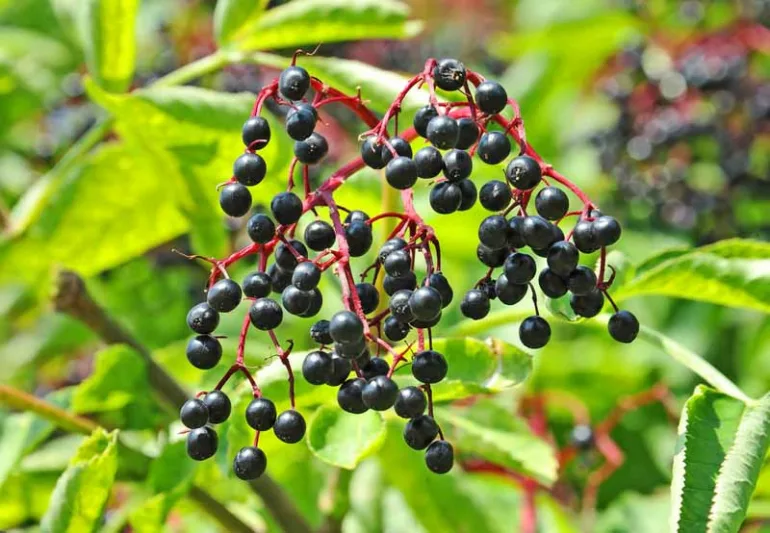


Summary: A generous native fruiting shrub with creamy spring flowers and glossy late season berries for pantry projects like elderberry syrup, elderberry juice, jam, and cordial. As a landscape anchor this elderberry plant provides habitat, beauty, and dependable harvests.
Taste: Tart and richly fruity when cooked, with hints of plum and blackberry.
Use: Preserves, pies, juice, cordials, gummies, and elderberry tea.
Safety: Cook ripe berries before use. Discard stems, leaves, and seeds.
| Botanical Name | Sambucus canadensis |
|---|---|
| Family | Adoxaceae |
| Common Names | American elderberry, common elder, elderberry bush, elderberry tree |
| Native Range | Eastern and central North America, from Canada to the Gulf Coast |
| Plant Type & Habit | Deciduous elderberry shrub or small multi stem elderberry tree |
| Hardiness (USDA) | Zones 3 to 9 |
| Size | 5 to 12 ft tall and 5 to 12 ft wide, larger in rich soils |
| Sun & Exposure | Full sun for best fruit, light shade tolerated |
| Soil | Moist, fertile loam; tolerates occasional wet feet and seasonal flooding |
| Bloom & Fruit | Large white flower clusters in late spring; deep purple berries late summer |
| Wildlife | Flowers feed pollinators; fruit feeds songbirds; branching offers cover |
| Toxicity | Raw berries and other parts may cause stomach upset; cook fruit and remove stems |
| Invasiveness | Native and vigorous in its range; spreads by suckers; easy to limit with pruning |
| Primary Uses | Syrup, juice, jams, pies, tea, wildlife hedges, rain gardens |
If you want a friendly, fruiting native that satisfies the kitchen and lights up your landscape, american elderberry is a natural choice. This elderberry shrub brings lacy white blossoms in late spring, then loads of dusky fruit by summer’s end. Grow one near a patio, include a pair in a food hedge, or let a thicket naturalize at the edge of a rain garden. However you place it, you will have flowers for cordial and fritters and elderberries for syrup, juice, jam, and pies.
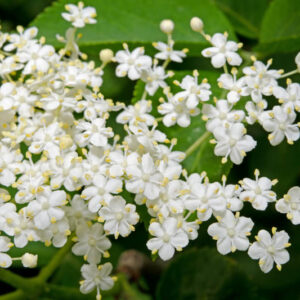
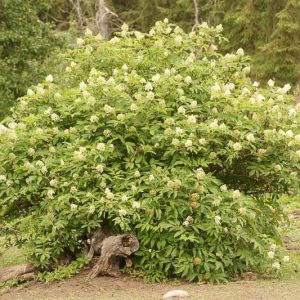
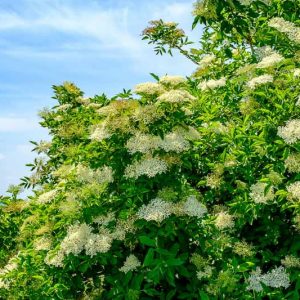
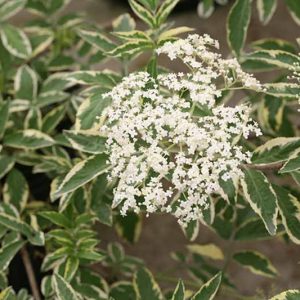
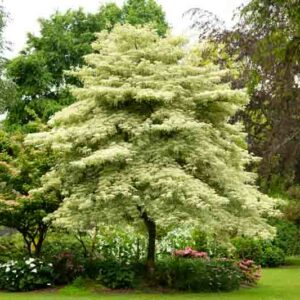
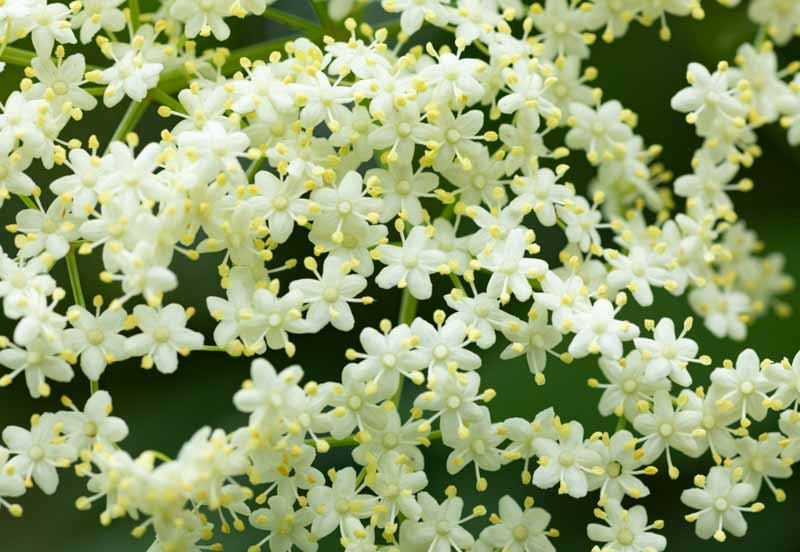
American elderberry is a fast growing, multi stem deciduous shrub with opposite leaves and graceful, cane like shoots. In late spring the canopy is dotted with broad, flat topped clusters of tiny white blossoms that scent the air. Later those plates become pendulous clusters packed with purple fruit. The framework can be trained as a low elderberry tree with a short trunk or kept as a full elderberry bush for screening and generous cropping.
Sambucus canadensis grows across eastern and central North America in hedgerows, old fields, woodland edges, and along streams. This native status makes it a smart pick for wildlife value and regional resilience, especially where local pollinators and songbirds already know and love the fruit.
Expect a mature clump about 5 to 12 feet tall (1.5-3.6 m) with a similar spread, or larger in rich, wet ground. Plants shoot strongly in spring and early summer and respond well to renewal pruning. Fruit forms most heavily on two year wood, so the best yields come from a mix of young and middle aged canes.
With steady moisture and regular thinning of the oldest canes, an elderberry shrub stays productive for many seasons. Canes are short lived compared with the root crown, which means a routine of removing the oldest wood keeps the plant young and fruitful.
Fragrant flowers arrive in wide, creamy plates that brighten borders and hedges. These lemon-scented blossoms are edible for kitchen projects like cordial and fritters. After good pollination, fruit clusters swell and turn richly colored by late summer. Raw fruit tastes tannic and sharp; cooking brings out deep, jammy flavor and that signature inky hue that elderberries are known for.
Pollination: Many selections will set some fruit alone, yet yields improve with a second cultivar nearby. Plant two different american elderberry cultivars within bee flight distance for a heavier, more even crop.
Elderflowers vs Elderberries: Uses, Safety & When to Harvest
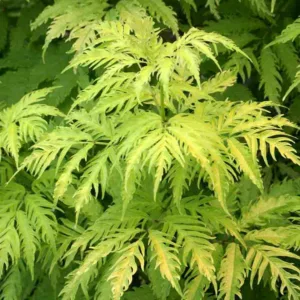
Leaves are opposite and pinnate, with toothed leaflets that read as fresh green through summer. Crush a leaf and you may notice a distinctive scent, part of the plant’s identity. The natural texture plays well with fine grasses and broad leaf perennials in mixed plantings.
Cold hardy in USDA zones 3 to 9, American elderberry thrives where winters bite and summers bring humidity. It appreciates steady moisture and tolerates seasonal flooding better than many shrubs. Once established it can handle brief dry periods, but prolonged drought or compacted soils reduce growth and fruiting.
This is a true every day fruiting shrub for home cooks and gardeners. The harvest is versatile and the plant itself earns its keep as structure, habitat, and seasonal drama.
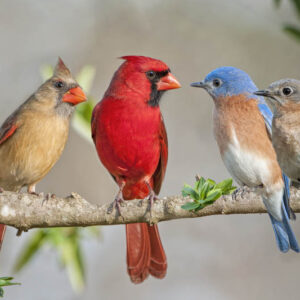
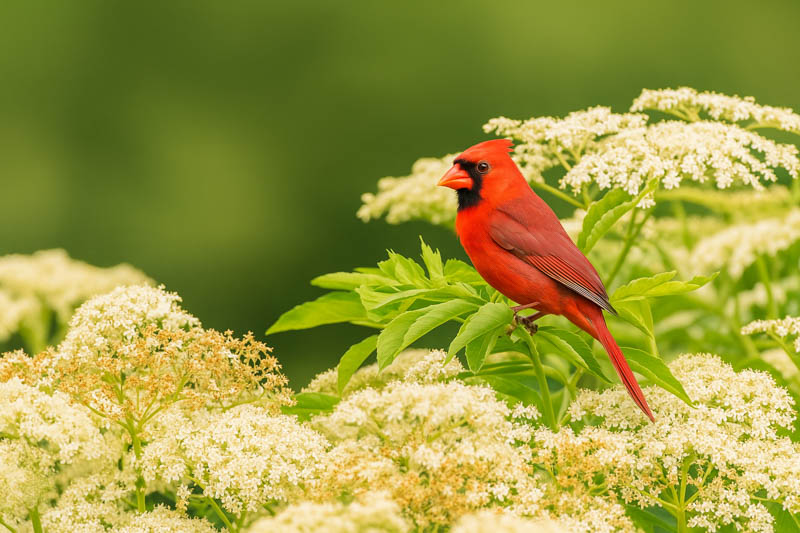
Few native shrubs serve as many neighbors as American elderberry. The broad white bloom plates draw bees and butterflies. Berries feed numerous bird species, including the American Goldfinch, American Robin, Baltimore Oriole, Cedar Waxwing, Eastern Bluebird, House Finch, Northern Cardinal, Northern Mockingbird, warblers, and many more. The dense network of stems offers shelter for nesting. If you want to save some clusters for the kitchen, net a portion near ripening time and leave the rest to wildlife.
Use common sense in the kitchen. Cook ripe berries before eating. Leaves, stems, bark, roots, and seeds contain compounds that can release cyanide in the body. Raw or undercooked material may cause nausea, vomiting, or diarrhea. Proper cooking and straining remove stems and seeds and make the fruit suitable for recipes.
Within its native range american elderberry is not considered invasive and is welcome in habitat gardens, hedges, and restoration work. It is vigorous and spreads by root suckers, especially in fertile soils. Control is simple. Cut unwanted shoots at the base and focus growth where you want fruit and flowers. In regions outside its native area, check local guidance before planting near wildlands.
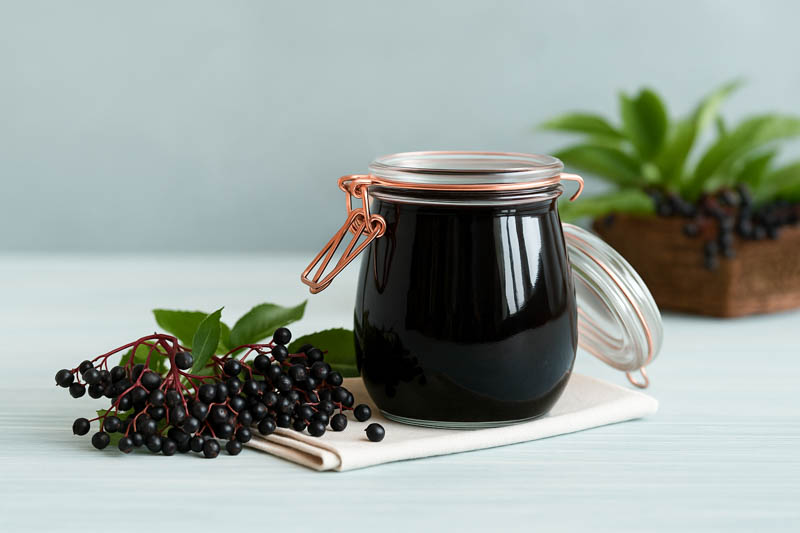
People value elderberries for deep color, tart sweetness after cooking, and a pantry friendly versatility. Talk to a health professional for medical advice. From a culinary perspective, elderberry benefits include flavor, useful pectin levels for preserving, and pigments that make jams, syrups, and cordials look as good as they taste.
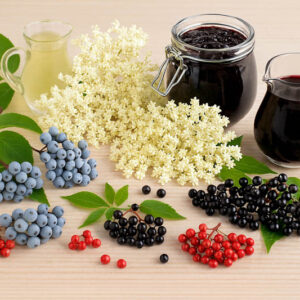
Elderberry syrup belongs in many home fridges since it turns seltzer into a quick spritzer, glazes roasted fruit, and sweetens yogurt bowls. Elderberry juice reduces to a luscious sauce for desserts or blends into gummies for fun weekend projects. A warm cup of elderberry tea is a cozy, caffeine free option for cool evenings.
Always cook the ripe clusters before straining and flavoring. Discard stems and seeds. Label jars clearly so everyone knows they contain cooked elderberries and keep products chilled unless a tested canning recipe says they are shelf stable.
| Cultivar | Traits | Habit & Size | Best Uses | Notes |
|---|---|---|---|---|
| ‘Adams’ | Large clusters, traditional flavor | Upright, 8 to 10 ft | Syrup, juice, pies | Often paired with ‘York’ for pollination |
| ‘York’ | Very large berries and umbels | Rounded, 6 to 10 ft | Freezer friendly harvests | Good partner for ‘Adams’ |
| ‘Johns’ | Early ripening, heavy bearing | Vigorous, 8 to 12 ft | Juice and jelly | Reliable in cool summers |
| ‘Nova’ | Cold tolerant, balanced flavor | Compact, 6 to 8 ft | Small gardens and tubs | Self fruitful to a degree, yields improve with a partner |
| ‘Ranch’ | Even ripening, easy picking | Rounded, 6 to 8 ft | Backyard hedges, processing | Neat form for rows and hedges |
| ‘Wyldewood’ | Very heavy clusters | Strong, 8 to 10 ft | Syrup and juice projects | Often paired with ‘Bob Gordon’ |
| ‘Bob Gordon’ | High yields, flexible clusters | Upright, 6 to 10 ft | Commercial and home use | Known for quality juice |
| ‘Scotia’ | Cold hardy with full flavor | Medium, 6 to 8 ft | Northern gardens | Consistent in cool climates |
It helps to know the elderberry family when you plan a mixed planting. You may see neighbors growing red elderberry and blue elderberry, and you can still enjoy those while relying on american elderberry for cooking projects.
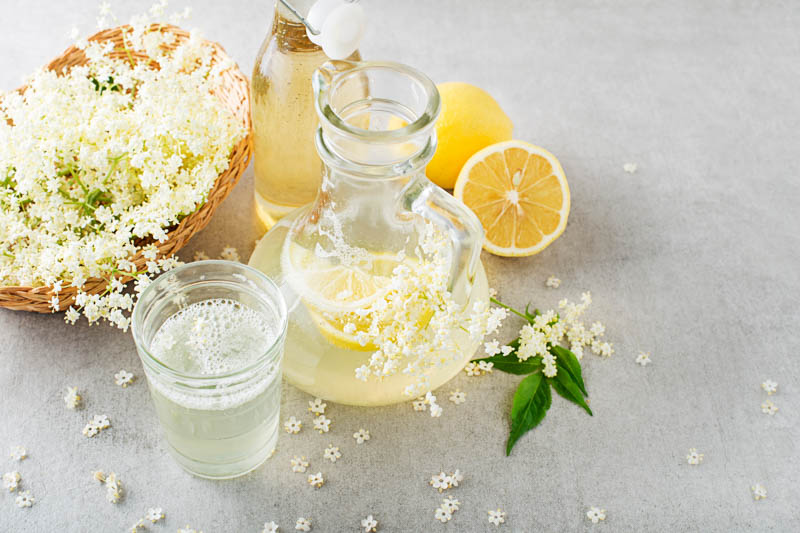
Few fruiting shrubs repay basic care with such abundance. Give this elderberry plant sun, moisture, and space and it will thank you with flowers for pollinators and fruit for the kitchen.
Great fruit comes from fresh wood. Aim for a rotating cast of canes by removing a portion of the oldest, thickest stems each late winter.
Compact cultivars can fruit in very large tubs of 15 to 25 gallons. Use rich, well draining potting mix and water often in summer. Refresh the top few inches of mix yearly and root prune as needed to keep the plant vigorous.
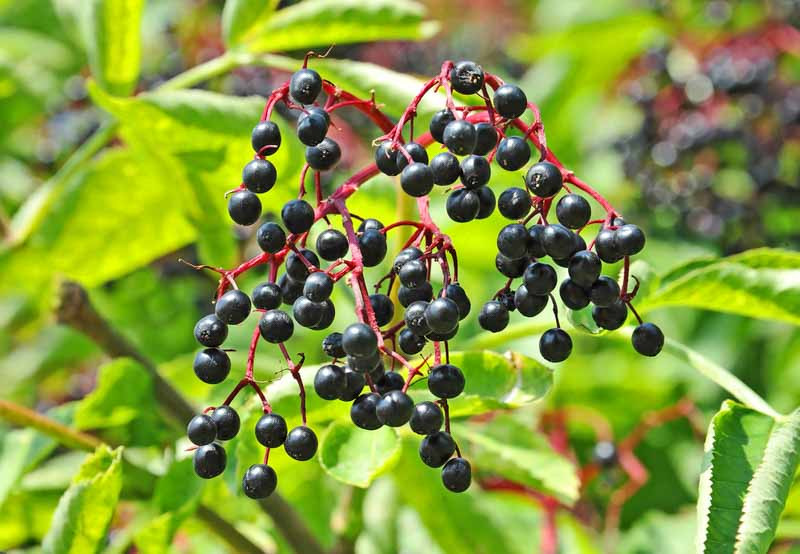
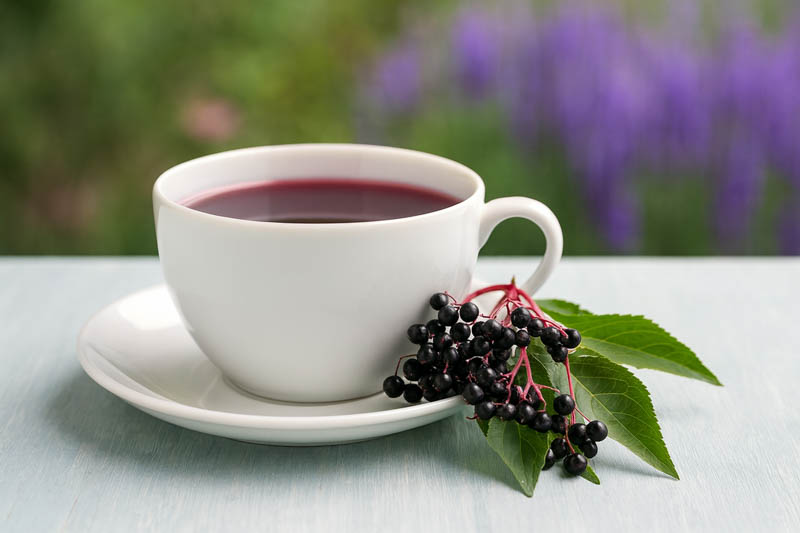
These methods keep elderberry juice, elderberry syrup, and elderberry tea ready for quick treats. Use clean jars, label them, and follow tested canning recipes for anything stored at room temperature.
Plant american elderberry and you tap into a tradition of hedgerows and home kitchens across the continent. The shrub is forgiving and generous. Give it sun, moisture, and a little yearly pruning and it will reward you with flowers for spring projects and a reliable supply of berries for elderberry syrup, elderberry juice, and elderberry tea. With two or three plants you can practice renewal pruning, keep a steady rotation of fruiting canes, and fill your pantry with jars that taste like late summer. You will also be feeding pollinators and birds and adding structure and movement to your garden through the seasons.
Along the way you can learn the broader elderberry clan. Red elderberry and blue elderberry both have roles to play in habitat and regional cooking. For the everyday pantry in much of North America, the native american elderberry is the easiest place to start. It behaves well in gardens, it partners beautifully with other native shrubs, and it turns ordinary afternoons into sparkling spritzers and warm, fragrant desserts. Grow it once and you will likely grow it again.
American elderberry, Sambucus canadensis, is a fast growing native shrub valued for fragrant spring flowers and clusters of dark purple fruit. It thrives across much of North America, supports wildlife, and supplies the kitchen with fruit for syrup, juice, jam, and tea when cooked properly.
Most cultivars handle zones 3 to 9, making the plant adaptable to cold winters and warm summers. In the coldest areas, mulch the root zone and expect some tip dieback. In hot summer regions, steady moisture and a touch of afternoon shade keep foliage looking fresh.
Mature size is commonly 5 to 12 feet tall and wide. Size depends on cultivar, soil fertility, moisture, and pruning. Fruiting is best when the plant has room for sun and airflow, so avoid cramming it into tight spaces.
Full sun gives the most flowers and fruit. Light shade is fine in hot climates, especially during late afternoon. Deep shade reduces flowering and encourages lanky growth.
Moist, fertile, well drained soil produces the strongest shrubs. A pH from about 5.5 to 7.0 works well. Mix in compost at planting, keep a two to three inch mulch, and avoid waterlogged sites that starve roots of oxygen.
Elderberry appreciates consistent moisture from spring through fruit sizing. Water deeply once or twice per week in dry spells rather than frequent shallow sips. Mulch helps hold moisture and moderates soil temperature.
A single shrub may set some fruit, but two different American elderberry cultivars usually deliver larger clusters and more even ripening. Place them within easy bee flight and try to match bloom times for best pollination.
Pollination within the same species is far more reliable. If you grow Sambucus canadensis, pair it with another canadensis cultivar rather than relying on a European Sambucus nigra partner.
With decent care, expect a light crop in year two and better yields by year three. Production improves as you establish a rhythm of renewal pruning and steady watering.
A mature, well cared plant often yields about 8 to 15 pounds per season. Exceptional plants in rich soil with perfect weather can exceed that, while young or drought stressed shrubs yield less.
In late summer to early fall, clusters turn uniformly deep purple and glossy. Berries detach with a gentle tug, the stems darken, and taste tests after cooking show balanced tart and sweet.
Cooks prize the fruit for flavorful pantry staples such as elderberry syrup, elderberry juice, jam, and elderberry tea. The berries contain pigments like anthocyanins along with vitamin C and fiber. Enjoy them as food and always seek medical advice for health questions.
Elderberry syrup for waffles and spritzers, juice for jelly and gummies, jam and fruit leather for snacks, and country wine where allowed. Many households also keep dried berries for quick tea. Always cook fruit and strain.
Yes, but choose a very large pot from about 20 to 30 gallons, with many drain holes and a rich potting mix. Water often in warm weather and feed lightly a few times a year. Container plants dry out quickly, so be consistent.
Red elderberry, Sambucus racemosa, bears bright red fruit and is chiefly planted for wildlife and landscape value rather than common kitchen use. Treat red elderberry as a habitat plant and stick with American elderberry for pantry projects.
Blue elderberry is often listed as Sambucus nigra subsp. caerulea or Sambucus cerulea. It ripens to dusty blue and is used cooked by foragers in parts of the western United States. Identification and proper preparation are essential as with any wild harvest.
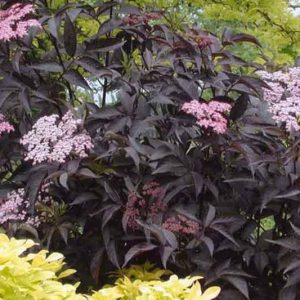
merican elderberry is native to North America and typically handles summer heat and humidity well. European black elderberry, Sambucus nigra, includes many ornamental selections and is the classic hedgerow plant in Europe. For best yields, pair cultivars within the same species.
Updated: September 2025 • Reviewed by Gardenia Editors
| Hardiness |
3 - 9 |
|---|---|
| Heat Zones |
1 - 9 |
| Climate Zones | 1, 1A, 1B, 2, 2A, 2B, 3, 3A, 3B, 4, 5, 6, 7, 14, 15, 16, 17, A1, A2, A3 |
| Plant Type | Shrubs |
| Plant Family | Adoxaceae |
| Genus | Sambucus |
| Common names | Elderberry |
| Exposure | Full Sun, Partial Sun |
| Season of Interest | Spring (Late), Summer (Early, Mid, Late), Fall |
| Height | 5' - 12' (150cm - 3.7m) |
| Spread | 5' - 12' (150cm - 3.7m) |
| Spacing | 60" - 144" (150cm - 3.7m) |
| Maintenance | Average |
| Water Needs | Average |
| Soil Type | Chalk, Clay, Loam, Sand |
| Soil pH | Acid, Alkaline, Neutral |
| Soil Drainage | Moist but Well-Drained |
| Characteristics | Fragrant, Showy, Fruit & Berries |
| Native Plants | United States, Pennsylvania, Rhode Island, Vermont, Connecticut, Delaware, Maine, Massachusetts, Maryland, New Hampshire, New Jersey, New York, California, Northeast, Midwest, Southeast, Southwest, Rocky Mountains, Illinois, Indiana, Iowa, Kansas, Michigan, Minnesota, Missouri, Nebraska, North Dakota, Ohio, South Dakota, Wisconsin, Louisiana, Mississippi, North Carolina, South Carolina, Tennessee, Virginia, West Virginia, Alabama, Arkansas, Florida, Georgia, Kentucky, Texas, Arizona, New Mexico, Oklahoma, Colorado, Montana, Wyoming |
| Tolerances | Clay Soil, Wet Soil, Heat, Fire, Erosion |
| Attracts | Birds, Butterflies |
| Garden Uses | Beds And Borders, Hedges And Screens, Rain Gardens |
| Garden Styles | Informal and Cottage |
| Toxic to Humans | Low severity |
| Toxic to Cats | No known toxicity |
| Toxic to Dogs | No known toxicity |
| Toxic to Horses | No known toxicity |


| Hardiness |
3 - 9 |
|---|---|
| Heat Zones |
1 - 9 |
| Climate Zones | 1, 1A, 1B, 2, 2A, 2B, 3, 3A, 3B, 4, 5, 6, 7, 14, 15, 16, 17, A1, A2, A3 |
| Plant Type | Shrubs |
| Plant Family | Adoxaceae |
| Genus | Sambucus |
| Common names | Elderberry |
| Exposure | Full Sun, Partial Sun |
| Season of Interest | Spring (Late), Summer (Early, Mid, Late), Fall |
| Height | 5' - 12' (150cm - 3.7m) |
| Spread | 5' - 12' (150cm - 3.7m) |
| Spacing | 60" - 144" (150cm - 3.7m) |
| Maintenance | Average |
| Water Needs | Average |
| Soil Type | Chalk, Clay, Loam, Sand |
| Soil pH | Acid, Alkaline, Neutral |
| Soil Drainage | Moist but Well-Drained |
| Characteristics | Fragrant, Showy, Fruit & Berries |
| Native Plants | United States, Pennsylvania, Rhode Island, Vermont, Connecticut, Delaware, Maine, Massachusetts, Maryland, New Hampshire, New Jersey, New York, California, Northeast, Midwest, Southeast, Southwest, Rocky Mountains, Illinois, Indiana, Iowa, Kansas, Michigan, Minnesota, Missouri, Nebraska, North Dakota, Ohio, South Dakota, Wisconsin, Louisiana, Mississippi, North Carolina, South Carolina, Tennessee, Virginia, West Virginia, Alabama, Arkansas, Florida, Georgia, Kentucky, Texas, Arizona, New Mexico, Oklahoma, Colorado, Montana, Wyoming |
| Tolerances | Clay Soil, Wet Soil, Heat, Fire, Erosion |
| Attracts | Birds, Butterflies |
| Garden Uses | Beds And Borders, Hedges And Screens, Rain Gardens |
| Garden Styles | Informal and Cottage |
| Toxic to Humans | Low severity |
| Toxic to Cats | No known toxicity |
| Toxic to Dogs | No known toxicity |
| Toxic to Horses | No known toxicity |
How many Sambucus canadensis (American Elderberry) do I need for my garden?
| Plant | Quantity | |
|---|---|---|
| Sambucus canadensis (American Elderberry) | N/A | Buy Plants |
Create a membership account to save your garden designs and to view them on any device.
Becoming a contributing member of Gardenia is easy and can be done in just a few minutes. If you provide us with your name, email address and the payment of a modest $25 annual membership fee, you will become a full member, enabling you to design and save up to 25 of your garden design ideas.
Join now and start creating your dream garden!
Create a membership account to save your garden designs and to view them on any device.
Becoming a contributing member of Gardenia is easy and can be done in just a few minutes. If you provide us with your name, email address and the payment of a modest $25 annual membership fee, you will become a full member, enabling you to design and save up to 25 of your garden design ideas.
Join now and start creating your dream garden!