Chokecherry, American Chokecherry, Virginian Bird Cherry
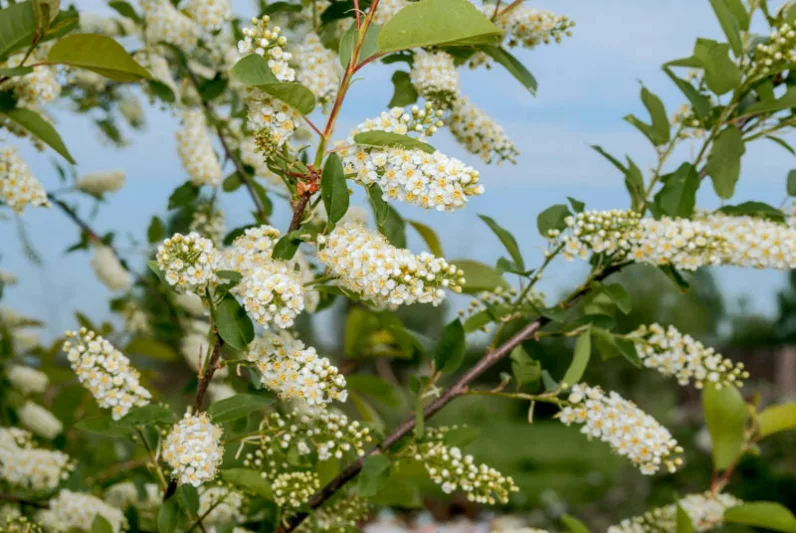
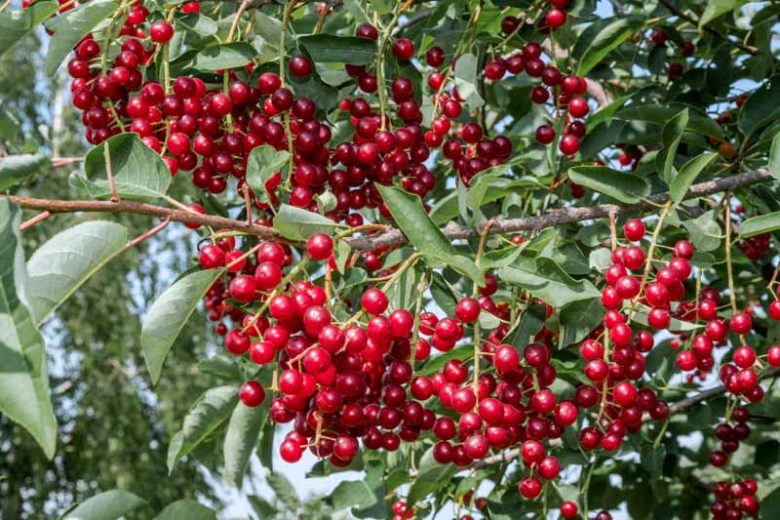


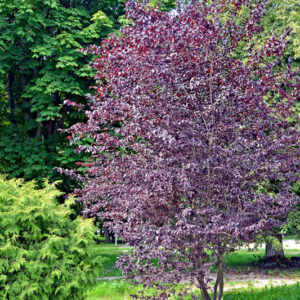
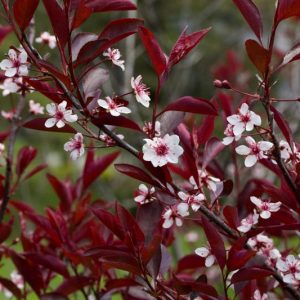
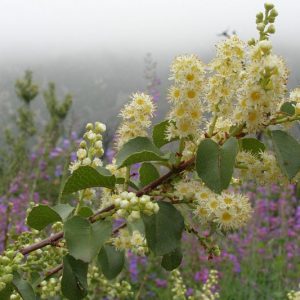
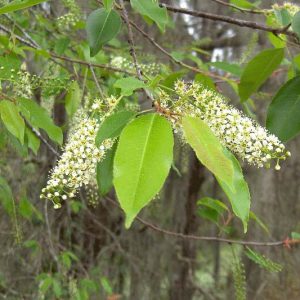
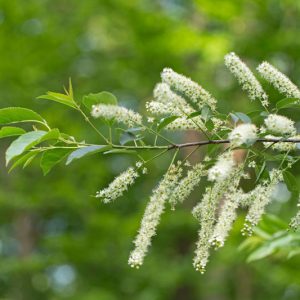
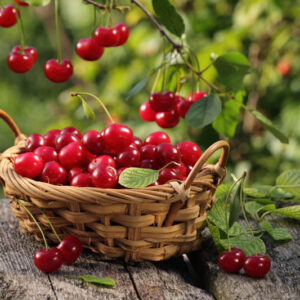
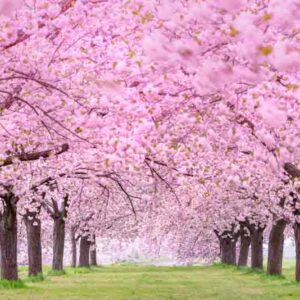
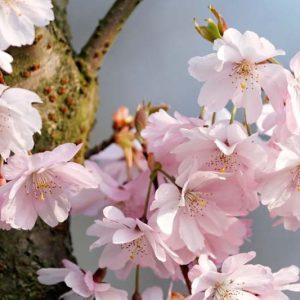
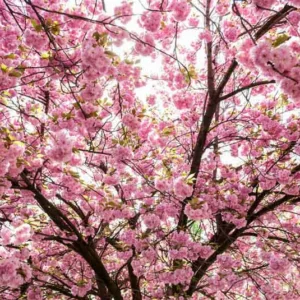
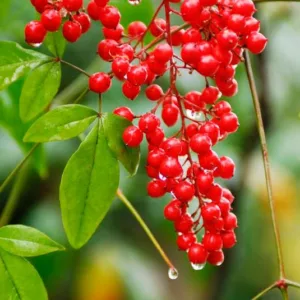
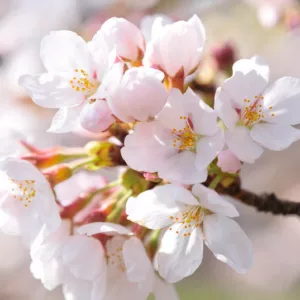
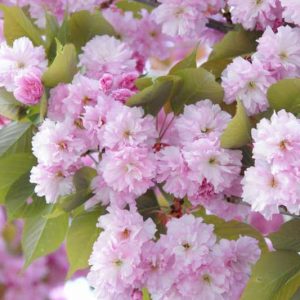
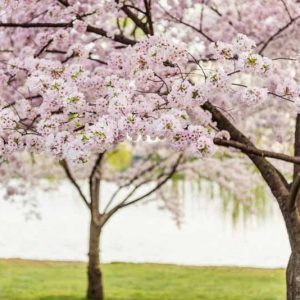
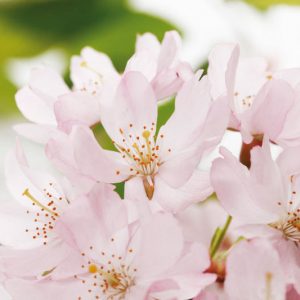
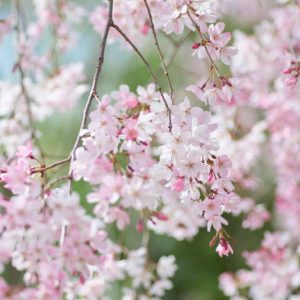
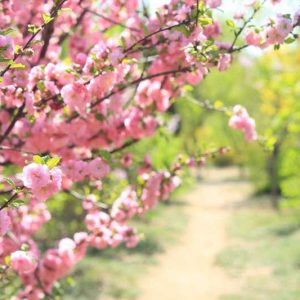
Prunus virginiana (Chokecherry) is a suckering small tree or large shrub adorned with an irregular, oval-rounded crown clothed in elliptic, sharply toothed leaves. Dark green above and gray-green beneath, they turn brilliant golden-yellow and orange in the fall. In mid-spring, a profusion of fragrant, cup-shaped, white flowers held in elongated clusters, up to 6 in. long (15 cm), smother the bare branches and create a terrific floral display. The blossoms give way to clusters of rounded, pea-sized, red berries that ripen to dark purple-black in late summer. Attractive to birds and other wildlife, the berries are tart when raw but can be harvested for processing into jams, jellies, pies, and sauces.
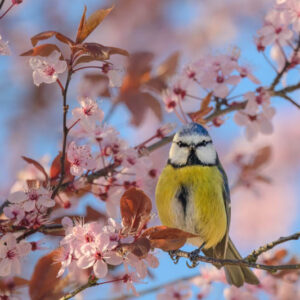
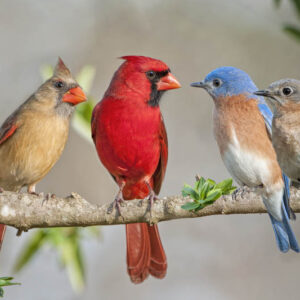
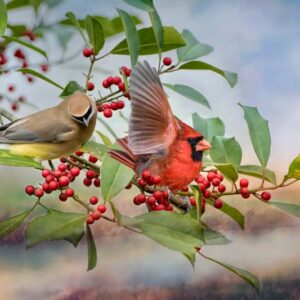
Prunus virginiana is a magnet for numerous bird species, including the American Robin, Baltimore Oriole, Blue Jay, Cedar Waxwing, Eastern Bluebird, House Finch, Northern Cardinal, Northern Mockingbird, and Ruby-Throated Hummingbird. Its abundant berries and dense foliage provide essential food and shelter, making it a cherished resource for avian visitors.
| Hardiness |
2 - 7 |
|---|---|
| Heat Zones |
1 - 8 |
| Climate Zones | 1, 1A, 1B, 2, 2A, 2B, 3, 3A, 3B, 10, A1, A2, A3 |
| Plant Type | Shrubs, Trees |
| Plant Family | Rosaceae |
| Genus | Prunus - Flowering Cherry Tree |
| Common names | Chokecherry |
| Exposure | Full Sun, Partial Sun |
| Season of Interest | Spring (Mid, Late), Summer (Late), Fall |
| Height | 20' - 30' (6.1m - 9.1m) |
| Spread | 15' - 20' (4.6m - 6.1m) |
| Maintenance | Average |
| Water Needs | Low, Average |
| Soil Type | Clay, Loam, Sand |
| Soil pH | Acid, Alkaline, Neutral |
| Soil Drainage | Well-Drained |
| Characteristics | Fragrant, Showy, Fruit & Berries |
| Native Plants | United States, Pennsylvania, Rhode Island, Vermont, Connecticut, Delaware, Maine, Massachusetts, Maryland, New Hampshire, New Jersey, New York, California, Northeast, Midwest, Pacific Northwest, Southeast, Southwest, Rocky Mountains, Alaska, Illinois, Indiana, Iowa, Kansas, Michigan, Minnesota, Missouri, Nebraska, North Dakota, Ohio, South Dakota, Wisconsin, Idaho, Oregon, Washington, North Carolina, Tennessee, Virginia, West Virginia, Arkansas, Georgia, Kentucky, Texas, Arizona, Nevada, New Mexico, Oklahoma, Colorado, Montana, Utah, Wyoming |
| Tolerances | Drought, Dry Soil, Rocky Soil, Heat, Fire |
| Attracts | Birds, Butterflies |
| Garden Uses | Beds And Borders, Hedges And Screens |
| Garden Styles | Informal and Cottage, Japanese Garden, Traditional Garden |
| Toxic to Humans | No known toxicity |
| Toxic to Cats | No known toxicity |
| Toxic to Dogs | No known toxicity |
| Toxic to Horses | No known toxicity |


| Hardiness |
2 - 7 |
|---|---|
| Heat Zones |
1 - 8 |
| Climate Zones | 1, 1A, 1B, 2, 2A, 2B, 3, 3A, 3B, 10, A1, A2, A3 |
| Plant Type | Shrubs, Trees |
| Plant Family | Rosaceae |
| Genus | Prunus - Flowering Cherry Tree |
| Common names | Chokecherry |
| Exposure | Full Sun, Partial Sun |
| Season of Interest | Spring (Mid, Late), Summer (Late), Fall |
| Height | 20' - 30' (6.1m - 9.1m) |
| Spread | 15' - 20' (4.6m - 6.1m) |
| Maintenance | Average |
| Water Needs | Low, Average |
| Soil Type | Clay, Loam, Sand |
| Soil pH | Acid, Alkaline, Neutral |
| Soil Drainage | Well-Drained |
| Characteristics | Fragrant, Showy, Fruit & Berries |
| Native Plants | United States, Pennsylvania, Rhode Island, Vermont, Connecticut, Delaware, Maine, Massachusetts, Maryland, New Hampshire, New Jersey, New York, California, Northeast, Midwest, Pacific Northwest, Southeast, Southwest, Rocky Mountains, Alaska, Illinois, Indiana, Iowa, Kansas, Michigan, Minnesota, Missouri, Nebraska, North Dakota, Ohio, South Dakota, Wisconsin, Idaho, Oregon, Washington, North Carolina, Tennessee, Virginia, West Virginia, Arkansas, Georgia, Kentucky, Texas, Arizona, Nevada, New Mexico, Oklahoma, Colorado, Montana, Utah, Wyoming |
| Tolerances | Drought, Dry Soil, Rocky Soil, Heat, Fire |
| Attracts | Birds, Butterflies |
| Garden Uses | Beds And Borders, Hedges And Screens |
| Garden Styles | Informal and Cottage, Japanese Garden, Traditional Garden |
| Toxic to Humans | No known toxicity |
| Toxic to Cats | No known toxicity |
| Toxic to Dogs | No known toxicity |
| Toxic to Horses | No known toxicity |
How many Prunus virginiana (Chokecherry) do I need for my garden?
| Plant | Quantity | |
|---|---|---|
| Prunus virginiana (Chokecherry) | N/A | Buy Plants |
Create a membership account to save your garden designs and to view them on any device.
Becoming a contributing member of Gardenia is easy and can be done in just a few minutes. If you provide us with your name, email address and the payment of a modest $25 annual membership fee, you will become a full member, enabling you to design and save up to 25 of your garden design ideas.
Join now and start creating your dream garden!
Create a membership account to save your garden designs and to view them on any device.
Becoming a contributing member of Gardenia is easy and can be done in just a few minutes. If you provide us with your name, email address and the payment of a modest $25 annual membership fee, you will become a full member, enabling you to design and save up to 25 of your garden design ideas.
Join now and start creating your dream garden!