Anise Hyssop, Blue Giant Hyssop, Fragrant Giant Hyssop, Lavender Giant Hyssop, Giant Hyssop, Licorice Mint, Fennel Hyssop
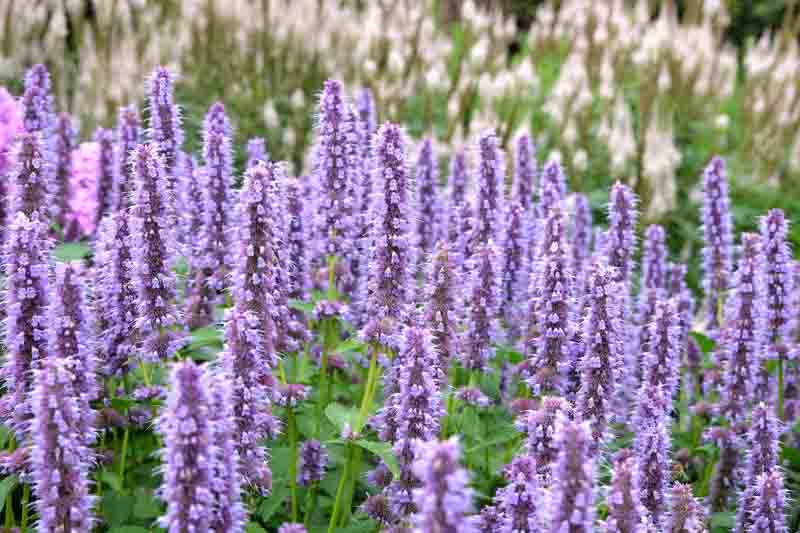
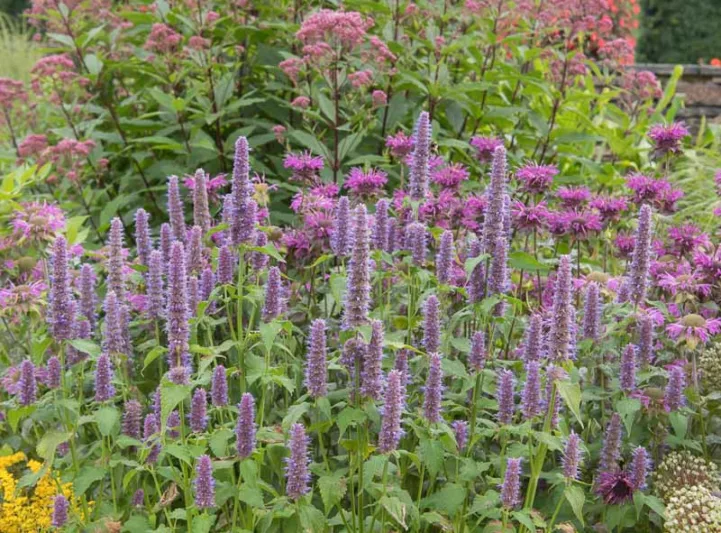


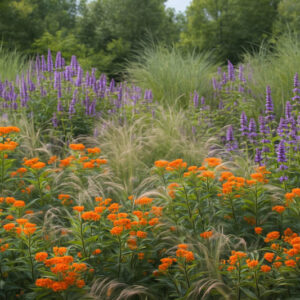
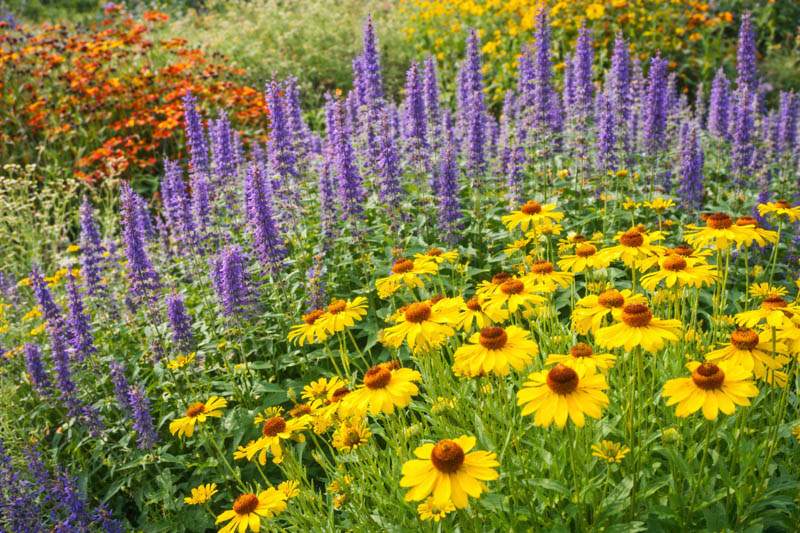
Agastache foeniculum, commonly known as Anise Hyssop or Blue Giant Hyssop, is a fragrant, herbaceous perennial in the mint family (Lamiaceae) that brings color, aroma, and life to sunny gardens. Native to the prairies and open woodlands of northern North America, this upright perennial forms leafy clumps topped with tall spikes of violet to lavender-purple flowers that appear from early summer until late autumn. It is one of those rare plants that is as useful in the kitchen as it is beautiful in the border.
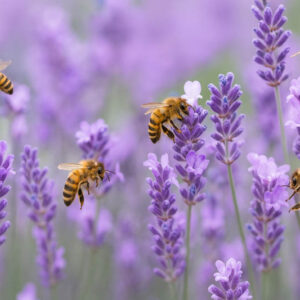
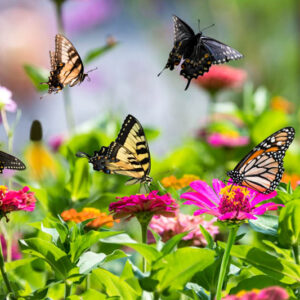
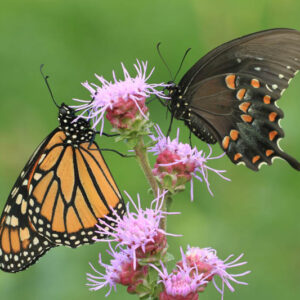
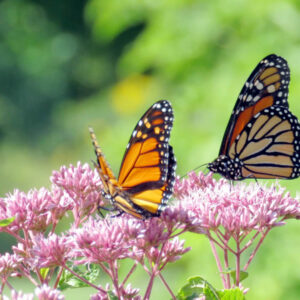
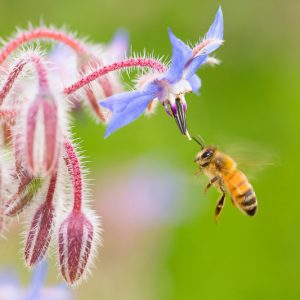
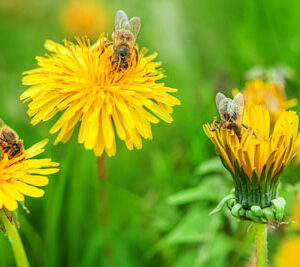
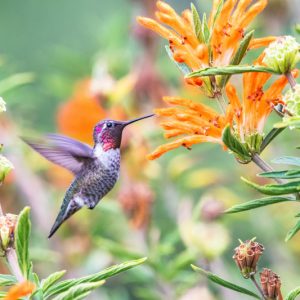
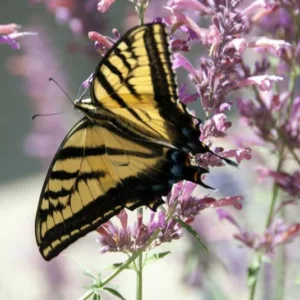
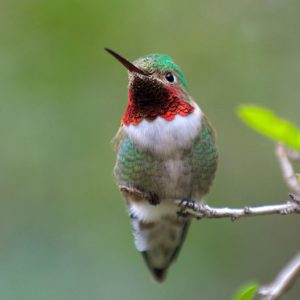
The foliage releases a sweet anise or licorice scent when brushed, and both leaves and seeds can be used in teas, salads, baked goods, and other culinary creations. In the garden, Anise Hyssop is a pollinator magnet, drawing in clouds of bees, butterflies, hummingbirds, and beneficial insects. It is also remarkably tough – drought tolerant once established, resistant to deer and rabbits, and happy in average, well drained soil. Whether you are planting a prairie style border, a pollinator garden, or a relaxed cottage bed, Agastache foeniculum earns its place.
Summary: Upright, clump forming, herbaceous perennial with aromatic foliage and tall spikes of violet to lavender flowers.
Use: Butterfly gardens, cottage gardens, meadows, prairie plantings, herb gardens, pollinator strips, cutting gardens, edible gardens.
Highlight: Very long bloom season, intense pollinator attraction, and fragrant, edible leaves and seeds.
Note: Drought tolerant once established, generally resistant to deer, rabbits, insects, and diseases.
| Botanical Name | Agastache foeniculum |
|---|---|
| Family | Lamiaceae (Mint Family) |
| Common Names | Anise Hyssop, Blue Giant Hyssop |
| Native Range | Midwest and prairies of northern North America |
| Plant Type and Habit | Herbaceous perennial with an erect, clump forming habit. |
| Hardiness (approx. USDA) | USDA 4 to 8 (often successful in 9 with good drainage). |
| Size | Mature plants typically reach 3 to 5 ft. tall and 1.5 to 3 ft. wide. |
| Sun and Exposure | Thrives in full sun but tolerates partial shade. |
| Soil | Mesic to dry, well drained soil; grows well in sandy, loamy, or shallow rocky soils. |
| Seasonal Interest | Summer to fall flowering, often from June or July until late autumn. |
| Primary Uses | Pollinator gardens, borders, naturalized meadows, slopes, coastal gardens, cutting and edible gardens. |
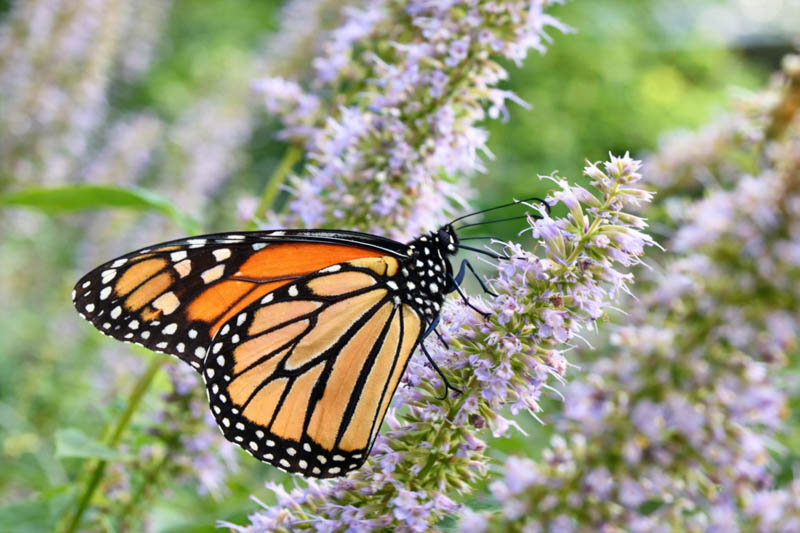
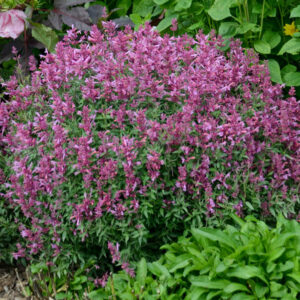
Anise Hyssop is an upright, medium textured perennial with square, green stems and opposite leaves typical of the mint family. The leaves are ovate to broad lanceolate, about 3 to 6 in. long and 1 to 3 in. wide, with serrated margins and a soft green color. When you rub the leaves, they release a strong anise or licorice fragrance that is both ornamental and culinary.
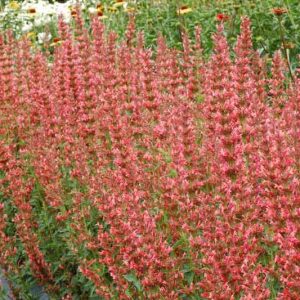
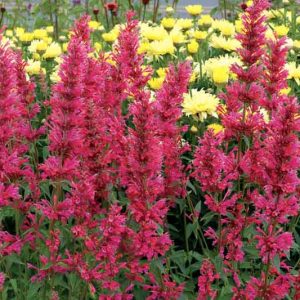
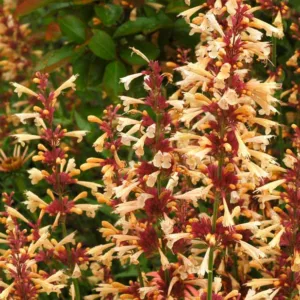
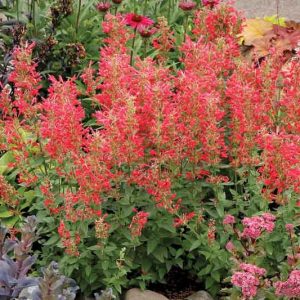
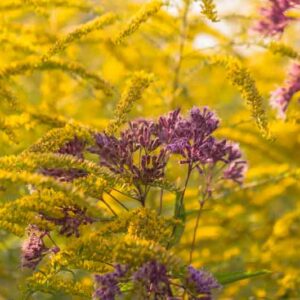
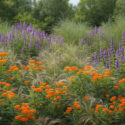
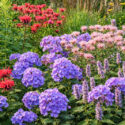
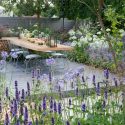
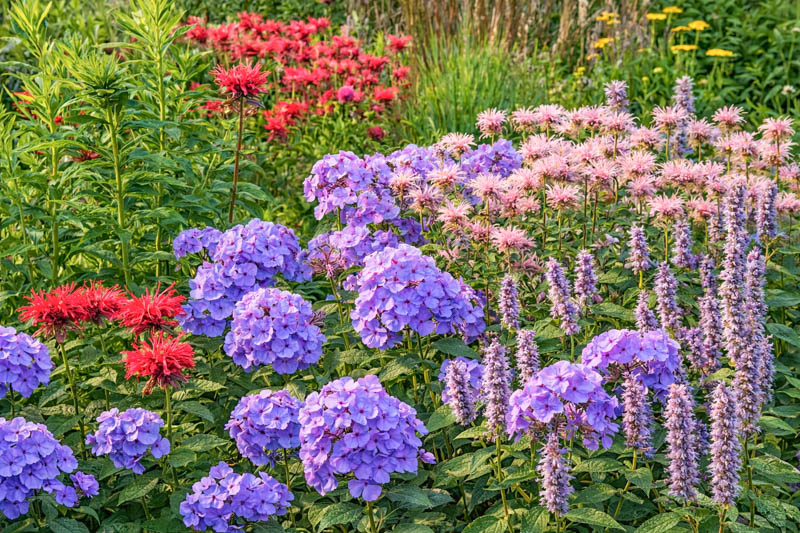
The upper stems are topped with showy flower spikes about 3 to 6 in. long. Each spike is made up of many tiny tubular, two lipped flowers arranged in dense whorls that crowd along the spike. Flower colors range from soft lavender and violet to more vibrant purple or bluish shades, depending on the selection or cultivar. After flowering, the blooms are replaced by smooth, oval shaped nutlets containing the seeds.
Anise Hyssop is native to the Midwest and northern prairies of North America, where it grows in meadows, open woodlands, and along slopes and banks. Its natural adaptation to these environments helps explain its tolerance of dry conditions, lean soils, and temperature extremes.
Plants grow 3 to 5 ft. tall, usually with a medium growth rate and an erect, upright form. Clumps gradually expand at the base and may self seed around the parent plant, creating small colonies in favorable conditions. When planted 12 to 36 in. apart, they quickly knit together into a cohesive drift without becoming aggressive.
Flowering typically begins in mid to late summer, often around late June or July, and can continue into late autumn if spent spikes are removed. The long bloom season makes Anise Hyssop one of the 20 key pollinator plants recommended to be in flower during August for events such as the Great Southeast Pollinator Census.
The fragrant foliage remains attractive throughout the season, contributing texture and aroma even before flowering begins. Leaves are edible and can be used as flavoring in salads and teas, while flowers can be used as a seasoning or in herbal blends. The plant also dries well for use in potpourri and dried arrangements.
Agastache foeniculum is reliably hardy in USDA Zones 4 to 8 and often succeeds in Zone 9 in sharply drained soil. Plants overwinter well where drainage is good, even in cold climates.
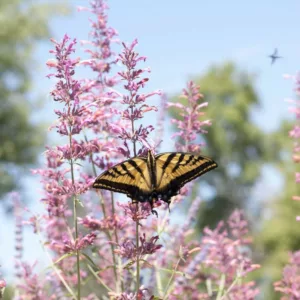
Anise Hyssop is a wildlife friendly perennial. It provides nectar for bees, butterflies, and hummingbirds, and its seeds are eaten by songbirds once the flowers fade. It also contributes to habitat gardens and is valued as a wildlife food source in ecological plantings.
The aromatic foliage and mint family chemistry make this species particularly resistant to deer and rabbits. In many gardens it is noted as both deer resistant and rabbit resistant, an excellent choice where browsing is a recurring problem.
Once established in well drained soil, Anise Hyssop performs admirably in mesic to dry conditions and is often included in drought tolerant plantings. It prefers regular moisture but does not like wet feet; crown and root rot can develop in poorly drained sites.
Anise Hyssop is generally regarded as an edible herb rather than a toxic plant. The leaves and flowers are used in teas and seasoning, and the seeds are used in cookies, cakes, and muffins. As with all herbs, moderate use and sensible supervision of children and pets are advised.
Although Anise Hyssop self seeds, it is not considered invasive. Seedlings are easy to recognize and can be thinned, transplanted, or left in place to form larger drifts, depending on the gardener’s preference.

In most garden soils, Anise Hyssop needs no regular fertilization. Where soil is poor, a light application of compost or a balanced fertilizer in spring is sufficient. Excess nitrogen can make plants overly tall and reduce their aromatic intensity.
Yes. Agastache foeniculum is widely grown as a culinary and tea herb. The leaves have a sweet anise or licorice flavor and can be used in salads, herbal teas, and garnishes. The flowers are also edible and may be used as a seasoning or decorative topping. The seeds are sometimes added to cookies, cakes, and muffins for a subtle anise note.
Under good growing conditions, Agastache foeniculum typically begins flowering in early to mid summer and continues into late autumn. With regular deadheading, the bloom period can extend for 10 to 12 weeks or more, providing a long lasting nectar source for pollinators and color for the garden.
Yes. Once established in well drained soil, Agastache foeniculum is considered drought tolerant and suitable for low water and prairie style plantings. It prefers mesic to dry conditions and is more likely to suffer from root or crown rot in wet, heavy soils than from short dry spells.
Agastache foeniculum is one of the most valuable pollinator perennials for summer and fall. Its dense spikes of tubular flowers are rich in nectar and attract honeybees, native bees, bumblebees, butterflies, and hummingbirds. It is often recommended as a key species in pollinator gardens and citizen science pollinator census projects.
Agastache foeniculum is not considered invasive. It self seeds moderately and may form small colonies, especially where soil is disturbed and bare patches are available. Seedlings are easy to recognize and can be thinned, transplanted, or left in place, allowing gardeners to control how much it spreads.
Agastache foeniculum grows best in full sun to light partial shade, in mesic to dry, well drained soil. It tolerates sandy, loamy, and shallow rocky soils and does not require rich fertility. Regular water is helpful during establishment, but mature plants need only occasional supplemental watering during extended drought.
Yes. The aromatic foliage and mint family chemistry make Agastache foeniculum unappealing to most browsing animals. It is widely reported as deer resistant and rabbit resistant, making it an excellent choice for gardens where herbivory is a recurring challenge.
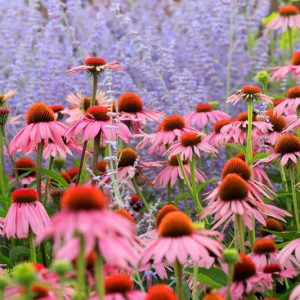
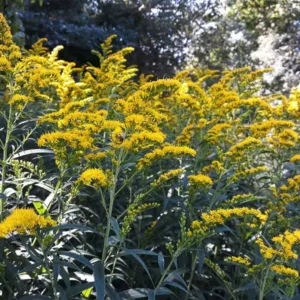
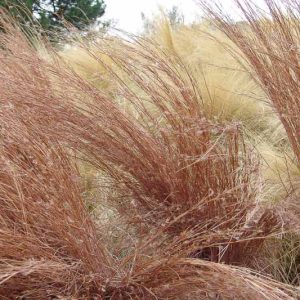
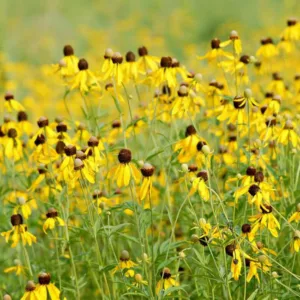
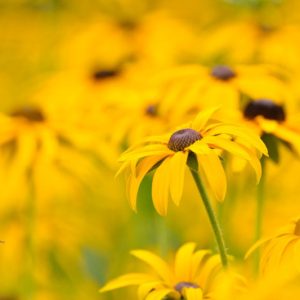
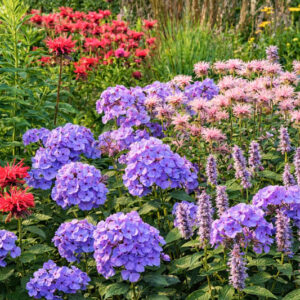
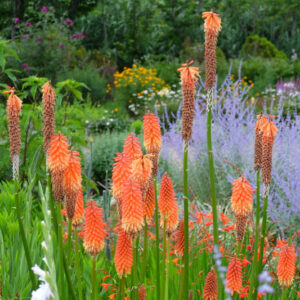
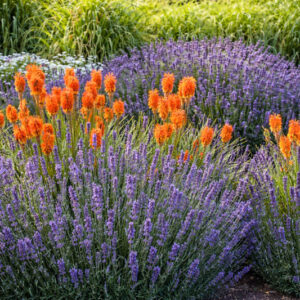
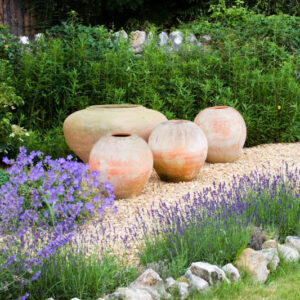
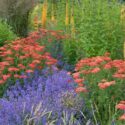
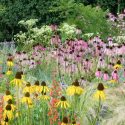
Agastache foeniculum fits naturally into pollinator gardens, prairie and meadow plantings, cottage borders, edible and herb gardens, and drought tolerant landscapes. Its vertical flower spikes, fragrant foliage, and long bloom period make it an ideal mid border or background plant, especially when combined with coneflowers, black eyed Susans, bee balm, and ornamental grasses.
USDA PLANTS Database species profile for Agastache foeniculum
Regional native plant societies and prairie restoration resources for North American flora
University and cooperative extension publications on herbaceous perennials, native plants, and pollinator garden design
Updated: December 2025 • Reviewed by Gardenia Editors
| Hardiness |
4 - 8 |
|---|---|
| Climate Zones | 1, 1A, 1B, 2, 2A, 2B, 3, 3A, 3B, 4, 5, 6, 7, 8, 9, 10, 11, 12, 13, 14, 15, 16, 17, 18, 19, 20, 21, 22, 23, 24, A3 |
| Plant Type | Perennials |
| Plant Family | Lamiaceae |
| Genus | Agastache |
| Common names | Anise Hyssop, Hyssop |
| Exposure | Full Sun, Partial Sun |
| Season of Interest | Summer (Early, Mid, Late), Fall |
| Height | 2' - 4' (60cm - 120cm) |
| Spread | 1' - 3' (30cm - 90cm) |
| Spacing | 18" - 36" (50cm - 90cm) |
| Maintenance | Average |
| Water Needs | Low, Average |
| Soil Type | Chalk, Loam, Sand |
| Soil pH | Acid, Alkaline, Neutral |
| Soil Drainage | Well-Drained |
| Characteristics | Cut Flowers, Fragrant, Showy |
| Native Plants | United States, Midwest, Rocky Mountains, Illinois, Iowa, Minnesota, North Dakota, South Dakota, Wisconsin, Montana |
| Tolerances | Drought, Deer, Dry Soil, Heat, Fire |
| Attracts | Bees, Butterflies, Hummingbirds |
| Garden Uses | Banks And Slopes, Beds And Borders |
| Garden Styles | Gravel and Rock Garden, Informal and Cottage, Mediterranean Garden |
| Toxic to Humans | No known toxicity |
| Toxic to Cats | No known toxicity |
| Toxic to Dogs | No known toxicity |
| Toxic to Horses | No known toxicity |


| Hardiness |
4 - 8 |
|---|---|
| Climate Zones | 1, 1A, 1B, 2, 2A, 2B, 3, 3A, 3B, 4, 5, 6, 7, 8, 9, 10, 11, 12, 13, 14, 15, 16, 17, 18, 19, 20, 21, 22, 23, 24, A3 |
| Plant Type | Perennials |
| Plant Family | Lamiaceae |
| Genus | Agastache |
| Common names | Anise Hyssop, Hyssop |
| Exposure | Full Sun, Partial Sun |
| Season of Interest | Summer (Early, Mid, Late), Fall |
| Height | 2' - 4' (60cm - 120cm) |
| Spread | 1' - 3' (30cm - 90cm) |
| Spacing | 18" - 36" (50cm - 90cm) |
| Maintenance | Average |
| Water Needs | Low, Average |
| Soil Type | Chalk, Loam, Sand |
| Soil pH | Acid, Alkaline, Neutral |
| Soil Drainage | Well-Drained |
| Characteristics | Cut Flowers, Fragrant, Showy |
| Native Plants | United States, Midwest, Rocky Mountains, Illinois, Iowa, Minnesota, North Dakota, South Dakota, Wisconsin, Montana |
| Tolerances | Drought, Deer, Dry Soil, Heat, Fire |
| Attracts | Bees, Butterflies, Hummingbirds |
| Garden Uses | Banks And Slopes, Beds And Borders |
| Garden Styles | Gravel and Rock Garden, Informal and Cottage, Mediterranean Garden |
| Toxic to Humans | No known toxicity |
| Toxic to Cats | No known toxicity |
| Toxic to Dogs | No known toxicity |
| Toxic to Horses | No known toxicity |
How many Agastache foeniculum (Anise Hyssop) do I need for my garden?
| Plant | Quantity | |
|---|---|---|
| Agastache foeniculum (Anise Hyssop) | N/A | Buy Plants |
Create a membership account to save your garden designs and to view them on any device.
Becoming a contributing member of Gardenia is easy and can be done in just a few minutes. If you provide us with your name, email address and the payment of a modest $25 annual membership fee, you will become a full member, enabling you to design and save up to 25 of your garden design ideas.
Join now and start creating your dream garden!
Create a membership account to save your garden designs and to view them on any device.
Becoming a contributing member of Gardenia is easy and can be done in just a few minutes. If you provide us with your name, email address and the payment of a modest $25 annual membership fee, you will become a full member, enabling you to design and save up to 25 of your garden design ideas.
Join now and start creating your dream garden!