Create Your Garden

Abelia × grandiflora (Glossy Abelia)

Glossy Abelia, Abelia rupestris var. grandiflora
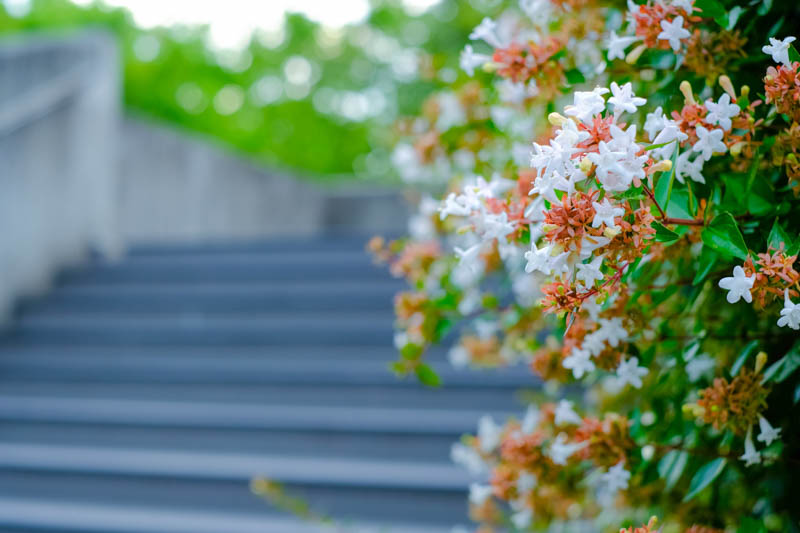
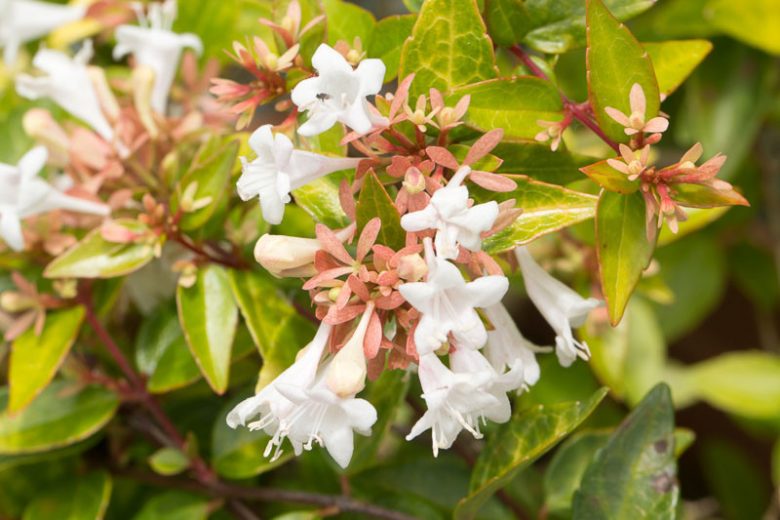
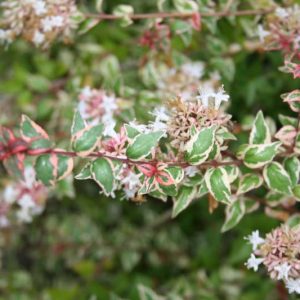
Abelia grandiflora, Glossy Abelia, Abelia rupestris var. grandiflora, semi-evergreen Shrub, Fragrant Shrub, Pink Flowers, White Flowers, Fragrant shrub
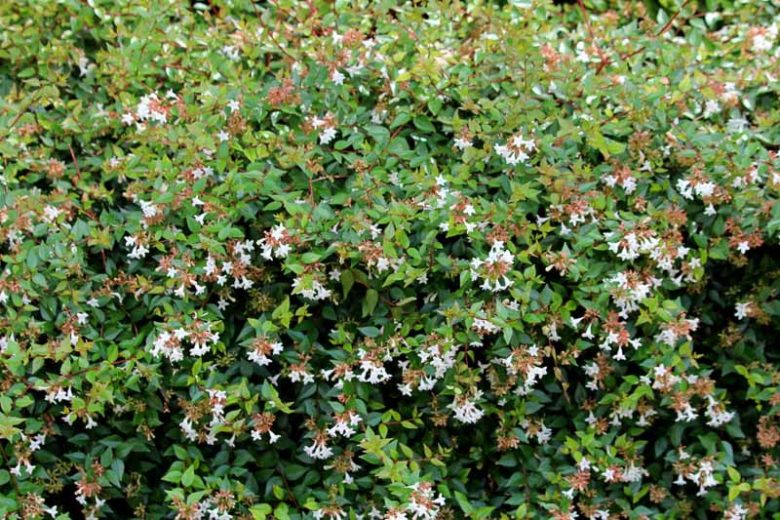
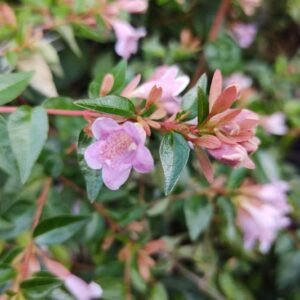
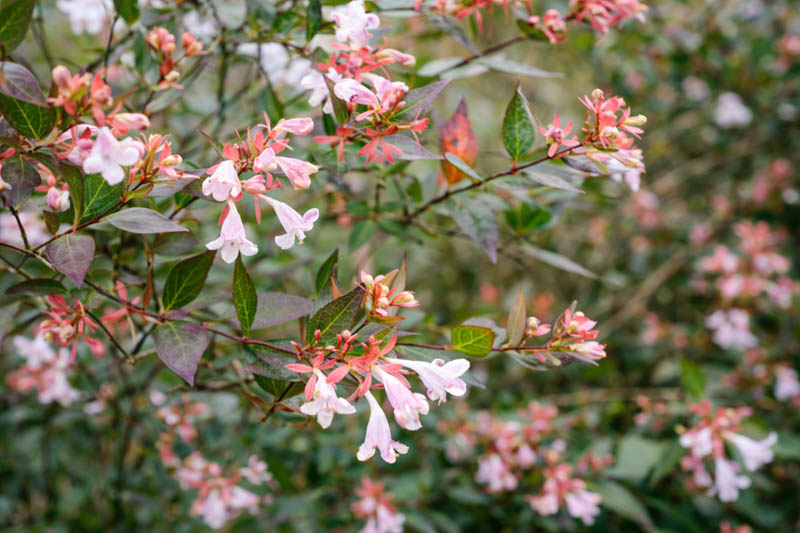
Abelia  grandiflora, Glossy Abelia, Abelia rupestris var. grandiflora, semi-evergreen Shrub, Fragrant Shrub, Pink Flowers, White Flowers, Fragrant shrub
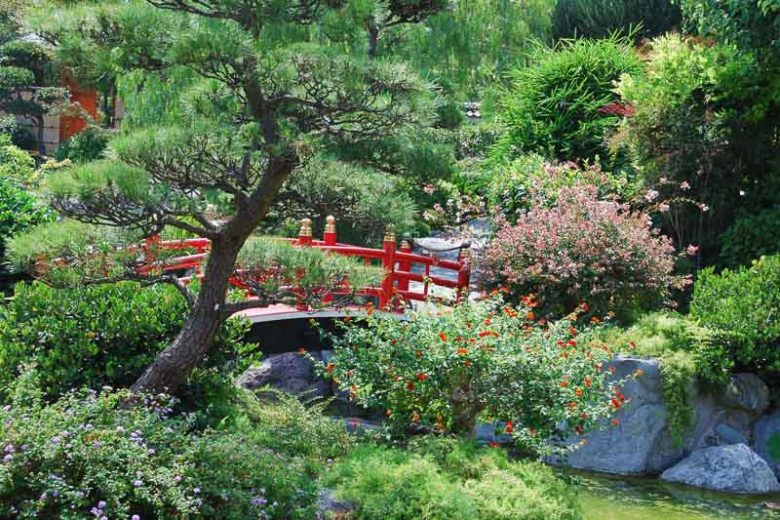
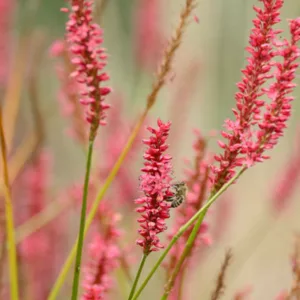
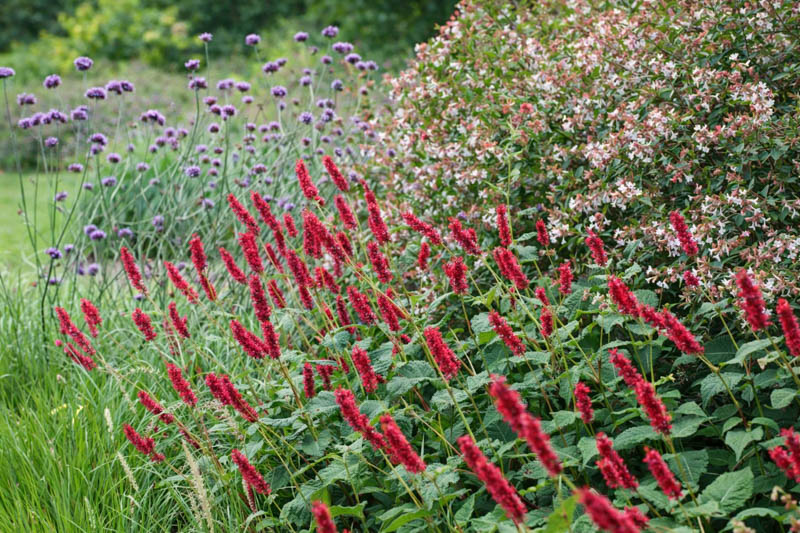
Persicaria amplexicaulis, Verbena bonariensis, and Abelia grandiflora
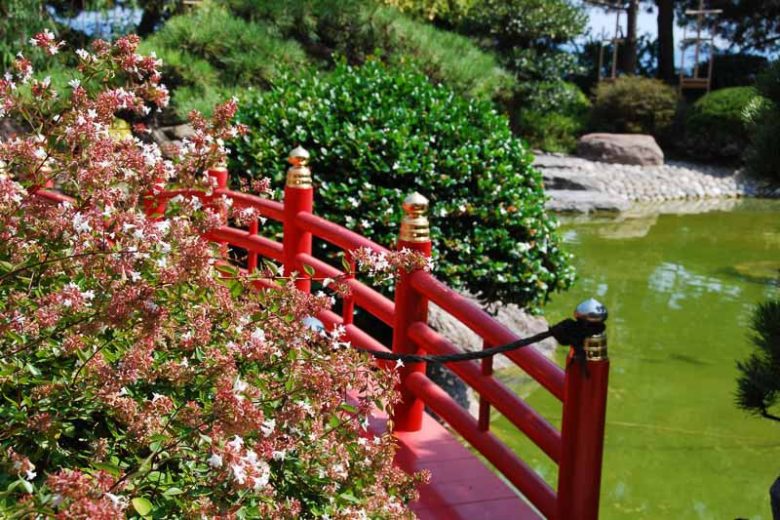
Abelia  grandiflora, Glossy Abelia, Abelia rupestris var. grandiflora, semi-evergreen Shrub, Fragrant Shrub, Pink Flowers, White Flowers, Fragrant shrub

Abelia × grandiflora (Glossy Abelia) – A Graceful, Long-Blooming, and Low-Maintenance Shrub for Modern Landscapes

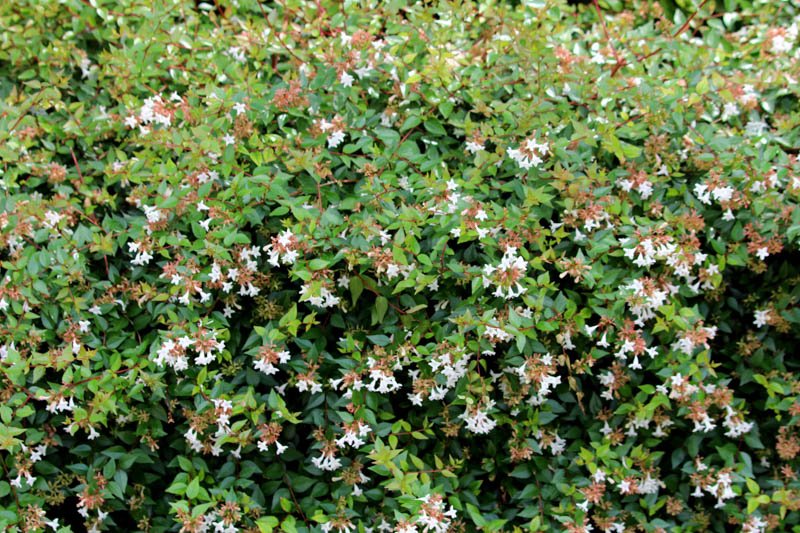
If you’ve ever admired a shrub that seems to glow in the sunlight—its arching stems dripping with delicate, bell-shaped blossoms for months on end—chances are you’ve encountered Abelia × grandiflora, better known as Glossy Abelia. This beloved landscape shrub is prized for its semi-evergreen foliage, elegant arching habit, and exceptionally long bloom season. From late spring until frost, it produces clusters of pink-tinged white, lightly fragrant flowers that attract pollinators and add effortless charm to any planting.

Abelia × grandiflora thrives in full sun to part shade and adapts easily to a variety of well drained soils. Once established, it is wonderfully low maintenance, generally pest and disease free, and resistant to deer browsing. Whether used in foundation plantings, mixed borders, informal hedges, containers, or wall-side plantings, Glossy Abelia delivers year-round beauty with minimal care.
Quick Facts – Abelia × grandiflora (Glossy Abelia)

Abelia grandiflora Glossy Abelia

Summary: A semi-evergreen, gracefully arching shrub with glossy leaves and abundant bell-shaped blooms from late spring to fall.
Use: Hedges, specimen shrubs, mixed borders, foundation plantings, urban gardens, pollinator gardens.
Highlight: Exceptionally long bloom season, colorful fall foliage, and near-zero maintenance.
Note: Blooms on new wood – prune in late winter to early spring.

Botanical Name Abelia × grandiflora and named cultivars such as ‘Kaleidoscope’, ‘Edward Goucher’, ‘Radiance’, and ‘Rose Creek’
Family Caprifoliaceae (Honeysuckle family)
Common Names Glossy Abelia, Abelia
Native Range Hybrid species (cross between Abelia chinensis and Abelia uniflora)
Plant Type and Habit Semi-evergreen shrub with rounded, arching habit.
Hardiness (approx. USDA) Zones 6 to 9 (shelter recommended in colder zones)
Size Typically 3–6 ft. tall and wide (90–180 cm), depending on cultivar.
Sun and Exposure Full sun to part shade, with best flowering in full sun.
Soil Average, well drained soil; tolerates moderate moisture.
Seasonal Interest Late spring to fall blooms; foliage turns purplish-bronze in fall.
Primary Uses Hedges, borders, foundations, specimen plantings, pollinator gardens, small landscapes.
Care – Quick
  • Planting: Full sun to part shade; well drained soil; shelter from harsh winter winds. Position the shrub where its arching habit can be appreciated and where it is protected from cold, drying winds in colder climates.
  • Water: Moderate; drought tolerant once established. Regular moisture during the first growing season encourages a deep root system that later allows the plant to handle dry periods with ease.
  • Feeding: Light feeding in spring if desired. A modest application of balanced fertilizer or compost is usually enough to support healthy growth and abundant flowering.
  • Pruning: Prune in late winter or early spring; blooms on new wood. Removing older stems encourages fresh shoots that carry the heaviest flower display.
  • Propagation: Softwood cuttings in early summer; semi-hardwood cuttings in late summer. Both methods root readily, making it easy to create more plants from a favorite cultivar.
  • Wildlife: Pollinator friendly. The tubular blooms are highly attractive to bees, butterflies, and hummingbirds throughout the season.
  • Deer: Generally deer resistant. The foliage is usually ignored by browsing deer, making it a reliable choice in deer-prone areas.
Quick promise
Give Abelia × grandiflora sun, good drainage, light pruning, and a little space, and it will reward you with months of blooms and graceful, arching beauty that shines from spring through fall.

What Is Abelia × grandiflora?

Description

Abelia × grandiflora is a versatile, semi-evergreen shrub celebrated for its long-lasting flowers, glossy foliage, and elegant form. Its arching stems carry clusters of pink-blushed, white bell-shaped blooms from late spring through autumn, offering one of the longest flowering displays among ornamental shrubs. The leaves are small, shiny, and deep green, turning purplish-bronze in fall for added seasonal interest. Its refined texture makes it a perfect fit for both modern and traditional landscapes.

Native Range

This plant is a hybrid species created in the 19th century from Abelia chinensis and Abelia uniflora. Its hybrid vigor contributes to its cold hardiness, extended bloom period, and adaptability.

Growth Habit and Vigor

Glossy Abelia forms a rounded, fountain-like shape with arching branches that dance in the breeze. Growth is moderate, reaching 3–6 ft. in height and width depending on cultivar and growing conditions. Mature plants develop a full, layered look that requires minimal shaping.

Flowers and Bloom Time

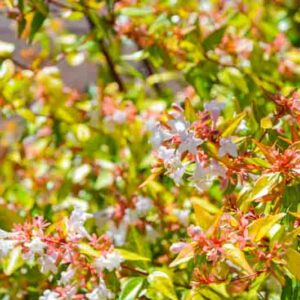
One of Abelia’s biggest star qualities is its prolonged bloom season. From late spring to fall, the shrub continuously produces clusters of small, pink-tinged white tubular flowers. These lightly fragrant blooms attract bees, butterflies, and hummingbirds. Even after the flowers fade, the sepals persist, adding subtle rosy tones well into autumn.

Foliage and Seasonal Interest

The foliage is glossy, semi-evergreen, and dense. In warmer climates, leaves may persist year-round, while in colder zones they take on bronze and burgundy tones before dropping. Few shrubs offer such a long season of interest combined with such easy care.

Hardiness and Climate

Abelia × grandiflora is hardy in USDA Zones 6–9, though providing a sheltered site helps reduce winter damage in colder climates. Heat tolerant, adaptable, and forgiving, it is a favorite for urban and suburban landscapes alike.

Landscape Uses

  • Informal hedges for structure without harsh lines.
  • Mixed borders for long-season flowering.
  • Specimen plant for small gardens.
  • Foundation plantings around homes.
  • Wall-side borders to show off arching stems.

Wildlife and Ecological Value

The nectar-filled flowers attract bees, butterflies, and hummingbirds. Even when not in bloom, its dense structure provides shelter for small beneficial insects.

Deer and Rabbits

Deer generally avoid Abelia due to its aromatic foliage and tough texture.

Drought Tolerance

Once established, Abelia is moderately drought tolerant, thriving with occasional deep watering in dry periods.

Toxicity

Considered non toxic to humans and pets, though ingestion is not recommended.

Invasiveness

Abelia × grandiflora is not invasive and does not spread aggressively.

Benefits

Gardeners appreciate its long bloom season, glossy foliage, pollinator value, deer resistance, compact size, and extremely low maintenance needs.
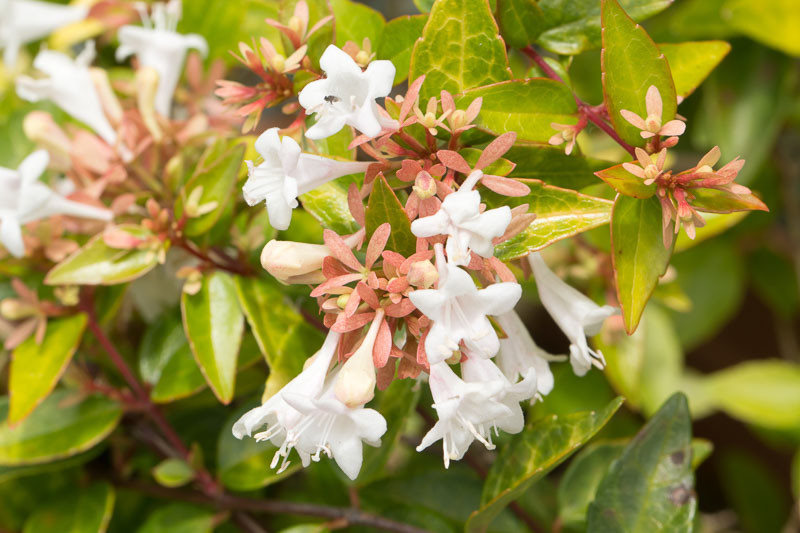
Abelia  grandiflora, Glossy Abelia, Abelia rupestris var. grandiflora, semi-evergreen Shrub, Fragrant Shrub, Pink Flowers, White Flowers, Fragrant shrub

Growing Conditions for Abelia × grandiflora

Light

  • Full sun to part shade is ideal, providing enough light to support dense branching, good foliage color, and plentiful blooms.
  • More sun means more blooms and richer foliage color, while partial shade softens the tones and slightly reduces flower production but can be helpful in very hot climates.

Soil

  • Prefers average, well drained soil so the roots are never sitting in waterlogged conditions, which can lead to decline.
  • Handles clay if drainage is improved with organic matter or grit, making it suitable for many suburban gardens with heavier soils.

Water

  • First year: Water weekly to establish roots, increasing frequency during extended heat or drought to help the plant settle in.
  • Established plants: Moderately drought tolerant and generally need only occasional deep watering during long dry spells to maintain vigor and flowering.

Feeding

  • Fertilize lightly in spring if growth seems slow, using a balanced, slow-release fertilizer or a layer of compost to encourage fresh shoots and abundant blooms.

Mulch

  • Apply mulch to conserve moisture, moderate soil temperatures, and protect the root zone, especially in colder regions or exposed sites.
  • Avoid piling mulch against stems so the base of the shrub stays dry and well aerated, reducing the risk of rot and rodent damage.

Abelia grandiflora, Glossy Abelia, Abelia rupestris var. grandiflora, semi-evergreen Shrub, Fragrant Shrub, Pink Flowers, White Flowers, Fragrant shrub

Planting, Maintenance, and Propagation

Planting Tips

  • Plant in spring or fall for best establishment, giving roots time to develop before the stress of summer heat or winter cold.
  • Space plants 3–6 ft. apart depending on cultivar and desired density, allowing enough room for the natural arching habit to develop.
  • Choose a sheltered site to prevent winter burn, particularly in colder parts of its hardiness range or in windy locations.

Maintenance and Pruning

  • Prune in late winter to early spring – flowers form on new wood, so cutting back before growth begins maximizes flowering potential.
  • Shape lightly after flowering if needed to keep the plant within bounds while preserving its naturally graceful, fountain-like habit.
  • Hard prune every 3–4 years to rejuvenate growth, removing some of the oldest stems at the base to encourage fresh, vigorous canes.

Propagation

  • Softwood cuttings in early summer root quickly when taken from healthy, non-flowering shoots and placed in a free-draining medium.
  • Semi-hardwood cuttings in late summer use slightly firmer wood and are a reliable way to clone favorite named cultivars.

Abelia grandiflora, Glossy Abelia, Abelia rupestris var. grandiflora, semi-evergreen Shrub, Fragrant Shrub, Pink Flowers, White Flowers, Fragrant shrub

Abelia × grandiflora: Pests, Diseases, and Problems

Pests

Generally trouble free, though occasional pests include:
  • Aphids on new shoots, which can be washed off with water or managed with natural predators.
  • Spider mites in hot, dry conditions, usually controlled by improving humidity and rinsing foliage periodically.

Diseases

  • Root rot in poorly drained soils, emphasizing the importance of good drainage at planting time.
  • Leaf spot occasionally, usually cosmetic and rarely serious if the plant is otherwise healthy.

Common Problems

  • Winter dieback: Provide a sheltered site and avoid late-season fertilizing that encourages tender growth before frost.
  • Poor flowering: Increase sunlight, avoid heavy shade, and prune at the correct time so flower buds are not removed.
  • Floppy stems: Prune annually for density, removing weak or crossing branches to encourage a fuller framework.

Persicaria amplexicaulis, Verbena bonariensis, and Abelia grandiflora

Design Ideas With Abelia × grandiflora

  • Soft screening and movement: Use Abelia as a loose, semi-transparent screen with ornamental grasses such as Miscanthus or Pennisetum so its arching stems echo the sway of grass plumes and create a dynamic, textural backdrop.
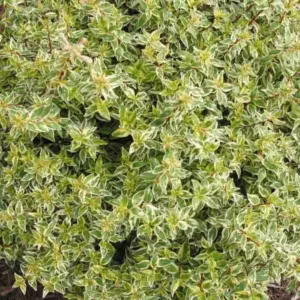
  • Color echo plantings: Pair variegated cultivars like ‘Kaleidoscope’ or ‘Mardi Gras’ with golden sedges, chartreuse hostas, or yellow-flushed Nandina to repeat warm foliage tones and visually link different parts of the border.
  • Four-season structure: Combine Glossy Abelia with compact evergreens such as boxwood or dwarf conifers so the evergreens provide winter bones while Abelia delivers flowers, fragrance, and shifting foliage color.
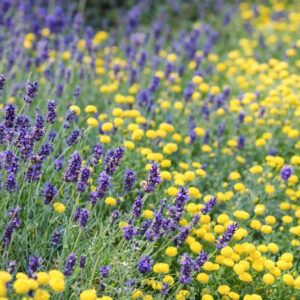
  • Pollinator ribbons: Weave Abelia through drifts of Salvia, Lavandula, Agastache, and airy Verbena bonariensis to create long, nectar-rich ribbons that buzz with life from late spring into fall.
  • Front-of-house accents: Frame an entry path or front steps with compact cultivars like ‘Little Richard’ or ‘Rose Creek’, underplanting them with low groundcovers and seasonal bulbs for a layered, welcoming effect.
  • Mixed shrub tapestry: Blend Abelia with Hydrangea paniculata, Spiraea, and Nandina to build a tapestry of contrasting leaf shapes, flower forms, and seasonal hues that keeps the eye moving across the planting.

Popular Abelia × grandiflora Varieties

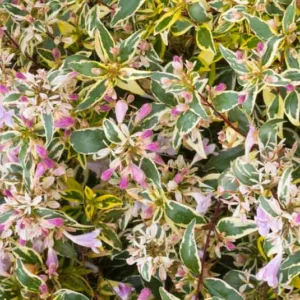
  • Abelia × grandiflora ‘Kaleidoscope’ – Brilliant variegated foliage in gold, green, orange, and red; compact habit and excellent year-round color.
  • Abelia × grandiflora ‘Edward Goucher’ – Lavender-pink flowers; vigorous and floriferous with a graceful, arching form.
  • Abelia × grandiflora ‘Radiance’ – Silvery-white variegation with a compact habit; excellent for brightening borders and containers.
  • Abelia × grandiflora ‘Mardi Gras’ – Colorful variegated foliage flushed pink in spring, maturing to cream and green; ideal for adding lively foliage interest.
  • Abelia × grandiflora ‘Hopleys’ – Golden-yellow variegated leaves with pink tints on new growth; striking in mixed borders and sunny sites.
  • Abelia × grandiflora ‘Little Richard’ – Compact, dense shrub with glossy green foliage and abundant white blooms; perfect for low hedges and small gardens.
  • Abelia × grandiflora ‘Rose Creek’ – Dense, compact grower with bright new stems and a refined habit that suits formal or informal plantings.
  • Abelia × grandiflora ‘Sherwoodii’ – Smaller habit, ideal for low hedges, edging, and small landscapes where space is limited.

Frequently Asked Questions

Is Abelia × grandiflora evergreen or deciduous?

Abelia × grandiflora is considered a semi-evergreen shrub. In mild climates it often retains most of its foliage through winter, while in colder regions it may partially or fully shed its leaves, then leaf out again in spring.

How big does Glossy Abelia get?

Most forms of Abelia × grandiflora grow to about 3–6 feet tall and wide, depending on the cultivar and growing conditions. Compact varieties stay closer to the 3-foot range, while vigorous types can reach the upper end of that range and may appear larger if left unpruned.

When should I prune Abelia × grandiflora?

Abelia × grandiflora should be pruned in late winter or early spring, before new growth begins. This shrub blooms on new wood, so pruning at that time encourages fresh shoots and maximizes flowering for the coming season.

Does Abelia × grandiflora attract pollinators?

Yes, Abelia × grandiflora is very attractive to pollinators. Its long-lasting, tubular flowers provide nectar for bees, butterflies, and hummingbirds from late spring into fall, making it a strong choice for wildlife-friendly gardens.

Is Abelia × grandiflora deer resistant?

Abelia × grandiflora is generally considered deer resistant. While no plant is completely deer-proof, its foliage is usually not a preferred food source, so it tends to suffer less browsing damage than many other shrubs.

What kind of light does Glossy Abelia need?

Glossy Abelia performs best in full sun to part shade. It will flower most heavily and develop the richest foliage color in full sun, but it can tolerate some afternoon shade, especially in hotter climates.

Is Abelia × grandiflora drought tolerant?

Once established, Abelia × grandiflora is moderately drought tolerant. It prefers regular water during its first growing season to develop a strong root system, then typically needs only occasional deep watering during extended dry periods.

What hardiness zones is Abelia × grandiflora suitable for?

Abelia × grandiflora is generally hardy in USDA Zones 6 to 9. In the colder parts of its range, a sheltered planting site can help reduce winter dieback and protect the shrub from drying winds.

Is Abelia × grandiflora invasive?

Abelia × grandiflora is not considered invasive in most garden settings. It does not spread aggressively by suckers or rampant self-seeding and is easily maintained within its allotted space with routine pruning.

Is Abelia × grandiflora toxic to pets or people?

Abelia × grandiflora is generally regarded as non-toxic to humans and pets. It is not grown as an edible plant, however, so intentional ingestion is not recommended and children and animals should still be discouraged from chewing on ornamental plants.

How long does Abelia × grandiflora bloom?

Abelia × grandiflora is known for its unusually long bloom season. In suitable conditions, it typically flowers from late spring through summer and often into fall, with persistent colorful sepals extending the display even after individual flowers fade.

References

  • Horticultural research and extension publications on Abelia × grandiflora.
  • Botanical garden plant trials and observational data.
  • University extension resources on woody shrub care and pruning.

Updated: December 2025 • Reviewed by Gardenia Editors

Requirements

Hardiness 6 - 9
Heat Zones 6 - 9
Climate Zones 4, 5, 6, 7, 8, 9, 10, 11, 12, 13, 14, 15, 16, 17, 18, 19, 20, 21, 22, 23, 24, H1, H2
Plant Type Shrubs
Plant Family Caprifoliaceae
Genus Abelia
Common names Abelia, Glossy Abelia
Exposure Full Sun, Partial Sun
Season of Interest Spring (Late), Summer (Early, Mid, Late), Fall
Height 3' - 6' (90cm - 180cm)
Spread 3' - 6' (90cm - 180cm)
Spacing 72" (180cm)
Maintenance Low
Water Needs Average
Soil Type Chalk, Loam, Sand
Soil pH Acid, Alkaline, Neutral
Soil Drainage Moist but Well-Drained
Characteristics Fragrant, Showy, Semi-Evergreen
Tolerance Deer
Attracts Butterflies, Bees, Hummingbirds
Garden Uses Beds And Borders, Hedges And Screens, Wall-Side Borders
Garden Styles City and Courtyard, Informal and Cottage, Traditional Garden
How Many Plants
Do I Need?
Guides with
Abelia
Not sure which Abelia to pick?
Compare Now

Alternative Plants to Consider

Abelia x grandiflora ‘Little Richard’ (Glossy Abelia)
Abelia x grandiflora ‘Hopleys’ (Glossy Abelia)
Abelia × grandiflora ‘Kaleidoscope’ (Glossy Abelia)
Abelia × grandiflora ‘Mardi Gras’ (Glossy Abelia)
Abelia × grandiflora ‘Radiance’ (Glossy Abelia)
Abelia ‘Edward Goucher’

Recommended Companion Plants

Persicaria amplexicaulis ‘Firetail’ (Mountain Fleece)
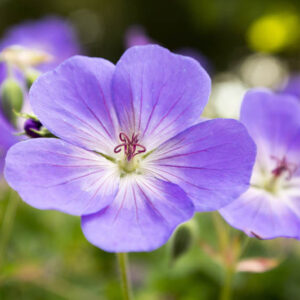
Geranium Rozanne (Cranesbill)
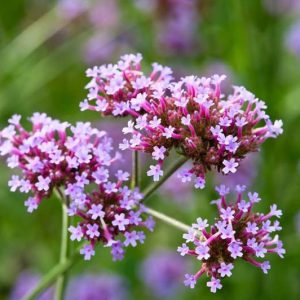
Verbena bonariensis (Purpletop Vervain)
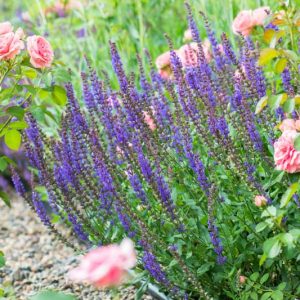
Salvia (Sage)
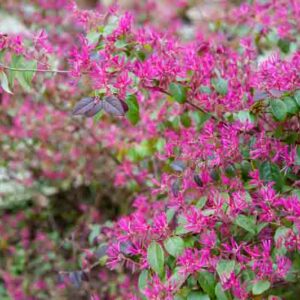
Loropetalum (Chinese Fringe Flower)
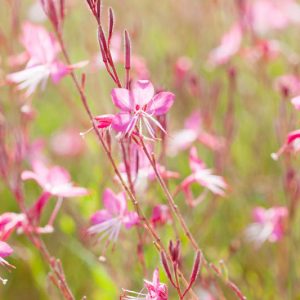
Gaura (Bee Blossom)

Find In One of Our Guides or Gardens

Best Full Sun Shrubs for Zone 8: Heat-Loving Shrubs That Thrive in Sunshine
Top Full Sun Shrubs for Zone 7: Heat-Loving, Low-Maintenance Picks
Add a Splash of Color: Perfect Flowering Shrubs for Small Gardens
While every effort has been made to describe these plants accurately, please keep in mind that height, bloom time, and color may differ in various climates. The description of these plants has been written based on numerous outside resources.
Buy Plants

Requirements

Hardiness 6 - 9
Heat Zones 6 - 9
Climate Zones 4, 5, 6, 7, 8, 9, 10, 11, 12, 13, 14, 15, 16, 17, 18, 19, 20, 21, 22, 23, 24, H1, H2
Plant Type Shrubs
Plant Family Caprifoliaceae
Genus Abelia
Common names Abelia, Glossy Abelia
Exposure Full Sun, Partial Sun
Season of Interest Spring (Late), Summer (Early, Mid, Late), Fall
Height 3' - 6' (90cm - 180cm)
Spread 3' - 6' (90cm - 180cm)
Spacing 72" (180cm)
Maintenance Low
Water Needs Average
Soil Type Chalk, Loam, Sand
Soil pH Acid, Alkaline, Neutral
Soil Drainage Moist but Well-Drained
Characteristics Fragrant, Showy, Semi-Evergreen
Tolerance Deer
Attracts Butterflies, Bees, Hummingbirds
Garden Uses Beds And Borders, Hedges And Screens, Wall-Side Borders
Garden Styles City and Courtyard, Informal and Cottage, Traditional Garden
How Many Plants
Do I Need?
Guides with
Abelia
Not sure which Abelia to pick?
Compare Now

Gardening Ideas

Plant Calculator

How many Abelia × grandiflora (Glossy Abelia) do I need for my garden?

Input your garden space dimensions

Your Shopping List

Plant Quantity
Abelia × grandiflora (Glossy Abelia) N/A Buy Plants

Please Login to Proceed

You Have Reached The Free Limit, Please Subscribe to Proceed

Subscribe to Gardenia

To create additional collections, you must be a paid member of Gardenia
  • Add as many plants as you wish
  • Create and save up to 25 garden collections
Become a Member

Plant Added Successfully

Your garden is taking shape. Unlock full planning.

You’ve reached the free limit. Upgrade for $25/year to add as many plants as you wish and save up to 25 garden collections. Unlock Annual Membership

Update Your Credit
Card Information

Cancel

Create a New Collection

Sign Up to Our Newsletter

    You have been subscribed successfully

    Join Gardenia.net

    Create a membership account to save your garden designs and to view them on any device.

    Becoming a contributing member of Gardenia is easy and can be done in just a few minutes. If you provide us with your name, email address and the payment of a modest $25 annual membership fee, you will become a full member, enabling you to design and save up to 25 of your garden design ideas.

    Join now and start creating your dream garden!

    Join Gardenia.net

    Create a membership account to save your garden designs and to view them on any device.

    Becoming a contributing member of Gardenia is easy and can be done in just a few minutes. If you provide us with your name, email address and the payment of a modest $25 annual membership fee, you will become a full member, enabling you to design and save up to 25 of your garden design ideas.

    Join now and start creating your dream garden!
    Find your Hardiness Zone

    Find your Heat Zone

    Find your Climate Zone