Lily of the Valley, Conval Lily, Word Lily, Mayflower, Mugget, Liriconfancy, May Bells, May Lily, Our Lady's Tears, Lady's Tears
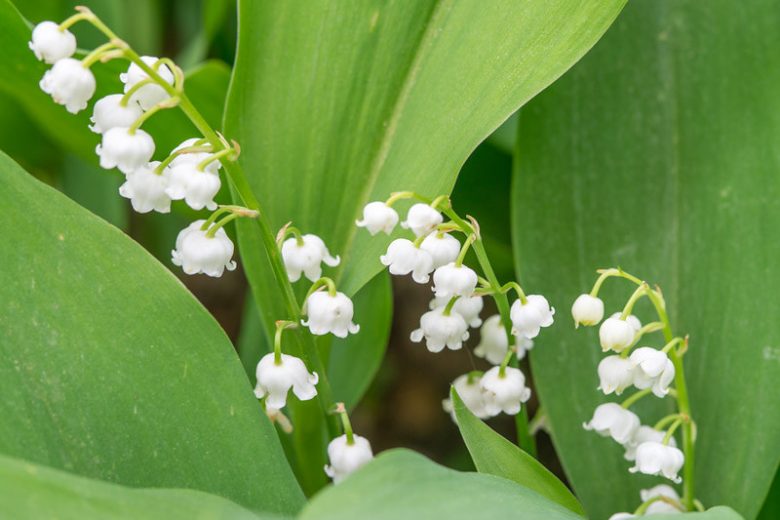
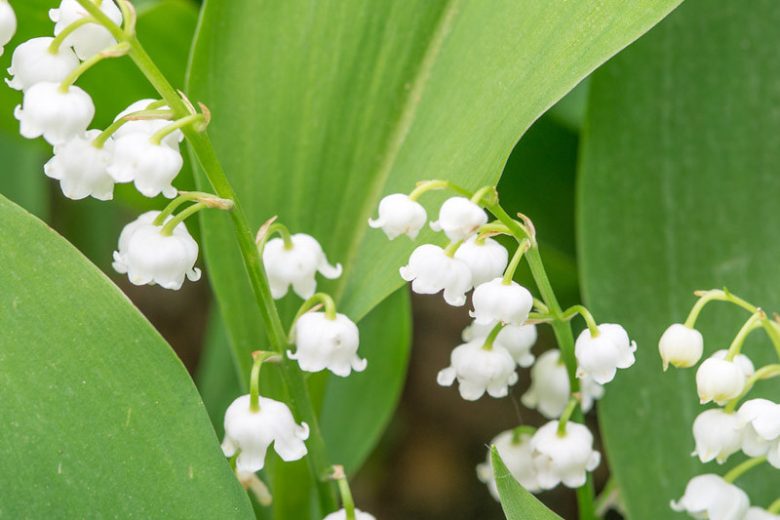
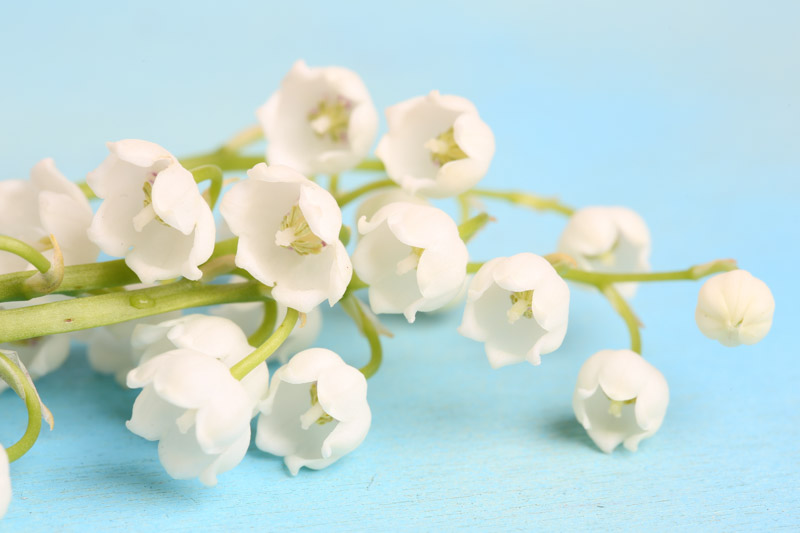
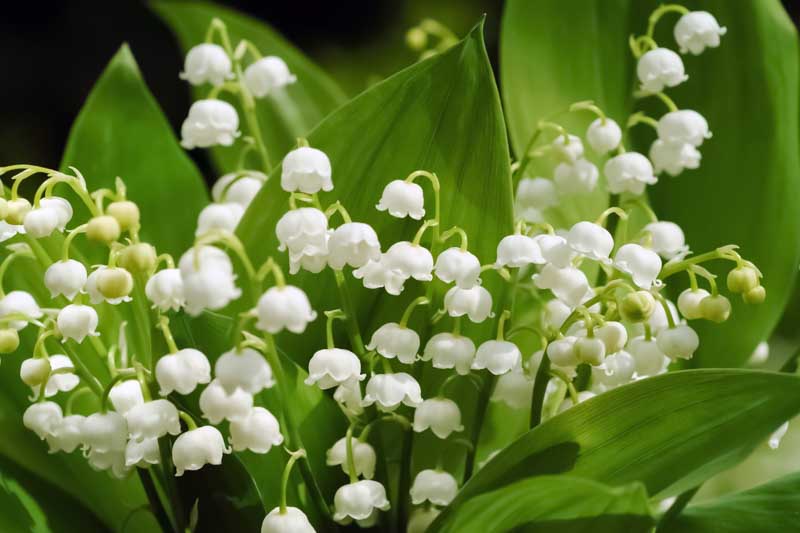

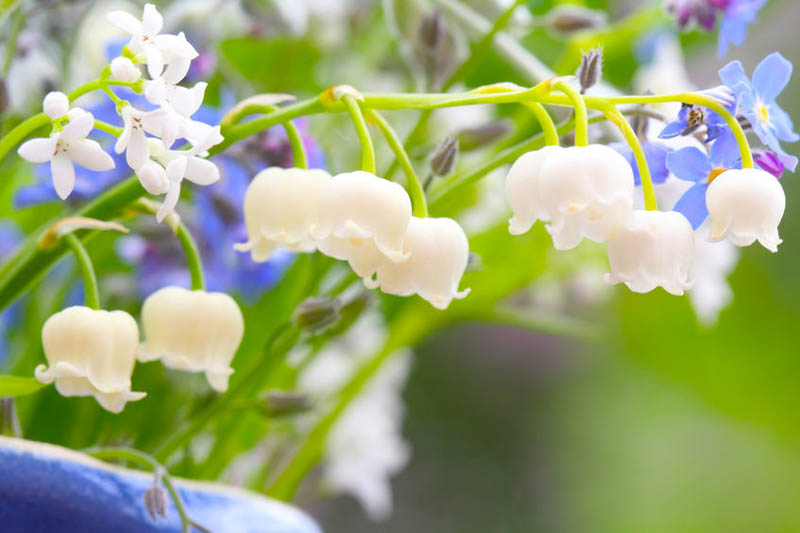


Summary: Convallaria majalis is a shade-loving, rhizomatous perennial prized for its intensely fragrant, nodding white bells in mid–late spring.
Spreading by underground rhizomes, it forms lush, weed-suppressing groundcovers beneath trees and along woodland edges.
Plants reach 6–12 in. tall and thrive in partial to full shade with humus-rich, evenly moist, well-drained soil (USDA 3–7).
Once established, it tolerates short dry spells but looks best with steady moisture and an annual mulch.
Deer and rabbits usually avoid it, while pollinators visit the scented blossoms; toxic red berries may follow.
All parts are highly toxic (cardiac glycosides).
Because rhizomes spread, it can become locally invasive.
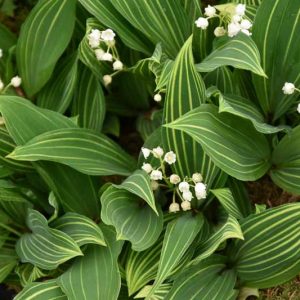
Pink (‘Rosea’) and variegated (‘Albostriata’) cultivars add novelty, and the species holds the RHS Award of Garden Merit for reliability.
| Botanical Name | Convallaria majalis |
|---|---|
| Family | Asparagaceae (subfamily Nolinoideae) |
| Native Range | Eurasia; widely naturalized in temperate regions |
| Plant Type & Habit | Rhizomatous, shade-loving perennial groundcover |
| Hardiness (USDA) | 3–7 (best in cool/temperate climates) |
| Size | 6–12 in. tall × 9–12 in. spread (15–30 × 22–30 cm) |
| Sun & Exposure | Partial to full shade; light morning sun only in cool climates |
| Soil | Moist, well-drained, humus-rich; neutral to slightly acidic |
| Water | Keep evenly moist; tolerates short dry spells once established |
| Bloom & Fragrance | Mid–late spring (≈2–3 weeks); intensely fragrant white bells; pink form ‘Rosea’ exists |
| Wildlife & Resistance | Visited by bees; generally deer & rabbit resistant |
| Toxicity | All parts poisonous (cardiac glycosides); keep away from children & pets; vase water is hazardous |
| Invasiveness | Spreads via rhizomes; reported invasive in parts of temperate North America—contain or use containers and check local guidance |
| Awards | RHS Award of Garden Merit |
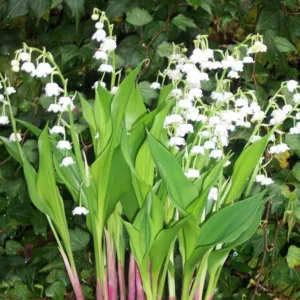
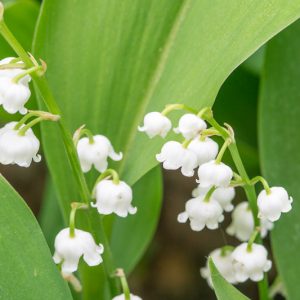
Convallaria majalis, commonly known as Lily of the Valley, is a charming woodland perennial known for its dainty, bell-shaped white flowers and intoxicating fragrance. Native to Europe and Asia, this low-growing plant spreads by rhizomes to form dense colonies in shady spots. Though it looks delicate, Lily of the Valley is tough, and deer- and rabbit-resistant.
Lily of the Valley belongs to the asparagus family (Asparagaceae), along with agave, hosta, dracaena, spider plant, and the delightfully fragrant hyacinth and tuberose.
It is one of the birth flowers for May, often symbolizing the return of happiness. Its white blooms are perfect for elegant white gardens, and it is widely used in Lily of the Valley perfume, bridal bouquets, and fairy gardens.
Lily of the Valley is native to Eurasia and thrives in temperate woodland environments. It has also naturalized in parts of North America and is sometimes considered invasive due to its spreading rhizomes.
This herbaceous perennial grows from creeping rhizomes and forms a lush ground cover. Its arching flower stalks rise just above the glossy foliage, creating an enchanting spring display.
Typically reaches 6–12 inches (15–30 cm) tall and spreads 9–12 inches (22–30 cm) wide.
A long-lived perennial, Lily of the Valley returns reliably each spring. Once established, colonies can thrive for decades in cool, shaded locations.
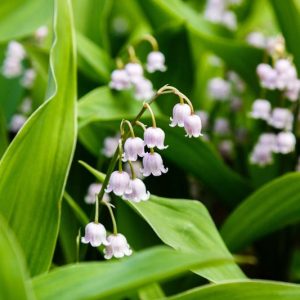
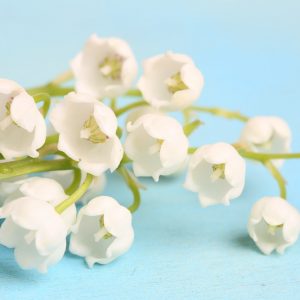
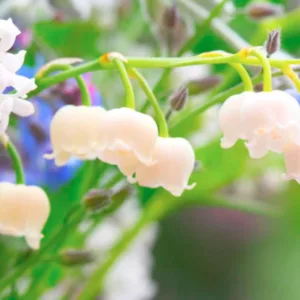
Lily of the Valley flowers typically bloom for 2–3 weeks in mid to late spring, producing a single-sided raceme of up to 15 nodding, bell-shaped white blooms. A spring-flowering bulb alternative, the pink Lily of the Valley is a rarer variety with blushing flowers that offer the same sweet fragrance. 30 Best Spring Flowers to Spruce up Your Garden.
Texas Fragrant Plants: Top Picks for Yards, Patios, and Porches
After blooming, the plant sometimes produces orange-red berries containing 1–6 seeds. These are toxic to humans and pets.
Broad, elliptic green leaves form in pairs and reach up to 10 inches (25 cm) long. The lush foliage remains attractive through the growing season (especially in moist, shaded conditions) and then dies back in autumn.
Lily of the Valley is cold-hardy in USDA zones 3–7. It prefers cool climates and does not perform well in hot, dry regions.
Recipient of the prestigious Award of Garden Merit of the Royal Horticultural Society (1993)
Tip: Do not plant Lily of the Valley in perennial borders, as it can quickly spread and escape its boundaries, potentially choking out nearby plants.
Lily of the Valley is pollinated by bees and scent-guided pollinators. However, its toxicity makes it unpalatable to deer, rabbits, and other browsing animals.
Once established, Lily of the Valley tolerates short dry periods, making it surprisingly resilient for a shade-loving plant.
Both deer and rabbits tend to avoid this plant, making it ideal for woodland landscapes prone to browsing. Ultimate Guide to Deer-Resistant Plants: Strategies, Lists & Zone Picks
Lily of the Valley is a highly toxic plant that contains cardiac glycosides, which can be dangerous if ingested. All plant parts, including the leaves, flowers, and berries, contain these toxins. Even a small amount of Lily of the Valley can cause serious health problems, including gastrointestinal issues, irregular heartbeat, and seizures. Ingestion of large quantities can be fatal, especially in children and pets.
It is important to handle this plant with care and to keep it away from areas where children or pets might come into contact with it. It is also important to wear gloves and protective clothing when handling the plant, as contact with the skin can cause irritation or an allergic reaction in some people. Poisonous flowers and plants: Identifying toxic risks around you
Lily of the Valley can be invasive in certain conditions. While it is not considered invasive in its native range, it has been introduced to many parts of the world as a garden plant, and in some areas, it has escaped cultivation and become naturalized in the wild.
In the United States, for example, it is considered invasive in some areas, particularly in the eastern part of the country.
Lily of the Valley grows from a rhizome and can spread quickly and aggressively, particularly in areas where it has moist, shaded conditions that it prefers. It can form dense colonies that can outcompete native plants.
Find where this species is invasive in the United States.
Explore native plant alternatives here.
Keep the soil consistently moist, especially during dry spells, but avoid waterlogging.
Fertilization is not usually necessary, but you can apply a balanced fertilizer once or twice a year if desired.
Apply organic mulch in fall to retain moisture, suppress weeds, and protect roots in cold winters.
Can be grown in pots to control spread. Choose a shady location and use rich, well-draining soil.
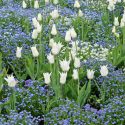
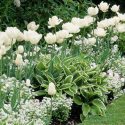
Choose shade-tolerant, moisture-loving companions that won’t mind its spreading habit (or use edging to partition areas):
Design tip: Let Convallaria form broad swathes and interplant clumps of textural perennials just beyond a discreet rhizome barrier for long-term balance.
For quicker and more predictable results, division is the preferred propagation method for Lily of the Valley. It also helps rejuvenate older plantings that have become too dense.
Lily of the Valley is generally trouble-free. Most issues stem from excess moisture and crowding.
Prevention: Plant in well-drained, humus-rich soil; avoid overwatering; thin/divide overcrowded clumps; water at the base; mulch to keep soil cool; remove and bin infected foliage (do not compost).
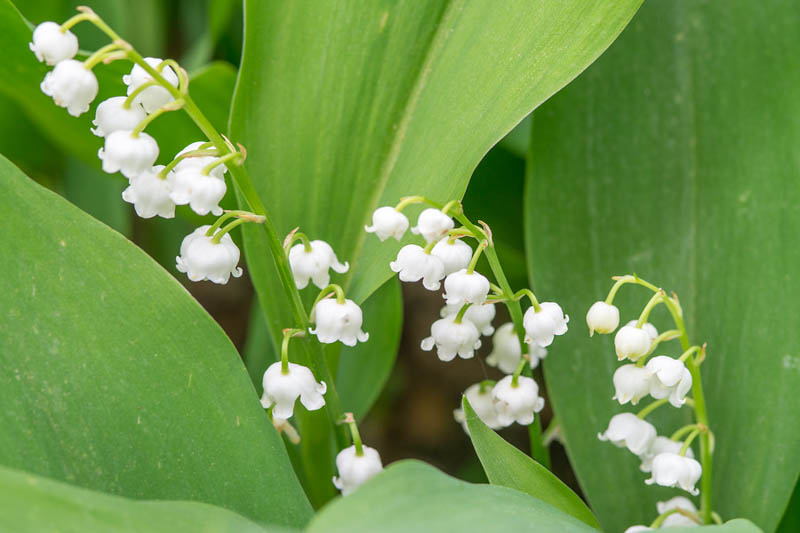
Cut flowers have a short vase life of 4–6 days. To extend freshness, keep them cool and well-hydrated. They are sensitive to heat and will wilt quickly without proper care.
Yes, its delicate, bell-shaped white blooms and iconic fragrance make it a cherished choice for wedding bouquets and special floral arrangements. Its short blooming period and high demand make it a rare, premium flower.
Getting rid of Lily of the Valley can be challenging due to its persistent underground rhizomes. Start by digging up as much of the root system as possible, ensuring you remove all rhizome fragments. Repeat digging over several seasons as new shoots emerge. For more severe infestations, smother the area with black plastic to block light, or apply a systemic herbicide targeting perennial weeds—always follow label instructions carefully. Avoid composting removed plant material, as rhizomes may survive and spread.
Yes, all parts of the plant are highly toxic to humans and animals, including dogs, cats, and rabbits. Even the water from a vase containing the flowers can be dangerous. Ingestion may cause nausea, vomiting, heart irregularities, and can be fatal in severe cases.
It typically blooms in spring, with timing varying by climate. In some areas, it may flower before May 1st, while in cooler zones, blooms can appear through May and even into early June.
This plant prefers partial to full shade. While it may tolerate a bit of morning sun in cooler regions, full sun—especially in hot climates—can scorch the leaves and stunt growth.
Plant pips (bulb-like roots) just below the surface in moist, well-draining soil. Soak them before planting and trim the root tips to promote growth. Keep the soil consistently moist, and allow foliage to remain after flowering to support next year’s blooms.
Yes, potted plants can be transplanted in early spring. Choose a shaded location and ensure the soil stays moist but not soggy. Avoid direct afternoon sun.
Handling is generally safe, though some individuals may experience mild skin irritation. Always wash hands thoroughly after contact, especially before eating or touching your face.
This tradition began in 16th-century France, where it became customary to give Lily of the Valley on May Day for good fortune. Today, it symbolizes spring, happiness, and is tied to Labor Day celebrations in France and beyond.
Yes—its shade tolerance and shallow rhizomes make it suitable under deciduous trees where soil stays cool and moist.
It blooms once per season. Good moisture, shade, and mature clumps promote reliable flowering each spring.
Avoid mixed borders with delicate perennials, lawns, and areas accessible to children or pets. Use edging or containers to prevent spread.
| Hardiness |
3 - 7 |
|---|---|
| Heat Zones |
1 - 7 |
| Climate Zones | 1, 1A, 1B, 2, 2A, 2B, 3, 3A, 3B, 4, 5, 6, 7, 14, 15, 16, 17, 18, 19, 20, A1, A2, A3 |
| Plant Type | Bulbs, Perennials |
| Plant Family | Asparagaceae |
| Genus | Convallaria |
| Common names | Lily of the Valley |
| Exposure | Partial Sun, Shade |
| Season of Interest | Spring (Mid, Late) |
| Height | 6" - 1' (15cm - 30cm) |
| Spread | 9" - 1' (23cm - 30cm) |
| Spacing | 6" (15cm) |
| Maintenance | Low |
| Water Needs | Average |
| Soil Type | Clay, Loam |
| Soil pH | Acid, Alkaline, Neutral |
| Soil Drainage | Moist but Well-Drained, Moisture Retentive |
| Characteristics | Cut Flowers, Fragrant, Plant of Merit, Showy |
| Tolerances | Full Shade, Deer, Rabbit, Dry Soil, Clay Soil, Heat, Fire |
| Garden Uses | Ground Covers, Patio And Containers, Underplanting Roses And Shrubs |
| Garden Styles | Informal and Cottage |
| Toxic to Humans | Low severity |
| Toxic to Cats | Toxic |
| Toxic to Dogs | Toxic |
| Toxic to Horses | Toxic |


| Hardiness |
3 - 7 |
|---|---|
| Heat Zones |
1 - 7 |
| Climate Zones | 1, 1A, 1B, 2, 2A, 2B, 3, 3A, 3B, 4, 5, 6, 7, 14, 15, 16, 17, 18, 19, 20, A1, A2, A3 |
| Plant Type | Bulbs, Perennials |
| Plant Family | Asparagaceae |
| Genus | Convallaria |
| Common names | Lily of the Valley |
| Exposure | Partial Sun, Shade |
| Season of Interest | Spring (Mid, Late) |
| Height | 6" - 1' (15cm - 30cm) |
| Spread | 9" - 1' (23cm - 30cm) |
| Spacing | 6" (15cm) |
| Maintenance | Low |
| Water Needs | Average |
| Soil Type | Clay, Loam |
| Soil pH | Acid, Alkaline, Neutral |
| Soil Drainage | Moist but Well-Drained, Moisture Retentive |
| Characteristics | Cut Flowers, Fragrant, Plant of Merit, Showy |
| Tolerances | Full Shade, Deer, Rabbit, Dry Soil, Clay Soil, Heat, Fire |
| Garden Uses | Ground Covers, Patio And Containers, Underplanting Roses And Shrubs |
| Garden Styles | Informal and Cottage |
| Toxic to Humans | Low severity |
| Toxic to Cats | Toxic |
| Toxic to Dogs | Toxic |
| Toxic to Horses | Toxic |
How many Convallaria majalis (Lily of the Valley) do I need for my garden?
| Plant | Quantity | |
|---|---|---|
| Convallaria majalis (Lily of the Valley) | N/A | Buy Plants |
Create a membership account to save your garden designs and to view them on any device.
Becoming a contributing member of Gardenia is easy and can be done in just a few minutes. If you provide us with your name, email address and the payment of a modest $25 annual membership fee, you will become a full member, enabling you to design and save up to 25 of your garden design ideas.
Join now and start creating your dream garden!
Create a membership account to save your garden designs and to view them on any device.
Becoming a contributing member of Gardenia is easy and can be done in just a few minutes. If you provide us with your name, email address and the payment of a modest $25 annual membership fee, you will become a full member, enabling you to design and save up to 25 of your garden design ideas.
Join now and start creating your dream garden!