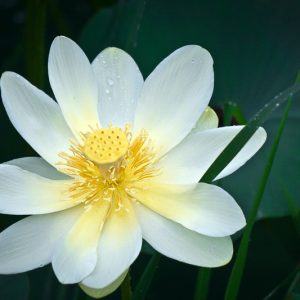
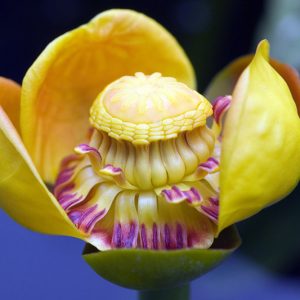
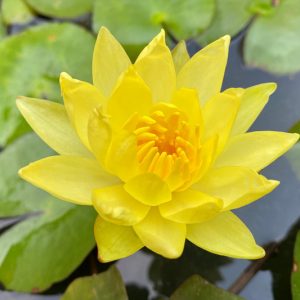
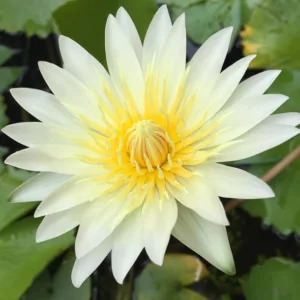
Native aquatic plants turn North Florida ponds into living ecosystems, not just pretty water features. Choose American lotus, yellow pond lily, fragrant and yellow water lilies for hardy, wildlife friendly color. They shade water, calm algae, shelter fish, and thrive in our hot summers and mild winters year after year.
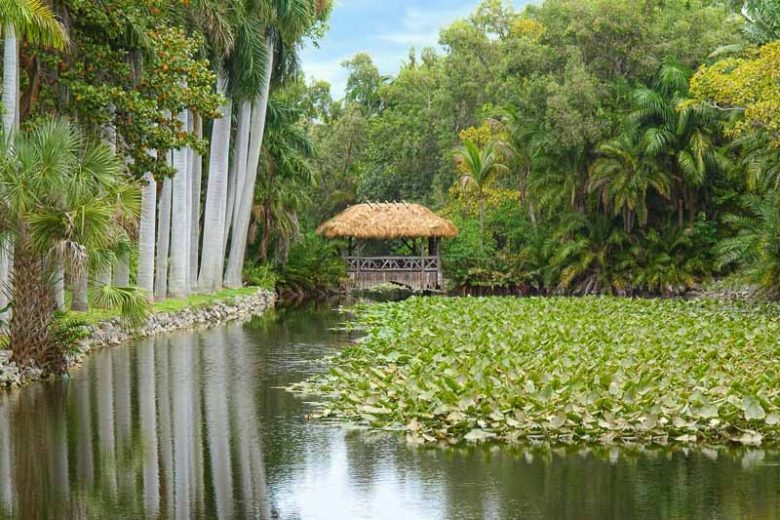


When you garden in North Florida, you quickly learn that water has a personality of its own. Some parts of the yard stay damp for days after a summer storm, while other spots dry out almost instantly. And if you happen to have a pond, a slow-moving ditch, a wet swale, or a rain garden, you have a perfect opportunity to use native aquatic plants that are both beautiful and beneficial.
North Florida sits at the crossroads of the East Gulf Coastal Plain and the South Atlantic Coastal Plain. These regions are shaped by millennia of fluctuating water levels, sandy to loamy soils, humid summers, and abundant wetlands. From cypress swamps and marshy lake edges to blackwater streams, this part of the state is naturally rich in native water lilies and lotus that are tough, elegant, and ecologically essential.
The climate here – warm to hot summers, cool winters, and high humidity – falls mostly within USDA zones 8a, 8b, and sheltered pockets of 9a. That means many of the aquatic species native to this region are perfectly adapted to seasonal temperature swings, summer downpours, fluctuating water tables, and occasional drought. They are not just ornamental pond plants; they are survivors that belong in the landscape.
Unfortunately, many wetland systems across the Southeast have been altered or degraded by hydrologic changes, urban development, nutrient runoff, and aggressive invasive plants. By adding native aquatic species to your own yard, you are not only enhancing your water feature, you are helping restore habitat, filter stormwater, reduce erosion, and support frogs, fish, dragonflies, pollinators, and native birds.
Before choosing plants, think about where they naturally grow. Matching your garden conditions to their native habitats makes maintenance almost effortless.
Spend a few days watching your water feature. Note how deep it is at the edges and in the center, how much sun it receives, and how often water levels change. These clues help you choose the right mix of native North Florida water lilies and lotus for long-term success.
| Hardiness |
8 - 9 |
|---|---|
| Plant Type | Aquatic Plants |
| Native Plants | United States, Southeast, Florida |
| Toxic to Humans | No known toxicity |
| Toxic to Cats | No known toxicity |
| Toxic to Dogs | No known toxicity |
| Toxic to Horses | No known toxicity |
North Florida’s native aquatic plants are not just pretty faces. They are workhorses for water quality, wildlife, and landscape resilience.
Tip – whenever possible, buy plants grown from local or regional stock. These plants are often better matched to your exact climate and help conserve Florida genetics.
Use this list as a focused menu of dependable native lotus and water lilies for home ponds and naturalized water features in North Florida. All four species below are hardy in USDA zones 8 to 9 with proper siting.
You can mix these four natives together or pair them with other moisture-loving plants on the pond margins, such as soft rush, swamp milkweed, or native irises, to create a complete North Florida wetland planting.
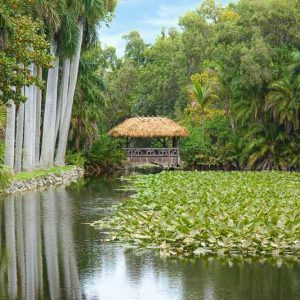
Calm Reflecting Pond – In a still backyard pond with 18 to 24 inches of depth, plant a container of Nymphaea odorata (Fragrant Water Lily) near the center and a tub of Nuphar lutea subsp. advena (Yellow Pond Lily) closer to one side. The white and yellow flowers dance on the surface while floating leaves create reflections and shade for fish.
Wildlife Friendly Farm Pond – Along the sunny, gently sloping edge of a larger pond, introduce rhizomes of Nelumbo lutea (American Lotus) in wide, submerged containers. Combine with a few clumps of Nymphaea mexicana (Yellow Water Lily). Over time, birds, frogs, and turtles will use the leaves and seedheads for shelter and food.
Small Garden Tub Feature – Even a half-barrel can host a mini native water garden. Add a wide, shallow container of Nymphaea odorata and a couple of floating leaves of Yellow Water Lily. Surround the tub with native grasses or rushes to complete the North Florida look.
Naturalized Shoreline Edge – In a natural pond or lakefront where you want a soft, native transition from land to water, cluster American Lotus in deeper pockets and Yellow Pond Lily in slightly shallower zones. Allow the plants to drift and repeat along the shoreline for a cohesive, natural feel.
Most native water lilies and lotus are surprisingly low maintenance once established, but getting them off to a good start is important.
In winter, most hardy native lilies and lotus will go dormant, losing their leaves. Leave rhizomes in place under the water and remove spent foliage only after it has mostly decomposed or detached. This gentle cleanup keeps things tidy without stripping away habitat.
Think of water lilies and lotus as the stars of your aquatic garden and the surrounding shoreline plants as the supporting cast. Together they create a layered, natural look that belongs in North Florida.
Over time, your pond or water feature can evolve from a simple basin into a living, layered ecosystem filled with birdsong, frog calls, and the gentle movement of lily pads in the breeze.
The most dependable native aquatic plants for North Florida are Nelumbo lutea (American Lotus), Nuphar lutea subsp. advena (Yellow Pond Lily), Nymphaea odorata (Fragrant Water Lily), and Nymphaea mexicana (Yellow Water Lily). These species are well adapted to USDA zones 8–9, tolerate fluctuating water levels, and provide strong wildlife value.
Yes. All four major native species—American Lotus, Yellow Pond Lily, Fragrant Water Lily, and Yellow Water Lily—are cold hardy in North Florida. They survive winter by storing energy in their rhizomes and reemerge each spring.
Most native water lilies and lotus require at least 4–6 hours of direct sunlight daily for reliable flowering. American Lotus performs best in full sun, while native water lilies can tolerate light afternoon shade but bloom less in low light.
Fragrant Water Lily and Yellow Water Lily typically grow best with 6–24 inches of water above the soil surface. American Lotus and Yellow Pond Lily can tolerate deeper zones, usually 12–30 inches or more. Start new plants shallower and lower the container deeper once established.
Yes. Fragrant Water Lily and Yellow Water Lily grow well in containers or small ponds as long as they receive enough light and stable water. American Lotus requires a larger container or pond due to its size and spreading rhizomes.
Yes. Native water lilies and lotus shade the water surface, reducing sunlight that fuels algae growth. Their roots also help absorb excess nutrients. For deeper oxygenation, submerged native plants like eelgrass (Vallisneria americana) can be added if space allows.
Grow them in containers, divide established clumps every 2–4 years, and maintain open water areas. Regular upkeep ensures good circulation and prevents a solid mat of vegetation.
Yes. They are excellent for fish. Their leaves provide shade, reduce overheating, offer hiding spots for fry, and improve water quality. Lotus and lilies also reduce stress in fish by providing cover.
Use heavy clay-based topsoil or aquatic planting media. Avoid potting mixes, compost, or peat, which float and cloud the water. Cover the soil surface with gravel to keep it in place.
Most native water lilies root and send up floating pads within a few weeks. American Lotus may take a full season to show strong growth, but once established, it becomes one of the most vigorous aquatic natives.
Updated: November 2025 • Reviewed by Gardenia Editors
Randy Bjorklund, Shutterstock
| Hardiness |
8 - 9 |
|---|---|
| Plant Type | Aquatic Plants |
| Native Plants | United States, Southeast, Florida |
| Toxic to Humans | No known toxicity |
| Toxic to Cats | No known toxicity |
| Toxic to Dogs | No known toxicity |
| Toxic to Horses | No known toxicity |
Create a membership account to save your garden designs and to view them on any device.
Becoming a contributing member of Gardenia is easy and can be done in just a few minutes. If you provide us with your name, email address and the payment of a modest $25 annual membership fee, you will become a full member, enabling you to design and save up to 25 of your garden design ideas.
Join now and start creating your dream garden!
Create a membership account to save your garden designs and to view them on any device.
Becoming a contributing member of Gardenia is easy and can be done in just a few minutes. If you provide us with your name, email address and the payment of a modest $25 annual membership fee, you will become a full member, enabling you to design and save up to 25 of your garden design ideas.
Join now and start creating your dream garden!