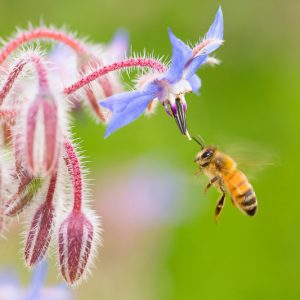
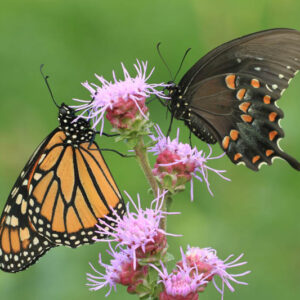
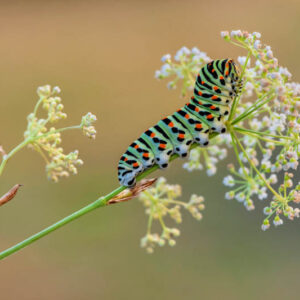
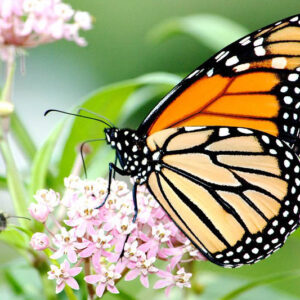
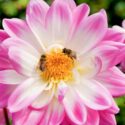
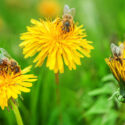
Give your garden the gift of life. With the right mix of flowers, shrubs, and trees, you can attract bees, butterflies, hummingbirds, and birds that fill the air with color and movement. Explore wildlife-friendly plants that create a thriving and endlessly rewarding garden.
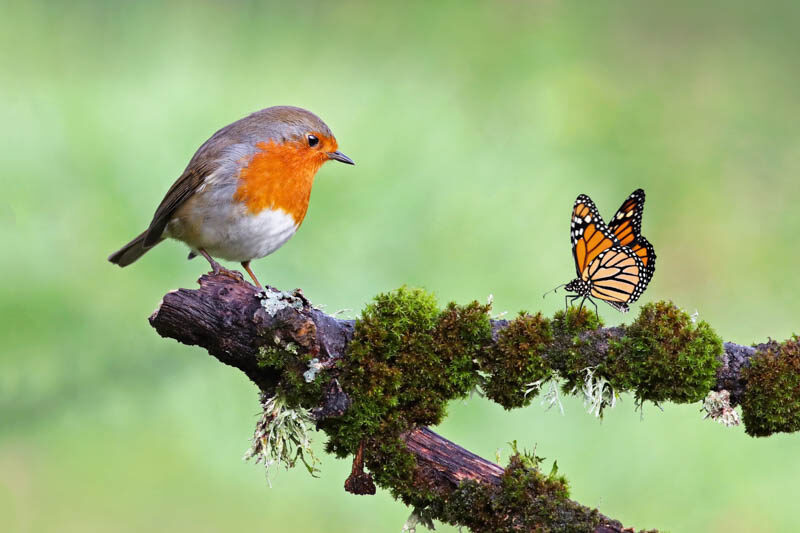


Make your garden hum, flutter, and sing. This guide curates shrubs, perennials, grasses, trees, vines, annuals, and bulbs that feed pollinators and birds – while staying tough, water-wise, and beautiful. For a quick primer on planning a pollinator paradise, see how to cultivate a bee-friendly garden and reasons to start a butterfly garden today.
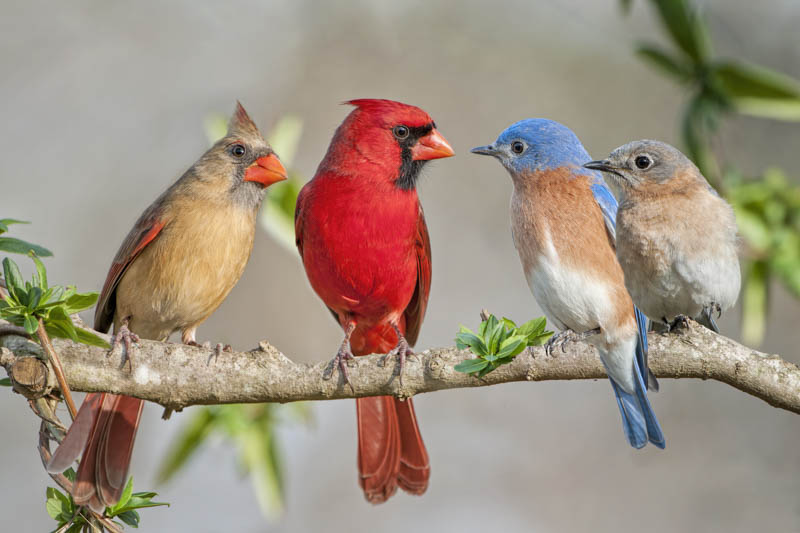
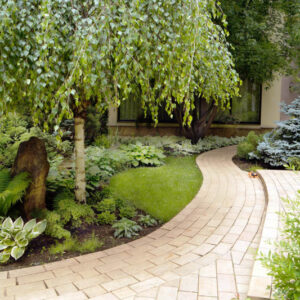
Shrubs build the backbone of a wildlife garden. They offer spring nectar, summer shade, autumn berries, and dense stems for nesting cover. Mix evergreen shrubs with seasonal bloom for food and shelter all year.
See more shrubs that attract birds
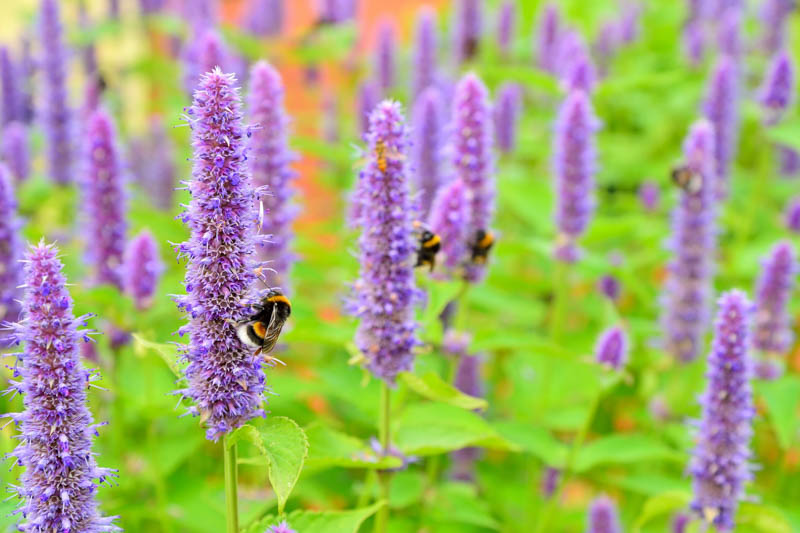 Bumblebees searching for nectar on the flower spikes of Korean Mint (Agastache rugosa)
Perennials fuel the daily commute of bees and butterflies. Choose a relay of blooms from spring to frost, plant in repeating drifts, and leave seedheads standing for winter birds.
See more flowers to attract bees to your garden
See more flowers to attract butterflies to your garden
See more flowers to attract hummingbirds to your garden
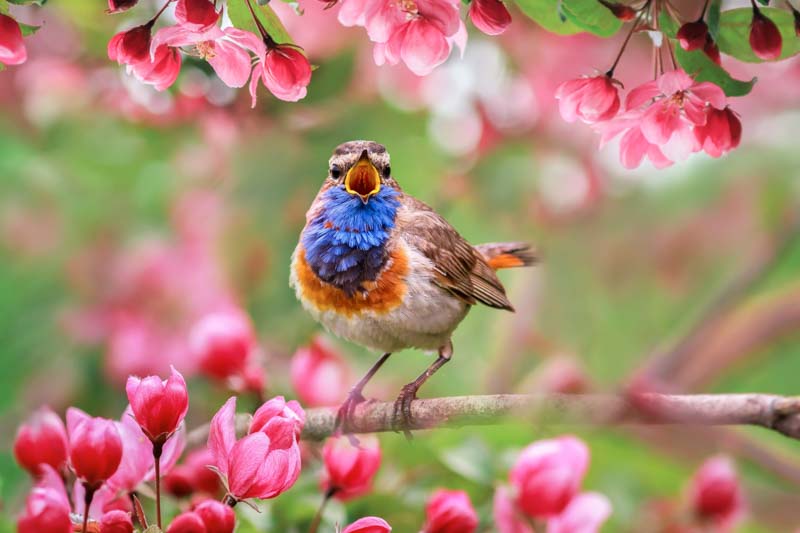
A male bluethroat serenades from a blossoming pink apple tree branch
Trees supercharge habitat. Early flowers feed waking pollinators, branching canopies host insects and nests, and fall mast feeds birds and small mammals. Even one well-chosen tree raises your garden’s ecological ceiling.
See more trees that invite wildlife to your garden
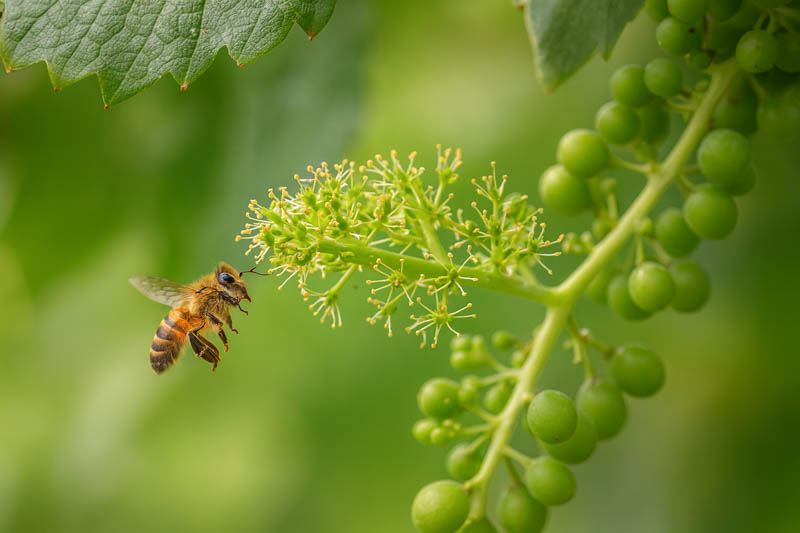
A honeybee hovers near delicate green grapevine flowers
Climbers turn bare walls and fences into foraging corridors. They weave nectar into tight spaces, offer hiding spots, and deliver berries where birds can perch safely. Designing for butterflies? Pair vertical nectar with the right caterpillar hosts using this host-plant guide.
🔎 Find more with our Plant Finder
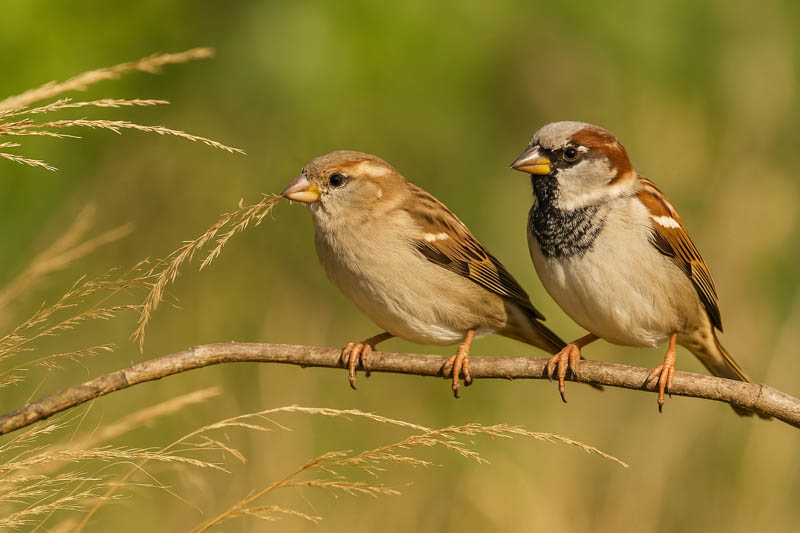
A pair of house sparrows perched on a slender branch, surrounded by graceful ornamental grasses.
Grasses add motion, seed, and cover. Their stems provide winter refuge for beneficial insects, while seedheads feed finches and sparrows through the lean months. Combine grass drifts with nectar lanes from butterfly-garden layouts for nonstop foraging.
🔎 Find more with our Plant Finder
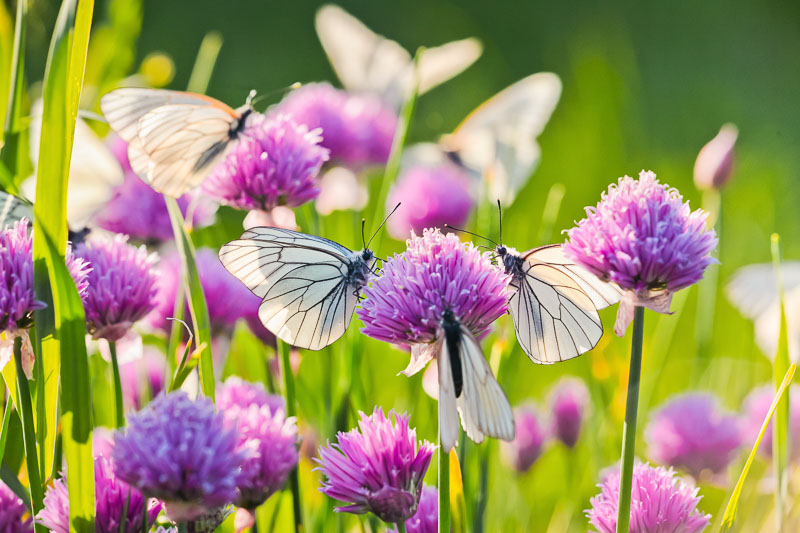
Pieris butterflies are attracted to chive flowers
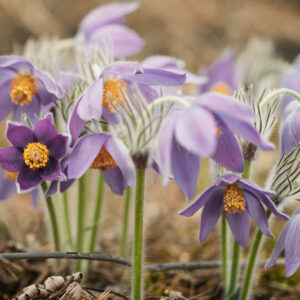
Quick to sprout and generous with nectar, annuals and bulbs keep gardens lively between perennial waves. Sow or tuck bulbs in drifts to carry pollinators from early spring to late fall.
🔎 Find more with our Plant Finder
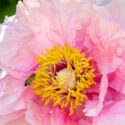
Lavender, catmint, woodland sage, echinacea, yarrow, coreopsis, thyme, allium, borage, cosmos. For a full nectar roadmap, see how to cultivate a bee-friendly garden.
Butterfly bush*, tall verbena, echinacea, black-eyed Susan, hyssop, zinnia, cosmos, bee balm, aster, marigold. Build your plan with butterfly-garden tips and learn which host plants butterflies need.
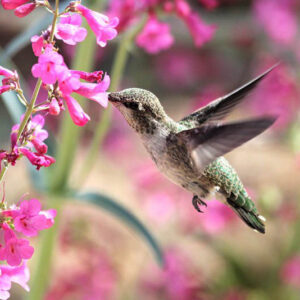
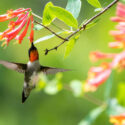
Salvia (scarlet sage/ blue anise sage), bee balm, penstemon, trumpet vine, flowering currant, hyssop, honeysuckle, coral bells, red hot poker, foxglove. For even more nectar options, explore the best flowers to attract hummingbirds.
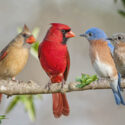
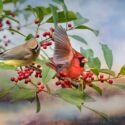
Serviceberry, winterberry, hawthorn, elderberry, viburnum, sunflower, echinacea, cotoneaster, honeysuckle, aster. Expand your palette with bird-attracting trees and shrubs.
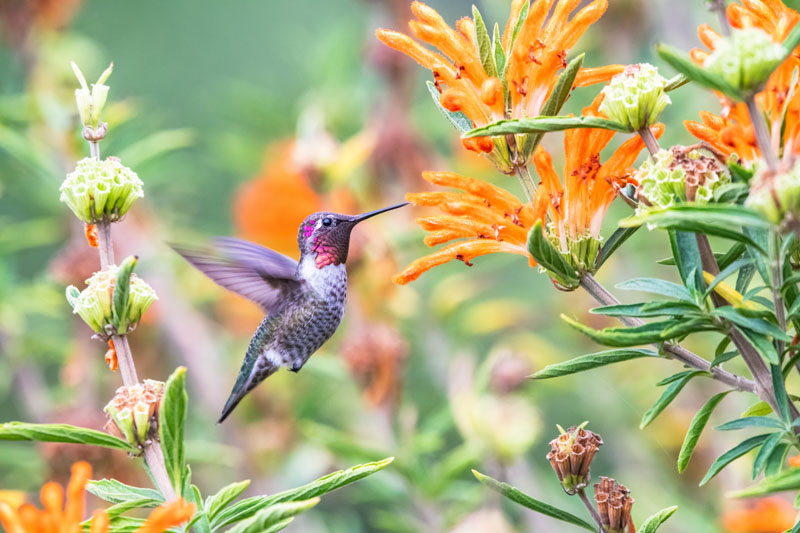
Anna’s Hummingbird feeding on the flowers of lion’s tail (Leonotis leonurus)
Choose nectar-rich flowers like Echinacea, Salvia, Lavender, Asclepias (Milkweed), and Verbena bonariensis. Aim for overlapping bloom times so bees, butterflies, and hummingbirds always find food.
Native plants support far more local bees, butterflies, and birds. Mix region-appropriate natives with non-invasive ornamentals to extend bloom and habitat diversity.
Plant host plants for caterpillars (Asclepias for Monarchs, Lonicera/Viburnum/Prunus for hummingbird moths) and nectar plants like Zinnia and Verbena. Add sunny resting spots and avoid pesticides.
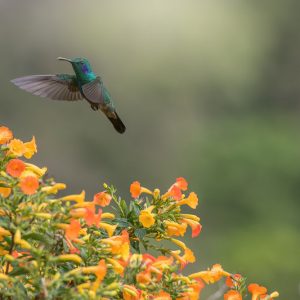
Hummingbirds love tubular, nectar-rich blooms in red, orange, and pink — try Monarda, Penstemon, Salvia greggii, and Campsis radicans.
Provide flowers from early spring (Crocus, Allium) to late fall (Sedum, Aster). Leave bare soil patches for ground-nesting bees and avoid synthetic pesticides.
Not at all. Use tidy edges, layered planting, and repetition of color or form. Let some seedheads and leaf litter remain for birds and insects — it’s “wildly neat.”
Plant berrying shrubs like Ilex, Amelanchier, and Viburnum. Add seed-bearing perennials (Echinacea, Rudbeckia), clean water, and thorny cover for safe nesting.
Skip double or sterile flowers, which often lack nectar or pollen. Avoid invasives like English Ivy or Butterfly Bush in sensitive regions — choose native alternatives.
No. Once established, drought-tolerant perennials and shrubs thrive with minimal care. Water deeply, mulch well, and skip chemicals — nature handles the rest.
Yes! They support biodiversity, improve soil health, reduce runoff, and sustain declining species like native bees and Monarch butterflies.
Arizona
Arkansas
California
Colorado
Connecticut
Delaware
Florida
Georgia
Idaho
Illinois
Indiana
Iowa
Kansas
Kentucky
Louisiana
Maine
Maryland
Massachusetts
Michigan
Minnesota
Mississippi
Missouri
Montana
Nebraska
Nevada
New Hampshire
New Jersey
New Mexico
New York
North Carolina
North Dakota
Ohio
Oklahoma
Oregon
Pennsylvania
Rhode Island
South Carolina
South Dakota
Tennessee
Texas
Utah
Vermont
Virginia
Washington
West Virginia
Wisconsin
Wyoming
Updated: October 2025
| Hardiness |
3 - 10 |
|---|---|
| Plant Type | Annuals, Bulbs, Ferns, Herbs, Ornamental Grasses, Perennials, Shrubs, Trees |
| Season of Interest | Spring (Early, Mid, Late), Summer (Early, Mid, Late), Fall, Winter |
| Attracts | Bees, Butterflies, Hummingbirds, Birds |
| Toxic to Humans | No known toxicity |
| Toxic to Cats | No known toxicity |
| Toxic to Dogs | No known toxicity |
| Toxic to Horses | No known toxicity |
| Hardiness |
3 - 10 |
|---|---|
| Plant Type | Annuals, Bulbs, Ferns, Herbs, Ornamental Grasses, Perennials, Shrubs, Trees |
| Season of Interest | Spring (Early, Mid, Late), Summer (Early, Mid, Late), Fall, Winter |
| Attracts | Bees, Butterflies, Hummingbirds, Birds |
| Toxic to Humans | No known toxicity |
| Toxic to Cats | No known toxicity |
| Toxic to Dogs | No known toxicity |
| Toxic to Horses | No known toxicity |
Create a membership account to save your garden designs and to view them on any device.
Becoming a contributing member of Gardenia is easy and can be done in just a few minutes. If you provide us with your name, email address and the payment of a modest $25 annual membership fee, you will become a full member, enabling you to design and save up to 25 of your garden design ideas.
Join now and start creating your dream garden!
Create a membership account to save your garden designs and to view them on any device.
Becoming a contributing member of Gardenia is easy and can be done in just a few minutes. If you provide us with your name, email address and the payment of a modest $25 annual membership fee, you will become a full member, enabling you to design and save up to 25 of your garden design ideas.
Join now and start creating your dream garden!