Common Blue Violet, Missouri Violet, Common Blue Violet, Hooded Blue Violet, Florida Violet, Meadow Violet, Confederate Violet, Dooryard Violet, Purple Violet, Woolly Blue Violet, Wood Violet, Hooded Violet, Viola floridana, Viola latiuscula, Viola palmata var. sororia, Viola papilionacea, Viola papilionacea var. priceana, Viola priceana, Viola papilionacea, Viola septentrionalis
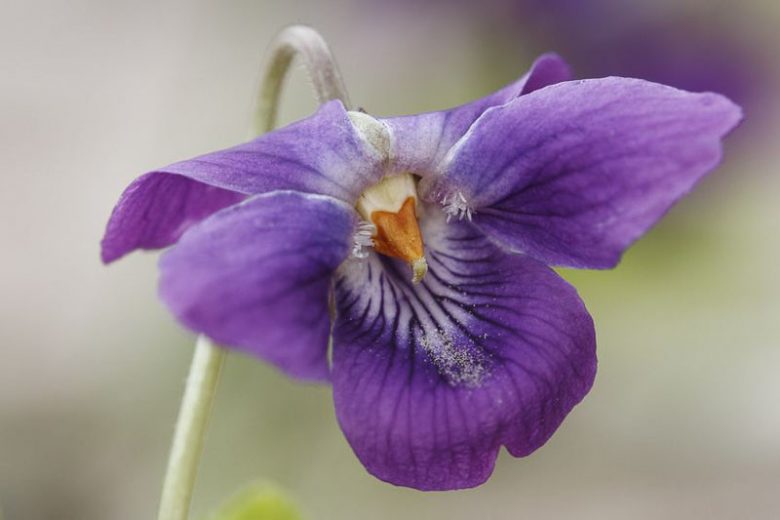
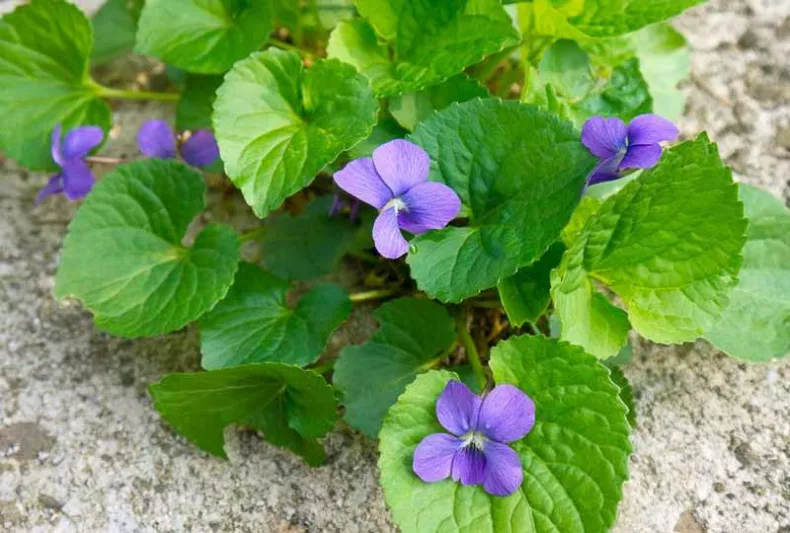
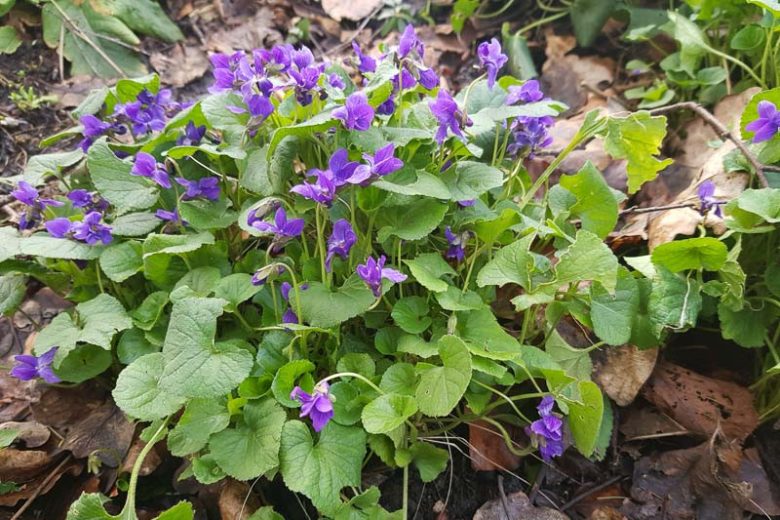


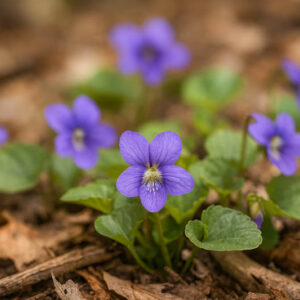
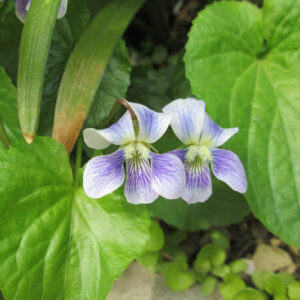
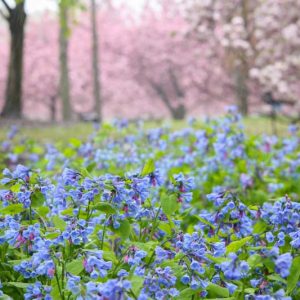
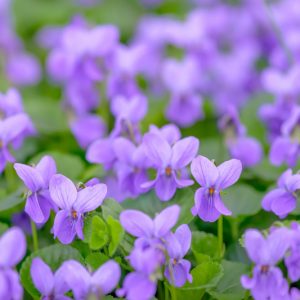
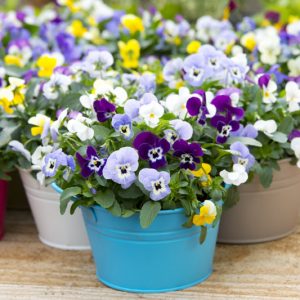
If you’re looking for an easygoing, shade tolerant native perennial that brings early spring color and natural charm, Viola sororia—the beloved Common Blue Violet—is a wonderful addition to any garden. With its glossy, heart shaped leaves and cheerful blue violet blooms, this petite wildflower thrives in lawns, woodlands, borders, and naturalized landscapes.
Despite its delicate appearance, Viola sororia is a tough, adaptable, low growing ground cover that spreads enthusiastically by seed and rhizomes. Give it partial shade, average soil, and steady moisture, and it will happily form a living carpet of blooms in mid spring—and sometimes again during summer. No wonder it’s the state flower of Illinois, Rhode Island, New Jersey, and Wisconsin!
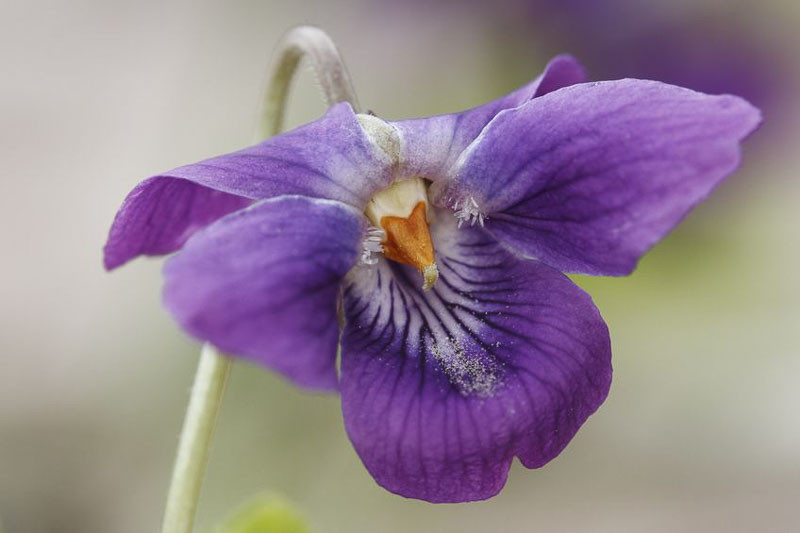
Summary: Stemless, low growing herbaceous perennial with glossy heart shaped leaves and blue violet flowers appearing in mid spring. Freely self seeds and may naturalize to form dense colonies.
Use: Woodland gardens, shady borders, natural lawns, cottage gardens, rock gardens, wildlife gardens, containers, and ground cover applications.
Highlight: Early nectar source for bees and butterflies, edible flowers and leaves, highly versatile, and deer resistant.
Note: A charming native plant that offers ecological value, nostalgic beauty, and low maintenance growth.
| Botanical Name | Viola sororia |
|---|---|
| Family | Violaceae (Violet family) |
| Common Names | Common blue violet, woolly blue violet, purple violet, wood violet |
| Native Range | Eastern and central North America; common in meadows, lawns, and woodland understories. |
| Plant Type and Habit | Low growing herbaceous perennial with a basal rosette and individual leafless flower stalks. |
| Hardiness (approx. USDA) | Hardy in USDA Zones 3 to 7; very cold tolerant. |
| Size | Typically 6 to 10 in. tall and wide (15 to 25 cm). |
| Sun and Exposure | Light shade to part shade is ideal, but tolerates full sun with adequate moisture. |
| Soil | Prefers average, medium moisture, well drained soil. Thrives in humus rich, moisture retentive soils; clay tolerant. |
| Seasonal Interest | Blue violet flowers in mid spring and sometimes sporadically into late summer. |
| Primary Uses | Woodland gardens, natural lawns, groundcovers, cottage gardens, containers, and wildlife plantings. |
Viola sororia is a stemless, low growing perennial native to North America. It forms a rounded basal rosette of glossy, heart shaped leaves that emerge early in spring. Each bloom stands atop a slender, leafless stalk, creating a delicate but eye catching display.
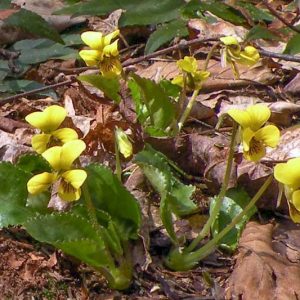
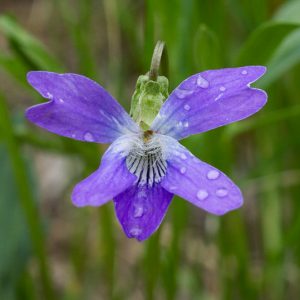
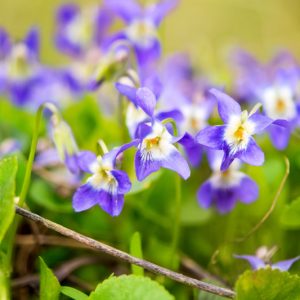
Its flowers are typically blue violet with white throats, although white, speckled, and purple forms occur naturally. Beneath the soil, short rhizomes help the plant spread gradually, while above ground, abundant seeds enable new colonies to form.
Viola sororia is native to the eastern and central United States, where it thrives in moist meadows, woodlands, and shaded grasslands. Its adaptability to lawns and disturbed soils has made it a familiar sight in residential areas.
This hardy violet plays an important ecological role, providing early nectar for native bees and foliage for caterpillars of several fritillary butterflies.
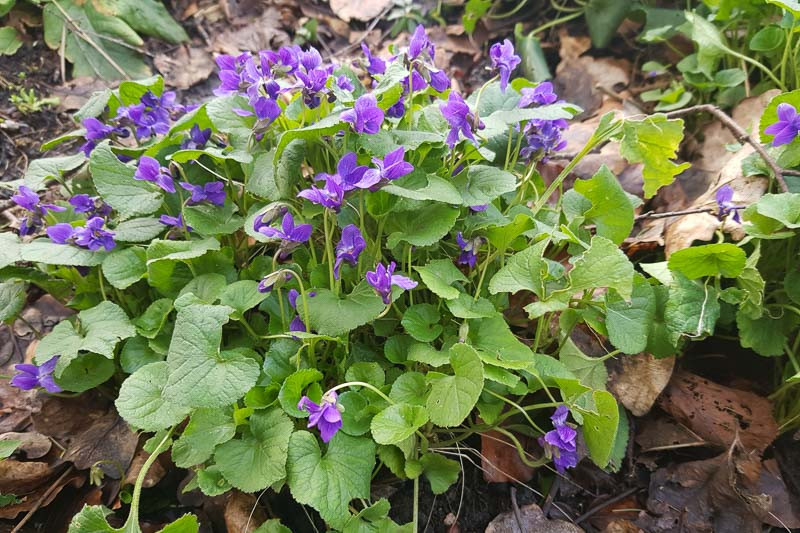
The plant maintains a tidy, compact habit, generally staying under 10 inches tall. While it doesn’t spread aggressively by rhizomes, its prolific self seeding—especially from its closed, self pollinating cleistogamous flowers—allows it to naturalize generously where conditions are favorable.
Common Blue Violets typically bloom in mid spring, with a dramatic flush of blue violet flowers that brighten shaded garden spaces. In good conditions, it may bloom again during summer or early fall, though less intensely than in spring.
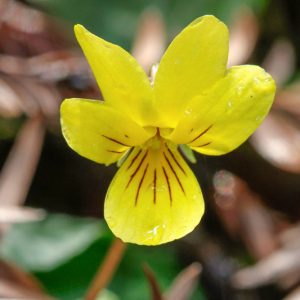
Each flower displays five petals, with darker veining that guides pollinators to its nectar.
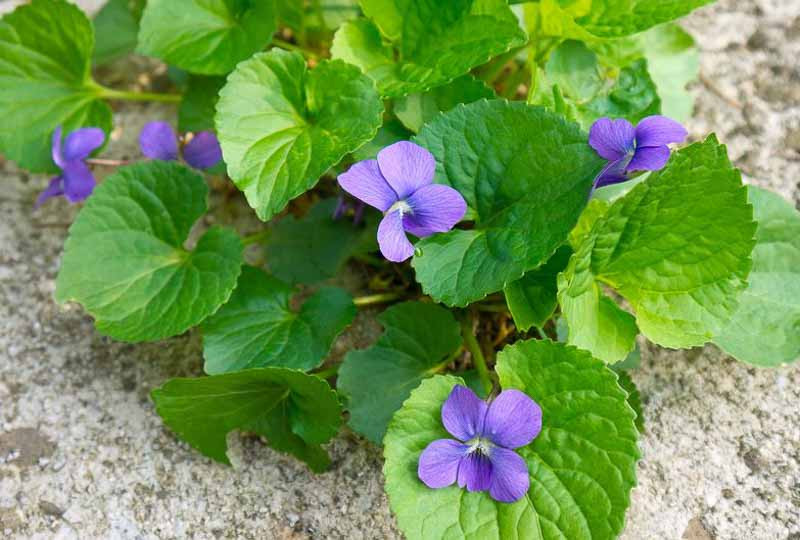
The glossy, bright green, heart shaped foliage provides texture well beyond bloom season. After flowering, leaves expand into a dense groundcover, especially valuable in woodland and shade gardens.
USDA Zones 3 to 7. Extremely cold hardy and reliable even in harsh winter climates.
As a native wildflower, Viola sororia offers tremendous ecological benefits:
The plant is generally deer-resistant thanks to its slightly bitter foliage. Rabbits may nibble young leaves but usually leave mature foliage alone.
Viola sororia prefers consistent moisture and is not drought-tolerant. However, once established, it can handle short dry spells in partial shade.
Common Blue Violets are considered safe and edible for humans. Leaves are rich in vitamins A and C, and flowers are often used for jams and candied decorations.
Although native, its vigorous self seeding can make it seem invasive in formal lawns or tidy beds. Gardeners who prefer a manicured look may need to deadhead or manage seedlings.
Benefits include:
Common blue violet is highlighted or complementary in the following planting and groundcover guides:
The Common Blue Violet (Viola sororia) is a native North American perennial known for its heart-shaped leaves and blue-violet spring flowers. It grows low to the ground, spreads by seed and rhizomes, and is commonly found in lawns, woodlands, and shaded gardens.
Although native, the plant can spread aggressively in lawns and garden beds due to heavy self-seeding. It is not classified as invasive but may require management if a tidy landscape is desired.
It is native to eastern and central North America and grows in meadows, woodlands, streambanks, shaded lawns, and disturbed soils. It adapts easily to many environments.
Yes. It provides important early-season nectar for bees and supports several fritillary butterfly species, whose larvae feed on violet leaves.
It prefers part shade, medium moisture, and humus-rich soil but tolerates full sun with adequate water. It is hardy in USDA Zones 3–7 and adapts to clay, loam, and average garden soils.
Yes. The flowers and young leaves are edible. They are high in vitamins A and C and are commonly used in salads, jellies, and candied decorations.
No. Common Blue Violet is generally considered non-toxic to pets, including cats and dogs.
Yes. It forms a dense, low-growing carpet that suppresses weeds in shaded or partially shaded areas. It is a popular native groundcover for naturalistic gardens.
Regular hand-pulling, maintaining a thick turf, improving drainage, and mowing high can help reduce spread. In some regions, selective herbicides may also be used.
It typically blooms in mid-spring, with flowers appearing from April to May. In favorable conditions, it may bloom sporadically in summer.
USDA PLANTS Database – Viola sororia Plant Profile
Updated: December 2025 • Reviewed by Gardenia Editors
| Hardiness |
3 - 7 |
|---|---|
| Plant Type | Perennials |
| Plant Family | Violaceae |
| Genus | Viola |
| Common names | Common Blue Violet, Florida Violet, Purple Violet, Violet, Wood Violet |
| Exposure | Full Sun, Partial Sun |
| Season of Interest | Spring (Mid, Late), Summer (Early, Mid, Late) |
| Height | 6" - 10" (15cm - 25cm) |
| Spread | 6" - 10" (15cm - 25cm) |
| Spacing | 10" (25cm) |
| Maintenance | Low |
| Water Needs | Average |
| Soil Type | Clay, Loam, Sand |
| Soil pH | Acid, Alkaline, Neutral |
| Soil Drainage | Moist but Well-Drained |
| Characteristics | Showy |
| Native Plants | United States, Northeast, Pennsylvania, Rhode Island, Vermont, Connecticut, Delaware, Maine, Massachusetts, Maryland, New Hampshire, New Jersey, New York, Illinois, Indiana, Iowa, Kansas, Michigan, Midwest, Minnesota, Missouri, Nebraska, North Dakota, Ohio, South Dakota, Wisconsin, Southeast, Louisiana, Mississippi, North Carolina, South Carolina, Tennessee, Virginia, West Virginia, Alabama, Arkansas, Florida, Georgia, Kentucky, Southwest, Texas, Oklahoma |
| Tolerances | Deer, Clay Soil, Black Walnut |
| Garden Uses | Beds And Borders, Edging, Ground Covers, Patio And Containers |
| Garden Styles | Coastal Garden, Gravel and Rock Garden, Informal and Cottage, Prairie and Meadow, Traditional Garden |
| Toxic to Humans | No known toxicity |
| Toxic to Cats | No known toxicity |
| Toxic to Dogs | No known toxicity |
| Toxic to Horses | No known toxicity |


| Hardiness |
3 - 7 |
|---|---|
| Plant Type | Perennials |
| Plant Family | Violaceae |
| Genus | Viola |
| Common names | Common Blue Violet, Florida Violet, Purple Violet, Violet, Wood Violet |
| Exposure | Full Sun, Partial Sun |
| Season of Interest | Spring (Mid, Late), Summer (Early, Mid, Late) |
| Height | 6" - 10" (15cm - 25cm) |
| Spread | 6" - 10" (15cm - 25cm) |
| Spacing | 10" (25cm) |
| Maintenance | Low |
| Water Needs | Average |
| Soil Type | Clay, Loam, Sand |
| Soil pH | Acid, Alkaline, Neutral |
| Soil Drainage | Moist but Well-Drained |
| Characteristics | Showy |
| Native Plants | United States, Northeast, Pennsylvania, Rhode Island, Vermont, Connecticut, Delaware, Maine, Massachusetts, Maryland, New Hampshire, New Jersey, New York, Illinois, Indiana, Iowa, Kansas, Michigan, Midwest, Minnesota, Missouri, Nebraska, North Dakota, Ohio, South Dakota, Wisconsin, Southeast, Louisiana, Mississippi, North Carolina, South Carolina, Tennessee, Virginia, West Virginia, Alabama, Arkansas, Florida, Georgia, Kentucky, Southwest, Texas, Oklahoma |
| Tolerances | Deer, Clay Soil, Black Walnut |
| Garden Uses | Beds And Borders, Edging, Ground Covers, Patio And Containers |
| Garden Styles | Coastal Garden, Gravel and Rock Garden, Informal and Cottage, Prairie and Meadow, Traditional Garden |
| Toxic to Humans | No known toxicity |
| Toxic to Cats | No known toxicity |
| Toxic to Dogs | No known toxicity |
| Toxic to Horses | No known toxicity |
How many Viola sororia (Common Blue Violet) do I need for my garden?
| Plant | Quantity | |
|---|---|---|
| Viola sororia (Common Blue Violet) | N/A | Buy Plants |
Create a membership account to save your garden designs and to view them on any device.
Becoming a contributing member of Gardenia is easy and can be done in just a few minutes. If you provide us with your name, email address and the payment of a modest $25 annual membership fee, you will become a full member, enabling you to design and save up to 25 of your garden design ideas.
Join now and start creating your dream garden!
Create a membership account to save your garden designs and to view them on any device.
Becoming a contributing member of Gardenia is easy and can be done in just a few minutes. If you provide us with your name, email address and the payment of a modest $25 annual membership fee, you will become a full member, enabling you to design and save up to 25 of your garden design ideas.
Join now and start creating your dream garden!