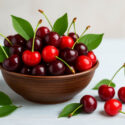
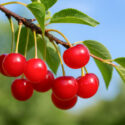
Curious if your cat can share a cherry? This friendly, vet informed guide explains which parts are toxic, the real pit risks, how to serve fruit safely, what symptoms to watch, and when to call your vet. Plus, easy safer treat swaps your whiskered friend will love. Practical, calm, cat safe.
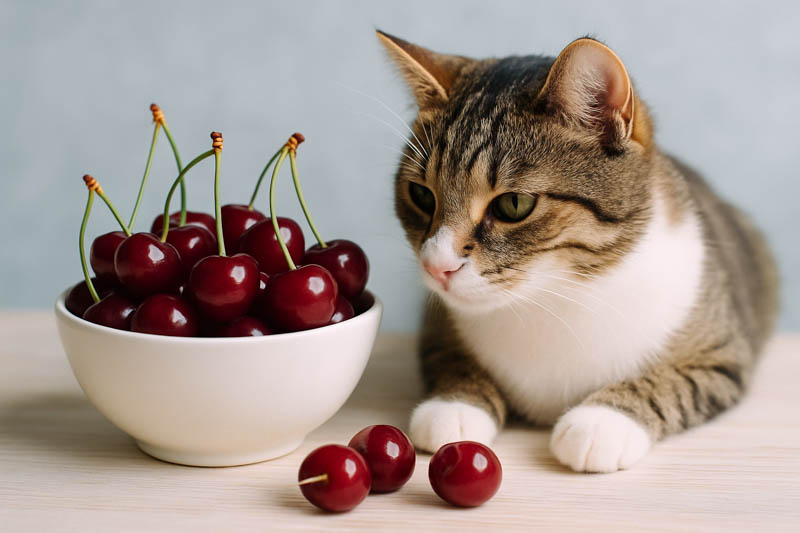


If you live with a curious whiskered roommate, you have probably wondered: “Can cats eat cherries?” The short answer is that cherry flesh is not the main problem, yet the rest of the plant is. Pits, stems, and leaves from cherry trees contain cyanide-releasing compounds, and pits can also be a choking or intestinal obstruction risk. Add sugary cherry products to the picture and you have more reasons to skip this fruit for cats.
Below is a friendly, vet-informed guide that explains what is risky, what a tiny taste might look like if you insist, how to spot trouble, and what to do if your cat just crunched a pit. When in doubt, call your veterinarian or a pet poison helpline for guidance tailored to your cat.
Can cats eat cherries? Best answer: avoid. If you ever share, it should be a tiny taste of flesh only and only after careful prep.
What is unsafe? Pits, stems, and leaves contain cyanogenic glycosides that can release cyanide if chewed. Pits also pose choking and blockage risks.
Products to avoid: Maraschino cherries, pie filling, canned syrupy cherries, most dried cherries, and cherry-flavored items that may contain sweeteners or alcohol.
Why the caution? Cats are small, obligate carnivores with no dietary need for sugary fruit. Risks outweigh any benefit.
Reference tip: The ASPCA lists many Prunus species as toxic to cats due to cyanogenic glycosides.
Cherries come from Prunus trees. The fruit pits, stems, and leaves contain cyanogenic glycosides that can release cyanide when chewed and crushed. True cyanide poisoning from a single pit is not common in household cats, yet it is possible with sufficient exposure, especially if the material is chewed. The more immediate concerns are choking, gastrointestinal obstruction, and unnecessary sugar loads from processed cherry products.
Honestly, the safest answer is no. Cats gain little nutritional value from fruit, so it is better to choose a cat-appropriate treat. If you are determined to let your cat try a taste, make it very small and follow the checklist below.
| Form | Verdict | Why |
|---|---|---|
| Fresh cherry flesh only | Better to skip – at most a tiny taste | No nutritional need and potential for GI upset. If you ever offer, remove pit and stem and mince the flesh. |
| Whole cherry with pit or stem | No | Choking and obstruction risk. Cyanide-releasing compounds in pit and stem. |
| Maraschino, pie filling, canned in syrup | No | Very high in sugar and additives. Some preparations can include alcohol or extra flavorings. |
| Cherry-flavored items and candies | No | Often contain sugars, artificial sweeteners, or other ingredients that are not appropriate for cats. |
| Dried cherries | No | Concentrated sugars and calories. Sticky texture can be a choking risk. |
| Cherry juice or concentrates | No | Sugar load without fiber. Not a cat-friendly choice. |
Signs vary with what and how much was eaten. Cats also hide discomfort, so subtle changes matter. Use the timeline below to decide next steps.
Do not induce vomiting unless your veterinarian specifically instructs you to do so.
Avoid over-the-counter medications unless your veterinarian has approved them for your cat.
In clinic, your vet will ask what was eaten and when, examine your cat, and choose targeted care. Options include:
Cats are carnivores, so the best treats align with that biology. If you want a special reward, pick one of these instead of cherries.
Still want a fruit vibe for photos or enrichment games? If your individual cat enjoys fruit scents, you might let them sniff a blueberry or melon cube, then reward with a protein treat. If you keep dog-friendly fruits in the house, these links are handy for general plant knowledge and garden projects, even though they are not cat treats:
| Plant | Learn More | Note for Cats |
|---|---|---|
| Blueberries | Blueberries guide | Cats do not need fruit. If you ever offer a taste, keep it tiny and watch for GI upset. |
| Apple | Apple genus overview | Never offer seeds or core. Most cats are not interested – choose meat-based treats instead. |
| Strawberries | Strawberries overview | Very small tastes only – many cats dislike sweet flavors. |
| Watermelon | Watermelon plant page | Remove seeds and rind if you ever let a cat lick a tiny piece. Again – meat treats are better. |
Not recommended. If you ever share, it should be a tiny minced piece of flesh only and only after removing pit and stem. Cats do not need fruit and many get mild stomach upset from sugary foods.
No. Maraschino cherries are very high in sugar and additives. Some preparations involve alcohol or extra flavorings. Learn what they are here: maraschino cherries guide.
Call your veterinarian for guidance. Many single pits pass, yet there is a risk of choking or obstruction and chewed pits add cyanide concerns. Watch for gagging, repeated vomiting, abdominal pain, or straining. Seek care if any of these occur.
No meaningful difference for cats. The pit, stem, and leaf risks are the same across sweet and tart types. Avoid cherries or limit to a tiny taste of properly prepared flesh only.
Better to choose something else. Many cherry yogurts contain lots of sugar. Some cats are lactose intolerant, so dairy can cause GI upset. If your vet says yogurt is fine for your individual cat, choose plain and unsweetened in a pea-size portion.
This is uncommon with household exposures yet very serious. Red-flag signs include rapid breathing, bright red gums, weakness, collapse, and seizures. Seek emergency care immediately if you suspect significant ingestion of chewed pits, stems, or leaves.
For cats, cherries are more trouble than they are worth. The pit, stem, and leaf risks are significant for a small animal, and sugary cherry products add no benefit. If you absolutely must share a taste, make it a single tiny bit of properly prepared flesh – then go back to cat-smart protein treats. When in doubt, reach out to your veterinarian, and keep cherry bowls, pies, and cocktail garnishes well out of paw’s reach.
Updated: October 2025 •Gardenia Editors
| Hardiness |
4 - 8 |
|---|---|
| Plant Type | Fruits, Trees |
| Plant Family | Rosaceae |
| Genus | Cherries, Prunus - Fruit Tree |
| Common names | Peace Lily |
| Exposure | Full Sun |
| Season of Interest | Spring (Mid, Late), Summer (Early, Mid, Late), Fall |
| Height | 8' - 35' (240cm - 10.7m) |
| Spread | 6' - 20' (180cm - 6.1m) |
| Maintenance | Average |
| Water Needs | Average |
| Soil Type | Chalk, Clay, Loam, Sand |
| Soil pH | Acid, Alkaline, Neutral |
| Soil Drainage | Moist but Well-Drained, Well-Drained |
| Characteristics | Showy |
| Attracts | Bees, Butterflies, Birds |
| Landscaping Ideas | Beds And Borders |
| Garden Styles | City and Courtyard, Informal and Cottage |
| Toxic to Humans | No known toxicity |
| Toxic to Cats | No known toxicity |
| Toxic to Dogs | No known toxicity |
| Toxic to Horses | No known toxicity |
| Hardiness |
4 - 8 |
|---|---|
| Plant Type | Fruits, Trees |
| Plant Family | Rosaceae |
| Genus | Cherries, Prunus - Fruit Tree |
| Common names | Peace Lily |
| Exposure | Full Sun |
| Season of Interest | Spring (Mid, Late), Summer (Early, Mid, Late), Fall |
| Height | 8' - 35' (240cm - 10.7m) |
| Spread | 6' - 20' (180cm - 6.1m) |
| Maintenance | Average |
| Water Needs | Average |
| Soil Type | Chalk, Clay, Loam, Sand |
| Soil pH | Acid, Alkaline, Neutral |
| Soil Drainage | Moist but Well-Drained, Well-Drained |
| Characteristics | Showy |
| Attracts | Bees, Butterflies, Birds |
| Landscaping Ideas | Beds And Borders |
| Garden Styles | City and Courtyard, Informal and Cottage |
| Toxic to Humans | No known toxicity |
| Toxic to Cats | No known toxicity |
| Toxic to Dogs | No known toxicity |
| Toxic to Horses | No known toxicity |
Create a membership account to save your garden designs and to view them on any device.
Becoming a contributing member of Gardenia is easy and can be done in just a few minutes. If you provide us with your name, email address and the payment of a modest $25 annual membership fee, you will become a full member, enabling you to design and save up to 25 of your garden design ideas.
Join now and start creating your dream garden!
Create a membership account to save your garden designs and to view them on any device.
Becoming a contributing member of Gardenia is easy and can be done in just a few minutes. If you provide us with your name, email address and the payment of a modest $25 annual membership fee, you will become a full member, enabling you to design and save up to 25 of your garden design ideas.
Join now and start creating your dream garden!