Apricots thrive when they have the right neighbors! From pollinator magnets like borage to soil-healing clover and pest-repelling herbs, companion plants turn your tree into a mini-ecosystem. Learn which plants boost fruit, prevent disease, and save you work - and which ones secretly sabotage your harvest.


Apricot trees are early-spring charmers with midsummer payoffs, but what you plant beneath and around them can make or break yield and ease of care. The right companions attract beneficial insects, feed pollinators, recycle nutrients, soften soil, and help keep diseases like brown rot at bay. Below you’ll find practical, field-tested allies for apricots – plus the plants to give a wide berth. We’ve also clarified a few popular claims you may have seen online (basil, tansy, wormwood, tomatoes, oats, and more) so you can plant with confidence.
Summary: Apricots bloom very early, so your understory should serve bees from the first warm days and support natural enemies of aphids, peach twig borers, and other pests. Mix pollinator flowers (phacelia, alyssum, yarrow), deterrent herbs (chives, garlic chives, thyme, basil), nitrogen fixers (white clover, vetch, lupines, bush beans/peas at the outer ring), and dynamic accumulators used as chop-and-drop mulch (comfrey, borage). Keep a mulch-only donut around the trunk, water deep at the dripline, and prune for airflow.
| Goals | Pollination, natural pest control, nutrient cycling, soil cover without trunk crowding |
|---|---|
| Top Allies | White clover, crimson clover, vetch, bush beans & peas, lupines, borage, comfrey, yarrow, sweet alyssum, calendula, phacelia, dill, coriander, thyme, oregano, chives, garlic chives, nasturtiums, pansies, basil |
| Avoid | Black walnut and other juglone trees, tall sunflowers and corn at the dripline, water-hogging brambles (Rubus), invasive mint, dense turf to the trunk, fennel inside the guild, wormwood near roots (allelopathic), tansy in small spaces (spreads, toxic to livestock). Nightshades (tomato, potato, eggplant, pepper) under the canopy (they block airflow; keep at the sunny edge if you grow them). |
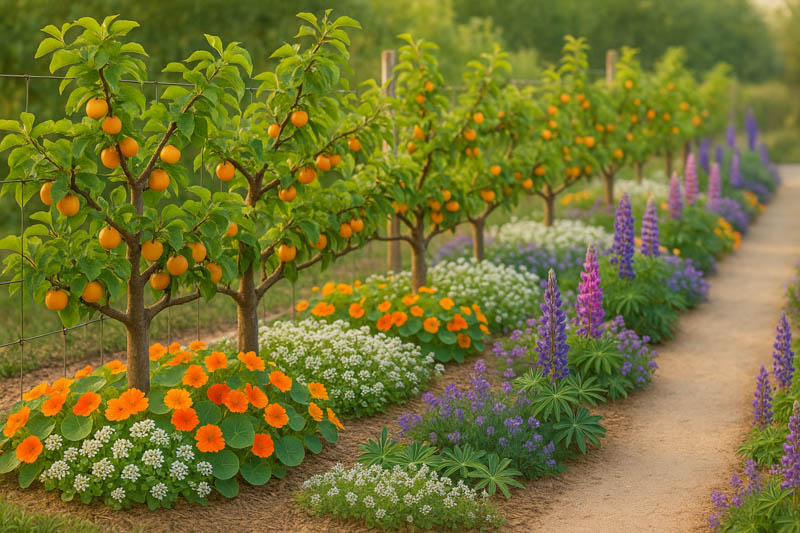
| Layout Tip | Keep a mulch-only “donut” 6–12 in. from the trunk. Build low companions in rings out to the dripline. Put taller flowers beyond the dripline or on the north side. |
Companion planting for apricots is applied ecology at your ankles: bloom for bees when the tree wakes, nectar for hoverflies and lacewings, soft roots that breathe life into the soil, and foliage that shields the ground without trapping humidity.
It’s the art of building a living understory (often called a “guild”) that supports tree health and harvest:
Keep the inner 6–12 in. around the trunk strictly wood chips. Inside the canopy, favor low growers. Place taller flowers at or just beyond the dripline where they won’t shade fruiting wood.
| Companion Plant | Type / Role | Height / Spread | Key Benefit | Notes |
|---|---|---|---|---|
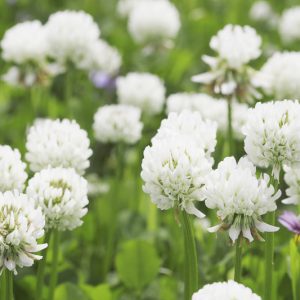
| White Clover (Trifolium repens) | Perennial legume – living mulch | 4–8 in. H – spreading mat | Fixes N, feeds bees, suppresses weeds | Sow in patches between stepping stones. |
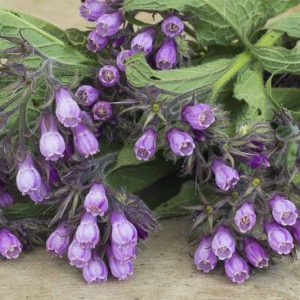
| Comfrey (Symphytum) | Perennial herb – nutrient pump | 18–36 in. H – clumps | Deep roots mine K & Ca; chop-and-drop mulch | Use sterile Bocking 14 to avoid spreading. |
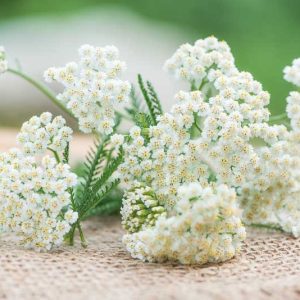
| Yarrow (Achillea) | Perennial flower – insectary | 18–30 in. H – clumps | Feeds hoverflies, lacewings, parasitoids | Plant at or outside the dripline for light. |
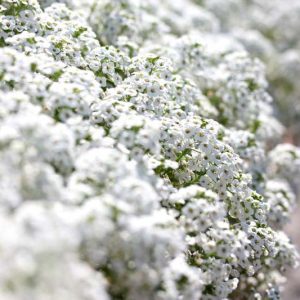
| Sweet Alyssum (Lobularia) | Annual – predator support | 4–8 in. H – low mats | Hoverfly magnet for aphid control | Edge paths; shear to rebloom. |
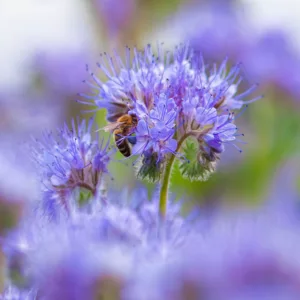
| Phacelia (Phacelia tanacetifolia) | Annual – pollinator strip | 12–36 in. H – airy | Feeds bees during & after bloom | Best just beyond canopy edge. |
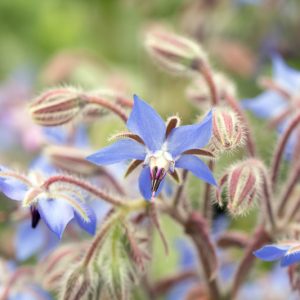
| Borage (Borago officinalis) | Annual herb – bee plant, mulch source | 18–36 in. H – 18–24 in. W | Blue flowers bring bees; leafy biomass | North side or outer ring to avoid shade. |
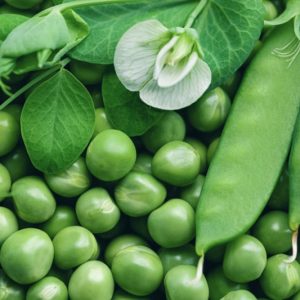
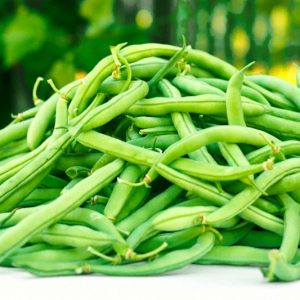
| Bush Beans & Peas | Annual legumes – N fixation | 12–24 in. H – rows or patches | Add nitrogen, light groundcover | Plant in the outer ring; inoculate seed. |
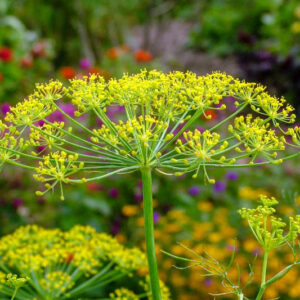
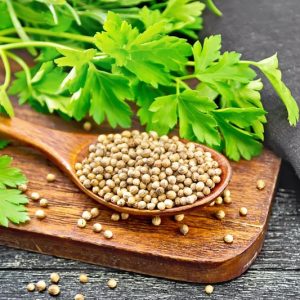
| Dill & Coriander | Annual umbels – beneficial fuel | 18–36 in. H – airy | Umbel nectar for parasitoids of aphids & moth larvae | Succession sow near dripline. |
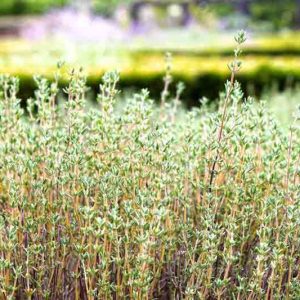
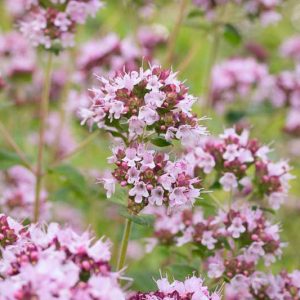
| Thyme & Oregano | Perennial herbs – living mulch / aroma veil | 4–12 in. H – mats | Weed suppression, bee forage, light cover | Plant in islands for airflow. |
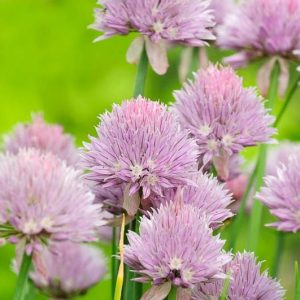
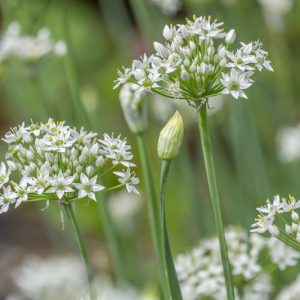
| Chives & Garlic Chives | Clumping alliums – pest confusion, bee bloom | 10–20 in. H – clumps | Aromatic foliage; nectar-rich flowers | Divide to spread; tuck between herbs. |
| Daffodils (Narcissus) | Bulb – rodent deterrence, early color | 8–18 in. H – clumps | Deer/rodent resistant; roots stay shallow | Plant at donut edge in fall. |
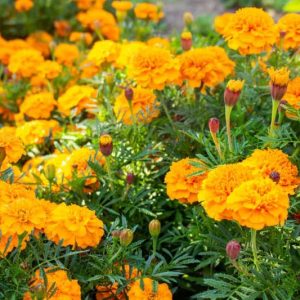
| Marigolds & Calendula | Annuals – color, predator support | 8–20 in. H – compact clumps | Long nectar window; beneficial habitat | Deadhead or reseed for continuity. |
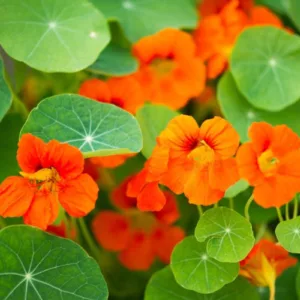
| Nasturtium (Tropaeolum) | Annual – trap crop, soft groundcover | 6–12 in. H – trailing | Attracts aphids away from apricot tips | Cull when overloaded with aphids. |
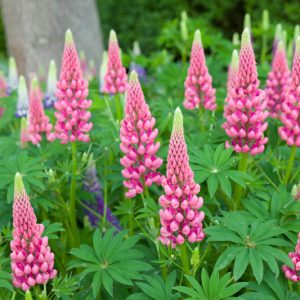
| Lupines (Lupinus) | Perennial legume – N fixation & habitat | 18–36 in. H – upright | Nitrogen & diverse pollinator support | Outer ring where sun is strongest. |
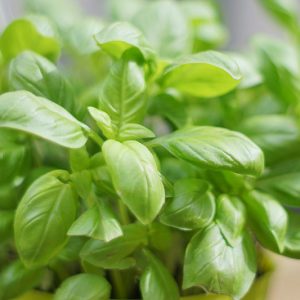
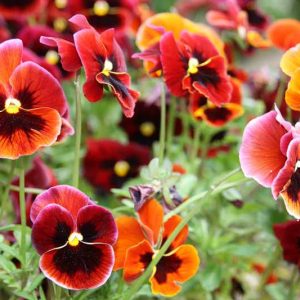
| Basil & Pansies | Annual herbs/flowers – scent & early color | 6–18 in. H – small clumps | May distract pests; feed bees; low competition | Tuck into mid ring; keep airflow. |
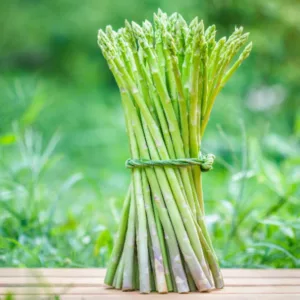
| Asparagus (Asparagus officinalis) | Perennial vegetable – deep, open root system | 24-60 in. H – clumps/rows | Low canopy competition; compatible root depth | Plant in sunny gaps toward outer ring; keep crowns weed-free. |
Tip: Think rings, not carpet. Keep the inner ring bare wood chips, then stitch islands of herbs and clovers outward. You want living mulch that breathes – not a dense, damp mat against the trunk.
Some species compete too hard, release allelopathic chemicals, or create a damp, pest-friendly microclimate. Set them well away from your apricot guild.
| Plant | Type / Category | Reason to Avoid (or Keep Far Away) |
|---|---|---|
| Black Walnut & juglone-heavy trees | Allelopathic trees | Juglone suppresses many fruit trees; keep apricots outside walnut root zones. |
| Tall Sunflowers & Corn at the dripline | Tall annuals | Steal water, cast shade, and block airflow – prime conditions for brown rot. |
| Fennel | Allelopathic herb | Exudes compounds that suppress neighbors; keep it out of the orchard guild. |
| Wormwood | Allelopathic subshrub | Can inhibit nearby plants; site well away from fruit tree roots. |
| Tansy | Spreading perennial | Can become invasive; toxic to livestock; keep out of compact guilds. |
| Invasive mint & aggressive brambles | Running groundcovers | Tangle roots, steal moisture, and complicate sanitation; containerize mint or skip it. |
| Dense turf up to the trunk | Grass competition | Competes for water and nutrients; invites voles. Maintain a clean wood-chip donut around the crown. |
| Nightshades directly under the canopy | Solanaceae | Shade and humidity increase disease risk; if you grow tomatoes/potatoes/peppers, keep them at the sunny edge, separate roots from the dripline, and rotate away if soilborne issues arise. |
Herbs like basil, tansy, wormwood, and nasturtium can alter the scent profile and may reduce nuisance flies, but they won’t reliably prevent fruit-infesting species. For clean fruit:
| Season / Timing | Tasks & Companion Actions |
|---|---|
| Late Winter – Early Spring | Prune for airflow; remove mummified fruit. Refresh wood-chip donut. Sow alyssum & phacelia in adjacent strips. Topdress compost at the dripline. Stage frost covers. |
| Mid – Late Spring | Plant chive clumps, thyme islands, and basil pockets. Interseed white clover between stepping stones. Scout weekly for aphids; rinse early colonies. Avoid overhead irrigation. |
| Early Summer | Succession sow dill and coriander. Net if birds pressure fruit. Use fruit fly traps and prompt harvest where flies are an issue. |
| Mid – Late Summer | Chop-and-drop comfrey and borage after harvest. Maintain clover as low living mulch. Remove fallen fruit promptly to reduce brown-rot inoculum. |
| Fall | Clean up leaves & any mummies. Plant daffodils along the donut edge. Top up wood chips before storms. Sow lupines or vetch in mild climates. |
| Winter | Check rodent guards. Keep mulch pulled back from the trunk a hand’s width. Plan next season’s insectary succession. |
Yes, if they’re low and not thirsty. Lettuces and spinach work early before canopy fill, then switch to thyme, oregano, and clover. Keep tomatoes, peppers, and tall crops at the sunny edge to protect airflow.
Most modern apricot cultivars are self-fruitful, but some are not and many yield better with a second apricot that overlaps bloom. Check your variety and local bloom timing.
Basil and nasturtiums are good companions and may help distract pests, but they won’t replace sanitation or traps. Avoid wormwood near the guild (allelopathic), and skip tansy in small spaces due to spreading and livestock toxicity.
For biomass and mulch, absolutely. Choose a sterile cultivar like Bocking 14, site it where you want it to live for years, then cut several times per season and spread leaves under the canopy (keeping stems off the trunk).
No. Companions reduce pest pressure and improve resilience, but diseases like brown rot may still require targeted sprays in some regions. Follow your local extension guidance.
Keep a bare wood-chip donut a hand’s width from the trunk. Planting right at the crown traps moisture, invites pests, and can damage bark.
Strawberries: Yes, in sunny, dry-summer climates and an open canopy. Keep crowns clear and avoid dense mats around the trunk. Water at the soil line, not overhead.
Picture your apricot like a parasol. Closest to the handle is clean wood-chip mulch. From there, islands of thyme, basil, and chive clumps stitch the mid-zone. Clover knits the orchard floor and feeds bees. Yarrow, calendula, and dill mark the outer ring with months of nectar for your six-legged bodyguards. A few comfrey clumps stand ready to donate mineral-rich leaves. You water less, mow less, and coax heavier bloom, steadier fruit set, and cleaner harvests – without leaning so hard on the spray bottle.
Updated: October 2025 • Reviewed by Gardenia Editors
| Hardiness |
5 - 9 |
|---|---|
| Heat Zones |
2 - 8 |
| Plant Type | Fruits, Trees |
| Plant Family | Rosaceae |
| Genus | Apricots, Prunus - Fruit Tree |
| Common names | Apricot |
| Exposure | Full Sun |
| Season of Interest | Spring (Early), Summer (Early, Mid) |
| Height | 8' - 20' (240cm - 6.1m) |
| Spread | 8' - 20' (240cm - 6.1m) |
| Maintenance | High |
| Water Needs | Average |
| Soil Type | Clay, Loam, Sand |
| Soil pH | Acid, Alkaline, Neutral |
| Soil Drainage | Moist but Well-Drained |
| Characteristics | Showy, Fruit & Berries |
| Attracts | Bees, Birds |
| Landscaping Ideas | Beds And Borders, Patio And Containers, Wall-Side Borders |
| Garden Styles | City and Courtyard, Informal and Cottage, Mediterranean Garden |
| Toxic to Humans | No known toxicity |
| Toxic to Cats | No known toxicity |
| Toxic to Dogs | No known toxicity |
| Toxic to Horses | No known toxicity |
| Hardiness |
5 - 9 |
|---|---|
| Heat Zones |
2 - 8 |
| Plant Type | Fruits, Trees |
| Plant Family | Rosaceae |
| Genus | Apricots, Prunus - Fruit Tree |
| Common names | Apricot |
| Exposure | Full Sun |
| Season of Interest | Spring (Early), Summer (Early, Mid) |
| Height | 8' - 20' (240cm - 6.1m) |
| Spread | 8' - 20' (240cm - 6.1m) |
| Maintenance | High |
| Water Needs | Average |
| Soil Type | Clay, Loam, Sand |
| Soil pH | Acid, Alkaline, Neutral |
| Soil Drainage | Moist but Well-Drained |
| Characteristics | Showy, Fruit & Berries |
| Attracts | Bees, Birds |
| Landscaping Ideas | Beds And Borders, Patio And Containers, Wall-Side Borders |
| Garden Styles | City and Courtyard, Informal and Cottage, Mediterranean Garden |
| Toxic to Humans | No known toxicity |
| Toxic to Cats | No known toxicity |
| Toxic to Dogs | No known toxicity |
| Toxic to Horses | No known toxicity |
Create a membership account to save your garden designs and to view them on any device.
Becoming a contributing member of Gardenia is easy and can be done in just a few minutes. If you provide us with your name, email address and the payment of a modest $25 annual membership fee, you will become a full member, enabling you to design and save up to 25 of your garden design ideas.
Join now and start creating your dream garden!
Create a membership account to save your garden designs and to view them on any device.
Becoming a contributing member of Gardenia is easy and can be done in just a few minutes. If you provide us with your name, email address and the payment of a modest $25 annual membership fee, you will become a full member, enabling you to design and save up to 25 of your garden design ideas.
Join now and start creating your dream garden!