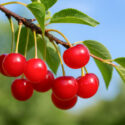
Sweet or tart, cherries deliver. See cherries nutrition, benefits of cherries for energy and sleep, plus easy ways to snack and freeze.


Summary: Fresh cherries deliver a sweet tart snap with fiber, vitamin C, potassium, and standout polyphenols like anthocyanins. They support post exercise recovery, heart smart eating, sleep habits, and everyday comfort. Enjoy sweet one out of hand or bake them into crisps. Reach for tart varieties or tart cherry juice when you want a bold, tangy shot of antioxidants. Store them cold, rinse just before eating, and pit safely. Most people do well with this stone fruit, yet watch portions if you track carbs, and never eat the pits.
| Per 100 g | ~63 kcal · ~16 g carbs · ~2 g fiber · ~220 mg potassium · ~7 mg vitamin C (~8% DV) |
|---|---|
| Types | Sweet cherries (Bing, Rainier, Sweetheart) and tart cherries (Montmorency, Morello) |
| Key phytonutrients | Anthocyanins, vitamin C, other polyphenols, small amounts of melatonin |
| Best uses | Fresh snacking, salads, oatmeal, yogurt, smoothies, crisps, clafoutis, sauces |
| Storage | Refrigerate unwashed in a breathable bag; rinse just before eating; pit then freeze for long term use |
| Notes | Low to moderate GI and low GL in typical portions. Contains sorbitol that can bother sensitive guts. Never eat pits. Tart cherry juice is concentrated, so mind added sugars. |
Short answer to your question: yes, this fruit are good for you. Longer answer: it is a delicious way to add fiber, vitamin C, potassium, and protective plant compounds to your day. A cup of pitted fruit lands around 75 to 90 calories with about 3 g fiber and roughly 300 mg potassium.
Benefits of cherries reach from everyday comfort to active recovery and better sleep routines. Cherries nutrition also supports a heart friendly pattern that fits Mediterranean style eating, plant forward menus, and family meals that need a quick fruit everyone actually wants to eat.
In this guide, we will explore how cherries compare by type, what their nutrients actually do, how much to eat, and the smartest ways to shop, store, pit, freeze, and cook them. You will also find a practical one week fruit plan and a friendly FAQ to make everyday cherry choices easy.

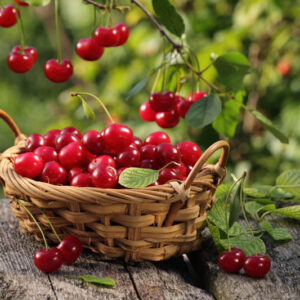
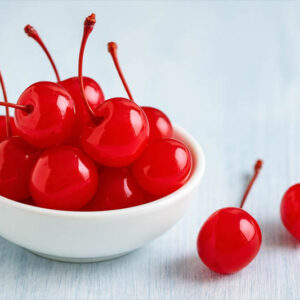
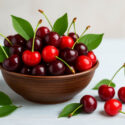
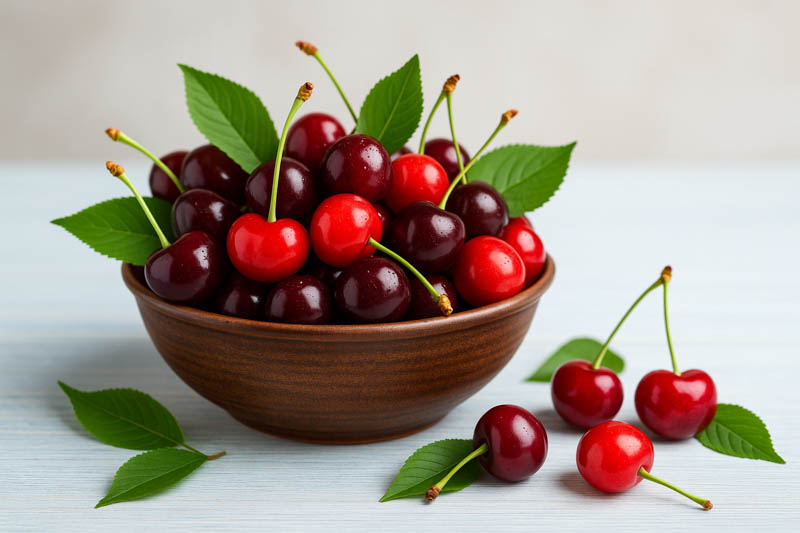
Cherries are stone fruits in the genus Prunus. Sweet cherries are the ones you pop by the handful in summer. Think Bing with deep garnet flesh, Rainier with a translucent blush gold glow, and Sweetheart with a bright, candy red sheen. Tart varieties are the puckery cousins often baked or pressed into juice. Montmorency is the best known tart cherry in North America, while Morello types lean even darker and tangier. Both families share a core nutrition story, yet tart varieties often pack a higher concentration of certain polyphenols that give them their bold color and tang.
When people compare sweet versus tart, the simplest rule is this. Sweet cherries shine for snacking and desserts. Tart cherries excel in pies, sauces, chutneys, and post exercise sips. Both deliver antioxidants that color your plate and quietly support health one bowl at a time.
Cherries carry an impressive nutrient mix for a modest calorie cost. The exact numbers vary by variety and ripeness, yet the big picture holds steady. Here is a quick look at typical values for raw fruit, per 100 grams. Use this table as a reference, then build the rest of your plate with proteins, wholesome fats, and other colorful plants.
| Nutrient | Amount (per 100 g) | Why it matters |
|---|---|---|
| Calories | ~63 kcal | Light and flavorful for snacking |
| Carbohydrates | ~16 g | Natural sugars for quick energy |
| Fiber | ~2 g | Supports digestion and fullness |
| Protein | ~1 g | Small but present |
| Fat | ~0.3 g | Naturally low |
| Potassium | ~220 mg | Helps with fluid balance and heart rhythm |
| Vitamin C | ~7 mg (~8% DV) | Supports immune and skin health |
| Polyphenols | Anthocyanins and more | Colorful plant compounds with antioxidant activity |
| Melatonin | Small amounts | May support healthy sleep patterns |
| Glycemic impact | Low to moderate GI; low GL per typical serving | Helps with steady energy when paired with protein |
Here is the bottom line for practical eating. A cup of pitted fruit lands around 75 to 90 calories with fiber, potassium, and a colorful mix of polyphenols. That is a sweet spot where taste, texture, and health happily overlap.
If you are active, cherries can be your friend on training days. Tart cherry juice and concentrates are often studied in athletes because they supply a concentrated burst of anthocyanins. These pigments are linked to post workout comfort and a faster return to baseline. Practical ranges used in research are about 8 to 12 oz tart cherry juice per day or 1 to 2 tablespoons tart cherry concentrate per day for short periods around events or heavy training. Whole fruit helps too. If you prefer to chew your calories, reach for a bowl with yogurt and granola within an hour after training to pair natural carbs for glycogen with protein for repair.
Many people notice that a regular serving habit fits nicely into a comfort first routine. Polyphenols help counter everyday oxidative stress from work, workouts, and screen filled days. If you are managing occasional stiffness, you may find that a steady intake, not a single serving, is where you feel the difference. Try a week of daily servings and see how you feel.
Cherries supply potassium and fiber while being naturally low in fat and sodium. That combo fits neatly into heart smart patterns that emphasize plants, legumes, nuts, seafood, and healthy oils. Colorful fruits like cherries make plates feel abundant, not restrictive.
Tart cherries contain small amounts of melatonin and tryptophan. Several small trials suggest tart cherry juice may nudge sleep duration and quality in some people. The effect is modest and individual. If you enjoy a small glass in the evening, choose unsweetened or lightly sweetened versions and track your response. The same dosing guideline works here: 8 to 12 oz juice or 1 to 2 tablespoons concentrate per day. Whole fruits after dinner are another tasty option.
Cherries carry natural sugars, yet they also supply fiber, water, and polyphenols. In typical servings they have a low glycemic load. A simple strategy is to pair them with protein or fat, such as a small handful of pistachios or a scoop of cottage cheese, to slow digestion and help you feel steady between meals.
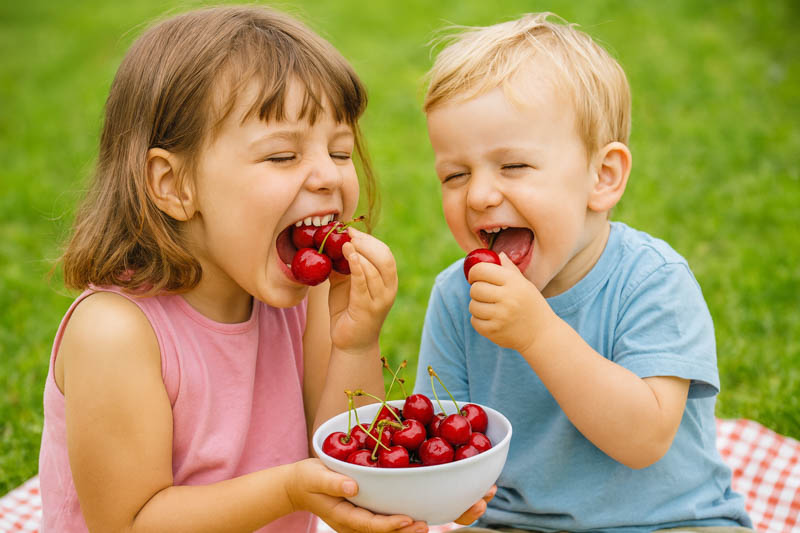
Parents know the secret to better nutrition is not perfect knowledge. It is finding fruits and vegetables kids are excited to eat. Cherries deliver bright color and a friendly size that feels like a treat. Pit them ahead of time for toddlers and school lunches. For fun, freeze pitted fruits on a sheet tray and serve them as cool gems on hot days.
| Type | Taste & Texture | Best Uses | Notes |
|---|---|---|---|
| Sweet cherries | Juicy, sweet, crisp or tender | Snacking, salads, yogurt bowls, quick sauces for meats | Popular varieties include Bing, Rainier, Sweetheart |
| Tart cherries | Puckery, intensely fruity | Baking, chutney, reductions, smoothies, recovery juice | Montmorency and Morello are common choices |
There is no wrong choice. For everyday snacking, pick the varieties that taste amazing to you. For a concentrated sip with a bold flavor punch, tart cherry juice or concentrate is a solid pantry item. Rotate both styles to keep fruit time exciting.
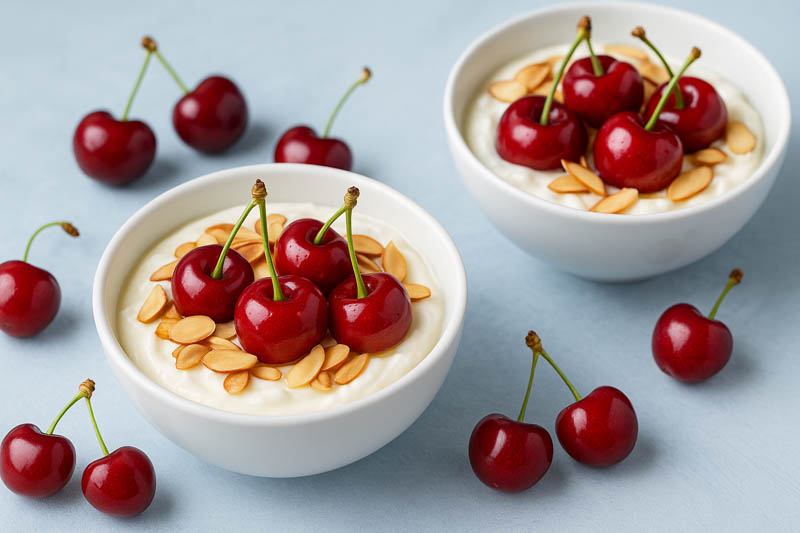
For most healthy adults, 1 cup of pitted fresh cherries per day fits nicely into balanced eating. If you track carbohydrates, start with a half cup and see how it fits your totals. For tart cherry juice, practical amounts are 8 to 12 ounces per day. For concentrates, use 1 to 2 tablespoons per day. Choose unsweetened options when you can, or dilute with sparkling water for a refreshing spritzer.
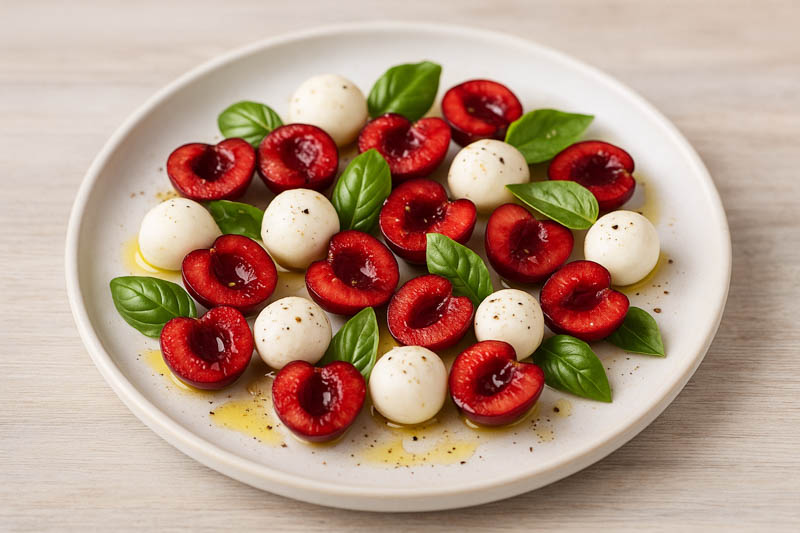
Use this simple plan to weave cherries into a balanced week. Mix and match to your taste and schedule.
Cherries are naturally gluten free and fit vegetarian, vegan, and Mediterranean style patterns. If you track carbs, pair them with protein or fat for steadier energy. If you are athletic, plan cherries after workouts when your body can put those natural sugars to good use. For kids, pit ahead and serve with toothpicks. For parties, set out a small bowl for pits and a napkin stack to keep everything tidy.
Yes. Cherries are relatively low in calories with fiber and water that support fullness. Pair them with protein or healthy fats for staying power.
It depends on your goal. Juice is convenient and concentrated in polyphenols. Whole cherries bring fiber and a slower, more satisfying snack. Rotate both.
About 1 cup of pitted cherries works well for most people. If you count carbs, start with half a cup and adjust.
Some people find that tart cherry juice in the evening helps. The effect is modest and varies by person. Keep portions reasonable and watch added sugars.
Use a handheld cherry pitter over a bowl. For baking, slice around the pit with a paring knife and twist the halves apart.
Are cherries good for you? Absolutely. Between the color-splashed antioxidants and the fiber-potassium duo, you get a fruit that works for snacks, sides, and desserts. Keep portions that feel good for your needs, pair them with protein when you want steadier energy, and rotate sweet and tart styles for variety. Benefits of cherries show up when you enjoy them often and in ways that fit your life. Cherries nutrition provides both flavor and function, which is exactly what most of us want from everyday food.
Updated: October 2025 • Reviewed by Gardenia Editors
| Hardiness |
5 - 9 |
|---|---|
| Plant Type | Fruits, Trees |
| Plant Family | Rosaceae |
| Genus | Cherries, Prunus - Fruit Tree |
| Exposure | Full Sun |
| Season of Interest | Spring (Mid, Late), Summer (Early, Mid, Late) |
| Height | 8' - 30' (240cm - 9.1m) |
| Spread | 8' - 30' (240cm - 9.1m) |
| Maintenance | Average |
| Water Needs | Average |
| Soil Type | Chalk, Clay, Loam, Sand |
| Soil pH | Acid, Alkaline, Neutral |
| Soil Drainage | Moist but Well-Drained, Well-Drained |
| Attracts | Bees, Birds, Butterflies |
| Landscaping Ideas | Beds And Borders |
| Garden Styles | City and Courtyard, Informal and Cottage |
| Toxic to Humans | No known toxicity |
| Toxic to Cats | No known toxicity |
| Toxic to Dogs | No known toxicity |
| Toxic to Horses | No known toxicity |
| Hardiness |
5 - 9 |
|---|---|
| Plant Type | Fruits, Trees |
| Plant Family | Rosaceae |
| Genus | Cherries, Prunus - Fruit Tree |
| Exposure | Full Sun |
| Season of Interest | Spring (Mid, Late), Summer (Early, Mid, Late) |
| Height | 8' - 30' (240cm - 9.1m) |
| Spread | 8' - 30' (240cm - 9.1m) |
| Maintenance | Average |
| Water Needs | Average |
| Soil Type | Chalk, Clay, Loam, Sand |
| Soil pH | Acid, Alkaline, Neutral |
| Soil Drainage | Moist but Well-Drained, Well-Drained |
| Attracts | Bees, Birds, Butterflies |
| Landscaping Ideas | Beds And Borders |
| Garden Styles | City and Courtyard, Informal and Cottage |
| Toxic to Humans | No known toxicity |
| Toxic to Cats | No known toxicity |
| Toxic to Dogs | No known toxicity |
| Toxic to Horses | No known toxicity |
Create a membership account to save your garden designs and to view them on any device.
Becoming a contributing member of Gardenia is easy and can be done in just a few minutes. If you provide us with your name, email address and the payment of a modest $25 annual membership fee, you will become a full member, enabling you to design and save up to 25 of your garden design ideas.
Join now and start creating your dream garden!
Create a membership account to save your garden designs and to view them on any device.
Becoming a contributing member of Gardenia is easy and can be done in just a few minutes. If you provide us with your name, email address and the payment of a modest $25 annual membership fee, you will become a full member, enabling you to design and save up to 25 of your garden design ideas.
Join now and start creating your dream garden!