Donut Peach, Saturn Peach, Doughnut Peach, Flat Peach, Saucer Peach, Bagel Peach, UFO Peach, Paraguayo Peach, Pan Tao Peach, Peento Peach, Galaxy Peach, Sweet Bagel Peach, Belly-up Peach, Chinese Flat Peach, Custard Peach, Wild Peach, White Peach, Pumpkin Peach, Squashed Peach, Pita Peach, Hat Peach, Anjeer Peach, Jupiter Peach, Sweetcap Peach
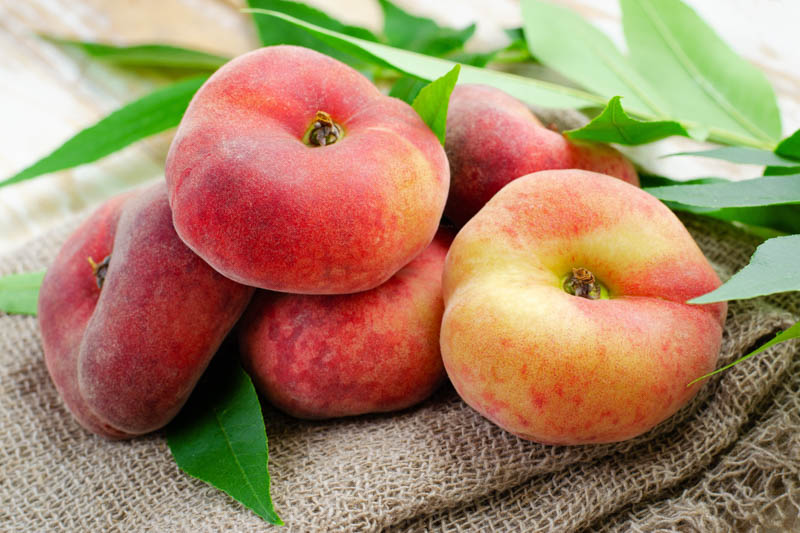
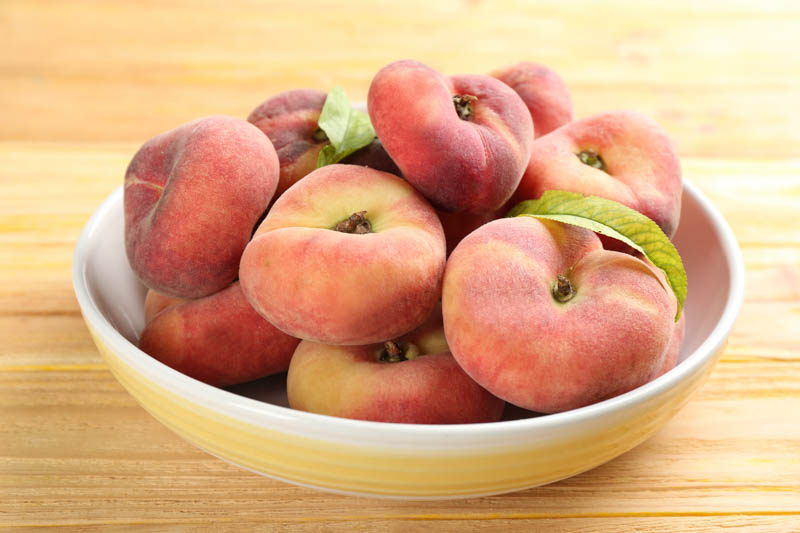


Summary: A naturally flat, dimpled peach—petite, intensely fragrant, and perfect for splitting with your thumbs. Many are white-fleshed (low acid, dessert-sweet); yellow-fleshed types add a bright tang for grilling and baking. Same species as peaches/nectarines; care and pruning are identical.
Taste: Floral, very sweet (white) or sweet-tangy (yellow); melting texture at peak.
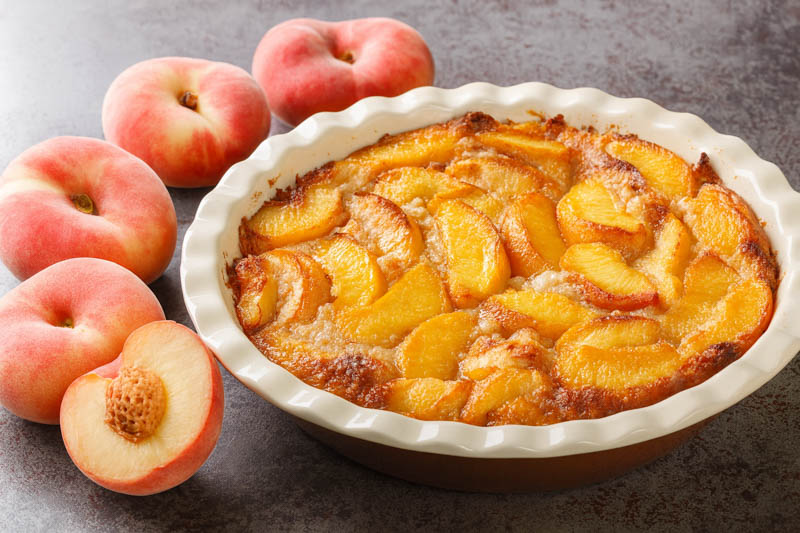
Use: Fresh eating, salads, grilling, cobblers/galettes, quick jams.
| Botanical & Names | Prunus persica; also called Saturn, Doughnut, Flat, or Saucer peach (often marketed as var. platycarpa) |
|---|---|
| Plant Type & Habit | Deciduous fruit tree; compact; best trained to open-center (vase) |
| Hardiness (USDA) | Zones 5–9 (match cultivar to local chill hours) |
| Chill Requirement | Low <~400 · Mid ~400–700 · High ~700–900+ hours; many flat peaches are low–mid |
| Size | ~10–15 ft (3–4.5 m) tall & wide with routine pruning; dwarfs smaller |
| Sun & Soil | Full sun (6–8+ hrs); fertile, well-drained loam; pH ~6.0–7.0 |
| Bloom & Fruit | Showy pink bloom early spring; ripens early–late summer by cultivar |
| Pollination | Mostly self-fertile; bees improve set |
| Stone Type | White types often cling/semi-freestone; many yellow types become freestone at full ripeness |
| Primary Uses | Fresh eating, salads, grilling, cobblers/galettes, quick compotes |
If you’ve ever cradled a sweet little flying saucer of fruit—thumb sliding into a natural dimple—then you’ve already met the Donut Peach. Also sold as the Saturn Peach, Doughnut Peach, Flat Peach, or Saucer Peach, this charming heirloom type has all the perfume of a classic peach wrapped in a petite, flat package that fits perfectly in the palm of your hand. In this guide, you’ll find everything you need to plant, prune, harvest, and enjoy Donut Peaches, plus quick answers to common questions and links to in-depth resources.
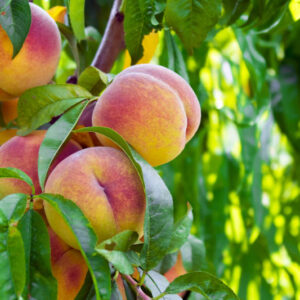
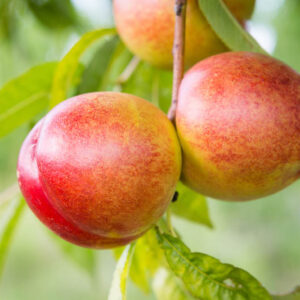
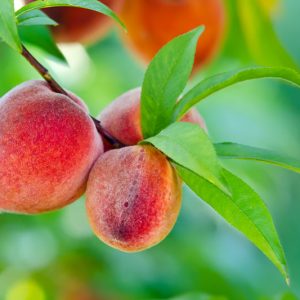
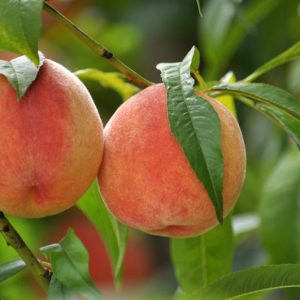
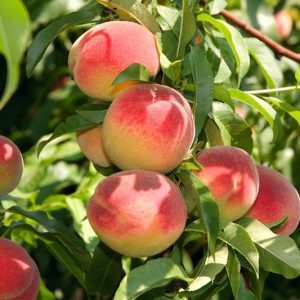
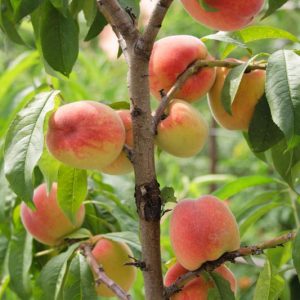
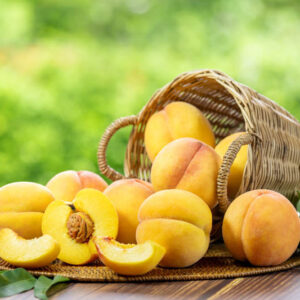
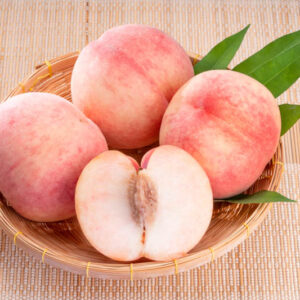
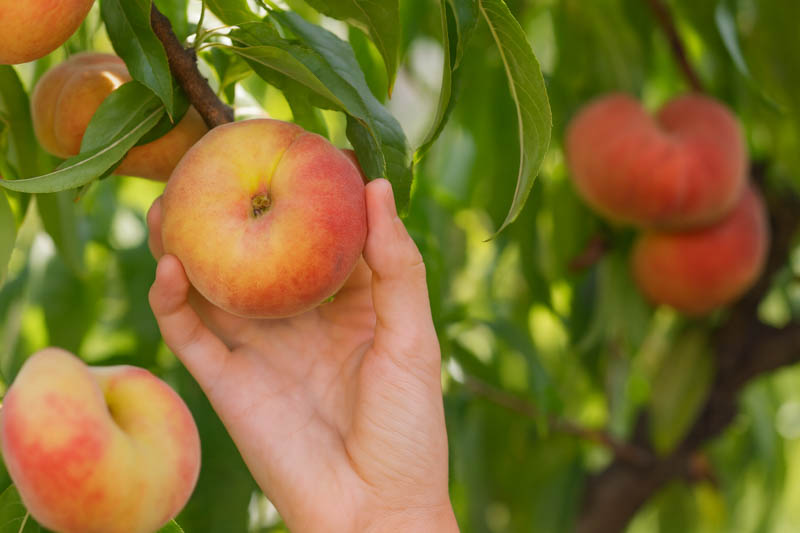
The Donut Peach is a naturally flat peach: think saucer-shaped fruit with a sunken dimple at the stem end, often with white flesh that’s intensely fragrant and low in acidity. Many cultivars (like market favorite “Saturn Peach”) read as candy-sweet without the classic tang of yellow peaches, though yellow-fleshed flat peaches do exist. Skin is fuzzy—this is still a peach—not a nectarine. Bite in and you’ll get a gush of perfumed juice with subtle floral notes and a soft, melting texture when picked at peak.
Flat peaches trace back to ancient Chinese selections (you may see “pan tao” in heirloom lore). Over centuries they traveled along trade routes to Europe and the Americas, then soft-launched into home orchards before their recent, well-earned popularity in markets worldwide.
Like standard peaches, Donut Peach trees are compact and responsive to pruning. Most home garden trees settle around 10–15 ft (3–4.5 m) tall and wide with routine pruning; training to an open-center (vase) form keeps them smaller, brighter inside, and easier to pick.
Expect quick juvenile growth and a light crop by year two or three from a grafted tree, with full crops by years four to five. Because peaches (including flat peaches) fruit on one-year-old wood, annual pruning matters for consistent yields.
In home gardens, 12–20 years of good production is common with attentive pruning, thinning, and sanitation—similar to other peach trees.
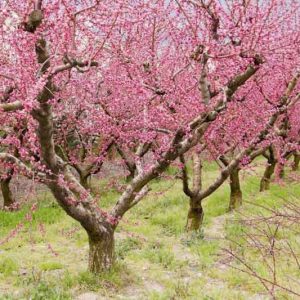
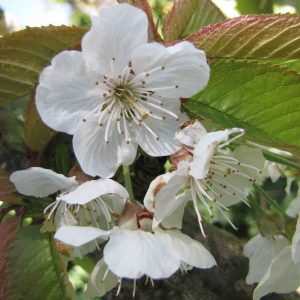
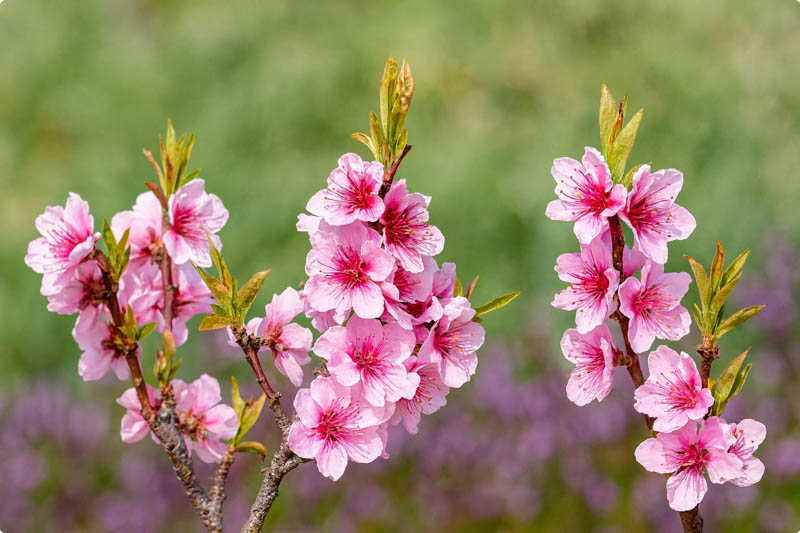
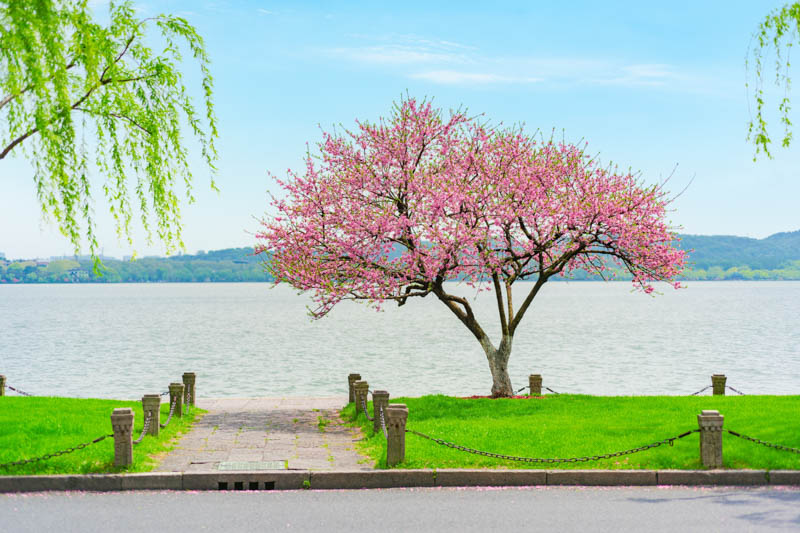
Early spring brings pink blossoms that call in pollinators. Most Donut Peach cultivars are self-fertile, so a single tree can set fruit (though bees always boost your odds—invite them with a pollinator patch: bee resources). Fruit ripens in waves through summer. Many flat peaches are clingstone to semi-freestone when slightly underripe but loosen toward freestone as they fully mature (some remain cling even when ripe; check the cultivar tag if easy pitting matters to you).
Narrow, lance-shaped leaves create a lush canopy. Healthy foliage equals flavor: sunlight + photosynthesis build sugar and aroma. Keep the canopy open and disease pressure low with smart pruning.
Donut Peaches thrive where peaches thrive—generally USDA Zones 5–9—as long as chill hours match your winter. As a quick guide: low <~400 hours; mid ~400–700 hours; high ~700–900+ hours. Many popular flat peaches lean low–mid chill (great for mild climates), but there are selections for cooler regions, too. Your local nursery or extension office can match named cultivars to your chill band.
Spring flowers attract bees and friendly pollinators; ripening fruit can tempt birds and squirrels. If you prefer not to share, use netting near harvest and pick promptly.
Edible flesh is fine for people, but the pit (seed) contains amygdalin that can release cyanide if crushed/chewed. Keep pits away from children and pets. The seeds and wilted leaves are a problem for cats, dogs, and horses—dispose of processing waste responsibly.
Not invasive. Remove occasional rootstock suckers at the base so the grafted top remains in charge.
Grower Story One backyard Saturn Peach produced just five fruits in its second summer…and then 40 the next year. The difference? We thinned hard at marble size and opened the canopy. The remaining fruit finished larger, sweeter, and practically leapt into the harvest basket.
Tip If you can plant two trees, choose different ripening windows. Your “Flat Peach” season will stretch for weeks instead of days.
Both Donut Peach and classic round peach are the same species: Prunus persica. The Donut Peach difference is a fruit shape gene that yields a flattened disc and central dimple. Nectarines are also the same species but differ by a recessive no-fuzz gene (see nectarine background: P. persica var. nucipersica). Orchard care—sun, soil, pruning, thinning—is virtually identical. On the plate, Saturn/Flat Peaches often read sweeter and more floral (especially white-fleshed kinds) with very tender flesh and splittable halves for snacking.
The Saturn Peach is a snacker’s dream, but it’s also a quiet kitchen star.
Flat Peaches line up closely with standard peaches nutritionally: lots of water, modest calories, light fiber, and a mix of vitamins and antioxidants.
| Nutrient | Amount |
|---|---|
| Calories | ≈ 39–44 |
| Carbohydrates | ≈ 10 g |
| Fiber | ≈ 1–2 g |
| Protein | ≈ 0.9 g |
| Fat | Trace |
| Vitamin C | ≈ 6–10 mg |
| Potassium | ≈ 150–200 mg |
| Carotenoids | Present; higher in yellow-fleshed types |
Values align with USDA FoodData Central for raw peaches; varieties and ripeness cause small swings.
Many Donut Peaches are low to mid-chill, fitting USDA Zones 8–9 and warm 7. Cold-tolerant options exist for Zones 5–6; ask local nurseries or your extension office which named varieties perform in your area. As a shorthand: low <~400 hr, mid ~400–700 hr, high ~700–900+ hr. For general peach/nectarine variety background, see: Choosing Peach & Nectarine Varieties (Penn State Extension) and the UC lists: Home Orchard Fruit Varieties (UC ANR PDF).
| Type | Flavor Profile | Stone | Best Use |
|---|---|---|---|
| White-fleshed Donut Peach (Saturn Peach) | Dessert sweet, floral, low acid | Cling/semi-freestone | Fresh eating, salads, quick jams |
| Yellow-fleshed Doughnut Peach | Sweet with bright tang | Often freestone at maturity | Grilling, baking, canning* |
| Late-season Flat Peach | Concentrated, aromatic | Varies | Preserves; extends the season |
*Texture note: very tender flat peaches can soften in jars—use firm-ripe yellow types and only tested yellow-peach recipes; never can white types.
Donut Peaches love light. The classic vase form floods the canopy with sun and keeps fruit within reach.
When fruits reach marble size (about 30–45 days after full bloom), thin to one fruit every 4–6 inches of branch. This single habit turns “lots of small fruit” into “fewer, larger, sweeter Saturn Peaches” and protects branches from breakage.
Yes—Donut Peach in a pot is absolutely a thing.
White-fleshed peaches (including many Saturn/Flat Peach cultivars) are not recommended for water-bath canning by the National Center for Home Food Preservation because acidity may be too low for safety. Freeze them instead, or use tested recipes for yellow peaches. Always follow USDA/NCHFP procedures and adjust for altitude. Learn more: National Center for Home Food Preservation.
Build a simple guild that feeds pollinators, shelters soil, and invites beneficial insects.
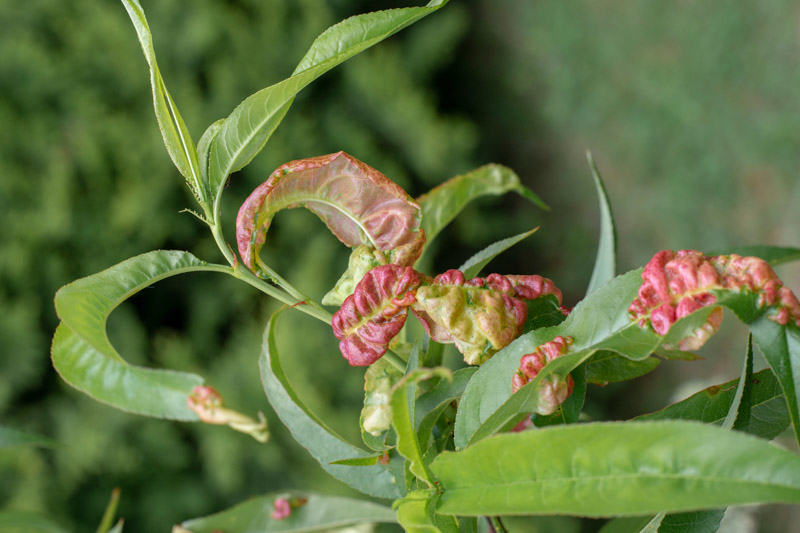
Flat Peaches face the same cast of characters as round peaches. Prevention rests on light, airflow, and cleanliness.
Good habits: Prune for light and air, thin fruit to protect branches and boost size/flavor, remove fallen leaves/fruit, and water at the base during the growing season. 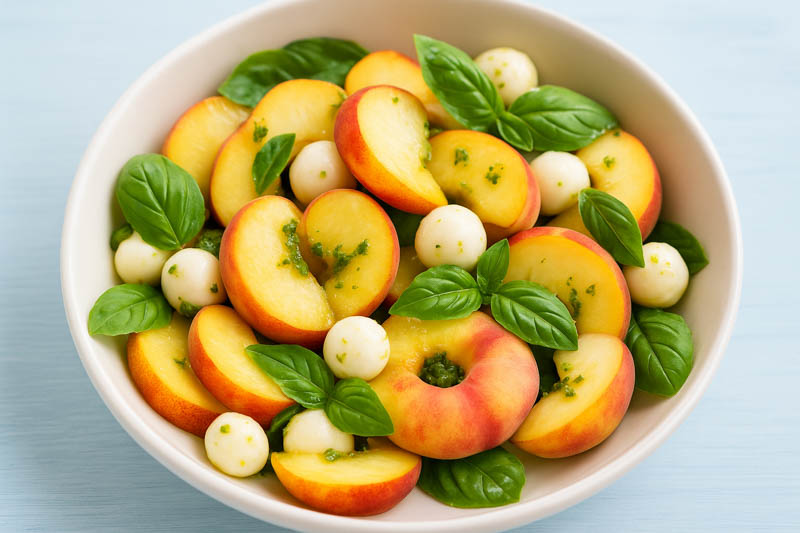
Start with a grafted tree on a rootstock adapted to your soil and climate (Lovell is widely adapted; Nemaguard helps in warm soils with nematodes; also common: Guardian®, Krymsk 86). Seedlings from Donut Peach pits won’t come true and take years to bear.
Yes—“Donut Peach,” “Saturn Peach,” “Doughnut Peach,” “Flat Peach,” and “Saucer Peach” are common names for flat peaches (Prunus persica; often marketed as var. platycarpa).
Most Donut Peach cultivars are self-fertile; one tree can bear. Pollinators still help, so plant for bees: bee resources.
Many are white-fleshed and low acid, but yellow-fleshed Flat Peaches exist and bring brighter tang for grilling and baking.
Lack of thinning. Space remaining fruits 4–6 inches apart at marble size to achieve larger, sweeter fruit.
Open-center (vase) with 3–4 primary scaffolds. See the UC guide: Open-Center/Vase Training.
No—white peaches are not recommended for water-bath canning due to low acidity. Freeze them instead and follow NCHFP guidance for safe preserving.
Prevention is key: prune for airflow, keep trunks visible, and use IPM strategies. See borers, aphids, and scale insects guides.
Match your chill hours, plant in full sun and well-drained soil, train to an open center, and thin at marble size. Keep fallen fruit cleaned up, invite pollinators, and harvest Donut Peaches at peak fragrance. Do those things and your Saturn Peach will pay you back with little flying saucers of sunshine you can split with your thumbs and eat standing right there in the garden—no napkin required.
| Hardiness |
5 - 9 |
|---|---|
| Heat Zones |
1 - 8 |
| Climate Zones | 3, 3A, 3B, 4, 5, 6, 7, 8, 9, 10, 11, 12, 13, 14, 15, 16, 17, 18, 19, 20, 21, 22, 23, 24 |
| Plant Type | Fruits, Trees |
| Plant Family | Rosaceae |
| Genus | Peaches, Prunus - Fruit Tree |
| Common names | Donut Peach |
| Exposure | Full Sun |
| Season of Interest | Spring (Early, Mid), Summer (Early, Mid, Late), Fall |
| Height | 12' - 20' (3.7m - 6.1m) |
| Spread | 12' - 20' (3.7m - 6.1m) |
| Maintenance | High |
| Water Needs | Average |
| Soil Type | Chalk, Clay, Loam, Sand |
| Soil pH | Acid, Neutral |
| Soil Drainage | Moist but Well-Drained |
| Characteristics | Fragrant, Showy, Fruit & Berries |
| Tolerances | Heat |
| Attracts | Bees, Butterflies, Birds |
| Garden Uses | Wall-Side Borders |
| Garden Styles | Informal and Cottage |
| Toxic to Humans | Medium severity |
| Toxic to Cats | Toxic |
| Toxic to Dogs | Toxic |
| Toxic to Horses | Toxic |


| Hardiness |
5 - 9 |
|---|---|
| Heat Zones |
1 - 8 |
| Climate Zones | 3, 3A, 3B, 4, 5, 6, 7, 8, 9, 10, 11, 12, 13, 14, 15, 16, 17, 18, 19, 20, 21, 22, 23, 24 |
| Plant Type | Fruits, Trees |
| Plant Family | Rosaceae |
| Genus | Peaches, Prunus - Fruit Tree |
| Common names | Donut Peach |
| Exposure | Full Sun |
| Season of Interest | Spring (Early, Mid), Summer (Early, Mid, Late), Fall |
| Height | 12' - 20' (3.7m - 6.1m) |
| Spread | 12' - 20' (3.7m - 6.1m) |
| Maintenance | High |
| Water Needs | Average |
| Soil Type | Chalk, Clay, Loam, Sand |
| Soil pH | Acid, Neutral |
| Soil Drainage | Moist but Well-Drained |
| Characteristics | Fragrant, Showy, Fruit & Berries |
| Tolerances | Heat |
| Attracts | Bees, Butterflies, Birds |
| Garden Uses | Wall-Side Borders |
| Garden Styles | Informal and Cottage |
| Toxic to Humans | Medium severity |
| Toxic to Cats | Toxic |
| Toxic to Dogs | Toxic |
| Toxic to Horses | Toxic |
How many Prunus persica var. platycarpa (Donut Peach) do I need for my garden?
| Plant | Quantity | |
|---|---|---|
| Prunus persica var. platycarpa (Donut Peach) | N/A | Buy Plants |
Create a membership account to save your garden designs and to view them on any device.
Becoming a contributing member of Gardenia is easy and can be done in just a few minutes. If you provide us with your name, email address and the payment of a modest $25 annual membership fee, you will become a full member, enabling you to design and save up to 25 of your garden design ideas.
Join now and start creating your dream garden!
Create a membership account to save your garden designs and to view them on any device.
Becoming a contributing member of Gardenia is easy and can be done in just a few minutes. If you provide us with your name, email address and the payment of a modest $25 annual membership fee, you will become a full member, enabling you to design and save up to 25 of your garden design ideas.
Join now and start creating your dream garden!