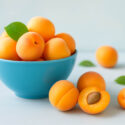
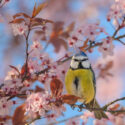
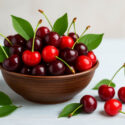
Meet every cherry type: sweet, sour, and showy. Learn which cherry tree fits your space, revel in cherry blossom, and turn cherries into tart cherry juice, cherry pie, cherry cobbler, cherry cheesecake, or cherry dump cake.
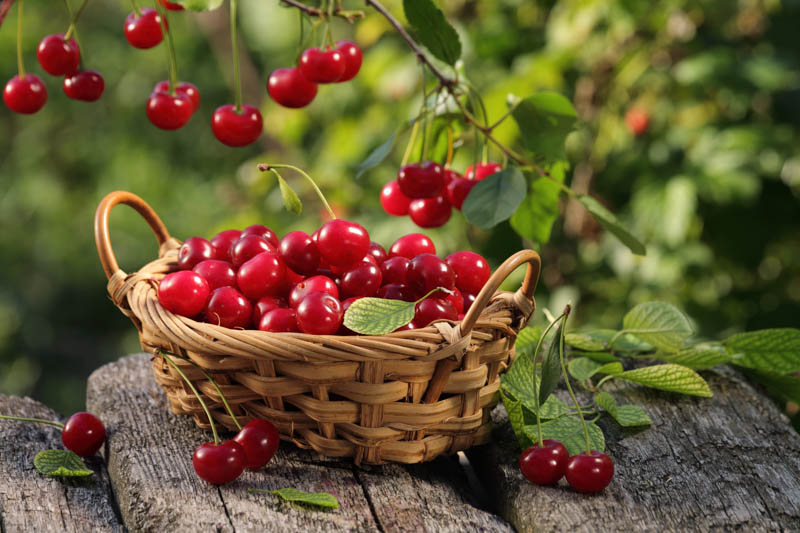


If you’ve ever stood in a nursery staring at tags that say sweet, sour, ornamental, dwarf, or heritage and thought… wait, which cherries do I actually want? You’re in good company. The cherry world spans backyard fruit, spring fireworks of blooms, heirloom timber, and even shrubs that only pretend to be cherries.
This conversational guide breaks down the main kinds, what they’re best for in the kitchen, how they behave in the landscape, and which ones fit your climate and space. By the end, you’ll know your way around a cherry tree aisle, understand the mystique of a cherry blossom and a cherry blossom tree, and have recipe ideas from cherry pie to tart cherry juice ready to go.

Most fruiting cherries fall into two practical buckets: sweet cherries (Prunus avium) for fresh eating and snacking, and sour (tart) cherries (Prunus cerasus) for baking, preserves, and cherry juice. Then there are ornamental cherries grown for spring bloom rather than fruit, North American natives like black cherry (a timber and wildlife star), and “cherry-adjacent” plants such as cherry plums and ground cherry that live outside the classic cherry family tree. Your best pick depends on what you want to eat, how much chill your winters provide, and whether your heart skips a beat at the thought of a yard blanketed in petals.
| Topic | Details |
|---|---|
| Main groups | Sweet cherries (Prunus avium), Sour/tart cherries (Prunus cerasus), Ornamental flowering types (e.g., P. serrulata), Native timber/wildlife species (e.g., P. serotina) |
| What they’re best for | Fresh eating (sweet), pies/jams/juices (sour), spring show (ornamental), furniture/lumber (timber species) |
| Pollination | Many sweets need a compatible partner; most sours are self-fruitful; ornamentals vary |
| Chill hours & climate | Sweets often need more winter chill; sours are somewhat more forgiving; some ornamentals adapt broadly |
| Wood & form | Vase to rounded crowns; cherry wood from select species is prized for fine furniture |
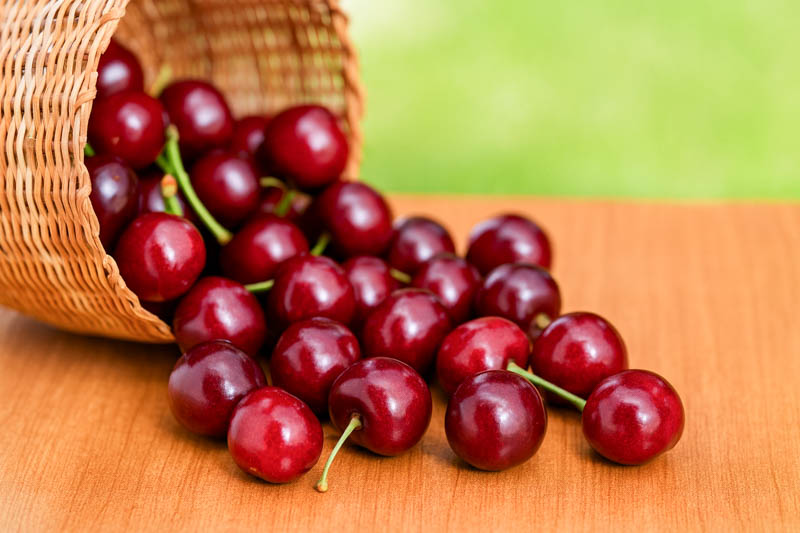
Sweet cherries are the glossy, dessert-type cherries you pop by the handful at the market – firm, juicy, and sweet. Classic varieties include dark, rich types for fresh bowls and lighter, blushed types that pack perfume and crunch.
| Cultivar | Color | Notes |
|---|---|---|
| Bing | Dark red to almost black | Classic sweet cherry, juicy and firm, widely grown. |
| Rainier | Yellow with red blush | Sweet, low acid, famous for its creamy flavor. |
| Lapins | Deep red | Self-fertile, large fruit, reliable in home orchards. |
| Stella | Dark red | Compact tree, self-fertile, popular for small gardens. |
| Lambert | Dark red | Heirloom favorite with rich flavor; midseason harvest. |
| Black Tartarian | Deep purple to nearly black | Early season, soft flesh, excellent for fresh eating. |
| Chelan | Dark red | Very early ripening; firm texture; good rain crack tolerance. |
| Sweetheart | Dark red | Late season, self-fertile, heavy crops with balanced sweetness. |
| Regina | Mahogany red | Late ripening, firm and flavorful; known for crack resistance; needs a pollinator. |
| Van | Dark red | Early to midseason; vigorous tree; good pollinizer for many sweets. |
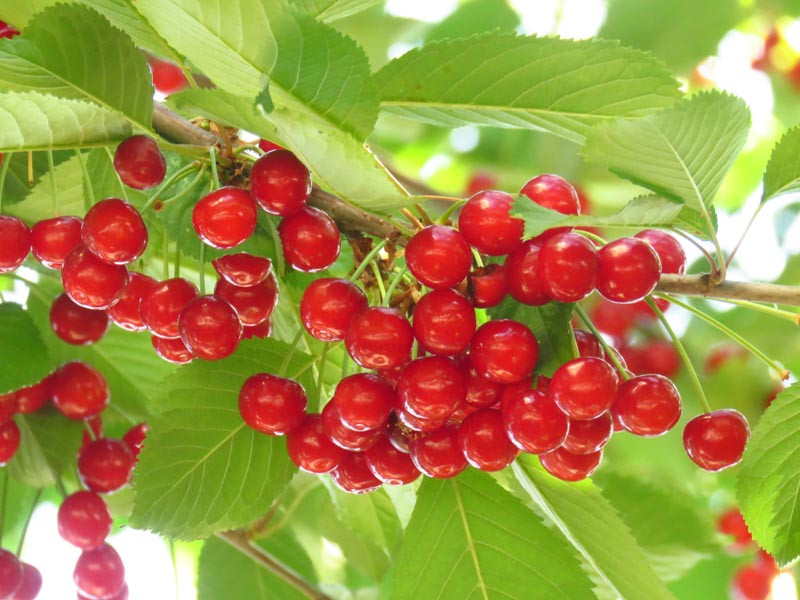
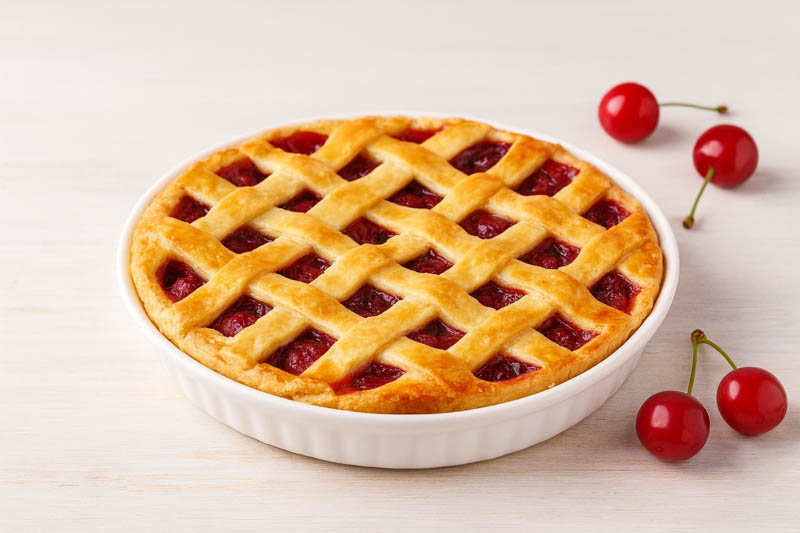
Tart cherries bring that bright, pie-friendly acidity that makes desserts sing. They’re the backbone of cherry pie, cherry cobbler, cherry cheesecake sauces, and frozen bags for winter baking. They also shine in tart cherry juice, which many folks like for smoothies and bedtime rituals.
| Cultivar | Color | Notes |
|---|---|---|
| Montmorency | Bright red | Most popular tart cherry, classic for pie and juice. |
| Balaton | Dark red | Hungarian origin, firmer and sweeter than Montmorency. |
| North Star | Deep red | Dwarf tree, self-fertile, great for home gardeners. |
| Meteor | Bright red | Cold-hardy, compact, early fruiting. |
| English Morello | Very dark red to nearly black | Classic morello type with intense tart flavor, late ripening, self-fertile, superb for pies, preserves, juice, and liqueurs. |
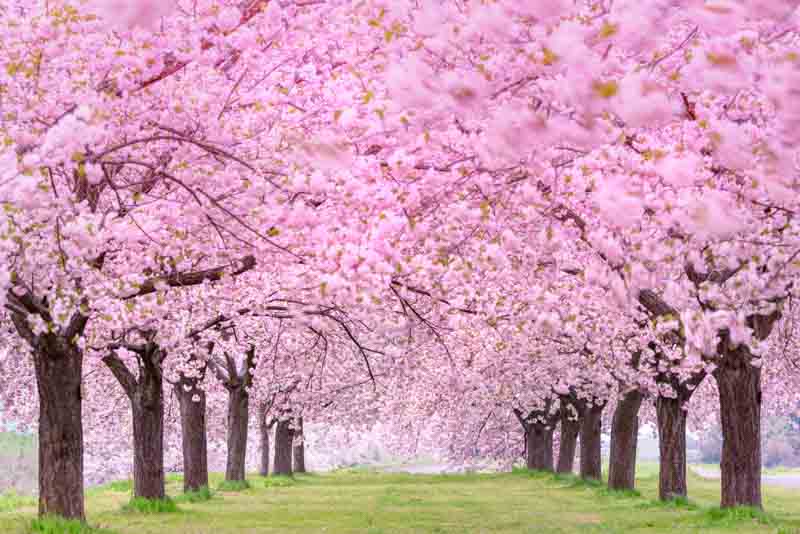
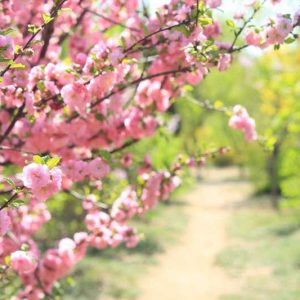
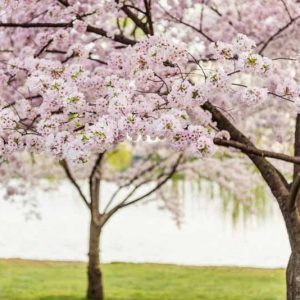
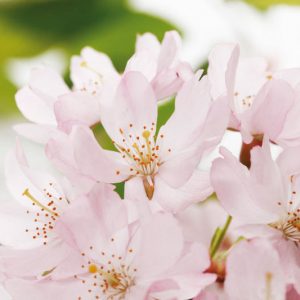
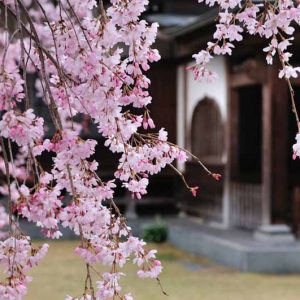
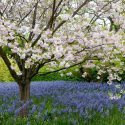
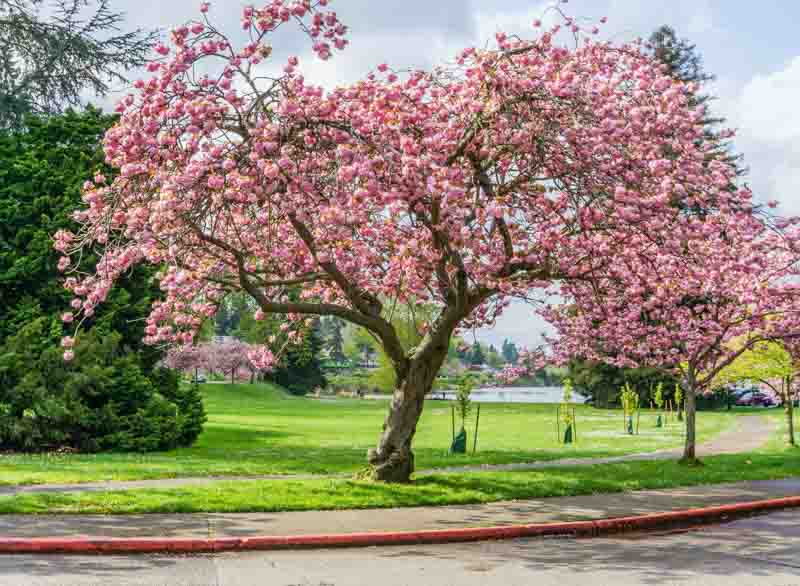
If your dream is a froth of petals by the porch, an ornamental cherry blossom tree might be your star. These selections are grown for bloom rather than fruit. Some bear small inedible drupes; others produce little to none. Either way, the goal is the spectacle – a true cherry blossom moment.
| Variety | Flower Color | Notes |
|---|---|---|
| Yoshino | Pale pink to white | Iconic Washington D.C. cherry blossom tree. Often listed as Prunus × yedoensis. |
| Kwanzan | Deep pink, double | Prunus serrulata ‘Kanzan’. Spectacular pom-pom like doubles with upright vase shape. |
| Shogetsu | White, double | Late blooming with elegant, long hanging clusters. Refined habit. |
| Higan | Soft pink | Prunus × subhirtella. Includes weeping forms like ‘Pendula’. Noted for early bloom and graceful arching habit. |
| Sargent | Single pink | Prunus sargentii. Early bloom, bronzy new foliage that turns rich orange red in fall. |
| Shirofugen | Double white aging to pink | Prunus serrulata ‘Shirofugen’. Late season show with large, long lasting blooms that blush over time. |
| Akebono | Soft pink | Prunus × yedoensis ‘Akebono’. Popular Yoshino selection with slightly larger, warm pink flowers. |
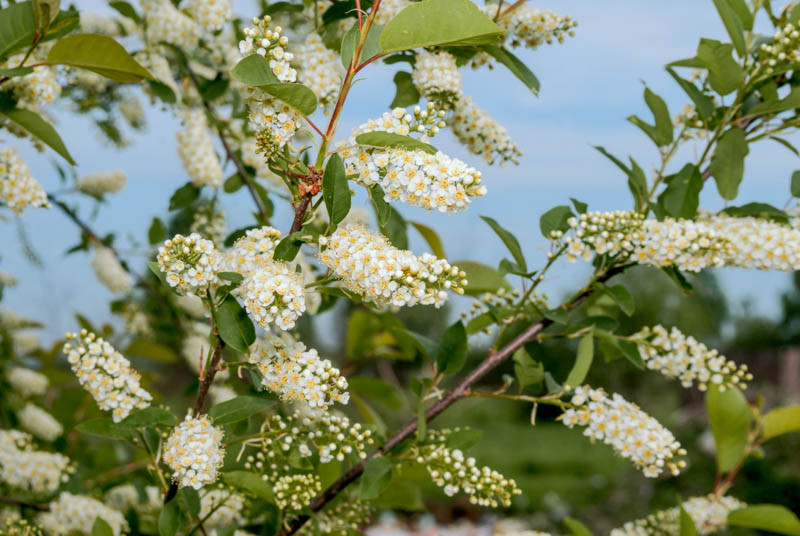
Black cherry (Prunus serotina) is a tall, stately native valued for shade, wildlife, and fine cherry wood – but it is only one of several North American cherries. Prunus virginiana (chokecherry) forms thickets that feed birds and pollinators, while Prunus pensylvanica (pin cherry) colonizes open ground after disturbance and supports early successional habitats. These natives are usually grown for ecology, shelter, and heritage projects rather than dessert bowls.
| Species/Cultivar | Region | Notes |
|---|---|---|
| Prunus serotina (Black Cherry) | Eastern and Central North America | Valuable timber, wildlife fruit, classic for traditional syrups. |
| Prunus virginiana (Chokecherry) | Widespread North America | Astringent fruit used in jellies and wines; excellent for thickets and birds. |
| Prunus pensylvanica (Pin Cherry) | Northern US and Canada | Early successional species with small sour fruit; strong wildlife value. |
| Type | What You Get | Best For | Pollination |
|---|---|---|---|
| Sweet cherry (dessert) | Firm, sweet fruit for fresh eating | Snacking, salads, chocolate dips | Often needs a partner; some self-fertile |
| Sour/tart cherry | Juicy, tangy fruit | Baking, preserves, juice, liqueurs | Usually self-fruitful |
| Ornamental flowering | Spectacular spring bloom | Front yards, entry paths, seasonal drama | Fruit not the goal; pollination not needed |
| Native/timber species | Wildlife value; fine lumber | Shade, habitat, heritage projects | Varies; not grown for dessert fruit |
| Cherry cousins (plums, acerola) | Early fruit, unique flavors | Warm regions, adventurous palates | Species-dependent |
Want fresh snacks in a tight spot? Pick a self-fertile dwarf sweet cherry such as Stella or Lapins. If your heart is set on spring bloom, choose a compact ornamental cherry for flowers over fruit.
Tart cherries handle uneven springs better and are usually self fruitful. They are reliable for pies and preserves even after late chills.
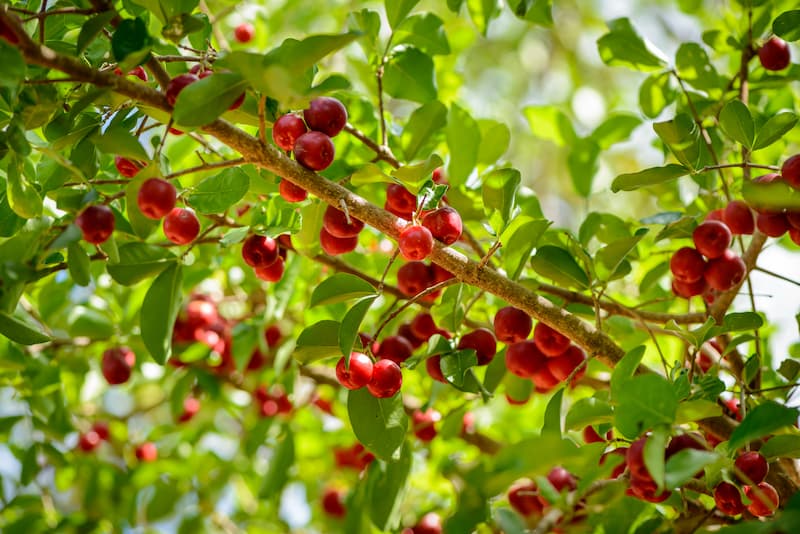
Match chill hours to your climate. In mild winter areas, use low chill sweet cherries where available. In true subtropics, switch to Barbados cherry (Malpighia emarginata) for abundant fruit on a different but delicious species.
Choose sweet cherries for crisp, juicy fruit. Plant two compatible cultivars for bigger crops or pick a self fertile selection if space is tight.
Tart cherries are the gold standard for baking and preserving. They keep structure and bright flavor after sugar and heat.
Plant ornamental cherries for the show and native cherries for ecology. Ornamentals bring petals; natives feed birds and pollinators.
| Type | Typical spacing | Pollination | Notes |
|---|---|---|---|
| Sweet | Dwarf 8 to 12 ft, Semi dwarf 12 to 15 ft, Standard 18 to 25 ft | Often needs a partner. Self fertile options exist. | Train open center or modified leader for light and airflow. |
| Tart | Dwarf 8 to 12 ft, Semi dwarf 12 to 15 ft | Usually self fruitful | Reliable in cool springs. Prime for baking and preserving. |
| Ornamental | 15 to 25 ft or per form | Not applicable | Prune after bloom for shape and airflow. |
| Native or wild | Species dependent | Varies | Planted for habitat, shade, and cultural uses. |
| Season | Tasks |
|---|---|
| Late winter–early spring | Final structural pruning in dry windows; apply compost; check ties and stakes; review pollination partners before bloom |
| Spring | Blossom watch! Thin competing shoots; water evenly during bloom/fruit set |
| Early–midsummer | Harvest when fully colored and flavorful; net if needed; light summer pruning for shape after fruiting |
| Late summer–fall | Deep water before dry spells; clean fallen fruit/leaves; top-dress with mulch to protect roots |
| Winter | Inspect for cankers or broken limbs; plan any grafting or variety additions |
Yes, if you choose a self-fertile sweet or a tart type. Many sweet varieties need a compatible partner, so read the tag.
It varies by climate and variety, but many regions harvest late spring through midsummer. Early, mid, and late cultivars help you extend cherry season by weeks.
They’re planted for bloom, not fruit quality. Some produce small, astringent fruits loved by birds, but you’ll plant them for the cherry blossom show.
Yard trees aren’t usually milled, but species like black cherry are famous for furniture-grade cherry wood. Enjoy the lore, shade, and wildlife value even if you’re not cutting boards.
Nope – different family entirely. But it’s delicious and fun to grow, so it often sneaks into “cherry” conversations.
Small-batch cherry wine and cherry liqueur are classic kitchen projects. Use tart varieties for depth, or blend sweets and sours for balance.
Start by asking what lights you up most: bowls of sweet fruit in early summer, steaming pies, or a yard-stopping bloom. Pick a tree that matches your climate and your cravings. A single self-fertile tart type can stock your freezer with pie filling and cherry juice; two compatible sweets will keep snack bowls full; an ornamental will make neighbors slow down every spring. And if you garden in warmth, try barbados cherry in a large container for vitamin-packed fruit. However you slice it, a thoughtful mix of cherry trees can give you flowers, shade, wildlife value, and desserts for years.
Updated: October 1, 2025 • Friendly Garden Guide
| Plant Type | Fruits, Trees |
|---|---|
| Plant Family | Rosaceae |
| Genus | Cherries, Prunus - Flowering Cherry Tree, Prunus - Fruit Tree |
| Exposure | Full Sun |
| Season of Interest | Spring (Late), Summer (Early, Mid, Late), Fall |
| Maintenance | Average |
| Water Needs | Average |
| Soil Type | Chalk, Clay, Loam, Sand |
| Soil pH | Acid, Alkaline, Neutral |
| Soil Drainage | Moist but Well-Drained, Well-Drained |
| Attracts | Bees, Birds, Butterflies |
| Landscaping Ideas | Beds And Borders, Patio And Containers |
| Garden Styles | City and Courtyard, Informal and Cottage |
| Toxic to Humans | No known toxicity |
| Toxic to Cats | No known toxicity |
| Toxic to Dogs | No known toxicity |
| Toxic to Horses | No known toxicity |
| Plant Type | Fruits, Trees |
|---|---|
| Plant Family | Rosaceae |
| Genus | Cherries, Prunus - Flowering Cherry Tree, Prunus - Fruit Tree |
| Exposure | Full Sun |
| Season of Interest | Spring (Late), Summer (Early, Mid, Late), Fall |
| Maintenance | Average |
| Water Needs | Average |
| Soil Type | Chalk, Clay, Loam, Sand |
| Soil pH | Acid, Alkaline, Neutral |
| Soil Drainage | Moist but Well-Drained, Well-Drained |
| Attracts | Bees, Birds, Butterflies |
| Landscaping Ideas | Beds And Borders, Patio And Containers |
| Garden Styles | City and Courtyard, Informal and Cottage |
| Toxic to Humans | No known toxicity |
| Toxic to Cats | No known toxicity |
| Toxic to Dogs | No known toxicity |
| Toxic to Horses | No known toxicity |
Create a membership account to save your garden designs and to view them on any device.
Becoming a contributing member of Gardenia is easy and can be done in just a few minutes. If you provide us with your name, email address and the payment of a modest $25 annual membership fee, you will become a full member, enabling you to design and save up to 25 of your garden design ideas.
Join now and start creating your dream garden!
Create a membership account to save your garden designs and to view them on any device.
Becoming a contributing member of Gardenia is easy and can be done in just a few minutes. If you provide us with your name, email address and the payment of a modest $25 annual membership fee, you will become a full member, enabling you to design and save up to 25 of your garden design ideas.
Join now and start creating your dream garden!