Black Chokeberry, Aronia arbutifolia var. nigra, Aronia nigra, Photinia melanocarpa, Pyrus arbutifolia var. nigra, Pyrus melanocarpa, Sorbus melanocarpa

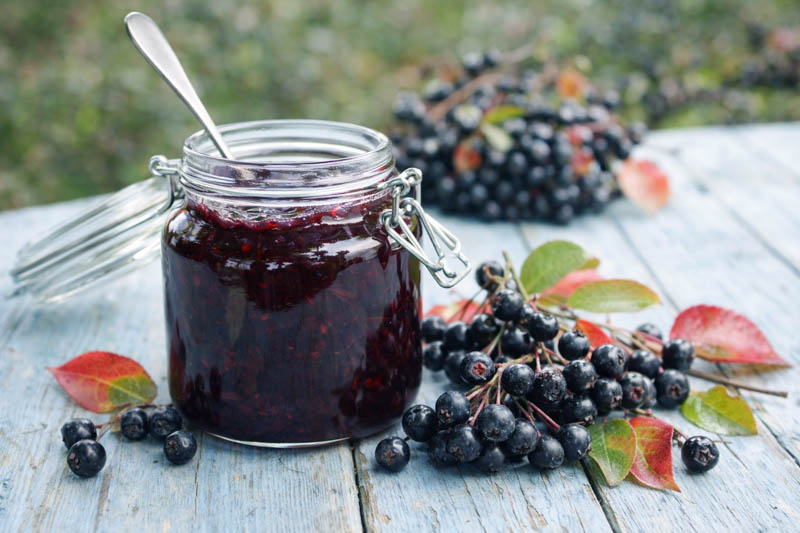


Aronia melanocarpa, commonly known as Black Chokeberry, is a compact, native deciduous shrub prized for its four-season interest and exceptional toughness. Native to eastern North America, it offers spring bloom, vivid fall color, glossy black berries, and reliable structure even in challenging sites.
Beloved by pollinators and songbirds, Black Chokeberry also produces berries renowned for their very high antioxidant content, earning it a “superfruit” reputation. Tolerant of drought, pollution, wet soils, and poor soils, it’s as practical as it is beautiful in both gardens and naturalized landscapes.
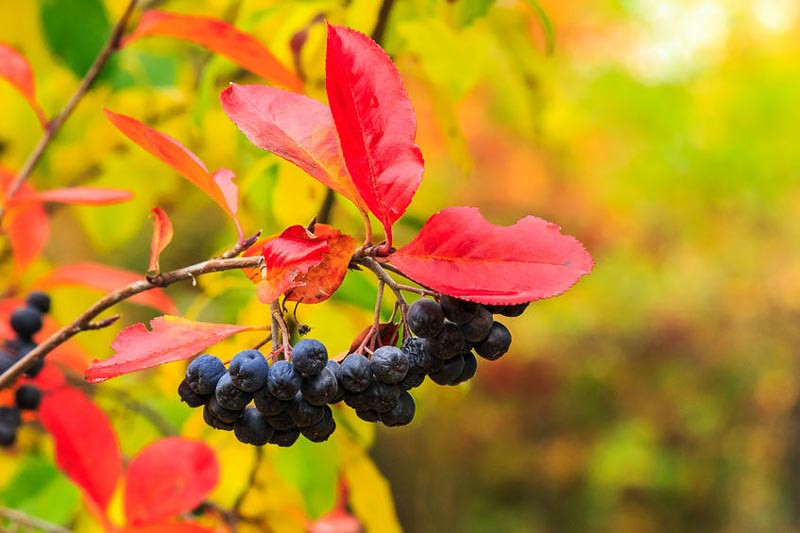
Summary: A hardy, suckering deciduous shrub with fragrant spring flowers, abundant black berries, and spectacular fall color.
Use: Mixed borders, rain gardens, naturalized areas, wildlife gardens, and shoreline plantings.
Highlight: Four-season interest – flowers, berries, fall foliage, and winter persistence.
Note: Thrives in full sun to part shade and tolerates a wide range of soils, including boggy, wet, or sandy soils.
| Botanical Name | Aronia melanocarpa |
|---|---|
| Family | Rosaceae, the rose family. |
| Common Names | Black Chokeberry, Aronia Berry, Chokeberry |
| Native Range | Eastern North America: Newfoundland to Ontario and Minnesota, south to Missouri, Tennessee, and Georgia. |
| Plant Type and Habit | Deciduous shrub with a spreading, suckering, bushy habit. |
| Hardiness (approx. USDA) | Hardy in USDA Zones 3 to 8. |
| Size | Typically 3–6 ft. tall and wide (90–180 cm). |
| Sun and Exposure | Grows in full sun to part shade. Best fruit production in full sun. |
| Soil | Handles average, moist, well-drained soils but tolerates wet, boggy soils and dry sandy soils. |
| Seasonal Interest | Spring blooms, summer berries, brilliant fall foliage, winter persistence. |
| Primary Uses | Rain gardens, naturalized plantings, mixed shrub borders, wetland edges, wildlife gardens. |
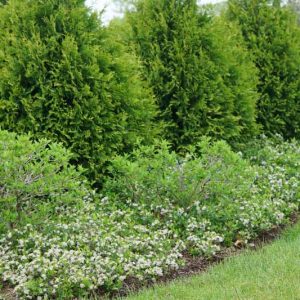
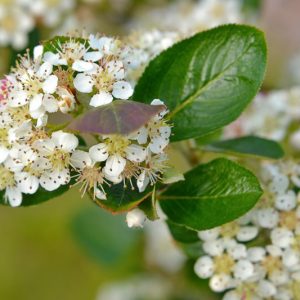
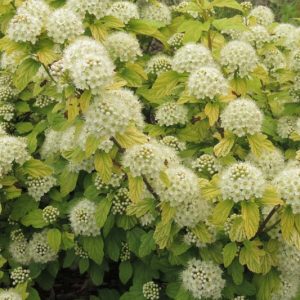
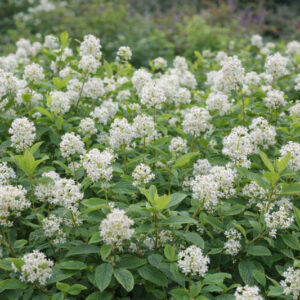
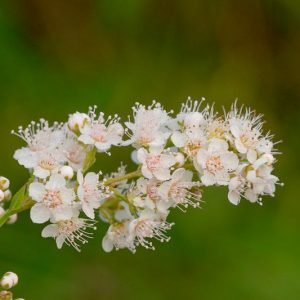
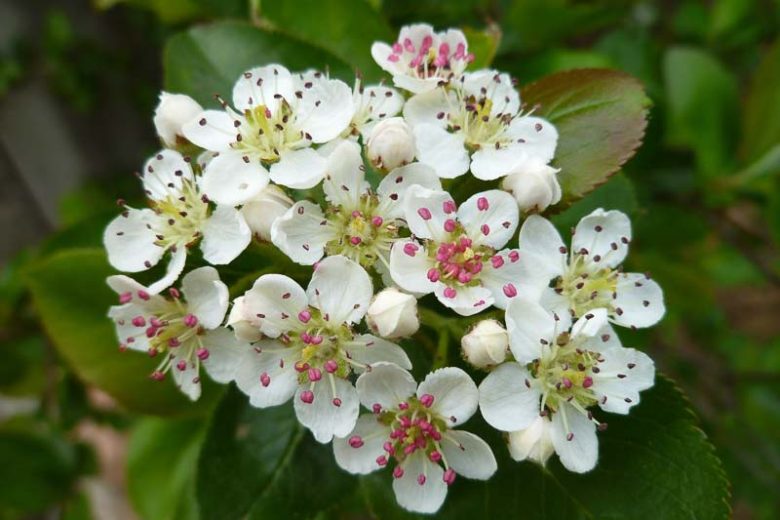
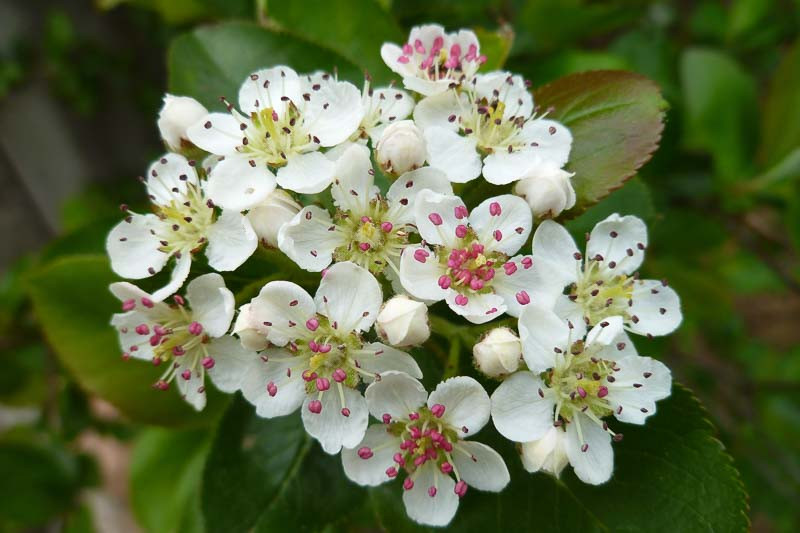
Aronia melanocarpa is a spreading, suckering deciduous shrub known for its ability to thrive in poor or wet soils and its four-season display. In spring, you’ll enjoy abundant clusters of fragrant, whitish-pink flowers held in loose, 2 in. (5 cm) clusters of up to eight blooms. These flowers are rich in nectar and are often buzzing with early pollinators and butterflies.
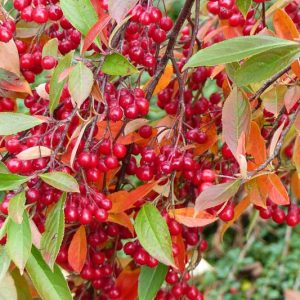
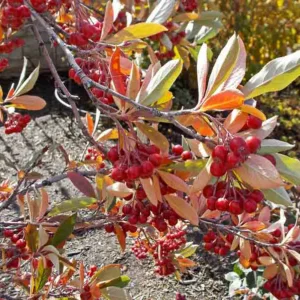
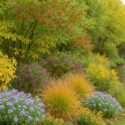
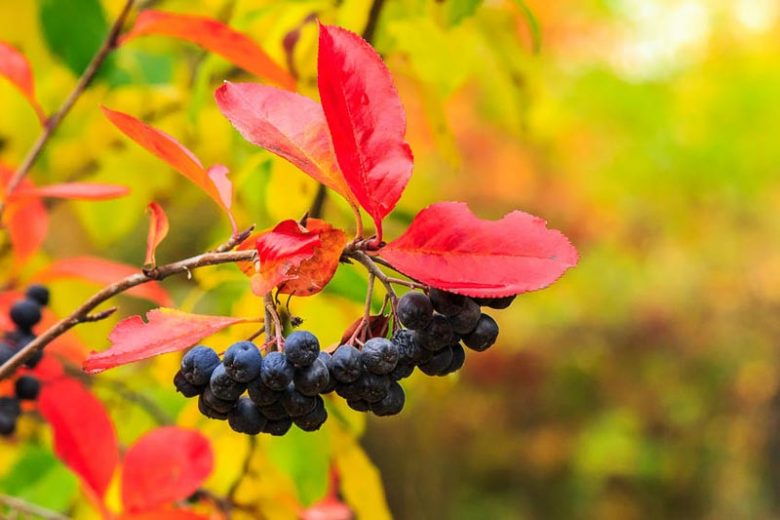
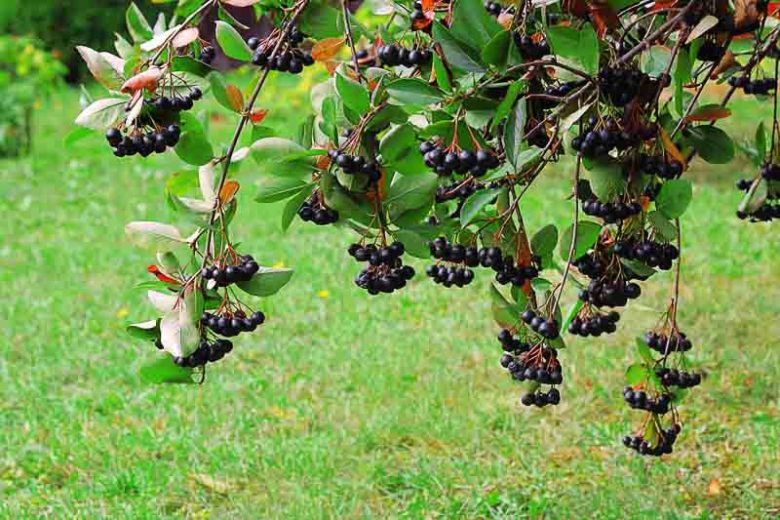
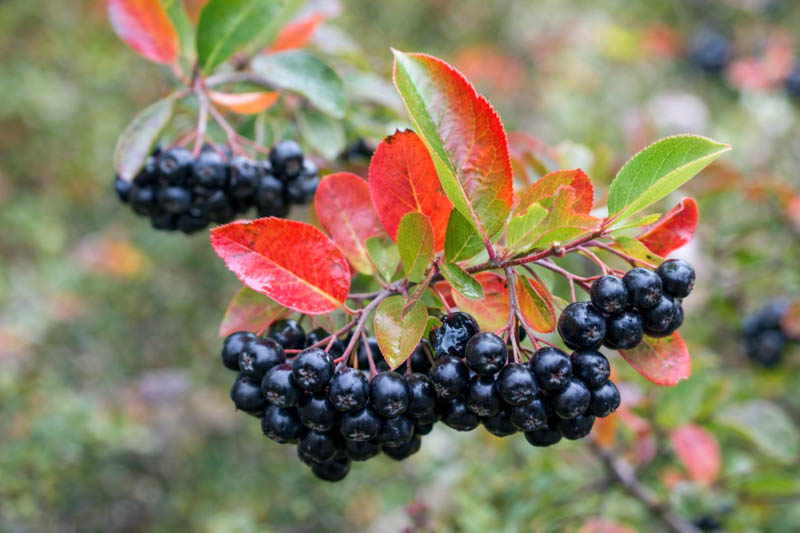
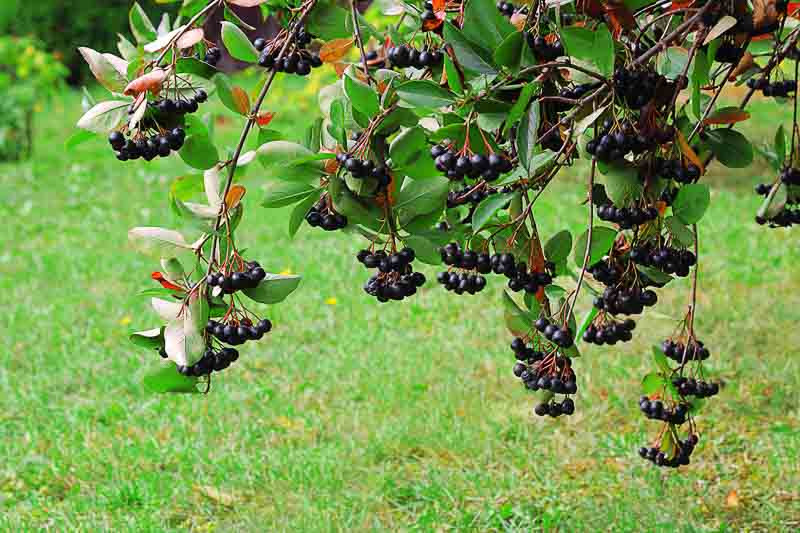
By late summer, the shrub is adorned with pendulous clusters of glossy black berries that hold well into winter, offering nourishment for wildlife and visual interest for gardeners. The foliage, initially bright green and lustrous, matures into deep green before transforming into a show-stopping autumn display of crimson, wine-red, apricot, and glowing orange tones.
Thanks to its adaptability and toughness, Black Chokeberry fits as comfortably in a formal border as it does in a wild hedgerow or restoration planting.
Black Chokeberry is the recipient of the GreatPlants award, which is a joint effort between the Nebraska Nursery, Landscape Association, and the Nebraska Statewide Arboretum. The goal of this award is to identify superior ornamental landscape plants that meet the challenging growing conditions of the region.
This tough little shrub hails from eastern North America, where it grows naturally in wetlands, meadows, forest edges, and rocky uplands. Its native range stretches from Newfoundland and Ontario to Minnesota, and south into Missouri, Tennessee, and Georgia.
Black Chokeberry grows 3–6 ft. tall and wide, forming a dense, rounded shrub through suckering stems. While the suckers make it valuable for erosion control and naturalized plantings, gardeners who prefer a tidy look can remove suckers annually to maintain a contained shape.
Aronia flowers in mid- to late spring with abundant, delicate clusters that draw pollinators from near and far. The flowers fade into developing berries that mature in late summer and remain on the plant long after leaves fall.
The black berries, sometimes called “aronia berries”, are famous for their exceptionally high levels of natural pigments and antioxidant compounds. Fresh off the shrub they are quite astringent, but that intensity mellows beautifully when the fruit is cooked or sweetened. Gardeners use them in jams, jellies, juices, syrups, wines, sauces, and baked goods, where they lend deep color and a pleasantly tart, fruity flavor. Wildlife also benefits, with birds and small mammals relying on the berries as a nutritious food source well into fall and winter.
Aronia is particularly prized for its fall color, with nearly luminescent foliage that brightens the garden even on overcast autumn days. Winter interest continues as berries persist and branches maintain a handsome form.
Exceptionally hardy, Black Chokeberry thrives in USDA Zones 3–8. It tolerates deep cold and is equally at home in the heat and humidity of the southeastern United States, especially when soil moisture is adequate.
You can use Aronia melanocarpa in many ways:
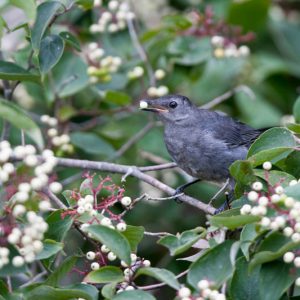
Black Chokeberry is a stellar wildlife shrub. Its flowers fuel pollinators, its berries support birds and mammals, and its structure offers shelter. Songbirds and upland birds especially enjoy the berries in winter.
Aronia is widely considered deer resistant. While no shrub is completely deer-proof, this species is typically browsed lightly or avoided, especially when other food sources are available.
Despite its success in wet conditions, Aronia is also drought tolerant. Once established, it can handle long dry periods, making it suitable for sustainable landscapes.
Aronia is considered non-toxic to humans and pets. The berries are edible, though tart, and often used in cooking and preserving.
Although it spreads by suckers, Aronia melanocarpa is not considered invasive. It stays well-behaved in gardens where suckers are managed.
Key reasons to grow Black Chokeberry include its:
Aronia is famously forgiving, but a few tweaks will help it perform at its best:
Black Chokeberry is generally pest-free, but a few minor issues can appear from time to time:
If you love Black Chokeberry but want specific sizes or berry production, consider these standout cultivars:
Yes. The black berries of Aronia melanocarpa are edible and are especially valued for their very high levels of polyphenols and antioxidant compounds. Raw fruits are strongly astringent, which is where the “choke” in chokeberry comes from, but they are excellent when cooked with sugar in jams, jellies, juices, syrups, wines, and baked goods.
Black chokeberry is typically a small to medium deciduous shrub, usually 3–6 ft (0.9–1.8 m) tall and wide. It forms clumps over time by producing suckers from the base. Height and spread can be somewhat smaller in poor soils or harsher climates, and larger in rich, moist sites.
Black chokeberry is very adaptable. It grows best in:
Sun: Full sun to part shade. Full sun produces the heaviest flowering and fruiting.
Soil: Average garden soils, moist to wet soils, and even periodically dry sandy soils. It naturally occurs in low woods, swamps, bogs, moist thickets, and occasionally dry uplands.
Once established, it tolerates drought, seasonal flooding, and urban pollution better than many shrubs.
No. Black chokeberry is not considered invasive in North America. It spreads slowly by suckers to form colonies but does not generally escape cultivation as an aggressive weed when planted within its native range. It is, in fact, promoted as an alternative to invasive ornamental shrubs in many native plant and restoration guides.
Yes. Black chokeberry is a high-value wildlife shrub.
The spring flowers provide nectar and pollen to bees, butterflies, and other pollinators.
The berries are eaten by songbirds, upland gamebirds, and small mammals, especially in fall and winter when other foods are scarce.
The dense branching offers cover and nesting habitat in naturalized plantings.
Because it is native and supports multiple trophic levels, it is frequently recommended for ecological landscaping, rain gardens, and habitat restoration.
Black chokeberry is generally regarded as deer resistant, though not completely deer proof. Many references list it as a shrub that deer typically browse lightly or avoid, making it a good choice for landscapes with moderate browsing pressure. As always, local deer behavior can vary, and very hungry deer may sample almost anything.
Black chokeberry flowers are bisexual and self-fertile, so a single plant can set fruit on its own. However, planting several shrubs together often leads to heavier, more consistent crops of berries because of increased pollinator activity and cross-pollination between individuals
Yes, black chokeberry is an excellent rain garden shrub. It naturally grows in wetlands, swamps, bogs, pond margins, and other periodically saturated habitats, but it also tolerates drying out between storms. Because of this, many university and conservation plant guides specifically recommend it for rain gardens and shoreline stabilization.
Pruning needs are minimal:
Remove dead, damaged, or crossing branches in late winter or early spring.
Every few years, you can renew the plant by cutting a portion of the oldest stems to the ground to encourage fresh, vigorous shoots.
If you do not want a spreading colony, cut or dig out root suckers yearly.
Heavy shearing is not necessary and can reduce flowering and fruiting.
USDA NRCS – Black Chokeberry Plant Guide (pg_arme6.pdf)
Lady Bird Johnson Wildflower Center – Aronia melanocarpa (Black Chokeberry)
NatureServe Explorer – Aronia melanocarpa
| Hardiness |
3 - 8 |
|---|---|
| Heat Zones |
3 - 8 |
| Climate Zones | 1A, 1B, 2A, 2B, 3A, 3B, 4, 5, 6, 7, 17, A1, A2 |
| Plant Type | Shrubs |
| Plant Family | Rosaceae |
| Genus | Aronia |
| Common names | Black Chokeberry, Chokeberry |
| Exposure | Full Sun, Partial Sun |
| Season of Interest | Spring (Mid, Late), Summer (Early, Mid, Late), Fall, Winter |
| Height | 3' - 6' (90cm - 180cm) |
| Spread | 3' - 6' (90cm - 180cm) |
| Spacing | 36" - 72" (90cm - 180cm) |
| Maintenance | Low |
| Water Needs | Average |
| Soil Type | Chalk, Clay, Loam, Sand |
| Soil pH | Acid, Alkaline, Neutral |
| Soil Drainage | Well-Drained |
| Characteristics | Fragrant, Plant of Merit, Showy, Fruit & Berries |
| Native Plants | United States, Northeast, Pennsylvania, Rhode Island, Vermont, Connecticut, Delaware, Maine, Massachusetts, Maryland, New Hampshire, New Jersey, New York, Illinois, Indiana, Iowa, Michigan, Midwest, Minnesota, Missouri, Ohio, Wisconsin, Southeast, Mississippi, North Carolina, South Carolina, Tennessee, Virginia, West Virginia, Alabama, Arkansas, Georgia, Kentucky |
| Tolerances | Drought, Deer, Salt, Dry Soil, Wet Soil, Heat, Fire |
| Attracts | Bees, Butterflies, Birds |
| Garden Uses | Beds And Borders, Hedges And Screens, Ponds And Streams, Rain Gardens, Small Gardens |
| Garden Styles | City and Courtyard, Informal and Cottage, Prairie and Meadow, Traditional Garden |
| Toxic to Humans | No known toxicity |
| Toxic to Cats | No known toxicity |
| Toxic to Dogs | No known toxicity |
| Toxic to Horses | No known toxicity |


| Hardiness |
3 - 8 |
|---|---|
| Heat Zones |
3 - 8 |
| Climate Zones | 1A, 1B, 2A, 2B, 3A, 3B, 4, 5, 6, 7, 17, A1, A2 |
| Plant Type | Shrubs |
| Plant Family | Rosaceae |
| Genus | Aronia |
| Common names | Black Chokeberry, Chokeberry |
| Exposure | Full Sun, Partial Sun |
| Season of Interest | Spring (Mid, Late), Summer (Early, Mid, Late), Fall, Winter |
| Height | 3' - 6' (90cm - 180cm) |
| Spread | 3' - 6' (90cm - 180cm) |
| Spacing | 36" - 72" (90cm - 180cm) |
| Maintenance | Low |
| Water Needs | Average |
| Soil Type | Chalk, Clay, Loam, Sand |
| Soil pH | Acid, Alkaline, Neutral |
| Soil Drainage | Well-Drained |
| Characteristics | Fragrant, Plant of Merit, Showy, Fruit & Berries |
| Native Plants | United States, Northeast, Pennsylvania, Rhode Island, Vermont, Connecticut, Delaware, Maine, Massachusetts, Maryland, New Hampshire, New Jersey, New York, Illinois, Indiana, Iowa, Michigan, Midwest, Minnesota, Missouri, Ohio, Wisconsin, Southeast, Mississippi, North Carolina, South Carolina, Tennessee, Virginia, West Virginia, Alabama, Arkansas, Georgia, Kentucky |
| Tolerances | Drought, Deer, Salt, Dry Soil, Wet Soil, Heat, Fire |
| Attracts | Bees, Butterflies, Birds |
| Garden Uses | Beds And Borders, Hedges And Screens, Ponds And Streams, Rain Gardens, Small Gardens |
| Garden Styles | City and Courtyard, Informal and Cottage, Prairie and Meadow, Traditional Garden |
| Toxic to Humans | No known toxicity |
| Toxic to Cats | No known toxicity |
| Toxic to Dogs | No known toxicity |
| Toxic to Horses | No known toxicity |
How many Aronia melanocarpa (Black Chokeberry) do I need for my garden?
| Plant | Quantity | |
|---|---|---|
| Aronia melanocarpa (Black Chokeberry) | N/A | Buy Plants |
Create a membership account to save your garden designs and to view them on any device.
Becoming a contributing member of Gardenia is easy and can be done in just a few minutes. If you provide us with your name, email address and the payment of a modest $25 annual membership fee, you will become a full member, enabling you to design and save up to 25 of your garden design ideas.
Join now and start creating your dream garden!
Create a membership account to save your garden designs and to view them on any device.
Becoming a contributing member of Gardenia is easy and can be done in just a few minutes. If you provide us with your name, email address and the payment of a modest $25 annual membership fee, you will become a full member, enabling you to design and save up to 25 of your garden design ideas.
Join now and start creating your dream garden!