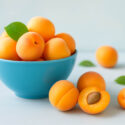
Choosing apricot trees just got easier. This guide matches top varieties to your climate by chill hours and late frost risk, from low-chill backyard winners to hardy, late-blooming classics. Browse flavor notes, harvest timing, and gardener-loved picks so you plant once, protect blossoms, and enjoy bumper crops that really thrive.
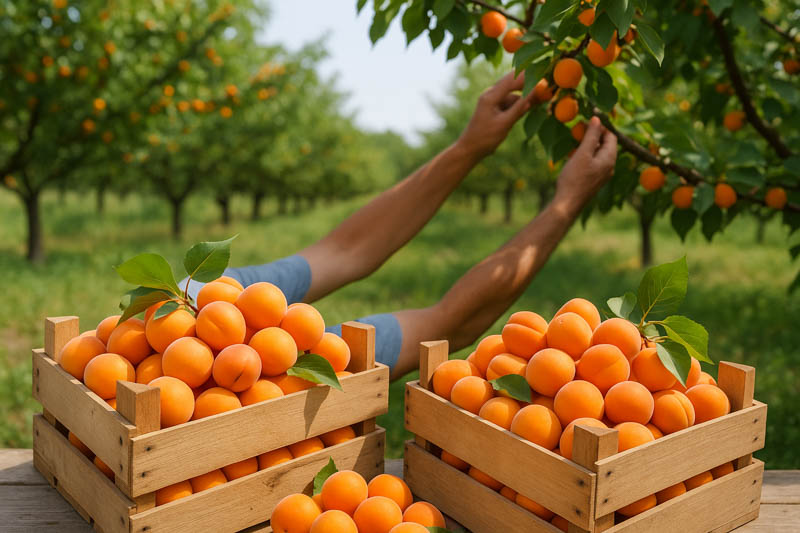


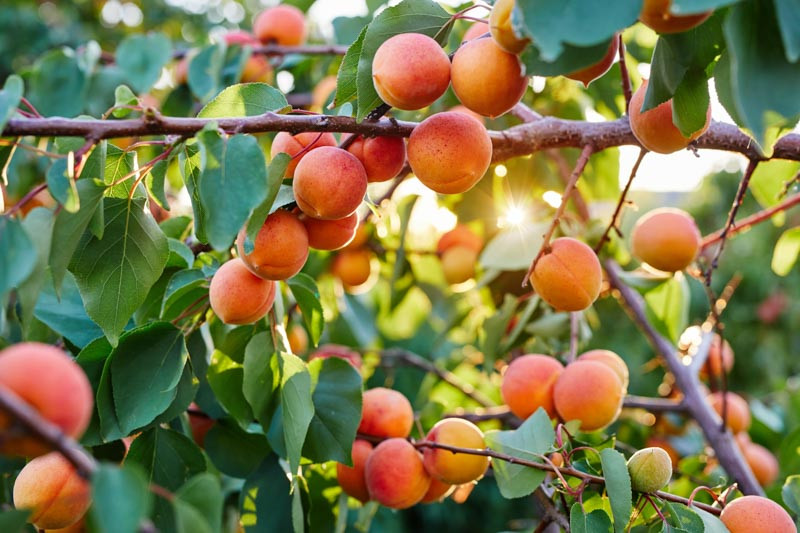
Summary: Apricots taste like summer sunshine – sweet, tangy, and incredibly fragrant. But they’re famous for blooming early, so the “best” variety for you is the one that both matches your chill hours (winter cold your yard actually gets) and manages late spring frost where you live.
Rule of thumb: Warm winters? Choose low-chill, early types. Cold or high-frost sites? Choose cold-hardy, late-blooming types and plant for frost protection.
Most are self-fertile, but yields can improve with a buddy that overlaps bloom.
| Botanical Name | Prunus armeniaca (apricot); plus hybrids (aprium, pluot, etc.) for low-chill/warm zones |
|---|---|
| Family | Rosaceae |
| Common Names | Apricot, Armenian Plum |
| Hardiness (USDA) | Generally 5–8 (some hardy selections to 4; many thrive 6–9 with frost care) |
| Chill Hours | ~200–900+ depending on cultivar (match to your winter average) |
| Bloom & Frost | Apricots bloom very early; late frost is the #1 crop killer. Favor late-bloomers in frost-prone sites. |
| Pollination | Most cultivars are self-fruitful; a few benefit from a partner for heavier set |
Let’s match apricot varieties to the winters (and springs) you actually have. Below you’ll find trusted cultivars grouped by chill-hour bands and late-frost behavior, plus bite-size notes on flavor, ripening, and where they shine. Chill hour numbers below are typical nursery ranges and can vary by source and season – use them as a guide, not a guarantee.
| Variety | Approx. Chill | Bloom Class* | Late Frost Risk | Zones | Notes (Flavor / Use / Niche) |
|---|---|---|---|---|---|
| Katy | ~250–400 | Early | Higher (blooms very early) | 7–9 | Low-chill star for SoCal/low deserts; early, sweet-tart; best where frost is rare. |
| Gold Kist | ~300 | Early | Moderate–High | 7–10 | Compact tree; reliable in warm coastal/interior valleys; flavorful fresh eating. |
| Royal Rosa | ~300–350 | Early–Mid | Moderate–High | 7–10 | Very sweet, aromatic; sets well in warm-winter areas; protect from spring cold snaps. |
| Blenheim (Royal) | ~400–500 | Early–Mid | Moderate–High | 7–9 (best 8–9) | Classic California apricot: perfumey, rich; excels with mild winters and kind springs. |
| Tomcot | ~500-600 | Early | Higher | 5–8 | Large, early fruit; delicious but flowers early – best where late frost is uncommon. |
| Robada | ~400–500 | Mid | Moderate | 6–9 | Giant, firm, sweet-tart; excellent fresh/dry; needs warmth to color and flavor up. |
| Patterson | ~500–600 | Mid | Moderate | 6–9 | Workhorse canning/drying apricot; dependable where winters are moderate. |
| Tilton | ~600–700 | Mid | Moderate | 5–8 | Tangy-sweet canning classic; mid bloom often fares better than very-early types but still protect in frost-prone sites. |
| Moorpark | ~600–700+ | Mid | Moderate | 5–8 | Legendary flavor; wants warm summers; can be disease-prone in humid climates. |
| Harcot (HAR series) | ~700-800 | Mid–Late | Lower | 5-9 | Canadian-bred; cold-hardy wood; later bloom helps in frosty springs; great fresh. |
| Harglow / Harlayne / Harogem | ~700–800 | Late (group) | Lower | 4–7 | Cold-tolerant, later flowering; good for interior cold zones; balanced flavor. |
| Goldcot | ~800 | Late | Lower | 5-8 | Hardy Michigan selection; good for canning/freezing; later bloom aids frost avoidance. |
| Puget Gold | ~600 | Mid–Late | Lower–Moderate | 5–9 (cool-summer) | Bred for the cool, wet PNW; dependable set; good fresh/canning; handles marine influence well. |
| Chinese (Mormon) | ~500-600 | Late | Lower | 5-9 | Very hardy wood and later bloom; popular in the Rockies/High Plains for dodging frost. |
*Bloom Class is relative; local microclimate and winter pattern can shift timing.
| Big on Fresh Eating | Best for Canning/Drying | Compact / Home-Garden Friendly |
|---|---|---|
| Blenheim (Royal), Royal Rosa, Robada, Moorpark | Tilton, Patterson, Goldcot, Robada | Gold Kist, Royal Rosa, Katy (on dwarfing rootstock), Puget Gold (manageable habit) |
Always confirm chill-hour needs from your nursery and ask neighbors which cultivars actually fruit in your microclimate.
Search your town + “chill hours” or check local extension resources and nearby weather stations. If you’re near the coast or in a city, you likely have LOWER chill than folks just a few miles inland or uphill.
Choose a variety that needs slightly FEWER hours than your average. Trees with unmet chill may leaf out late, bloom poorly, or set sparse crops.
Most are, yes, but a pollination partner that overlaps bloom can improve set in tricky springs, and it’s helpful for mixed-orchard biodiversity.
Not always. Swollen buds are less hardy than tight buds, and open flowers are most vulnerable. If only some nights dip cold and you protect the canopy (covers, water, windbreaks), you can still harvest. Many trees also stagger bloom across several days, so you often save part of the crop.
In many catalogs, later-blooming choices include the Canadian HAR series (Harcot, Harglow, Harlayne, Harogem), Goldcot, Tilton, and Chinese (Mormon). Local behavior varies – ask nearby growers what escapes frost in your valley.
Start with low- to medium-chill: Katy, Gold Kist, Royal Rosa; add Blenheim if you reliably get ~400+ hours. Be ready with frost covers if early bloom coincides with rare cold snaps.
Updated: October 2025 • Reviewed by Gardenia Editors
| Hardiness |
5 - 10 |
|---|---|
| Heat Zones |
2 - 8 |
| Plant Type | Fruits, Trees |
| Plant Family | Rosaceae |
| Genus | Apricots, Prunus - Fruit Tree |
| Common names | Apricot |
| Exposure | Full Sun |
| Season of Interest | Spring (Early), Summer (Early, Mid) |
| Height | 8' - 20' (240cm - 6.1m) |
| Spread | 8' - 20' (240cm - 6.1m) |
| Maintenance | High |
| Water Needs | Average |
| Soil Type | Clay, Loam, Sand |
| Soil pH | Acid, Alkaline, Neutral |
| Soil Drainage | Moist but Well-Drained |
| Characteristics | Showy, Fruit & Berries |
| Attracts | Bees, Birds |
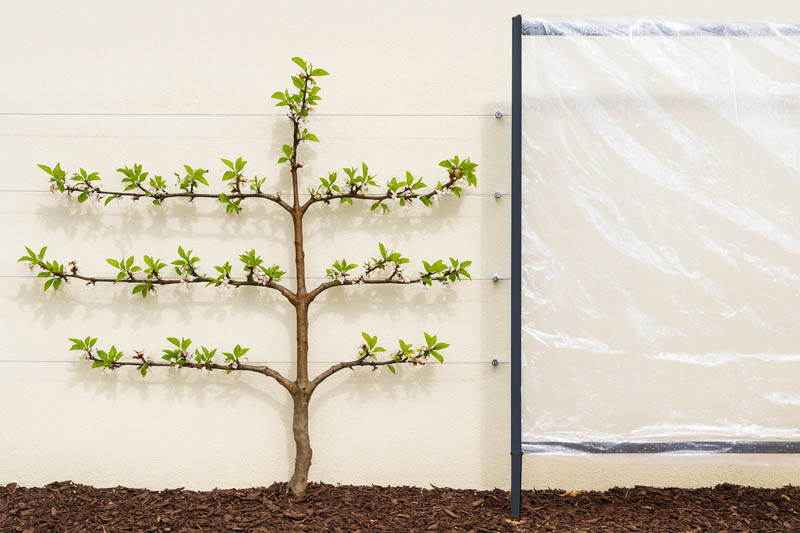
| Landscaping Ideas | Beds And Borders, Patio And Containers, Wall-Side Borders |
| Garden Styles | City and Courtyard, Informal and Cottage, Mediterranean Garden |
| Toxic to Humans | No known toxicity |
| Toxic to Cats | No known toxicity |
| Toxic to Dogs | No known toxicity |
| Toxic to Horses | No known toxicity |
| Hardiness |
5 - 10 |
|---|---|
| Heat Zones |
2 - 8 |
| Plant Type | Fruits, Trees |
| Plant Family | Rosaceae |
| Genus | Apricots, Prunus - Fruit Tree |
| Common names | Apricot |
| Exposure | Full Sun |
| Season of Interest | Spring (Early), Summer (Early, Mid) |
| Height | 8' - 20' (240cm - 6.1m) |
| Spread | 8' - 20' (240cm - 6.1m) |
| Maintenance | High |
| Water Needs | Average |
| Soil Type | Clay, Loam, Sand |
| Soil pH | Acid, Alkaline, Neutral |
| Soil Drainage | Moist but Well-Drained |
| Characteristics | Showy, Fruit & Berries |
| Attracts | Bees, Birds |
| Landscaping Ideas | Beds And Borders, Patio And Containers, Wall-Side Borders |
| Garden Styles | City and Courtyard, Informal and Cottage, Mediterranean Garden |
| Toxic to Humans | No known toxicity |
| Toxic to Cats | No known toxicity |
| Toxic to Dogs | No known toxicity |
| Toxic to Horses | No known toxicity |
Create a membership account to save your garden designs and to view them on any device.
Becoming a contributing member of Gardenia is easy and can be done in just a few minutes. If you provide us with your name, email address and the payment of a modest $25 annual membership fee, you will become a full member, enabling you to design and save up to 25 of your garden design ideas.
Join now and start creating your dream garden!
Create a membership account to save your garden designs and to view them on any device.
Becoming a contributing member of Gardenia is easy and can be done in just a few minutes. If you provide us with your name, email address and the payment of a modest $25 annual membership fee, you will become a full member, enabling you to design and save up to 25 of your garden design ideas.
Join now and start creating your dream garden!