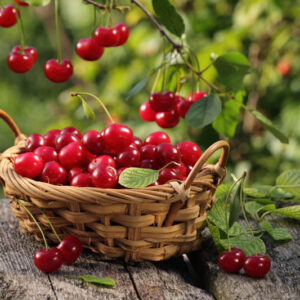
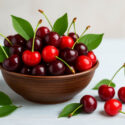
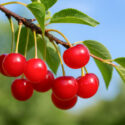
Find the best sweet cherry varieties for your climate and kitchen. Compare dark and yellow-blush flavors, early to late ripening, pollination partners, USDA zones, tree sizes, and chill needs.
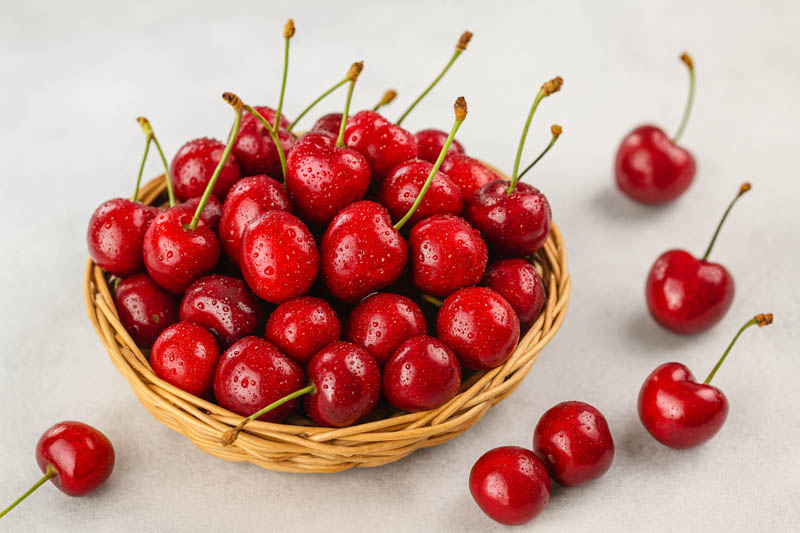


If you want bowls of glossy, candy-sweet cherries on your counter every summer, choosing the right variety is half the magic. In contrast to tart cherries, which are smaller, more acidic, and best for pies, preserves, sauces, tart cherry juice, and cherry juice blends, sweet cherries are grown mainly for fresh eating. Some sweet cherries are self-fertile and set fruit with one tree, while others need a partner. Some ripen early for the first taste of summer, and others keep the season going well into July.
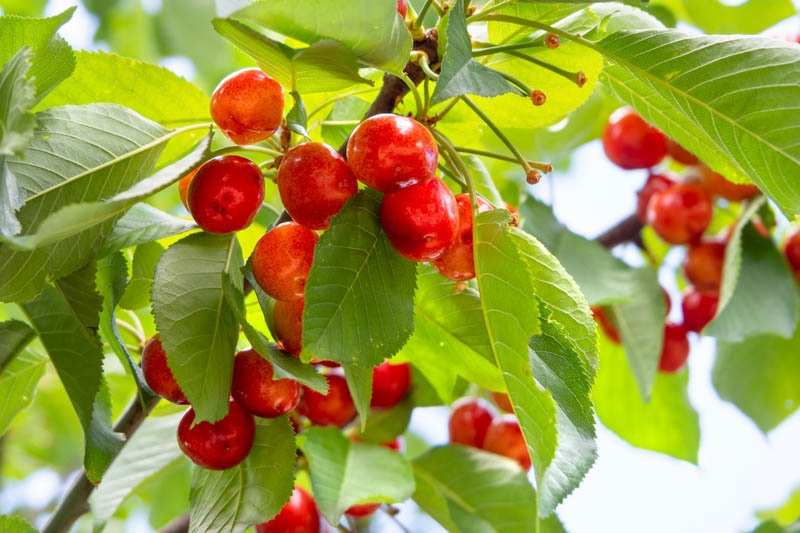
Summary: Sweet cherries are sun loving, spring blooming fruit trees grown for glossy, juicy dessert cherries.
Choose varieties for flavor, ripening window, and pollination needs. Mix an early, a mid, and a late for weeks of harvest.
Best for: Fresh eating, pies, jams, dehydrating, and freezing.
Starter picks:
Bing (classic flavor),
Stella (self-fertile),
Lapins (self-fertile, late),
Rainier (yellow blush),
Sweetheart (very late),
Black Tartarian (early).
| Botanical Group | Prunus avium (sweet cherry cultivars) |
|---|---|
| Family | Rosaceae |
| Hardiness (USDA) | Typically Zones 5-8 with adequate winter chill |
| Size by Rootstock | Dwarf 8-12 ft; semi-dwarf 12-16 ft; standard 18-25+ ft |
| Sun & Exposure | Full sun 6-8+ hours; shelter from strong wind reduces drop |
| Soil | Well drained loam or sandy loam; slightly acidic to neutral pH; avoid soggy sites |
| Bloom & Fruit | Showy white blossoms in spring; fruit from yellow blush to deep mahogany, firm to tender by variety |
| Season | Early (for example Black Tartarian), mid (for example Bing, Rainier, Stella), late to very late (for example Lapins, Sweetheart) |
| Chill Hours | Usually 700-900 hours under 45°F. Lower chill options exist regionally |
| Pollination | Many are not self-fertile. Self-fertile standouts include Stella, Lapins, Sweetheart. Check regional S-allele charts and ensure bloom overlap |
| Primary Uses | Fresh eating, pies and galettes, crisps, preserves, dehydrating, freezing, chocolate dipped |
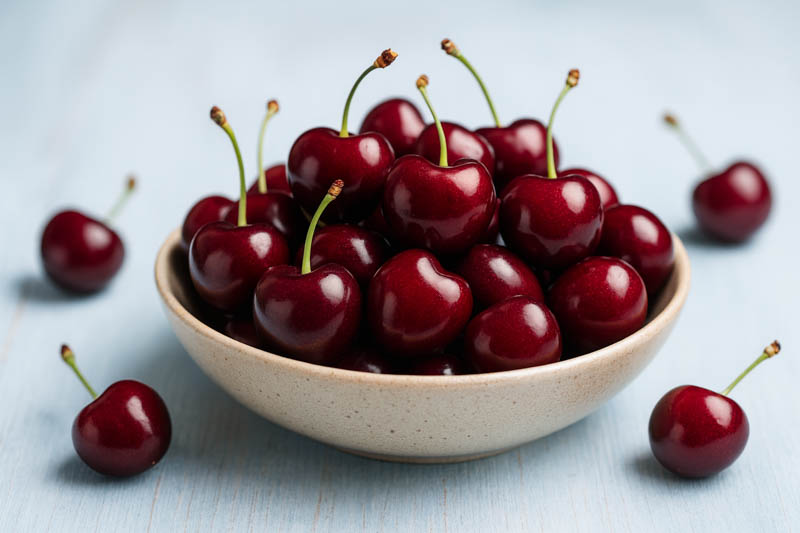
| USDA Hardiness | Zones 5-8 with adequate winter chill |
|---|---|
| Height & Spread | Standard 20-30 ft; semi-dwarf 12-16 ft; dwarf 8-12 ft |
| Season | Mid season in many regions |
| Taste | Sweet with lively cherry tang; firm and juicy |
| Pollination | Not self-fertile. Needs a compatible partner with overlapping bloom. Common partners include Stella, Lapins, Black Tartarian, Van, Rainier. Check regional S-allele charts |
| Best Uses | Fresh snacking, pies and galettes, crisps, preserves, freezing, chocolate-covered cherries |
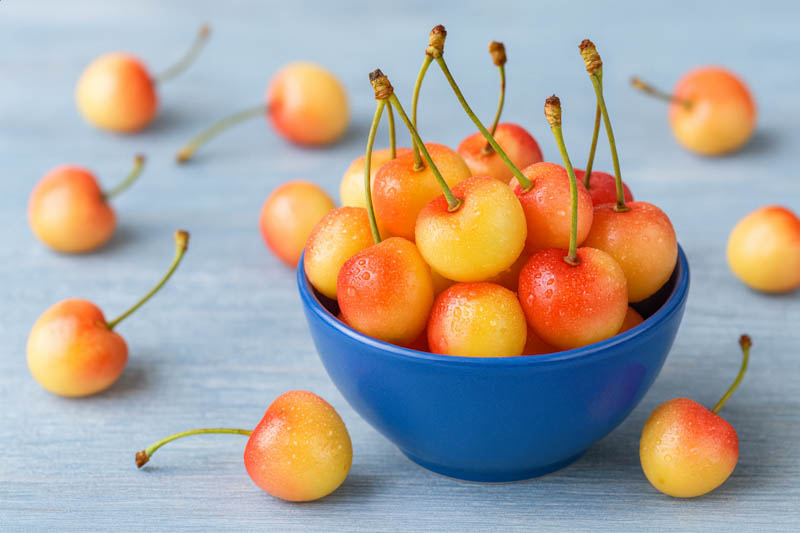
| USDA Hardiness | Zones 5-8 with adequate winter chill |
|---|---|
| Height & Spread | Standard 20-30 ft; semi-dwarf 12-16 ft; dwarf 8-12 ft |
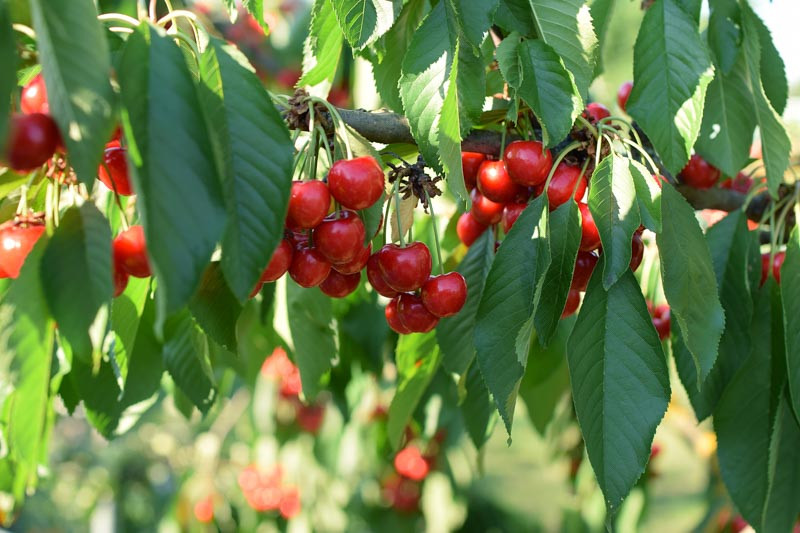
| Season | Mid season |
| Taste | Very sweet and aromatic; low acidity; tender flesh with delicate skin |
| Pollination | Not self-fertile. Needs a compatible partner such as Bing, Van, Black Tartarian, Stella in some regions. Verify with S-allele charts |
| Best Uses | Fresh eating, clafoutis, light bakes, garnishes, chocolate-dipped treats |
| USDA Hardiness | Zones 5-8 with adequate winter chill |
|---|---|
| Height & Spread | Standard 18-25 ft; semi-dwarf 12-16 ft; dwarf 8-12 ft |
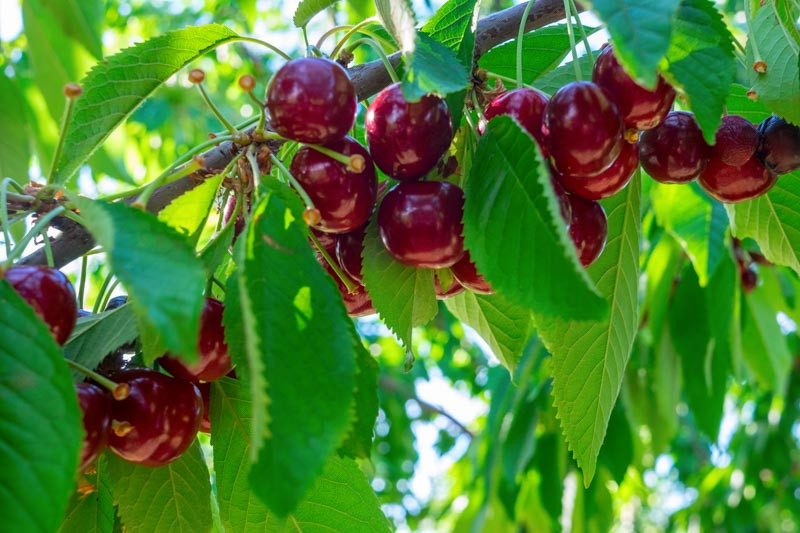
| Season | Late |
| Taste | Sweet and well balanced; very firm flesh that holds shape |
| Pollination | Self-fertile. Sets well on its own and can pollinize others with overlapping bloom |
| Best Uses | Fresh eating, canning, pies and bakes, dehydrating |
| USDA Hardiness | Zones 5-8 with adequate winter chill |
|---|---|
| Height & Spread | Standard 18-25 ft; semi-dwarf 12-16 ft; dwarf 8-12 ft. Compact options available |
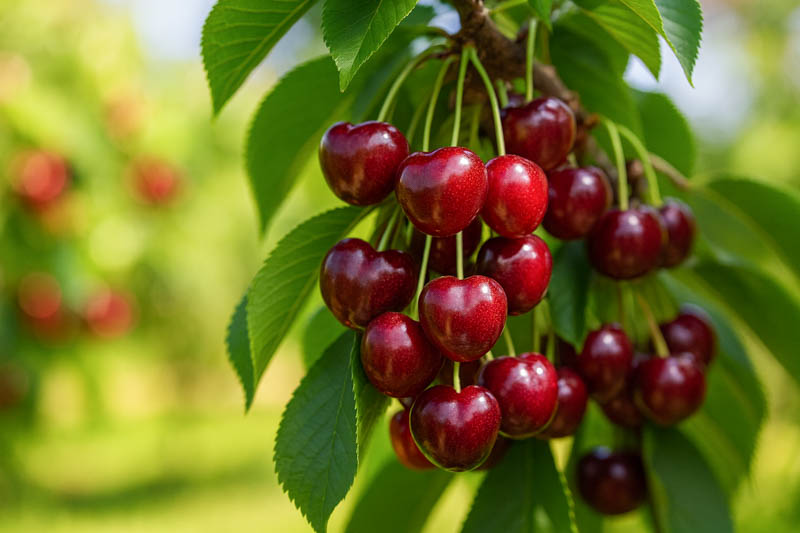
| Season | Mid season |
| Taste | Sweet and rich; medium firm texture |
| Pollination | Self-fertile. Good backyard choice and useful pollinizer for others with overlapping bloom |
| Best Uses | Fresh eating, general kitchen use, light baking and desserts |
| USDA Hardiness | Zones 5-8 with adequate winter chill |
|---|---|
| Height & Spread | Standard 18-25 ft; semi-dwarf 12-16 ft; dwarf 8-12 ft |
| Season | Late to very late. Extends the harvest window |
| Taste | Candy sweet with a bright tang; crisp bite when fully colored |
| Pollination | Self-fertile. Yield and size can improve with nearby compatible cherries. Check S-allele charts for local fits |
| Best Uses | Fresh eating, dehydrating, jams and jellies, sturdy bakes and pies |
| USDA Hardiness | Zones 5-8 with adequate winter chill |
|---|---|
| Height & Spread | Standard 18-25 ft; semi-dwarf 12-16 ft; dwarf 8-12 ft |
| Season | Early. One of the first dark sweets to ripen |
| Taste | Sweet and mellow with softer, very juicy flesh |
| Pollination | Not self-fertile. Pair with compatible mid bloomers such as Bing or Stella. Confirm with S-allele charts |
| Best Uses | Fresh off the tree, backyard snacking. Softer fruit is less suited to shipping and long baking |
Seasons vary by climate and rootstock. Pollination compatibility depends on bloom overlap and S-allele groups. Always check a local chart before planting.
| Cultivar | Color & Flesh | Flavor | Texture | Season | Self-fertile | Best Uses | Notes |
|---|---|---|---|---|---|---|---|
| Bing | Dark red to mahogany | Sweet with classic tang | Firm, meaty | Mid-season | No | Fresh, pies, freezing | Gold-standard flavor |
| Rainier | Yellow with blush, pale flesh | Very sweet, low acid, aromatic | Tender, delicate skin | Mid-season | No | Fresh, clafoutis, garnish | Bruises and sunburns readily |
| Lapins | Deep red | Sweet, balanced | Very firm | Late | Yes | Fresh, canning, some pies | Heavy crops on compact trees |
| Stella | Dark red | Sweet, rich | Medium-firm | Mid-season | Yes | Fresh, all-purpose | Great for small spaces |
| Black Tartarian | Purple-black | Sweet, mellow | Soft, very juicy | Early | No | Eat fresh | Yard snack, not a shipper |
| Sweetheart | Dark red | Sweet with lively tang | Firm | Late to very late | Yes | Fresh, dehydrating, jams | Big producer, extend the season |
Sweet cherries form groups based on S-alleles. Trees from incompatible groups will not pollinate each other even if bloom overlaps. That is why lists you see online sometimes disagree. Your local extension or nursery will often publish region-specific compatibility charts. Here is the simple path:

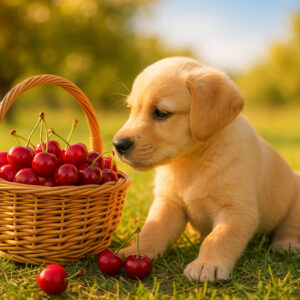
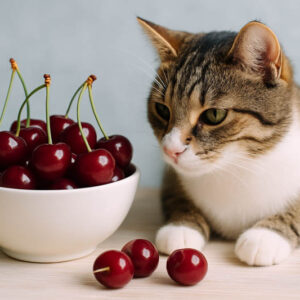
Enjoy the fruit, but remember that pits, leaves, and stems contain cyanide-releasing compounds. Only the flesh of ripe cherries is for snacking. If you share your home with animals, these quick reads help:
Prunus avium is native across much of Europe and into western Asia, with extensions into North Africa. Outside its native range it can naturalize. Birds spread seeds from gardens into woodlands and riparian edges where seedlings can form thickets that shade out natives. In parts of the United States, especially segments of the Pacific Northwest and some Northeastern states, sweet cherry is listed as invasive or as naturalized with invasive tendencies.
Yes, if you choose a self-fertile variety like ‘Stella’, ‘Lapins’, or ‘Sweetheart’. If you want ‘Bing’ or ‘Rainier’, plan on a compatible partner with overlapping bloom.
‘Bing’ is pie royalty thanks to firm flesh and balanced sweetness. ‘Lapins’ also holds shape well in bakes. ‘Sweetheart’ is sturdy for crisps and galettes.
Pair an early like ‘Black Tartarian’ with a mid-season like ‘Bing’ and a late like ‘Sweetheart’ or ‘Lapins’. That combo can extend fresh fruit for several weeks.
Rain near harvest and big swings in soil moisture cause skin to split. Mulch, steady irrigation during fruit swell, and timely picking will reduce cracking.
Aim for 20 to 40 feet between trees with overlapping bloom. That spacing makes pollen transfer easy for bees and still fits most yards.
Bottom line: For the classic dark sweet experience, start with Bing. For a self-starting orchard in one tree, choose Stella or Lapins. For a late flourish, plant Sweetheart. For perfume-sweet dessert fruit, pick Rainier. And if you love that first ripe taste in early summer, do not skip Black Tartarian. Mix two or three and you will turn a good cherry year into a great one.
| Hardiness |
5 - 9 |
|---|---|
| Plant Type | Fruits, Trees |
| Plant Family | Rosaceae |
| Genus | Cherries, Prunus - Fruit Tree |
| Exposure | Full Sun |
| Season of Interest | Spring (Mid, Late), Summer (Early, Mid, Late) |
| Height | 8' - 30' (240cm - 9.1m) |
| Spread | 8' - 30' (240cm - 9.1m) |
| Maintenance | Average |
| Water Needs | Average |
| Soil Type | Chalk, Clay, Loam, Sand |
| Soil pH | Acid, Alkaline, Neutral |
| Soil Drainage | Moist but Well-Drained, Well-Drained |
| Attracts | Bees, Birds, Butterflies |
| Landscaping Ideas | Beds And Borders |
| Garden Styles | City and Courtyard, Informal and Cottage |
| Toxic to Humans | No known toxicity |
| Toxic to Cats | No known toxicity |
| Toxic to Dogs | No known toxicity |
| Toxic to Horses | No known toxicity |
| Hardiness |
5 - 9 |
|---|---|
| Plant Type | Fruits, Trees |
| Plant Family | Rosaceae |
| Genus | Cherries, Prunus - Fruit Tree |
| Exposure | Full Sun |
| Season of Interest | Spring (Mid, Late), Summer (Early, Mid, Late) |
| Height | 8' - 30' (240cm - 9.1m) |
| Spread | 8' - 30' (240cm - 9.1m) |
| Maintenance | Average |
| Water Needs | Average |
| Soil Type | Chalk, Clay, Loam, Sand |
| Soil pH | Acid, Alkaline, Neutral |
| Soil Drainage | Moist but Well-Drained, Well-Drained |
| Attracts | Bees, Birds, Butterflies |
| Landscaping Ideas | Beds And Borders |
| Garden Styles | City and Courtyard, Informal and Cottage |
| Toxic to Humans | No known toxicity |
| Toxic to Cats | No known toxicity |
| Toxic to Dogs | No known toxicity |
| Toxic to Horses | No known toxicity |
Create a membership account to save your garden designs and to view them on any device.
Becoming a contributing member of Gardenia is easy and can be done in just a few minutes. If you provide us with your name, email address and the payment of a modest $25 annual membership fee, you will become a full member, enabling you to design and save up to 25 of your garden design ideas.
Join now and start creating your dream garden!
Create a membership account to save your garden designs and to view them on any device.
Becoming a contributing member of Gardenia is easy and can be done in just a few minutes. If you provide us with your name, email address and the payment of a modest $25 annual membership fee, you will become a full member, enabling you to design and save up to 25 of your garden design ideas.
Join now and start creating your dream garden!