Create Your Garden

Prunus armeniaca (Apricot)

The apricot (Prunus armeniaca) is a hardy, early-flowering fruit tree that lights up spring with clouds of pale pink blooms and ripens to velvety, amber fruit. Its compact form fits home orchards beautifully, yielding fruit perfect for drying, preserves, or homemade apricot jam or brandy.
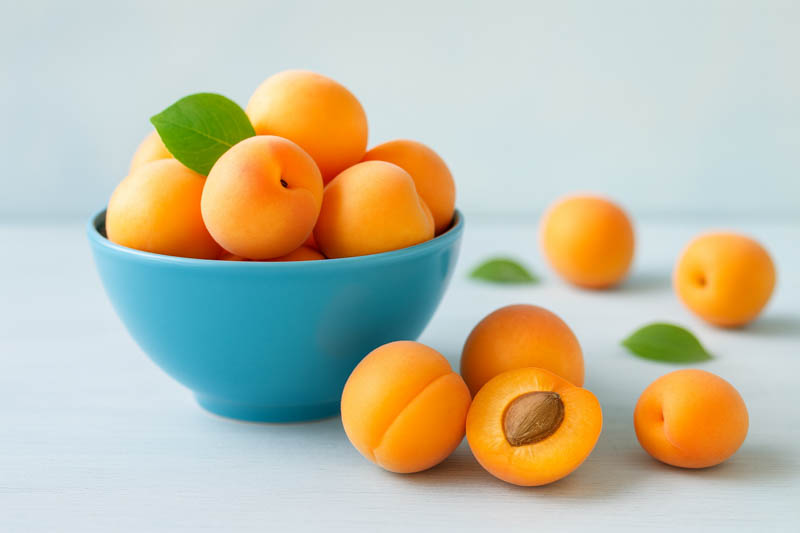
Apricot, Apricots, Apricot seeds, Apricot kernels, Prunus armeniaca
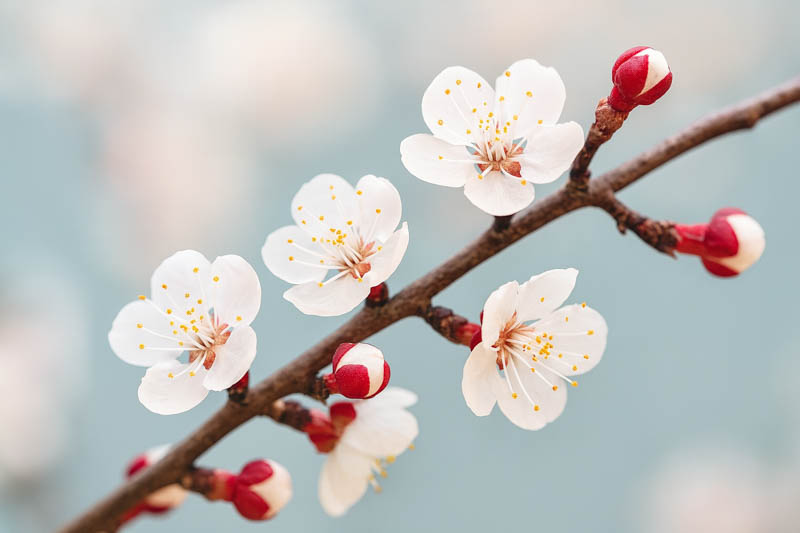
Apricot Flowers, Apricot, Apricots, Apricot seeds, Apricot kernels, Prunus armeniaca
Drieds apricots, Apricot, Apricots, Apricot seeds, Apricot kernels, Prunus armeniaca
Apricot jam, Apricot, Apricots, Apricot seeds, Apricot kernels, Prunus armeniaca
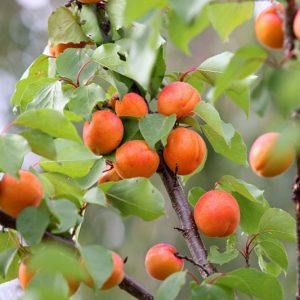
Apricot, Apricots, Apricot seeds, Apricot kernels, Prunus armeniaca
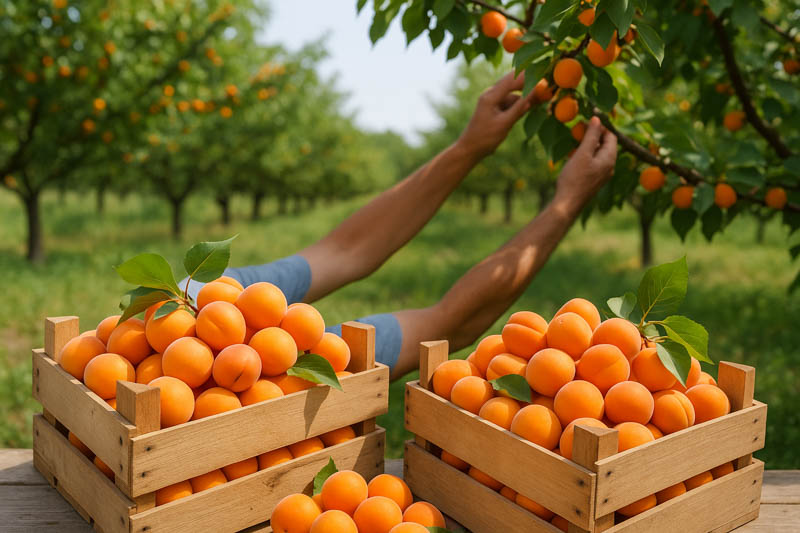
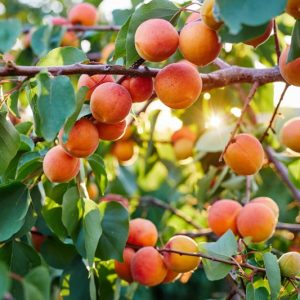
Apricot harvest, Apricot, Apricots, Apricot seeds, Apricot kernels, Prunus armeniaca

Apricots: Fragrant, Early, and Surprisingly Hardy

Quick Facts – Apricot (Prunus armeniaca)

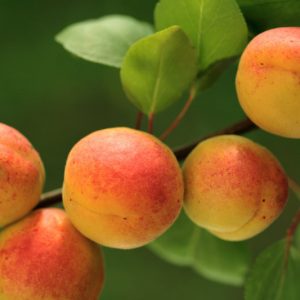
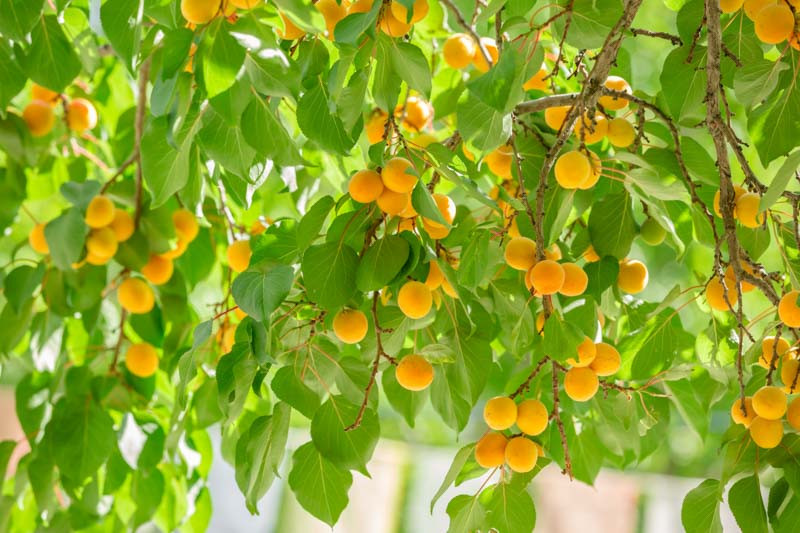
Apricots on a branch

Summary: One of the first stone fruits to bloom, the apricot tree rewards you with perfumed blossoms and golden, velvety fruit in early summer. Give it full sun, good drainage, and chill hours appropriate to your climate. Train to an open vase, thin fruit generously, and protect spring blooms from frost for the most reliable crops.

Botanical Name Prunus armeniaca
Family Rosaceae (Rose family)
Common Names Apricot
Native Range Central & East Asia (cultivated for millennia across the Silk Road)
Plant Type & Habit Small deciduous fruit tree; flowers on spurs and short shoots
Hardiness (USDA) 5–8 (var. & rootstock dependent)
Size 12–20 ft (3.5–6 m) tall and wide; dwarf forms 8–12 ft (2.5–3.5 m)
Sun & Exposure Full sun (6–8+ hrs); shelter from harsh north/east winds
Soil Fertile, well-drained loam or sandy loam; pH 6.0–7.5; avoid waterlogging
Bloom & Fruit Showy white–blush flowers in early spring; golden fruit late spring–early summer
Wildlife Bees pollinate; fruit attracts birds – netting often needed
Toxicity Pits contain cyanogenic compounds; do not chew or eat pits. Keep away from pets/children.
Invasiveness Not invasive; roots dislike saturated soils
Primary Uses Fresh eating, baking, preserves, dried apricot, apricot jam, liqueurs (incl. apricot brandy), culinary & cosmetic apricot kernel oil
Care (Quick)
  • Site & timing: Full sun, excellent drainage; plant bareroot late winter–early spring (dormant) or container trees spring–early fall.
  • Chill hours: Match cultivar to your climate (approx. 300–900 hrs <7°C depending on variety).
  • Training: Open-center (vase) with 3–4 main scaffolds; summer-prune for light and fruiting spurs.
  • Water: Deep, infrequent soaks; keep even moisture from bloom through harvest; avoid soggy conditions.
  • Feeding: Modest needs. Compost annually; light nitrogen in spring if growth is weak (target 12–18 in/30–45 cm new shoot growth).
  • Thinning: After natural June drop, thin to one fruit every 4–6 in (10–15 cm) for size and to protect branches from breakage.
  • Frost protection: Blossoms are early and tender – use covers or site near a heat-reflective wall; avoid frost pockets.
  • Pollination: Many cultivars are self-fruitful; some set better with a partner that overlaps bloom.
  • Pests & disease: Watch for brown rot, aphids, peach twig borer, and shot hole. Favor pruning for airflow and dry canopies.
  • Harvest: Pick when fruit is fully colored and fragrant; apricots sweeten best on the tree. Handle gently.

If your idea of summer is a sun-warm half apricot over yogurt or a bubbling pan of jam perfuming the kitchen, you’re in the right place. This guide covers how the tree grows, which cultivars fit different climates, exactly how to prune and thin (the secret to wow-sized fruit), and favorite ways to use the harvest – from a sheet-pan crumble to a celebratory splash of apricot brandy.
Apricot Flowers, Apricot, Apricots, Apricot seeds, Apricot kernels, Prunus armeniaca

Apricot Basics: Botany, Bloom Time & Climate Fit

What it is: Prunus armeniaca is a small, deciduous tree in the rose family (Rosaceae), closely related to peaches, plums, and cherries. Naturally rounded to broadly spreading, it’s as ornamental as it is productive.
Morphology at a Glance

  • Size & habit: Typically 12–20 ft (3.5–6 m) tall and wide; dwarfs 8–12 ft (2.5–3.5 m). Rounded crown with an open, spreading canopy.
  • Growth rate: Moderate when young (≈30–45 cm / 12–18 in of annual shoot growth under good care), slowing with age.
  • Lifespan: Productive for ~20–30 years in home gardens; exceptional trees may live longer with careful pruning and site choice.
  • Bark & wood: Smooth gray to reddish-brown bark when young, developing shallow fissures; wood is relatively brittle – thin fruit to prevent limb breakage.
  • Leaves: Simple, alternate, 2–4 in (5–10 cm), broadly ovate with a finely serrated edge and a pointed tip; glossy medium-green in summer, often yellow to yellow-orange in autumn. Tiny nectar glands may appear on the petiole near the blade.
  • Flowers: Five-petaled, white to blush-pink, ~1–1.5 in (2.5–4 cm) across, borne singly or in pairs on short shoots and spurs. Usually open before leaves – beautiful but frost-vulnerable; bloom typically occurs late winter to early spring (about March–April in the Northern Hemisphere; August–September in the Southern Hemisphere), varying by cultivar and climate.
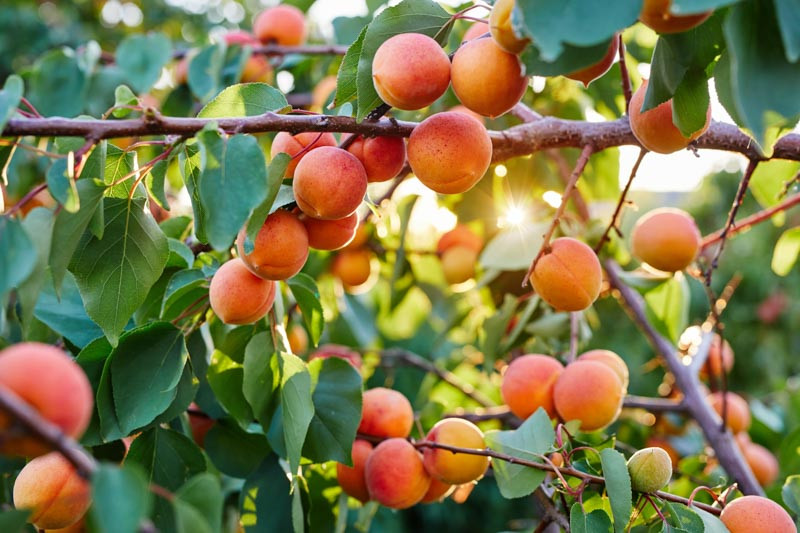
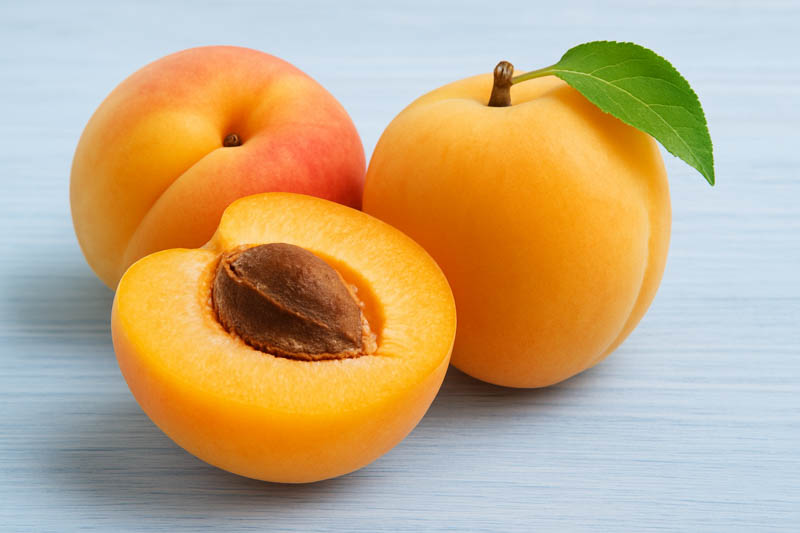
  • Fruit: A velvety-skinned drupe (apricot) with orange flesh and a single hard pit enclosing the inner seed (kernel). Fruits ripen from late spring to early summer (roughly May–July in the Northern Hemisphere; November–January in the Southern Hemisphere), depending on heat and variety. Pits and bitter kernels can contain cyanogenic compounds – do not chew or eat.
  • Roots: Moderately deep, wide-ranging; dislikes waterlogged soil. Good drainage is non-negotiable.

Season-by-Season Look

  • Late winter–early spring: Bud swell and showy bloom on bare wood; bees work flowers if the weather allows.
  • Spring: Leaves emerge; fruit set follows successful pollination; new shoots extend.
  • Early summer: Fruit colors from pale gold to deep orange; spurs carry much of the crop.
  • Late summer–fall: Shoots harden; foliage shifts to yellow tones before leaf drop.
  • Winter: Dormant silhouette reveals the open-vase framework and spur positions.

Fruiting Wood & Bearing Habit

  • Where fruit forms: Primarily on short-lived spurs and on 1-year-old lateral shoots.
  • Spur lifespan: Often productive for ~3–5 years before declining – renew with light annual pruning.
  • First fruiting: Commonly 2–4 years after planting (faster on vigorous stock, slower from seedlings).
  • Crop regulation: Thin to one fruit every 4–6 in (10–15 cm) after natural drop for size, sweetness, and to protect brittle limbs.

Pollination & Bloom Timing

  • Bloom window: Among the earliest stone fruits – often late winter to very early spring, ahead of leaf-out.
  • Self-fruitfulness: Many cultivars are self-fertile; others set better with a companion that overlaps bloom. Bees are the main pollinators.
  • Frost risk: Early bloom is the Achilles’ heel. Choose sites with good air drainage; cover small trees on freeze nights.

Climate Fit & Chill Hours

  • USDA zones: Commonly 5–8 (variety/rootstock dependent); some low-chill types succeed in warmer zones with mild winters.
  • Chill requirement: Roughly 300–900 hours <7 °C (variety-specific). Match your cultivar to local winter chill for reliable budbreak and bloom.
  • Heat & drought: Enjoys warm, dry summers; tolerates brief dry spells once established but crops best with steady moisture from bloom to harvest.

Rootstocks & Vigor

  • On apricot roots: Great fruit quality; insists on drainage.
  • On plum/peach roots: Can add adaptability (e.g., heavier soils), alter vigor, and influence size; check nursery notes for disease and soil tolerances.

Apricot, Apricots, Moorpark Apricot, Prunus armeniaca 'Moorpark'

Choosing Cultivars (Flavor, Chill, and Reliability)

Pick for chill-hour match, bloom time, and use in the kitchen. Where late frosts are common, prefer later-blooming, disease-tolerant selections.

Cultivar Chill (approx.) USDA Zones* Highlights & Uses
Moorpark 600–700 5–8 Rich, classic flavor; superb for fresh eating and baking; early bloom – protect blossoms.
Blenheim (Royal)’ 400–500 7–8 Beloved in warm-summer areas; aromatic; great for fresh, dried apricot, and canning.
Goldcot 800+ 5-8 Cold-hardy, later bloom; firm fruit for freezing, pies, and apricot jam.
Harcot 700–800 5-9 Canadian-bred for cold; good crack resistance; balanced sweet-tart.
‘Tomcot’ 500–600 5–8 Large, early; heavy producer; excellent for fresh use and dehydrating.
Tilton 600–700 5–8 Classic for canning and halves; tangy flavor that shines in syrup and jam.
‘Katy’ 250–400 7–9 Low-chill, very early; generous crops in mild winters; great for fresh eating.
Chinese (Mormon)’ 500–600 5-9 Tough, later bloom; often sets in colder, higher-elevation gardens.
Early Golden ~400–500 5–8 Early, richly flavored freestone; reliable in moderate winters; self-fruitful (≈300–450+ chill hrs reported).


USDA zones and chill hours vary by rootstock and microclimate; confirm with local extension or nursery

Tip: In frost-prone regions, pair a later-blooming cultivar with a slightly earlier one. If one loses blossoms to a cold snap, the other may carry your season. Best Apricot Varieties for Your Climate: Chill & Frost

Toxicity & Safety (Humans, Pets, Livestock)

Apricot pits, seeds, leaves, and young stems contain the cyanogenic glycoside amygdalin. Toxicity is medium for humans and a problem for cats, dogs, and horses. Risk rises if pits are crushed or kernels are chewed; never blend unpitted fruit. Swallowing one or two whole pits is unlikely to poison, but processed amounts can cause gasping, weakness, spasms or convulsions, and severe respiratory failure. Fruit flesh is safe; avoid kernels, and keep prunings and pits away from children, pets, and livestock.

Planting: From Bareroot to First Fruit

Before planting, give your apricot tree the best foundation by matching its natural preferences: full sunlight, excellent drainage, and protection from spring frost pockets.
Site & Soil Preparation

  • Light: Choose a site with full sun – at least 6–8 hours daily. Apricots thrive on warmth and light, which boost flower bud formation and fruit sweetness. In cooler regions, a south or southwest exposure is ideal; in hot inland areas, light afternoon shade can prevent leaf scorch.
  • Air & frost: Avoid low spots where cold air settles in spring. A gentle slope or spot with good air drainage keeps blossoms safer from frost.
  • Soil: Apricots demand excellent drainage. A deep, fertile loam or sandy loam with a pH between 6.0 and 7.5 is best. Heavy clay or compacted soils cause root rot – improve drainage by building raised beds or planting on a slight mound.
  • Preparation: Before planting, loosen soil 2–3 ft (60–90 cm) wide and deep. Mix in well-decomposed compost if soil is thin or poor, but avoid creating a rich pocket – roots should grow outward into native soil.

Planting Steps

  • Timing: Plant bareroot trees while dormant (late winter–early spring). Container-grown trees can be planted whenever the soil is workable and temperatures are mild – not during extreme heat or frozen ground.
  • Hole prep: Dig a wide hole (at least twice the root spread), roughen the sides, and set the tree so the top of the root ball sits at or slightly above soil level. Never bury the graft union.
  • Backfill: Refill with your native soil, firming gently around roots. Avoid adding heavy amendments directly in the hole – this can discourage outward root growth. Remember: good drainage beats rich soil every time.
  • Water in: Give a deep, slow soak to eliminate air pockets. Afterward, apply 2–3 in (5–7 cm) of mulch out to the drip line, keeping mulch 4–6 in (10–15 cm) away from the trunk to prevent rot.
  • First cut (training): Immediately after planting, head the central leader to 24–36 in (60–90 cm). This encourages strong, wide-angled scaffold branches for the classic open-vase shape that maximizes sunlight and airflow.

Aftercare

  • Keep soil evenly moist (not soggy) during the first growing season while roots establish.
  • In windy sites, stake young trees loosely to prevent rocking but allow slight movement for trunk strength.
  • Feed lightly in the second year with a balanced organic fertilizer or compost top-dressing.
  • Prune lightly during summer to balance vigor and shape the developing framework.
Quick recap: Full sun, fertile but fast-draining soil, protection from frost, and thoughtful first pruning are the keys to getting Prunus armeniaca off to a strong start.

Prunus armeniaca 'Harcot', Apricot 'Harcot', Harcot Apricot, Flowering Tree, Fruit Tree

Care & Maintenance: Water, Feeding, Pruning & Thinning

Water

  • Deep, infrequent irrigation promotes healthy roots. In most climates, aim for an inch (2–3 cm) per week equivalent during bloom to harvest, adjusting for rainfall and soil.
  • Ease off after harvest to let new wood harden before winter.

Feeding

  • Apricots are moderate feeders. Annual compost and a spring side-dress of a balanced, low-nitrogen fertilizer is plenty for vigorous trees.
  • If shoots are growing <12 in (30 cm) per year, add a modest dose of nitrogen in spring; if they’re racing >24 in (60 cm), cut back.

Pruning (Open Vase)

  • Select 3–4 evenly spaced scaffold branches in year one. Remove competing leaders and keep the center open for sunlight and airflow.
  • Summer-prune lightly to control vigor and renew fruiting wood; winter-prune to shape, but avoid heavy winter cuts in very cold regions.
  • Remove dead, diseased, or crossing wood promptly.

Thinning (The Big Secret)

  • After the natural fruit drop, thin remaining clusters to a single fruit every 4–6 inches. This prevents limb breakage and delivers larger, sweeter apricots.

Frost Protection

  • Cover small trees with breathable fabric on freeze nights; secure to the ground. A string of outdoor-safe incandescent bulbs under the cover can buy a couple degrees.
  • Keep soil slightly moist before a freeze – damp soils hold heat better than dry.
Bottom line: Think “sun + drainage + smart microclimate.” Build an open-vase canopy, renew spurs with light annual pruning, thin fruit hard, and give steady moisture in spring. Do that, and Prunus armeniaca will repay you with clouds of blossom and bowls of fragrant, golden fruit.

Apricot, Apricots, Apricot seeds, Apricot kernels, Prunus armeniaca

Apricots in Containers & Small Spaces

Yes, you can grow an apricot on a patio – choose a dwarf selection on compact rootstock and a 20–30 gallon (75–115 L) container with excellent drainage. Keep pruning gentle but frequent to renew fruiting wood, water steadily in summer, and wheel the pot under an eave when frost threatens bloom. Expect somewhat lighter crops than in-ground trees, but earlier warmth by a sunny wall often evens the score.

Good Neighbors: Companion Plants for Apricot Trees

Apricot trees appreciate companions that attract pollinators, deter pests, and improve soil health. Beneath their canopy, plant low herbs like chives, thyme, or borage to draw bees and repel aphids. Deep-rooted comfrey or clover enrich soil with nutrients, while garlic and marigolds discourage borers and nematodes. Avoid heavy feeders or tall trees that compete for light and water -keep the focus on supportive, shallow-rooted allies that create a healthy, living orchard floor. Apricot Companion Plants That Boost Harvests

Seasonal Care Calendar

Season Tasks
Late winter–early spring Plant bareroot; shape the open center; protect buds if frost looms; start monitoring for aphids and shot hole.
Spring Steady moisture; light feeding; thin fruit once marble-sized; maintain weed-free, mulched basins.
Early summer Harvest gently; net if birds discover your tree; summer-prune for sunlight and spur renewal.
Mid–late summer Deep but less frequent watering; avoid heavy nitrogen; watch for twig borer flights and brown rot on late fruit.
Fall Remove mummies and fallen fruit; clean, open canopy; refresh mulch; whitewash trunks in hot-sun climates.
Winter Structural pruning in mild spells; protect from vole/rabbit bark damage; check ties and stakes.

Top 3 Mistakes (and Fast Fixes)

  • Planting in a frost pocket – Early bloom gets zapped. Fix: Choose a gentle slope or spot with good air drainage; cover blossoms on freeze nights.
  • Poor drainage – Leads to canker/rot. Fix: Plant on a mound or raised bed; keep soil well-drained (loam/sandy loam).
  • Not thinning fruit – Small fruit & broken limbs. Fix: After natural drop, thin to one apricot every 4–6 in (10–15 cm).

Apricot, Apricots, Apricot seeds, Apricot kernels, Prunus armeniaca

Common Problems & How to Prevent Them

Prevent First

  • Keep canopies airy with the open-vase system; sunlight is your best fungicide.
  • Water at soil level; avoid wetting flowers and fruit. Morning sun that dries the dew is gold.
  • Practice orchard hygiene: remove mummified fruit and prunings; compost, heat, or dispose.
  • Thin generously – tight clusters trap moisture and invite rot.

Likely Culprits

  • Brown rot (Monilinia): Blossom blight and fruit rot. Prune for airflow; remove mummies; consider bloom-time fungicide where pressure is high.
  • Shot hole (Coryneum blight): Purple leaf spots that drop out, leaving holes; small twig lesions. Improve airflow, avoid overhead irrigation.
  • Bacterial canker & gumming: Sunscald/winter injury predisposes. Paint trunks in hot-sun regions; prune in dry weather; remove infected wood back to healthy tissue.
  • Peach twig borer: Shoot “flags” and wormy fruit. Sanitation plus targeted control at timing windows helps; encourage beneficials.
  • Aphids & scale insects: Sticky leaves, curled tips. Blast with water, invite lady beetles/hoverflies, prune infested shoots, use horticultural oils during dormancy if needed.
IPM mantra: Identify precisely, act early, and favor cultural fixes. Clean canopies, balanced vigor, and good harvest hygiene keep most troubles minor.

Troubleshooting at a Glance

Symptom Likely Cause Fix
Loads of bloom, little fruit Frost at bloom; poor pollination; wrong chill hours Frost covers; plant a pollination partner; match cultivar to climate
Fruit cracking or rot Irregular moisture; dense clusters; brown rot Even watering; thin fruit; prune for airflow; remove mummies
Gumming and dieback Canker; sunscald; borer injury Prune to healthy wood; whitewash trunks; strengthen tree vigor
Sticky, curled leaves Aphids; honeydew & sooty mold Rinse undersides; encourage beneficials; dormant oil for overwintering eggs
Small fruit & limb breakage Overloaded crop; lack of thinning Thin to 4–6 in apart; prop heavy limbs if needed


Apricot harvest, Apricot, Apricots, Apricot seeds, Apricot kernels, Prunus armeniaca

Harvest, Storage & Easy Preserving

  • When to pick: Look for full, uniform color (no green at the stem), gentle softness when cupped, and that honeyed fragrance. Apricots develop their best sweetness on the tree.
  • How to pick: Lift and twist gently; avoid squeezing. Use shallow containers to prevent bruising.
  • Fridge life: 3–5 days. Bring to room temp before eating for the fullest flavor.
  • To freeze: Halve and pit, toss with a little lemon juice, lay on a tray to freeze, then pack for crisps, smoothies, or quick jam.

Dehydrating for dried apricot

Halve and pit fruit, dip briefly in lemon water, and dry at low heat until pliable but not sticky. Store airtight in cool darkness. Chewy, bright, and perfect for trail mixes and winter baking.

Small-batch apricot jam (no pectin)

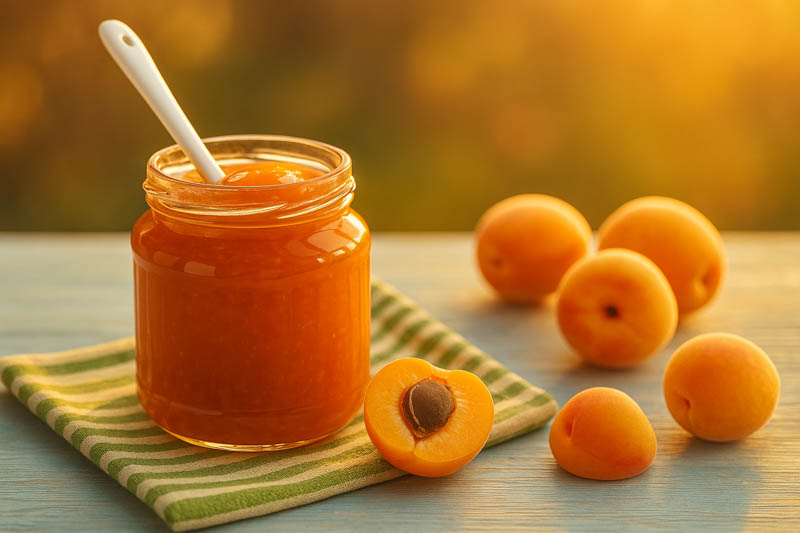
Simmer chopped fruit with sugar and lemon until glossy and thick, then jar while hot. Spoon over yogurt, ripple into ice cream, or brush on grilled pork as a glaze. (For shelf-stable jars, follow safe canning guidelines.)

A celebratory sip with apricot brandy

Shake 2 oz apricot brandy with 3/4 oz lemon juice and 1/4–1/2 oz simple syrup; strain over ice and top with a splash of sparkling water. Sunshine in a glass.
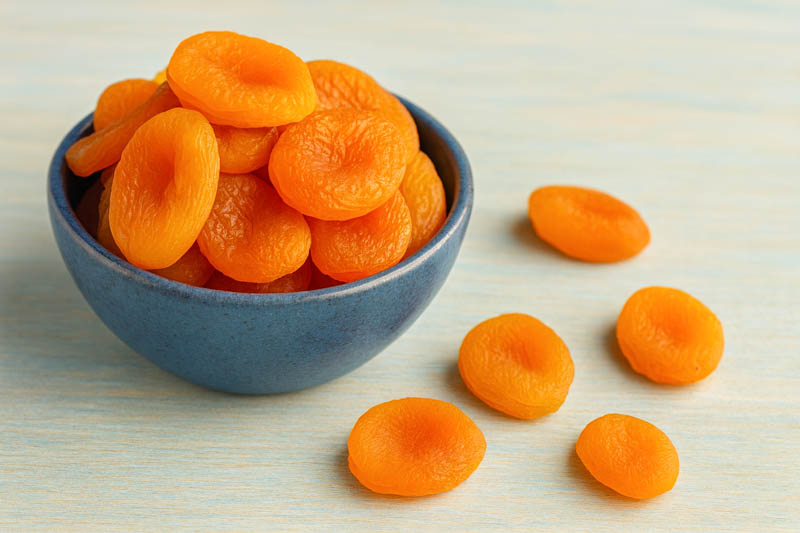
Dried apricots, Apricot, Apricots, Apricot seeds, Apricot kernels, Prunus armeniaca

Apricot Nutrition (Fresh vs. Dried)

Fresh apricots are light and bright – roughly 40–50 kcal per 100 g with fiber, potassium, and carotenoids (the orange hue hints at vitamin A activity). Dried fruit concentrates those nutrients (and sugars), making dried apricot a compact energy snack for hikes and busy days.

Nutrient (typical) Fresh (per 100 g) Dried (per 100 g)
Calories ~48 kcal ~240 kcal
Carbohydrate ~11 g (≈9 g sugars) ~63 g (mostly natural sugars)
Dietary fiber ~2 g ~7 g
Potassium ~260 mg ~1100 mg
Vitamin A (RAE, from carotenoids) Present Higher (more concentrated)


Note: Dried fruit is nutrient-dense but also calorie-dense. It is great for quick fuel; balance portions if watching sugars.

From Orchard to Oven: Everyday Uses, Desserts & Sips

Apricots play sweet or savory with equal charm. Here are easy ways to celebrate your crop.
Preserves & Condiments

  • Stovetop apricot jam: Fruit, sugar, lemon – boil until it sheets off the spoon. Spoon over yogurt or brush on pastries.
  • Quick compote: Simmer wedges with a splash of water, a bit of sugar, and vanilla; serve warm over pancakes or ice cream.
  • Oven-roasted halves: Toss with honey and thyme; roast until jammy for cheese boards or pork.

Classic Desserts

  • Apricot galette: Flaky crust + fruit tossed with sugar and cornstarch; bake until bubbly.
  • Almond cake with apricots: Stone-fruit meets nutty crumb – perfect coffee companion.
  • Apricot crumble bars: A buttery base, generous fruit layer, and a crumble cap that sings with lemon zest.

Savory Ideas

  • Grilled chicken with apricot glaze (a spoon of jam + mustard + vinegar).
  • Couscous with dried apricot, toasted pistachios, herbs, and lemon.
  • Roasted carrots with apricot-spiked vinaigrette and feta.

Drinks

  • Apricot spritz: Muddle fruit with simple syrup, top with sparkling water and a citrus wheel.
  • Apricot brandy sour: A bright, easy cocktail for balcony sunsets.

Apricot jam, Apricot, Apricots, Apricot seeds, Apricot kernels, Prunus armeniaca

Special Topics: Seeds, Kernels & Oils

Apricot pits contain a single inner seed (“kernel”). In some cuisines, sweet kernels are used like bitter almond, and kernels are pressed for a light cosmetic or culinary oil. Always distinguish grades: cosmetic oil for skin/hair only; culinary-grade for food uses.

Safety note: For health risks, symptoms, and pet/livestock guidance, see the Toxicity & Safety section.

Quick Recipe Cards

Everyday Apricot Compote

Simmer 2 cups sliced fruit with 2–3 tbsp sugar, 1 tsp lemon juice, and a splash of water for 6–8 minutes until glossy. Spoon over yogurt, pancakes, or oatmeal.

Sheet-Pan Roasted Apricots

Toss halved fruit with honey, olive oil, and thyme. Roast at 200°C/400°F for 12–18 minutes until edges caramelize. Serve with burrata or over vanilla ice cream.

Five-Ingredient Freezer Jam

Blend 4 cups fruit, 1½ cups sugar, 2 tbsp lemon, and instant pectin per label. Jar and refrigerate/freezer-store. Summer in a spoon.

Trail Mix Boost

Chop dried apricot and toss with toasted almonds, pumpkin seeds, dark chocolate bits, and coconut flakes. Pack for hikes or school snacks.

Propagation: Cuttings, Grafting & Growing from Pits

Most home growers buy named cultivars on selected rootstocks for reliability. Apricots can also be budded or grafted onto peach, plum, or apricot roots, depending on soil and vigor goals. Growing a tree from apricot seeds (the pits) is a fun experiment, but seedlings rarely match the flavor or reliability of the parent, and they’ll take longer to fruit. For a guaranteed taste profile, stick to grafted trees.

Curiosity corner: If you do plant pits, clean and dry them first, cold-stratify them in the fridge for several weeks, and then sow them outdoors in spring. Protect seedlings from rodents and be patient.

Frequently Asked Questions

Are apricots easy to grow?

Apricot trees can be tricky; they need cold winters, are very sensitive to late spring frosts, and often suffer from biennial bearing and fungal diseases.

Why doesn’t my apricot tree produce fruit?

Common causes: spring frost damage, over-fertilization (especially high nitrogen), lack of pollinators, or excessive pruning removing fruiting wood. Most varieties are self-fruitful but yield more with another apricot nearby

What pests and diseases affect apricot trees?

Apricots are prone to fungal problems like blossom blight, brown rot, and gummosis. Main pests include aphids, mealybugs, scales, and borers.

What’s the best way to prune apricot trees?

Prune in late summer or early autumn to reduce disease risk; thin branches each spring to break biennial bearing.

Do I need two trees for fruit?

Many modern apricots are self-fruitful, but yields can improve with a second cultivar that blooms at the same time. Check your variety and consider a partner if set has been light.

Can I grow an apricot on my patio?

Yes. Choose a dwarf variety, a large draining container, and a sunny, sheltered spot. Water more frequently than in-ground trees and move it under cover during frost events at bloom time.

What about apricot seeds and apricot kernels?

Don’t chew or eat pits. The inner kernel of bitter types can release cyanide; keep pits away from kids and pets. If you’re curious about culinary uses, seek professionally prepared products from reputable sources.

Is apricot kernel oil edible?

There are cosmetic and culinary grades; only culinary-grade should be used for food. Cosmetic-grade is for skin and hair only. Always follow the label.

How do I make dried apricots at home?

Halve, pit, dip in lemon water, then dry at low heat (dehydrator or oven on its lowest setting) until supple. Cool and store airtight.

My fruit drops early – is something wrong?

Some drop is normal as the tree self-thins. Excess drop can signal drought stress or overloading – keep moisture even and thin clusters early.

Next Steps & Happy Growing

Choose a cultivar that fits your winters, give your apricot tree a sunny, well-drained home, and keep that center open to the light. Thin hard, protect spring bloom when needed, and you’ll be snacking on warm fruit right under the branches – then stocking the pantry with apricot jam, a jar of chewy dried apricot for school lunches, and perhaps a small bottle of apricot brandy for toasting the season. Big joy from a modest-sized tree – now that’s good gardening.

References & Links

Updated: October 10, 2025 • Reviewed by Gardenia Editors

Guide Information

Hardiness 5 - 9
Heat Zones 2 - 8
Plant Type Fruits, Trees
Plant Family Rosaceae
Genus Apricots, Prunus - Fruit Tree
Common names Apricot
Exposure Full Sun
Season of Interest Spring (Early), Summer (Early, Mid)
Height 8' - 20' (240cm - 6.1m)
Spread 8' - 20' (240cm - 6.1m)
Maintenance High
Water Needs Average
Soil Type Clay, Loam, Sand
Soil pH Acid, Alkaline, Neutral
Soil Drainage Moist but Well-Drained
Characteristics Showy, Fruit & Berries
Attracts Bees, Birds
Landscaping Ideas Beds And Borders, Patio And Containers, Wall-Side Borders
Garden Styles City and Courtyard, Informal and Cottage, Mediterranean Garden

Apricot Varieties You’ll Love: Early, Late & Everything in Between

Prunus armeniaca ‘Goldcot’ (Apricot)
Prunus armeniaca ‘Moorpark’ (Apricot)
Prunus armeniaca ‘Chinese’ (Apricot)
Prunus armeniaca ‘Blenheim’ (Apricot)
Prunus armeniaca ‘Tilton’ (Apricot)
Prunus armeniaca ‘Harcot’ (Apricot)
Prunus armeniaca ‘Early Golden’ (Apricot)

Recommended Guides

Cherry Tree Companions and Plants to Avoid for Easy Success
Sour Cherry Guide: Grow, Enjoy & Sip Tart Cherry Juice
How to Choose the Best Sweet Cherry Varieties
Elderflower or Elderberry? How to Choose the Best Harvest
The Health Benefits of Eating a Kiwi Fruit
Best Peach Companion Plants (and Ones to Avoid)
15 Exotic Fruits That Are Healthier Than You Think
Passion Flower or Passion Fruit? Here’s the Real Difference
How to Grow Citrus Indoors: From Fragrant Blooms to Homegrown Fruit
Best Cold-Hardy Citrus Fruits to Grow at Home
Flowering Crabapples with Persistent Fruit
Shrubs and Trees with Colorful Fruits and Berries in Winter
While every effort has been made to describe these plants accurately, please keep in mind that height, bloom time, and color may differ in various climates. The description of these plants has been written based on numerous outside resources.

Guide Information

Hardiness 5 - 9
Heat Zones 2 - 8
Plant Type Fruits, Trees
Plant Family Rosaceae
Genus Apricots, Prunus - Fruit Tree
Common names Apricot
Exposure Full Sun
Season of Interest Spring (Early), Summer (Early, Mid)
Height 8' - 20' (240cm - 6.1m)
Spread 8' - 20' (240cm - 6.1m)
Maintenance High
Water Needs Average
Soil Type Clay, Loam, Sand
Soil pH Acid, Alkaline, Neutral
Soil Drainage Moist but Well-Drained
Characteristics Showy, Fruit & Berries
Attracts Bees, Birds
Landscaping Ideas Beds And Borders, Patio And Containers, Wall-Side Borders
Garden Styles City and Courtyard, Informal and Cottage, Mediterranean Garden

Related Items

Please Login to Proceed

You Have Reached The Free Limit, Please Subscribe to Proceed

Subscribe to Gardenia

To create additional collections, you must be a paid member of Gardenia
  • Add as many plants as you wish
  • Create and save up to 25 garden collections
Become a Member

Plant Added Successfully

Your garden is taking shape. Unlock full planning.

You’ve reached the free limit. Upgrade for $25/year to add as many plants as you wish and save up to 25 garden collections. Unlock Annual Membership

Update Your Credit
Card Information

Cancel

Create a New Collection

Sign Up to Our Newsletter

    You have been subscribed successfully

    Join Gardenia.net

    Create a membership account to save your garden designs and to view them on any device.

    Becoming a contributing member of Gardenia is easy and can be done in just a few minutes. If you provide us with your name, email address and the payment of a modest $25 annual membership fee, you will become a full member, enabling you to design and save up to 25 of your garden design ideas.

    Join now and start creating your dream garden!

    Join Gardenia.net

    Create a membership account to save your garden designs and to view them on any device.

    Becoming a contributing member of Gardenia is easy and can be done in just a few minutes. If you provide us with your name, email address and the payment of a modest $25 annual membership fee, you will become a full member, enabling you to design and save up to 25 of your garden design ideas.

    Join now and start creating your dream garden!
    Find your Hardiness Zone

    Find your Heat Zone

    Find your Climate Zone