United States Native Plants
Quick Answer
Native plants of the United States are species that evolved naturally in specific American regions—deserts, prairies, forests, mountains, wetlands, and coastal zones. Because they’re adapted to local climate and wildlife, they’re easier to grow, more sustainable, and essential for supporting pollinators and healthy ecosystems.
Use this page to explore state-by-state native plant lists, browse native plant guides, and discover native plant combinations for beautiful, resilient gardens.
Native Plants Across the United States
The United States is home to an extraordinary range of ecosystems—sun-baked deserts, lush rainforests, prairie grasslands, alpine peaks, and coastal wetlands. Each region supports its own unique native flora, shaped by thousands of years of climate, soil, and ecological interactions.
Native plants aren’t just beautiful—they’re deeply practical. They’re better for wildlife, easier to care for, and perfectly suited to the environmental rhythms of their home states.
Explore Native Plants by Region
🌵 Southwest – Deserts, Sun, and Survivors
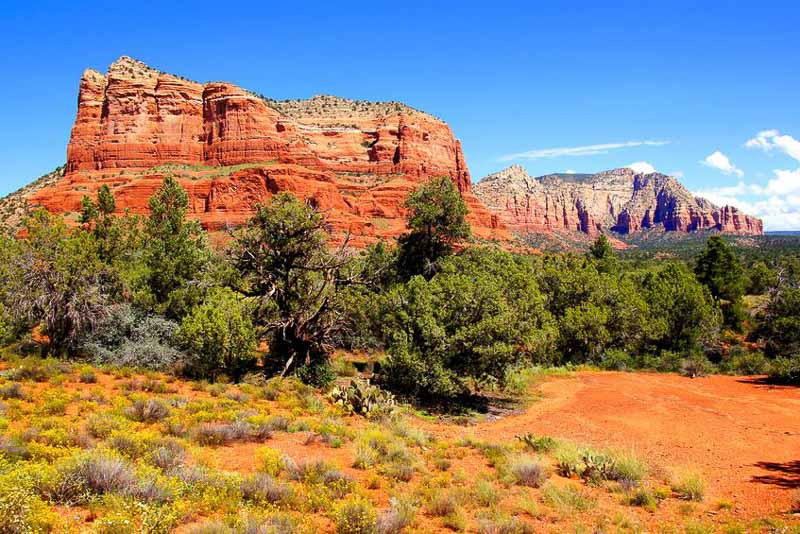
In the arid Southwest, life thrives through resilience. Iconic species like the Saguaro, Agave, and Desert Marigold excel in intense sun, sandy soils, and long droughts. These plants offer structure, sculptural forms, and surprising bursts of color.
They’re ideal for low-water landscapes, xeriscapes, and wildlife-friendly dry gardens.
🌿 Southeast – Humid Forests and Wetlands
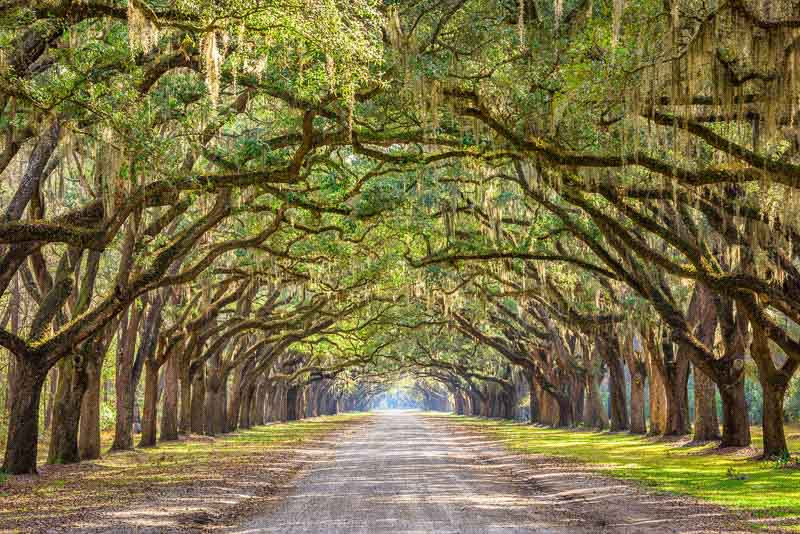
The Southeast’s warm, moisture-rich climate supports Bald Cypress, Southern Magnolia, and Blue Flag Iris. These plants thrive in humidity, seasonal rainfall, and rich soils.
Perfect for rain gardens, woodland edges, and bird-friendly landscapes.
🌾 Midwest – Prairie Powerhouses
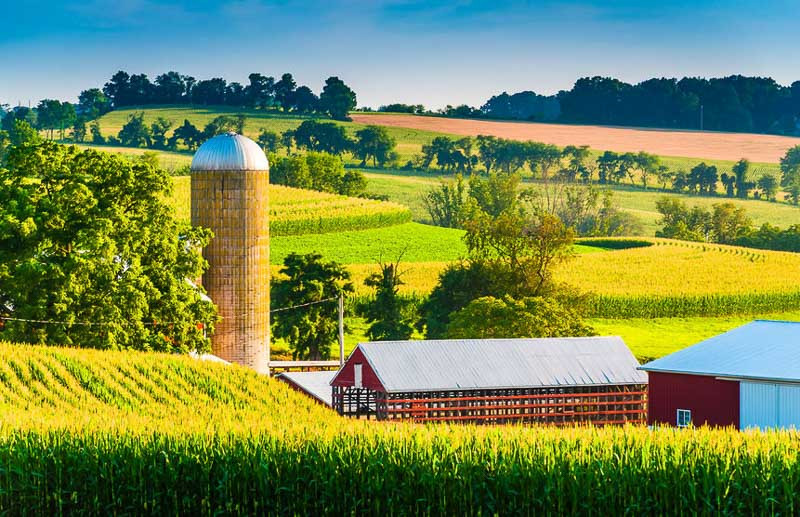
The prairies were once dominated by tall grasses like Big Bluestem, Switchgrass, and Indian Grass, punctuated by brilliant wildflowers such as Purple Coneflower and Blazing Star. These deep-rooted species are incredibly tough and drought resistant.
Great for pollinator meadows, naturalistic gardens, and climate-resilient landscapes.
🌧 Pacific Northwest – Evergreen Forests and Moist Meadows
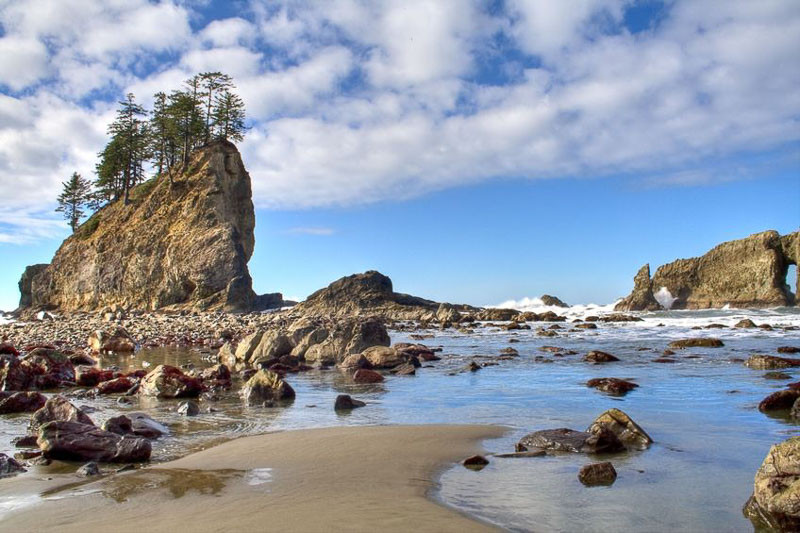
Lush forests of Douglas Fir, Western Red Cedar, and understories filled with ferns and berry shrubs define this region. Native plants here thrive in cool temperatures and steady moisture.
Ideal for shade gardens, woodland plantings, and habitat-rich borders.
🍁 Northeast – Four-Season Beauty
Deciduous forests of Sugar Maple, American Beech, and evergreens like Eastern Hemlock thrive here. This region is known for spectacular fall color, spring ephemerals, and classic woodland landscapes.
Well-suited for multi-season gardens, pollinator pathways, and naturalistic woodland designs.
Why Garden with Native Plants?
- Low Maintenance: They’re adapted to local climate and soils.
- Water-wise: Many require less irrigation than ornamentals.
- Wildlife Supportive: They feed native bees, butterflies, birds, and other wildlife.
- Resilient: Better equipped to withstand drought, heat, cold, and storms.
- Environmentally Responsible: Help restore biodiversity and reduce chemical use.
When you choose plants native to your state, you help rebuild ecological networks, support pollinators, and create landscapes that feel naturally at home.
Related Guides