Early Richmond Cherry, Pie Cherry 'Early Richmond', Tart Cherry 'Early Richmond', Sour Cherry 'Early Richmond',
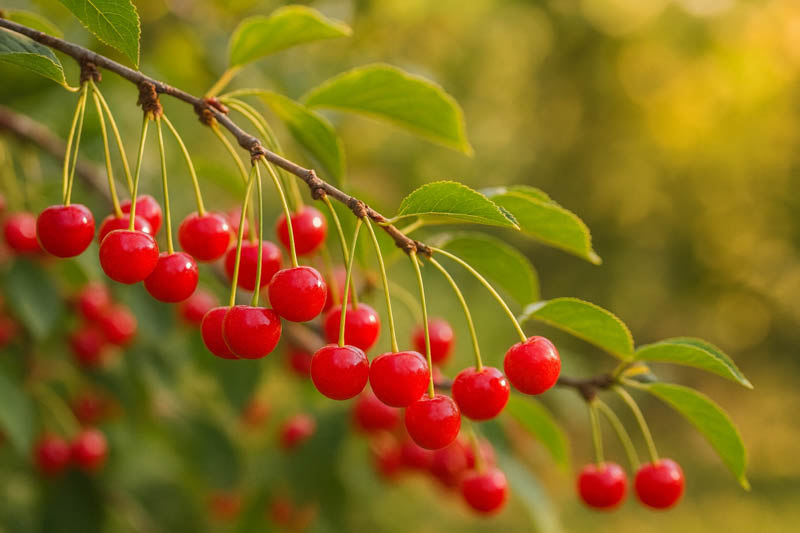


Summary: ‘Early Richmond’ is the classic early season sour cherry that kicks off pie season. It ripens first, crops heavily, and delivers bright, spirited tartness that shines in the oven.
Taste: Brisk and lively with higher acidity, clean cherry perfume, and a satisfying bite.
Use: Famous for pies and preserves. Excellent for sauce, cobblers, quick jam, and freezer packs that hold color and flavor.
Pollination: Self fertile. A second tart cherry nearby often lifts yields and fruit size.
| Botanical Name | Prunus cerasus ‘Early Richmond’ |
|---|---|
| Family | Rosaceae (Rose family) |
| Common Names | Early Richmond cherry, Richmond cherry, sour cherry, tart cherry |
| Plant Type and Habit | Deciduous fruit tree with a rounded to spreading crown. Easily trained to open center or as a fan along a warm fence or wall. |
| Hardiness (USDA) | Zones 4 to 7 (marginal in 8 unless winter chill is reliable) |
| Size | About 12 to 18 ft tall by 12 to 15 ft wide at maturity. Often 8 to 12 ft on dwarfing roots or with regular pruning and fan training. |
| Sun and Exposure | Full sun 6 to 8 hours or more. Morning sun helps dry blossoms and fruit after rain. |
| Soil | Well drained loam or sandy loam, slightly acidic to neutral. Avoid soggy sites. Raised berms help in heavy clay. |
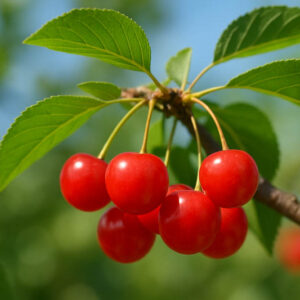
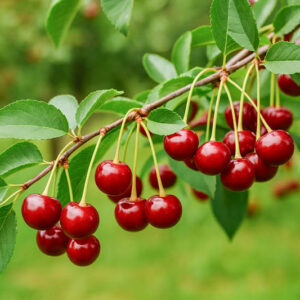
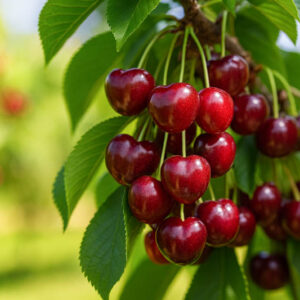
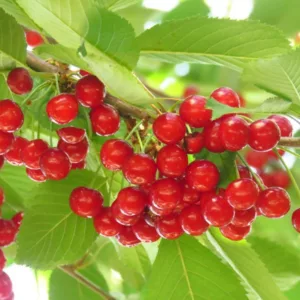
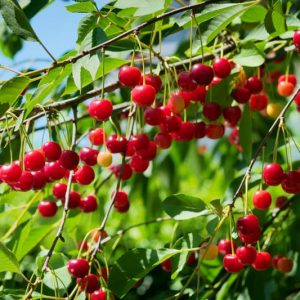
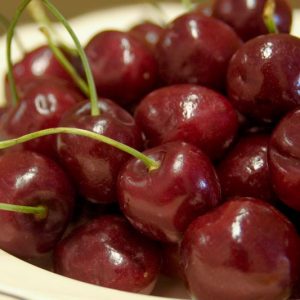
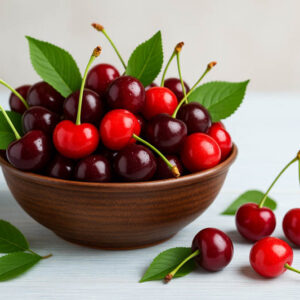
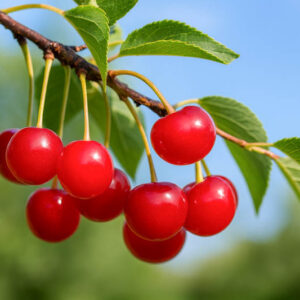
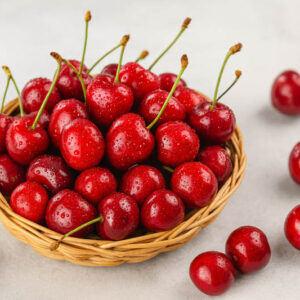
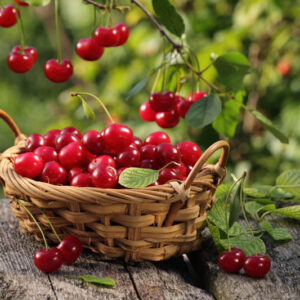
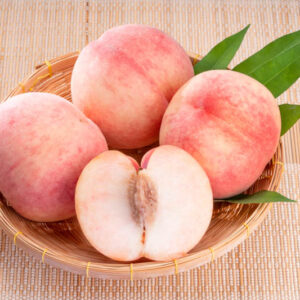
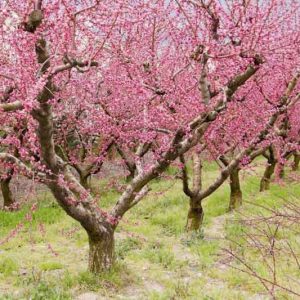
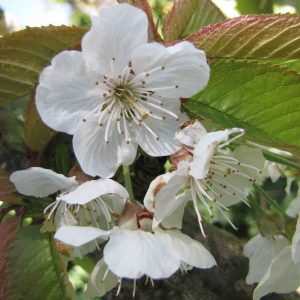
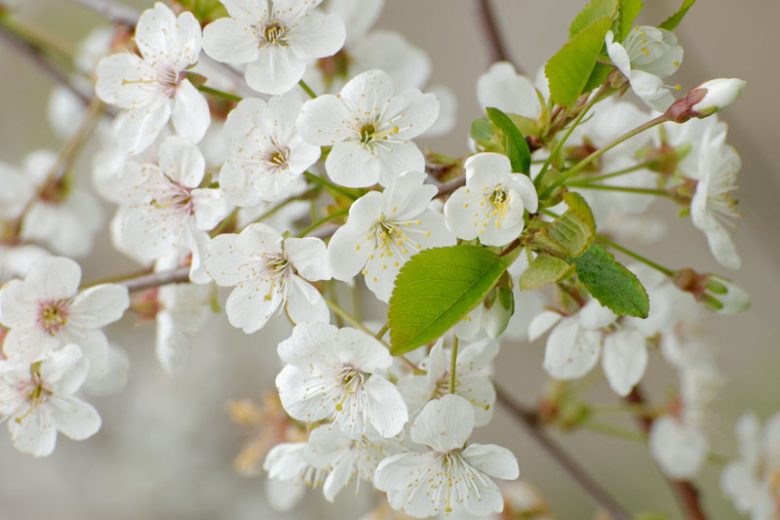
| Bloom and Fruit | White spring flowers. Fruit is bright red with light to pale flesh and clear, lively juice. Flavor is brisk, classically tart, and aromatic. |
| Season | Very early to early. Commonly early to mid-June in many temperate regions, 1–3 weeks before ‘Montmorency.’ |
| Chill Hours | About 800 to 1,000 hours under 45°F |
| Pollination | Self fertile. Nearby tart cherries can increase yield through overlapping bloom. |
| Primary Uses | Pies and cobblers, preserves, sauce, dehydration, canning, freezing, juice blends |
‘Early Richmond’ is the starter’s pistol for cherry season. While other varieties are still hinting at color, this workhorse turns bright red and calls you to preheat the oven. The fruit is juicy and tart, the crop is generous, and the flavor translates into pies and preserves that taste like summer in a slice. If you like being first to the harvest and you want a tree that produces year after year with straightforward care, this is the one to anchor your sour cherry lineup.
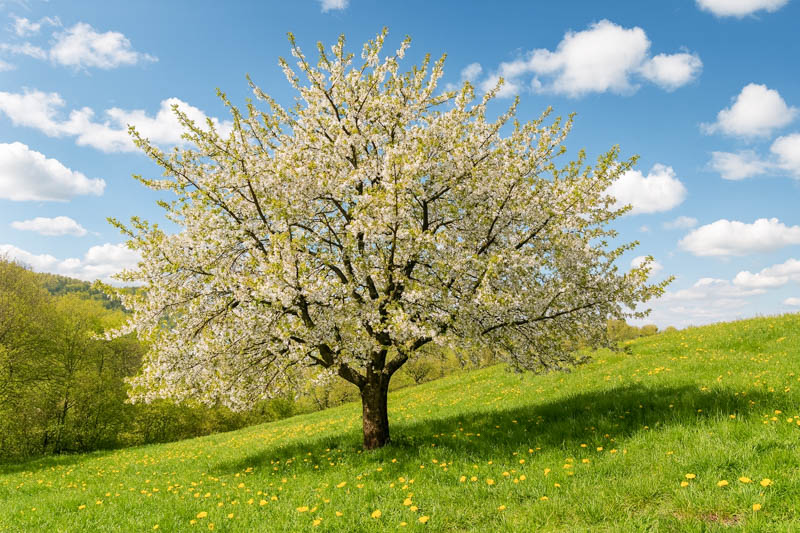
‘Early Richmond’ has deep roots in American orchards. Garden literature from the 1800s celebrates its reliable crops and early ripening, and the variety has been planted around homesteads for generations. In many regions it became the first tart cherry into local markets each summer, a welcome sight for bakers and canners who value its clean, vivid flavor. The tree tends toward moderate vigor with a natural spreading habit that is easy to manage in an open center or fan. If you are building a small backyard orchard, planting ‘Early Richmond’ along with a mid season and a late cultivar stretches your harvest over many weeks.
What keeps this heirloom relevant today is the combination of taste, timing, and utility. The high natural acidity makes pies pop and jams set with bright color. The flesh is lighter than dark fleshed types like ‘Morello’ or ‘Balaton’, so fillings have a cheerful ruby tone rather than deep burgundy. That fresh looking color is wonderful in lattice topped pies, rustic galettes, and glazes for meats and vegetables. It is also a friendly variety for beginning preservers since the fruit cooks down quickly into sauce or jam without losing its personality.
Notes: Seasons vary by climate and rootstock. Self fertility is common among tart cherries. A nearby partner often improves set through overlapping bloom.
| Cultivar | Color & Flesh | Flavor & Acidity | Texture/Firmness | Season* | Self fertile? | Best Uses | Handling/Notes |
|---|---|---|---|---|---|---|---|
| Montmorency | Bright red skin, pale flesh | Lively tartness, aromatic | Juicy, medium firm | Early to mid | Yes | Pies, preserves, juice | Industry standard for pie filling |
| Early Richmond | Bright red skin, light flesh | Brisk tartness, higher acidity | Juicy, medium | Very early to early | Yes | Pies, preserves, sauce | Old American favorite, heavy cropper |
| North Star | Red skin, rosy to red flesh | Balanced tart with cherry aromatics | Juicy, compact tree fruit | Early | Yes | Small gardens, pies, juice | Natural dwarf, easy to net |
| Morello | Very dark red skin and flesh | Bold tart with wine like notes | Juicy | Late | Yes | Jams, desserts, liqueurs | Classic for Black Forest cake |
| Balaton | Dark red skin and flesh | Tart with richer cherry depth | Firm for baking | Mid | Yes | Pies, drying, sauces | Deeper color in fillings |
| Meteor | Bright red skin, light to red flesh | Lively tartness with good aromatics | Medium firm, compact tree fruit | Early to mid | Yes | Pies, drying, freezer packs | Compact habit with reliable yields |
| Season | Tasks |
|---|---|
| Late winter | Prune to open the canopy. Remove dead or crossing wood during a dry spell. Renew a portion of older fruiting shoots to keep the tree vigorous and productive. |
| Spring bloom | Maintain steady soil moisture. Avoid spraying while pollinators visit. If frost threatens, cover the tree overnight or use water to moderate temperature swings where practical. |
| Fruit swell | Mulch, deep water, and thin lightly only where branches bend heavily. Tie in fan trained shoots as they extend and check ties so they do not pinch. |
| Pre harvest | Net as fruit turns bright red. Pick at peak flavor and chill quickly. Watch weather and pick ahead of big rain when possible to reduce cracking. |
| After harvest | Light shape prune if needed. Remove mummified fruit and tidy the mulch. Top dress with compost to feed soil life and prep the tree for next spring. |
| Fall | Deep water ahead of dry spells. Clean up leaf litter to lower disease pressure. Refresh mulch for winter moisture retention and weed control. |
Yield expectation: Mature trees produce commonly 30–50 lb per season in home orchards with good care.
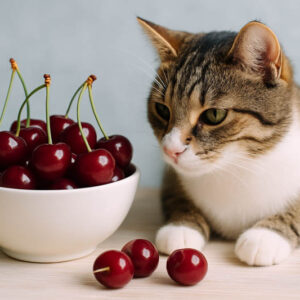
Enjoy the flesh, but treat the rest with care. Pits, leaves, and stems contain cyanide releasing compounds and can be hazards for pets and children. See:
Prunus cerasus most likely arose in Europe and Western Asia as a natural hybrid between sweet cherry (P. avium) and European dwarf cherry (P. fruticosa). It is widely cultivated across temperate regions and sometimes naturalizes near old plantings and disturbed soils.
In North America, tart cherry is generally not considered invasive. It is an introduced species that is common in cultivation and only occasionally found outside gardens. Some counties or land managers place it on watch lists where local escape potential exists, yet it is not viewed as a major ecological threat across most regions. Status can vary by state or province, so check your local extension or invasive species council for the latest guidance.
A time tested cultivar of Prunus cerasus prized for very early ripening, heavy crops, and lively tart flavor that excels in pies and preserves.
Yes. It sets fruit on its own. Planting another tart cherry nearby can increase yield and fruit size when bloom overlaps.
Usually very early to early for tart cherries, commonly 1–3 weeks ahead of ‘Montmorency’ depending on climate and rootstock.
Bright and brisk with higher acidity and classic cherry aromatics. Excellent for pies, cobblers, sauces, and quick jam.
A general guideline is about 800 to 1,000 hours under 45°F for dependable bloom and set.
Yes. It takes well to fan training. Tie in new shoots each summer and renew older wood gradually for a productive, space saving tree.
Tart cherries generally pollinize other tart cherries best. ‘Early Richmond’ is self fertile and does not require a pollinizer to crop.
Plant ‘Early Richmond’ if you want to be first to pie season and you appreciate a tree that pulls its weight with minimal fuss. With sun, drainage, and mindful watering as fruit swells, this bright and reliable tart cherry fills bowls early, keeps the kitchen humming, and sets a cheerful tone for the rest of the cherry harvest. It is the kind of heritage variety that earns its space year after year by delivering dependable crops and that unmistakable cherry sparkle in every bake.
| Hardiness |
4 - 7 |
|---|---|
| Heat Zones |
1 - 8 |
| Plant Type | Fruits, Trees |
| Plant Family | Rosaceae |
| Genus | Cherries, Prunus - Fruit Tree |
| Common names | Cherry, Tart Cherry |
| Exposure | Full Sun |
| Season of Interest | Spring (Late), Summer (Early) |
| Height | 8' - 18' (240cm - 5.5m) |
| Spread | 8' - 15' (240cm - 4.6m) |
| Maintenance | Low |
| Water Needs | Average |
| Soil Type | Chalk, Loam, Sand |
| Soil pH | Acid, Alkaline, Neutral |
| Soil Drainage | Moist but Well-Drained |
| Characteristics | Showy |
| Tolerances | Heat |
| Attracts | Bees, Birds, Butterflies |
| Garden Uses | Beds And Borders, Wall-Side Borders |
| Garden Styles | Informal and Cottage, Prairie and Meadow, Traditional Garden |
| Toxic to Humans | No known toxicity |
| Toxic to Cats | Toxic |
| Toxic to Dogs | Toxic |
| Toxic to Horses | Toxic |


| Hardiness |
4 - 7 |
|---|---|
| Heat Zones |
1 - 8 |
| Plant Type | Fruits, Trees |
| Plant Family | Rosaceae |
| Genus | Cherries, Prunus - Fruit Tree |
| Common names | Cherry, Tart Cherry |
| Exposure | Full Sun |
| Season of Interest | Spring (Late), Summer (Early) |
| Height | 8' - 18' (240cm - 5.5m) |
| Spread | 8' - 15' (240cm - 4.6m) |
| Maintenance | Low |
| Water Needs | Average |
| Soil Type | Chalk, Loam, Sand |
| Soil pH | Acid, Alkaline, Neutral |
| Soil Drainage | Moist but Well-Drained |
| Characteristics | Showy |
| Tolerances | Heat |
| Attracts | Bees, Birds, Butterflies |
| Garden Uses | Beds And Borders, Wall-Side Borders |
| Garden Styles | Informal and Cottage, Prairie and Meadow, Traditional Garden |
| Toxic to Humans | No known toxicity |
| Toxic to Cats | Toxic |
| Toxic to Dogs | Toxic |
| Toxic to Horses | Toxic |
How many Prunus cerasus ‘Early Richmond’ (Tart Cherry) do I need for my garden?
| Plant | Quantity | |
|---|---|---|
| Prunus cerasus ‘Early Richmond’ (Tart Cherry) | N/A | Buy Plants |
Create a membership account to save your garden designs and to view them on any device.
Becoming a contributing member of Gardenia is easy and can be done in just a few minutes. If you provide us with your name, email address and the payment of a modest $25 annual membership fee, you will become a full member, enabling you to design and save up to 25 of your garden design ideas.
Join now and start creating your dream garden!
Create a membership account to save your garden designs and to view them on any device.
Becoming a contributing member of Gardenia is easy and can be done in just a few minutes. If you provide us with your name, email address and the payment of a modest $25 annual membership fee, you will become a full member, enabling you to design and save up to 25 of your garden design ideas.
Join now and start creating your dream garden!