Can dogs eat cherries? This friendly, vet-informed guide explains pit and stem risks, safe prep, portion sizes, warning signs, and what to do if a pit is swallowed.



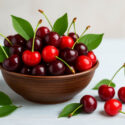
If you share life with a curious canine, you have probably asked: “Can dogs eat cherries?” The short answer is a cautious sometimes. The juicy flesh of a ripe cherry can be a tiny snack for many dogs if you remove the pit and stem first. The rest of the plant is the problem. Pits, stems, and leaves from cherry trees contain cyanide-releasing compounds and the pits can also choke or block the intestines. Sugary cherry products add extra risks.
Below is a friendly, vet-informed guide that explains what is safe, what is not, how to serve cherries the right way, and what to do if your dog just swallowed a pit. When in doubt, call your veterinarian or a pet poison helpline for personalized advice.
Can dogs eat cherries? The fruit flesh in tiny amounts can be OK for many dogs if pits, stems, and leaves are removed first.
What is unsafe? Pits, stems, and leaves contain cyanide-releasing compounds and the pit can choke or obstruct the gut.
Products to avoid: Maraschino cherries, pie filling, canned syrupy cherries, most dried cherries, and cherry-flavored items that may contain xylitol.
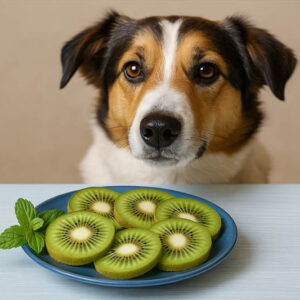
Better idea: Offer safer fruits like blueberries or sliced apple without seeds if you want a bright, fruity treat.
Reference tip: The ASPCA lists many Prunus species as toxic due to cyanogenic glycosides.
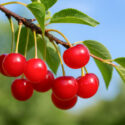
Cherries come from trees in the Prunus genus. The pits, stems, and leaves contain cyanogenic glycosides that can release cyanide if chewed and crushed. True cyanide poisoning from a few cherry pits in a dog is uncommon, yet the risk is not zero and the choking or blockage risk is real.
Prefer a safer fruit like a blueberry or small apple slice without seeds. If you still want to share a taste of cherry, follow this plan.
| Form | Verdict | Why |
|---|---|---|
| Fresh cherry flesh only | Occasional tiny treat | Remove stem and pit. Dice. Offer sparingly to avoid sugar-related GI upset. |
| Whole cherry with pit or stem | No | Choking and obstruction risk. Cyanide-releasing compounds in pit and stem. |
| Maraschino, pie filling, canned in syrup | No | Very high in sugar and additives. Some products may contain alcohol or other flavorings. |
| Cherry-flavored items and gummies | Usually no | May contain xylitol which can be life-threatening for dogs. Always read labels. |
| Dried cherries | Best to avoid | Concentrated sugar and calories. Some include oils or sweeteners. Choking risk if clumped. |
| Cherry juice or concentrate | Not recommended | Sugar load without fiber. Some products are mixed with grape, caffeine, or artificial sweeteners. |
Signs vary depending on what and how much was eaten. Here is a simple timeline to help you decide what to do next.
Do not induce vomiting unless your veterinarian specifically instructs you to do so.
Avoid over-the-counter medications unless your veterinarian has approved them for your dog.
Your vet will ask what was eaten and when, examine your dog, and decide on targeted care. Options can include:
Want a bright, juicy reward without the cherry caveats? Try these dog-friendly options in small portions.
| Fruit | How To Serve | Notes |
|---|---|---|
| Blueberries | A few fresh or frozen berries | Great training treats for most dogs |
| Apple | Thin slices without core or seeds | Crunchy and low calorie |
| Strawberries | Diced, a few pieces | Watch sugar content with frequent snacks |
| Watermelon | Seedless cubes without rind | Hydrating summer treat |
Think taste not snack bowl. A toy dog might get 1 to 2 tiny pieces of pitted flesh. A large dog might get a small spoonful of diced flesh. Keep treats under 10 percent of daily calories. Skip cherries if your dog has a sensitive stomach.
Call your veterinarian for guidance, especially for small dogs. Many single pits pass, yet there is a risk of blockage. Watch for repeated vomiting, straining, belly pain, or loss of appetite. Seek care if any of these occur.
They are not a good idea. Maraschino cherries are pitted yet very high in sugar and additives. Some preparations include alcohol or additional flavorings.
Plain, unsweetened yogurt in small amounts is sometimes fine for dogs that tolerate dairy. Many cherry yogurts contain lots of sugar and some contain xylitol. Read labels and when in doubt choose plain.
Not in a meaningful way for dogs. The pit, stem, and leaf risks are the same across sweet and tart types. Focus on preparation and portion control or choose a safer fruit.
Discuss with your veterinarian first. Concentrates can change calorie intake or interact with medications. Some blends include ingredients that are not dog friendly.
| Hardiness |
4 - 8 |
|---|---|
| Plant Type | Fruits, Trees |
| Plant Family | Rosaceae |
| Genus | Cherries, Prunus - Fruit Tree |
| Common names | Peace Lily |
| Exposure | Full Sun |
| Season of Interest | Spring (Mid, Late), Summer (Early, Mid, Late), Fall |
| Height | 8' - 35' (240cm - 10.7m) |
| Spread | 6' - 20' (180cm - 6.1m) |
| Maintenance | Average |
| Water Needs | Average |
| Soil Type | Chalk, Clay, Loam, Sand |
| Soil pH | Acid, Alkaline, Neutral |
| Soil Drainage | Moist but Well-Drained, Well-Drained |
| Characteristics | Showy |
| Attracts | Bees, Butterflies, Birds |
| Landscaping Ideas | Beds And Borders |
| Garden Styles | City and Courtyard, Informal and Cottage |
| Toxic to Humans | No known toxicity |
| Toxic to Cats | No known toxicity |
| Toxic to Dogs | No known toxicity |
| Toxic to Horses | No known toxicity |
| Hardiness |
4 - 8 |
|---|---|
| Plant Type | Fruits, Trees |
| Plant Family | Rosaceae |
| Genus | Cherries, Prunus - Fruit Tree |
| Common names | Peace Lily |
| Exposure | Full Sun |
| Season of Interest | Spring (Mid, Late), Summer (Early, Mid, Late), Fall |
| Height | 8' - 35' (240cm - 10.7m) |
| Spread | 6' - 20' (180cm - 6.1m) |
| Maintenance | Average |
| Water Needs | Average |
| Soil Type | Chalk, Clay, Loam, Sand |
| Soil pH | Acid, Alkaline, Neutral |
| Soil Drainage | Moist but Well-Drained, Well-Drained |
| Characteristics | Showy |
| Attracts | Bees, Butterflies, Birds |
| Landscaping Ideas | Beds And Borders |
| Garden Styles | City and Courtyard, Informal and Cottage |
| Toxic to Humans | No known toxicity |
| Toxic to Cats | No known toxicity |
| Toxic to Dogs | No known toxicity |
| Toxic to Horses | No known toxicity |
Create a membership account to save your garden designs and to view them on any device.
Becoming a contributing member of Gardenia is easy and can be done in just a few minutes. If you provide us with your name, email address and the payment of a modest $25 annual membership fee, you will become a full member, enabling you to design and save up to 25 of your garden design ideas.
Join now and start creating your dream garden!
Create a membership account to save your garden designs and to view them on any device.
Becoming a contributing member of Gardenia is easy and can be done in just a few minutes. If you provide us with your name, email address and the payment of a modest $25 annual membership fee, you will become a full member, enabling you to design and save up to 25 of your garden design ideas.
Join now and start creating your dream garden!