Sweetheart Cherry, Sweetheart Sweet Cherry, Sweet Cherry, Cherry

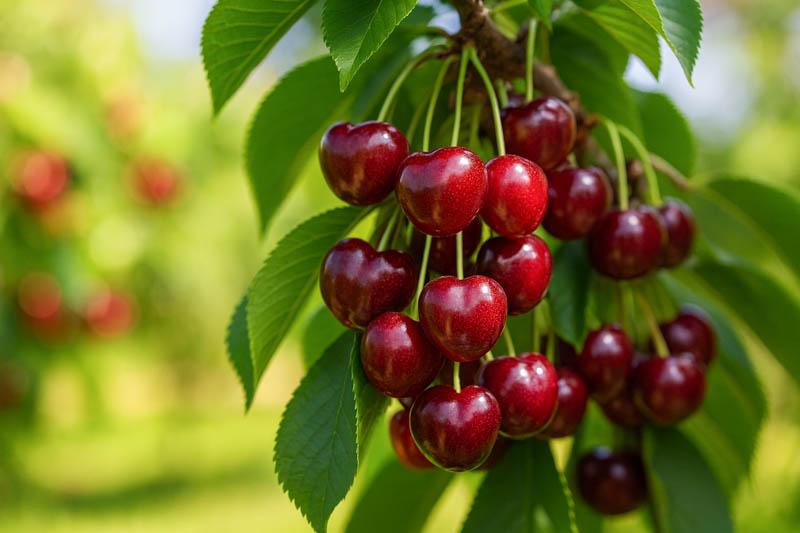


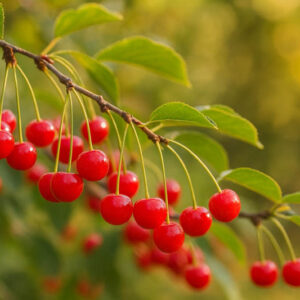
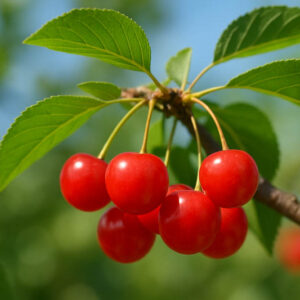
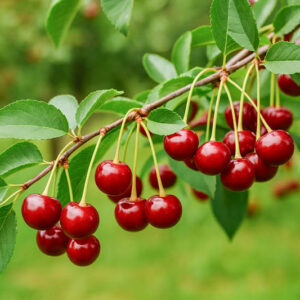
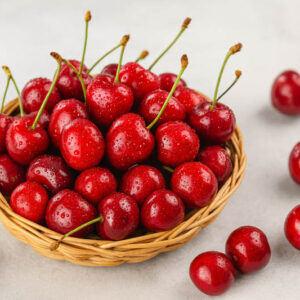
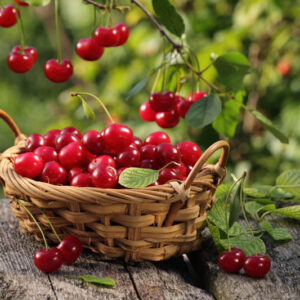
Summary: ‘Sweetheart’ is a much-loved, self-fertile sweet cherry with dark red, firm fruit and a bright, sweet-tart snap. It is famous for finishing the season strong when many cherries are done.
Taste: Juicy and candy-sweet with a lively tang; crisp bite when picked at full color.
Use: Excellent fresh, fantastic for dehydrating and jams, and sturdy enough for pies and bakes.
Pollination: Self-fertile, though yields can improve with compatible neighbors (see regional S-allele charts).
| Botanical Name | Prunus avium ‘Sweetheart’ |
|---|---|
| Family | Rosaceae (Rose family) |
| Common Names | Sweetheart cherry; late-season sweet cherry |
| Plant Type and Habit | Deciduous fruit tree; vigorous, naturally productive; rounded to slightly upright crown |
| Hardiness (USDA) | Typically Zones 5–8 with adequate winter chill |
| Size | Standard 18–25 ft tall and wide; semi-dwarf 12–16 ft; dwarf 8–12 ft (varies by rootstock and pruning) |
| Sun and Exposure | Full sun (6–8+ hrs) for color and sweetness; shelter from prevailing wind reduces fruit drop |
| Soil | Well-drained loam or sandy loam; slightly acidic to neutral pH; avoid soggy sites |
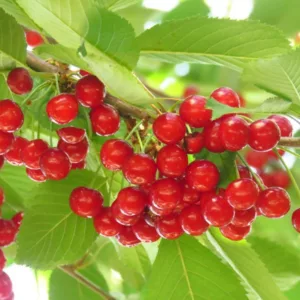
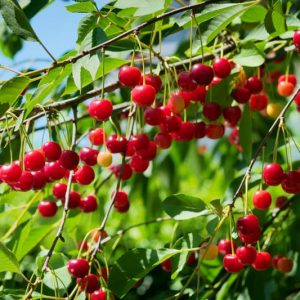
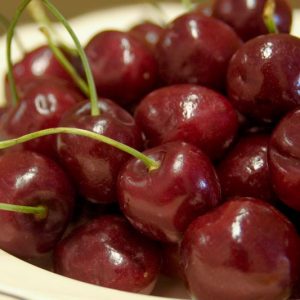
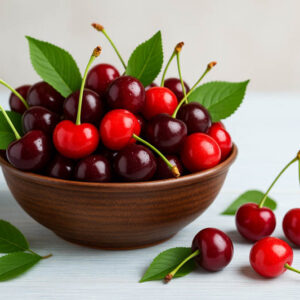
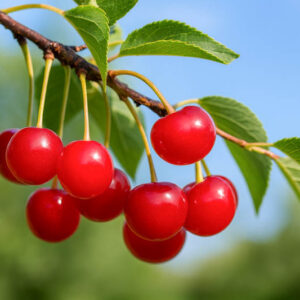
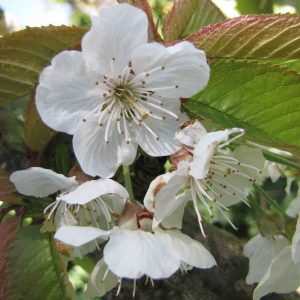
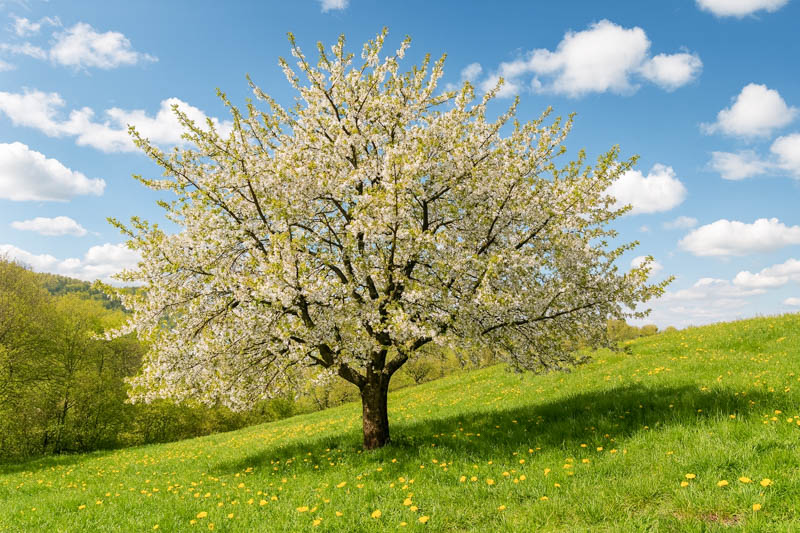
| Bloom and Fruit | Showy white blossoms in spring; dark red, glossy fruit with firm flesh |
| Season | Late to very late, often extending weeks beyond mid-season types like Bing |
| Chill Hours | Generally high chill, about 700–900 hours under 45°F |
| Pollination | Self-fertile; fruit set can still benefit from nearby compatible sweet cherries (consult regional S-allele charts) |
| Primary Uses | Fresh eating, dehydrating, jams/jellies, sturdy bakes and pies; excellent late-season extender |
‘Sweetheart’ is the cherry that shows up late and steals the show. When bowls are empty and summer evenings are just settling in, it delivers glossy, deep red fruit with a crisp bite and a swoosh of candy-sweet flavor balanced by a refreshing tang. It is one of those cultivars that turns casual nibblers into “Where did you get these?” fans.
Developed in Canada’s cherry-breeding heartland and widely planted for its reliable productivity, ‘Sweetheart’ brings three big wins to home orchards: it is self-fertile, late-ripening, and consistently flavorful. Unlike mid-season stalwarts such as Bing, ‘Sweetheart’ hangs on until late to very late, effectively lengthening your cherry season. The tree itself is naturally fruitful, which is great for harvest, but it also means you will want to manage vigor and crop load with thoughtful pruning so size and sweetness stay top-notch.
Sweetheart is the recipient of the prestigious Award of Garden Merit of the Royal Horticultural Society.
Notes: Seasons vary by climate and rootstock. Pollination compatibility depends on bloom overlap and groupings; always check a local chart before planting.
| Cultivar | Color & Flesh | Flavor & Acidity | Texture/Firmness | Season* | Self-fertile? | Best Uses | Handling/Notes |
|---|---|---|---|---|---|---|---|
| Rainier | Yellow with blush; pale flesh | Very sweet, low acid, aromatic | Tender; delicate skin | Mid | No (needs pollinizer) | Fresh, clafoutis, cheesecake toppings, chocolate-dipped | Bruises and sunburns readily; birds adore it |
| Bing | Dark red to mahogany | Sweet with more tang; classic “cherry” taste | Firm, meaty | Mid | No (needs pollinizer) | Fresh, broader baking, freezing | Ships well; yard favorite where climate suits |
| Lapins | Deep red | Sweet, balanced; reliable flavor | Very firm; holds shape | Late | Yes | Fresh, canning, some pies | Heavy crops; better crack tolerance than many |
| Stella | Dark red | Sweet, rich; home-garden favorite | Medium-firm | Mid | Yes | Fresh, general kitchen use | Compact tree options; great pollinizer for others |
| Black Tartarian | Very dark purple-black | Sweet, mellow; old-school flavor | Softer; juicier | Early | No (needs pollinizer) | Fresh right off the tree | Poor shipper; fantastic “yard snack” cherry |
| Sweetheart | Dark red | Sweet with a lively tang | Firm | Late to very late | Yes | Fresh, dehydrating, jams | Big producer; extends the season |
Because ‘Sweetheart’ is self-fertile, a single tree can fruit. That said, nearby cherries with overlapping bloom often nudge yields higher and size larger. Useful companions include:
Pro tip: Confirm compatibility with a regional S-allele chart, then plant partners within 20–40 feet so bees can shuttle pollen easily. Undersow with spring florals to feed pollinators before and after cherry bloom.
Like most sweet cherries, ‘Sweetheart’ needs a solid dose of winter chill (generally 700–900 hours under 45°F). In low-chill climates, fruiting may be inconsistent; consult local nurseries for lower-chill alternatives. In cold regions, late frost on open bloom is the bigger risk; select sites with good cold-air drainage and avoid low pockets.
| Season | Tasks |
|---|---|
| Late winter | Prune to open the canopy; thin fruiting wood to prevent over-cropping; check ties and stakes. |
| Spring bloom | Keep irrigation steady; protect pollinators by avoiding sprays during flower visits; enjoy the blossom show. |
| Fruit swell | Mulch and deep-water; prop or lighten overloaded limbs if needed; maintain airflow. |
| Pre-harvest | Net trees before full color to beat birds; pick promptly at flavor peak. |
| After harvest | Light shaping prune; remove mummies; top-dress with compost. |
| Fall | Deep water ahead of dry spells; clean up leaves to lower disease carryover. |
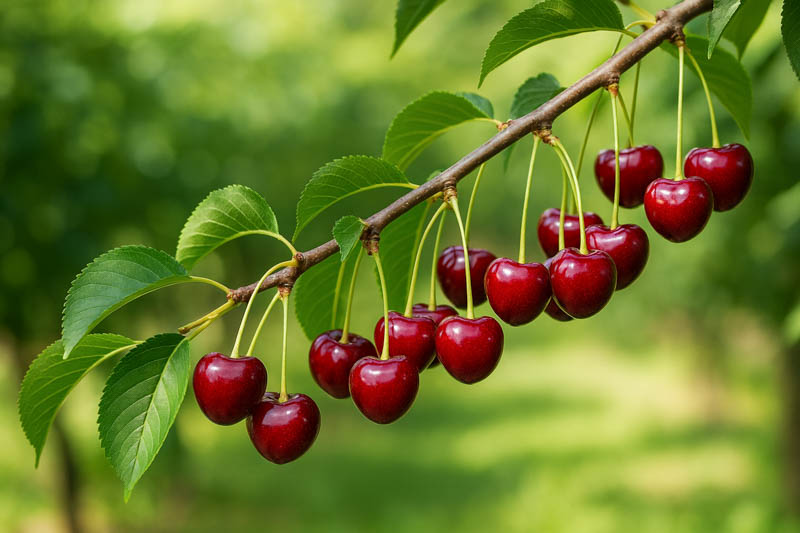
“Black cherry” can mean two things in casual conversation: very dark sweet cherries or the North American timber tree Prunus serotina. That tree is not the same species as sweet cherry (Prunus avium). Your ‘Sweetheart’ is a dessert cherry grown for fruit and bloom, not lumber. Learn more about Cherry Types.
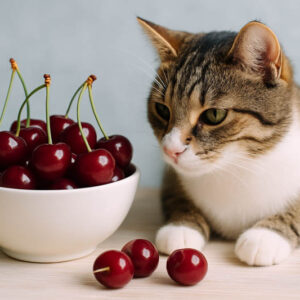
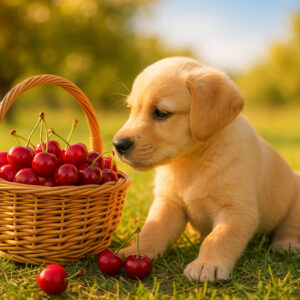
Enjoy the fruit, but respect the plant. Only the flesh of ripe cherries is for snacking. Pits, leaves, and stems contain cyanide-releasing compounds and can pose choking or obstruction hazards for pets. If you share a home with animals, you might like these friendly guides:
Prunus avium is native to most of Europe, extending east into western Asia (Turkey or Anatolia, the Caucasus, northern Iran) and southwest into North Africa (Morocco to Tunisia). It can become invasive outside this range. Birds spread seeds from ornamental and fruiting trees into woods and riparian edges, where seedlings can form dense thickets that shade out natives. In parts of the U.S., notably segments of the Pacific Northwest and some Northeastern states, it is listed as invasive or as naturalized with invasive tendencies. Check local status before planting, remove unwanted seedlings, treat stumps after cutting, and avoid planting near sensitive natural areas.
Yes. One tree can fruit, though yields may improve with compatible neighbors such as ‘Lapins’ or ‘Stella’ (always check regional pollination charts).
Late to very late—often after mid-season varieties like Bing. In many climates, it keeps your cherry season going when others have wrapped.
Very sweet with a refreshing tang and a crisp bite when fully colored. The firm texture makes it satisfying fresh and sturdy in bakes.
It ripens later than Bing and is self-fertile (Bing is not). Compared with Lapins, ‘Sweetheart’ often runs a touch later with a bright, sweet-tart pop. All three are firm and excellent fresh.
No—it’s self-fertile. Still, a compatible partner (e.g., ‘Lapins’, ‘Stella’, or regional matches) can improve set and size.
Yes. Its firm texture holds up in heat, and the natural acidity keeps desserts from tasting flat.
Refrigerate unwashed in a breathable container; don’t pack tightly. Best within 3–5 days. For longer storage, pit and freeze on a tray then bag.
On standard roots, about 18–25 ft. Semi-dwarf and dwarf options keep trees in the 8–16 ft range—much easier to net and pick.
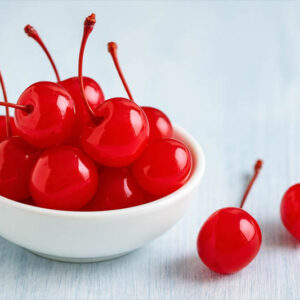
Absolutely. The deep red color makes gorgeous cocktail cherries. For technique and styles, see “Maraschino Cherries: What They Are and How to Make Them.”
Plant ‘Sweetheart’ where you can see it from the kitchen window. Spring brings a cloud of blossom; midsummer brings bowls of jewel-toned fruit just when you think cherry season is over. Give it sun, good airflow, and a little thoughtful pruning to channel all that natural productivity—and this tree will make ordinary evenings taste like summer, year after year.
| Hardiness |
5 - 8 |
|---|---|
| Heat Zones |
1 - 8 |
| Climate Zones | 2, 2A, 2B, 6, 7, 8, 9, 14, 15 |
| Plant Type | Fruits, Trees |
| Plant Family | Rosaceae |
| Genus | Cherries, Prunus - Fruit Tree |
| Common names | Cherry, Sweet Cherry |
| Exposure | Full Sun |
| Season of Interest | Spring (Mid, Late), Summer (Mid, Late) |
| Height | 8' - 25' (240cm - 7.6m) |
| Spread | 8' - 25' (240cm - 7.6m) |
| Maintenance | Low |
| Water Needs | Average |
| Soil Type | Chalk, Clay, Loam, Sand |
| Soil pH | Acid, Alkaline, Neutral |
| Soil Drainage | Moist but Well-Drained, Well-Drained |
| Characteristics | Fragrant, Showy, Plant of Merit |
| Tolerances | Heat |
| Attracts | Bees, Birds, Butterflies |
| Garden Uses | Beds And Borders, Wall-Side Borders |
| Garden Styles | Informal and Cottage, Prairie and Meadow, Traditional Garden |
| Toxic to Humans | Medium severity |
| Toxic to Cats | Toxic |
| Toxic to Dogs | Toxic |
| Toxic to Horses | Toxic |


| Hardiness |
5 - 8 |
|---|---|
| Heat Zones |
1 - 8 |
| Climate Zones | 2, 2A, 2B, 6, 7, 8, 9, 14, 15 |
| Plant Type | Fruits, Trees |
| Plant Family | Rosaceae |
| Genus | Cherries, Prunus - Fruit Tree |
| Common names | Cherry, Sweet Cherry |
| Exposure | Full Sun |
| Season of Interest | Spring (Mid, Late), Summer (Mid, Late) |
| Height | 8' - 25' (240cm - 7.6m) |
| Spread | 8' - 25' (240cm - 7.6m) |
| Maintenance | Low |
| Water Needs | Average |
| Soil Type | Chalk, Clay, Loam, Sand |
| Soil pH | Acid, Alkaline, Neutral |
| Soil Drainage | Moist but Well-Drained, Well-Drained |
| Characteristics | Fragrant, Showy, Plant of Merit |
| Tolerances | Heat |
| Attracts | Bees, Birds, Butterflies |
| Garden Uses | Beds And Borders, Wall-Side Borders |
| Garden Styles | Informal and Cottage, Prairie and Meadow, Traditional Garden |
| Toxic to Humans | Medium severity |
| Toxic to Cats | Toxic |
| Toxic to Dogs | Toxic |
| Toxic to Horses | Toxic |
How many Prunus avium ‘Sweetheart’ (Sweet Cherry) do I need for my garden?
| Plant | Quantity | |
|---|---|---|
| Prunus avium ‘Sweetheart’ (Sweet Cherry) | N/A | Buy Plants |
Create a membership account to save your garden designs and to view them on any device.
Becoming a contributing member of Gardenia is easy and can be done in just a few minutes. If you provide us with your name, email address and the payment of a modest $25 annual membership fee, you will become a full member, enabling you to design and save up to 25 of your garden design ideas.
Join now and start creating your dream garden!
Create a membership account to save your garden designs and to view them on any device.
Becoming a contributing member of Gardenia is easy and can be done in just a few minutes. If you provide us with your name, email address and the payment of a modest $25 annual membership fee, you will become a full member, enabling you to design and save up to 25 of your garden design ideas.
Join now and start creating your dream garden!