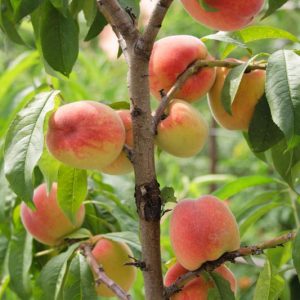
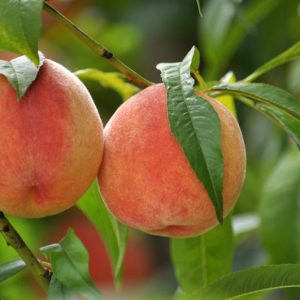
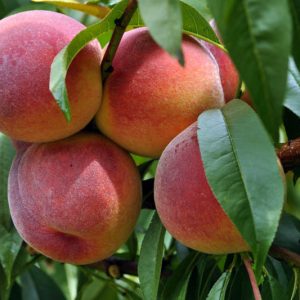
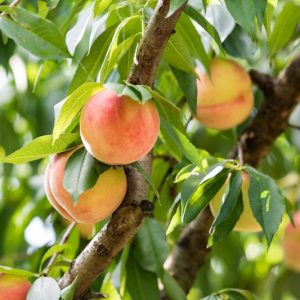
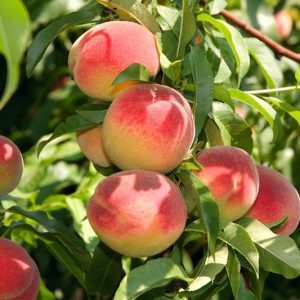
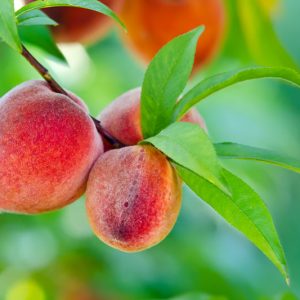
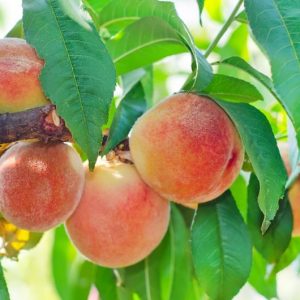
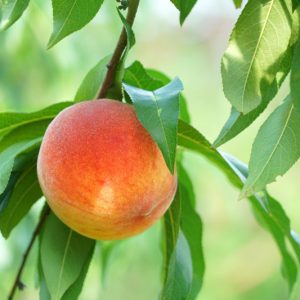
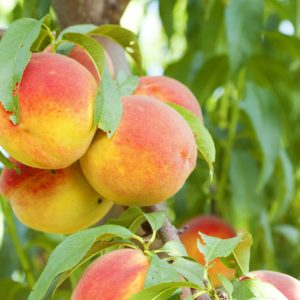
Prunus persica is summer in a bite: velvety peaches and smooth-skinned nectarines bursting with perfume, juice, and sun. Grow easily in full sun, pruned to an open vase for color and sweetness. Choose chill hours wisely, thin fruit, and harvest when background color glows. Eat, grill, bake, preserve—repeat, all summer.
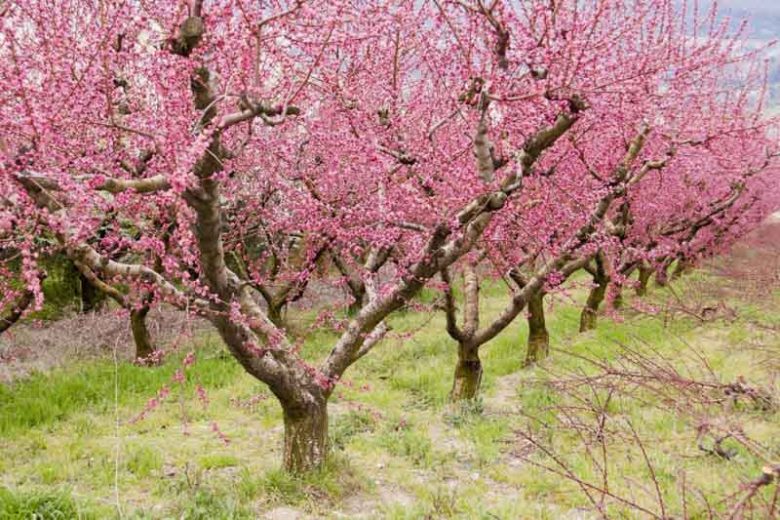
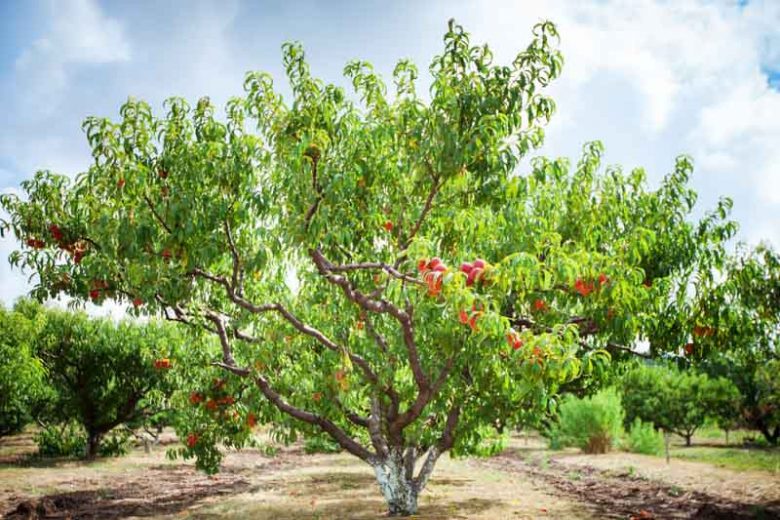
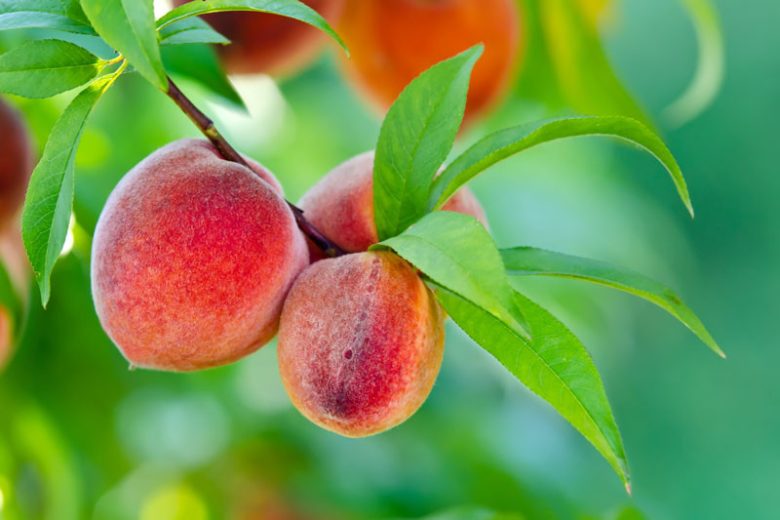
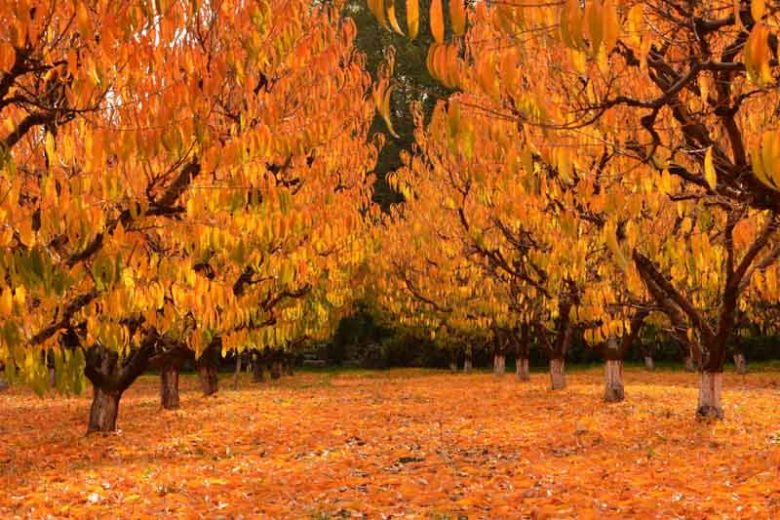


If you’ve ever bent over the sink with juice racing down your wrist and thought, “That’s summer,” you already speak peach. This all-in-one guide is your friendly map to everything peach: how the plant works, what to plant where, how to prune for buckets of fruit, which pests to watch, and how to design a thriving understory. Think of it as the front door to your deeper, focused articles—skim for the big picture, then jump to the specialist pages when you’re ready.
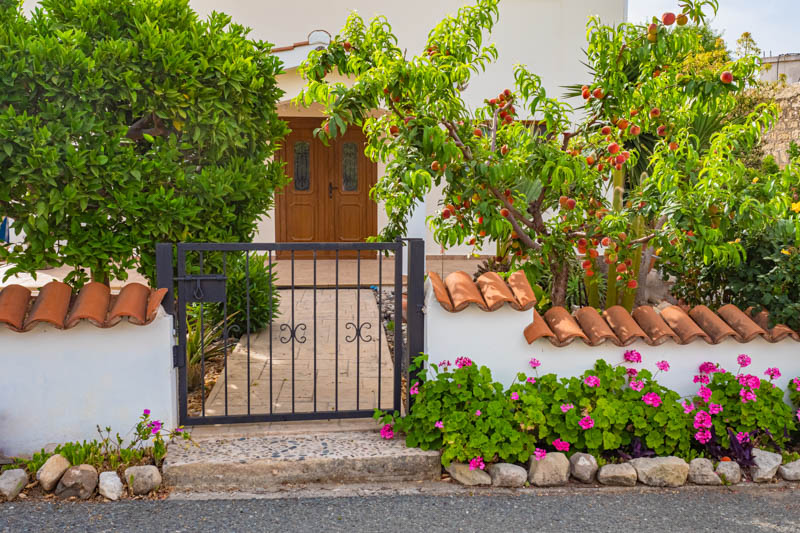
Botanically, the peach is Prunus persica, a deciduous fruit tree in the rose family. Nectarines are simply a smooth-skinned form of peach—same species, different skin genetics—often listed as P. persica var. nucipersica. In your yard, both behave almost identically.
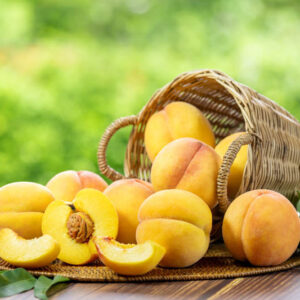
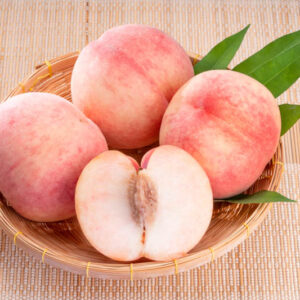
Fruit types: you’ll see clingstone (flesh clings to pit), freestone (flesh releases), and semi-freestone. Texture may be melting (soft, juicy—table peaches) or non-melting (firmer—often for processing). Skin may be fuzzy (peach) or smooth (nectarine).
Chill hours are the cool periods peaches need to break dormancy and bloom normally. Traditionally counted as hours between ~32–45°F (0–7°C), though newer models refine this. Plant a low-chill peach in a high-chill climate and it may bloom too early (frost risk). Plant a high-chill peach in a mild winter, and bloom may be weak or erratic.
| Chill band (approx.) | Where it fits | Notes |
|---|---|---|
| Low (<~400 hours) | Mild/coastal, low deserts, parts of the Deep South | Watch for early bloom + spring frost |
| Mid (~400–700) | Many interior valleys; classic backyard sites | Broadest selection & steady performance |
| High (~700–900+) | Colder winters; upper Midwest/Northeast pockets | Hardier bloom, later timing reduces frost risk |
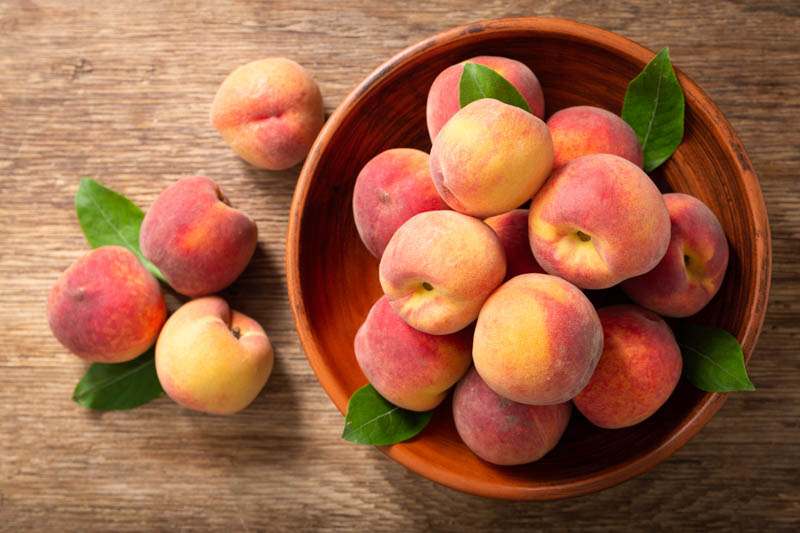
Peaches commonly thrive in USDA Zones 5–9 (with exceptions). Use this as a shortlist, then confirm with local nurseries/extension for your microclimate and disease pressures.
| USDA Zones (guide) | Good bets (examples) | Why pick |
|---|---|---|
| Zone 5 (coldest sites) | ‘Reliance’, ‘Contender’, ‘Polly White’ (white), ‘Madison’ | Hardy bloom/wood; decent crops after tough winters |
| Zone 6 | ‘Redhaven’, ‘Hale Haven’, ‘Cresthaven’, ‘Belle of Georgia’ (white) | Classic flavors + reliable performance |
| Zone 7 | ‘Redhaven’, ‘Elberta’, ‘Suncrest’, ‘White Lady’ (white) | Balanced choices for heat + winter chill |
| Zone 8–9 (mild) | Low–mid chill: ‘Desert Gold’, ‘Flordaprince’, ‘Mid-Pride’, ‘Tropic Snow’ (white), ‘Babcock’ (white) | Bloom fits mild winters; early harvests |
| Zone 10 (very mild/coastal) | Ultra–low chill: ‘Tropic Beauty’, ‘Tropic Snow’ (white), ‘Flordaprince’, ‘Desert Gold’ | Earliest bloom; manage heat/sunburn; fruit quality can soften in extreme heat |
Want a curated stroll through flavor profiles and season timing? Jump to your deep dives: Yellow peaches and White peaches.
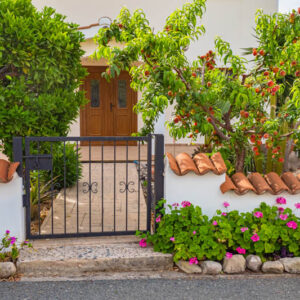
You can raise fantastic peaches on balconies or patios—just pick a compact cultivar and stay on top of watering and pruning.
Minimum mature container: ~25–30 gal (95–115 L), at least 20–24 in (50–60 cm) wide.
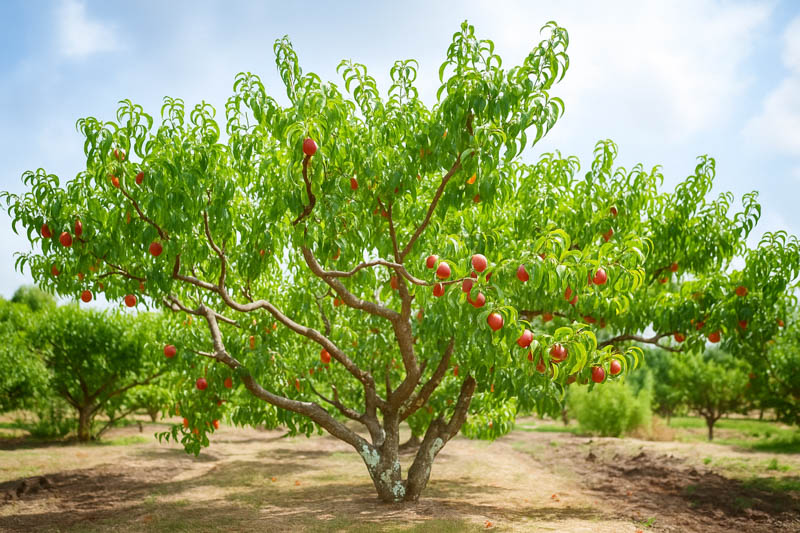
Peaches fruit on one-year-old wood, and they love light. The open-center (vase) system maximizes both.
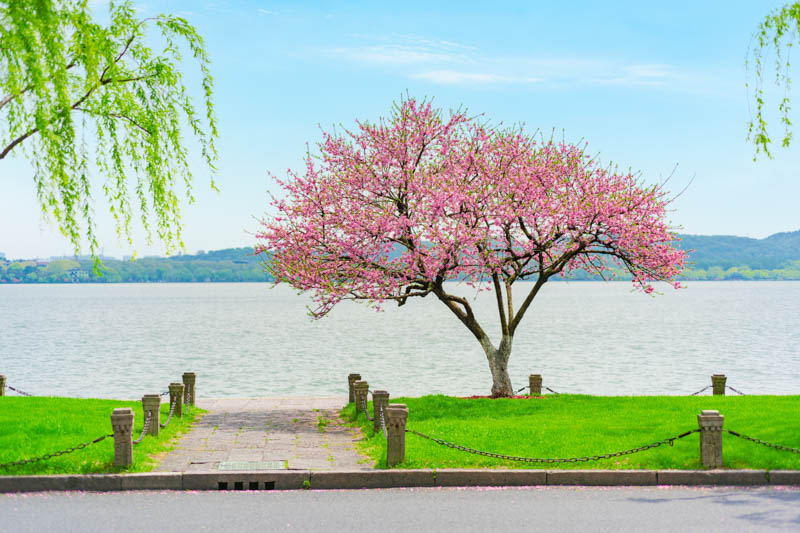
Great news: most peach problems ease with three habits—airflow (pruning), sanitation (fallen fruit/leaves out), and steady, not excessive, vigor.
| Issue | What you’ll see | Prevention & response |
|---|---|---|
| Peach leaf curl (Taphrina deformans) | Puckered, reddened spring leaves, drop | Plant tolerant cultivars; dormant sprays where appropriate; remove infected leaves |
| Brown rot (Monilinia) | Blossom blight; fruit rot near harvest; mummies | Prune for airflow; thin fruit; sanitize mummies; protect blossoms/fruit as regionally advised |
| Bacterial spot (Xanthomonas) | Leaf spotting/shot-holes; pitted fruit | Choose tolerant varieties; avoid overhead watering; balanced nutrition |
| Peach Scab (Cladosporium carpophilum) | Superficial fruit spotting near harvest | Thinning for airflow; timely protection if needed |
| Gummosis / Leucostoma canker (Leucostoma spp.) | Amber gum oozing on limbs; dieback | Prune out into healthy wood; avoid pruning in wet weather; reduce stress and trunk injuries |
| Oriental Fruit Moth / Peach Twig Borer | Larvae in shoots (flagging), later in fruit | Monitoring, traps, sanitation; follow local IPM thresholds |
| Plum Curculio | Crescent oviposition scars; wormy fruit | Sanitation; region-specific timing for controls |
| Peach Tree Borer | Gummy, sawdust-like frass at trunk base | Keep trunk visible/weed-free; monitoring; regionally recommended prevention |
| Aphids and scale insects | Sticky leaves/sooty mold; weak growth | Encourage beneficials; hose off; dormant oils where appropriate |
A guild is a helpful understory community that supports your tree: pollinator flowers for spring, living mulches for soil, and herbs that entice beneficial insects.
For a dedicated plant list (including what to avoid), visit your deep-dive: Best Peach Companion Plants (and Ones to Avoid).
Best time to thin: about 30–45 days after full bloom, when fruit is marble-size, spacing to one peach every 4–6 inches of branch.
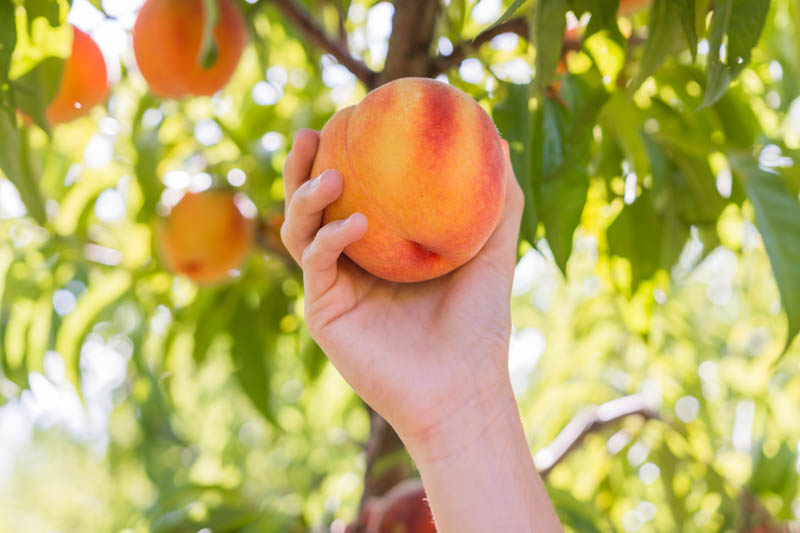
White-fleshed peaches are not recommended for canning by the National Center for Home Food Preservation because their acidity can be too low for safe water-bath processing. Freeze them instead. For canning, choose yellow peaches and follow tested USDA/NCHFP procedures with altitude adjustments.
Learn more: National Center for Home Food Preservation.
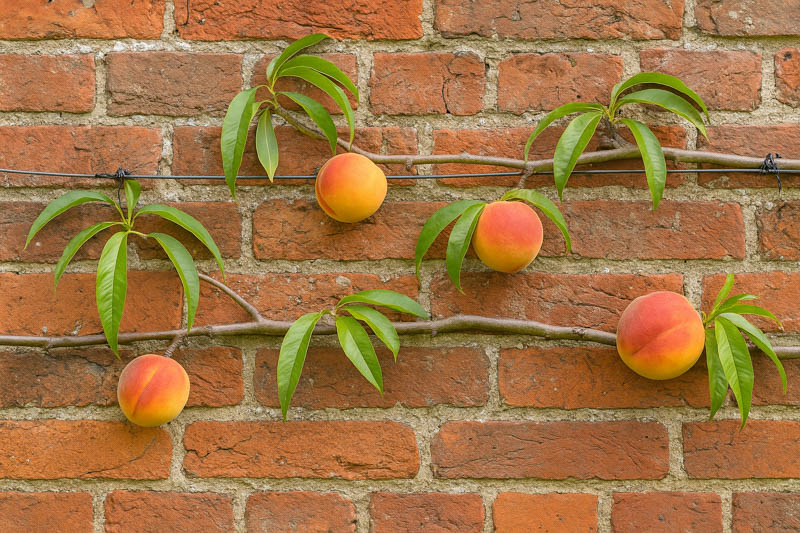
Skin genetics. Nectarines are smooth, but care is essentially the same. Flavor varies by cultivar more than by “peach vs. nectarine.”
Most peaches are self-fertile; nectarines are the same species and also typically self-fertile. A second tree can help if bloom weather is poor, but it isn’t required.
Freestones are easier for slicing/canning. Clingstones shine for early, juicy fresh eating.
Often year 2–3 after planting (sooner with vigorous growth and good light).
Likely brown rot. Thin fruit, prune for airflow, remove mummies, and use regionally timed protections if needed.
Match your chill hours and microclimate, choose one yellow freestone and one white dessert peach (or a smooth-skinned nectarine), train to an open center, thin at marble size, and keep the understory lively but off the trunk. Do those things, and you’ll be carrying sun-bright fruit into your kitchen before you know it—some for the grill, some for jars, and some for that shameless, two-handed, over-the-sink bite that makes summer feel official.
When you’re ready for specifics, your specialist guides are waiting above. Happy growing—and happy eating.
| Hardiness |
5 - 9 |
|---|---|
| Heat Zones |
1 - 8 |
| Climate Zones | 3, 3A, 3B, 4, 5, 6, 7, 8, 9, 10, 11, 12, 13, 14, 15, 16, 17, 18, 19, 20, 21, 22, 23, 24 |
| Plant Type | Fruits, Trees |
| Genus | Peaches, Prunus - Fruit Tree |
| Exposure | Full Sun |
| Season of Interest | Spring (Early, Mid, Late), Summer (Early, Mid, Late), Fall |
| Height | 12' - 25' (3.7m - 7.6m) |
| Spread | 12' - 25' (3.7m - 7.6m) |
| Maintenance | High |
| Water Needs | Average |
| Soil Type | Chalk, Clay, Loam, Sand |
| Soil pH | Acid, Neutral |
| Soil Drainage | Moist but Well-Drained |
| Characteristics | Showy, Fruit & Berries |
| Attracts | Bees, Butterflies, Birds |
| Toxic to Humans | No known toxicity |
| Toxic to Cats | No known toxicity |
| Toxic to Dogs | No known toxicity |
| Toxic to Horses | No known toxicity |
By G-Valeriy, Maria Uspenskaya, By Nyura, Shutterstock
| Hardiness |
5 - 9 |
|---|---|
| Heat Zones |
1 - 8 |
| Climate Zones | 3, 3A, 3B, 4, 5, 6, 7, 8, 9, 10, 11, 12, 13, 14, 15, 16, 17, 18, 19, 20, 21, 22, 23, 24 |
| Plant Type | Fruits, Trees |
| Genus | Peaches, Prunus - Fruit Tree |
| Exposure | Full Sun |
| Season of Interest | Spring (Early, Mid, Late), Summer (Early, Mid, Late), Fall |
| Height | 12' - 25' (3.7m - 7.6m) |
| Spread | 12' - 25' (3.7m - 7.6m) |
| Maintenance | High |
| Water Needs | Average |
| Soil Type | Chalk, Clay, Loam, Sand |
| Soil pH | Acid, Neutral |
| Soil Drainage | Moist but Well-Drained |
| Characteristics | Showy, Fruit & Berries |
| Attracts | Bees, Butterflies, Birds |
| Toxic to Humans | No known toxicity |
| Toxic to Cats | No known toxicity |
| Toxic to Dogs | No known toxicity |
| Toxic to Horses | No known toxicity |
Create a membership account to save your garden designs and to view them on any device.
Becoming a contributing member of Gardenia is easy and can be done in just a few minutes. If you provide us with your name, email address and the payment of a modest $25 annual membership fee, you will become a full member, enabling you to design and save up to 25 of your garden design ideas.
Join now and start creating your dream garden!
Create a membership account to save your garden designs and to view them on any device.
Becoming a contributing member of Gardenia is easy and can be done in just a few minutes. If you provide us with your name, email address and the payment of a modest $25 annual membership fee, you will become a full member, enabling you to design and save up to 25 of your garden design ideas.
Join now and start creating your dream garden!