Chives, Cive, Onion Grass, Allium buhseanum, Allium raddeanum, Allium oliganthum, Allium alpinum, Allium schmitzii var. duriminium, Allium purpurascens, Allium montanum, Allium gredense
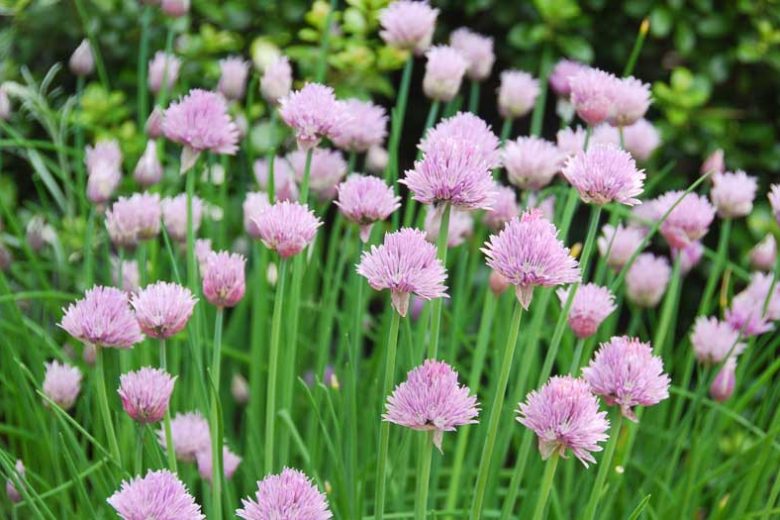
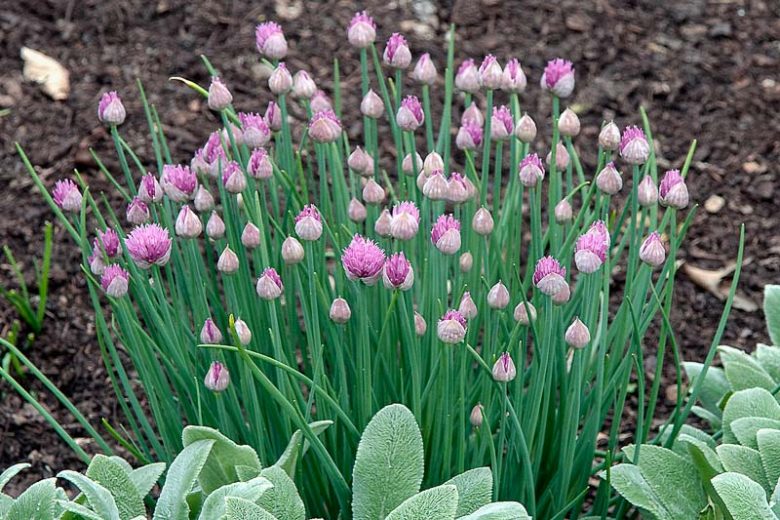


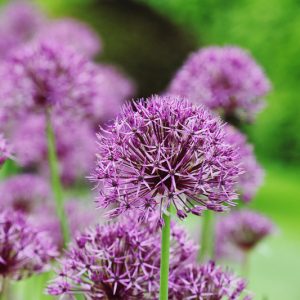
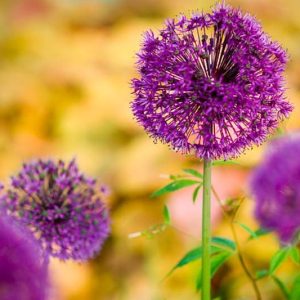
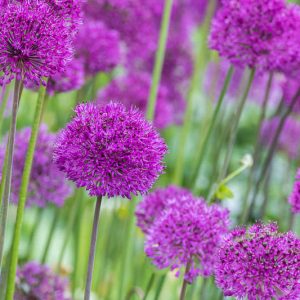
Chives are hardy, clump-forming perennials with a mild onion flavor and charming lavender-purple pom-pom flowers. Easy to grow, they thrive in full sun and moist, well-drained soil, earning a spot in borders, pots, and kitchen gardens alike.
Summary: A compact, long-lived herb for borders, pots, and windowsills, chives offer mild onion-flavored hollow leaves and edible, nectar-rich purple blooms from late spring into early summer. As cold-hardy perennials (USDA 3–9), clumps die back in winter and re-sprout reliably each spring. Grow in full sun and moist, well-drained, fertile soil (pH ~6.0–7.0). Snip leaves regularly to encourage new growth; deadhead to limit self-seeding. Divide every 2–3 years to refresh vigor and share plants. Excellent for kitchen gardens, pollinator plantings, and deer/rabbit-resistant edging—yet toxic to pets if eaten in quantity, so site with care.
| Botanical Name | Allium schoenoprasum |
|---|---|
| Family | Amaryllidaceae (onion family) |
| Native Range | Temperate Europe, Asia & North America |
| Plant Type & Habit | Hardy, clump-forming perennial herb; hollow, tubular leaves |
| Hardiness | USDA 3–9; dies back in winter, regrows in spring |
| Size | 12–18 in. tall × 12–18 in. wide (30–45 cm) |
| Sun & Exposure | Full sun (6+ hrs); light shade acceptable |
| Soil | Fertile, moist, well-drained; pH ~6.0–7.0 |
| Water | Keep evenly moist; avoid waterlogging (extra attention in containers) |
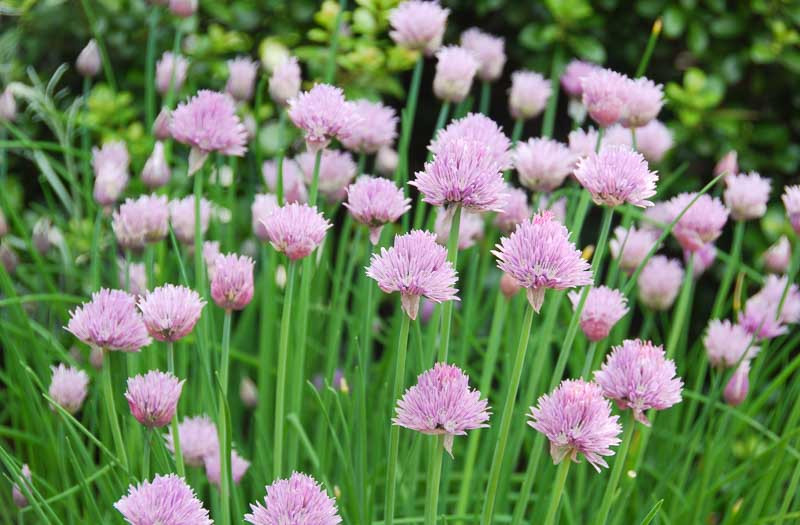
| Bloom | Late spring–early summer; edible lavender-purple spherical umbels |
| Edible Parts | Leaves and flowers (edible); seeds used for propagation (not typically eaten) |
| Wildlife Value | Nectar source for bees & butterflies; long spring bloom supports pollinators |
| Deer/Rabbit | Generally resistant (pungent foliage) |
| Toxicity (Pets) | Toxic to cats, dogs & horses if ingested (ASPCA) |
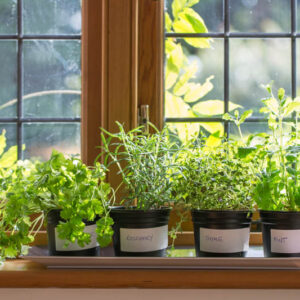
Allium schoenoprasum, commonly known as Chives, is a small, perennial herb prized for its mild onion flavor and decorative appeal. A member of the onion family, Allium, Chives are native to Europe, Asia, and North America and have been cultivated for centuries for culinary, ornamental, and medicinal uses. With slender green stems and edible purple flowers, Chives are a favorite in herb gardens and kitchen windowsills.
Chives belong to the amaryllis family, Amaryllidaceae, which includes garlic, onion, scallions, garlic chives, snowdrops, and daffodils.
Chives are native to temperate regions of Europe, Asia, and North America. In the wild, they often grow along riverbanks, meadows, and mountain slopes.
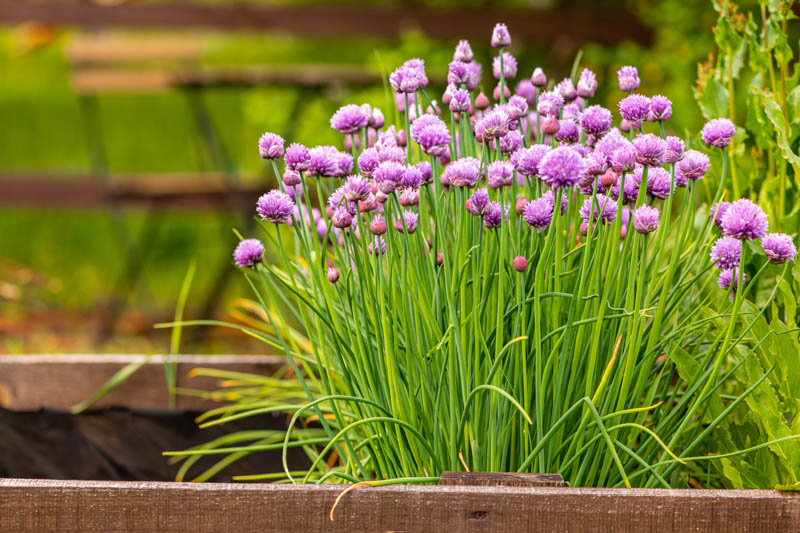
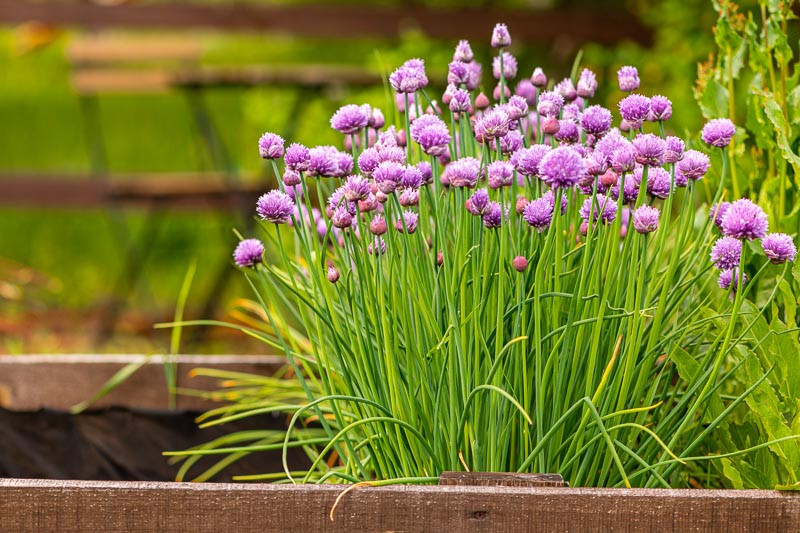
Chives are hardy, clump-forming perennials that grow from small underground bulbs. They have an upright, tufted growth habit and are well-suited to both garden beds and containers, offering culinary value and ornamental charm.
Chives typically grow 12 to 18 inches (30 to 45 cm) tall and wide.
As perennials, Chives return year after year in USDA zones 3–9. With regular division and care, a single plant can remain productive for many years.
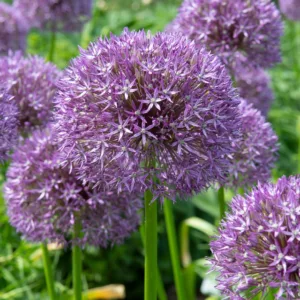
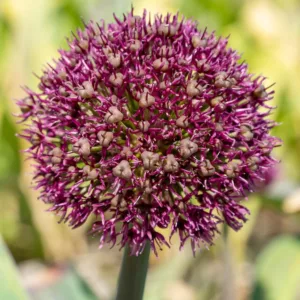
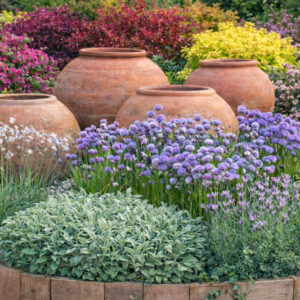
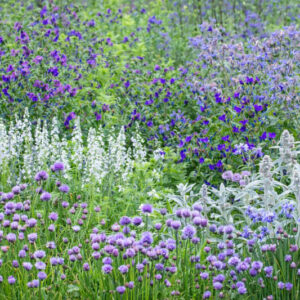
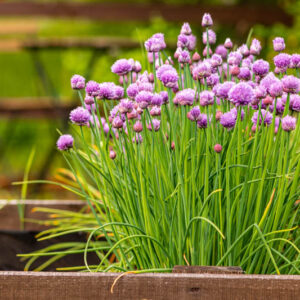
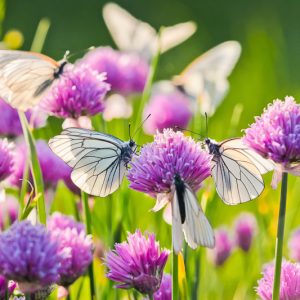
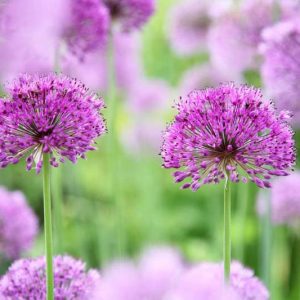
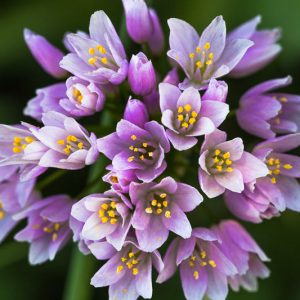
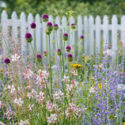
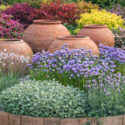
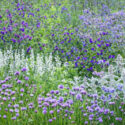
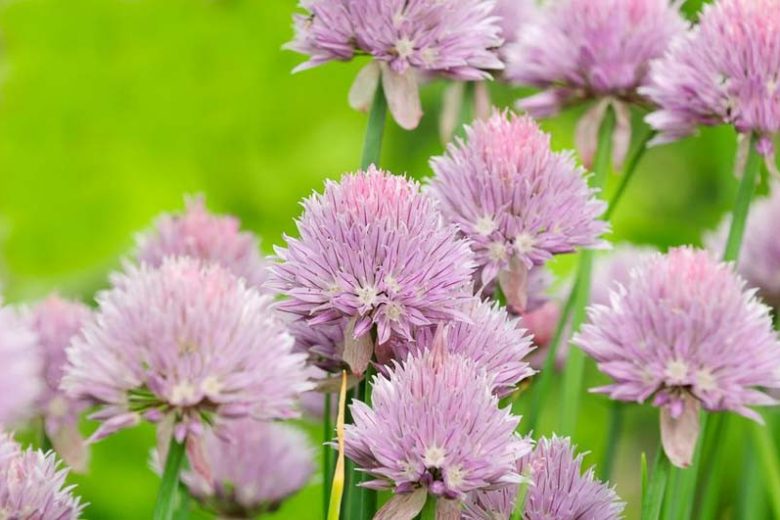
Chives produce attractive spherical umbels of lavender-pink to purple blooms from late spring to early summer. These edible flowers are mildly onion-flavored and draw in bees and help to attract beneficial insects to the garden.
The flowers develop small, dry capsules containing black seeds. These can be harvested when mature for propagation.
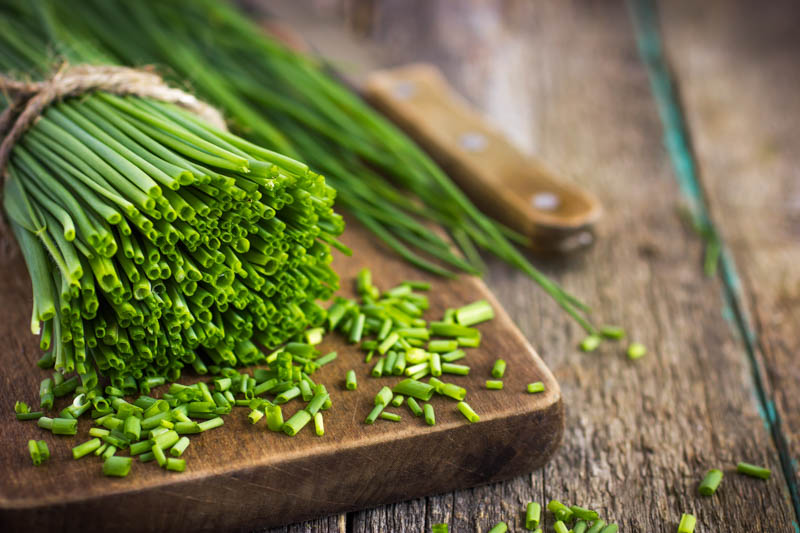
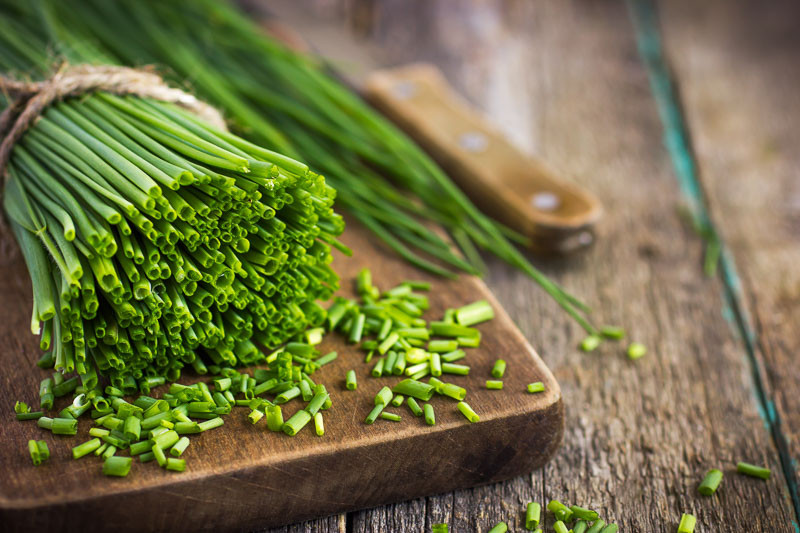
Chives have slender, tubular, hollow green leaves that resemble grass. They grow upright in tufts and release a mild onion aroma when crushed.
Chives are cold-hardy in USDA zones 3–9. They die back in winter and regrow in spring. In milder climates, they may remain evergreen.
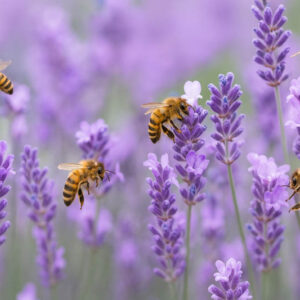
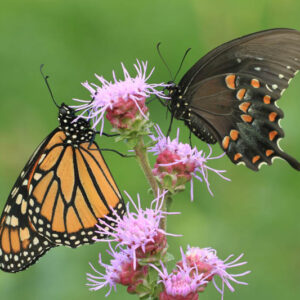
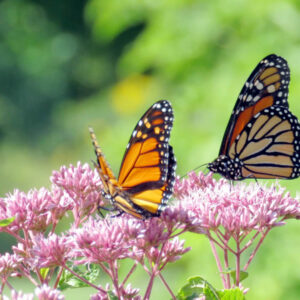
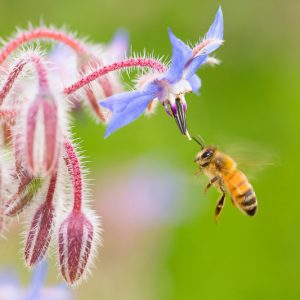
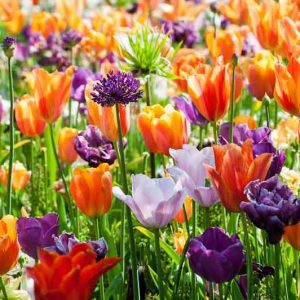
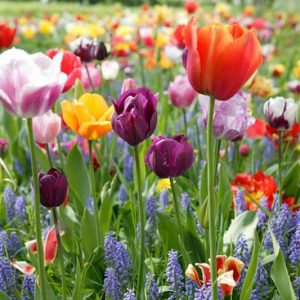
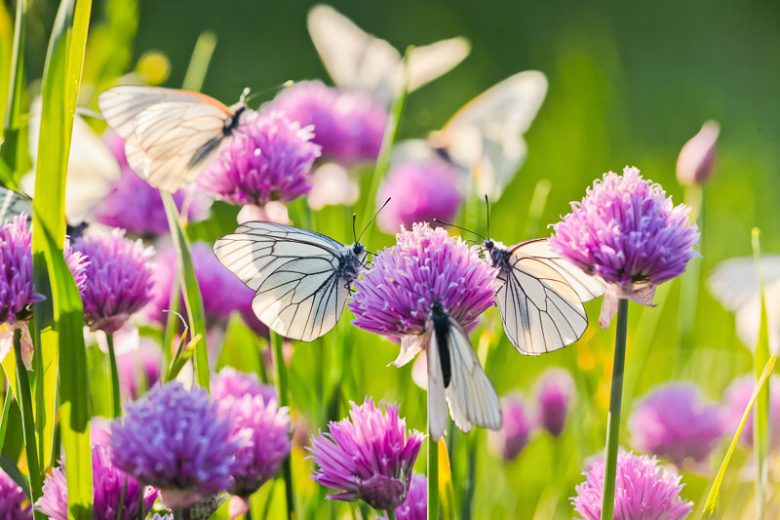
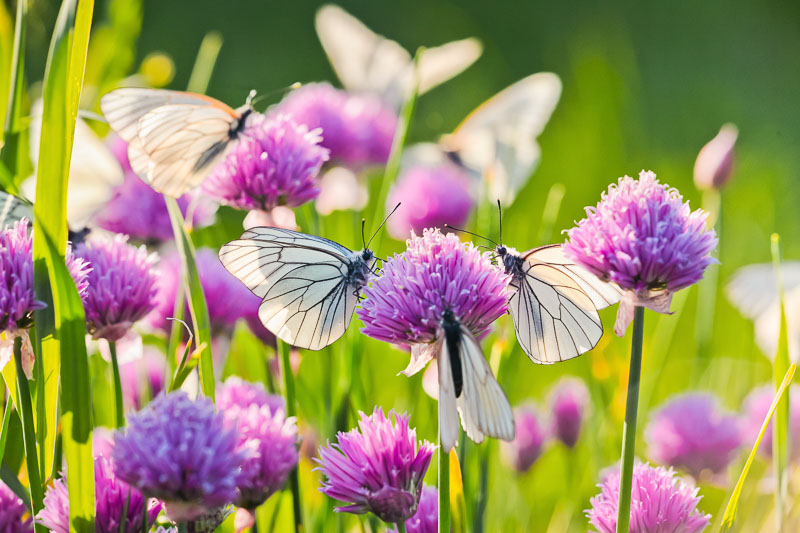
Chives produce nectar-rich purple flowers that attract a variety of pollinators, including bees and butterflies. The long blooming season provides a valuable food source for these beneficial insects. Chives also support early-season pollinator activity due to their spring bloom time. Best Spring Flowers to Spruce Up Your Garden
Once established, chives are relatively drought-tolerant and can handle short dry periods. However, for best leaf production and flavor, consistent moisture is preferred. In hot weather, mulch around the plant base helps retain soil moisture and reduce stress.
Chives are naturally resistant to deer and rabbits due to their strong onion-like scent and taste. This makes them an excellent protective border in vegetable and flower gardens where browsing animals are a concern.
According to the ASPCA, chives are toxic to cats, dogs, and horses. Ingestion may cause gastrointestinal upset, lethargy, or more serious conditions like hemolytic anemia if consumed in large quantities. Pet owners should avoid planting chives within easy reach of animals.
Chives are not considered invasive, but they can slowly spread via self-seeding and bulb division. Deadheading spent flowers and dividing clumps every few years will help prevent unwanted spread and maintain healthy growth in contained areas.
Yes. They are hardy perennials in USDA zones 3–9, dying back in winter and returning in spring.
Absolutely. The purple flower heads are edible with a slightly stronger onion flavor—great for garnishes and infused vinegars.
Wrap in a damp paper towel, place in a bag/container, and refrigerate up to a week. Or snip and freeze in ice-cube trays with water or oil.
Deadhead spent flowers to reduce self-seeding and divide clumps every 2–3 years to control size.
No. Chives are toxic to cats, dogs, and horses if eaten. Keep plants out of reach and avoid feeding to pets.
Chives have thin, hollow leaves and a mild flavor, used mainly fresh as an herb. Green onions (scallions) have thicker stems with a small bulb and a stronger flavor, used more as a vegetable in cooked dishes.
Primarily the hollow green leaves (snipped fresh). Flowers are edible too. The tiny bulbs are seldom used due to size and flavor
Garnishing soups, potatoes, eggs, salads; flavoring dips, dressings, herb butters; finishing stir-fries and noodle dishes at the end of cooking.
Plant after frost (or start indoors 6–8 weeks earlier). Space 6–12 in. apart in full sun and well-drained, fertile soil. Keep evenly moist, harvest regularly, and divide every 2–3 years.
| Hardiness |
3 - 9 |
|---|---|
| Heat Zones |
1 - 11 |
| Climate Zones | 1, 2, 3, 4, 5, 6, 7, 8, 9, 10, 11, 12, 13, 14, 15, 16, 17, 18, 19, 20, 21, 22, 23, 24, A1, A2, A3, H1, H2 |
| Plant Type | Bulbs, Herbs |
| Plant Family | Amaryllidaceae |
| Genus | Allium |
| Common names | Chives, Onion |
| Exposure | Full Sun |
| Season of Interest | Spring (Late), Summer (Early) |
| Height | 1' - 2' (30cm - 60cm) |
| Spread | 1' - 2' (30cm - 60cm) |
| Spacing | 6" - 12" (15cm - 30cm) |
| Maintenance | Low |
| Water Needs | Average |
| Soil Type | Chalk, Clay, Loam, Sand |
| Soil pH | Acid, Alkaline, Neutral |
| Soil Drainage | Moist but Well-Drained, Well-Drained |
| Characteristics | Fragrant, Showy |
| Native Plants | United States, Pennsylvania, Rhode Island, Vermont, Connecticut, Maine, Massachusetts, Maryland, New Hampshire, New Jersey, New York, Northeast, Midwest, Pacific Northwest, Southeast, Southwest, Rocky Mountains, Illinois, Indiana, Michigan, Minnesota, Missouri, Ohio, Wisconsin, Idaho, Oregon, Virginia, Alabama, Nevada, Colorado, Montana, Utah, Wyoming |
| Tolerances | Drought, Deer, Rabbit, Heat, Black Walnut, Humidity, Fire |
| Attracts | Bees, Butterflies |
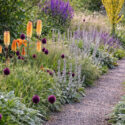
| Garden Uses | Beds And Borders, Patio And Containers |
| Garden Styles | Gravel and Rock Garden, Informal and Cottage |
| Toxic to Humans | Low severity |
| Toxic to Cats | Toxic |
| Toxic to Dogs | Toxic |
| Toxic to Horses | Toxic |


| Hardiness |
3 - 9 |
|---|---|
| Heat Zones |
1 - 11 |
| Climate Zones | 1, 2, 3, 4, 5, 6, 7, 8, 9, 10, 11, 12, 13, 14, 15, 16, 17, 18, 19, 20, 21, 22, 23, 24, A1, A2, A3, H1, H2 |
| Plant Type | Bulbs, Herbs |
| Plant Family | Amaryllidaceae |
| Genus | Allium |
| Common names | Chives, Onion |
| Exposure | Full Sun |
| Season of Interest | Spring (Late), Summer (Early) |
| Height | 1' - 2' (30cm - 60cm) |
| Spread | 1' - 2' (30cm - 60cm) |
| Spacing | 6" - 12" (15cm - 30cm) |
| Maintenance | Low |
| Water Needs | Average |
| Soil Type | Chalk, Clay, Loam, Sand |
| Soil pH | Acid, Alkaline, Neutral |
| Soil Drainage | Moist but Well-Drained, Well-Drained |
| Characteristics | Fragrant, Showy |
| Native Plants | United States, Pennsylvania, Rhode Island, Vermont, Connecticut, Maine, Massachusetts, Maryland, New Hampshire, New Jersey, New York, Northeast, Midwest, Pacific Northwest, Southeast, Southwest, Rocky Mountains, Illinois, Indiana, Michigan, Minnesota, Missouri, Ohio, Wisconsin, Idaho, Oregon, Virginia, Alabama, Nevada, Colorado, Montana, Utah, Wyoming |
| Tolerances | Drought, Deer, Rabbit, Heat, Black Walnut, Humidity, Fire |
| Attracts | Bees, Butterflies |
| Garden Uses | Beds And Borders, Patio And Containers |
| Garden Styles | Gravel and Rock Garden, Informal and Cottage |
| Toxic to Humans | Low severity |
| Toxic to Cats | Toxic |
| Toxic to Dogs | Toxic |
| Toxic to Horses | Toxic |
How many Allium schoenoprasum (Chives) do I need for my garden?
| Plant | Quantity | |
|---|---|---|
| Allium schoenoprasum (Chives) | N/A | Buy Plants |
Create a membership account to save your garden designs and to view them on any device.
Becoming a contributing member of Gardenia is easy and can be done in just a few minutes. If you provide us with your name, email address and the payment of a modest $25 annual membership fee, you will become a full member, enabling you to design and save up to 25 of your garden design ideas.
Join now and start creating your dream garden!
Create a membership account to save your garden designs and to view them on any device.
Becoming a contributing member of Gardenia is easy and can be done in just a few minutes. If you provide us with your name, email address and the payment of a modest $25 annual membership fee, you will become a full member, enabling you to design and save up to 25 of your garden design ideas.
Join now and start creating your dream garden!