Nectarine, Brugnon, Nektarin, Nektarine, Nektarinebaum, Amygdalus persica var. nectarina, Amygdalus persica var. nucipersica, Prunus persica var. nectarina, Persica nucipersica, Smooth Peach
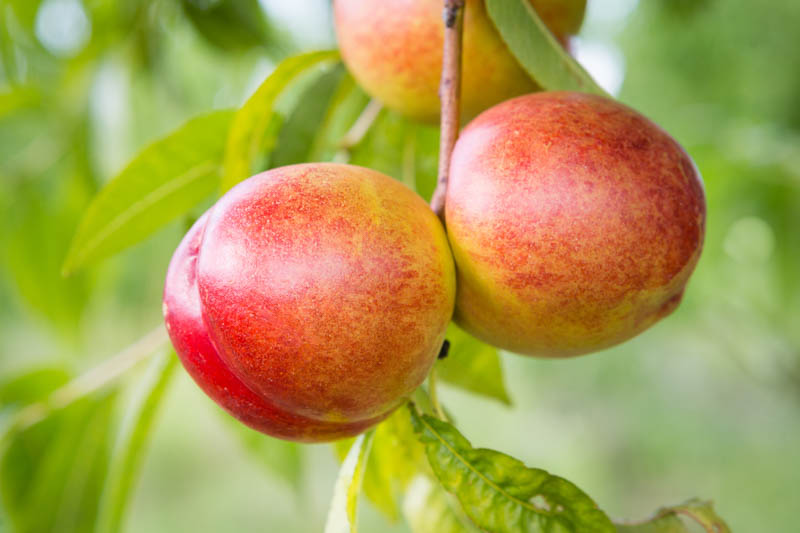
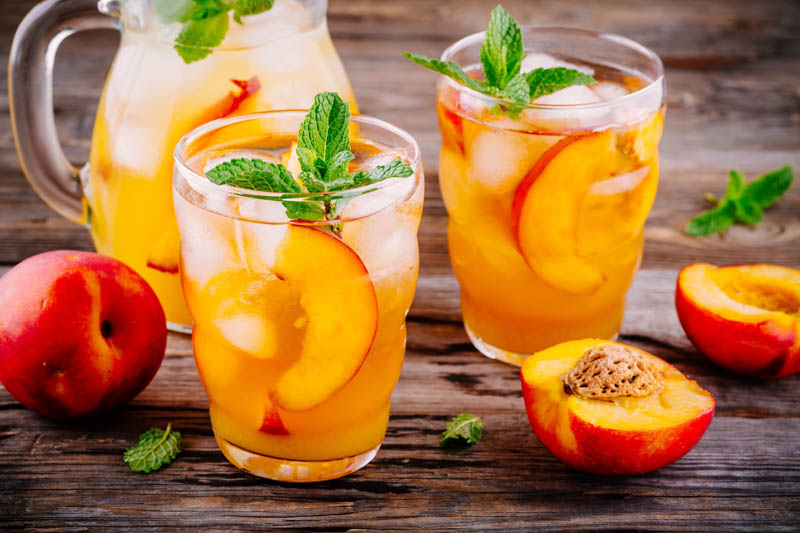
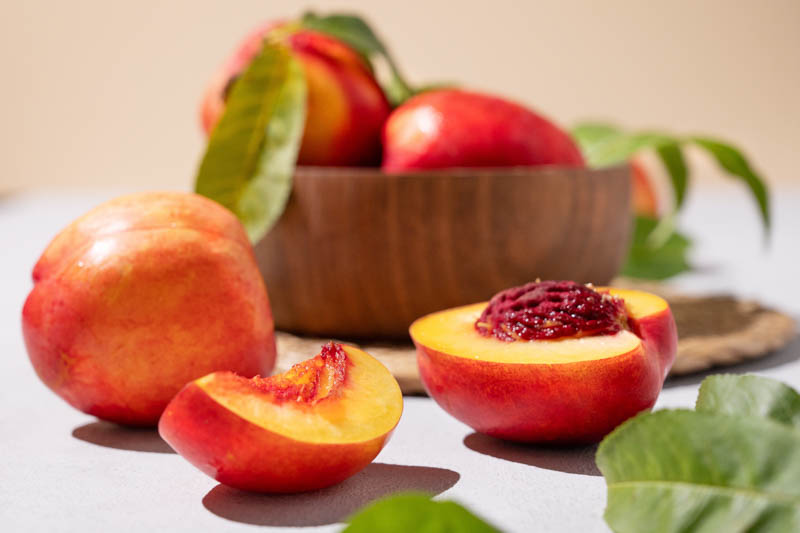


Summary: A nectarine is a naturally fuzzless peach—same species, smooth skin—delivering juicy, aromatic fruit on an easygoing backyard tree.
Taste: Bright, sweet-tart (yellow types) or dessert-sweet and floral (white types).
Use: Fresh eating, grilling, salads, cobblers/galettes, jams, chutneys, smoothies.
Growing Note: Match cultivar to your local chill hours for reliable bloom and cropping.
| Botanical Name | Prunus persica var. nucipersica |
|---|---|
| Family | Rosaceae (Rose family) |
| Common Names | Nectarine, Smooth peach |
| Plant Type & Habit | Deciduous fruit tree; compact, rounded; trained best to open-center (vase) |
| Hardiness (USDA) | Zones 5–9 (cultivar- and chill-dependent) |
| Chill Requirement | Low ~200–400 hrs · Mid ~400–700 hrs · High ~700–900+ hrs; confirm local guidance |
| Size | ~15–25 ft (4.5–7.5 m) tall & wide; dwarfs ~8–10 ft with pruning |
| Sun & Exposure | Full sun (6–8+ hrs) for color, sweetness, and airflow |
| Soil | Fertile, well-drained loam; pH ~6.0–7.0 |
| Bloom & Fruit | Showy pink blossoms in early spring; fruit ripens early–late summer by cultivar |
| Pollination | Mostly self-fertile; one tree usually bears |
| Primary Uses | Fresh eating, grilling, salads, baking (cobblers/galettes), jam, chutney, smoothies |
If you have ever bitten into a smooth-skinned peach lookalike and wondered what is a nectarine, you have already met one of summer’s most irresistible fruits. A nectarine fruit is a naturally fuzzless form of peach, bursting with fragrant juice and bright, tangy sweetness. Whether you love them eaten out of hand, grilled over smoky coals, or folded into cobblers and salads, the nectarine tree is an easygoing backyard star.
In this guide, you will find everything you need to plant, prune, harvest, and cook with nectarines, along with clear answers to the classic question of nectarine vs peach, a deep dive into nectarine nutrition and nectarine calories, and a basket of quick nectarine recipes for every kitchen.
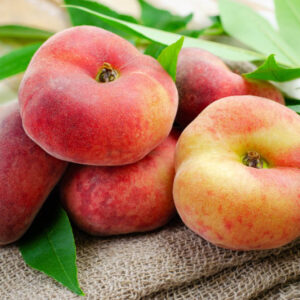
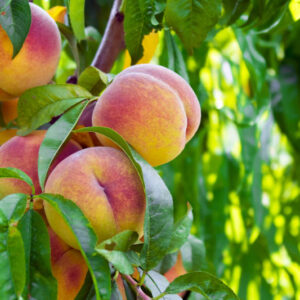
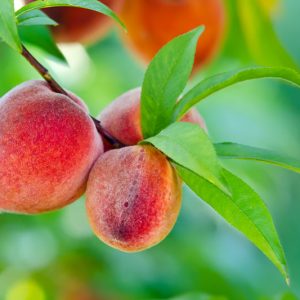
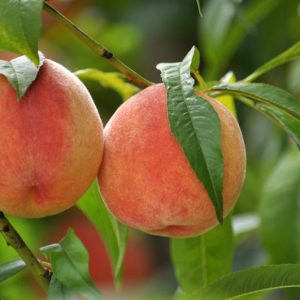
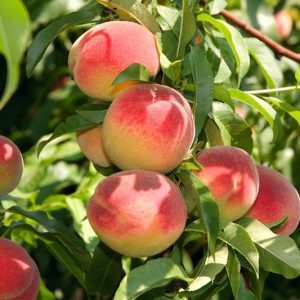
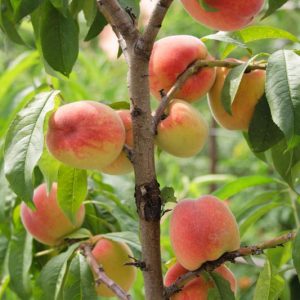
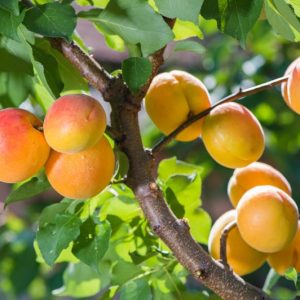
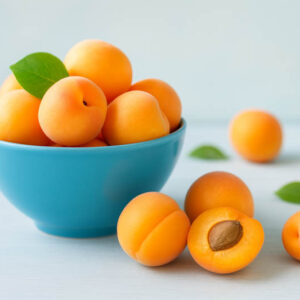
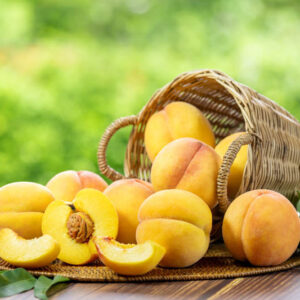
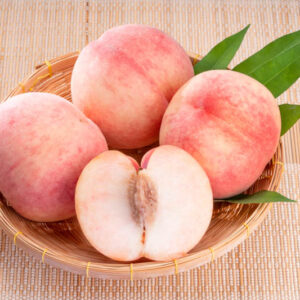
The nectarine plant is a botanical sibling of the peach, identical in almost every way except one visible trait. Nectarines lack the fuzzy coating on the skin because of a natural recessive gene. The result is satin-smooth skin in sunset shades of yellow, gold, crimson, and ruby, wrapped around juicy flesh that can be either golden yellow or pale ivory. Texturally, fruit ranges from melting and tender to firm and snappy depending on variety and ripeness. Aromas bloom with notes of honey, citrus zest, and flowers, and at peak maturity the juice runs down the wrist with every bite.
Like peaches, nectarines trace back to ancient cultivation in temperate Asia. Over centuries, they traveled with traders, monks, and farmers across the Silk Road and into Europe, North Africa, and the Americas. Today, you can grow a nectarine tree in sunny temperate regions worldwide provided your climate offers the right winter chill and spring frost protection.
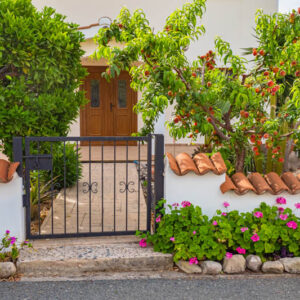
Nectarine trees are compact, rounded, and naturally suited to backyards and small orchards. Most home garden selections mature to about 15 to 25 feet (4.5-7.5 m) tall and wide, though pruning can keep them smaller. Dwarf types and those kept compact by pruning can mature at 8–10 ft (2.4-3 m) tall and wide. The branching structure responds beautifully to the open center or vase training system that floods the canopy with light and airflow for colorful, flavorful fruit.
Young trees grow quickly in the first two or three seasons, establishing a framework of scaffold branches. Expect a grafted tree to bear lightly in year two or three, with full cropping by year four or five. Annual pruning keeps the tree productive and manageable while renewing young fruiting shoots.
In home gardens, a well cared for nectarine tree commonly produces for 12 to 20 years, sometimes longer in mild climates with attentive pruning, thinning, and disease management. Commercial orchards may replace trees sooner to keep yields high, but a backyard gardener can enjoy a long run of reliable summer harvests.
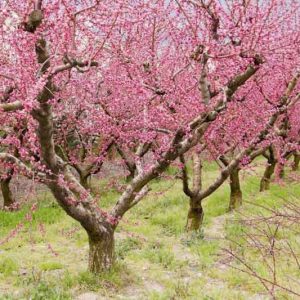
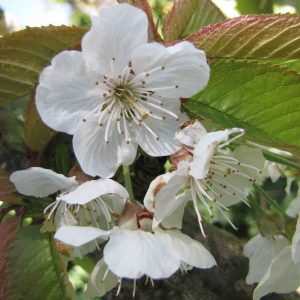
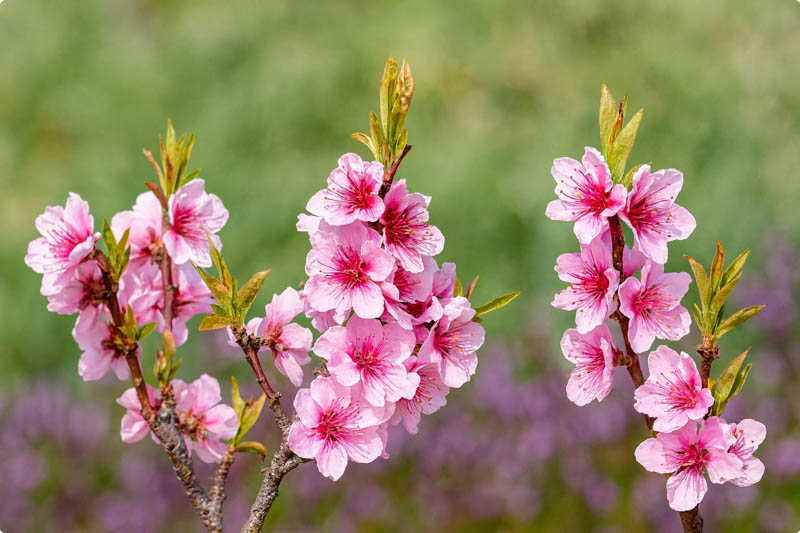
Nectarines flower very early in spring with clouds of pink blossoms that perfume the yard and call in pollinators. Most cultivars are self fertile, so a single tree can set fruit. Because bloom is early, a late frost can spell trouble; site selection and simple covers on cold nights are your best defenses. Fruits swell through spring and ripen in waves through summer. Yellow flesh nectarines tend to have a tangy snap balanced by sweetness, while white nectarine fruit leans toward floral, low acid, candy like flavors. Depending on cultivar, stones may cling to the flesh or release cleanly when fully ripe.
Lance shaped, glossy leaves cloak the summer canopy in a fresh green mantle. Healthy foliage is your engine for sugar production, so good watering, balanced feeding, and steady pest scouting all show up later as better color and flavor in the fruit.
Most nectarines thrive in USDA Zones 5 to 9. The key is matching your cultivar to your local winter chill hours, which describe how many hours your winter spends between roughly the low thirties and upper forties Fahrenheit. High chill varieties often need 700 to 900 hours, while low chill choices can fruit well with 200 to 400 hours in mild winter zones. Ask local nurseries for cultivars that suit your area, and always site trees in full sun and free draining soil.
Spring flowers invite bees and other beneficial pollinators, while ripening fruit will attract birds and squirrels. If you share generously, wildlife can be part of the seasonal show. If you prefer to save most of the crop, lightweight netting and timely picking are the simplest strategies.
The edible flesh is safe, but the pit (seed) contains the cyanogenic glycoside amygdalin. Poison severity is medium: accidentally swallowing one or two intact pits is unlikely to cause poisoning, but chewing/crushing the seeds—or blending unpitted fruit into a smoothie—can release cyanide. Signs of significant exposure include gasping, weakness, excitement, dilated pupils, spasms, convulsions, coma, and respiratory failure.
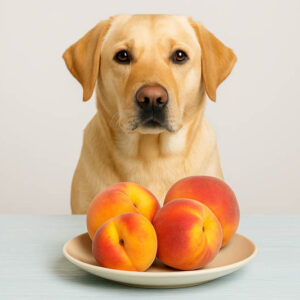
The seeds are a problem for cats, dogs, and horses. Do not chew or ingest pits; keep seeds away from pets and livestock; and dispose of pits and processing waste responsibly. This plant does not typically cause contact dermatitis.
Nectarine trees are not considered invasive in gardens. They do not spread aggressively on their own. Occasional rootstock suckers may appear near the base; remove them cleanly if they arise.
Grower Story
Our first backyard nectarine harvest started with three fruits on a brand new tree. The next summer brought two dozen, and by the third year we were gifting bowls to neighbors. The trick that changed everything was thinning the baby fruits so the remaining ones could size up and sweeten in full sun.Tip Pick a mix of early, mid, and late ripening cultivars if you have room for two trees. Your summer will stretch from the first taste to the last jar of jam.
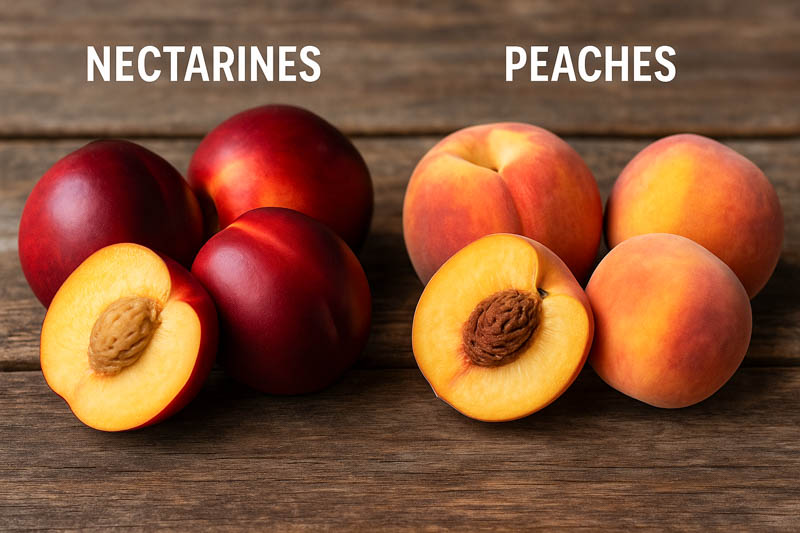
Both fruits come from the same species, Prunus persica. A nectarine is essentially a peach with a recessive no fuzz gene that yields smooth skin. In the kitchen, nectarines often read as slightly more aromatic and sometimes a touch firmer at the same ripeness stage, while peaches lean toward a classic floral perfume and pillowy skin. In the orchard, pruning, thinning, and site preferences are identical. If you love one, you will love the other; many gardeners grow a pair to enjoy the full spectrum of color, texture, and flavor.
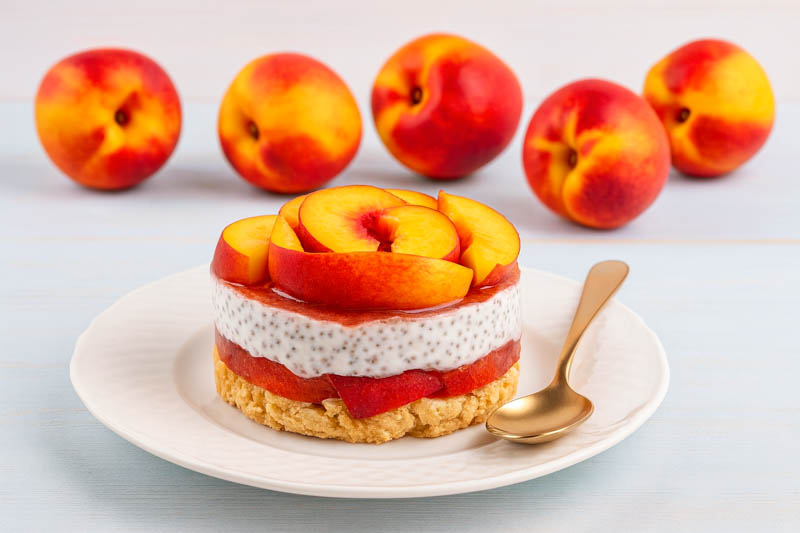
A nectarine fruit shines in every course from brunch to dessert. Here are versatile, reliable ideas for busy home cooks and summer entertainers.

Nectarines offer hydration, natural sweetness, and a family of vitamins and phytonutrients with surprisingly few calories. If you are counting, nectarine calories are friendly and flexible.
| Nutrient | Amount |
|---|---|
| Calories | About 44 |
| Carbohydrates | About 10 to 11 g |
| Fiber | About 1 to 2 g |
| Protein | About 1 g |
| Fat | Trace |
| Vitamin C | About 5 to 7 mg |
| Potassium | About 150 to 200 mg |
| Vitamin A carotenoids | Present, higher in yellow flesh types |
Values align with USDA FoodData Central for raw nectarines; varieties and ripeness cause minor swings.
Note on portions: A typical medium nectarine weighs around one hundred forty grams and clocks in near sixty calories, making it an easy daily fruit for most diets.
Micronutrients add to the appeal. Potassium supports healthy blood pressure, vitamin C contributes to immune function and collagen formation, and carotenoids in yellow types offer eye friendly antioxidants. White nectarine fruit, lower in acid and often higher in measured sugars, reads sweeter on the palate at the same sugar level. Both color types are refreshing and hydrating thanks to their high water content.

Nectarines are often grouped by flesh color and by the way the stone behaves at ripeness. Your local climate, especially winter chill, will narrow the choices to what performs well in your yard, so always check labels and ask regional experts.
| Type | Flavor Profile | Stone | Kitchen Sweet Spot |
|---|---|---|---|
| Yellow flesh mid season | Balanced sweet tang | Often freestone at full ripeness | Grilling, cobblers, salsas |
| White nectarine early season | Dessert sweet, low acid | Cling or semi freestone | Fresh eating, delicate desserts |
| Late season heirlooms | Complex flavor, aromatic | Varies | Jams, chutneys, canning |
Four reliable choices across chill zones and harvest windows. Each links to a regional extension source.
Note: Availability varies by region; check local nurseries or your county extension for the best matches to your chill hours.
Common rootstocks include Lovell (widely adapted) and Nemaguard (nematode resistance in warm soils).
Success begins with the right site, the right variety, and steady seasonal habits. Treat a nectarine tree like a peach and you will be right on track.
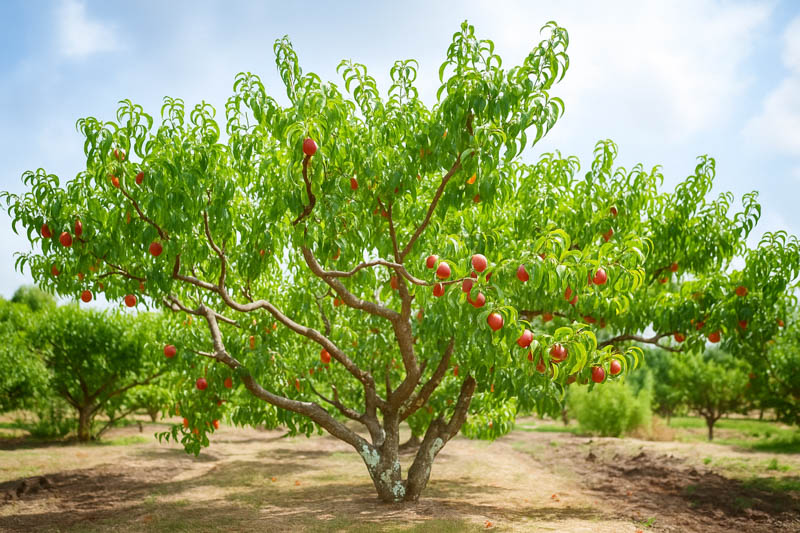
Yes, especially if you choose a dwarf selection. A container grown nectarine plant brings orchard flavor to balconies and courtyards.
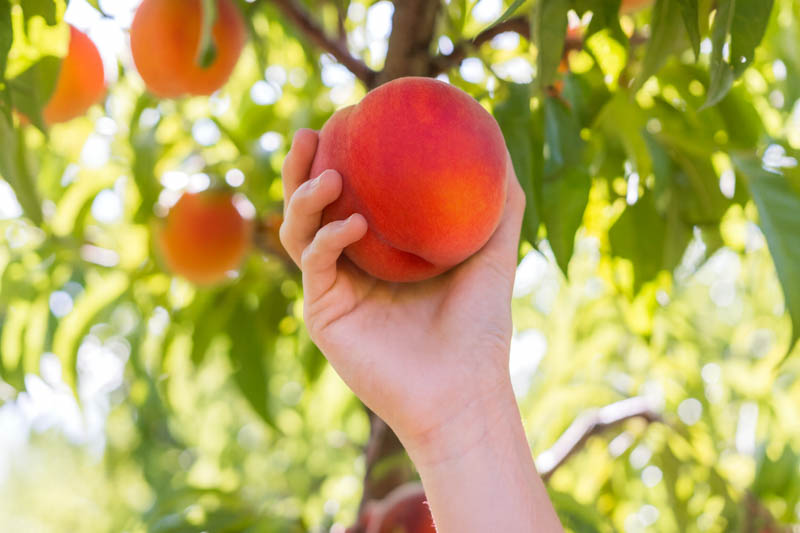
Flavor peaks on the tree. A day or two can make all the difference between good and unforgettable.
Handle ripe fruit like treasure and you will taste the difference.
Backyard gardeners usually start with a grafted tree from a nursery. Seed grown plants will not come true to type and can take many years to fruit. Budding and grafting onto regionally suitable rootstocks provide the best combination of vigor, disease tolerance, and size control.
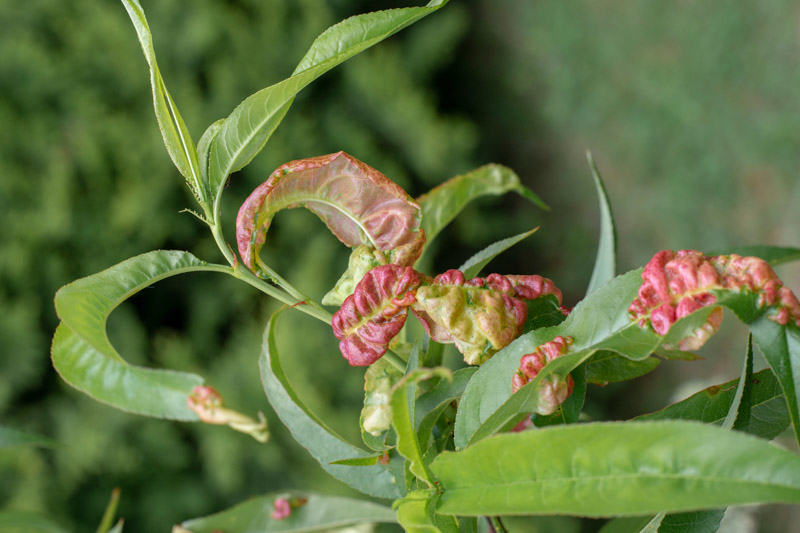
Nectarines share troubles with peaches, but a seasonal rhythm of sanitation, pruning, and smart timing prevents many issues.
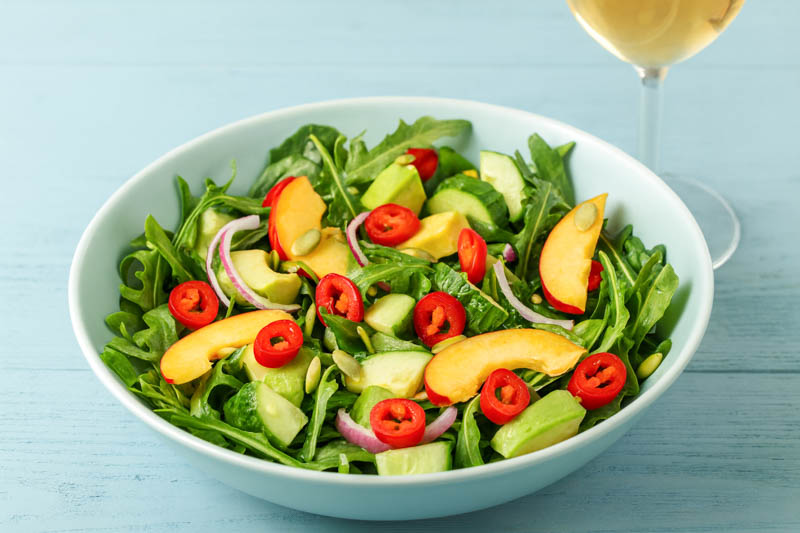
Quick wins make the harvest even sweeter. Try one of these no stress nectarine recipes tonight.
No. A nectarine is a smooth skinned form of the peach. The difference is a single natural gene that removes fuzz from the skin. Tree care, pruning, and most kitchen uses are the same.
Most nectarines are self fertile. One tree will bear fruit, though a second tree can sometimes improve overall pollination in challenging weather.
About forty four calories per one hundred grams. A typical medium fruit is around sixty calories. Pair with protein or nuts for a filling snack.
Use the open center vase form with three or four main scaffolds. It maximizes sunlight in the canopy, simplifies thinning and picking, and helps manage disease.
Common reasons include late frost, drought stress during fruit swell, lack of thinning, or nutrient imbalance. Keep moisture steady and thin fruit to one every four to six inches.
For baking and grilling, pick when the background color shifts and the fruit just begins to soften. For peak fresh eating, wait for a gentle give and full aroma.
White nectarine fruit tastes sweeter because of lower acidity and a floral flavor profile, even when measured sugars match a yellow type. Both are delicious, just different accents.
You can sprout a pit, but the seedling will not match the parent fruit, and it will take years to bear. For reliable results, buy a grafted tree of a known variety suited to your climate.
Yes. Thinning is the easiest path to larger, sweeter fruit and a healthier tree. Space remaining fruit four to six inches apart along the branch.
Try grilled chicken with nectarine salsa, arugula, and a squeeze of lime. Dessert can be broiled nectarines with a spoon of mascarpone and crushed amaretti cookies.
Explore deeper care guides, companion plant ideas, and more stone fruit inspiration. Compare nectarine vs peach in your own kitchen, experiment with white nectarine and yellow varieties, and build your summer menu around a tree that gives generously. From nectar filled snacks to family favorite nectarine recipes, a single tree can change how your garden tastes.
| Hardiness |
5 - 9 |
|---|---|
| Heat Zones |
1 - 8 |
| Climate Zones | 3, 3A, 3B, 4, 5, 6, 7, 8, 9, 10, 11, 12, 13, 14, 15, 16, 17, 18, 19, 20, 21, 22, 23, 24 |
| Plant Type | Fruits, Trees |
| Plant Family | Rosaceae |
| Genus | Peaches, Prunus - Fruit Tree |
| Common names | Nectarine |
| Exposure | Full Sun |
| Season of Interest | Spring (Early, Mid), Summer (Early, Mid, Late), Fall |
| Height | 8' - 25' (240cm - 7.6m) |
| Spread | 8' - 25' (240cm - 7.6m) |
| Maintenance | High |
| Water Needs | Average |
| Soil Type | Chalk, Clay, Loam, Sand |
| Soil pH | Acid, Neutral |
| Soil Drainage | Moist but Well-Drained |
| Characteristics | Fragrant, Showy, Fruit & Berries |
| Tolerances | Heat |
| Attracts | Bees, Butterflies, Birds |
| Garden Uses | Wall-Side Borders |
| Garden Styles | Informal and Cottage |
| Toxic to Humans | Medium severity |
| Toxic to Cats | Toxic |
| Toxic to Dogs | Toxic |
| Toxic to Horses | Toxic |


| Hardiness |
5 - 9 |
|---|---|
| Heat Zones |
1 - 8 |
| Climate Zones | 3, 3A, 3B, 4, 5, 6, 7, 8, 9, 10, 11, 12, 13, 14, 15, 16, 17, 18, 19, 20, 21, 22, 23, 24 |
| Plant Type | Fruits, Trees |
| Plant Family | Rosaceae |
| Genus | Peaches, Prunus - Fruit Tree |
| Common names | Nectarine |
| Exposure | Full Sun |
| Season of Interest | Spring (Early, Mid), Summer (Early, Mid, Late), Fall |
| Height | 8' - 25' (240cm - 7.6m) |
| Spread | 8' - 25' (240cm - 7.6m) |
| Maintenance | High |
| Water Needs | Average |
| Soil Type | Chalk, Clay, Loam, Sand |
| Soil pH | Acid, Neutral |
| Soil Drainage | Moist but Well-Drained |
| Characteristics | Fragrant, Showy, Fruit & Berries |
| Tolerances | Heat |
| Attracts | Bees, Butterflies, Birds |
| Garden Uses | Wall-Side Borders |
| Garden Styles | Informal and Cottage |
| Toxic to Humans | Medium severity |
| Toxic to Cats | Toxic |
| Toxic to Dogs | Toxic |
| Toxic to Horses | Toxic |
How many Prunus persica var. nucipersica (Nectarine) do I need for my garden?
| Plant | Quantity | |
|---|---|---|
| Prunus persica var. nucipersica (Nectarine) | N/A | Buy Plants |
Create a membership account to save your garden designs and to view them on any device.
Becoming a contributing member of Gardenia is easy and can be done in just a few minutes. If you provide us with your name, email address and the payment of a modest $25 annual membership fee, you will become a full member, enabling you to design and save up to 25 of your garden design ideas.
Join now and start creating your dream garden!
Create a membership account to save your garden designs and to view them on any device.
Becoming a contributing member of Gardenia is easy and can be done in just a few minutes. If you provide us with your name, email address and the payment of a modest $25 annual membership fee, you will become a full member, enabling you to design and save up to 25 of your garden design ideas.
Join now and start creating your dream garden!