Prunus persica (Peaches) - Guides
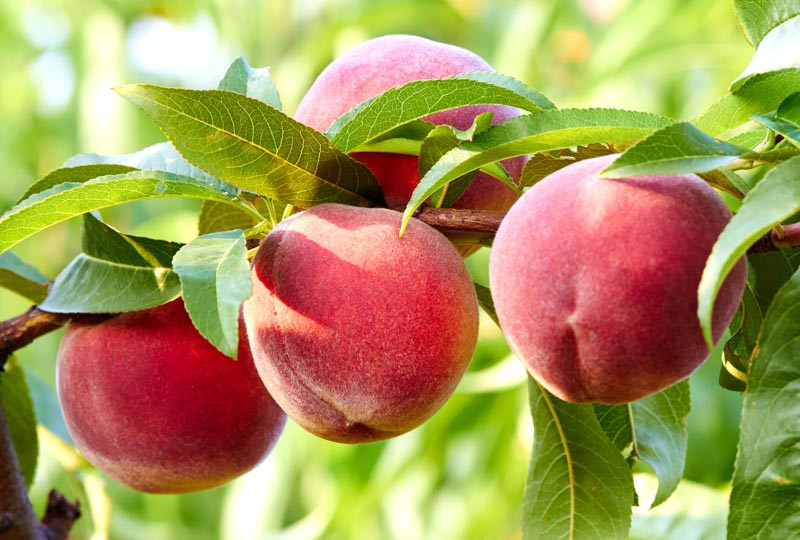
Peaches and nectarines are the same species, Prunus persica. Nectarines are simply smooth-skinned peaches thanks to a recessive gene. Start with the plant basics here: Peach and Nectarine. You’ll also meet their charming flat cousin, the Donut Peach (a.k.a. Saturn or flat peach)—same species, saucer-shaped fruit with a sweet, low-acid bite (flat nectarines exist too, but they’re fuzz-free).
Pick the right variety: Match the tree to your winter. Peaches come in low, medium, and high chill-hour needs; choose what fits your climate. Prefer aromatic, low-acid fruit or classic sweet-tart flavor? Compare white-flesh options and yellow-flesh options. Freestone types release the pit easily for slicing; clingstone is ultra-juicy and great for canning.
Site, soil, planting: Give full sun and quick drainage; mix in compost and mound if soil is heavy. Plant with the graft above soil; space 8–12′ (dwarfs) or 12–15′ (standards). Mulch 2–3″, keeping it a few inches off the trunk.
Water, feed, prune: Deep-water at bloom and fruit swell; keep soil evenly moist. Feed lightly in early spring. Train an open-center vase and, in late spring, thin fruit to one every 6–8″ for bigger peaches and safer branches.
Companions and care: Underplant with pollinator-friendly herbs and groundcovers, and avoid plants that compete hard for water. See smart pairings in Best peach companion plants and ones to avoid. Watch for leaf curl and brown rot; good pruning, sanitation, and timely sprays where recommended keep problems in check.
Harvest like a pro: Ignore background color and use your nose. Ripe fruit is fragrant and yields slightly near the stem. Let firm fruit finish on the counter, then refrigerate. From grilled halves to freezer jam, your tree can turn summer into dessert.