Want bananas beyond the tropics? Use this zone-by-zone guide to see which varieties survive, which actually fruit, and how to push the limits with mulch, windbreaks, and warm walls.
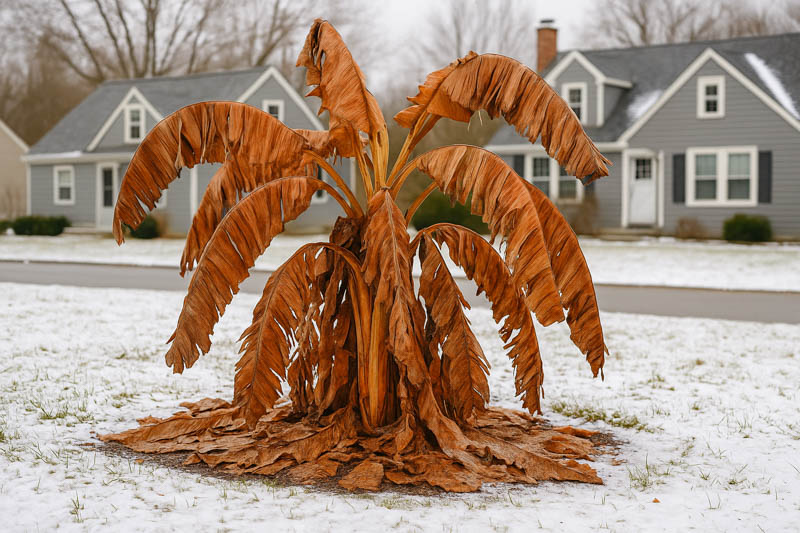


Bananas bring instant drama to a garden, but their cold tolerance varies wildly. Some will shrug off a hard frost underground and rocket back in spring. Others need true subtropical heat to live, let alone fruit. This zone-by-zone guide translates plant tags into real expectations, so you can decide what survives, what fruits, and what needs winter strategy in your climate.
Bottom line: Leaves scorch near freezing; most pseudostems are injured around 28–30°F (−2 to −1 °C), but some species’ rhizomes can overwinter far colder with deep mulch. Reliable fruiting usually begins in Zones 9–11; Zone 8 can fruit in hot pockets with protection and a long frost-free run.
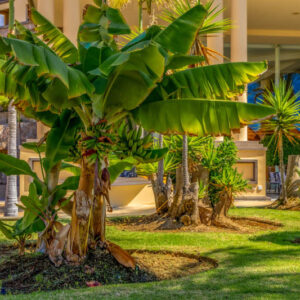
Hardy standouts: Musa basjoo and Musella lasiocarpa for cold ground survival. Tough edible choices for warm temperate edges include Dwarf Orinoco, Namwa, and Raja Puri.
Strategy: In cold zones, treat cold-hardy bananas as cut-back ornamentals or grow edibles in large containers you can roll under cover for winter.
| What “hardy” means with bananas | Leaves die at light frost; pseudostem may die at harder freezes; rhizome survival is the real test. Spring regrowth from the crown is normal outside the tropics. |
|---|---|
| Fruiting reality | From pup to fruit often takes 12–18 months of warm growth. If winter kills the stem each year, fruiting outdoors is unlikely. |
| Leaf damage threshold | Around 32°F (0 °C) leaves collapse; persistent subfreezing air damages stems; soil wetness during freezes increases losses. |
| Winter protection basics | Mulch crowns deeply, shelter from wind, drain water away, and wrap or cut and cap stems in marginal zones. Containers overwinter bright and cool, kept barely moist. |
USDA zones measure average winter lows, not summer heat. Bananas need both winter survival and enough warm time to build a pseudostem, flower, and finish fruit. Think in layers.
Cold-hardy bananas survive by keeping the rhizome alive until spring. Edible fruit on the plant demands a pseudostem that does not reset every winter or a climate long and hot enough to rebuild and fruit in one extended season.
In hot, arid regions, expect more scorch and slower recovery—provide PM shade and extra water; strong winter winds can effectively lower hardiness by about a half-zone via desiccation.
| Zone | What can survive | Fruiting prospects | Notes |
|---|---|---|---|
| 3–4 | Musa basjoo crowns may survive in Zone 4 only with extreme, very dry protection and reliable snow cover; not dependable in Zone 3. Expect full top kill. | Outdoor fruiting: no. Ornamental only. | South-facing masonry, deep dry mulch; containers with indoor winter storage are safer. |
| 5 | Musa basjoo crowns can overwinter with deep, dry mulch in sheltered microclimates. | Fruiting outdoors: no. Foliage returns late spring after dieback. | Raise beds/mounds for drainage; keep crowns dry during midwinter thaws. |
| 6 | Musa basjoo rhizomes reliably hardy; Musella lasiocarpa and Musa sikkimensis with protection. Tops may partially persist in warm 6b niches. | Outdoor fruit: very rare. Grow edible types in containers and overwinter indoors. | Wrap pseudostems (burlap + dry leaves) to test top survival; favor south walls & perfect drainage. |
| 7 | Musa basjoo, Musella lasiocarpa, Musa sikkimensis survive with mulch; some tops overwinter in warm 7b niches. | Fruiting exceptional/rare; needs very hot, protected seasons and carried-over stems. | South-facing masonry + light wind filters give best odds for pseudostem carryover. |
| 8a | Cold-hardy species plus tough edibles (Dwarf Orinoco, Namwa, Raja Puri). Tops may die in severe cold; rhizomes reshoot quickly. | Fruiting possible in long, hot years and urban heat islands; protect bunches from first frost. | Wrap late-season bunches or cut mature-green ahead of cold snaps. |
| 8b | All of the above. Pseudostems often carry over with light winter protection in mild years. | Good odds on early/compact cultivars; plantains still marginal. Blue Java & Dwarf Cavendish: generally container-only in 8b; outdoor fruit is uncommon. | Choose quick cultivars; favor wind-sheltered courtyards and reflected heat. |
| 9a | Most dessert bananas with occasional cold protection; some plantains/slow types need strong microclimates. | Fruiting common: Dwarf Orinoco, Namwa, Raja Puri. Not routine: Dwarf Cavendish & Blue Java (generally container or hottest 9a niches, with protection). | Maintain 1–2 successor pups per mat; guard against rare hard freezes. |
| 9b | Wide choice of dessert bananas and many plantains; brief chills may still burn leaves. | Fruiting common with basic care. Blue Java & Dwarf Cavendish can fruit in 9b with protection; most reliable in 10–11. | Stake heavy bunches; remove spent stems after harvest; manage wind exposure. |
| 10–11+ | Nearly all cultivated bananas, including plantains and specialty types. | Fruiting is normal; timing set by heat, water, and nutrition. | Manage wind/salt; emphasize sanitation where diseases occur. |
| Species or Cultivar | Typical Height and Spread | Best Zones for Survival | Notes |
|---|---|---|---|
| Musa basjoo — Japanese fiber banana | 6–15 ft tall, 6–15 ft spread (often 6–10 ft after winter dieback in cold regions) | Rhizome-hardy reliable to USDA 6; sometimes 5 with deep, dry mulch & a sheltered microclimate. Experimental Zone 4 only with extreme, very dry protection (not dependable). Pseudostems often persist in 8+. | Gold standard for cold survival; primarily ornamental ≤7 (fruiting rare). Expect dieback-and-rebound in 6–7. |
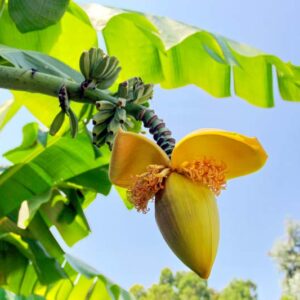
| Musella lasiocarpa — Chinese yellow banana | 3–6 ft tall, 3-5 ft wide | Zones 7b–10, occasionally 6 with protection. | Showy lotus-like bloom; not grown for edible fruit. |
| Musa sikkimensis — Darjeeling banana | 12–20 ft tall, 8–12 ft spread | Zones 7b–9 with winter mulch | Some forms with red midribs; edible fruit uncommon outside tropics. |
| Dwarf Orinoco — ABB group | 8–10 ft tall, 6–8 ft spread | Zones 8a–11 (rhizome-hardy; top kill likely below 8b) | Fruits best 9–11; sturdy, wind- and chill-tolerant; cooking or dessert when ripe. |
| Namwa — ABB group | 10–12 ft tall, 6–8 ft spread | Zones 8a–11 (rhizome-hardy; tops safer 8b+) | Fruits best 9–11; excellent flavor; reliable in warm temperate edges with heat. |
| Raja Puri — AAB group | 8–10 ft tall, 6–8 ft spread | Zones 8a–11 (rhizome-hardy; tops safer 8b+) | Compact, early to flower; good patio choice in 9; fruits best 9–11. |
| Blue Java — ABB “Blue Banana” | 12–18 ft typical (to 20+ ft in tropical heat); 8–12 ft spread | Outdoors 9b–11 with protection. Reliable fruiting 10–11; 9b with protection. 9a: container or very marginal outdoors; fruiting unreliable. | Protect from winter wind/cold; finish bunches early or cut mature-green before cold events. |
| Dwarf Cavendish — AAA | 6–8 ft outdoors; 4–6 ft in large containers | Outdoors 9b–11 (protection during cold snaps). Reliable fruiting 10–11; 9b with protection. 9a: container or marginal outdoors; fruiting unreliable. | Fast, compact; excellent patio/container choice where winters are cooler. |
| Ensete ventricosum — Abyssinian banana | 10–15 ft tall, 8–12 ft spread | Zones 9b–11; not rhizome-hardy like Musa in freezes | Spectacular foliage; lift or containerize in cooler zones; ornamental (not edible fruit). |
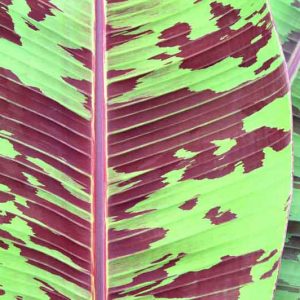
| Musa acuminata ‘Zebrina’ — ornamental blood banana | 5–8 ft tall and wide | Outdoors 10–11; 9b with strong protection. Best as a container outside the subtropics. | Striking red-mottled leaves; grown for foliage. Tender; wind can shred leaves—use shelter. |
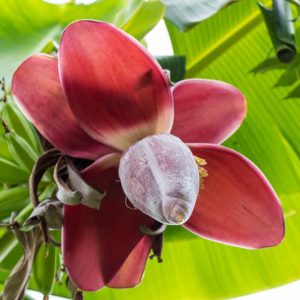
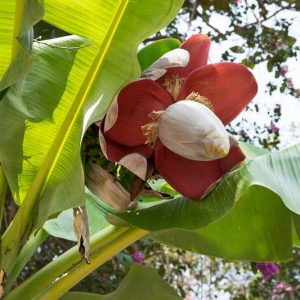
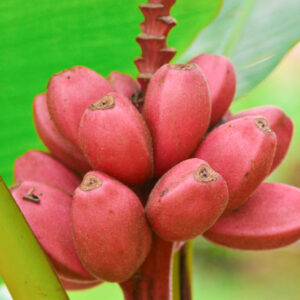
| Musa velutina — pink banana | 4–7 ft tall (to ~8 ft ideal), 3–5 ft spread | Year-round outdoors 9–11; often rhizome-hardy in 8a–8b with deep, dry mulch. Container elsewhere. | Fuzzy pink fruit that splits; edible pulp but very seedy. Can self-sow in frost-free gardens—deadhead to prevent. |
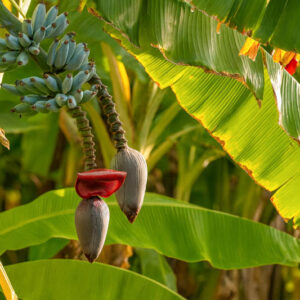
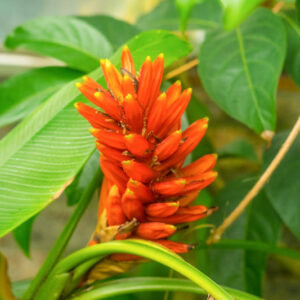
| Musa coccinea — scarlet banana | 3–5 ft tall (occasionally 6–8 ft), 3–5 ft spread | Best outdoors year-round in Zones 10–11. 9b: possible with warm microclimate and freeze protection. Container elsewhere. | Upright scarlet “torch” bracts for weeks; tender and not cold-hardy—grow for show, not fruit. |
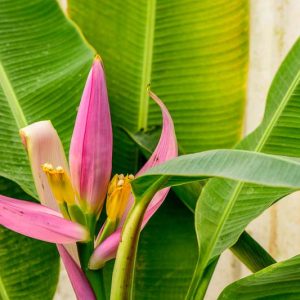
| Musa ornata — flowering banana | 6–9 ft tall, 5–7 ft spread | Outdoors 10–11; 9b with warm microclimate & freeze protection. Best as a container elsewhere. | Pink–lilac bracts for weeks; ornamental (not edible fruit). Tender—shelter from wind/cold. |
Pick one of these approaches based on how cold your winters get and whether you are chasing fruit or foliage.
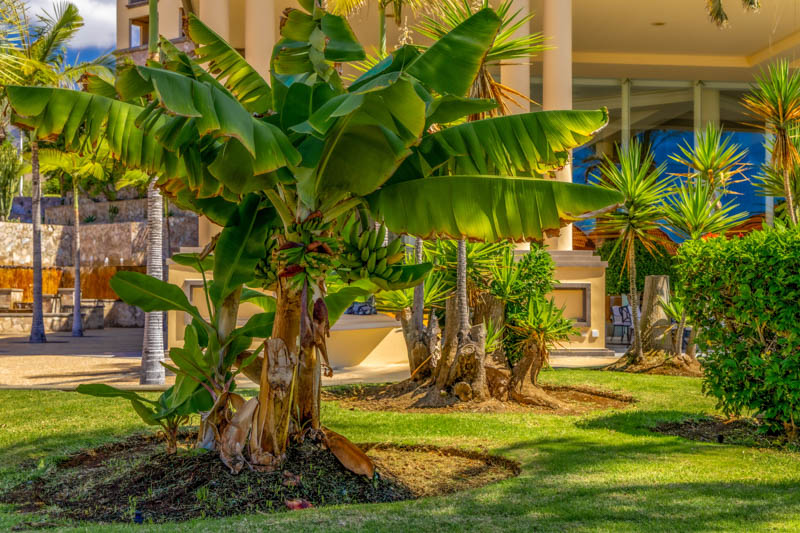
If you garden in 8a to 9a and want fruit, stack the deck.
| Goal | Best Choices | Zones | Notes |
|---|---|---|---|
| Cold-hardy foliage | Musa basjoo, Musa sikkimensis | 5–8 for rhizome survival | Mulch deeply; expect annual top dieback at the colder end. |
| Edible fruit in warm temperate | Dwarf Orinoco, Namwa, Raja Puri; Dwarf Cavendish in 9b+ or containers | 9a–9b+ (8b in containers/greenhouse) | Choose warm microclimates and early cultivars. |
| Container fruiting | Dwarf Cavendish, Raja Puri, Super Dwarf selections | Anywhere with winter shelter | Use 20–30 gallon pots and bright overwintering. |
| Tropical statement leaves | Ensete ventricosum, ornamental Musa like zebrina | 9b–11 outdoors; summer patio elsewhere | Lift or shelter before frost in cooler zones. |
| Tropical statement leaves & showy bracts | Musa ‘Zebrina’, Musa velutina, Musa coccinea, Musa ornata, Ensete ventricosum |
9b–11 outdoors; summer patio/containers elsewhere | Ornamental impact over edibility; shelter from wind; overwinter frost-free in cool zones. |
| Tropical statement leaves & showy bracts | Musella lasiocarpa | 7b–10 (occasionally 6 with very deep, dry winter protection). | Ornamental impact over edibility; shelter from wind. |
| Hardiness |
5 - 11 |
|---|---|
| Plant Type | Fruits, Perennials |
| Plant Family | Musaceae |
| Genus | Musa |
| Common names | Banana |
| Exposure | Full Sun |
| Season of Interest | Spring (Early, Mid, Late), Summer (Early, Mid, Late), Fall, Winter |
| Height | 6' - 25' (180cm - 7.6m) |
| Spread | 5' - 15' (150cm - 4.6m) |
| Maintenance | Average |
| Water Needs | Average |
| Soil Type | Chalk, Clay, Loam, Sand |
| Soil pH | Acid, Alkaline, Neutral |
| Soil Drainage | Moist but Well-Drained, Well-Drained |
| Characteristics | Showy, Evergreen, Fruit & Berries |
| Toxic to Humans | No known toxicity |
| Toxic to Cats | No known toxicity |
| Toxic to Dogs | No known toxicity |
| Toxic to Horses | No known toxicity |

Yes, with the right cultivar, heat, and protection. Early, compact types like Raja Puri or Dwarf Orinoco can flower and finish in long, hot 8b seasons, especially against warm walls. Plan to protect late bunches from early frosts.
Musa basjoo is the classic for rhizome hardiness. Even if tops die, crowned plants bounce back quickly when spring warms.
Probably not. Leaves are the first to go. Check the crown. If the rhizome is firm and protected, it should reshoot in late spring.
In 7–8, yes. A dry, breathable wrap around the pseudostem can carry it through light freezes and save months of growth toward fruiting.
Dwarf Cavendish and Raja Puri stay manageable and fruit under bright indoor or greenhouse overwintering. Use roomy, fast-draining mixes and feed lightly during warm weather.
If you are in Zones 3–6, lean on cold-hardy ornamentals like Musa basjoo for that jungle vibe, and run edible bananas in containers you can roll indoors. Zones 7–8 can build serious clumps with hardy species and coax fruit from early cultivars in warm pockets, provided you protect stems and bunches at the shoulders of the season. Zones 9–11 can choose almost any dessert banana or plantain and focus less on survival and more on wind, water, and nutrition. In every zone, wide mulch, good drainage, wind moderation, and a steady feed-and-water rhythm are the difference between limp leaves and that thrilling unfurling banner that says a new tropical day just started in your yard.
Updated: September 22, 2025
| Hardiness |
5 - 11 |
|---|---|
| Plant Type | Fruits, Perennials |
| Plant Family | Musaceae |
| Genus | Musa |
| Common names | Banana |
| Exposure | Full Sun |
| Season of Interest | Spring (Early, Mid, Late), Summer (Early, Mid, Late), Fall, Winter |
| Height | 6' - 25' (180cm - 7.6m) |
| Spread | 5' - 15' (150cm - 4.6m) |
| Maintenance | Average |
| Water Needs | Average |
| Soil Type | Chalk, Clay, Loam, Sand |
| Soil pH | Acid, Alkaline, Neutral |
| Soil Drainage | Moist but Well-Drained, Well-Drained |
| Characteristics | Showy, Evergreen, Fruit & Berries |
| Toxic to Humans | No known toxicity |
| Toxic to Cats | No known toxicity |
| Toxic to Dogs | No known toxicity |
| Toxic to Horses | No known toxicity |
Create a membership account to save your garden designs and to view them on any device.
Becoming a contributing member of Gardenia is easy and can be done in just a few minutes. If you provide us with your name, email address and the payment of a modest $25 annual membership fee, you will become a full member, enabling you to design and save up to 25 of your garden design ideas.
Join now and start creating your dream garden!
Create a membership account to save your garden designs and to view them on any device.
Becoming a contributing member of Gardenia is easy and can be done in just a few minutes. If you provide us with your name, email address and the payment of a modest $25 annual membership fee, you will become a full member, enabling you to design and save up to 25 of your garden design ideas.
Join now and start creating your dream garden!