Annual salvias are sun-loving flowering plants prized for vivid spikes and steady performance. They bloom from late spring through the first frost, feeding bees, butterflies, and hummingbirds.
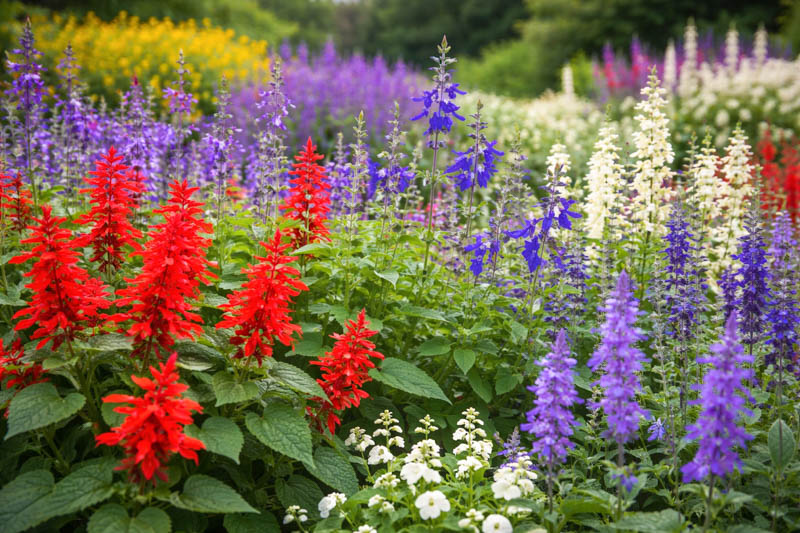


If you are looking for a plant that delivers nonstop color, attracts pollinators, and does not demand constant attention, annual salvias deserve a top spot in your garden. These vibrant performers combine bold flowers, tidy growth, and impressive heat tolerance, making them one of the most reliable annuals for beds, borders, and containers.
Quick reality check: if your summers are hot and your schedule is busy, annual salvias are the kind of plant that still shows up and performs.
Despite the name, “annual salvia” does not mean a single species. Instead, it refers to several salvia varieties that are grown as annuals because they do not survive freezing temperatures as opposed to hardy perennial salvias. The result is a category of plants that bloom fast, bloom long, and fit beautifully into both formal landscapes and relaxed cottage gardens.
Annual salvias are members of the Salvia genus that complete their life cycle in one growing season. While many salvias are technically tender perennials, they are treated as annuals in most climates because frost ends their growth. Many popular annual salvias are technically tender perennials that are grown as annuals in regions with frost.
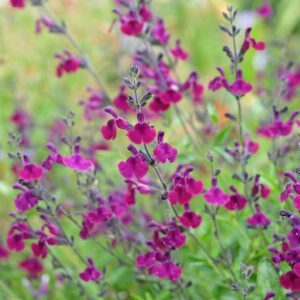
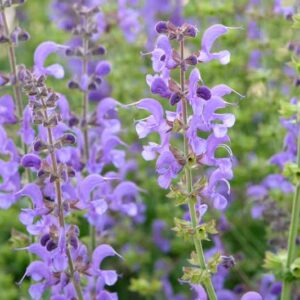
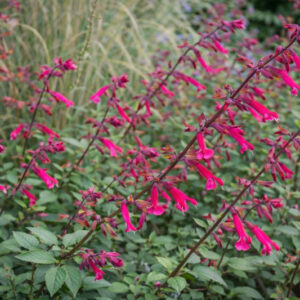
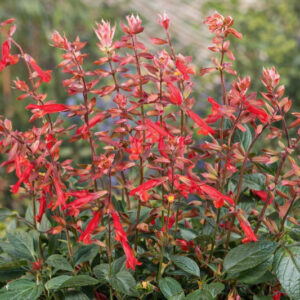
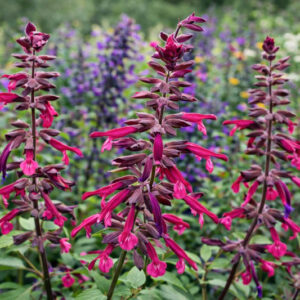
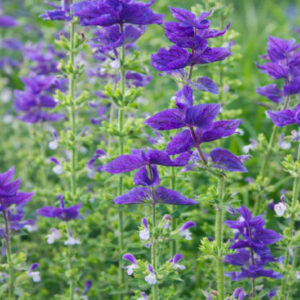
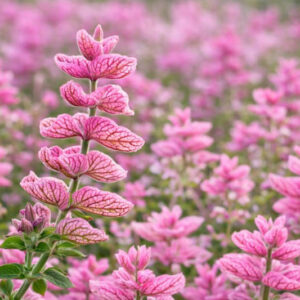
These plants are known for upright flower spikes, rich saturated colors, and aromatic foliage. Annual salvias are especially popular in modern gardening because they offer high visual impact with minimal maintenance.
Most annual salvias bloom from late spring until the first frost, often without interruption. Their ability to thrive in heat and sun makes them especially valuable in regions with long, hot summers.
Annual salvias check nearly every box gardeners care about. They are tough, adaptable, and visually striking. Here are a few reasons they consistently rank among the best annual flowering plants.
Unlike many traditional annuals, salvias do not collapse or stop flowering when temperatures climb. In fact, they often look their best during peak summer heat.
Quick reality check: if your summers are hot and your schedule is busy, annual salvias are the kind of plant that still shows up and performs.
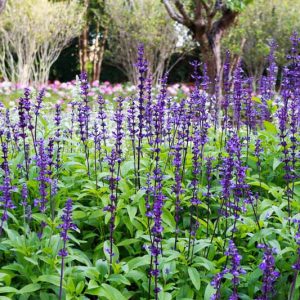
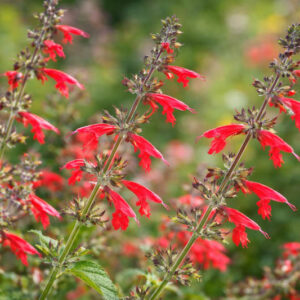
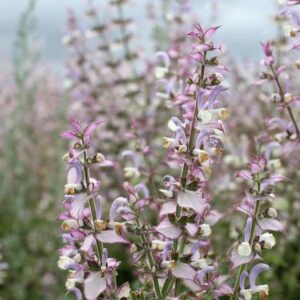
While there are dozens of varieties available, most annual salvias fall into a few main groups. Each has its own growth habit, flower style, and garden use. Common annual salvias include scarlet sage types, mealycup sage selections, and modern hybrid cultivars bred for compact growth and long bloom.
| Hardiness |
3 - 12 |
|---|---|
| Climate Zones | 1, 1A, 1B, 2, 2A, 2B, 3, 3A, 3B, 4, 5, 6, 7, 8, 9, 10, 11, 12, 13, 14, 15, 16, 17, 18, 19, 20, 21, 22, 23, 24, A1, A2, A3, H1, H2 |
| Plant Type | Annuals, Perennials, Shrubs |
| Plant Family | Lamiaceae |
| Genus | Salvia |
| Exposure | Full Sun, Partial Sun |
| Season of Interest | Spring (Early, Mid, Late), Summer (Early, Mid, Late), Fall |
| Maintenance | Low |
| Water Needs | Average |
| Soil Type | Chalk, Loam, Sand |
| Soil pH | Acid, Alkaline, Neutral |
| Soil Drainage | Moist but Well-Drained, Well-Drained |
| Characteristics | Dried Arrangements, Cut Flowers, Fragrant, Showy |
| Tolerances | Drought, Deer, Rabbit |
| Attracts | Bees, Birds, Butterflies, Hummingbirds |
| Landscaping Ideas | Beds And Borders, Patio And Containers, Wall-Side Borders |
| Garden Styles | City and Courtyard, Coastal Garden, Informal and Cottage, Mediterranean Garden, Prairie and Meadow |
| Toxic to Humans | No known toxicity |
| Toxic to Cats | No known toxicity |
| Toxic to Dogs | No known toxicity |
| Toxic to Horses | No known toxicity |
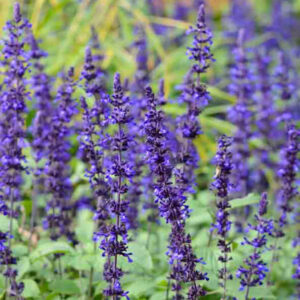
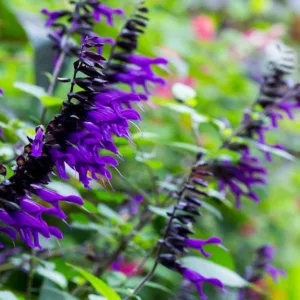
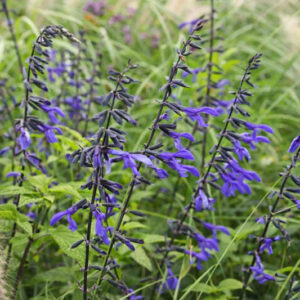
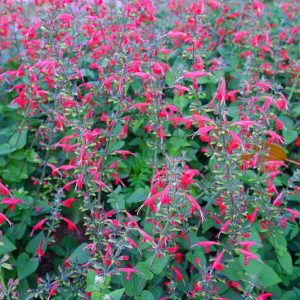
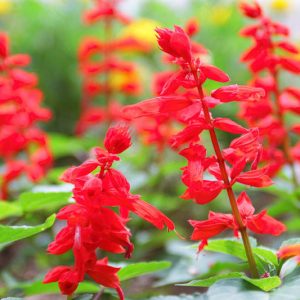
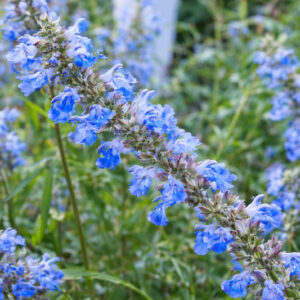
One of the biggest advantages of annual salvias is how forgiving they are. With a few basic conditions, they perform exceptionally well.
Full sun is ideal. Most annual salvias need at least six hours of direct sunlight per day to bloom heavily. In extremely hot climates, light afternoon shade can be beneficial but is not required.
Well-draining soil is essential. Salvias do not like wet feet, and soggy soil can lead to root problems. Average garden soil is usually sufficient, and overly rich soil can actually reduce flowering.
Young plants need regular watering while establishing roots. Once established, annual salvias are remarkably drought tolerant. Water deeply but infrequently, allowing the soil to dry slightly between waterings.
Too much fertilizer leads to lush foliage and fewer flowers. A light, balanced feeding once or twice during the season is usually enough. Many gardeners skip fertilizer entirely and still enjoy excellent blooms.
Annual salvias are known for being low maintenance, but a little attention can keep them looking their best.
Unlike many annuals, salvias rarely require constant grooming. Their natural growth habit stays neat and attractive without daily intervention.
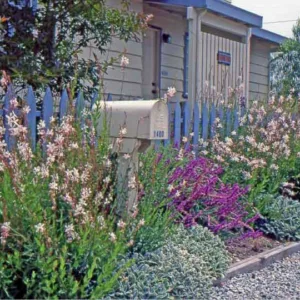
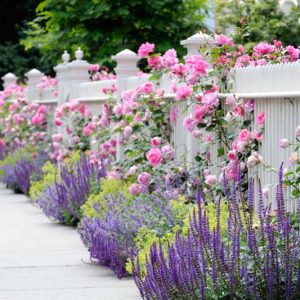
These plants are incredibly versatile. In landscape beds, they work well as edging plants, fillers, or vertical accents. Their upright form pairs beautifully with mounding annuals and trailing plants.
In containers, annual salvias add height and drama. They are often used as the “thriller” element in mixed pots, surrounded by softer textures and complementary colors.
Because they tolerate heat so well, they are ideal for sunny patios, balconies, and exposed locations where other flowers struggle.
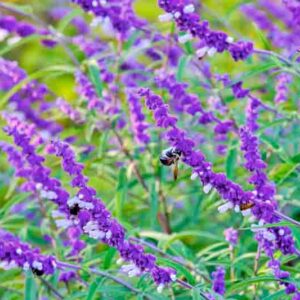
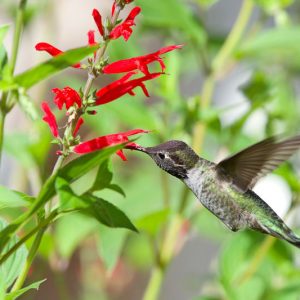
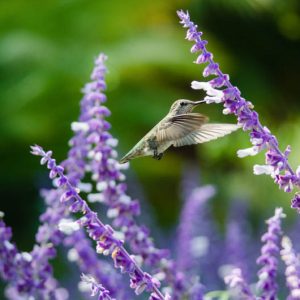
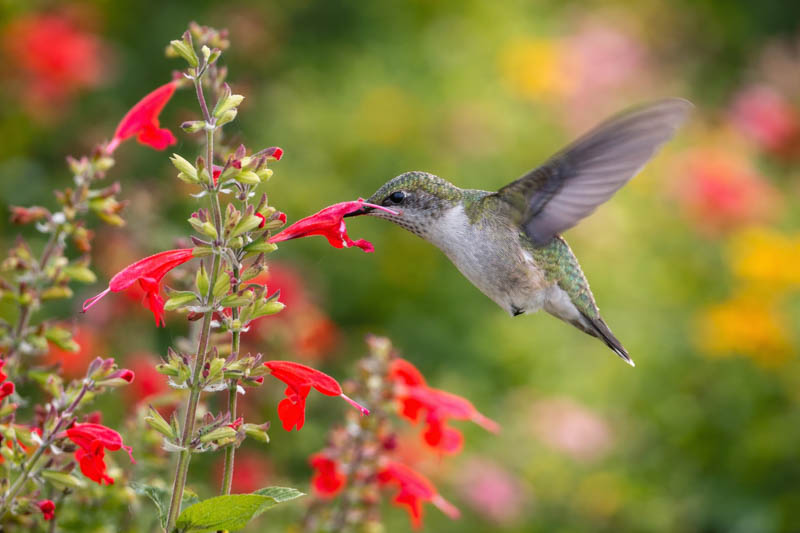
Annual salvias are powerhouse pollinator plants. Their tubular flowers are perfectly shaped for hummingbirds, while bees and butterflies flock to them throughout the season.
Planting salvias helps support local pollinator populations, especially during the hottest months when nectar sources can be scarce. Even a few plants can make a noticeable difference.
Annual salvias are generally trouble-free, but a few issues can appear under poor conditions.
Most problems are easily avoided by providing sun, good drainage, and moderate care.
In a world of high-maintenance plants, annual salvias stand out as dependable, hardworking performers. They bring strong color, ecological value, and design flexibility to gardens of all sizes.
Whether you are planting a large landscape bed or a single container, annual salvias deliver consistent results with minimal effort. Their resilience, beauty, and long bloom season make them one of the most valuable annuals available to modern gardeners.
If you want a plant that thrives in heat, supports pollinators, and looks great from spring through fall, annual salvias are not just a good option. They are an excellent one.
Annual salvias are flowering plants grown for one season that produce upright spikes of colorful blooms and thrive in sunny, warm conditions.
No. Annual salvias complete their life cycle in one growing season and are replanted each year in most climates.
Annual salvias bloom from late spring through the first frost, often flowering continuously all summer.
Yes. Annual salvias perform best in full sun, requiring at least six hours of direct sunlight daily for strong flowering.
Yes. Annual salvias are highly heat tolerant and continue blooming even during hot summer weather.
Water regularly until established, then water deeply but less often. Annual salvias prefer slightly dry soil over constant moisture.
Deadheading is optional. Many annual salvias bloom continuously without it, but trimming spent spikes can encourage fresh growth.
Lack of sun, excess fertilizer, or overwatering are the most common reasons annual salvias stop flowering.
Updated: January 2026 • Reviewed by Gardenia Editors
| Hardiness |
3 - 12 |
|---|---|
| Climate Zones | 1, 1A, 1B, 2, 2A, 2B, 3, 3A, 3B, 4, 5, 6, 7, 8, 9, 10, 11, 12, 13, 14, 15, 16, 17, 18, 19, 20, 21, 22, 23, 24, A1, A2, A3, H1, H2 |
| Plant Type | Annuals, Perennials, Shrubs |
| Plant Family | Lamiaceae |
| Genus | Salvia |
| Exposure | Full Sun, Partial Sun |
| Season of Interest | Spring (Early, Mid, Late), Summer (Early, Mid, Late), Fall |
| Maintenance | Low |
| Water Needs | Average |
| Soil Type | Chalk, Loam, Sand |
| Soil pH | Acid, Alkaline, Neutral |
| Soil Drainage | Moist but Well-Drained, Well-Drained |
| Characteristics | Dried Arrangements, Cut Flowers, Fragrant, Showy |
| Tolerances | Drought, Deer, Rabbit |
| Attracts | Bees, Birds, Butterflies, Hummingbirds |
| Landscaping Ideas | Beds And Borders, Patio And Containers, Wall-Side Borders |
| Garden Styles | City and Courtyard, Coastal Garden, Informal and Cottage, Mediterranean Garden, Prairie and Meadow |
| Toxic to Humans | No known toxicity |
| Toxic to Cats | No known toxicity |
| Toxic to Dogs | No known toxicity |
| Toxic to Horses | No known toxicity |
Create a membership account to save your garden designs and to view them on any device.
Becoming a contributing member of Gardenia is easy and can be done in just a few minutes. If you provide us with your name, email address and the payment of a modest $25 annual membership fee, you will become a full member, enabling you to design and save up to 25 of your garden design ideas.
Join now and start creating your dream garden!
Create a membership account to save your garden designs and to view them on any device.
Becoming a contributing member of Gardenia is easy and can be done in just a few minutes. If you provide us with your name, email address and the payment of a modest $25 annual membership fee, you will become a full member, enabling you to design and save up to 25 of your garden design ideas.
Join now and start creating your dream garden!