Musa (Banana) - Guides
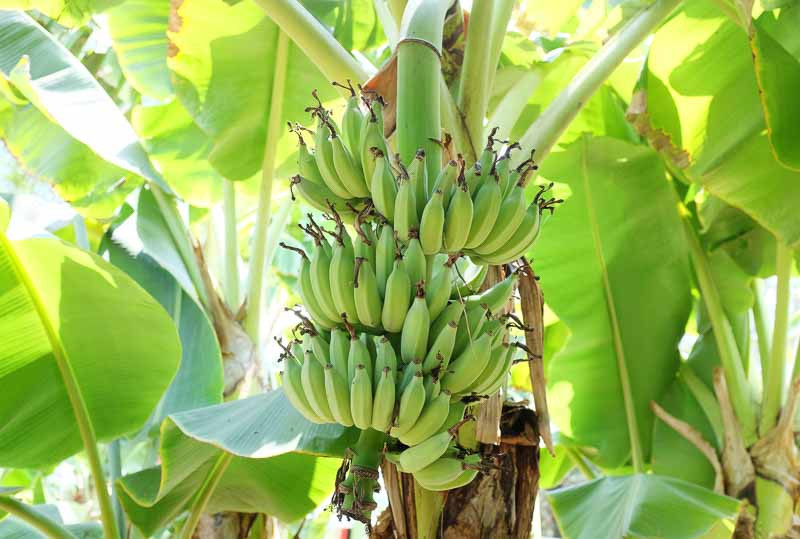
First fun fact: bananas aren’t trees—they’re giant herbs, and their fruit is botanically a berry. Get the quick explainer here: why bananas are berries. For dessert types, start with the species profile Musa acuminata; for cooking bananas/plantains, see Musa × paradisiaca.
Choose the right variety for your space and climate:
- ‘Dwarf Cavendish’ — compact, classic dessert banana for patios.
- M. acuminata ‘Zebrina’ — red-splashed leaves, superb ornamental.
- ‘Blue Java’ — custardy dessert type with bluish immature peel.
- Musa basjoo — best cold-hardy ornamental for temperate gardens.
- Musa ornata, M. coccinea, M. velutina — vivid, flower-forward ornamentals.
Site & soil: Full sun (6–8+ hours) and a deep, rich, moisture-retentive but well-drained bed. Work in compost generously and mulch wide. Bananas are heavy feeders—use balanced fertilizer “little and often.” Unsure about viral hacks? Read this first: banana peel fertilizer: does it really work?. Pair plants for beauty and performance with this guide: smart tropical companion plants.
Watering: Big leaves = big thirst. Water deeply and consistently in warm weather. In containers, check moisture daily during heat waves.
Ripening fruit: Harvest mature-green and finish indoors for better control. Speed things up (or slow them down) with these tricks: ripen bananas fast or slow.
Cold & winter: Know your limits before you plant. Use this guide to plan protection, storage, or container strategies by zone: can bananas survive your winter?. With the right variety, steady moisture, and regular feeding, your Musa can deliver tropical drama—and delicious fruit—right at home.