Create Your Garden

Peppers That Thrive in Containers, Pots, and Tiny Gardens

Discover the top peppers for small-space gardening. From sweet to spicy, these colorful, compact plants grow beautifully in pots, containers, and patios, bringing big flavor to any balcony or tiny garden without the need for a large yard—perfect for urban growers and pepper lovers everywhere.
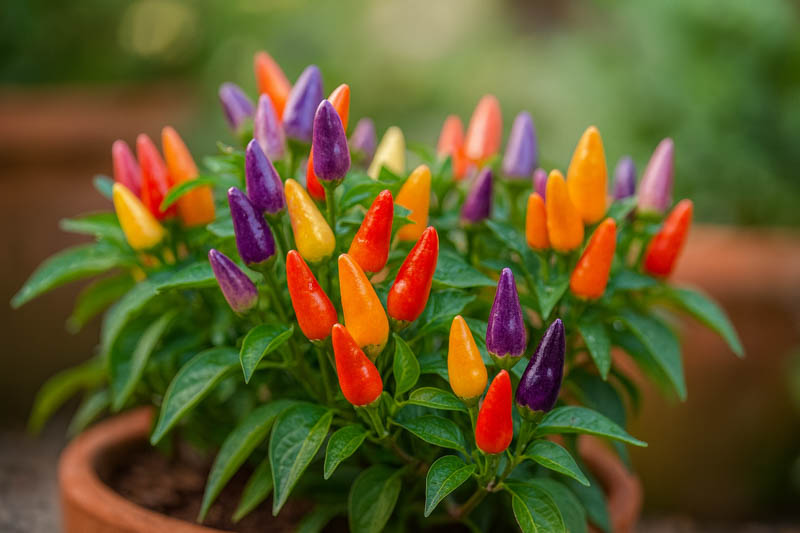
Pepper, Peppers, Small Pepper, Peppers for Containers,
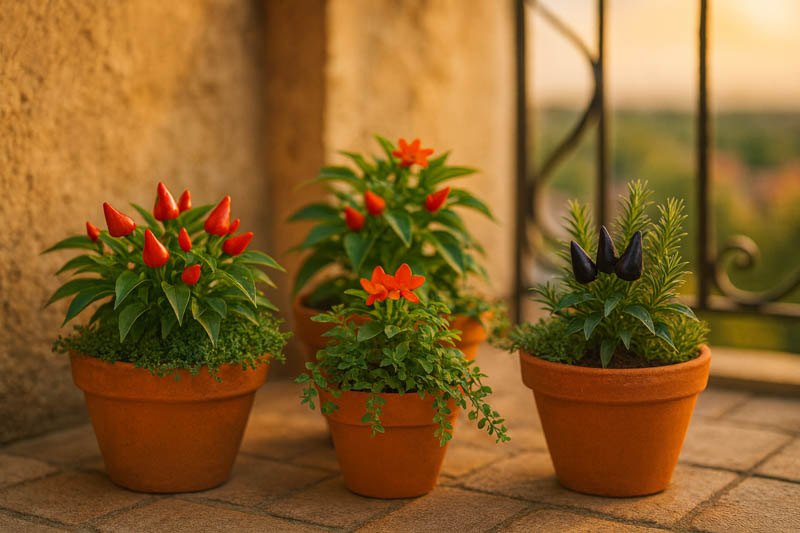
Biquinho Pepper, thyme, Cajun Belle Pepper, trailing oregano, Black Hungarian Pepper, dwarf rosemary
Chili Chili Pepper, Ornamental Pepper, Edible Pepper
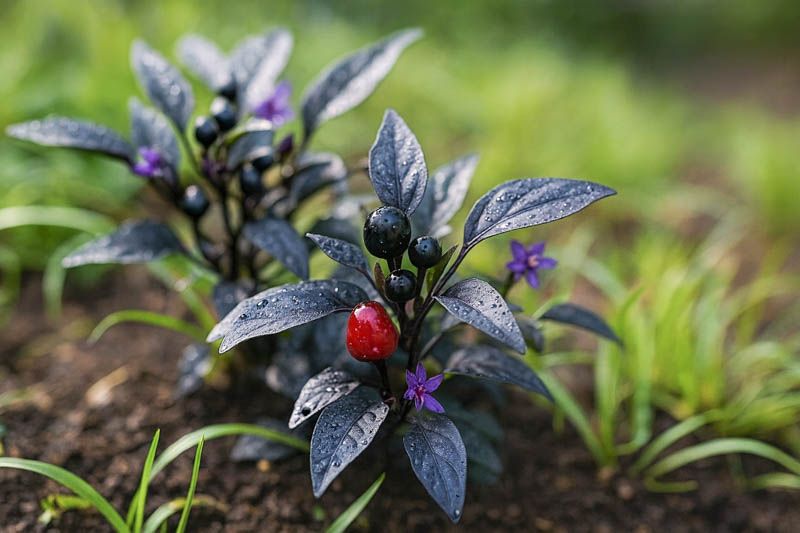
Black Purple Pepper, Ornamental Pepper, Edible Pepper
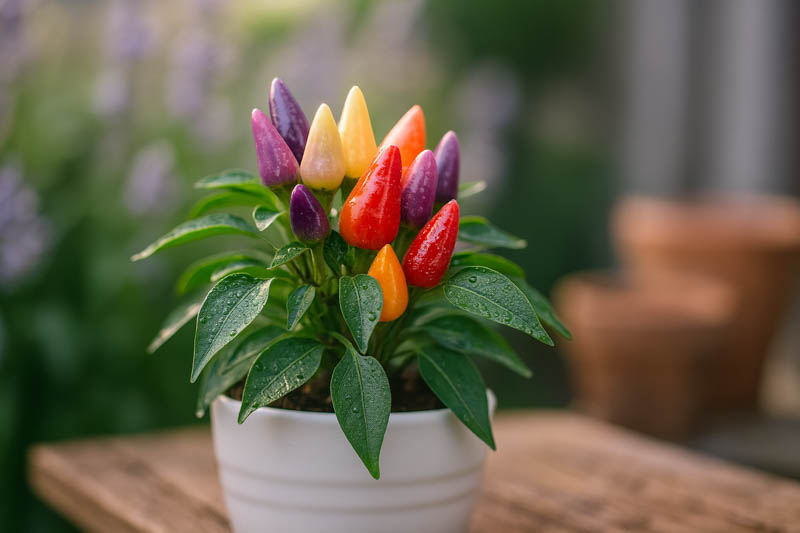
Brazilian Rainbow Pepper, Ornamental Pepper, Edible Pepper
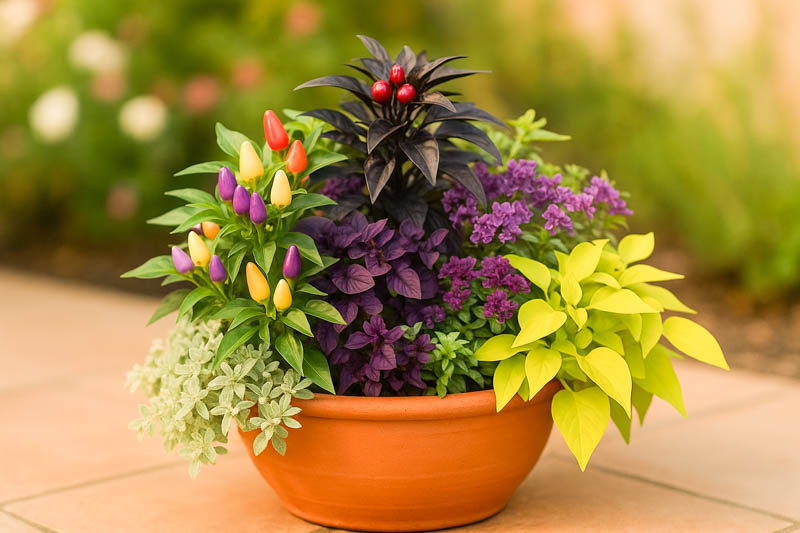
Black Pearl Pepper, Black Hungarian Pepper, Bolivian Rainbow Pepper, purple basil, Silver licorice , Helichrysum petiolare, chartreuse sweet potato vine,Ipomoea batatas,

Want to turn a sunny balcony, patio, or small garden bed into a productive pepper patch? With the right varieties and a few smart techniques, you can harvest dozens of vibrant, flavorful peppers from even the tiniest spaces. This guide covers the top compact peppers—sweet and hot, culinary and ornamental—plus pro tips for thriving container plants, space-saving layouts, and kitchen ideas for every harvest.
Why Choose Peppers for Small Spaces?

  • Compact cultivars fit anywhere: Many peppers naturally stay tidy or offer dwarf varieties, ideal for containers, window boxes, or crowded beds.
  • Long, colorful displays: Peppers yield from midsummer to frost, often in eye-catching color stages—making them edible ornamentals.
  • High productivity: Even 1–2 plants can yield dozens of pods for fresh eating, sauces, pickling, or drying—all from a pot as small as 2–5 gallons.
  • Variety for every palate: Choose from ultra-mild to superhot, plus sweet, tangy, smoky, or even fruity flavors.
  • Habit suits urban life: Balcony, stoop, and even sunny windowsill peppers are possible with compact, smaller-fruited types.

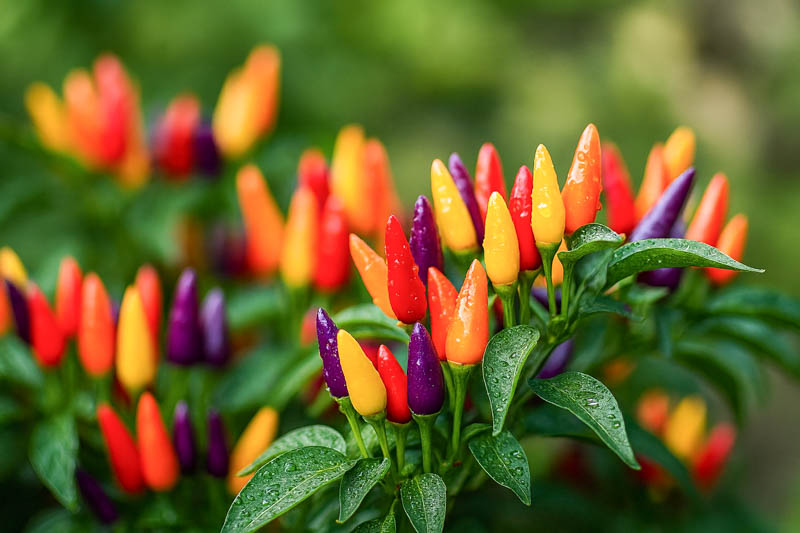
Numex Twilight Pepper, Ornamental Pepper, Edible PepperNumex Twilight Pepper

What Makes a Great Container Pepper?

  • Compact or dwarf growth (8–24” tall)
  • High yield per square inch
  • Short or medium fruit size (under 4” long is easiest)
  • Sturdy stems and dense branching
  • Decorative value (multicolor fruit or foliage, upright pods)

While almost any pepper can be grown in a pot, those bred for container life will reward you with bigger harvests, less staking, and more ornamental beauty.
Top Compact Peppers for Small Spaces

Sweet & Mild Container All-Stars

  • Mini Bell Peppers (“Mini Bell,” “Snackabelle”) – Bite-size bells (red, orange, yellow) on stocky plants; sweet crunch, up to 18” tall.
  • ‘Sweet Banana’ (and ‘Hungarian Sweet’) – Mild, slender yellow pods; 14–20” plants; very productive.
  • ‘Fushimi’ – A Japanese heirloom; sweet, thin-walled 6” pods, compact 2’ plants, perfect for stir-frying or pickling.
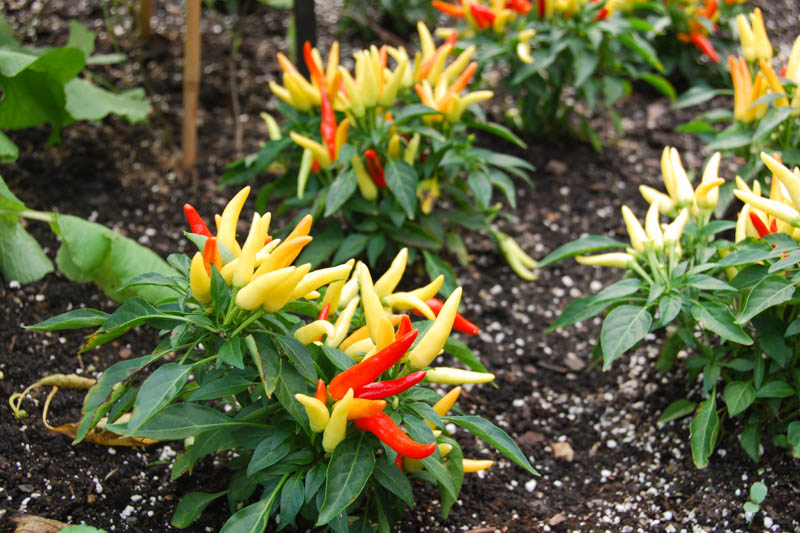
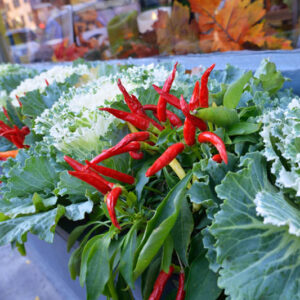
  • ‘Chilly Chili’ – No-heat, decorative fruits transition yellow to orange to red; safe for family patios; 10-12” bushy plants.
  • ‘Sweet Pickle’ – Mini multi-color fruits on 12” plants; tender and mild, ideal for pickling or snacking.

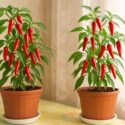
Chili Chili Pepper, Ornamental Pepper, Edible PepperChili Chili Pepper

Spicy and Culinary Compact Peppers

  • Jalapeño (‘Early Jalapeño’, ‘Jalapeño M’) – Classic hot green pods; container size keeps plants under 2’ but highly productive.
  • Shishito – Crowd-pleasing mild East Asian pepper; wrinkled 3-4” fruits, prolific on 18–24” plants.
  • Serrano (‘Serrano Chili’, ‘Serrano Tampiqueño’) – More compact than jalapeños; crisp heat; great for salsas, grows 18–24”.
  • Thai Hot (‘Thai Compact’, ‘Super Thai’) – Short (12–18”) plants, upright clusters of fiery pods, often 100+ chilies per plant.
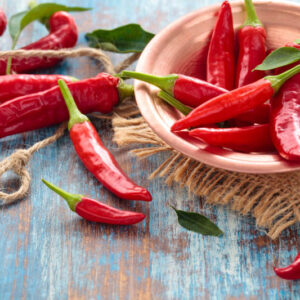
  • Cayenne (‘Cayennetta’, ‘Red Ember’) – 14–18” ornamental plants studded with slim hot red pods; great fresh, dried, or flaked.
  • Santaka – Japanese culinary chili, can be kept 18–24” in containers; prolific, spicy, ideal for powder or hot sauce.
  • Habanero (compact types) – ‘Orange Habanero’ or ‘Chocolate Habanero’ for super-hot lovers; small plants, high fruit set, best with 5-gallon pots.

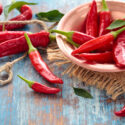
Cayenne, Cayenne Pepper, Guinea Pepper, Bird Pepper, Red Pepper, Cow-horn Pepper, Aleva Pepper, Finger Chili, Capsicum annuumCayenne Pepper

Decorative and Edible Ornamental Peppers

Ornamental peppers shine in small spaces: dramatic foliage, multicolor fruit, and small, edible (but sometimes very hot) pods.
  • ‘Medusa’ (dwarf, low heat): Upright slender pods, shifting from ivory to gold to orange to red; bushes stay 8–12.”
  • ‘Fire & Ice’ (dwarf, mild): Compact, up to 10”, with clusters of ivory, yellow, orange, and red ornamental “flames.”
  • ‘NuMex Twilight’/‘Easter’/‘Aurora’ (ornamental, hot): Small, dense bushes; pods ripen through purple, yellow, orange, red; very hot.
  • ‘Black Pearl’ (hot): Glossy black foliage; maroon to red fruit; irresistible in mixed containers.
  • Bolivian Rainbow (hot): Compact plant covered in upright fruits that ripen purple → yellow → orange → red, often all at once. Great in a 10–12″ pot.

Bolivian Rainbow Pepper, Ornamental Pepper, Edible PepperBolivian Rainbow Pepper

Quick-Reference Table: Best Peppers for Containers

Variety Type Plant Size Fruit Notes
Mini Bell Sweet, mild 12–18” Bite-size bell Great for snacking, colorful display
Chilly Chili Ornamental, no-heat 10–12” Yellow–red small pods Safe for children/pets
Jalapeño Hot 18–24” Green, 3” Classic flavor, high yield
Shishito Mild 20–24” Wrinkled, 3–4” Heirloom, prolific
Thai Hot Very hot 12–18” 1” upright clusters Extremely productive
Santaka Hot 16–20” Small, spicy Japanese, easy for powder
NuMex Twilight Ornamental hot 12–16” Multicolor, 1–2” Showy, very hot
Sweet Pickle Sweet ornamental 10–12” Multicolor, 2” Great for pickling

Tips for Thriving Pepper Plants in Containers

  • Pot size: Use at least a 2–3 gallon (8–12 L) container for small plants; 5 gallons for larger types or maximum yields[1][9].
  • Drainage: Ensure pots have ample drainage holes to prevent waterlogging and root rot.
  • Soil: Use a rich, well-drained potting mix (not garden soil). Amend with compost or slow-release fertilizer.
  • Sunlight: 6–8 hours daily is ideal. South- or west-facing balconies or patios work best; supplement with grow lights indoors.
  • Watering: Peppers in pots dry out faster—check daily in summer and water deeply when top inch is dry. Mulch to prevent rapid drying.
  • Feeding: Fertilize every 2–3 weeks with a balanced, diluted organic fertilizer, or side-dress with compost at first bloom and fruit set[1][5].
  • Support: Small stakes or cages prevent heavy peppers from bending stems, even in “compact” varieties.
  • Rotate: Turn containers for even sun and fruiting.

Compact pepper and herb container ideas

Space-Smart Layouts and Edible Design Ideas

  • Cluster in containers: Mix sweet, hot, and ornamental peppers for a long, colorful display (and extended harvest).
  • Border brilliant: Use smallest pepper types to edge beds, walkways, or big patio boxes (Chilly Chili, Medusa, Sweet Pickle).
  • Top off mixed planters: Compact upright peppers make dramatic centerpieces among edible herbs like basil, chives, and thyme.
  • Hanging baskets: Dwarf or upright ornamentals can spill or stand tall in baskets for balcony beauty and snacks at arm’s reach.

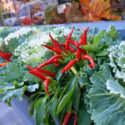
Black Pearl Pepper,  Black Hungarian Pepper, Bolivian Rainbow Pepper, purple basil, Silver licorice , Helichrysum petiolare, chartreuse sweet potato vine,Ipomoea batatas,

Harvesting, Cooking, and Saving Seeds

  • Frequent harvests = more fruit: Pick peppers at the color and size you need; regular picking boosts continued flowering.
  • Early stage (green, purple, or orange fruit): Firmer, more grassy or zesty flavor; great for salads, salsas, or pickling.
  • Fully ripe (red, yellow): Sweeter, more complex, usually hotter for hot types[5].

Great Kitchen Uses for Container Peppers

  • Quick pickles: Slice pods of all colors; brine with vinegar, sugar, and spices for a fridge pickle ready in 48 hours.
  • Fermented hot sauce: Submerge chopped peppers in 2% salt brine for 7–10 days, then blend with vinegar.
  • Salsas & relishes: Add minced Thai or jalapeño for heat, sweet bells for crunch.
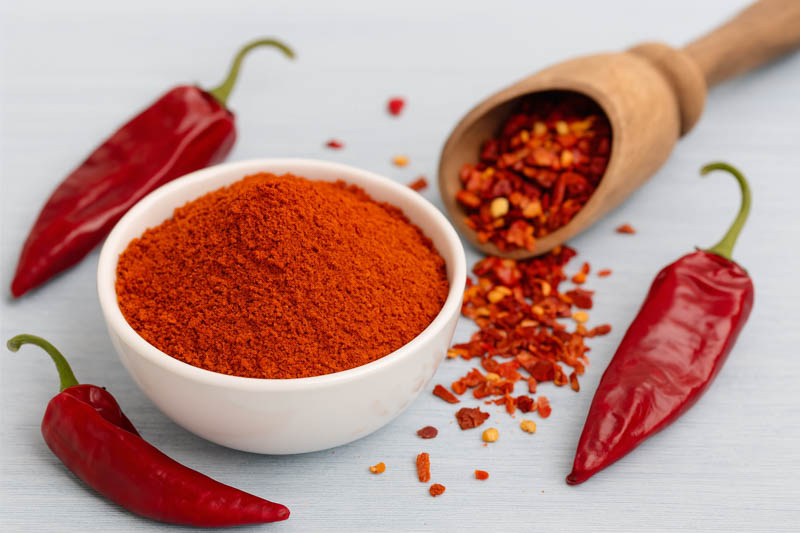
  • Pepper flakes or powder: Dry ripe pods, crumble or grind for custom heat.

Saving Seeds—Container Gardeners’ Tips

  • Open-pollinated varieties (‘Fish’, ‘Chinese Five-Color’, many ornamentals) will grow true if kept isolated from other types.
  • In small gardens, expect occasional hybrid surprises if growing many peppers—delightful for experimentation but not for breeding consistency!

Black Purple Pepper, Ornamental Pepper, Edible PepperBlack Pearl Pepper

Pitfalls and Troubleshooting in Small Spaces

  • Wilting/drought: Water deeply and mulch. Small pots can dry in hours in hot sun.
  • Blossom drop: Seen in high heat (>95°F/35°C), cold nights, or low humidity. Provide afternoon shade, mulch, and steady watering; avoid over-fertilizing with nitrogen.
  • Pests: Aphids and spider mites thrive on stressed plants—mist often, rinse with water, and use insecticidal soap if needed.
  • Fertilizer burn: Underfeed rather than overfeed—salt buildup in small soil volumes hurts roots. Flush containers monthly.

Conclusion: Abundant Harvests, No Garden Required

With the right pepper varieties and a few savvy growing tricks, any sunny small space can yield a parade of flavors and colors rivaling full-scale gardens. Whether for culinary adventure, family snacking, or sheer color, peppers prove there’s no such thing as “too small to grow.”

Tip: Don’t limit yourself—experiment each season with a new compact variety! Even a single pot can showcase incredible taste and decorative value from spring to frost.

Ready to start your small-space pepper patch? Grab a pot, some seeds, and let the harvest surprise you!

Frequently Asked Questions

How small a container is too small?

For best yield, pots should be 2 gallons minimum for mini or ornamental types and 3–5 gallons for classic culinary varieties. Tiny 6–8″ pots are for ultra-dwarf ornamentals only—expect limited fruit.

Can I grow peppers indoors?

Yes! South-facing windowsills or under LED grow lights, especially with compact, upright types, work well year-round.

Do container peppers cross-pollinate?

Yes, but this only affects seeds you save, not the current fruit. Separate seed-saving stock for “true” repeats next year.

Can I mix pepper types in one large container?

Yes, but choose similar-sized, compact varieties for best results. Avoid crowding vigorous hot peppers with delicate ornamentals.

Guide Information

Hardiness 9 - 12
Plant Type Annuals, Perennials
Plant Family Solanaceae
Genus Capsicum
Exposure Full Sun
Season of Interest Spring (Late), Summer (Early, Mid, Late)
Height 1' - 5' (30cm - 150cm)
Spread 1' - 2' (30cm - 60cm)
Maintenance Low
Water Needs Average
Soil Type Loam, Sand
Soil pH Acid, Neutral
Soil Drainage Moist but Well-Drained, Well-Drained
Characteristics Showy
Tolerance Deer, Drought
Attracts Birds
Landscaping Ideas Beds And Borders, Patio And Containers
Garden Styles Informal and Cottage, Mediterranean Garden

Recommended Guides

Edible Ornamentals: Peppers That Look as Good as They Taste
Why Chili Peppers Burn—and the Science That Makes Them Addictive
Best Pepper Companion Plants (and Ones to Avoid)
15 Exotic Fruits That Are Healthier Than You Think
Best Cold-Hardy Citrus Fruits to Grow at Home
Why Rosemary is Perfect for Gardens and Pots
Grow These 20 Herbs Indoors for Freshness All Year
20 Best Flowers for a Thriving Vegetable Garden
Lime: How to Use, Eat, Grow, and Boost Your Health
From Maypop to Granadilla: Discover the Best Passion Fruit for Your Garden
Compare All Capsicum (Pepper)
Compare Now
Guides with
Capsicum (Pepper)
While every effort has been made to describe these plants accurately, please keep in mind that height, bloom time, and color may differ in various climates. The description of these plants has been written based on numerous outside resources.

Guide Information

Hardiness 9 - 12
Plant Type Annuals, Perennials
Plant Family Solanaceae
Genus Capsicum
Exposure Full Sun
Season of Interest Spring (Late), Summer (Early, Mid, Late)
Height 1' - 5' (30cm - 150cm)
Spread 1' - 2' (30cm - 60cm)
Maintenance Low
Water Needs Average
Soil Type Loam, Sand
Soil pH Acid, Neutral
Soil Drainage Moist but Well-Drained, Well-Drained
Characteristics Showy
Tolerance Deer, Drought
Attracts Birds
Landscaping Ideas Beds And Borders, Patio And Containers
Garden Styles Informal and Cottage, Mediterranean Garden
Compare All Capsicum (Pepper)
Compare Now
Guides with
Capsicum (Pepper)

Related Items

Please Login to Proceed

You Have Reached The Free Limit, Please Subscribe to Proceed

Subscribe to Gardenia

To create additional collections, you must be a paid member of Gardenia
  • Add as many plants as you wish
  • Create and save up to 25 garden collections
Become a Member

Plant Added Successfully

Your garden is taking shape. Unlock full planning.

You’ve reached the free limit. Upgrade for $25/year to add as many plants as you wish and save up to 25 garden collections. Unlock Annual Membership

Update Your Credit
Card Information

Cancel

Create a New Collection

Sign Up to Our Newsletter

    You have been subscribed successfully

    Join Gardenia.net

    Create a membership account to save your garden designs and to view them on any device.

    Becoming a contributing member of Gardenia is easy and can be done in just a few minutes. If you provide us with your name, email address and the payment of a modest $25 annual membership fee, you will become a full member, enabling you to design and save up to 25 of your garden design ideas.

    Join now and start creating your dream garden!

    Join Gardenia.net

    Create a membership account to save your garden designs and to view them on any device.

    Becoming a contributing member of Gardenia is easy and can be done in just a few minutes. If you provide us with your name, email address and the payment of a modest $25 annual membership fee, you will become a full member, enabling you to design and save up to 25 of your garden design ideas.

    Join now and start creating your dream garden!
    Find your Hardiness Zone

    Find your Heat Zone

    Find your Climate Zone