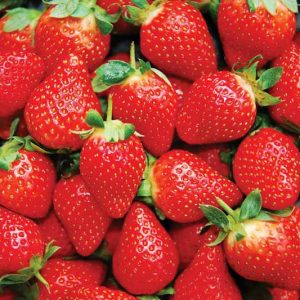
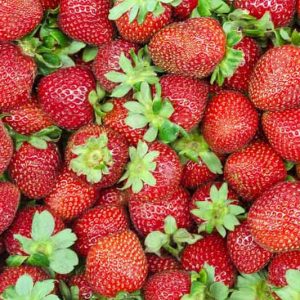
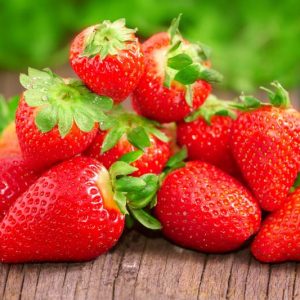
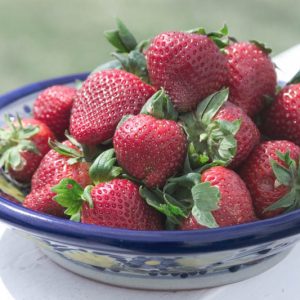
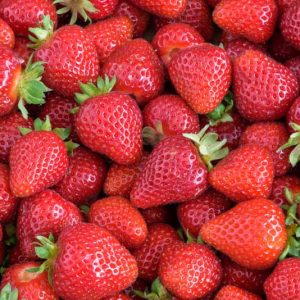
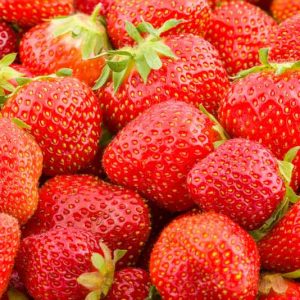
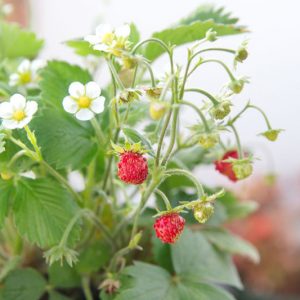
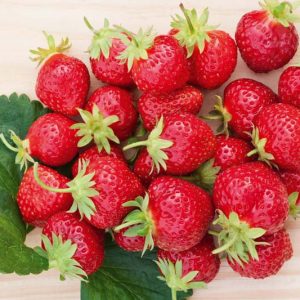
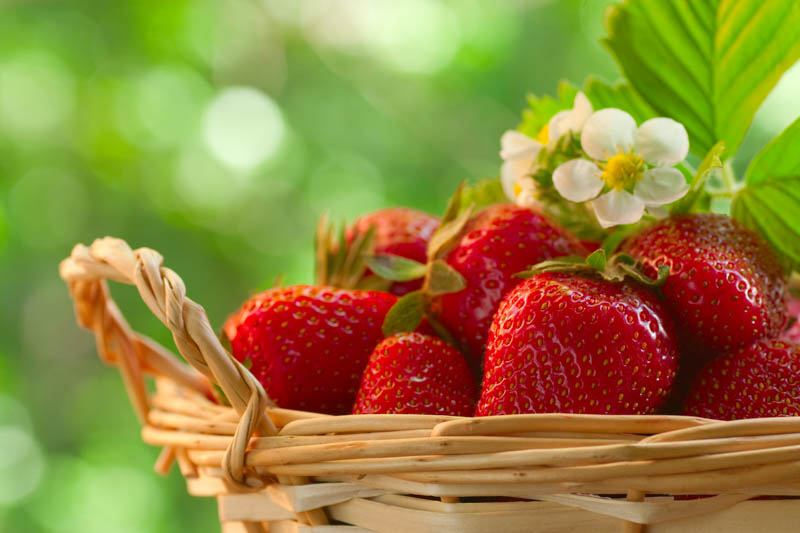
Strawberries come in flavors and forms to fit every garden dream: June-bearers for one glorious jam-making harvest, everbearers for two or three sweet flushes, and day-neutrals for steady snacks all summer. Add the perfume-rich charm of alpines, quirky pineberries, or heritage musk, scarlet, and beach strawberries for variety and delight.


If you’ve ever stood in a nursery staring at labels that say June-bearing, everbearing, day-neutral, alpine, pineberry, or even musk and thought… what does any of this mean? You’re not alone. Strawberries are delightfully simple to grow and surprisingly diverse. This conversational guide breaks down the main kinds, when they fruit, how they behave in the garden, and which ones belong in beds, pots, or that sunny sliver by the back steps. By the end, you’ll know exactly which strawberries match your space, climate, and dessert plans.
Strawberries fall into a few practical buckets: June-bearing (one large early-summer crop), everbearing (two to three smaller flushes), and day-neutral (steady trickle of berries in warm weather). Then there are specialty types: alpine strawberries (petite, perfume-rich fruit), pineberries (white to blush with pineapple notes), and heritage species like musk (intensely aromatic), plus wild parents like beach and scarlet. Your best pick depends on whether you want one giant jam-fest, snacks all season, or a container-friendly edging that surprises you with tiny jewels.
| Topic | Details |
|---|---|
| Botanical groups | Fragaria × ananassa (most garden types), Fragaria vesca (alpine/wild), Fragaria moschata (musk), Fragaria chiloensis (beach), Fragaria virginiana (scarlet), plus specialty selections like pineberries (white-fruited F. × ananassa) |
| Main fruiting patterns | June-bearing (one big crop), everbearing (2–3 flushes), day-neutral (continuous in warm weather) |
| Typical USDA zones | Garden types 4–9; alpines often 3–9; musk varies by selection/provenance |
| Sun & exposure | Full sun for best yield and sweetness; light afternoon shade helps in hot summers |
| Soil & pH | Rich, well-drained, consistently moist; slightly acidic (pH ~6.0–6.8) |
| Watering target | About 1–1.5 inches per week; drip or soaker lines reduce fruit rot |
| Spacing & habit | Garden types send runners (June-bearers most vigorous); day-neutrals/everbearers often runner less; alpines form clumps; pineberries behave like garden types |
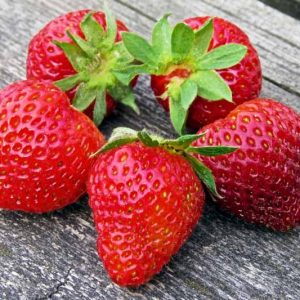
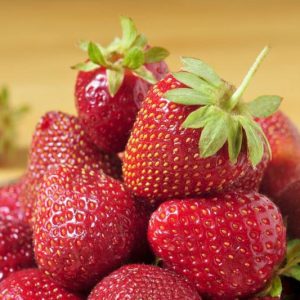
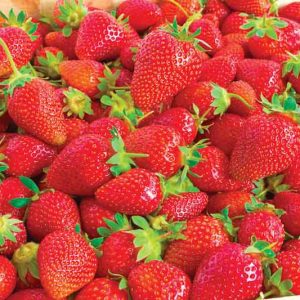
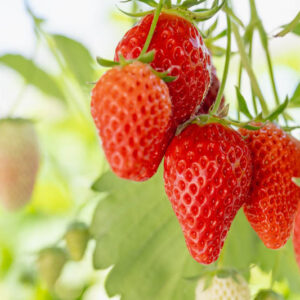
June-bearing plants are the traditional backbone of home patches. They build up energy all spring, then unload one concentrated harvest over two or three weeks in early summer. That big burst is perfect for jam-making, freezing trays of berries, or hosting a shortcake party. If you want full bowls fast, these are your go-to.
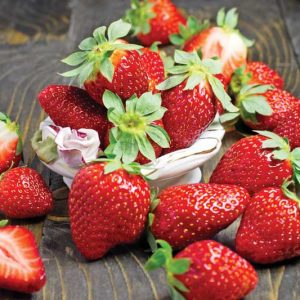
Everbearers hedge their bets. You’ll typically get an early crop, another in late summer, and sometimes a smaller bonus in fall. Individual flushes aren’t as massive as June-bearers, but you’ll enjoy multiple waves of fruit without replanting different beds.
Care tip: Lightly feed after the first flush to support the second. Keep water steady through summer heat to avoid small, seedy berries.
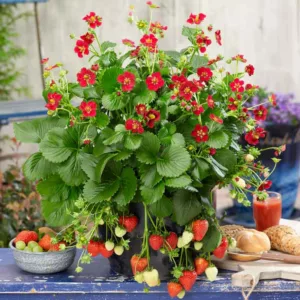
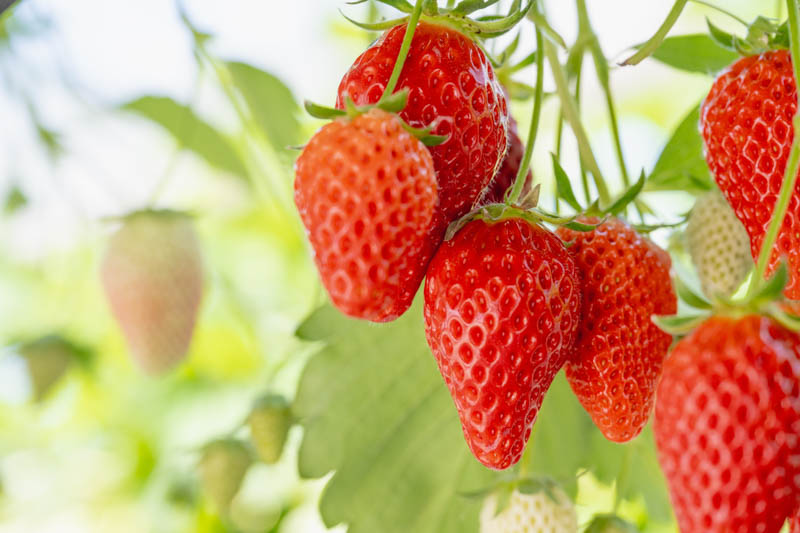
Day-neutral types don’t mind day length much; given warmth and even moisture, they’ll flower and fruit steadily. You won’t get the avalanche of June-bearers, but you’ll pick frequently from late spring into fall.
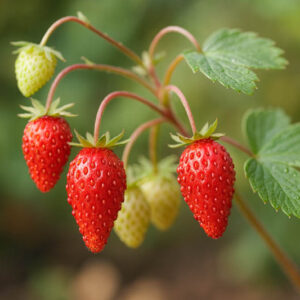
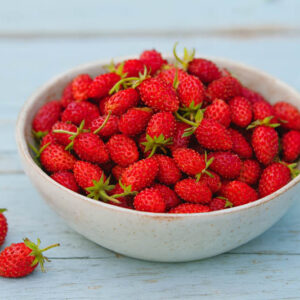
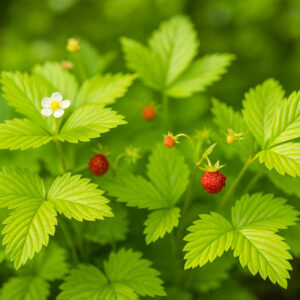
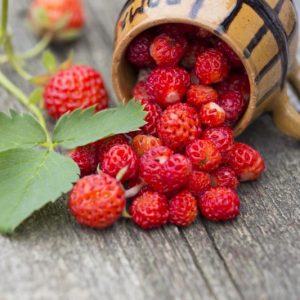
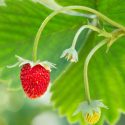
Alpines, also called wild or woodland strawberries, are the romantics of the strawberry world—petite, intensely aromatic, and elegant. They rarely send runners, forming neat clumps that edge paths beautifully or spill from window boxes. Fruit is small but powerfully flavored, often described as candy-sweet with a woodland perfume.
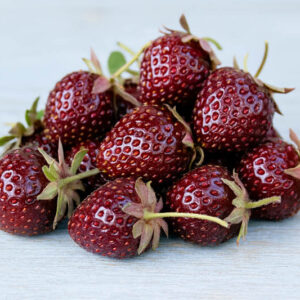
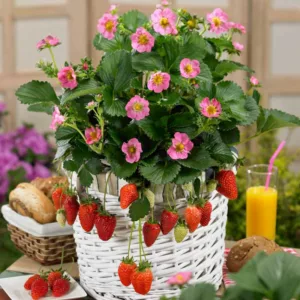
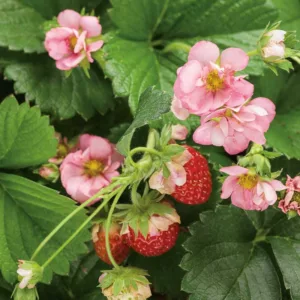
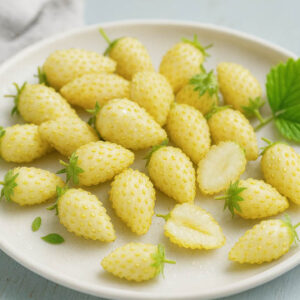
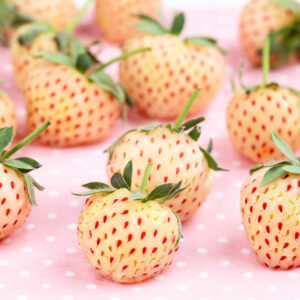
Pineberries are white or pale blush garden strawberries with red seeds and a flavor that leans tropical—often described as strawberry with hints of pineapple. They’re not just novelties; when picked fully ripe, they’re fragrant and sweet.
Musk strawberries are a heritage European species with a musky, spicy fragrance some folks find addictive. Fruits are medium-small and soft, best enjoyed fresh. They’re less common in nurseries but beloved by flavor chasers.
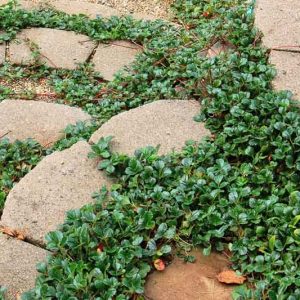
Two wild parents underpin modern garden strawberries: the coastal Fragaria chiloensis and the meadow-loving Fragaria virginiana.
The modern garden strawberry (Fragaria × ananassa) originated in 18th-century Europe as a natural hybrid between F. virginiana (flavor, hardiness) and F. chiloensis (size, vigor).
| Type | What You Get | Best For | Runner Habit |
|---|---|---|---|
| June-bearing | One big early-summer crop | Jams, freezing, big parties | Vigorous |
| Everbearing | Two to three waves | Steady desserts, small households | Moderate |
| Day-neutral | Continuous trickle in warmth | Pots, patios, frequent snacking | Often modest |
| Alpine (F. vesca) | Tiny, intensely aromatic berries | Edging, ornamental pots, garnishes | Usually none |
| Pineberry | White/blush fruit with tropical notes | Novelty bowls, desserts, mixed plantings | Typical garden runners |
| Musk (F. moschata) | Soft, musky, spicy aroma | Flavor connoisseurs | Low to moderate |
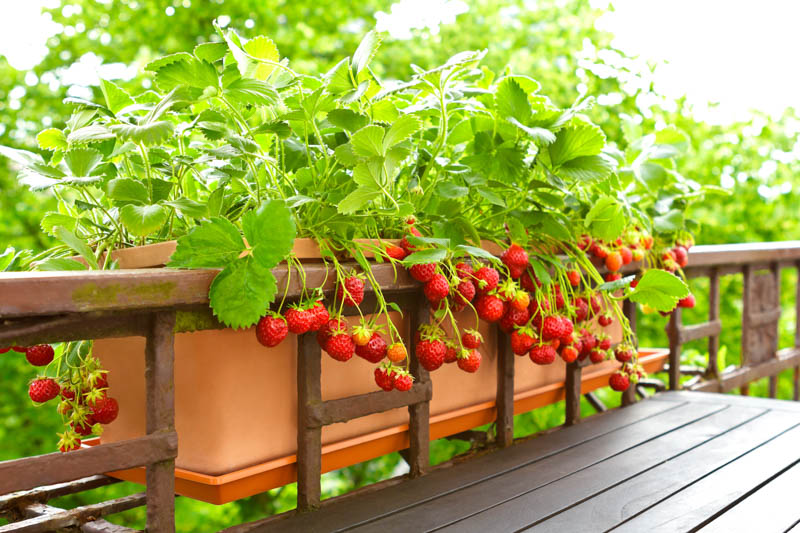
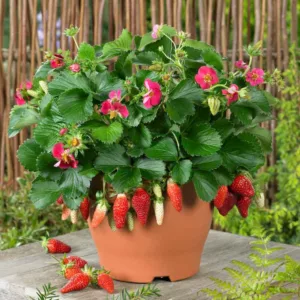
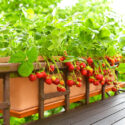
Pick day-neutral or everbearing garden types, or alpines for charm. Use a 12–16 inch pot per plant, refreshed with rich, well-drained mix each season. Keep moisture even and runners to a minimum.
Day-neutrals are snack champions—there’s almost always something to pick. Alpines are irresistible for little hands and noses.
June-bearers win. That concentrated harvest means one productive weekend yields jars and bags for months.
All strawberries appreciate steady moisture and a bit of afternoon shade when temperatures soar. Day-neutrals and alpines may pause during heat spikes; they’ll resume once nights cool.
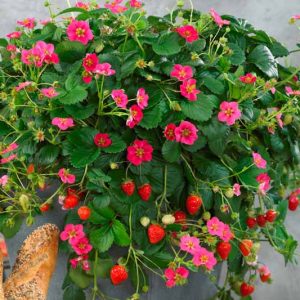
Alpines make polished borders; pineberries add conversation-starting color. Blend with herbs like thyme and chives for low-maintenance companion planting.
| Season | Tasks |
|---|---|
| Late winter–early spring | Top-dress with compost, set drip lines, prune dead leaves, plant new crowns when soil is workable |
| Spring–early summer | Mulch, water evenly, pick at full color every 1–2 days, remove overripe fruit promptly |
| Midsummer | Renovate June-bearers; for day-neutrals/everbearers, lightly feed after first flush and maintain shade/water during heat |
| Fall | Transplant rooted runners, tidy foliage, top-dress with compost, deep water before hard freezes in dry regions |
| Winter | Mulch crowns after soil cools; protect from heave-thaw; watch for vole activity under mulch |
Low herbs like chives and thyme attract pollinators and beneficial insects. Marigolds add color and can help distract pests. Leafy neighbors like lettuce share water without towering over the berries. Avoid crowding with tall, heavy-feeding brassicas such as broccoli, cauliflower, Brussels sprouts, cabbage, kale in the same bed; they shade and compete right when strawberries are sweetening up.
For design ideas and plant pairings, see Best Strawberry Companion Plants.
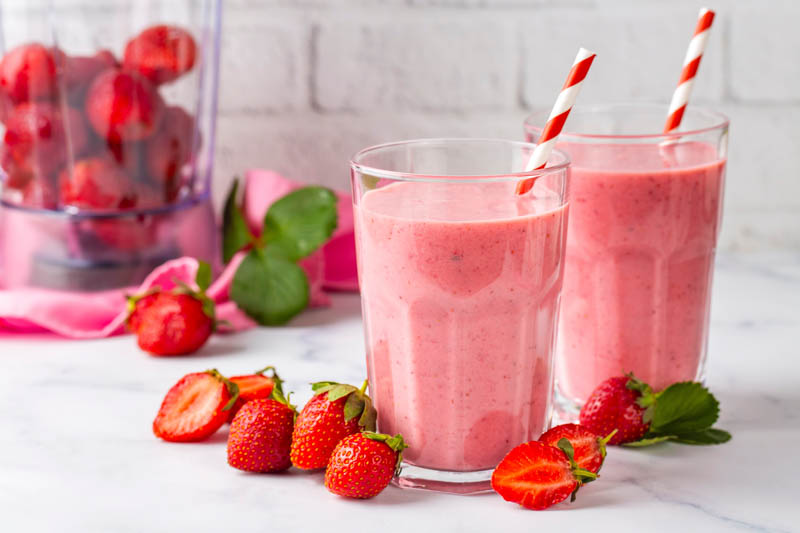
June-bearers. If you dream in jam jars or freezer bags, they’re designed for one spectacular flush.
Day-neutral for the win, with everbearers as a close second. You’ll pick regularly in warm weather.
Absolutely—if you care about aroma and finesse. Alpines are edging jewels and taste like concentrated summer.
No. Most strawberries are self-fertile, but bee traffic improves berry fill. Plant nectar friends like alyssum and thyme nearby.
Water evenly, refresh mulch, and offer light afternoon shade. Pick a bit earlier in the morning and cool quickly.
For June-bearers in rows, yes—within reason. For containers and day-neutrals, pinch most runners to keep fruit quality high.
Think about how you plan to eat your strawberries, then pick the habit that fits. June-bearers are the one-and-done champions for preserving. Everbearers and day-neutrals keep the snack bowls full. Alpines perfume borders and desserts with tiny treasures. Pineberries bring novelty and tropical vibes. No matter the type, give them sun, rich soil, steady moisture, and a soft bed of mulch—and you’ll be picking with a grin all season.
Updated: September 16, 2025 • Reviewed by Gardenia Editors
| Hardiness |
4 - 9 |
|---|---|
| Plant Type | Fruits, Perennials |
| Plant Family | Rosaceae |
| Genus | Fragaria |
| Season of Interest | Spring (Late), Summer (Early, Mid, Late), Fall |
| Characteristics | Semi-Evergreen, Fruit & Berries |
| Landscaping Ideas | Beds And Borders, Hanging Baskets, Patio And Containers |
| Garden Styles | City and Courtyard, Informal and Cottage |
| Toxic to Humans | No known toxicity |
| Toxic to Cats | No known toxicity |
| Toxic to Dogs | No known toxicity |
| Toxic to Horses | No known toxicity |
| Hardiness |
4 - 9 |
|---|---|
| Plant Type | Fruits, Perennials |
| Plant Family | Rosaceae |
| Genus | Fragaria |
| Season of Interest | Spring (Late), Summer (Early, Mid, Late), Fall |
| Characteristics | Semi-Evergreen, Fruit & Berries |
| Landscaping Ideas | Beds And Borders, Hanging Baskets, Patio And Containers |
| Garden Styles | City and Courtyard, Informal and Cottage |
| Toxic to Humans | No known toxicity |
| Toxic to Cats | No known toxicity |
| Toxic to Dogs | No known toxicity |
| Toxic to Horses | No known toxicity |
Create a membership account to save your garden designs and to view them on any device.
Becoming a contributing member of Gardenia is easy and can be done in just a few minutes. If you provide us with your name, email address and the payment of a modest $25 annual membership fee, you will become a full member, enabling you to design and save up to 25 of your garden design ideas.
Join now and start creating your dream garden!
Create a membership account to save your garden designs and to view them on any device.
Becoming a contributing member of Gardenia is easy and can be done in just a few minutes. If you provide us with your name, email address and the payment of a modest $25 annual membership fee, you will become a full member, enabling you to design and save up to 25 of your garden design ideas.
Join now and start creating your dream garden!