Create Your Garden

Hardiness Zones 101: Match Your Garden Plants to Your Winter Climate

Hardiness zones are your shortcut to smarter gardening. Instead of guessing what will survive winter, you can read a plant label and instantly know if it belongs in your garden. In this guide, we unpack zones, microclimates, and climate shifts so you can plant with confidence—not hope.
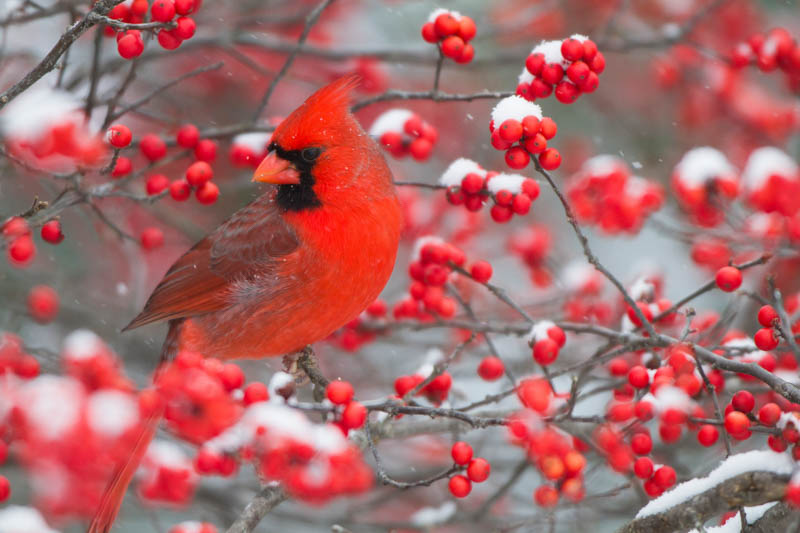
Northern Cardinal (Cardinalis Cardinalis) male in Common Winterberry bush (Ilex Verticillata) in winter

Understanding Hardiness Zones

Hardiness zones are one of the most important tools a gardener can use. Whether you’re choosing a new tree, planning a perennial border, or trying to understand why a plant didn’t survive the winter, your hardiness zone is the foundation for making smart, climate-matched choices. This guide breaks down what zones mean, how to use them, and how to garden more confidently—no matter where you live.

Quick Answer

Hardiness zones are geographic areas defined by the average annual minimum winter temperature. In practical gardening terms, your USDA hardiness zone tells you which plants are likely to survive the winter in your climate.

In this guide, you’ll learn what hardiness zones are, how they’re calculated, why they matter so much when choosing plants, and how to use them—along with microclimates and other factors—to create a thriving, climate-smart garden.

  • Concept: Zones based on average annual minimum winter temperatures
  • Benefits: Helps you choose plants that can survive your winters
  • Great for: Planning plant purchases, protecting investments, designing resilient gardens
  • Ideal for: All gardeners, from beginners to landscape professionals

Quick Summary

  • Hardiness zones are a way to group regions by how cold they get in winter, based on long-term temperature data.
  • The USDA hardiness zone map divides North America into numbered zones (and half-zones) that help gardeners
    match plants to climate.
  • Choosing plants whose recommended zone range includes your own greatly increases their chances of surviving the winter.
  • Hardiness zones are a powerful tool, but they don’t account for summer heat, rainfall, soil, or microclimates.
  • The best approach is to use your zone together with climate information, sun exposure, and site conditions to build a resilient, long-lived garden.

What Are Hardiness Zones?

When gardeners talk about “What zone are you in?”, they’re talking about hardiness zones. These zones are climate categories based on the average annual minimum winter temperature—in other words, how cold it typically gets in your area in the coldest part of the year.

The best known system is the USDA Hardiness Zone Map, which divides North America into numbered zones (1 through 13),
each representing a 10°F (about 5.6°C) band of minimum winter temperatures. Many maps also use “a” and “b” to split each
zone into 5°F half-zones for more precision.

Key Characteristics of Hardiness Zones

  • Temperature-based: Zones are defined by winter lows, not summer heat.
  • Long-term averages: Based on many years of weather data, not a single cold snap.
  • Guides, not guarantees: They indicate what usually survives, not what will never fail.
  • Widely used: Most plant labels and catalogs list recommended USDA hardiness zones.

Defined term: Hardiness zone — a geographic area defined by its average annual minimum winter temperature, used to predict whether a plant can survive the winter there.
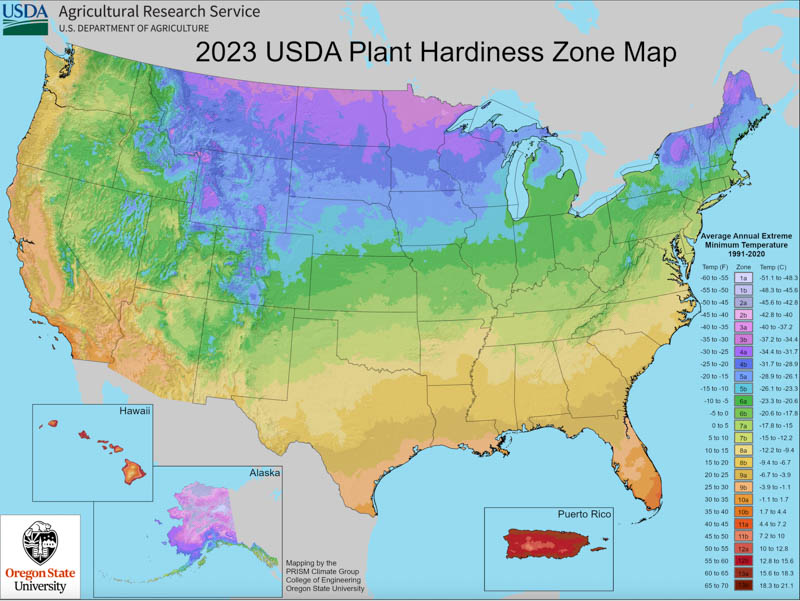
USDA Hardiness Zone Map, hardiness zones, gardening climate zones

Why Hardiness Zones Matter

Understanding your hardiness zone is like knowing your gardening “address.” It doesn’t tell the whole story of your climate,
but it gives you an essential starting point for deciding which plants are likely to thrive—and which ones are risky.
They Help Prevent Disappointment

  • Choosing a plant that is not hardy in your zone often leads to winter kill and wasted time and money.
  • Knowing your zone helps you skip plants that can’t survive your winters, no matter how tempting the catalog photos are.
  • Planting within your recommended zone range makes your garden more predictable and resilient.

They Guide Plant Selection

  • Most plant descriptions on Gardenia’s Plant Finder list USDA hardiness zones, helping you quickly filter what works in your garden.
  • You can use zones to plan trees, shrubs, perennials, and bulbs that will come back year after year.
  • Hardiness information is especially critical for long-lived plants like trees and large shrubs.

They Support Climate-Smart Gardening

  • Matching plants to your zone reduces the need for winter protection, heating, or constant replacement.
  • Zone-appropriate plantings support more low-maintenance, sustainable landscapes.
  • Understanding your zone helps you adapt as climate patterns change over time.

Plant Combinations, Flowerbeds Ideas, Winter Garden, Early Spring Garden, Exfoliating Bark, dogwood, witch hazel, ilex, berries

How to Find and Read Your Hardiness Zone

Finding your hardiness zone is easy and only takes a moment—but reading it correctly makes all the difference when you
choose plants.
1. Look Up Your Zone

  • Use the USDA Hardiness Zone Map to enter your location and see your USDA hardiness zone.
  • Note both the number and the letter (for example, Zone 6b or Zone 9a) for more precise guidance.
  • If you live near a zone boundary, it can be helpful to check neighboring zones as well.

2. Read Plant Labels with Zones in Mind

  • Most plant tags and online descriptions list a recommended hardiness zone range (e.g., USDA zones 4–8).
  • A plant is generally considered hardy for you if your zone falls within that range.
  • If your zone number is lower (colder) than the plant’s minimum zone, it may not survive your winters outdoors.

3. Think “Right Plant, Right Place”

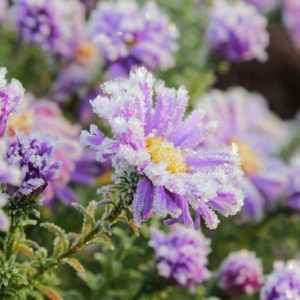
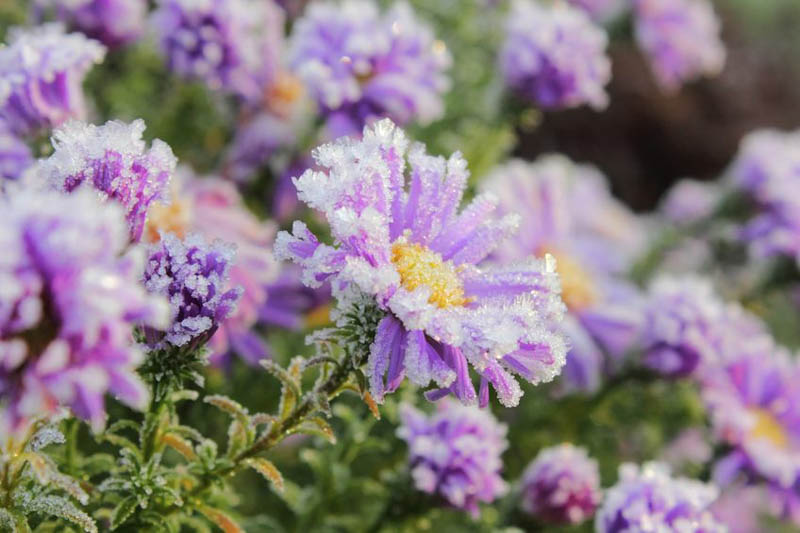
Aster covered with frost, hardiness zones

Using Hardiness Zones to Choose Plants

Once you know your zone, plant shopping becomes much easier—and more strategic. You can quickly zero in on trees, shrubs,
perennials, and bulbs that are likely to thrive.
Zone-Appropriate Trees and Shrubs

  • Choose shade trees and flowering shrubs whose zone range includes your own so they can establish deep roots and live for decades.
  • Explore tree and shrub guides and filter by hardiness to find reliable structural plants for your garden.

Perennials, Bulbs, and Grasses

  • Many perennials, ornamental grasses, and bulbs are rated for specific hardiness zones and will re-emerge year after year when properly matched.
  • In colder climates, some plants are grown as annuals even though they are perennial in warmer zones.

Annuals and Tender Plants

  • Tender plants not hardy in your zone can still be enjoyed as annuals or container plants that are brought indoors for winter.
  • Understanding hardiness zones helps you decide which plants can live outdoors year-round and which need seasonal protection.
🔎 Find plants by hardiness zone

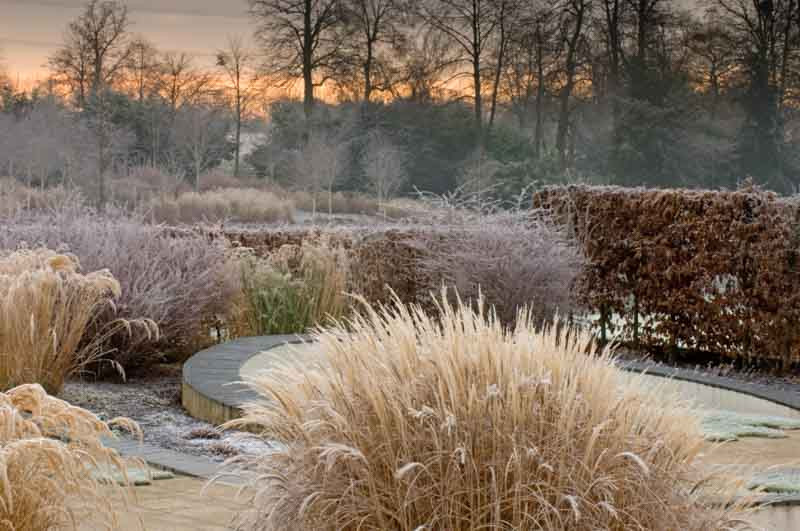
Winter Garden, Early Spring Garden, Ornamental Grass,Ornamental Grasses, Micanthus, Japanese silver Grass, Feather Reed Grass, calamagrostis, Carex, Sedge, Norther Sea Oats, Chasmanthium

The Limits of Hardiness Zones

Hardiness zones are incredibly useful, but they don’t tell the whole story. To really understand your garden’s climate,
you also need to think about microclimates, heat, and weather patterns.

Zones Don’t Measure Summer Heat

  • Two regions with the same USDA hardiness zone can have very different summer temperatures.
  • Some plants tolerate cold but struggle in intense heat or humidity; others are the reverse.
  • Consider climate and heat zones in addition to hardiness.

Microclimates Make a Big Difference

  • South-facing walls, sheltered courtyards, and urban areas can be a half-zone or more warmer than surrounding land.
  • Exposed hillsides, low spots where cold air settles, and open fields can be effectively colder.
  • Observing your garden’s microclimates lets you “stretch” your zone a bit for some plants and be more cautious with others.

Changing Climate

  • As climate patterns shift, some areas may experience milder winters, hotter summers, or more erratic extremes.
  • Hardiness zone updates reflect long-term trends, but paying attention to your own garden over time is just as important.

Real-World Examples of Hardiness Zone Mismatches

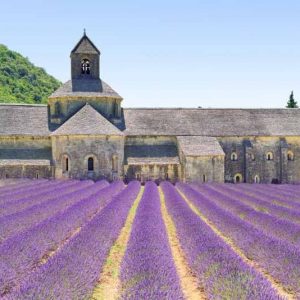
  • Lavender (Lavandula angustifolia) is often rated for USDA zones 5–8. It may overwinter reliably in a sheltered Zone 6b garden but can suffer winter dieback or fail completely in exposed Zone 5a sites without extra protection.
  • Gardenia (Gardenia jasminoides) typically thrives in warm zones 8–11. In colder zones, such as 6 or below, it usually cannot survive repeated freezes outdoors and must be grown in containers and brought indoors for winter.
  • Japanese maple (Acer palmatum) is generally hardy in zones 5–8. It may struggle with winter damage in colder zones and with leaf scorch or heat stress in very hot summer climates, even if the USDA zone number looks suitable.

These examples show why hardiness zones are an essential first filter—but still need to be combined with observations of heat, exposure, soil, and microclimates in your own garden.

Hardiness Zones vs. Climate/Heat Zones at a Glance

Tool What it measures Best for What it doesn’t tell you
USDA hardiness zone Average annual minimum winter temperature Cold tolerance and winter survival of trees, shrubs, and perennials Summer heat, humidity, rainfall patterns, soil type, or microclimates
Climate / heat zones Typical summer highs, heat accumulation, and broader climate patterns Heat tolerance, drought stress, and matching plants to long, hot seasons Exact winter lows or short, extreme cold snaps in a given year

Used together, hardiness zones and climate or heat zones give a more complete picture of how plants will perform in your garden over the course of the year.

Frequently Asked Questions

Updated: December 2025 • Reviewed by Gardenia Editors

What are hardiness zones?

Hardiness zones are climate categories based on the average annual minimum winter temperature of a region. They help gardeners determine which plants are likely to survive winter outdoors in their area.

How are USDA hardiness zones calculated?

USDA zones are calculated from long-term temperature data, focusing on the lowest winter temperatures recorded each year. The map is divided into 10°F zones, with each zone further split into 5°F “a” and “b” subzones.

How do I find my hardiness zone

You can find your zone by entering your location into the USDA or Gardenia hardiness map. The result will show a zone number and letter (such as 6b or 9a), which tells you your typical winter low temperature range.

Why do hardiness zones matter?

Hardiness zones help gardeners choose plants that can survive winter conditions in their area. Matching plants to your zone reduces winter losses, supports long-lived landscapes, and improves overall garden resilience.

Can I grow plants outside my hardiness zone?

Yes, but with limitations. Plants not hardy in your zone may survive only with winter protection, as annuals, or in containers brought indoors. Growing far outside your zone carries higher risk and maintenance.

Do hardiness zones consider summer heat?

No. Hardiness zones only measure cold tolerance. They do not account for heat, humidity, rainfall, drought, wind, or soil conditions. Gardeners in hot regions should also consult heat-zone or climate-zone information.

What’s the difference between hardiness zones and climate zones?

Hardiness zones measure winter cold. Climate zones consider broader factors such as temperature ranges, rainfall, humidity, and seasonal patterns. Using both systems provides a more complete picture of your growing conditions.

What does “zone range” on a plant label mean?

When a plant label lists a zone range, such as USDA zones 4–8, it means the plant is expected to survive winter in any zone within that range. If your zone is lower than the minimum listed, the plant may not overwinter outdoors.

Why does my garden feel warmer or colder than my zone?

Local microclimates—such as south-facing walls, sheltered courtyards, or exposed windy areas—can make parts of your garden warmer or colder than your official zone. Microclimates can effectively shift conditions by a half-zone or more.

Are hardiness zones changing because of climate change?

Yes. As winters become milder in many regions, some areas have shifted to warmer zones in recent USDA updates. However, extreme cold events still occur, so gardeners should consider both long-term trends and current weather variability.

Does snow help plants survive winter?

Yes. Snow acts as natural insulation, protecting plant roots from extreme cold. A consistent snow cover can help marginally hardy plants survive better than bare, exposed soil.

Can mulch help plants survive outside their zone?

Mulching can protect roots from freezing and thawing cycles, sometimes allowing borderline-hardy plants to overwinter. However, mulch cannot compensate for plants far outside their recommended zone range.

Are hardiness zones the same worldwide?

No. The USDA system is widely used in North America, but other regions use different classification systems. Many countries adapt or modify the USDA zones based on local climate patterns.

Do hardiness zones apply to containers?

Container-grown plants experience colder root temperatures than in-ground plants. As a result, plants in pots are typically considered to be one zone less hardy than their listed zone rating.

References

Updated: December 2025 • Reviewed by Gardenia Editors

Guide Information

Hardiness 2 - 13
Plant Type Annuals, Houseplants, Bamboos, Bulbs, Cactus & Succulents, Climbers, Conifers, Ferns, Herbs, Orchids, Ornamental Grasses, Palms - Cycads, Perennials, Roses, Shrubs, Trees

Recommended Guides

Banana Hardiness by Zone: What Survives?
Hardiness Zones in Canada
Hardiness Zones of Europe
Hardiness Zones in Australia
USDA Planting Zones Guide: Growing Zones by State Across the United States
Plant Hardiness, Heat Tolerance and Climate Zones: A Friendly Guide for Smarter Plant Selection
Hardiness Zones in France
Hardiness Zones in the United Kingdom
Types of Hibiscus: From Hardy to Tropical, Find Your Perfect Match
Pretty Hardy Orchids for the Bog Garden
Cold-Hardy Palm Trees For Your Garden
Pretty Hardy Orchids for the Garden
Top Hardy US Native Hibiscus Plants for Your Garden
Reliable Hardy Fuchsia For Your Garden
Cold-Hardy Agaves for Your Garden
While every effort has been made to describe these plants accurately, please keep in mind that height, bloom time, and color may differ in various climates. The description of these plants has been written based on numerous outside resources.

Guide Information

Hardiness 2 - 13
Plant Type Annuals, Houseplants, Bamboos, Bulbs, Cactus & Succulents, Climbers, Conifers, Ferns, Herbs, Orchids, Ornamental Grasses, Palms - Cycads, Perennials, Roses, Shrubs, Trees

Related Items

Please Login to Proceed

You Have Reached The Free Limit, Please Subscribe to Proceed

Subscribe to Gardenia

To create additional collections, you must be a paid member of Gardenia
  • Add as many plants as you wish
  • Create and save up to 25 garden collections
Become a Member

Plant Added Successfully

Your garden is taking shape. Unlock full planning.

You’ve reached the free limit. Upgrade for $25/year to add as many plants as you wish and save up to 25 garden collections. Unlock Annual Membership

Update Your Credit
Card Information

Cancel

Create a New Collection

Sign Up to Our Newsletter

    You have been subscribed successfully

    Join Gardenia.net

    Create a membership account to save your garden designs and to view them on any device.

    Becoming a contributing member of Gardenia is easy and can be done in just a few minutes. If you provide us with your name, email address and the payment of a modest $25 annual membership fee, you will become a full member, enabling you to design and save up to 25 of your garden design ideas.

    Join now and start creating your dream garden!

    Join Gardenia.net

    Create a membership account to save your garden designs and to view them on any device.

    Becoming a contributing member of Gardenia is easy and can be done in just a few minutes. If you provide us with your name, email address and the payment of a modest $25 annual membership fee, you will become a full member, enabling you to design and save up to 25 of your garden design ideas.

    Join now and start creating your dream garden!
    Find your Hardiness Zone

    Find your Heat Zone

    Find your Climate Zone