Explore California’s 2023 USDA hardiness zones, frost dates, and diverse microclimates. From foggy coasts and fertile valleys to hot deserts and high Sierra gardens, learn when to plant, what to grow, and how to design a resilient, water-wise, pollinator-friendly landscape that thrives in every season.
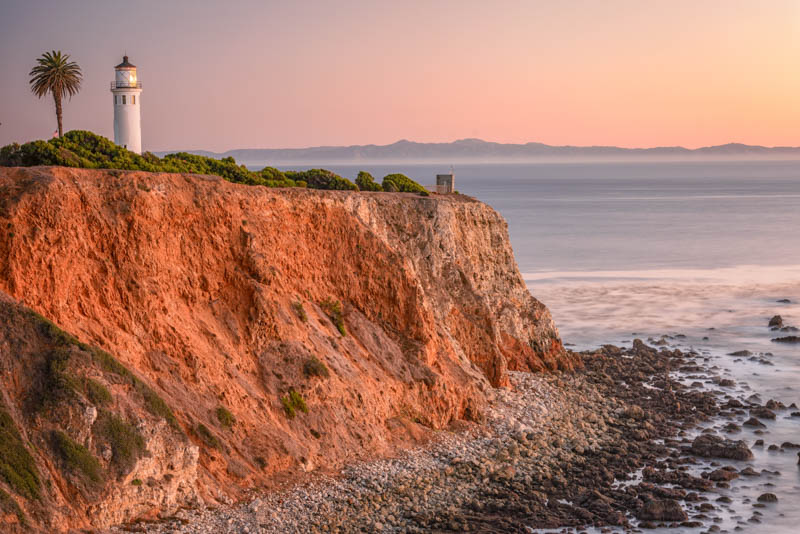


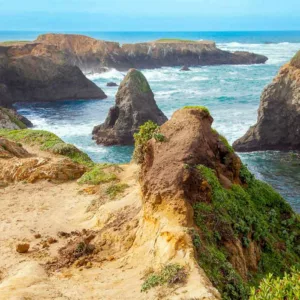
Gardening in California might mean a redwood-shaded backyard in Eureka, a foggy veggie patch in San Francisco, a sunny Central Valley homestead near Fresno, a canyon patio in Los Angeles, a coastal courtyard in San Diego, or a high-Sierra cabin garden above Tahoe. California planting zones run from snowy mountain ridges to nearly frost-free coastal and desert pockets – each with its own gardening personality.
This guide will help you understand your California growing zone using the updated 2023 USDA Plant Hardiness Zone Map, plan around frost dates, and choose the best plants for your corner of the Golden State.
On the 2023 USDA Plant Hardiness Zone Map, California stretches roughly from zone 5a to zone 11a, based on 30-year averages of the coldest winter temperatures (1991–2020). Colder zones hug the high Sierra Nevada and Cascade ranges, while the warmest zones wrap around the Southern California coast and low deserts. Most home gardens fall between zones 8a and 10a.
The updated 2023 USDA Plant Hardiness Zone Maps use 30-year climate normals (1991–2020) and higher-resolution elevation and terrain data than earlier versions. In California, the maps highlight colder blues and purples along the highest Sierra Nevada and volcanic peaks, with warmer greens, yellows, and oranges spread across the Central Valley, Southern California coast, and low deserts.
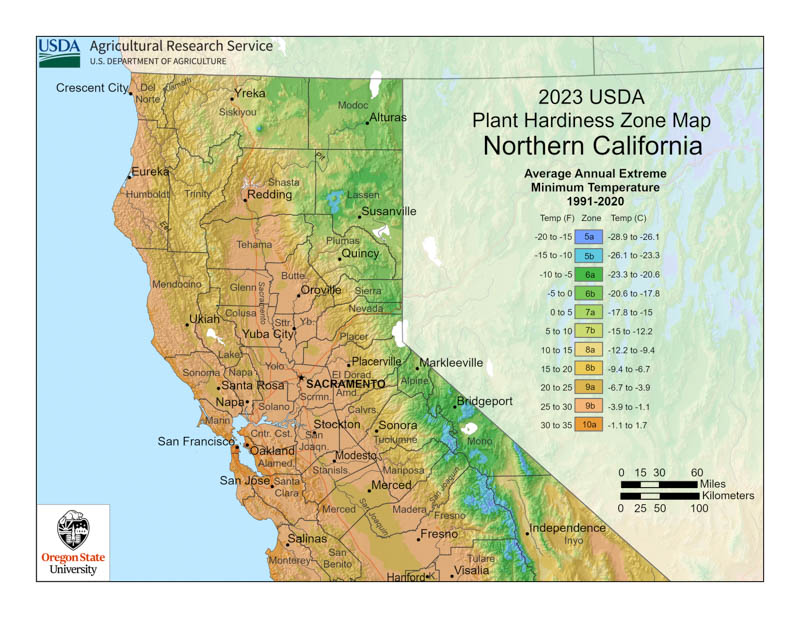
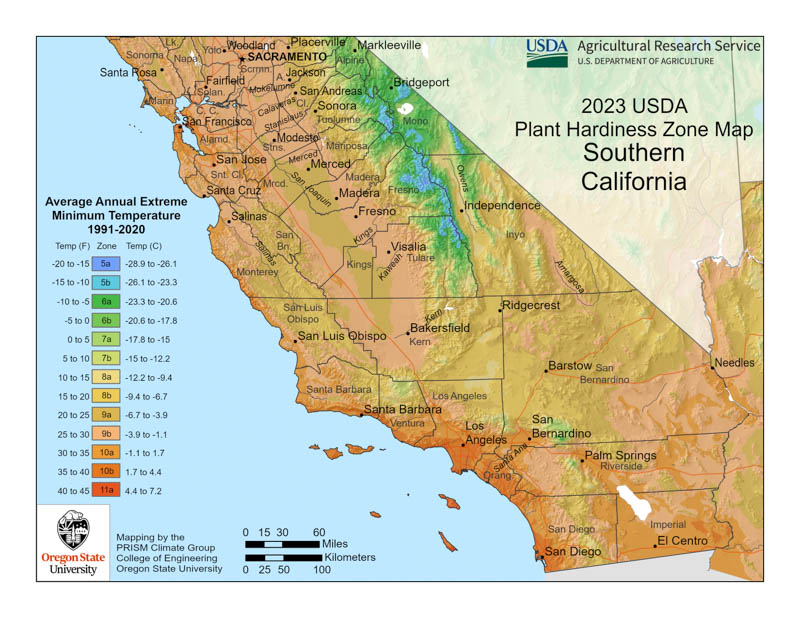
A simplified California planting zone map based on the 2023 USDA Plant Hardiness Zone Map (1991–2020 climate data).
Use the map together with your ZIP code to pinpoint your California garden zone. Look up your California planting zone by ZIP code using the USDA tool, then come back here or visit our Plant Finder for plants tailored to your zone, elevation, and site conditions.
California may look like a long, neat rectangle on the map, but on the ground it’s a tangle of coasts, valleys, canyons, and mountains. Elevation, coastal fog, marine layers, cold-air drainage, urban heat islands, reflected heat from stucco and pavement, and irrigation can nudge your yard a half-zone – or more – warmer or colder than the official map. Zone boundaries vary dramatically within short distances (e.g., San Francisco varies from 10b in Noe Valley to 7b-equivalent cold pockets near Twin Peaks).
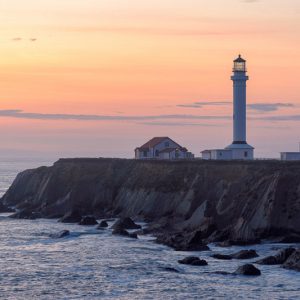
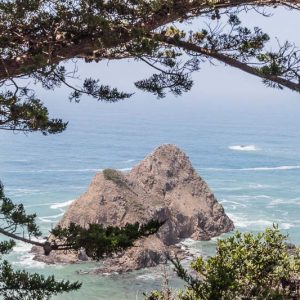
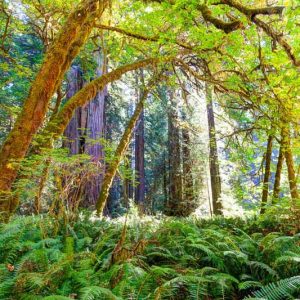
This region includes Eureka, Arcata, Crescent City, Fort Bragg, and other foggy coastal communities.
This region includes San Francisco, Oakland, Berkeley, Richmond, San Rafael, San Mateo, San Jose, Napa, Sonoma, and Santa Cruz.
Sacramento, Stockton, Modesto, Merced, Fresno, Visalia, Bakersfield, Chico, and Redding share hot, dry summers and cool, damp winters.
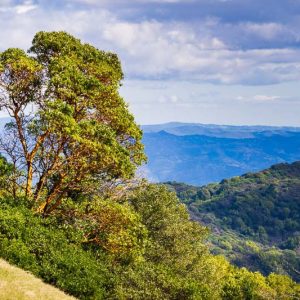
Auburn, Grass Valley, Placerville, Sonora, Mariposa, South Lake Tahoe, Truckee, and high-Sierra communities mix forested slopes, snow, and big day–night temperature swings.
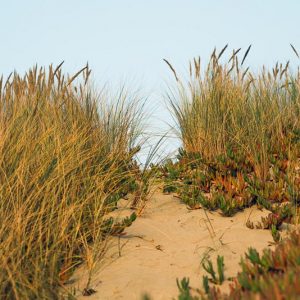
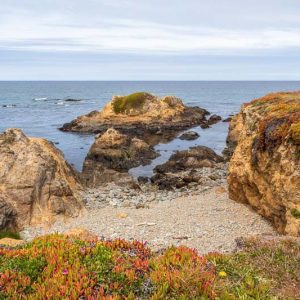
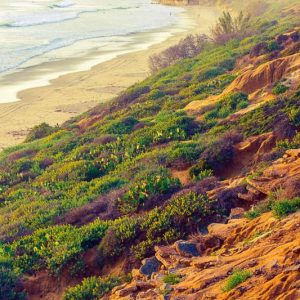
Santa Barbara, Ventura, coastal Los Angeles, Orange County, and coastal San Diego enjoy some of the mildest gardening climates in the continental U.S.
This region includes Palm Springs, Palm Desert, Indio, Coachella, El Centro, and lower-elevation Mojave communities.
In California, frost is all about latitude, elevation, distance from the ocean, and local microclimates. A coastal San Diego patio may never see frost, while mountain towns near Tahoe or in the northern Sierra can experience freezing temperatures from fall through spring. Your average last and first frosts determine when to plant tomatoes, protect peppers, and tuck cool-season crops into fall beds.
Across California, last spring frosts range from January–February in the warmest coastal and southern zones to late April in colder interior and foothill locations. First fall frosts may hit mountain and plateau gardens in September or October but often hold off until late November or even December in milder coastal and valley locations.
| Region / City | Average Last Spring Frost | Average First Fall Frost | Approx. Frost-Free Days |
|---|---|---|---|
| Sacramento (Central Valley) | Late February (around Feb 21) | Late November (around Nov 26) | ~270–280 days |
| Fresno (Central Valley) | Mid February (around Feb 13) | Early December (around Dec 1) | ~285–295 days |
| Bakersfield (Southern San Joaquin Valley) | Early February (around Feb 4) | Early December (around Dec 5) | ~300+ days |
| San Jose (South Bay) | Late January (around Jan 28) | Early December (around Dec 8) | ~310+ days |
| Monterey (Central Coast) | Late January (around Jan 20) | Late December (around Dec 28) | ~335–345 days |
| Santa Rosa (North Bay / North Coast Valleys) | Late February (around Feb 26) | Late November (around Nov 26) | ~270+ days |
Dates summarized from regional climate data and frost-date tools; always check a local forecast and ZIP-code–based lookup for the most precise information for your garden.
Use these frost dates as flexible guidelines – your own yard may be warmer or cooler depending on elevation, cold-air drainage, wind exposure, coastal fog or marine layers, reflected heat from walls and pavement, irrigation, and urban heat effects. They’re averages, not guarantees, so watch the forecast during spring and fall cold snaps and protect tender plants when temperatures dip toward freezing.
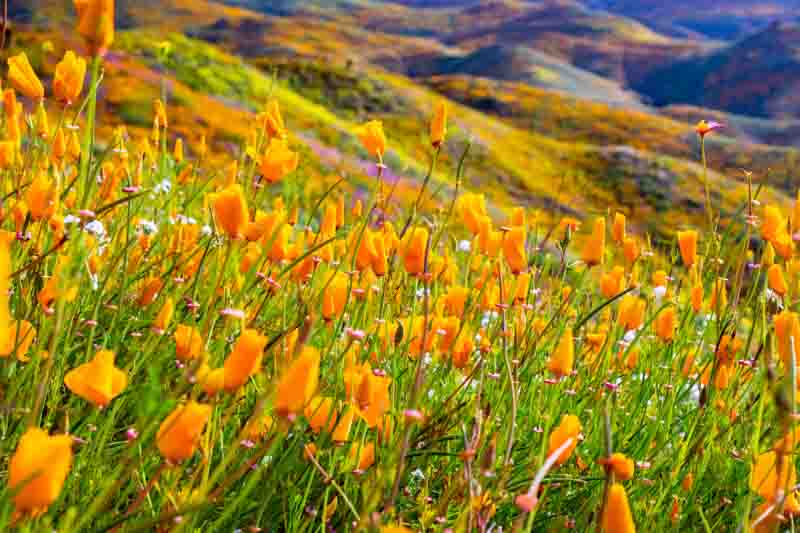
Once you know your California planting zone – and whether you garden in a foggy coastal pocket, a sunny Central Valley backyard, a high foothill slope, or a hot inland canyon – you can work with your climate instead of fighting it. Focus on plants that tolerate Mediterranean rainfall patterns, dry summers, alkaline or clay soils in many regions, and wide day–night temperature swings. Choose perennials rated for zones 5–11, and time annual plantings around your frost dates and summer heat.
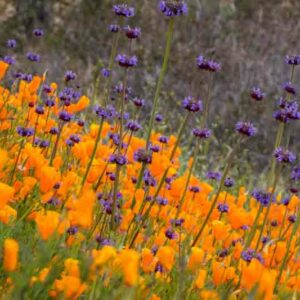
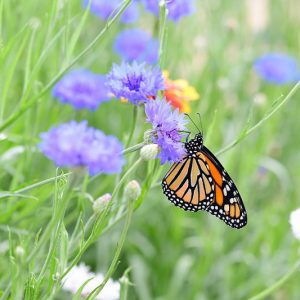
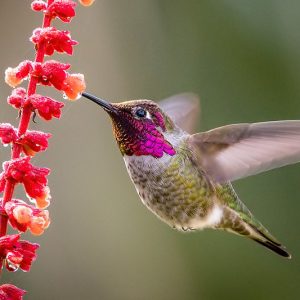
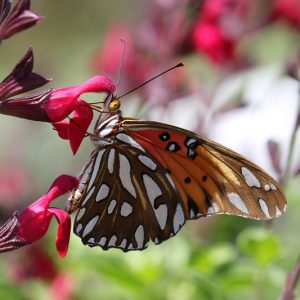
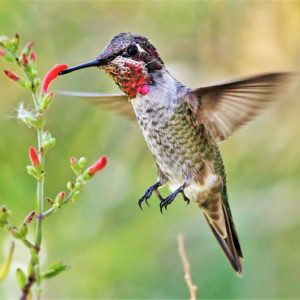
California native plants are adapted to local soils, fire regimes, and seasonal drought – and they feed pollinators, birds, and beneficial insects. Mix native wildflowers, shrubs, trees, and grasses for a resilient, wildlife-friendly landscape that feels authentically California.
Tap a month to see what to plant in California by zone. Use this as a starting point, then adjust for your exact frost dates, elevation, and whether you garden on the coast, in the Central Valley, in foothills, or in hot inland canyons and deserts.
California gardeners juggle Mediterranean rainfall patterns, summer drought, coastal fog and marine layers, intense inland heat, clay and alkaline soils in many regions, and a wide spread of hardiness zones. These tips help plants thrive from zones 5a to 11a:
While USDA hardiness zones (5a–11a in California on the 2023 map) tell you how cold it gets in winter, they don’t capture summer heat, marine fog, Santa Ana winds, or the length and timing of the growing season. For Western gardeners, the Sunset Western Garden climate zones are often more precise, factoring in elevation, humidity, and seasonal rainfall. California spans many Sunset zones – roughly zones 1 through 24 – from cold mountain and interior regions to cool, foggy coasts and subtropical Southern California. Using both USDA and Sunset maps gives the clearest picture of what will thrive in your yard.
Now that you understand your California planting zone, frost dates, and regional climate, you’re ready to choose plants that match your conditions and build a thriving coastal, valley, foothill, or desert garden. Blend edible crops, flowering perennials, and native plants for a landscape that feeds both your household and local wildlife. Curious how California compares to other regions? Visit our national USDA planting zone guide to explore growing zones across the United States.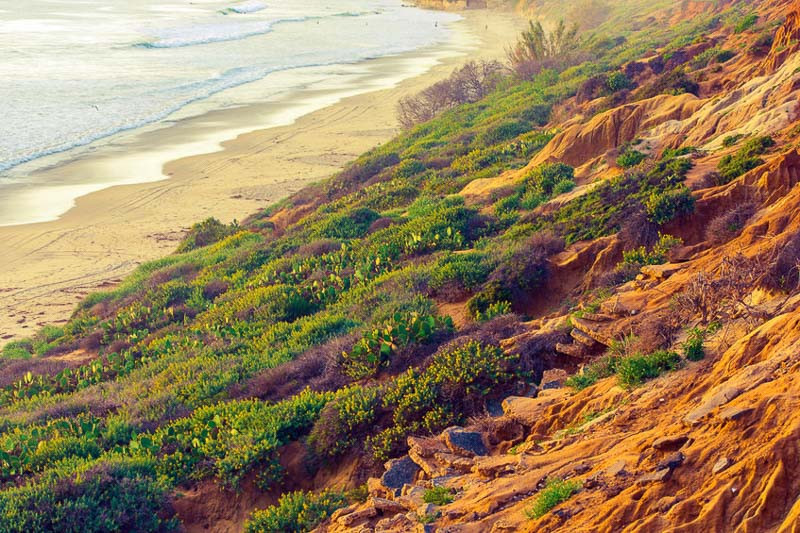
On the updated 2023 USDA Plant Hardiness Zone Map, California spans approximately zones 5a through 11a, based on 1991–2020 winter temperature averages. Most populated areas fall between zones 8a and 10a, while the coldest high-Sierra locations dip into zone 5 and the warmest coastal and desert pockets reach zone 11.
Use the official USDA Plant Hardiness Zone Map tool and enter your ZIP code to see your zone, then cross-check it with local experience. The USDA map reflects average coldest winter temperatures, but elevation, coastal fog, urban heat, and cold-air drainage can make individual yards slightly warmer or colder than the mapped zone.
Hardiness zones summarize winter lows, not daily weather or summer heat. Microclimates created by slopes, wind exposure, trees, buildings, pavement, and nearby water can shift conditions by a half-zone or more. A sheltered, south-facing courtyard often behaves warmer than an exposed hilltop or a low, frost-prone hollow in the same neighborhood.
In many Central Valley cities, the average last frost falls in February and the first frost in late November or early December, giving roughly 270–300 frost-free days. Coastal cities such as Monterey and parts of the Bay Area often have only light or occasional frost, while high-Sierra towns can have frost from fall through spring with growing seasons of roughly 80–120 days. Always confirm with a local frost-date or weather service for your specific location.
Citrus and avocados need mild winters and protection from hard freezes. They grow best in zones 9–11 along the coast, in Southern California, and in frost-sheltered inland microclimates. In colder inland valleys or foothills, gardeners may keep dwarf trees in containers or plant them in very protected spots and cover them during cold snaps.
For cool seasons, start with lettuce, spinach, kale, peas, radishes, beets, and broccoli. For warm seasons, try tomatoes, peppers, zucchini, bush beans, cucumbers, and basil. Plant cool-season crops in fall through spring in mild coastal and southern areas, and in early spring and fall in hotter inland zones to avoid peak summer heat.
California natives are adapted to local soils, seasonal drought, and regional insects and wildlife, so they generally need less water and fertilizer once established. However, they still require proper siting (sun vs. shade, drainage, and soil type) and careful watering during their first one to two years while roots develop. When matched to the right site, natives can dramatically reduce long-term maintenance and irrigation compared with many thirsty exotics.
The 2023 USDA hardiness map shows many locations warming by about a half-zone compared with earlier maps, reflecting milder winter lows. That can expand options for marginally tender plants, but hotter summers, water restrictions, and extreme weather are also becoming more common. Successful gardens increasingly rely on drought-tolerant species, efficient irrigation, mulch, and careful timing of cool- versus warm-season crops.
Data sources: 2023 USDA Plant Hardiness Zone Map (1991–2020 normals), NOAA frost-date climatology, Sunset climate zone coverage for California and the wider West..
Updated: December 2025 • Reviewed by Gardenia Editors
| Hardiness |
5 - 11 |
|---|---|
| Climate Zones | 1, 1A, 1B, 2, 2A, 2B, 3, 3A, 3B, 4, 5, 6, 7, 8, 9, 10, 11, 12, 13, 14, 15, 16, 17, 18, 19, 20, 21, 22, 23, 24 |
| Native Plants | United States, California |
| Toxic to Humans | No known toxicity |
| Toxic to Cats | No known toxicity |
| Toxic to Dogs | No known toxicity |
| Toxic to Horses | No known toxicity |
| Hardiness |
5 - 11 |
|---|---|
| Climate Zones | 1, 1A, 1B, 2, 2A, 2B, 3, 3A, 3B, 4, 5, 6, 7, 8, 9, 10, 11, 12, 13, 14, 15, 16, 17, 18, 19, 20, 21, 22, 23, 24 |
| Native Plants | United States, California |
| Toxic to Humans | No known toxicity |
| Toxic to Cats | No known toxicity |
| Toxic to Dogs | No known toxicity |
| Toxic to Horses | No known toxicity |
Create a membership account to save your garden designs and to view them on any device.
Becoming a contributing member of Gardenia is easy and can be done in just a few minutes. If you provide us with your name, email address and the payment of a modest $25 annual membership fee, you will become a full member, enabling you to design and save up to 25 of your garden design ideas.
Join now and start creating your dream garden!
Create a membership account to save your garden designs and to view them on any device.
Becoming a contributing member of Gardenia is easy and can be done in just a few minutes. If you provide us with your name, email address and the payment of a modest $25 annual membership fee, you will become a full member, enabling you to design and save up to 25 of your garden design ideas.
Join now and start creating your dream garden!