Get the juicy facts on kiwi fruit—green, golden, and kiwi berries. Explore kiwi nutrition and calories, learn how to cut a kiwi in seconds, and discover easy, craveable ways to eat a kiwi every day.
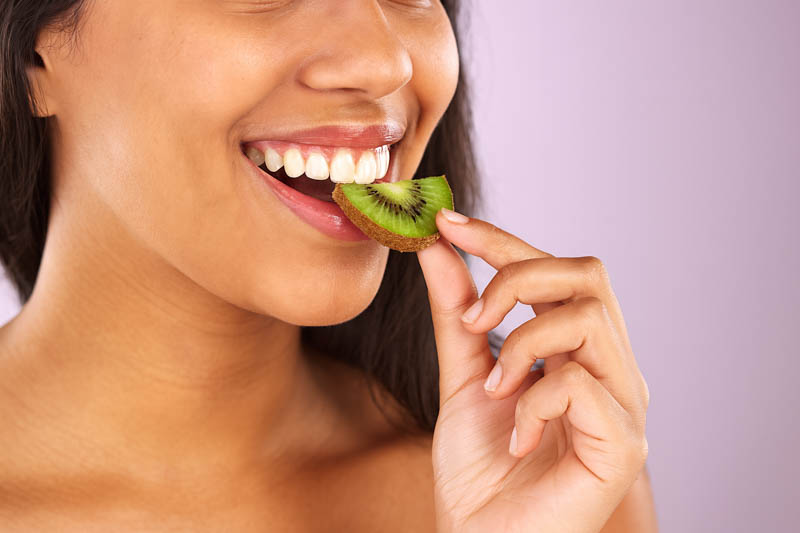


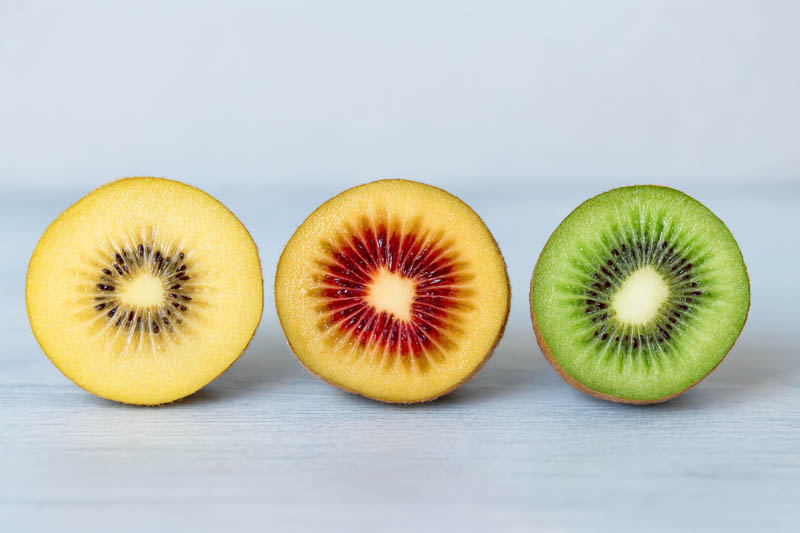
Summary: Green, golden, and bite-size kiwi berries deliver standout vitamin C, fiber, potassium, and antioxidants in a low-calorie, portable fruit. Kiwi supports immunity and collagen formation, digestive comfort (fiber + actinidin), and heart-smart eating. Eat green for tangy zip, golden for sweeter, low-acid flavor, and kiwi berries when you want snack-speed with edible skins. Cut by scoop-and-spoon, peel-and-slice, or just rinse and eat (berries). Store firm fruit at room temp to ripen, then refrigerate. Most enjoy kiwi without issue, but note allergy cross-reactions (e.g., latex) and keep vitamin-K consistency if on affected meds.
| Per 100 g | ~60 kcal · ~15 g carbs · ~3 g fiber · ~300 mg potassium · very high vitamin C |
|---|---|
| Types | Green (tangy), Golden (sweeter, often higher vitamin C), Kiwi berries (snackable; edible skins) |
| How to Cut | Spoon-and-scoop · Peel-and-slice · Rinse & eat (berries; many eat golden skins too) |
| Notes | Allergy cross-reactivity (latex/pollens); keep vitamin-K intake consistent if advised |
Sweet, tangy, and dazzlingly green or sun-bright gold, kiwi fruit is the compact powerhouse your kitchen has been waiting for. Whether you love fuzzy classics, pop-in-your-mouth kiwi berries, or the honeyed glow of golden kiwi, this family of fruits delivers refreshing flavor, crowd-pleasing versatility, and a treasure chest of nutrients.
Packed with vitamin C, fiber, and powerful antioxidants, kiwis support immunity, boost heart and digestive health, and may even benefit skin and vision. Few fruits offer such all-in-one goodness—delicious and good for you, bite after bite.
These kiwi benefits make it easy to add more fruit to your day. Consider this your friendly, science-informed guide to kiwi nutrition, kiwi calories, how to cut a kiwi, and all the smart, delicious ways to eat a kiwi every day.
“Kiwi” refers to several species in the genus Actinidia, most famously the fuzzy green kiwi fruit (Actinidia deliciosa) you see at the market. Close cousins include golden kiwi (Actinidia chinensis) with smooth or lightly fuzzy bronze skin and sunny-yellow flesh, and kiwi berries (usually Actinidia arguta), which are bite-size, smooth-skinned, and eaten whole. All share a bright, tropical vibe that hints at notes of citrus, strawberry, and pineapple. Many people seek out kiwi benefits across all three types.
Beyond the fruit bowl, kiwi vines are handsome climbers. But in the kitchen, their superpower is nutrition wrapped in portability. Keep a few on the counter, and you’ve got a snack, a smoothie boost, a salad star, and a dessert garnish on standby—simple ways to capture everyday kiwi benefits.
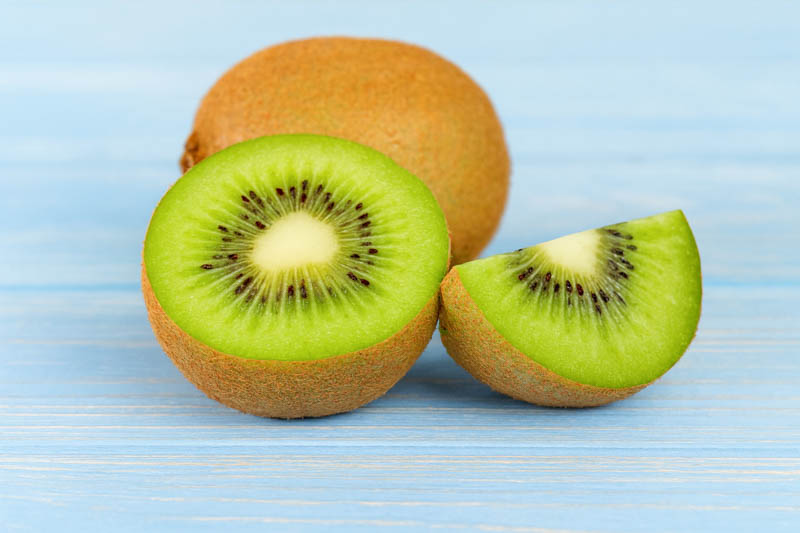
Kiwi nutrition is impressive relative to its size. Here’s a quick look at typical values for a raw, fresh green kiwi fruit, per 100 grams. Actual numbers vary by variety and ripeness, but the theme is clear: lots of vitamin C, fiber, and micronutrients for very few calories. All that equals notable kiwi benefits in a small package.
| Nutrient | Amount (per 100 g) | What it’s known for |
|---|---|---|
| Kiwi calories | ~60 | Light and nutrient-dense |
| Carbohydrates | ~15 g | Natural sugars for quick energy |
| Fiber | ~3 g | Digestive and heart support |
| Protein | ~1 g | Small, but it’s there |
| Fat | ~0.5 g | Naturally low |
| Vitamin C | Very high | Immune and skin support |
| Vitamin K | Moderate | Bone and blood functions |
| Potassium | ~300 mg | Heart and muscle support |
| Vitamin E + Polyphenols | Present | Antioxidant protection |
Golden kiwi skews even higher in vitamin C and typically tastes sweeter and less acidic. Kiwi berries are nutrient-dense too, with the convenience of smooth, edible skins that make snacking ridiculously easy. All deliver meaningful kiwi benefits with minimal effort.
High vitamin C levels are a hallmark of kiwi fruit and golden kiwi in particular. Vitamin C supports immune defenses, helps your body absorb plant-based iron, and participates in collagen formation for healthy skin and connective tissue—one of the standout kiwi benefits.
Kiwi brings both soluble and insoluble fiber to the party, supporting regularity and feeding beneficial gut bacteria. It also contains actinidin, a natural enzyme that assists in breaking down proteins. Many people find that a daily kiwi in the morning gently supports comfortable digestion without drastic changes to the diet. Consistent intake amplifies kiwi benefits for digestion.
Kiwi nutrition includes potassium, which helps balance sodium and supports healthy blood pressure. Fiber, vitamin C, and polyphenols contribute additional heart-friendly effects by supporting vascular function and reducing oxidative stress. Together, these add up to heart-focused kiwi benefits.
Vitamin C, vitamin E, lutein, and other antioxidants help counter the wear-and-tear of daily life. Kiwi’s nutrient mix supports collagen synthesis and fights oxidative stress, while golden kiwi’s carotenoids add extra plant pigments associated with eye and skin health.
With modest kiwi calories and a refreshing, hydrating bite, kiwi fruit is a smart snack before a workout or as a late-night sweet fix. The fiber helps keep you satisfied, while natural sugars provide quick energy without the heaviness of many packaged snacks.
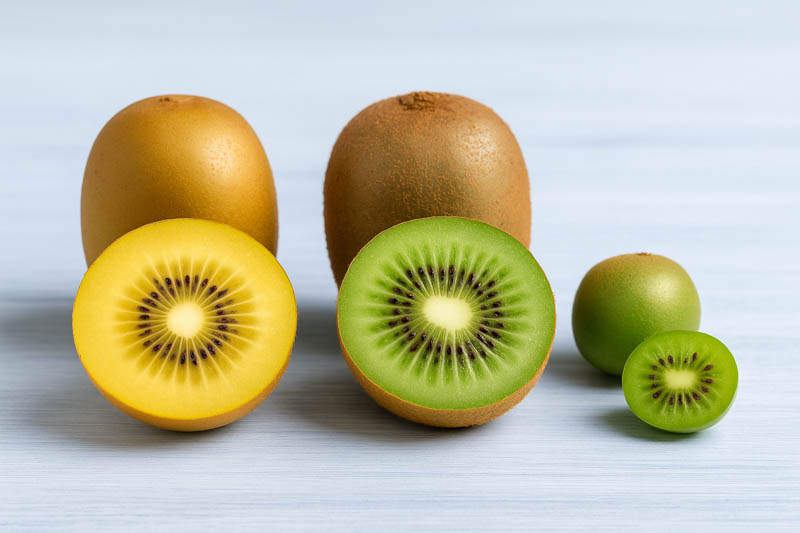
| Type | Taste & Texture | Skin | Highlights |
|---|---|---|---|
| Green kiwi | Tangy-sweet, classic zing | Fuzzy, edible if cleaned | Fiber-forward, bright flavor |
| Golden kiwi | Honeyed, low-acid | Smooth to lightly fuzzy | Often higher in vitamin C, kid-friendly sweetness |
| Kiwi berries | Juicy, aromatic, balanced | Smooth, pop whole | Snackable, no peeling required |
The best choice is the one you’ll actually eat. Love tart-sweet zing? Go green. Prefer gentle, tropical sweetness? Golden kiwi wins. Want snack speed? Kiwi berries all day.
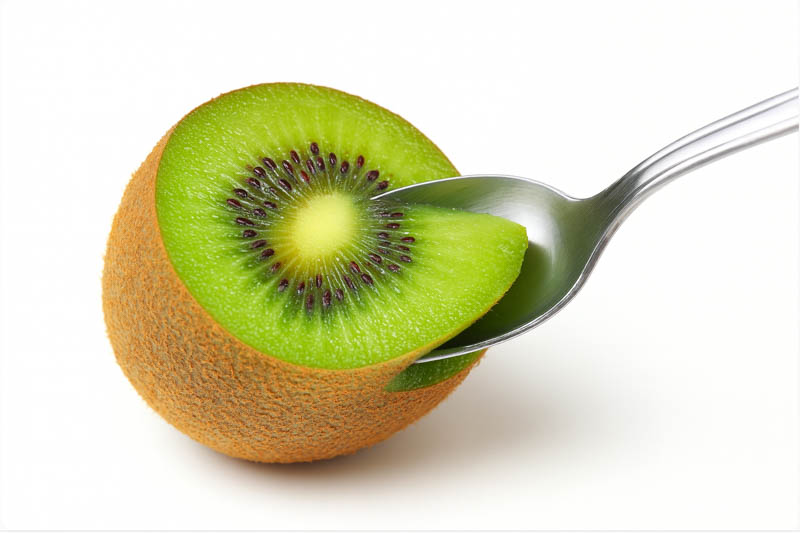
There are three reliable methods, and all are quick. Pick the one that matches how you plan to eat a kiwi.
Bonus tip: If you’re prepping for a party, use the peel-and-slice method for uniform pieces and prettier platters.
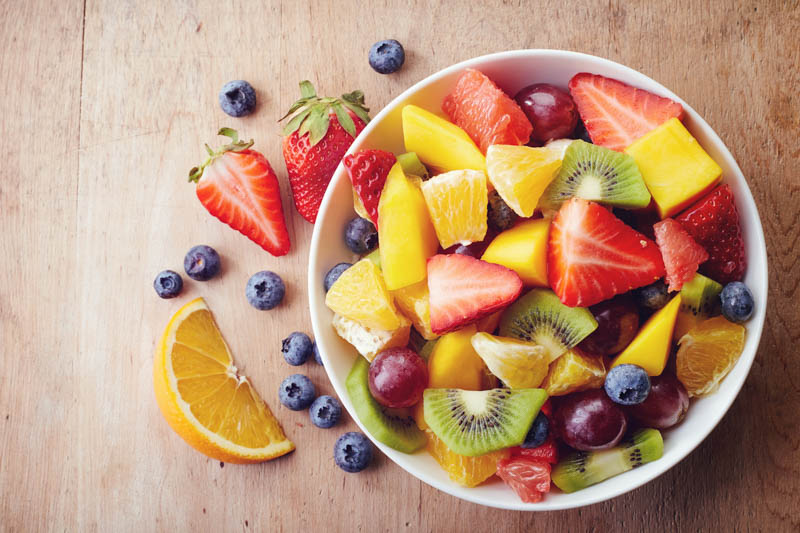
Kiwi fruit plays well with both sweet and savory flavors. Here are easy ways to put it on repeat. Use these ideas to stack up kiwi benefits all week.
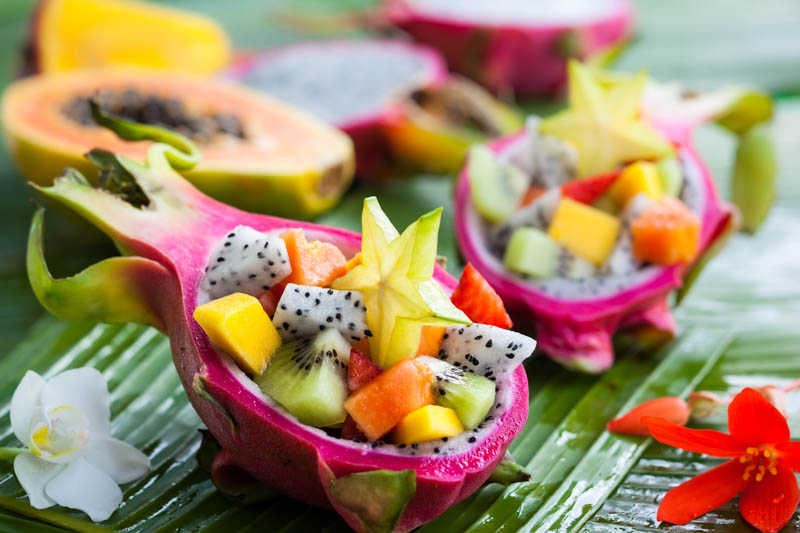
Kiwi fruit is naturally gluten-free, plant-based, and friendly to many common eating patterns. Watching calories or carbs? Choose your portion size and pair kiwi with protein or fat—like yogurt, nuts, or cottage cheese—for a steadier, more satisfying snack.
For athletes, kiwi offers hydration, quick fuel, and antioxidants that support recovery. For kids, kiwi is a texture adventure with bright flavors that make fruit time fun.

Most people enjoy kiwi without issue, but a few notes are helpful.
Both are excellent. Golden kiwi typically has even more vitamin C and a sweeter, low-acid taste. Green kiwi brings slightly more tang and similar fiber. Choose the flavor you’ll eat often.
Yes. Kiwi berries are nutrient-dense and add bonus fiber because you eat the smooth skin. They’re ideal for quick snacks and lunch boxes.
One or two kiwi fruit daily fits well in most balanced diets. If you’re sensitive to fiber or acids, start with one and build from there.
Slice a kiwi in half and scoop with a spoon for quick snacking. To add to salads or platters, trim the ends, peel vertically, and cut into rounds or wedges. When it comes to kiwi berries, simply rinse and eat them whole—no prep required.
Yes. All kiwi skins are technically edible when clean. Many people prefer the smoother skins of golden kiwi and kiwi berries. Scrub green kiwi to reduce fuzz if eating the skin.
Kiwi’s fiber plus the enzyme actinidin supports digestion of proteins and comfortable regularity for many people. Enjoy it consistently for best results.
Kiwi calories are modest—about 60 per 100 g—similar to oranges and a bit lower than bananas. You get a lot of vitamin C and fiber for very few calories.
Want a stress-free way to weave kiwi fruit into your days? Try this rotation and adjust to your taste.
Kiwi fruit is the rare snack that satisfies your sweet tooth and your wellness goals at the same time. From the low kiwi calories to the stellar kiwi nutrition profile, from the simplicity of how to cut a kiwi to the creativity of how to eat a kiwi in smoothies, salads, salsas, and desserts—this is an everyday fruit that earns a permanent spot on your list. Mix green and golden kiwi with kiwi berries for variety, color, and fun. Your taste buds will celebrate, and your body will quietly say thanks. Work a few into your routine to enjoy daily kiwi benefits.
| Hardiness |
3 - 10 |
|---|---|
| Plant Type | Climbers, Fruits |
| Plant Family | Actinidiaceae |
| Genus | Actinidia |
| Toxic to Humans | No known toxicity |
| Toxic to Cats | No known toxicity |
| Toxic to Dogs | No known toxicity |
| Toxic to Horses | No known toxicity |
| Hardiness |
3 - 10 |
|---|---|
| Plant Type | Climbers, Fruits |
| Plant Family | Actinidiaceae |
| Genus | Actinidia |
| Toxic to Humans | No known toxicity |
| Toxic to Cats | No known toxicity |
| Toxic to Dogs | No known toxicity |
| Toxic to Horses | No known toxicity |
Create a membership account to save your garden designs and to view them on any device.
Becoming a contributing member of Gardenia is easy and can be done in just a few minutes. If you provide us with your name, email address and the payment of a modest $25 annual membership fee, you will become a full member, enabling you to design and save up to 25 of your garden design ideas.
Join now and start creating your dream garden!
Create a membership account to save your garden designs and to view them on any device.
Becoming a contributing member of Gardenia is easy and can be done in just a few minutes. If you provide us with your name, email address and the payment of a modest $25 annual membership fee, you will become a full member, enabling you to design and save up to 25 of your garden design ideas.
Join now and start creating your dream garden!