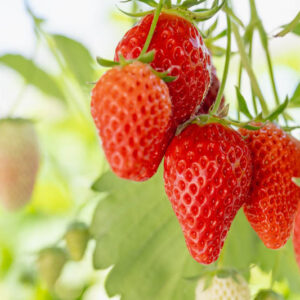
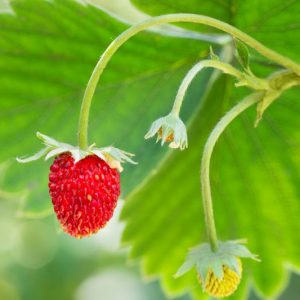
Wild Strawberry 'Yellow Wonder', Alpine Strawberry 'Yellow Wonder', Fraise Des Bois 'Yellow Wonder', Wood Strawberry 'Yellow Wonder'
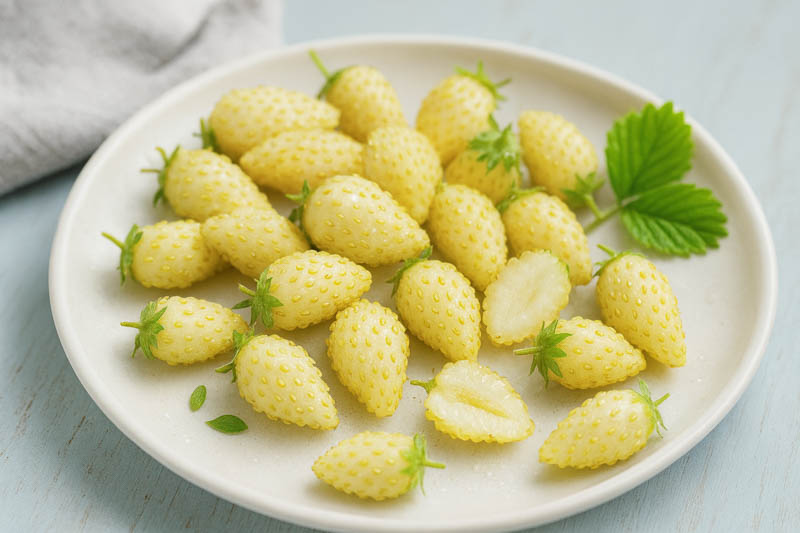


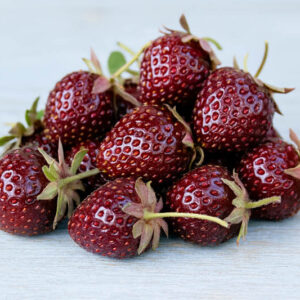
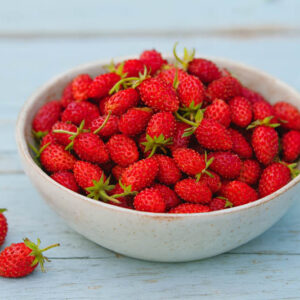
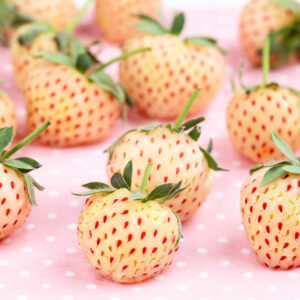
Summary: ‘Yellow Wonder’ is a golden-fruited selection of the wild strawberry, Fragaria vesca. The berries ripen pale lemon to buttery gold, with classic woodland-strawberry perfume and candy-sweet flavor. Compact, usually runnerless plants produce repeatedly from summer into fall and are ideal for edging, containers, and kid-friendly snack gardens.
Taste: Very sweet, aromatic, low acid, subtle pineapple note; pure wild-strawberry character without the red color.
Use: Fresh nibbling, garnishes, pale-gold coulis, syrups, delicate desserts; great for gardeners battling bird pecking.
Safety: Edible; same allergy considerations as red strawberries.
| Botanical Name | Fragaria vesca ‘Yellow Wonder’ |
|---|---|
| Family | Rosaceae (Rose family) |
| Common Names | Alpine strawberry, Wild strawberry, Woodland strawberry, Yellow alpine strawberry |
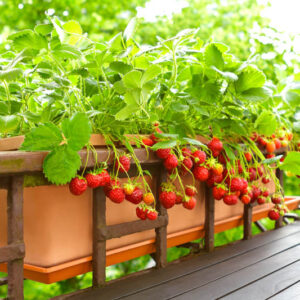
| Plant Type and Habit | Compact herbaceous perennial; clumping, typically runnerless; neat mounds for edging and pots |
| Hardiness (USDA) | Generally Zones 3–9 (with winter mulch in colder regions) |
| Size | Height 8–10 in (20–25 cm); spread 14–18 in (35–45 cm) per crown |
| Sun and Exposure | Full sun for sweetest fruit; light afternoon shade in hot-summer climates |
| Soil | Rich, well-drained, evenly moist; ideal pH ~6.5–6.8; mulch to keep fruit clean |
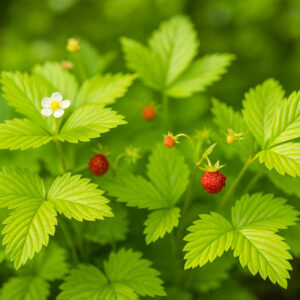
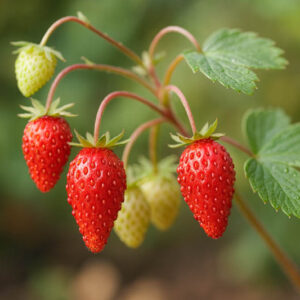
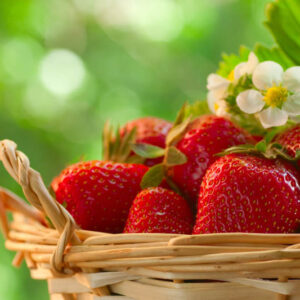
| Bloom and Fruit | White flowers; fruits ripen pale yellow to soft gold with tiny achenes |
| Season | Day-neutral/everbearing: mid-spring through late fall; may pause in extreme heat. Plants may stall above 86°F; provide afternoon shade and steady moisture. |
| From Seed | Often fruits the first fall from a late-winter sowing; heavier the second spring |
| Pollination | Self-fertile; bees improve size and uniformity |
| Primary Uses | Edging, patio pots, children’s gardens, woodland borders, gourmet garnishes |
‘Yellow Wonder’ is for anyone who loves alpine strawberry flavor but wants a twist. These berries never blush red—they mature to a soft lemon-gold that looks like sunlight caught in fruit form. The result is more than pretty: many gardeners report fewer pecks from birds, likely because the pale color doesn’t scream “ripe!” from across the yard. Meanwhile, the taste is everything you expect from Fragaria vesca: intense perfume, low acidity, and a sweetness that makes you slow down and savor.
‘Yellow Wonder’ belongs to the species Fragaria vesca, the classic wild or alpine strawberry treasured across Europe and beyond. Unlike the standard red-fruited forms, ‘Yellow Wonder’ carries a recessive trait that keeps pigments pale at ripeness. You get the same woodland aroma in a unique colorway. Plants are typically runnerless, forming tidy clumps rather than sending long stolons. They’re day-neutral, which means instead of one big June crop you’ll see steady flushes from summer into fall, with a short rest if the weather turns scorching.
| Feature | F. vesca ‘Yellow Wonder’ (Wild) | F. × ananassa (Garden) |
|---|---|---|
| Fruit color & size | Pale yellow to gold; small, aromatic | Typically red; medium to very large |
| Bearing habit | Day-neutral; repeated flushes summer–fall | June-bearing, everbearing, or day-neutral |
| Growth habit | Compact, usually runnerless clumps | Often vigorous with runners |
| Kitchen niche | Fresh, garnishes, delicate desserts, syrups | All uses: fresh, jam, baking, freezing |
Don’t let the pale hue fool you—‘Yellow Wonder’ is loaded with woodland-strawberry aroma and sweetness. Like other Fragaria vesca types, these berries offer vitamin C, fiber, and antioxidant compounds in a petite package. Their delicate color makes them stunning on panna cotta or lemon tarts, and they puree into a golden coulis that won’t tint whipped cream pink. Try muddling a few berries with mint for lemonade, or add them whole to sparkling water for a fragrant, barely-sweet sip.
Pick when berries turn uniformly pale yellow to soft gold, feel slightly tender, and detach with a gentle tug. Morning harvests are most fragrant. Chill promptly and enjoy within a day or two for best texture. These berries shine fresh, but they also excel in small-batch syrups, golden compotes, or as a delicate finish on cheesecakes and shortcakes. Their light color pairs beautifully with citrus, vanilla, and mint.
Best in Zones 3–9 (with winter protection at the colder end). In cold regions, mulch crowns after the soil cools for winter and pull mulch back at first spring growth. In hot regions, a touch of afternoon shade and steady moisture help plants cruise through summer. Like many alpines, productivity improves with consistent picking and even moisture.
‘Yellow Wonder’ shows good general disease resistance when grown with airflow, clean mulch, and steady—not soggy—moisture. Keep an eye on the usual strawberry issues:
| Season | Tasks |
|---|---|
| Late winter to early spring | Stratify and sow seed; prep beds with compost; divide and replant clumps; set drip/soaker lines |
| Spring to early summer | Mulch lightly; maintain even moisture; begin regular picking as berries color |
| Midsummer | Expect a brief heat pause; offer afternoon shade; refresh mulch; clip tired leaves after a flush; if temps exceed 86°F, provide afternoon shade and steady moisture |
| Fall | Enjoy final harvests; tidy foliage; thin or divide crowded clumps; top-dress with compost |
| Winter | Mulch crowns after soil cools in cold climates; pull mulch back at first spring growth |
Usually yes, which keeps plants compact and fruit-focused. If an occasional runner appears, snip it or root it where you’d like a new clump.
Many gardeners report fewer pecks on pale fruit than red. It’s not bird-proof, but the color seems less conspicuous. Netting is still wise in high-pressure areas.
With a 3–4 week chill and bright, warm conditions, expect seedlings in a few weeks and a light fall crop from early sowings; year two is more productive.
No. ‘Yellow Wonder’ is self-fertile, but bee traffic improves size and uniformity. Border beds with nectar plants like alyssum or thyme.
Yes—especially small-batch jams and syrups—but their delicate color and aroma shine best fresh or as a pale-gold coulis over desserts.
Plant a ribbon of ‘Yellow Wonder’ where you stroll every day. You’ll start scanning for those little glints of gold, pluck a few on your way past, and remember instantly how wild strawberries can smell like summer itself—only now they look like sunshine, too.
| Hardiness |
3 - 9 |
|---|---|
| Heat Zones |
1 - 8 |
| Climate Zones | 2, 2B, 3, 3A, 3B, 4, 5, 6, 7, 8, 9, 14, 15, 16, 17, 18, 19, 20, 21, 22, 23, 24, H2 |
| Plant Type | Fruits |
| Plant Family | Rosaceae |
| Genus | Fragaria |
| Common names | Strawberry, Wild Strawberry |
| Exposure | Full Sun, Partial Sun |
| Season of Interest | Spring (Late), Summer (Early, Mid, Late) |
| Height | 8" - 10" (20cm - 25cm) |
| Spread | 1' - 2' (30cm - 60cm) |
| Spacing | 10" - 12" (25cm - 30cm) |
| Maintenance | Average |
| Water Needs | Average |
| Soil Type | Clay, Loam, Sand |
| Soil pH | Acid, Neutral |
| Soil Drainage | Moist but Well-Drained |
| Characteristics | Semi-Evergreen, Fruit & Berries |
| Tolerances | Heat, Fire |
| Attracts | Bees, Birds |
| Garden Uses | Edging, Ground Covers, Patio And Containers |
| Garden Styles | Informal and Cottage |
| Toxic to Humans | No known toxicity |
| Toxic to Cats | Not toxic |
| Toxic to Dogs | Not toxic |
| Toxic to Horses | Not toxic |


| Hardiness |
3 - 9 |
|---|---|
| Heat Zones |
1 - 8 |
| Climate Zones | 2, 2B, 3, 3A, 3B, 4, 5, 6, 7, 8, 9, 14, 15, 16, 17, 18, 19, 20, 21, 22, 23, 24, H2 |
| Plant Type | Fruits |
| Plant Family | Rosaceae |
| Genus | Fragaria |
| Common names | Strawberry, Wild Strawberry |
| Exposure | Full Sun, Partial Sun |
| Season of Interest | Spring (Late), Summer (Early, Mid, Late) |
| Height | 8" - 10" (20cm - 25cm) |
| Spread | 1' - 2' (30cm - 60cm) |
| Spacing | 10" - 12" (25cm - 30cm) |
| Maintenance | Average |
| Water Needs | Average |
| Soil Type | Clay, Loam, Sand |
| Soil pH | Acid, Neutral |
| Soil Drainage | Moist but Well-Drained |
| Characteristics | Semi-Evergreen, Fruit & Berries |
| Tolerances | Heat, Fire |
| Attracts | Bees, Birds |
| Garden Uses | Edging, Ground Covers, Patio And Containers |
| Garden Styles | Informal and Cottage |
| Toxic to Humans | No known toxicity |
| Toxic to Cats | Not toxic |
| Toxic to Dogs | Not toxic |
| Toxic to Horses | Not toxic |
How many Fragaria vesca ‘Yellow Wonder’ (Wild Strawberry) do I need for my garden?
| Plant | Quantity | |
|---|---|---|
| Fragaria vesca ‘Yellow Wonder’ (Wild Strawberry) | N/A | Buy Plants |
Create a membership account to save your garden designs and to view them on any device.
Becoming a contributing member of Gardenia is easy and can be done in just a few minutes. If you provide us with your name, email address and the payment of a modest $25 annual membership fee, you will become a full member, enabling you to design and save up to 25 of your garden design ideas.
Join now and start creating your dream garden!
Create a membership account to save your garden designs and to view them on any device.
Becoming a contributing member of Gardenia is easy and can be done in just a few minutes. If you provide us with your name, email address and the payment of a modest $25 annual membership fee, you will become a full member, enabling you to design and save up to 25 of your garden design ideas.
Join now and start creating your dream garden!