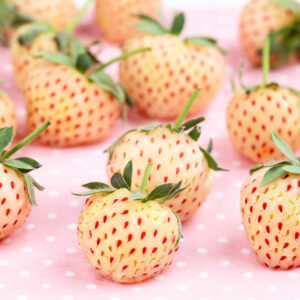
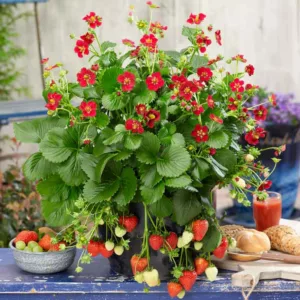
Wild Strawberry 'Mignonette', Alpine Strawberry 'Mignonette', Fraise Des Bois 'Mignonette', Wood Strawberry 'Mignonette'
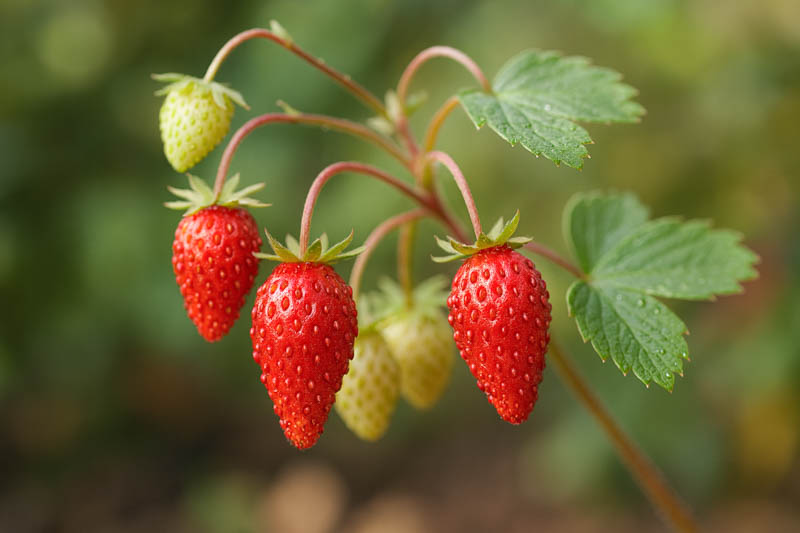


Summary: ‘Mignonette’ is a French everbearing wild strawberry loved for perfume-like flavor in petite, ruby fruits. Compact, often runnerless plants fruit steadily from June into early autumn, thriving in beds, borders, and containers.
Taste: Sweet, wild, heirloom flavor; low acid; one berry perfumes a bowl.
Use: Fresh nibbling, tarts, garnishes, cocktails, ice cream, edible edging.
Safety: Edible; same allergy considerations as other strawberries.
| Botanical Name | Fragaria vesca ‘Mignonette’ |
|---|---|
| Family | Rosaceae (Rose family) |
| Common Names | Alpine strawberry, Wild strawberry, Woodland strawberry |
| Plant Type and Habit | Compact herbaceous perennial; clumping, often runnerless; tidy mounds for edging |
| Hardiness (USDA) | Zones 3–9 (mulch crowns well for winter in colder areas) |
| Size | Height 6–8 in (15–20 cm); spread 8–12 in (20–30 cm) per crown; berries to ~1 in (3 cm) |
| Sun and Exposure | Full sun for best fruit; tolerates partial shade—afternoon shade is helpful in hot regions |
| Soil | Rich, well-drained, evenly moist; ideal pH 6.0–6.5; mulch to keep fruit clean |
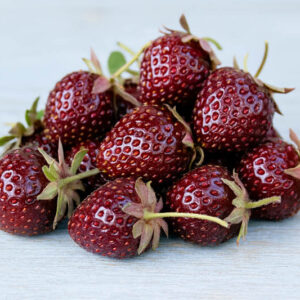
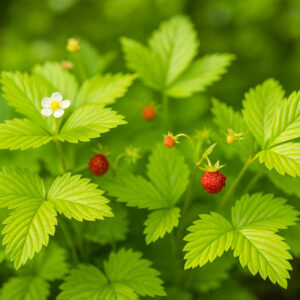
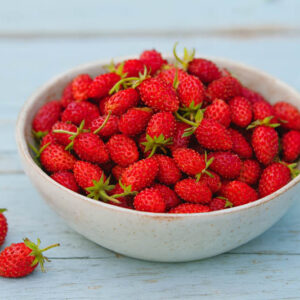
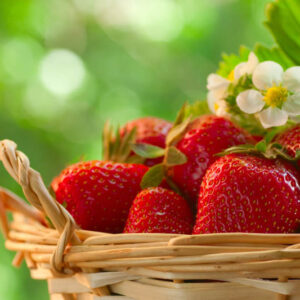
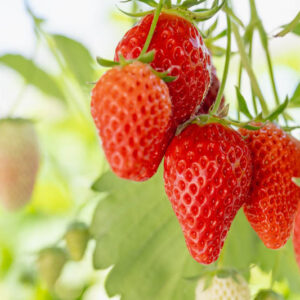
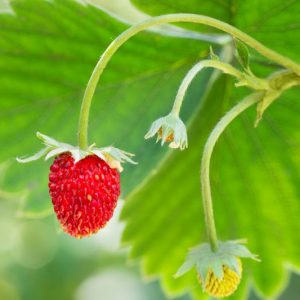
| Bloom and Fruit | White flowers; small to medium, teardrop-shaped red fruits with intense aroma |
| Season | Everbearing/day-neutral: June–September (often rests in peak summer heat) |
| From Seed | ~80 days to first fruit from sowing under good conditions |
| Pollination | Self-fertile; bees improve fruit size and uniformity |
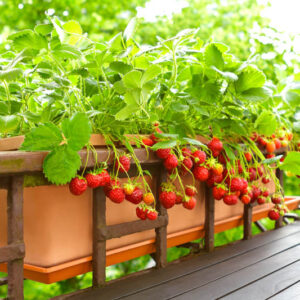
| Primary Uses | Borders/edging, groundcover patches, patio pots, children’s gardens, gourmet garnishes |
Think of ‘Mignonette’ as the strawberry that whispers rather than shouts. The berries are petite, but the perfume is astonishing. A handful scattered over yogurt can scent the whole bowl. Plants are neat, often runnerless, so they stay where you put them and make beautiful, productive edging along paths and beds. Unlike big supermarket strawberries bred for shipping, alpines like ‘Mignonette’ shine within minutes of picking. That immediacy is part of their charm: you wander past, you pluck, you grin.
‘Mignonette’ is a cultivated variety (cultivar) of Fragaria vesca, widely regarded as an improved selection of the heirloom Reine des Vallées. Like many wild strawberries, it’s commonly propagated by seed and grows true to type, making it easy to share and replant year after year.
| Feature | F. vesca ‘Mignonette’ (Wild) | F. × ananassa (Garden) |
|---|---|---|
| Fruit size | Small–medium, teardrop-shaped, intensely aromatic (to ~1 in) | Medium to very large, broad range of flavors |
| Bearing habit | Everbearing/day-neutral; steady fruiting with a midsummer pause in heat | June-bearing, everbearing, or day-neutral types |
| Growth habit | Compact, often runnerless clumps | Vigorous; many cultivars produce runners |
| Best uses | Edging, containers, fresh garnish, desserts | Fresh eating, jam, freezing, baking, big harvests |
Though small, ‘Mignonette’ strawberries are nutritionally dense. Like other Fragaria vesca types, they deliver a good dose of vitamin C, fiber, and natural antioxidants such as anthocyanins and ellagic acid—compounds linked to immune support and reduced inflammation. Their petite size concentrates both aroma compounds and phytonutrients, making them a gourmet ingredient with wellness appeal. Regularly enjoying alpine strawberries may help support collagen production, healthy skin, and digestive balance. In the kitchen, their fragrance enhances simple foods: a few berries can perfume yogurt, ice cream, cocktails, or even sparkling water. They’re a perfect example of how heirloom varieties offer flavor, history, and nutrition beyond commercial supermarket fruit.
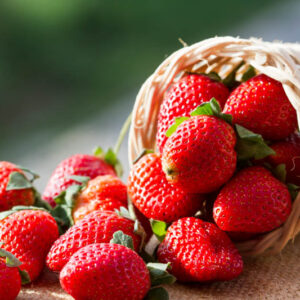
Ripe berries turn deep, glossy red and detach with a gentle tug, releasing a cloud of perfume. Harvest cool mornings, chill promptly, and enjoy within a day or two for peak texture. The flavor is concentrated enough that a handful transforms simple desserts—panna cotta, shortcake, rippled ice cream, lemonade, or a sparkling drink.
| Season | Tasks |
|---|---|
| Late winter to early spring | Stratify and sow seed; top-dress compost; check irrigation; divide and replant; refresh mulch lightly |
| Spring to early summer | Maintain even moisture; pick frequently; clip tired leaves after heavy flush |
| Midsummer | Monitor slugs and mites; keep crowns open; light side-dress if growth pales; expect a brief heat pause |
| Fall | Final harvests; tidy foliage; thin or divide crowded clumps |
| Winter | Mulch crowns heavily after soil cools in cold climates; pull mulch back at first spring growth |
Typically yes, which keeps plants compact and fruit-focused. If yours makes a few runners, remove them—or let first-year runners fill small gaps.
With a cold stratification period and warm, bright conditions, many gardeners see first fruit about 80 days from sowing; heavier picking follows in year two.
No. ‘Mignonette’ is self-fertile. Bee activity still improves fruit size and shape.
In very hot, dry spells, provide afternoon shade, steady moisture, and mulch. Plants often pause in extreme heat, then resume flowering as temperatures ease.
Yes, with bright light 12–14 hours daily and some hand pollination, but outdoor plants are easier and more productive for most gardeners.
Plant a row of ‘Mignonette’ where you walk every day. You’ll find yourself slowing at the same spot, scanning for a blush of red, and tasting the kind of strawberry flavor most people only read about. Tiny fruit, big memory. That’s the alpine promise.
| Hardiness |
3 - 9 |
|---|---|
| Heat Zones |
1 - 8 |
| Climate Zones | 2, 2B, 3, 3A, 3B, 4, 5, 6, 7, 8, 9, 14, 15, 16, 17, 18, 19, 20, 21, 22, 23, 24, H2 |
| Plant Type | Fruits |
| Plant Family | Rosaceae |
| Genus | Fragaria |
| Common names | Strawberry, Wild Strawberry |
| Exposure | Full Sun, Partial Sun |
| Season of Interest | Spring (Late), Summer (Early, Mid, Late) |
| Height | 6" - 8" (15cm - 20cm) |
| Spread | 8" - 1' (20cm - 30cm) |
| Spacing | 10" - 12" (25cm - 30cm) |
| Maintenance | Average |
| Water Needs | Average |
| Soil Type | Clay, Loam, Sand |
| Soil pH | Acid, Neutral |
| Soil Drainage | Moist but Well-Drained |
| Characteristics | Semi-Evergreen, Fruit & Berries |
| Tolerances | Heat, Fire |
| Attracts | Bees, Birds |
| Garden Uses | Edging, Ground Covers, Patio And Containers |
| Garden Styles | Informal and Cottage |
| Toxic to Humans | No known toxicity |
| Toxic to Cats | Not toxic |
| Toxic to Dogs | Not toxic |
| Toxic to Horses | Not toxic |


| Hardiness |
3 - 9 |
|---|---|
| Heat Zones |
1 - 8 |
| Climate Zones | 2, 2B, 3, 3A, 3B, 4, 5, 6, 7, 8, 9, 14, 15, 16, 17, 18, 19, 20, 21, 22, 23, 24, H2 |
| Plant Type | Fruits |
| Plant Family | Rosaceae |
| Genus | Fragaria |
| Common names | Strawberry, Wild Strawberry |
| Exposure | Full Sun, Partial Sun |
| Season of Interest | Spring (Late), Summer (Early, Mid, Late) |
| Height | 6" - 8" (15cm - 20cm) |
| Spread | 8" - 1' (20cm - 30cm) |
| Spacing | 10" - 12" (25cm - 30cm) |
| Maintenance | Average |
| Water Needs | Average |
| Soil Type | Clay, Loam, Sand |
| Soil pH | Acid, Neutral |
| Soil Drainage | Moist but Well-Drained |
| Characteristics | Semi-Evergreen, Fruit & Berries |
| Tolerances | Heat, Fire |
| Attracts | Bees, Birds |
| Garden Uses | Edging, Ground Covers, Patio And Containers |
| Garden Styles | Informal and Cottage |
| Toxic to Humans | No known toxicity |
| Toxic to Cats | Not toxic |
| Toxic to Dogs | Not toxic |
| Toxic to Horses | Not toxic |
How many Fragaria vesca ‘Mignonette’ (Wild Strawberry) do I need for my garden?
| Plant | Quantity | |
|---|---|---|
| Fragaria vesca ‘Mignonette’ (Wild Strawberry) | N/A | Buy Plants |
Create a membership account to save your garden designs and to view them on any device.
Becoming a contributing member of Gardenia is easy and can be done in just a few minutes. If you provide us with your name, email address and the payment of a modest $25 annual membership fee, you will become a full member, enabling you to design and save up to 25 of your garden design ideas.
Join now and start creating your dream garden!
Create a membership account to save your garden designs and to view them on any device.
Becoming a contributing member of Gardenia is easy and can be done in just a few minutes. If you provide us with your name, email address and the payment of a modest $25 annual membership fee, you will become a full member, enabling you to design and save up to 25 of your garden design ideas.
Join now and start creating your dream garden!