Raspberries made easy. Learn cane biology, choose climate-smart varieties, and set a simple two-wire trellis for clean, heavy crops. Match sun, soil, and mulch; prune by type for buckets of fruit; chill harvests fast. Then celebrate with jam, syrup, coulis, lemonade—or a small-batch liqueur.
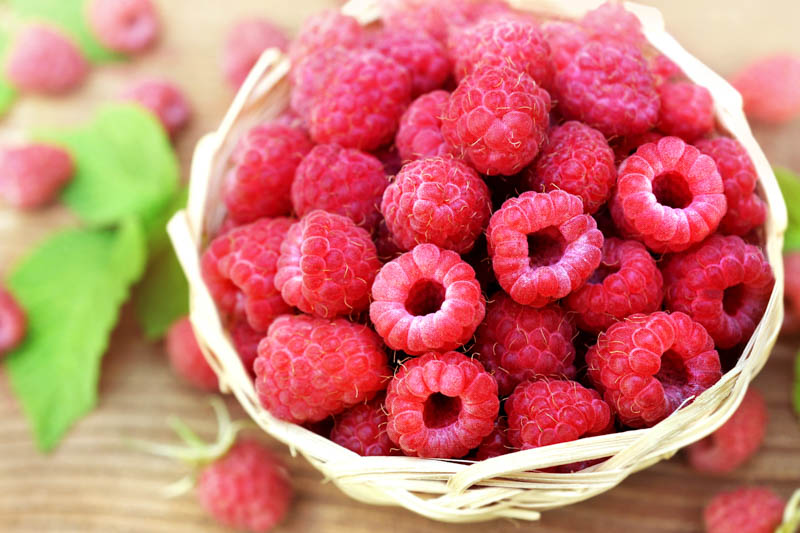
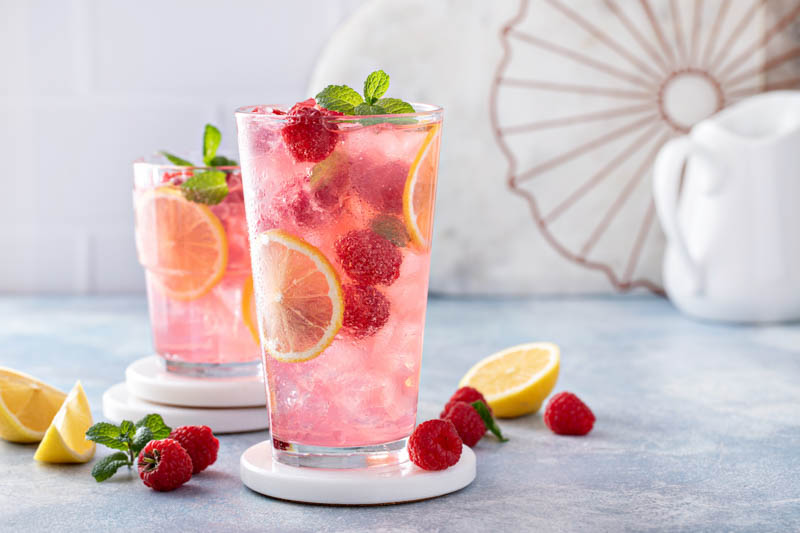
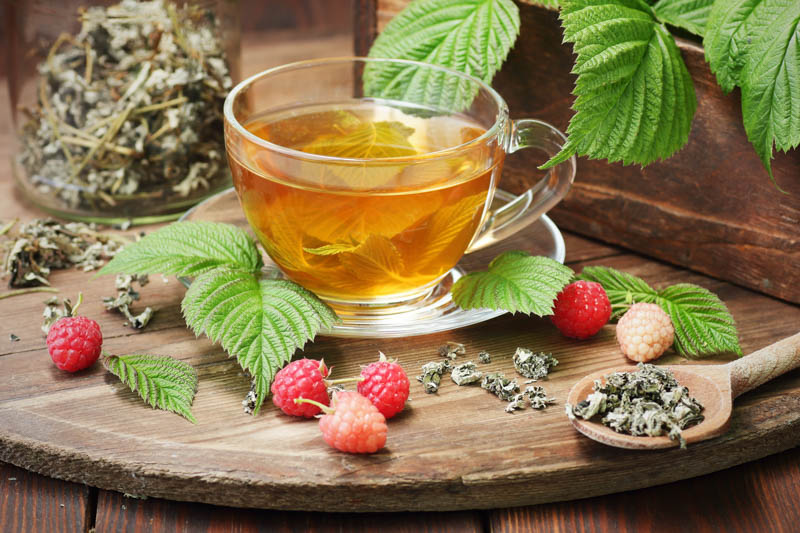


Summary: Hardy brambles for full sun and rich, well-drained soil (best USDA 4–8; hardy to 3, some to 9).
Canes are biennial: primocanes (year 1) and floricanes (year 2). Choose summer-bearing (one big early crop)
or everbearing (fall crop on new canes). Prune by cane age, trellis for airflow, and pick every 24–48 hours in season.
| Botanical & Types | Rubus idaeus (red raspberry). Relatives: R. occidentalis (black raspberry), blackberries (Rubus spp.). |
|---|---|
| Cane Biology (Key) | Perennial roots; biennial canes. Primocanes (Year 1): vegetative; many everbearers fruit on top third late summer–fall. Floricanes (Year 2): heavy early-summer crop, then canes die. |
| USDA Zones | Best in 4–8. Cold-hardy picks to 3; some heat-tolerant to 9 (choose by cultivar). |
| Sun, Air & Site | Full sun (6–8+ hrs). Avoid frost pockets; keep rows airy. Raised rows/mounds in clay. |
| Soil & pH | Rich, well-drained loam; slightly acidic pH ≈ 6.0–6.8. Raspberries dislike “wet feet.” |
| Bearing Habits | Summer-bearing (floricane): one big early-summer crop on last-year canes. Everbearing (primocane): late-summer–fall on new canes; optional small spring crop if canes overwinter. |
| Pruning (Quick Rules) | Floricane: After harvest, remove spent canes at ground; keep 4–6 strong primocanes/ft of row; winter tip back ~¼. Primocane: One big fall crop—mow all canes late winter. Two crops—leave canes for small spring crop, then remove. |
| Trellis & Spacing | Keep fruiting strip ~18–24 in (45–60 cm) wide. Single/double wire or T-post; tie for light and access. |
| Water & Mulch | Even moisture (≈1–1.5 in / 2.5–4 cm per week) from bloom to harvest; drip/soaker preferred. Mulch 3–4 in; keep off crowns. |
| Feeding | Compost or balanced fertilizer in early spring; avoid heavy nitrogen (leafy growth over fruit). |
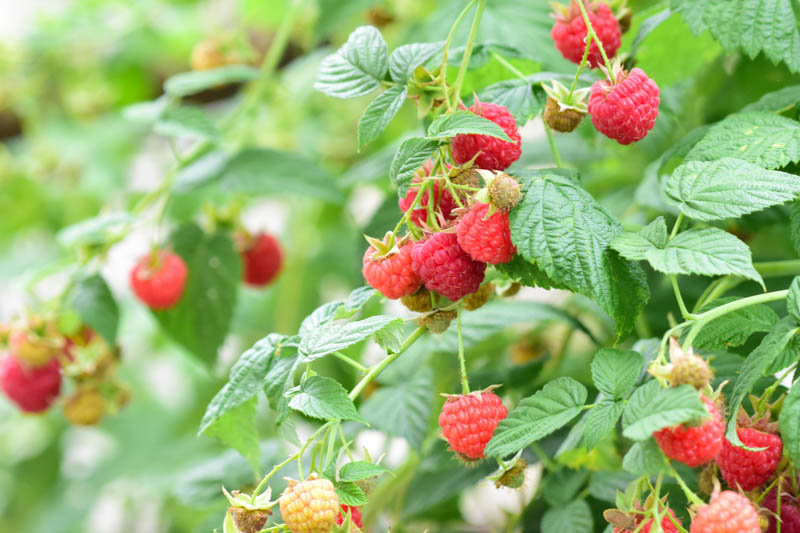
| Harvest Cues | Fully colored; gentle lift releases berry; pick every 24–48 hrs in peak for quality and SWD control. |
| Handling & Storage | Shallow containers; shade and chill within 30–60 min. Fridge 2–4 days; tray-freeze; dehydrate for snacks. |
| Yield & Lifespan | ~1–2 lb (0.5–1 kg) per plant; 100–200 lb (45–90 kg) per 100-ft row. Patch productive ~10–15 yrs with renewal. |
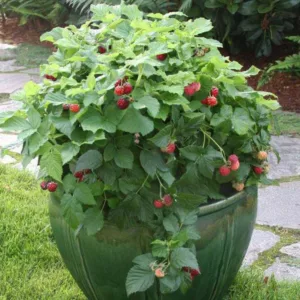
| Containers | 15–20+ gal pot; rich mix; small trellis; daily checks in heat. Good choices: ‘Joan J’, ‘Polka’, ‘Heritage’. |
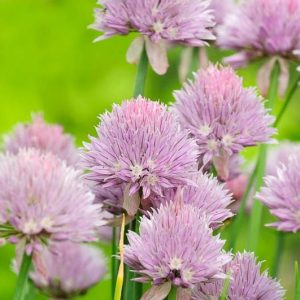
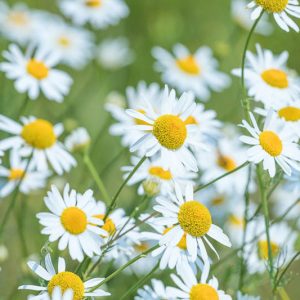
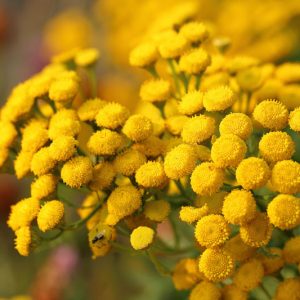
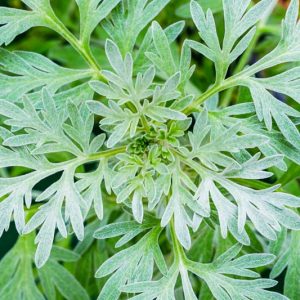
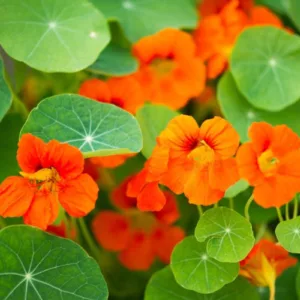
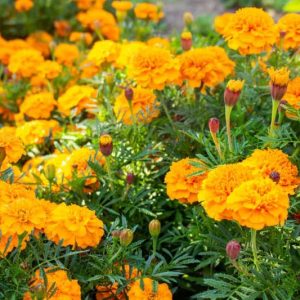
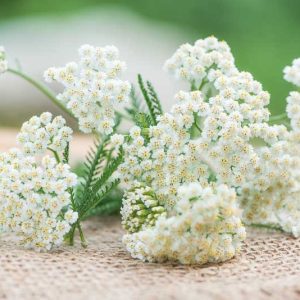
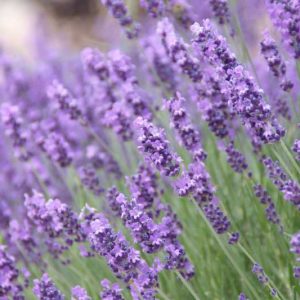
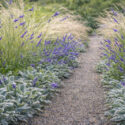
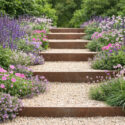
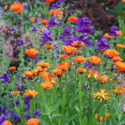
| Companions | Borage, yarrow, lavender, marigold, nasturtium; white clover between rows (not at crowns). Avoid: tomatoes, potatoes, peppers (verticillium risk). |
| Common Issues (IPM) | SWD: pick daily late season; chill fast; prune for light; consider fine netting. Botrytis: dry leaves/fruit; thin canopy; mulch; avoid overhead irrigation. Aphids/Japanese beetles: blast with water; encourage beneficials; hand-pick JB at dawn. Cane borer: prune 6–8 in below double ring and destroy prunings. |
| Nutrition & Cautions | High fiber, vitamin C, antioxidants. Rare allergies; oxalates present. Raspberry leaf tea: clinician-guided use (pregnancy). |
If you’ve ever leaned over a berry patch in midsummer with ruby juice on your fingertips and a handful of tart-sweet treasure, you already speak raspberry. This guide is your friendly map to everything raspberry: the plant itself, how to grow it with confidence, how to pick the right variety for your zone, the health perks (and a few cautions), and how to get from bramble to breakfast bowl. Think of it as both your entry point and your deep dive.
In home gardens, the raspberry you’ll most often grow is Rubus idaeus (rose family, Rosaceae), also called red raspberry. Botanists split it into two infraspecific taxa: R. idaeus var. idaeus (European raspberry, native to Eurasia) and R. idaeus var. strigosus (American red raspberry, native across much of North America).
In the wild, raspberries colonize open woods, ravines, stream banks, heaths, and mountain slopes. Today’s cultivated raspberries are mostly hybrids of these types, bred for yield, size, flavor, and disease resistance.
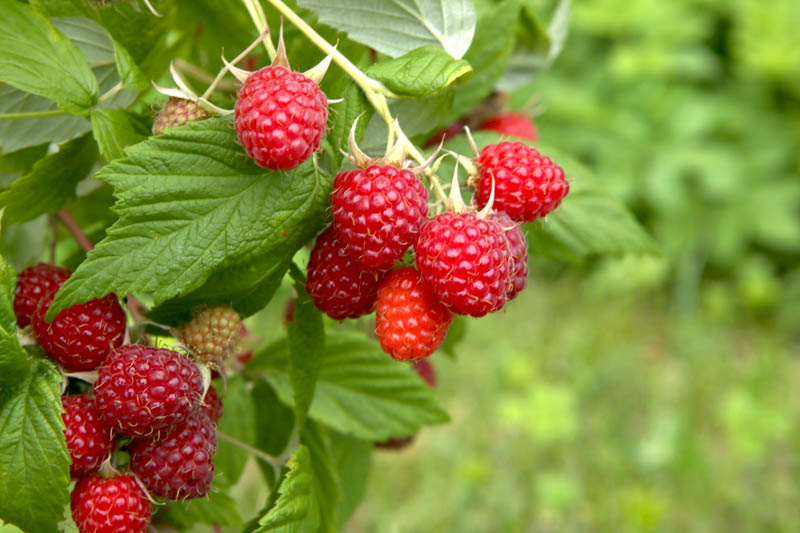
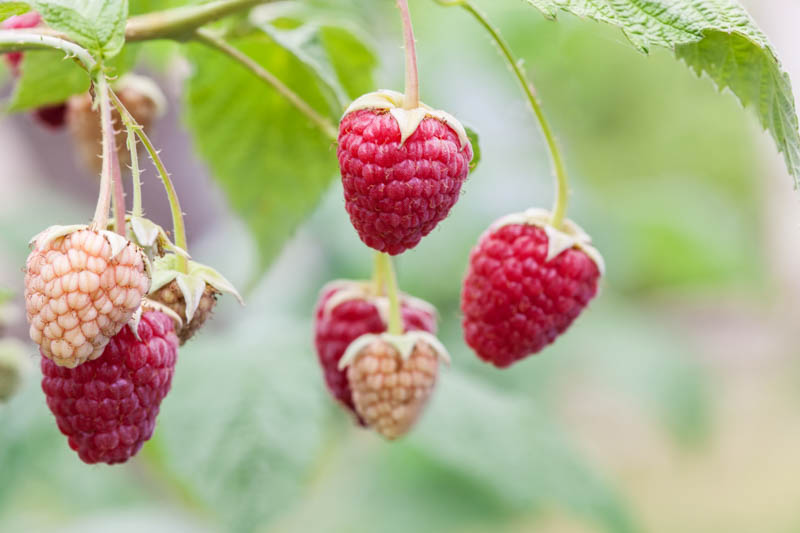
A raspberry is a perennial shrub with a root system that persists for many years, while its canes are biennial and follow a two-year cycle.
Understanding this cycle is the secret to pruning like a pro and filling your freezer with berries.
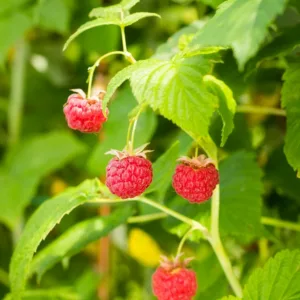
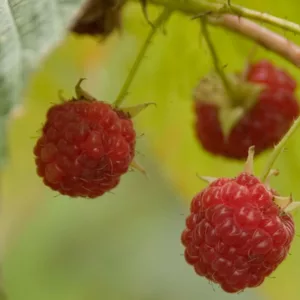
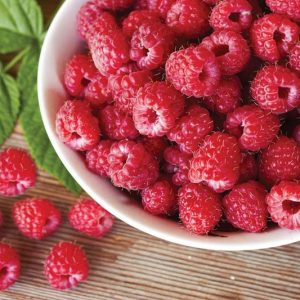
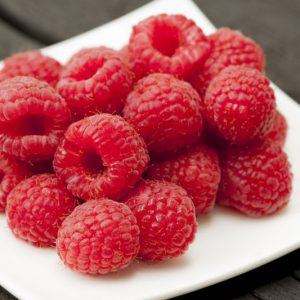
Clusters of small white flowers appear in late spring to early summer, buzzing with pollinators. More bees = fuller drupes (the tiny beadlets making up each berry). Fruits follow:
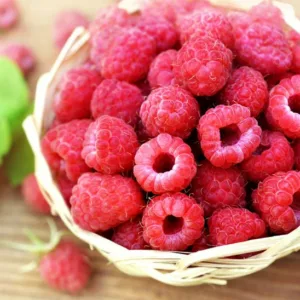
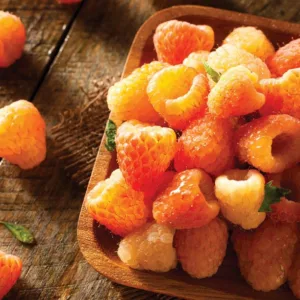
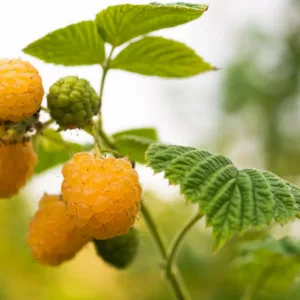
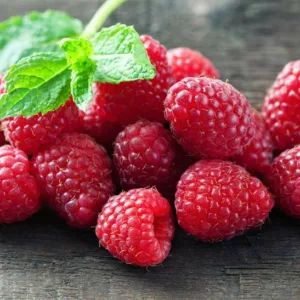
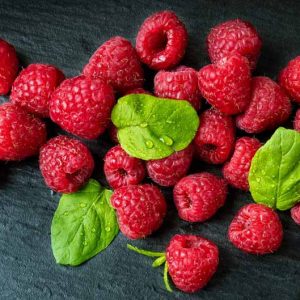
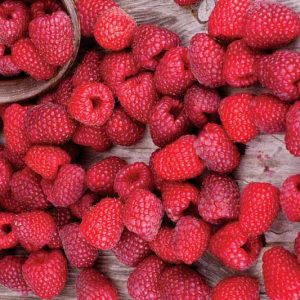
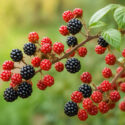
Berries range from classic ruby red to golden yellow, purple, or black, depending on cultivar.
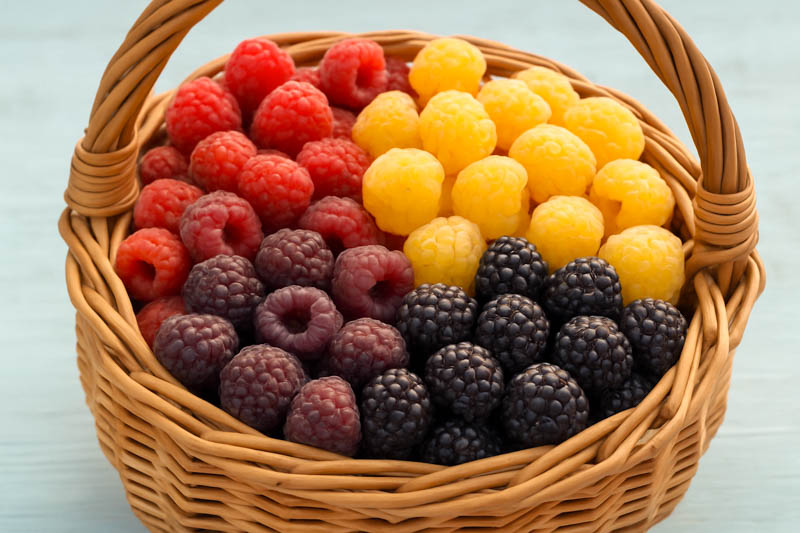
| Type | Harvest | Why choose it |
|---|---|---|
| Summer-bearing (floricane) | One large early-summer crop on last year’s canes | Classic flavor + big single harvest; pairs well with an everbearer to extend season |
| Everbearing (primocane) | Late-summer to fall crop on new canes; optional smaller spring crop | Easiest pruning (mow in late winter); great for warm regions and continuous picking |
Raspberries are hardy brambles, but not all cultivars suit every climate. Match your choice to winter lows and summer heat. Below are recommended cultivars, split by bearing type:
| Cultivar | USDA Zones | Notes |
|---|---|---|
| Latham | 3–8 | Classic northern red; hardy and productive. |
| Boyne | 3–7 | Cold-hardy Canadian cultivar; medium fruit, good disease resistance. |
| Nova | 3–8 | Thornless canes; cold hardy and heat tolerant. |
| Killarney | 3–7 | From Manitoba; bright red, aromatic berries. |
| Encore | 4–8 | Late-season red; good flavor and size. |
| Dorman Red | 7–9 | Southern adaptation; vigorous; softer berries. |
| Royalty (purple) | 4–8 | Purple hybrid; large fruit; versatile for fresh or preserves. |
| Cultivar | USDA Zones | Notes |
|---|---|---|
| Heritage | 4–8 | Widely grown; reliable fall crop; mild flavor. |
| Caroline | 4–7 | Larger and earlier than Heritage; disease-resistant. |
| Polana | 3–8 | Polish selection; compact habit; early fall fruiting. |
| Joan J | 4–8 | Nearly thornless; sweet, firm fruit. |
| Anne (yellow) | 4–9 | Golden berries; very sweet; ripens late summer–fall. |
| Fall Gold (yellow) | 5–8 | Amber-gold; very sweet but softer fruit. |
Pruning is where raspberry success is won or lost. Here’s the cycle explained simply:
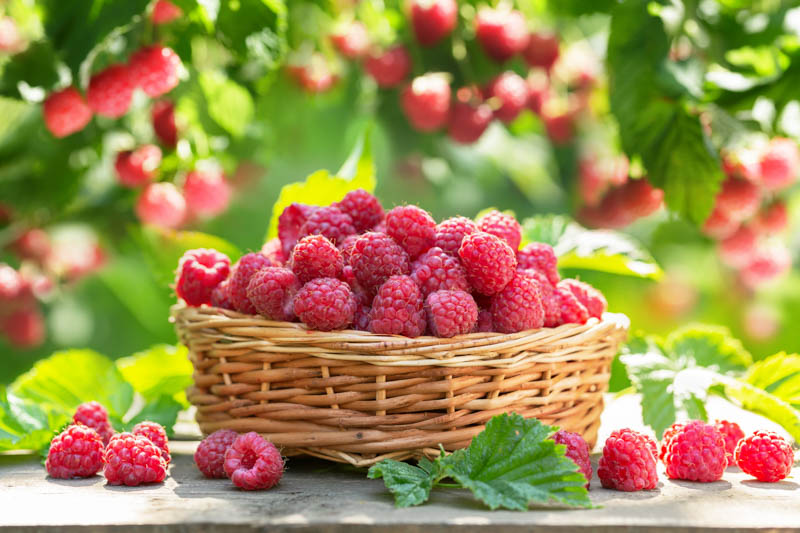
No yard? No problem—compact raspberries thrive in large pots on patios and balconies.
Raspberries appreciate helpful neighbors. Companion plants can attract pollinators, deter pests, or improve soil.
Keep it simple: airflow, sanitation, and steady moisture solve most raspberry issues.
| Season | Tasks |
|---|---|
| Late winter (dormant) | Choose pruning strategy (floricane vs. primocane one-crop); cut out dead/spent canes; repair trellis; add compost and renew mulch. |
| Spring | Thin new canes for spacing; set drip/soaker; watch for aphids; keep rows narrow. |
| Early summer | Harvest summer-bearers; remove fruited canes immediately; suppress weeds; monitor Spotted Wing Drosophila as temperatures rise. |
| Late summer–fall | Harvest primocane crop every 1–2 days; chill fruit promptly; maintain airflow by tying and light thinning. |
| Fall | Sanitize dropped fruit/leaves; top up mulch; note which cultivars performed best for next year’s planning. |
| Anytime | Keep crowns visible; mulch off canes; retie canes after storms. |
No. Most red raspberries are self-fertile. A second variety can extend the harvest window but isn’t required for fruit set.
Summer-bearing fruit once on year-old canes (floricanes) in early summer. Everbearers (primocanes) fruit on current-season cane tips late summer–fall and can give a small early-summer crop the following year if not mowed.
Crowns can produce 8–12+ years with good hygiene. Many gardeners replant sections periodically with certified, disease-free stock.
Common causes: drought during fruit swell, poor pollination, viral issues, or overcrowded/aging canes. Thin hard, water evenly, and start with clean plants.
Thornless or compact primocane types like ‘Joan J’, ‘Polka’, or ‘Heritage’. Use 15–20+ gal pots, rich mix, small trellis, and steady watering.
Large servings can cause bloating or loose stools. Rare allergies occur. Raspberries contain oxalates (moderate if you form oxalate stones). Raspberry leaf tea use in pregnancy should be clinician-guided.
Final word: Choose types that fit your climate, trellis for airflow, prune with the cane calendar in mind, mulch deep, and pick often. With those habits, you’ll have fresh bowls all summer, jars for winter, and a patch that hums with pollinators.
| Hardiness |
4 - 8 |
|---|---|
| Plant Type | Fruits, Shrubs |
| Plant Family | Rosaceae |
| Genus | Rubus |
| Common names | Raspberry |
| Exposure | Full Sun, Partial Sun |
| Season of Interest | Summer (Early, Mid, Late), Fall |
| Height | 3' - 9' (90cm - 270cm) |
| Spread | 3' - 9' (90cm - 270cm) |
| Spacing | 24" - 36" (60cm - 90cm) |
| Maintenance | Average |
| Water Needs | Average |
| Soil Type | Clay, Loam, Sand |
| Soil pH | Acid, Neutral |
| Soil Drainage | Moist but Well-Drained, Well-Drained |
| Characteristics | Showy, Fruit & Berries |
| Attracts | Bees, Butterflies, Birds |
| Toxic to Humans | No known toxicity |
| Toxic to Cats | No known toxicity |
| Toxic to Dogs | No known toxicity |
| Toxic to Horses | No known toxicity |
| Hardiness |
4 - 8 |
|---|---|
| Plant Type | Fruits, Shrubs |
| Plant Family | Rosaceae |
| Genus | Rubus |
| Common names | Raspberry |
| Exposure | Full Sun, Partial Sun |
| Season of Interest | Summer (Early, Mid, Late), Fall |
| Height | 3' - 9' (90cm - 270cm) |
| Spread | 3' - 9' (90cm - 270cm) |
| Spacing | 24" - 36" (60cm - 90cm) |
| Maintenance | Average |
| Water Needs | Average |
| Soil Type | Clay, Loam, Sand |
| Soil pH | Acid, Neutral |
| Soil Drainage | Moist but Well-Drained, Well-Drained |
| Characteristics | Showy, Fruit & Berries |
| Attracts | Bees, Butterflies, Birds |
| Toxic to Humans | No known toxicity |
| Toxic to Cats | No known toxicity |
| Toxic to Dogs | No known toxicity |
| Toxic to Horses | No known toxicity |
Create a membership account to save your garden designs and to view them on any device.
Becoming a contributing member of Gardenia is easy and can be done in just a few minutes. If you provide us with your name, email address and the payment of a modest $25 annual membership fee, you will become a full member, enabling you to design and save up to 25 of your garden design ideas.
Join now and start creating your dream garden!
Create a membership account to save your garden designs and to view them on any device.
Becoming a contributing member of Gardenia is easy and can be done in just a few minutes. If you provide us with your name, email address and the payment of a modest $25 annual membership fee, you will become a full member, enabling you to design and save up to 25 of your garden design ideas.
Join now and start creating your dream garden!